Page 1
Page 2
Page 3
Page 4
1
|LEARNING+| ENGLISH GRAMMAR WORKBOOK 1 is specially designed to teach students the correct use of grammar in the English language. Lessons and exercises can be easily removed and presented as homework, class work or quizzes. The glossary and answer pages can be removed and filed away for future reference.
2
Table of Contents
This shows clearly the objectives of each lesson, making it easy to identify and pick specific grammar topics for learning.
3
Grammar Lessons
Each lesson has a specific learning focus and begins with concise explanatory notes and examples.
4
Practice Exercises
The exercises are designed to supplement learning and provide relevant practice on the grammar topics taught.
5
Glossary
Selected words from each lesson and their meanings are found here to help build vocabulary and improve comprehension.
6
Answers
Designed as an independent booklet, the answer key contains answers to all questions, including suggested answers for open-ended questions.
7
Enhanced Learning
FREE resources available
Download My SAPeducation App now!
or go to www.sapgrp.com
Additional Reproducible Activities
Reproducible worksheets on selected topics are available here. These are useful as quick assessments of a child's understanding of the work taught.
Lesson Plans for Parents and Teachers
Ideas and suggestions on how to present each lesson to enhance learning are provided here. These are useful resources for both classroom and home learning.
www.nuadu.com
Do the Diagnostic Tests on NUADU! Improve your results with unlimited practice and instant, real-time feedback on similar topics. Track your progress and complete assignments on your computer, tablet or smartphone. Get started now!
The Editorial Team

Page 4
9
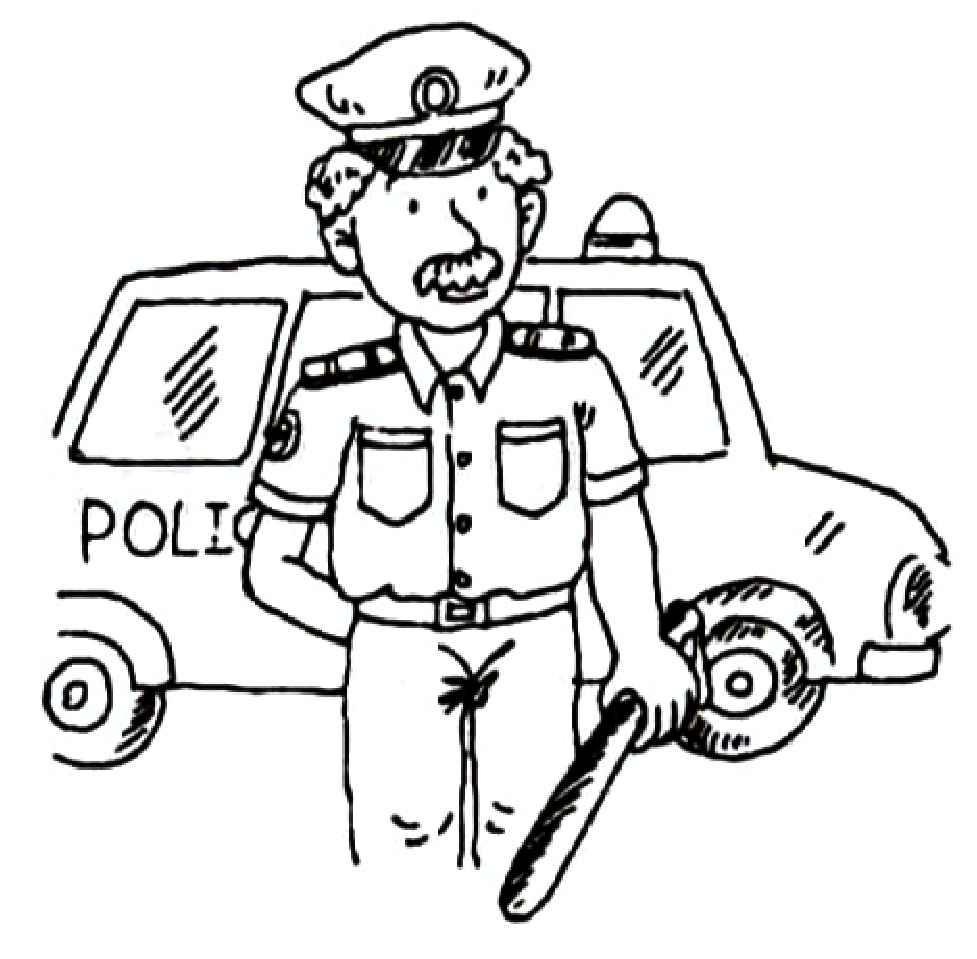
Mr Wilson works at the police station.
is a policeman.
10
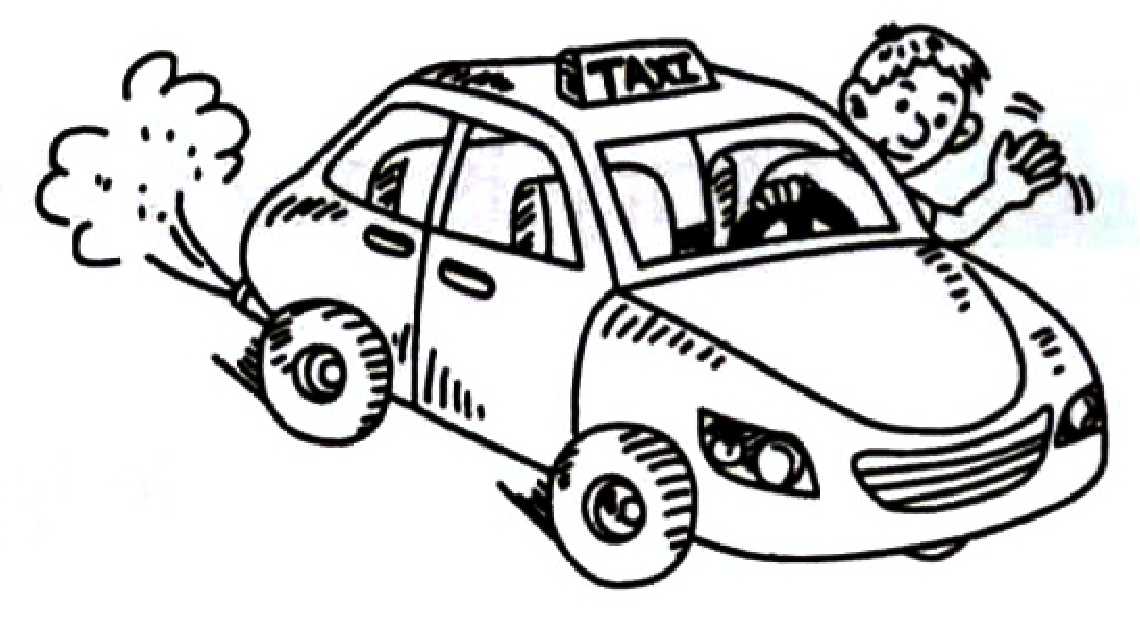
am a taxi driver.
I start work at six o'clock every morning.
Page 5
1
Lesson 1: PRONOUNS — 'I', 'YOU', 'HE' AND 'SHE' WITH THE VERB 'TO BE' (p. 1-6)
Lesson 2: 'WHO' FOLLOWED BY THE VERB 'TO BE' (p. 7-10)
Lesson 3: DEMONSTRATIVES — 'THIS/THAT' AND 'THESE/THOSE' (p. 11-14)
Lesson 4: ARTICLES — 'A' AND 'AN' (p. 15-17)
Lesson 5: NEGATIVE AND AFFIRMATIVE STATEMENTS — 'IS/IS NOT (ISN'T)', 'ARE/ARE NOT (AREN'T)' AND 'AM/AM NOT' (p. 19-21)
Lesson 6: NOUNS (COUNTABLE) — PLURAL FORM (p. 23-26)
Lesson 7: QUESTIONS USING 'WHAT' (p. 27-29)
ADAPTIVE LEARNING: Diagnostic Test 1 (Lessons 1 – 7)
Lesson 8: ADJECTIVES BEFORE NOUNS (p. 31-33)
Lesson 9: POSSESSIVE ADJECTIVES — 'MY', 'YOUR', 'HIS' AND 'HER' (p. 35-37)
Lesson 10: POSSESSIVE ADJECTIVES — 'OUR', 'YOUR' AND 'THEIR' (p. 39-40)
Lesson 11: PRONOUNS — 'WE' AND 'THEY' (p. 41-44)
Lesson 12: 'HAS' AND 'HAVE' TO SHOW POSSESSION (p. 45-50)
Lesson 13: ADJECTIVES AFTER THE VERB 'TO BE' (p. 51-56)
Lesson 14: CONJUNCTIONS — 'AND' AND 'OR' (p. 57-58)
ADAPTIVE LEARNING: Diagnostic Test 2 (Lessons 8 – 14)
Lesson 15: PRESENT CONTINUOUS TENSE (p. 59-61)
Lesson 16: PREPOSITIONS — 'ON', 'IN', 'ABOVE', 'UNDER', 'IN FRONT OF' AND 'BEHIND' (p. 63-67)
Lesson 17: PREPOSITIONS — 'TO' AND 'FROM' (p. 69-70)
Lesson 18: COMMANDS AND REQUESTS (p. 71-73)
Lesson 19: NOUNS (UNCOUNTABLE) (p. 75-78)
Lesson 20: 'HAVE' USED WITH FOOD AND ILLNESS (p. 79-80)
ADAPTIVE LEARNING: Diagnostic Test 3 (Lessons 15 – 20)
Glossary (page 81)
Answers (A1)
Page 6
1
(a) The pronoun 'I' always takes the verb 'AM' in the present tense.
Examples
I am a boy.
I am seven years old.
I am in Primary One.
2
(b) The pronoun 'YOU' always takes the verb 'ARE' in the present tense.
Examples
You are a girl.
You are in Primary One.
You are a clever child.
3
(c) For pronouns 'HE' and 'SHE', we use 'IS' in the present tense.
Examples
She is Mary.
She is a pretty girl.
He is my neighbour.
He is nine years old.
Page 7
Fill in each blank with the help of the words in the box.
I
You
He
She
1
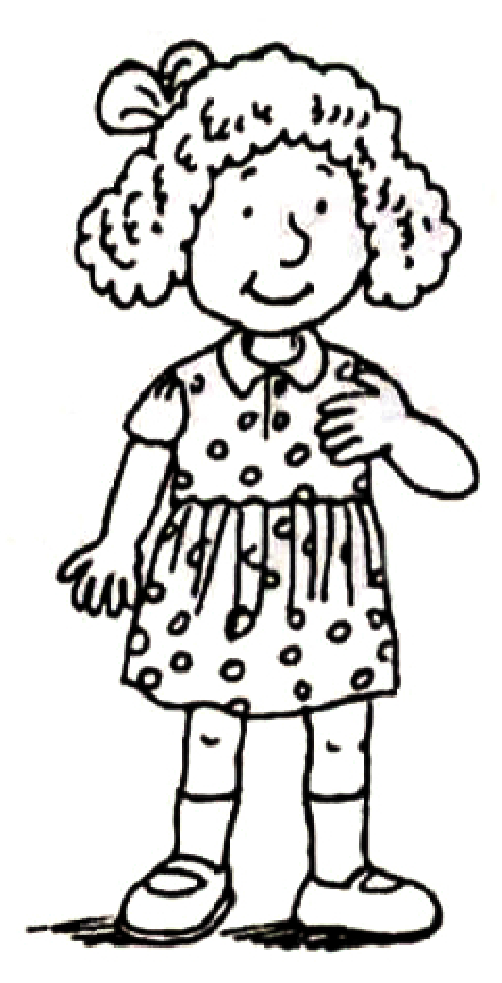
My name is Mindy. am seven years old.
2
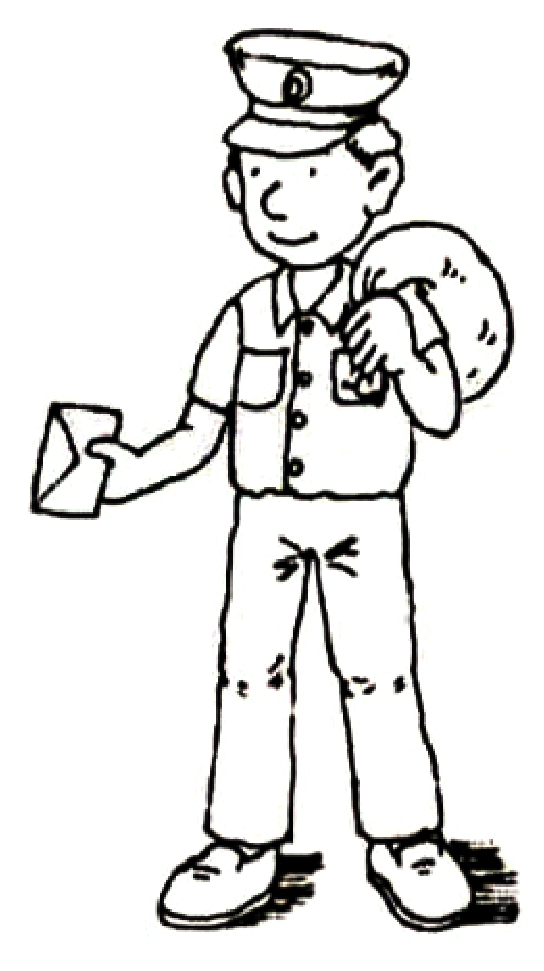
Mr John delivers letters. is a postman.
3
Devi is my neighbour. is very friendly.
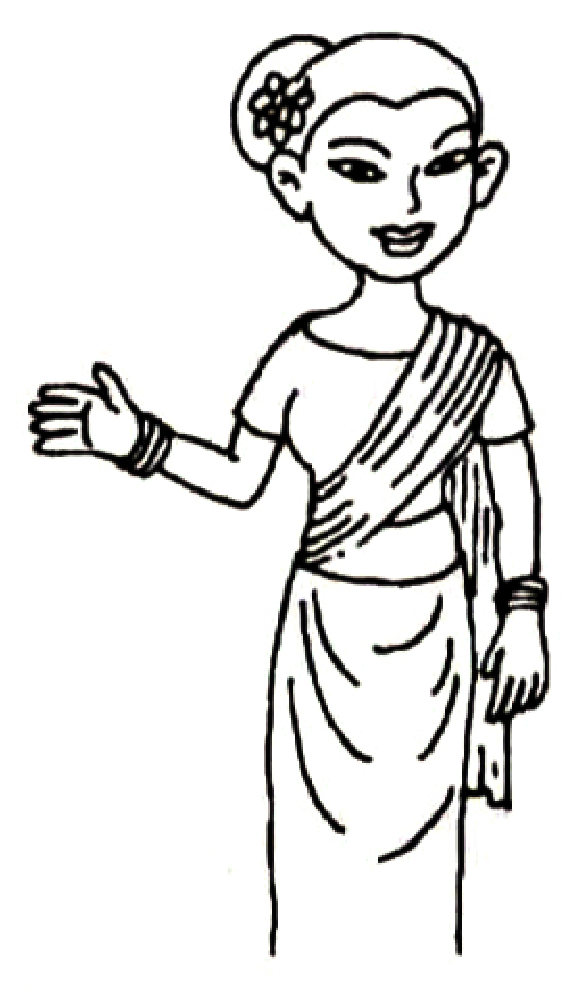
4
are Andy. You sit next to me in class.
Page 7
1
(a) When we ask present time questions about the person we are speaking to, we use the pronoun 'YOU' and the present tense verb 'ARE'.
Examples
Who are you?
2
(b) When we ask present time questions about a girl or a woman, we use the pronoun 'SHE' and the present tense verb 'IS'.
Examples
Who is she?
3
(c) When we ask present time questions about a boy or a man, we use the pronoun 'HE' and the present tense verb 'IS'.
Examples
Who is he?
Page 8
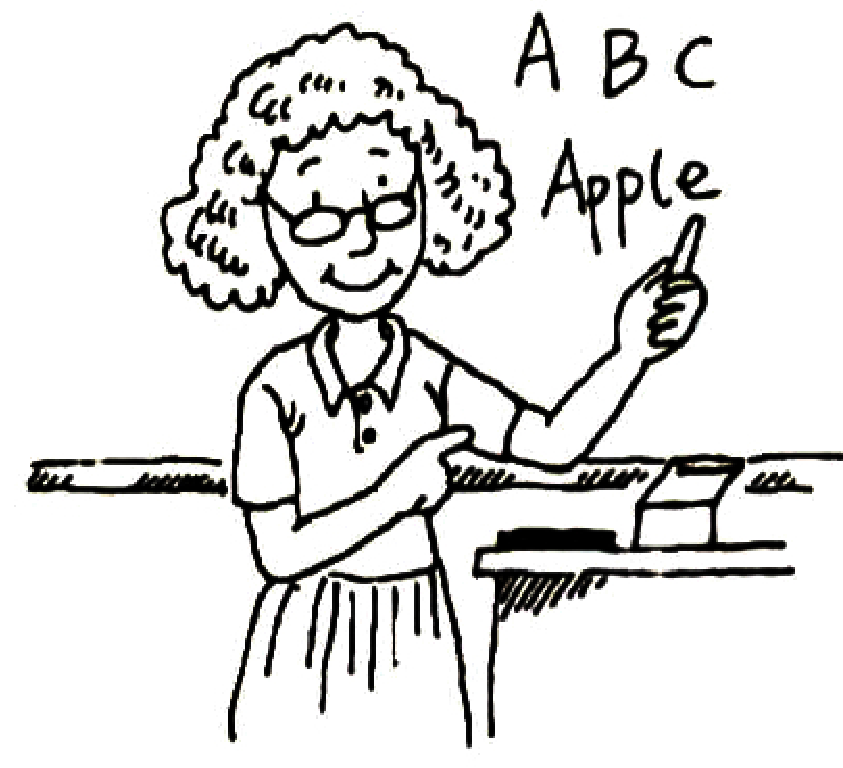
5
am a teacher.
I teach English in Mayville Primary School.
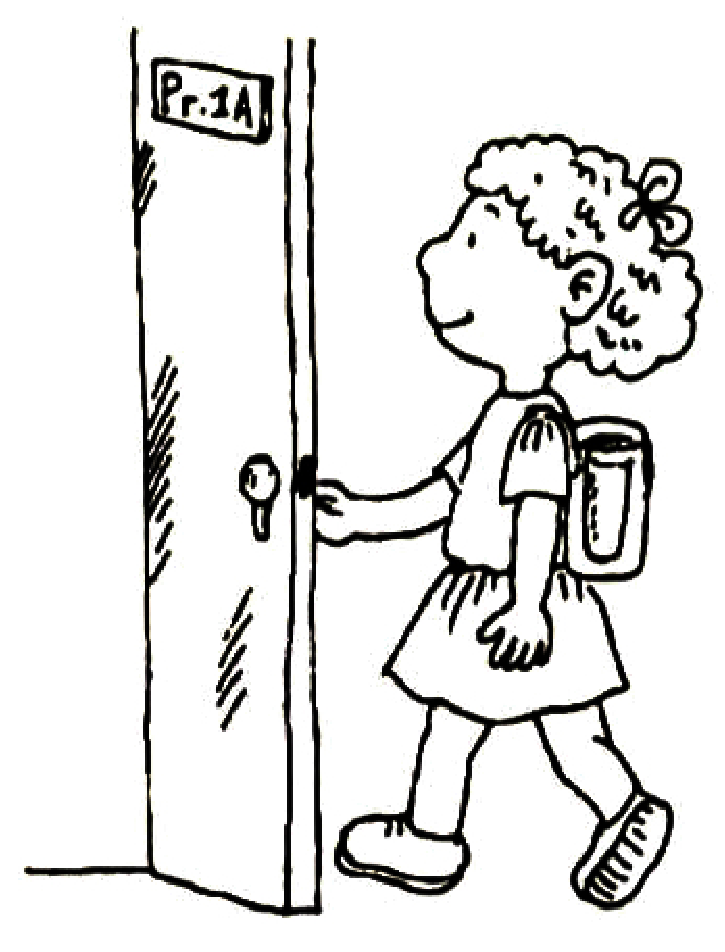
6
Mary is my schoolmate.
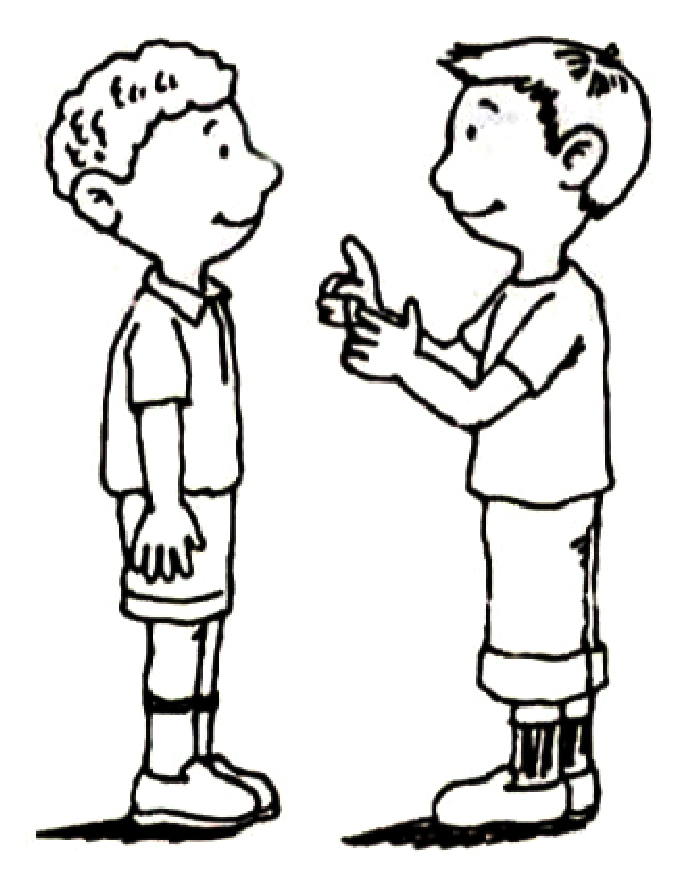
is in Primary One.
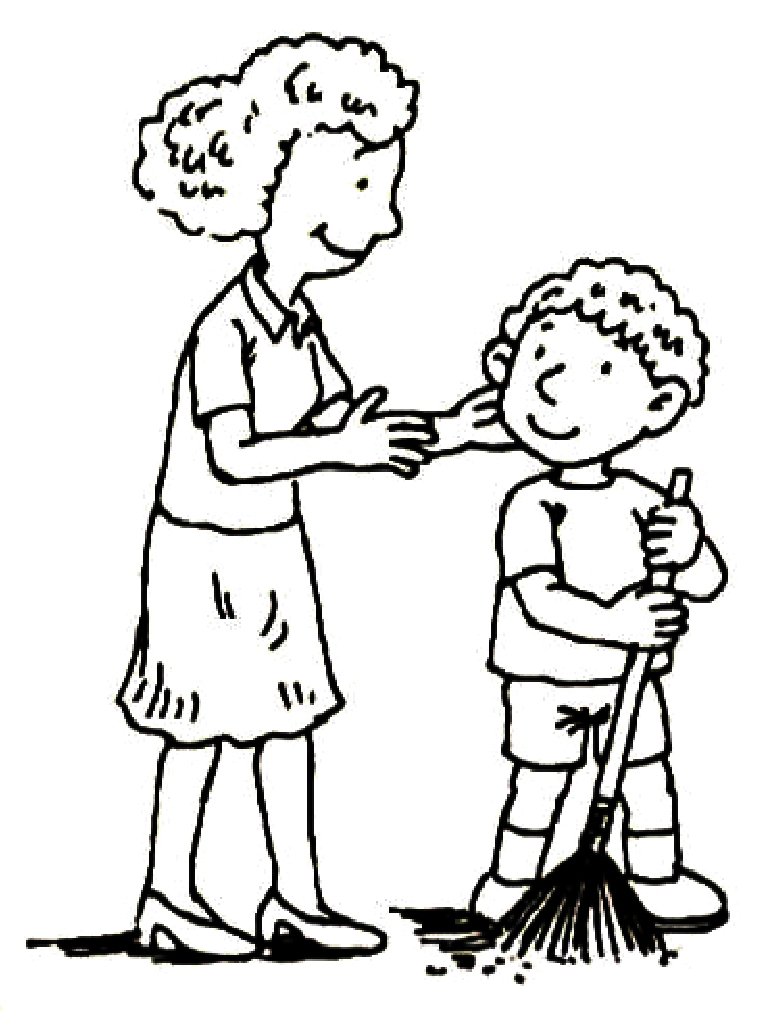
7
Thank you! are a helpful boy.
8
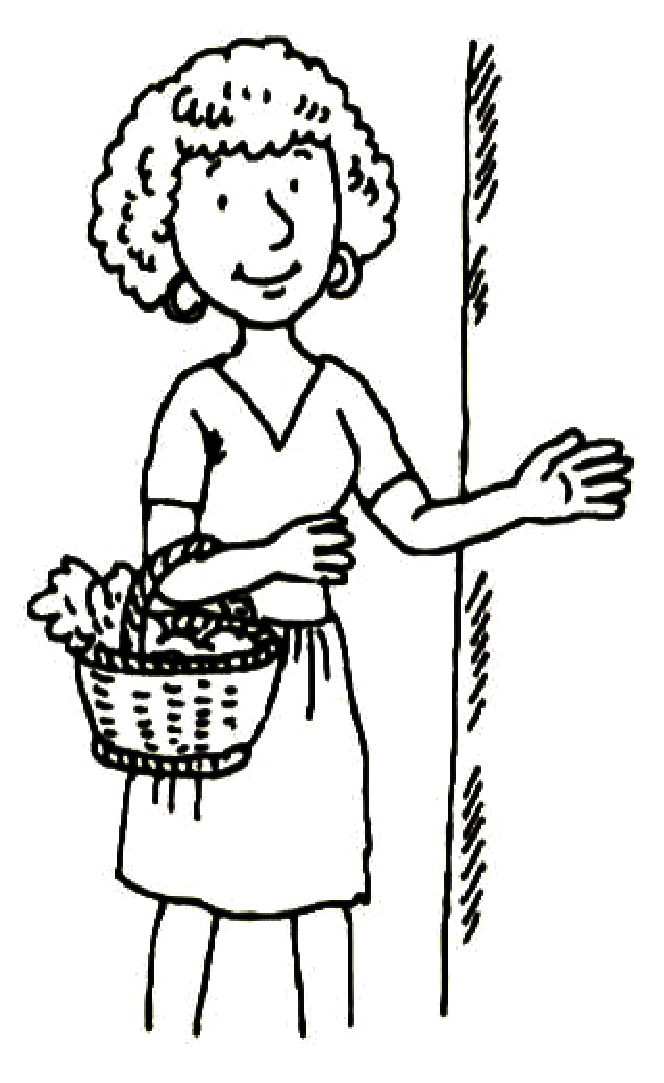
Mother goes to the market.
buys some vegetables.
Page 10
Fill in each blank with the help of the words in the box.
am
is
are
1
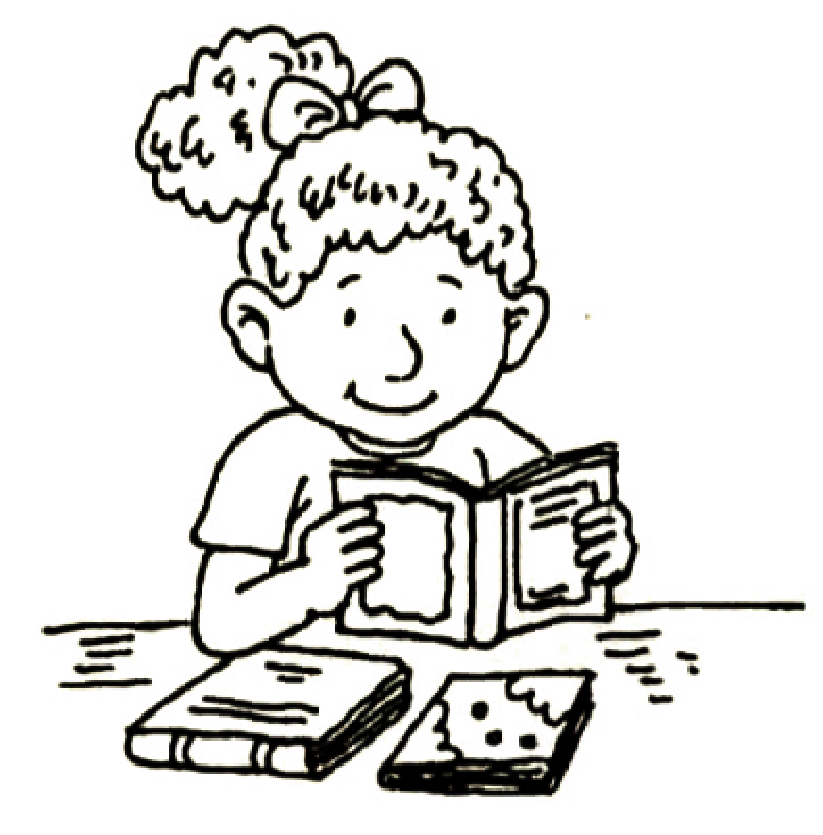
Jane likes to read.
She nine years old.
2
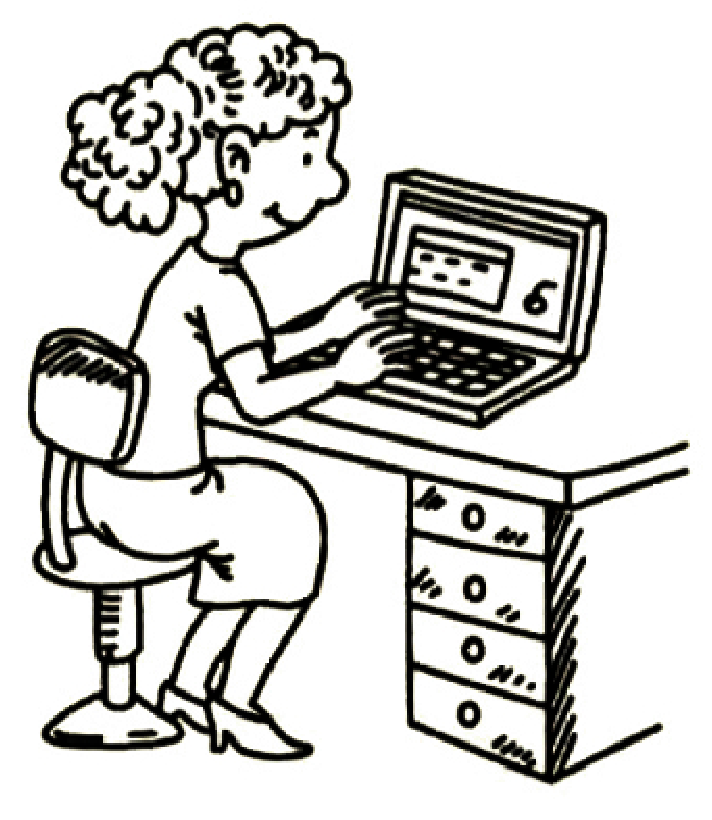
My sister works in an office.
She a clerk.
3
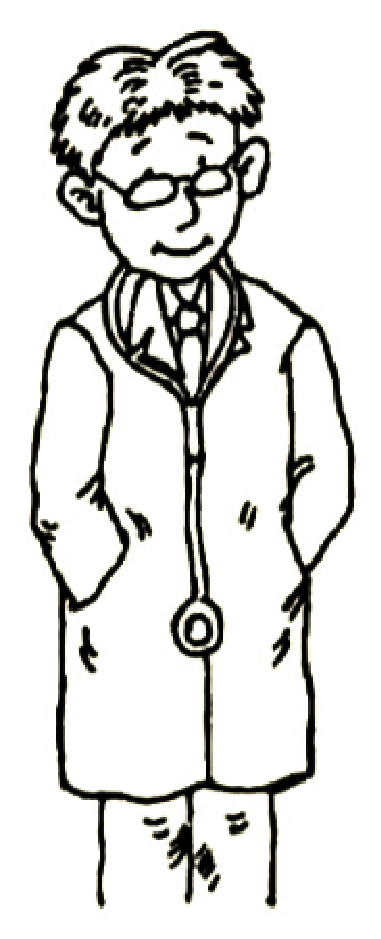
I work in a hospital.
I a doctor.
4
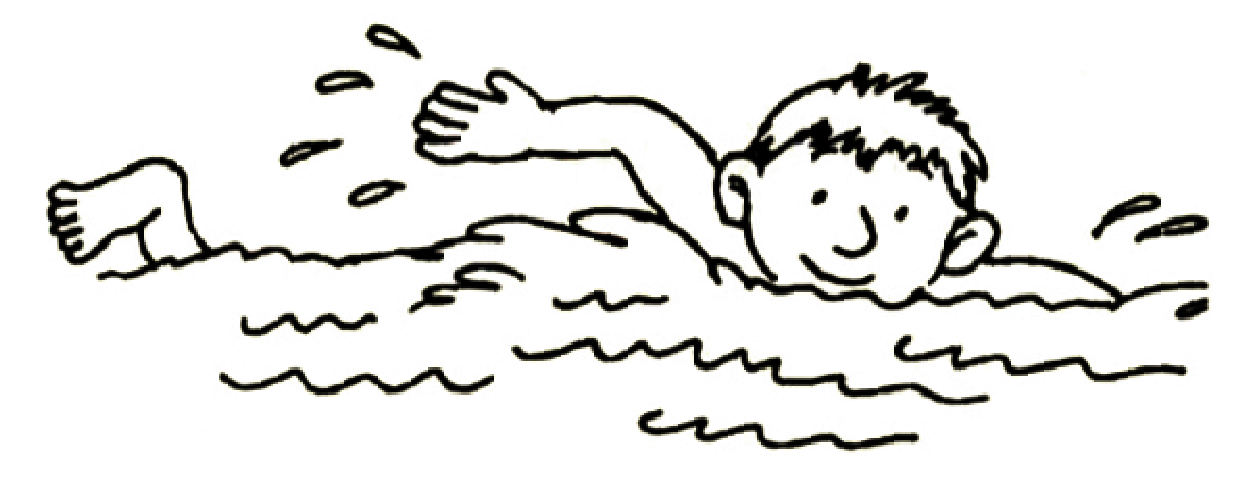
You swim very well.
You a good swimmer.
5
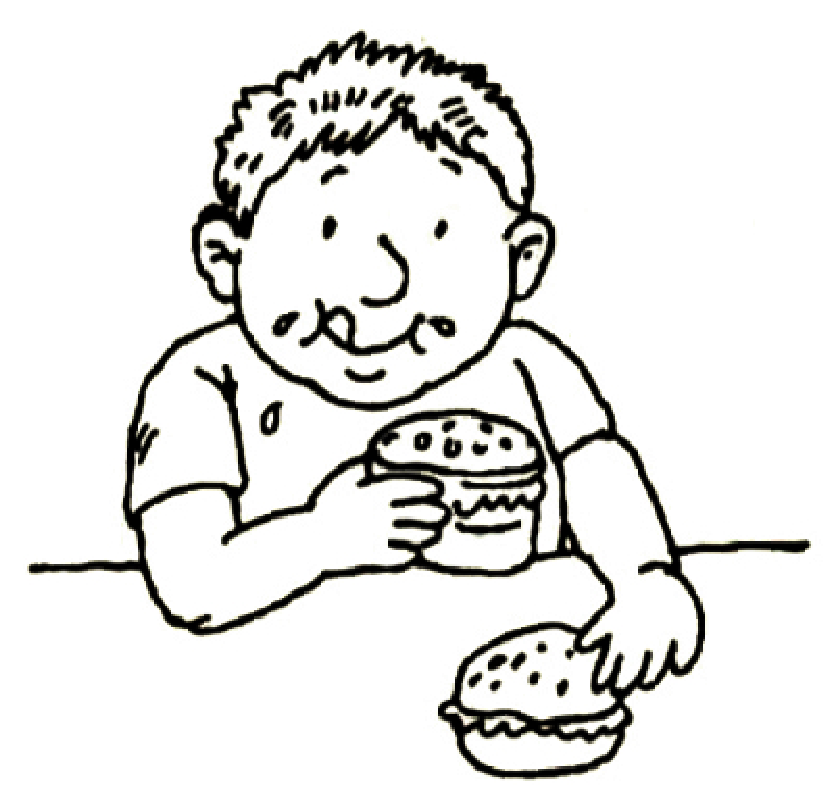
Jason eats two burgers.
He very hungry.
Page 10
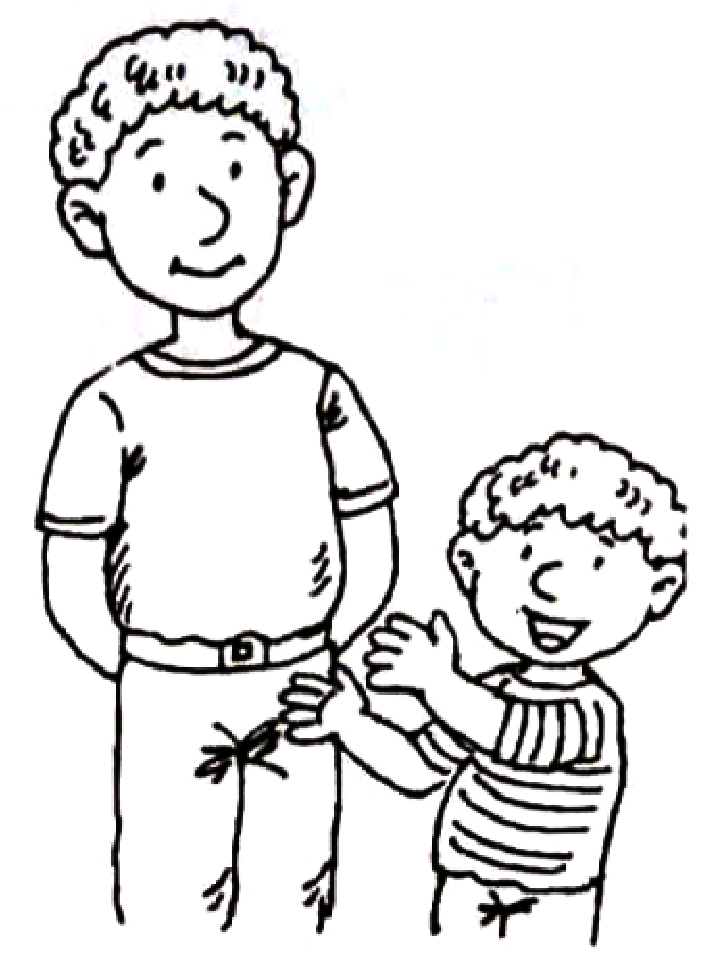
Write the question for each sentence. Begin each question with 'Who'.
Who is she?
She is my sister.
1
?
He is my father.
2
?
I am Anson.
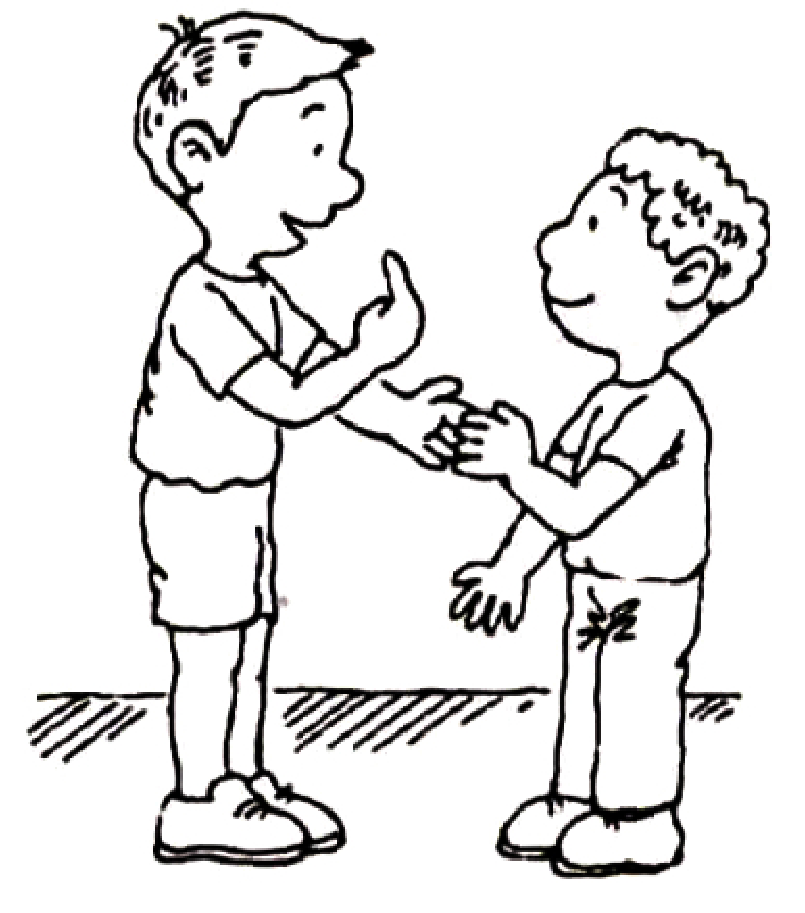
3
?
She is my teacher.
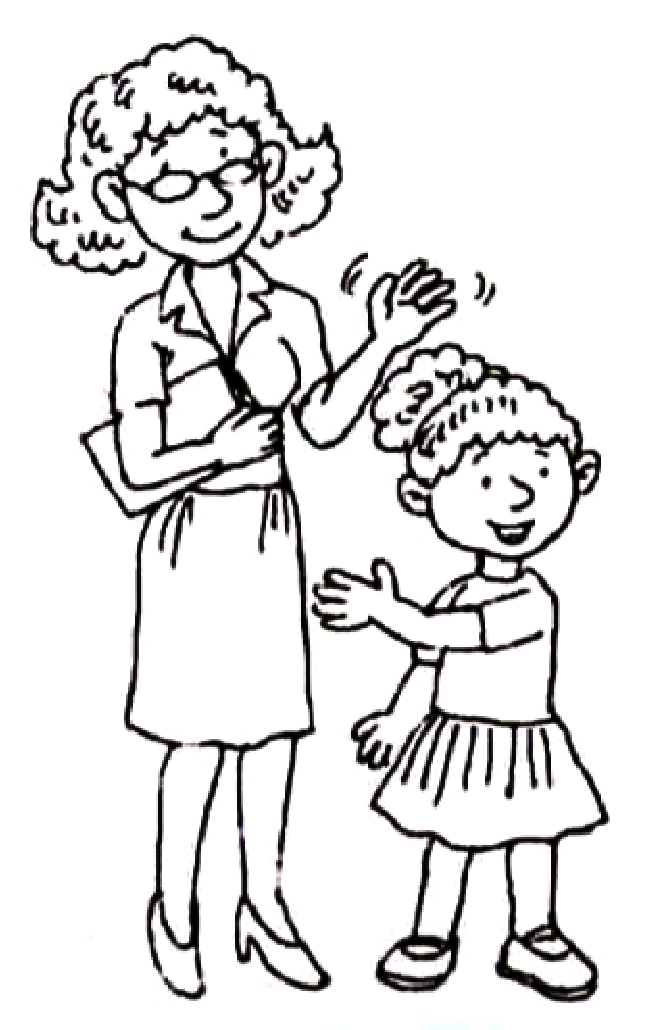
4
?
You are Lisa.
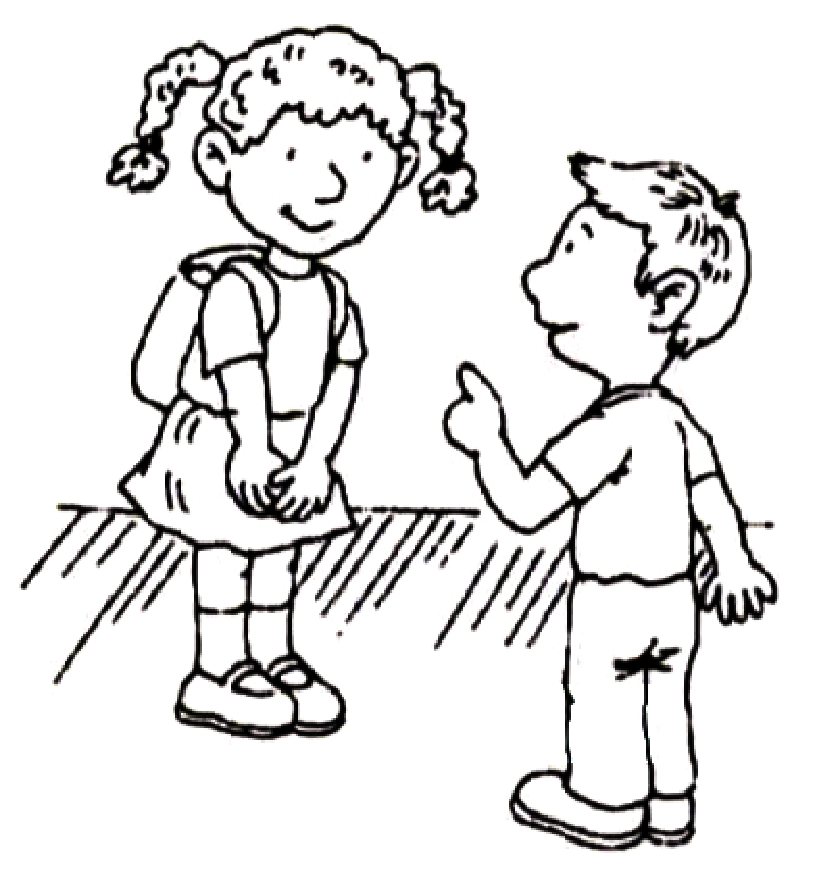
5
?
I am your neighbour.
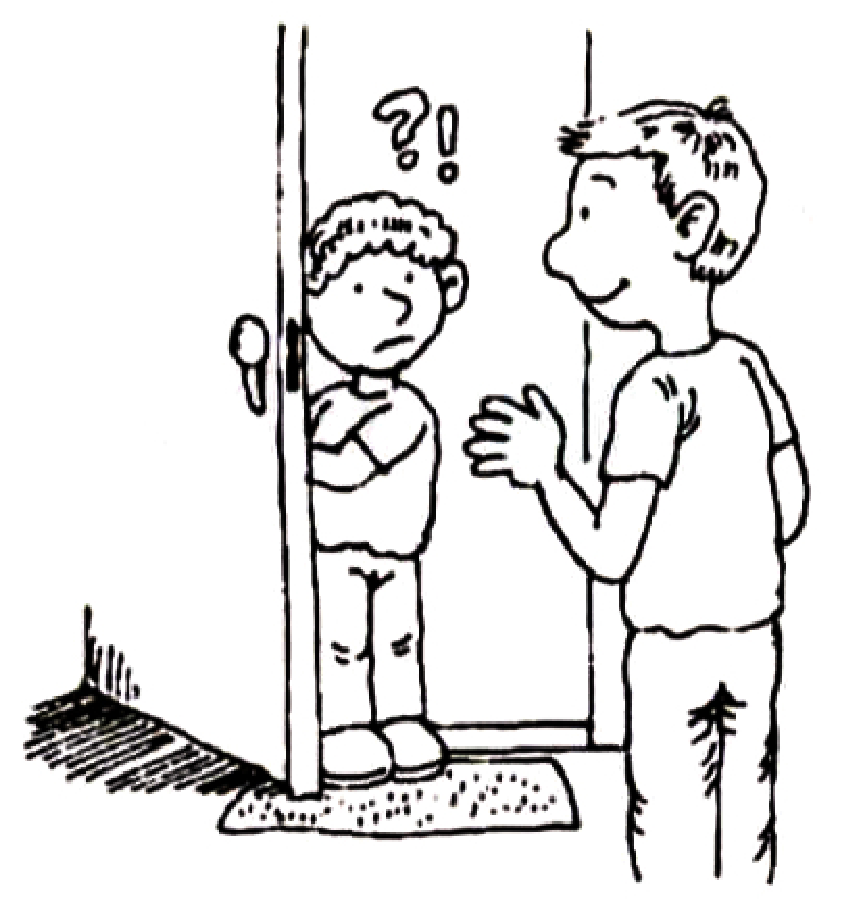
Page 11
Complete the answers below.
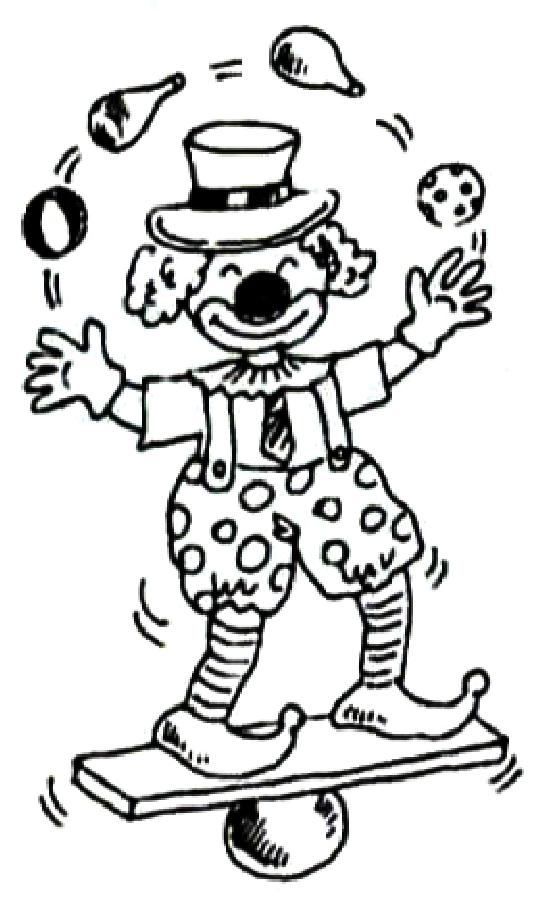
1
Is he a clown?
Yes, is a clown.
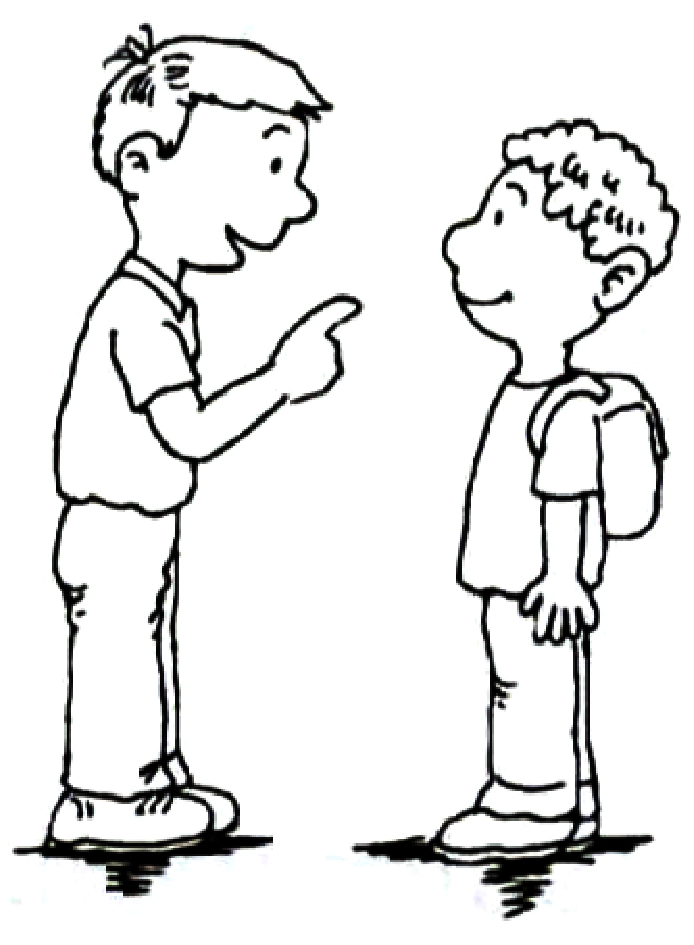
2
Are you in Primary One?
Yes, I in Primary One.
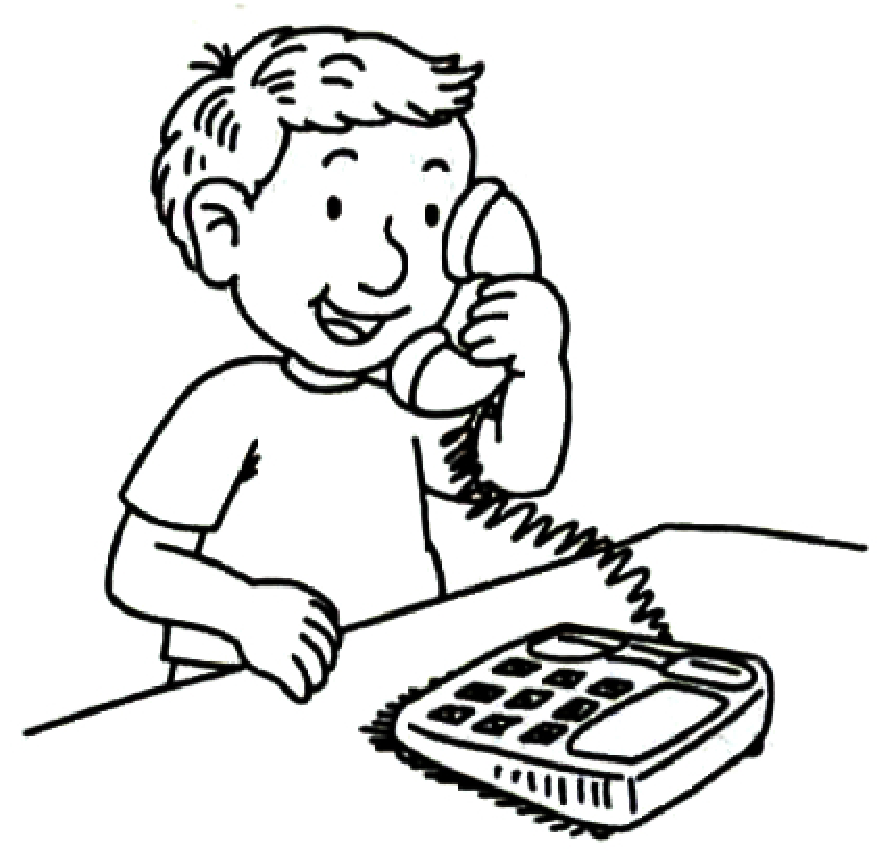
3
Are you John?
Yes, am.
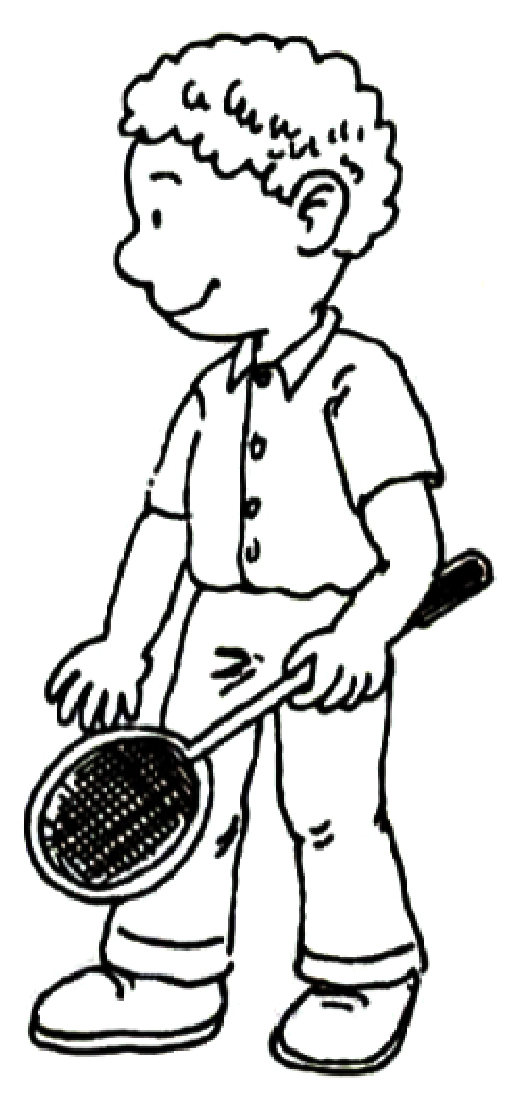
4
Is he Wilfred?
Yes, he .
5
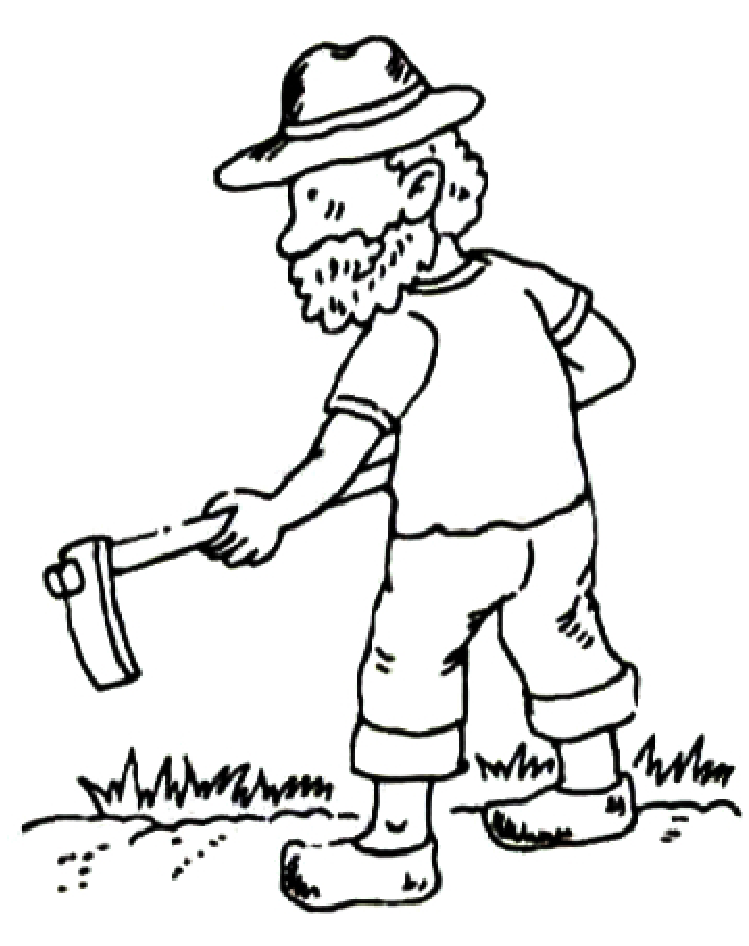
Is he a farmer?
Yes, is a farmer.
Page 12
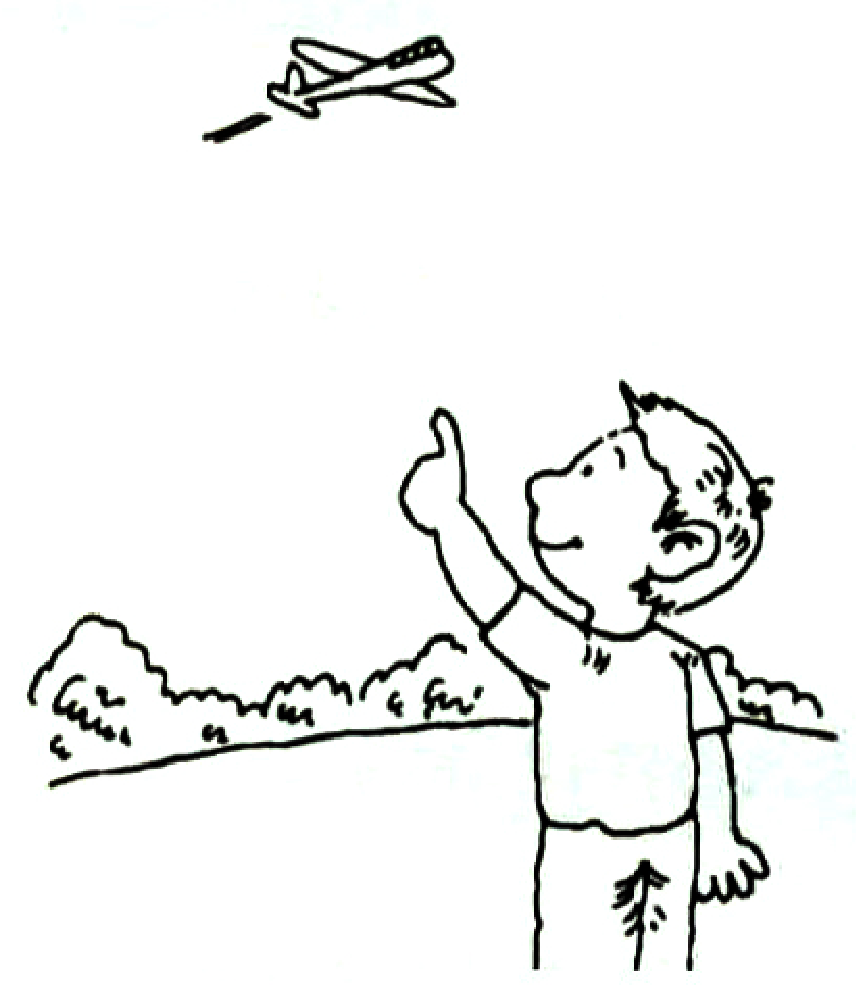
Underline the correct answers.
1
( That , This ) is an aeroplane.
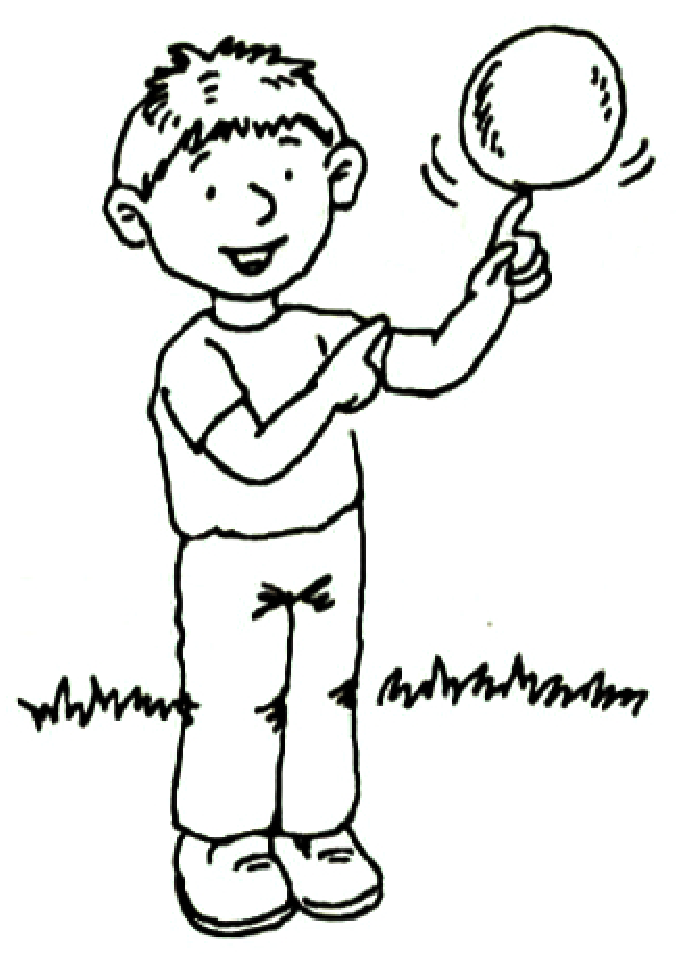
2
( That , This ) is a ball.
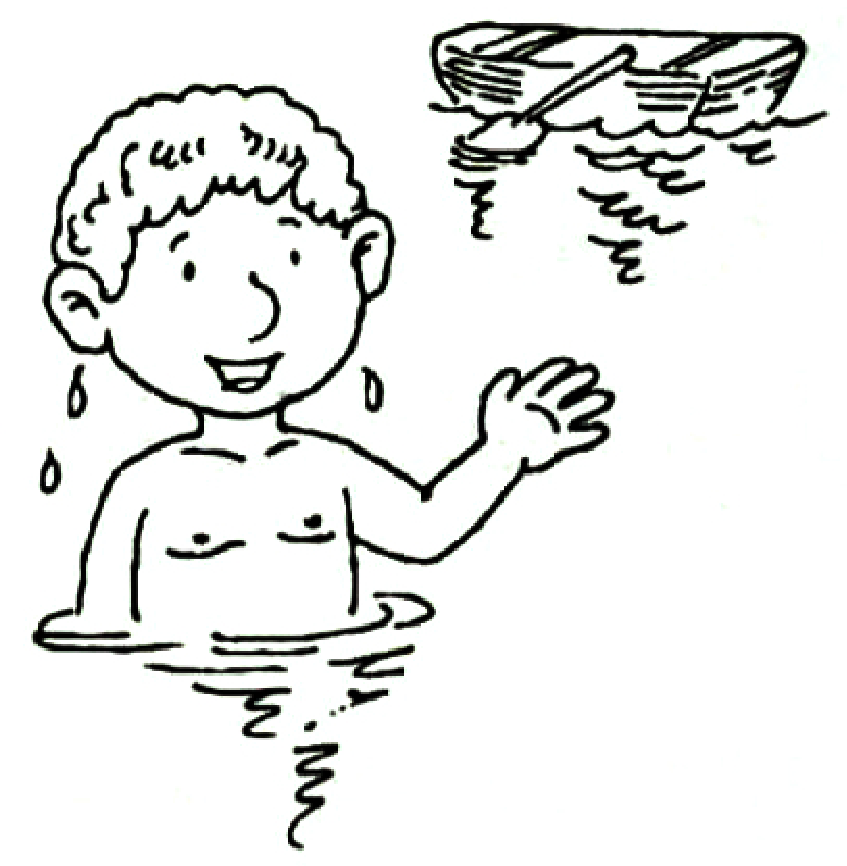
3
( That , This ) is a boat.
4
( That , This ) is a cat.
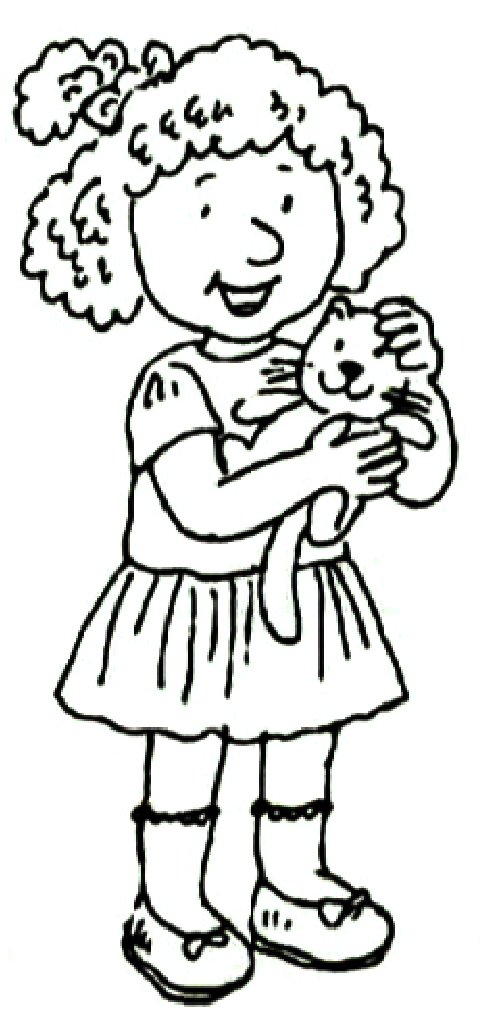
5
( That , This ) is a tree.
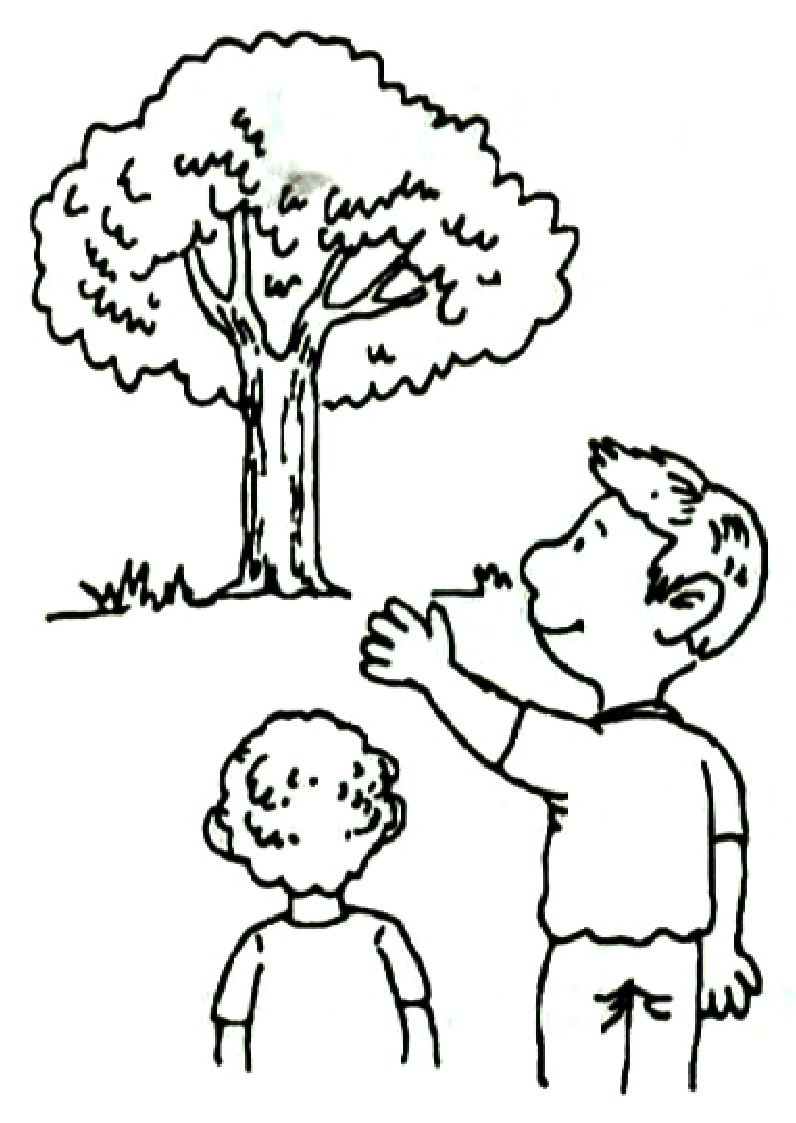
Page 13
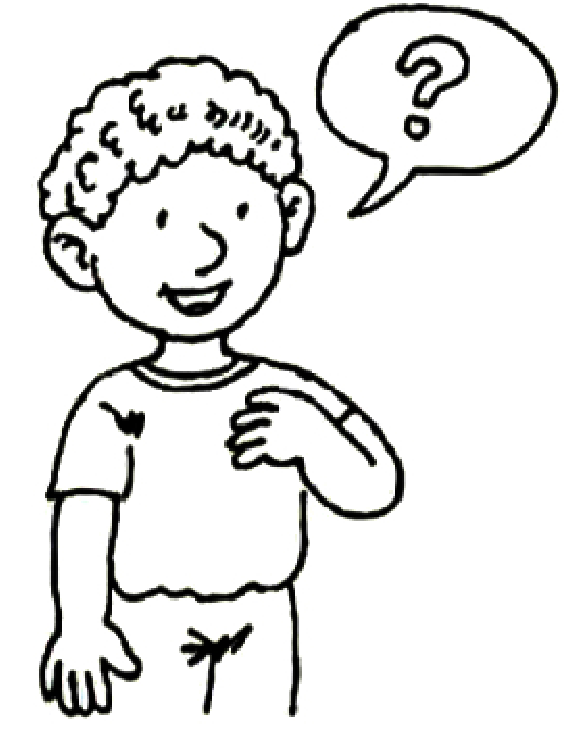
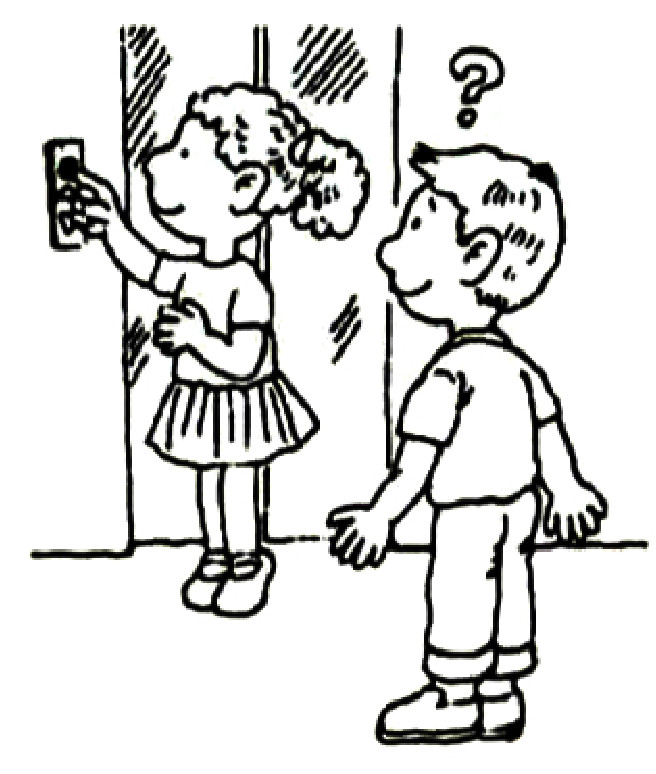
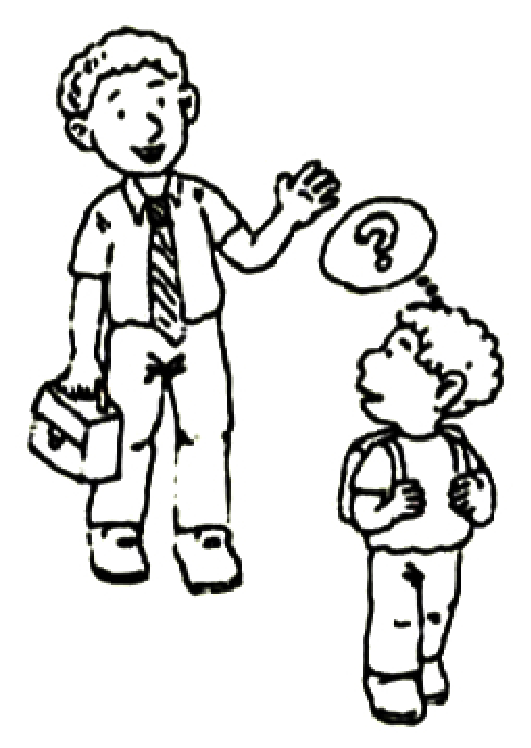
Complete each question with the help of the words in the box.
am
is
are
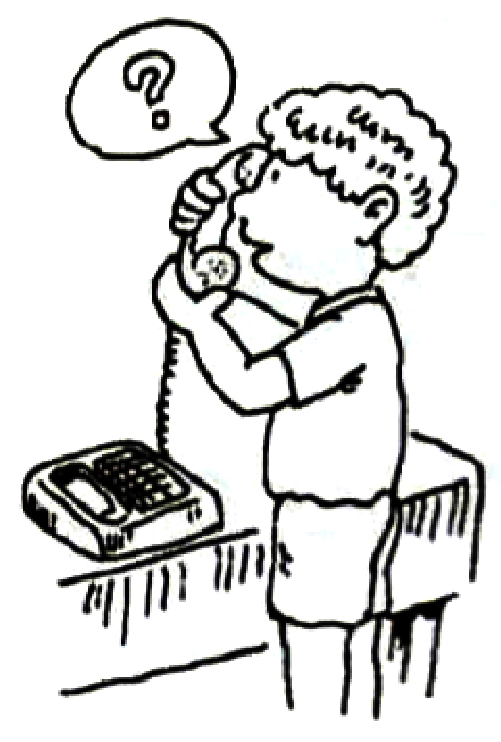
1
Who you?
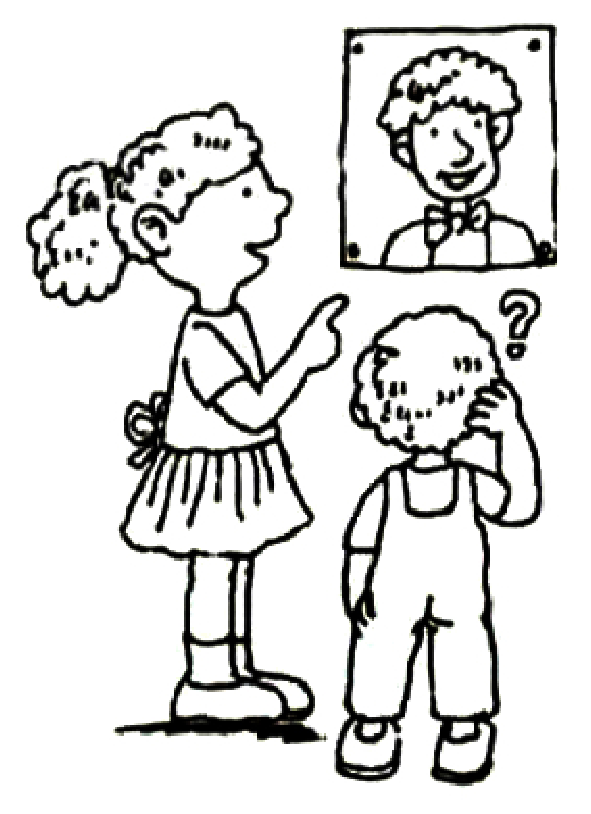
2
Who he?
3
Who I?
4
Who she?
5
Who that man?
Page 14
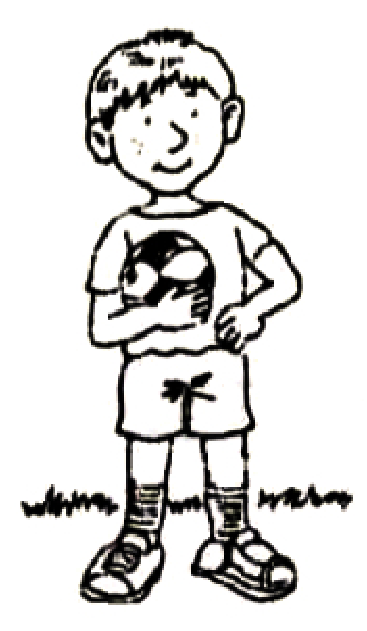
Look at the pictures. Answer the questions with the help of the words given.
EXAMPLE
Who is she?
She is Miss Grant.
She is a nurse.
1
Who is he?
.
.
2
Who are you?
.
.
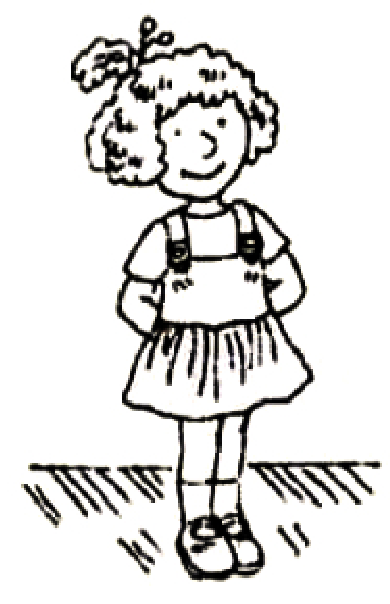
3
Who is she?
.
.
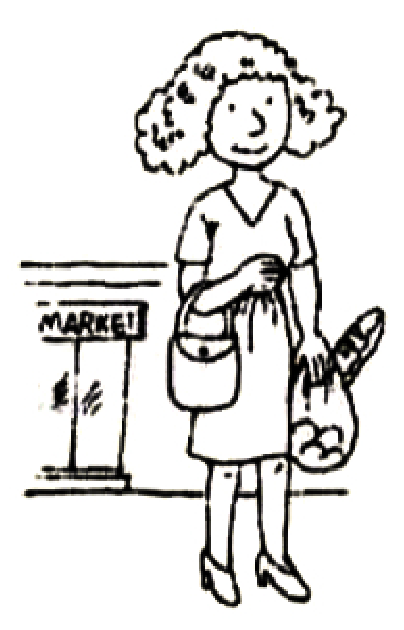
4
Who are you?
.
.
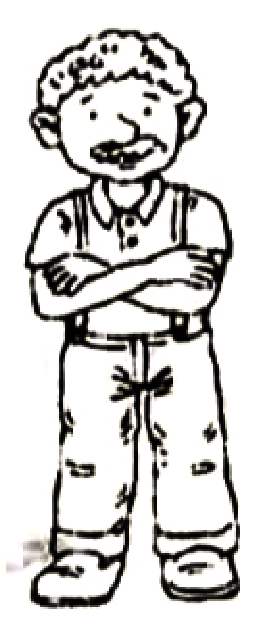
5
Who is he?
.
.
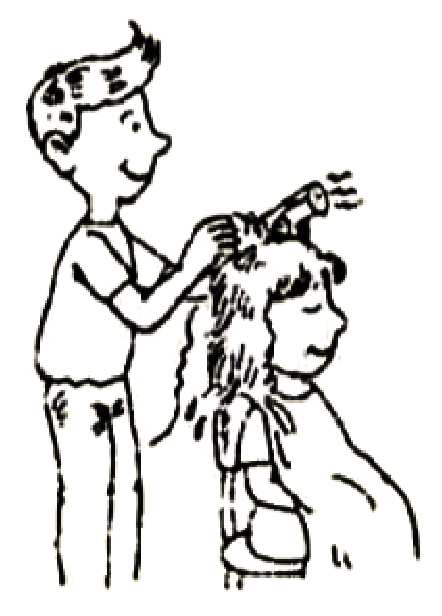
Page 15
(a) 'A' and 'AN' are both singular. So, we use them when we speak of one person or one thing.
Examples
He is a boy.
It is a table.
That is a hat.
This is an egg.
(b) We use 'AN' for words which begin with the 'a', 'e', 'i', 'o' or 'u' sound.
Examples
I ate an apple.
He broke an egg.
She had an ice cream.
That is an ostrich.
I have an umbrella.
He is an honest boy.
(In this case, the 'h' sound is silent. The word 'honest' starts with an 'o' sound.)
Page 16
1
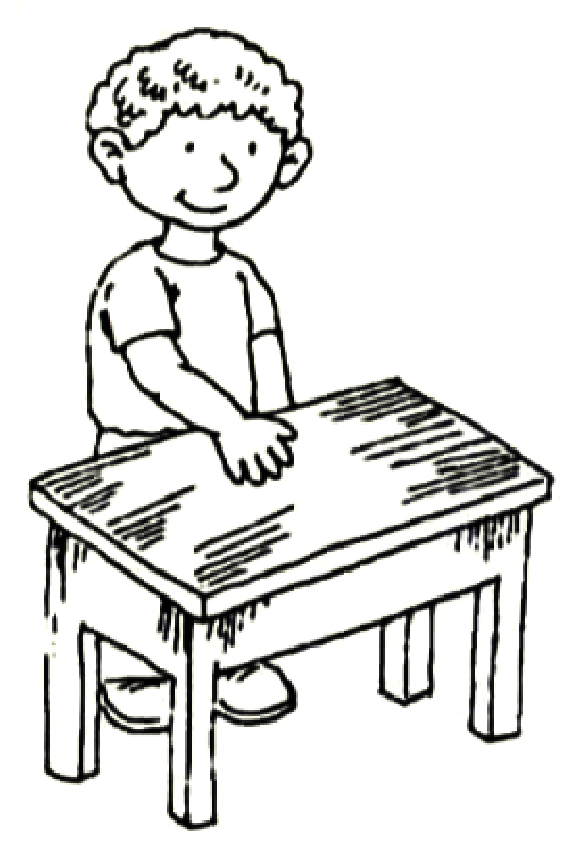
(a) We use 'THIS' when we speak of something that is near to us.
Examples
This is a table.
This table is made of wood.
2
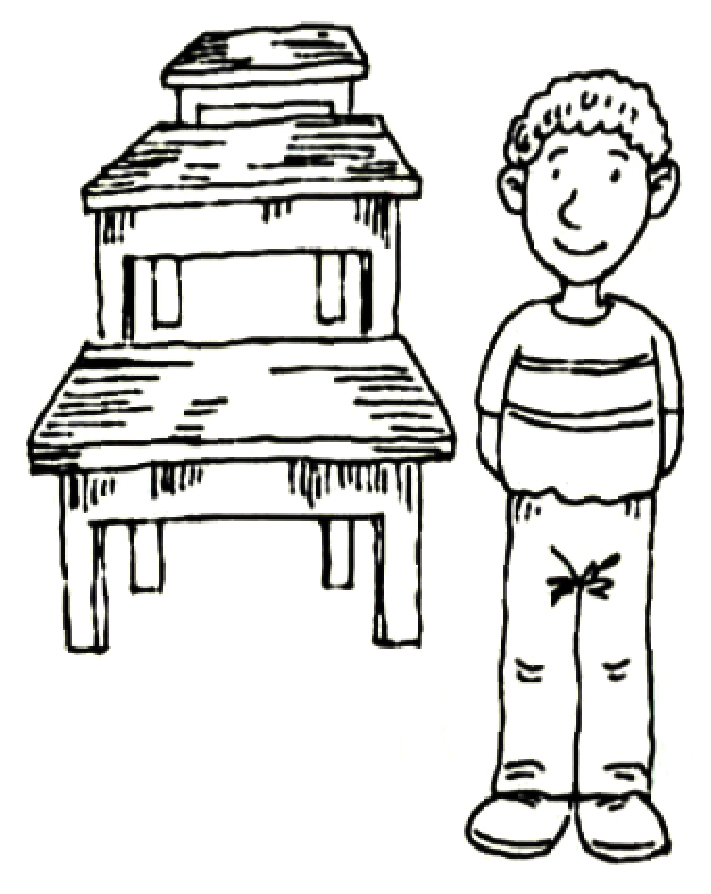
(b) We use 'THESE' when we speak of two or more things that are near to us.
Examples
These are tables.
These tables belong to Mr Lawson.
3
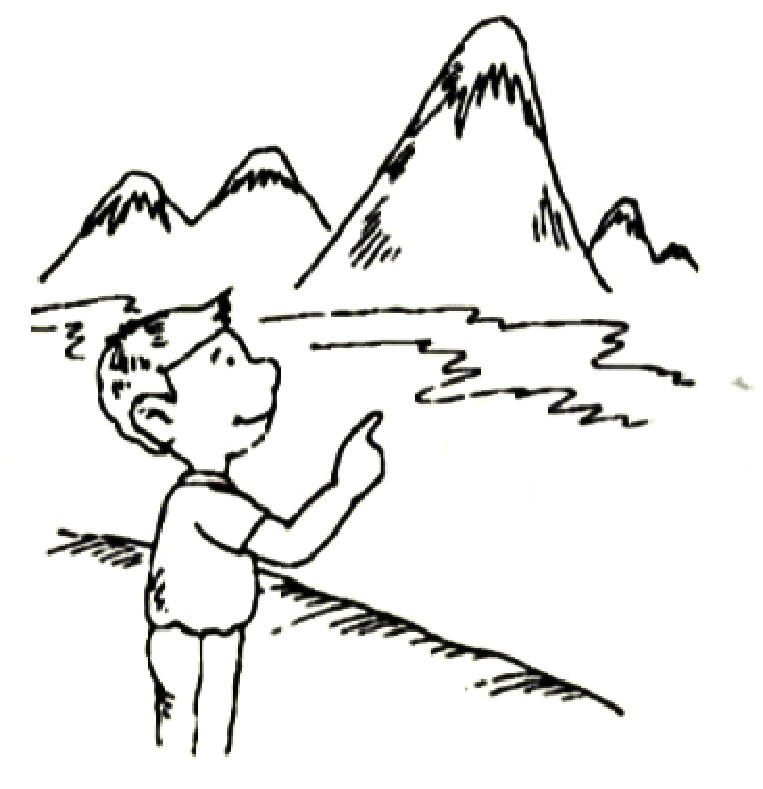
(c) We use 'THAT' when we speak of something that is far from us.
Examples
That is a mountain.
That mountain is very big.
4
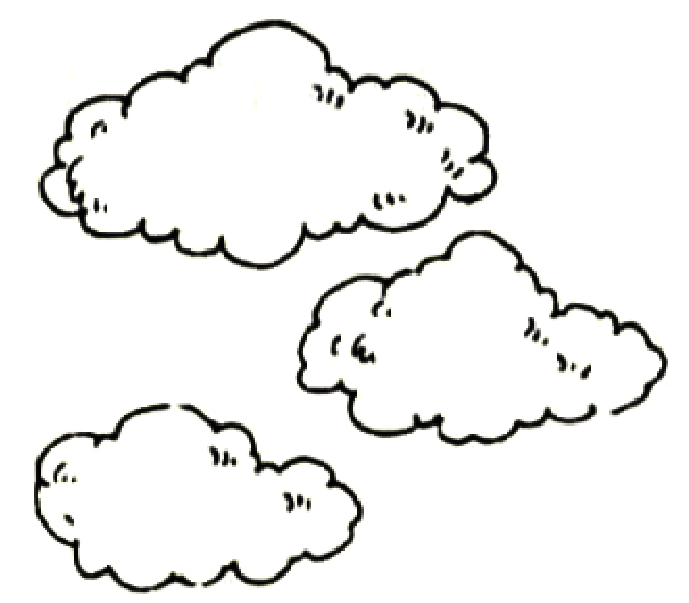
(d) We use 'THOSE' when we speak of two or more things that are far from us.
Examples
Those are clouds.
Those clouds are moving slowly.
Page 18
Underline the correct answers.
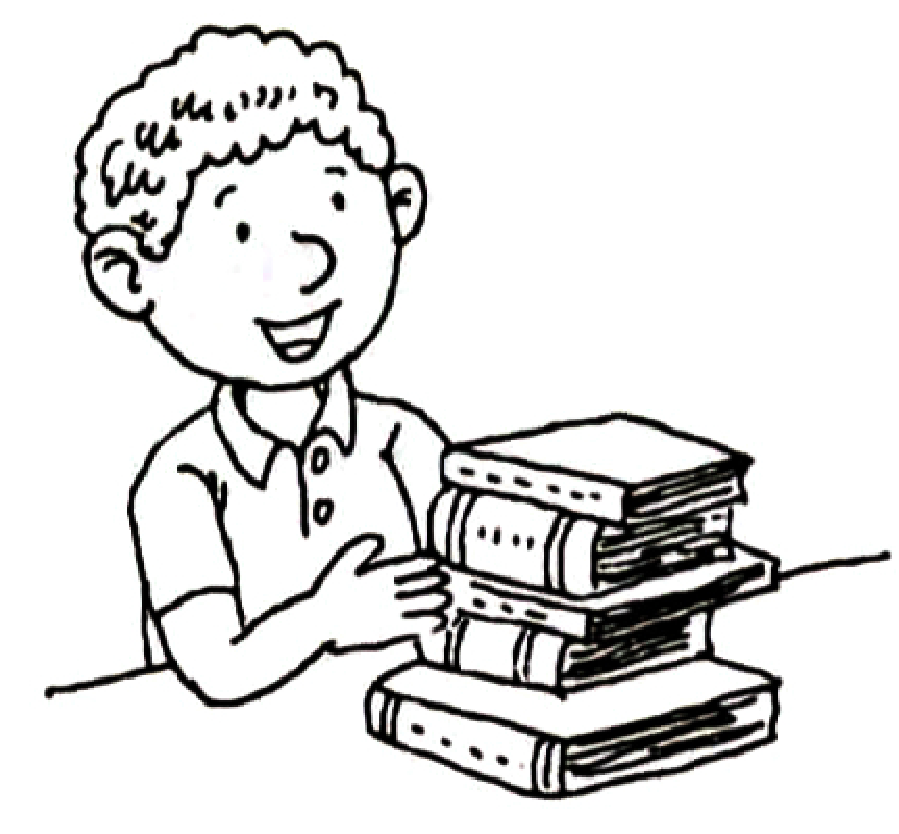
1
( Those , These ) are books.
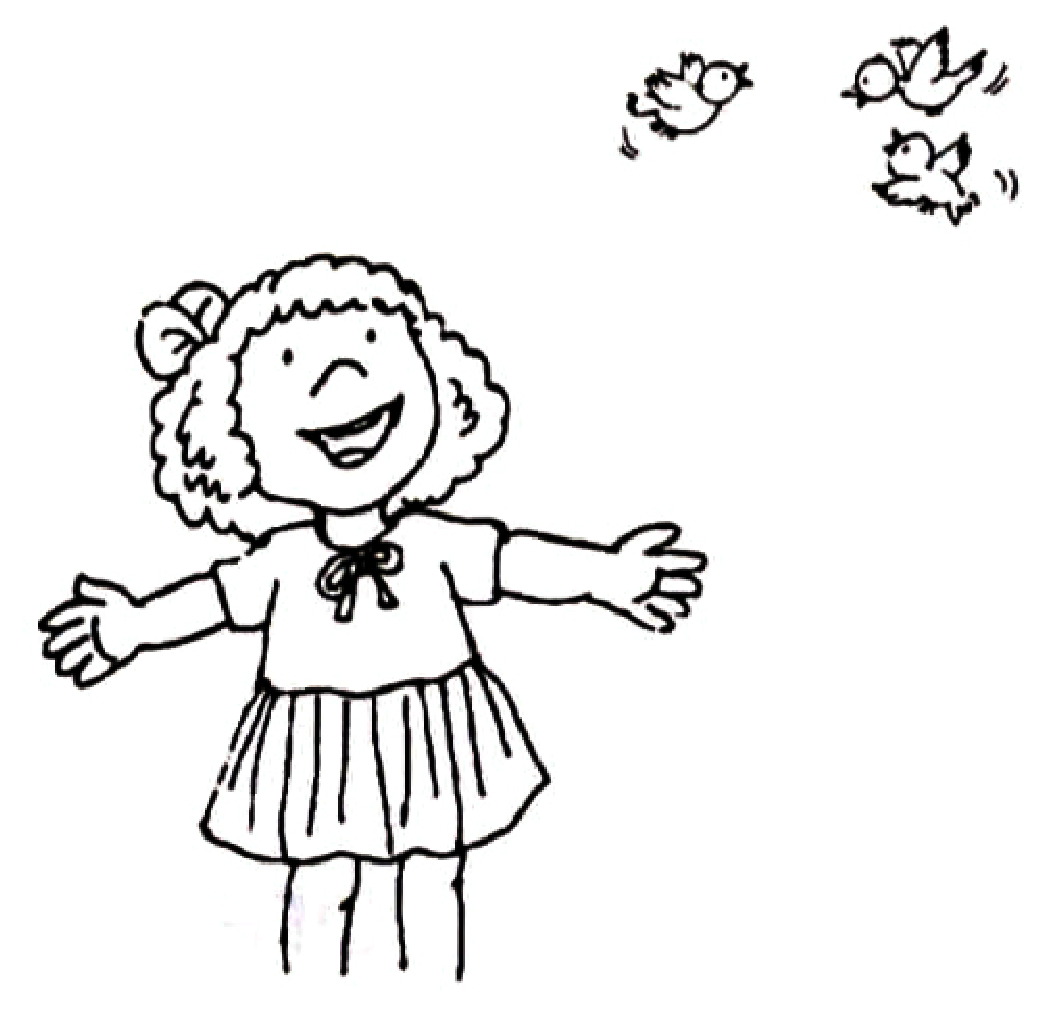
2
( Those , These ) are birds.
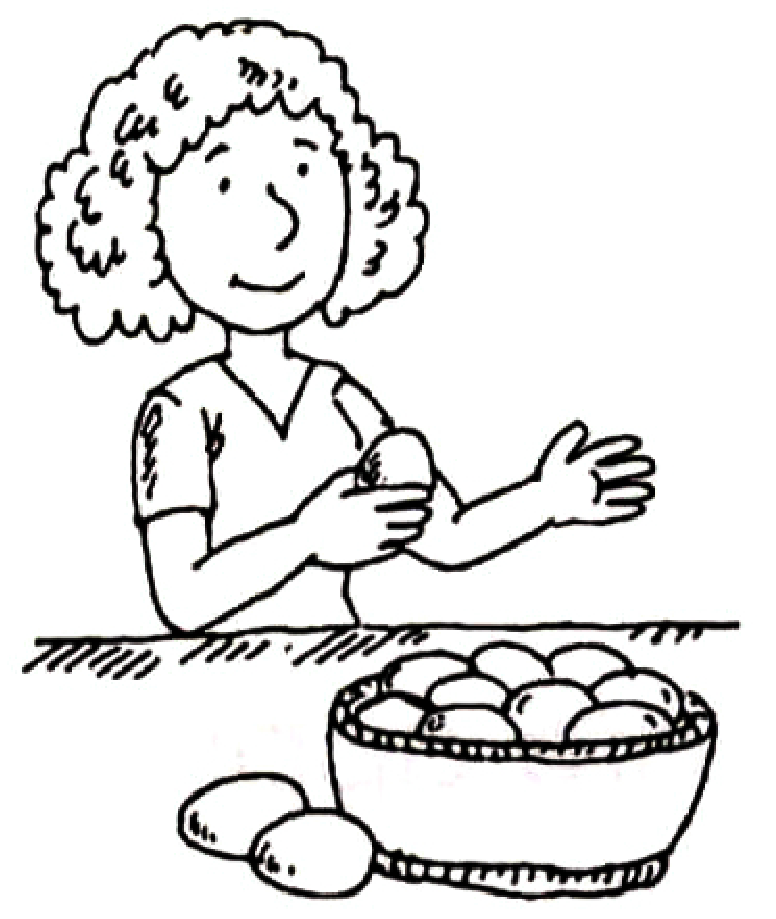
3
( Those , These ) are eggs.
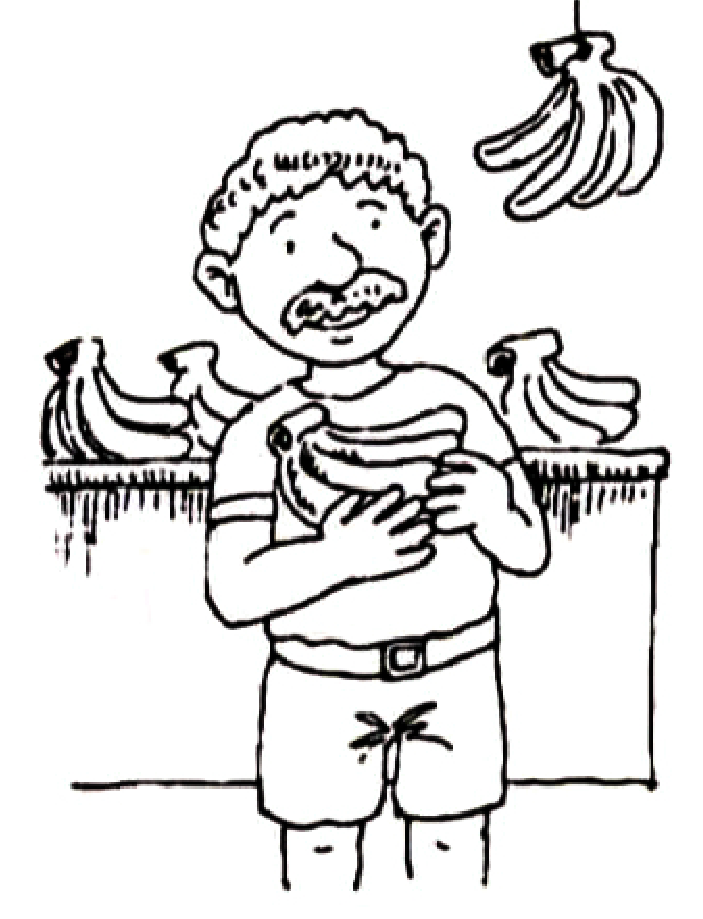
4
( Those , These ) are bananas.
5
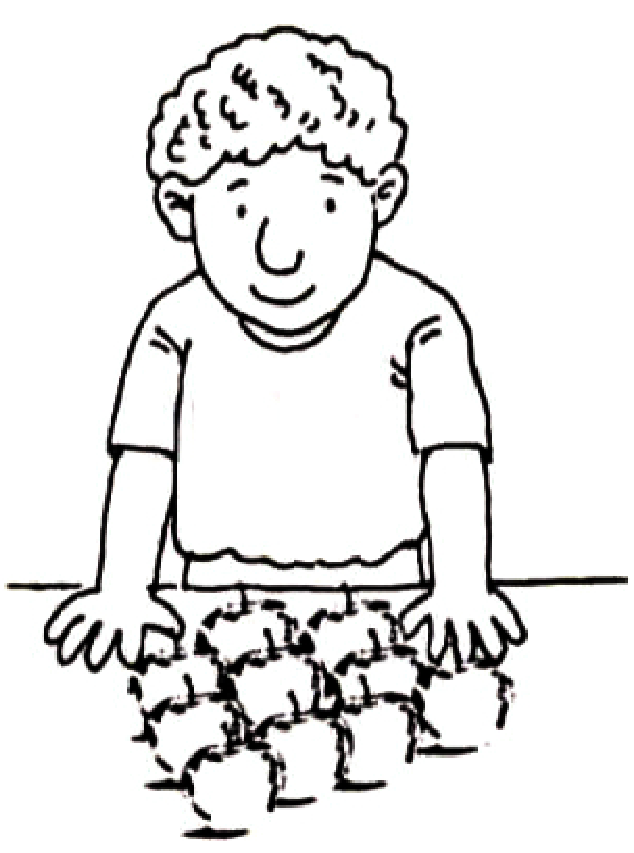
( Those , These ) are apples.
Page 18
6
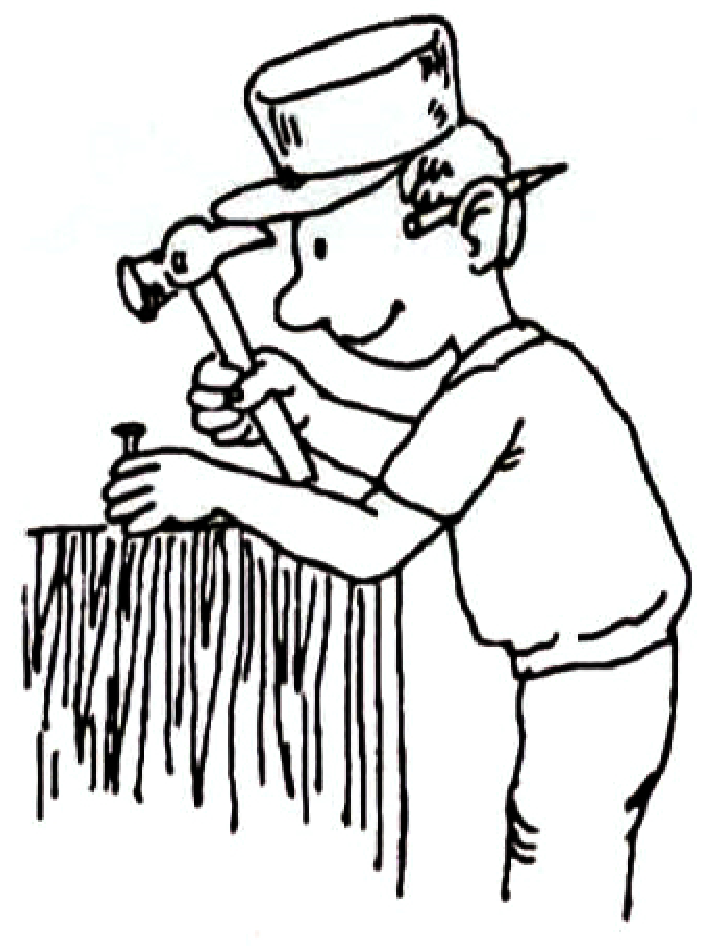
My father is ( a , an ) carpenter.
7
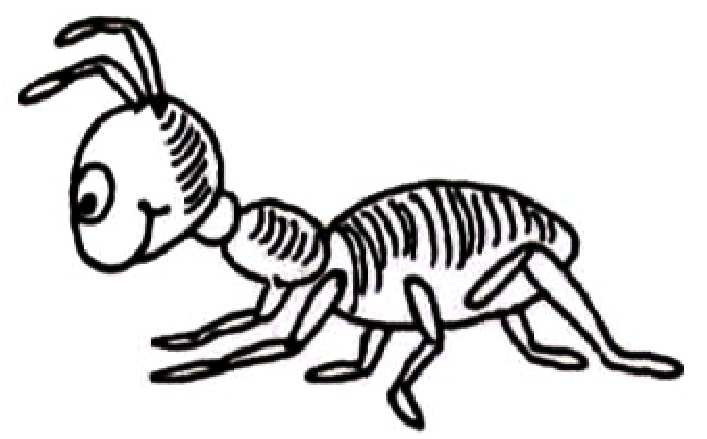
( A , An ) ant is a tiny insect.
8
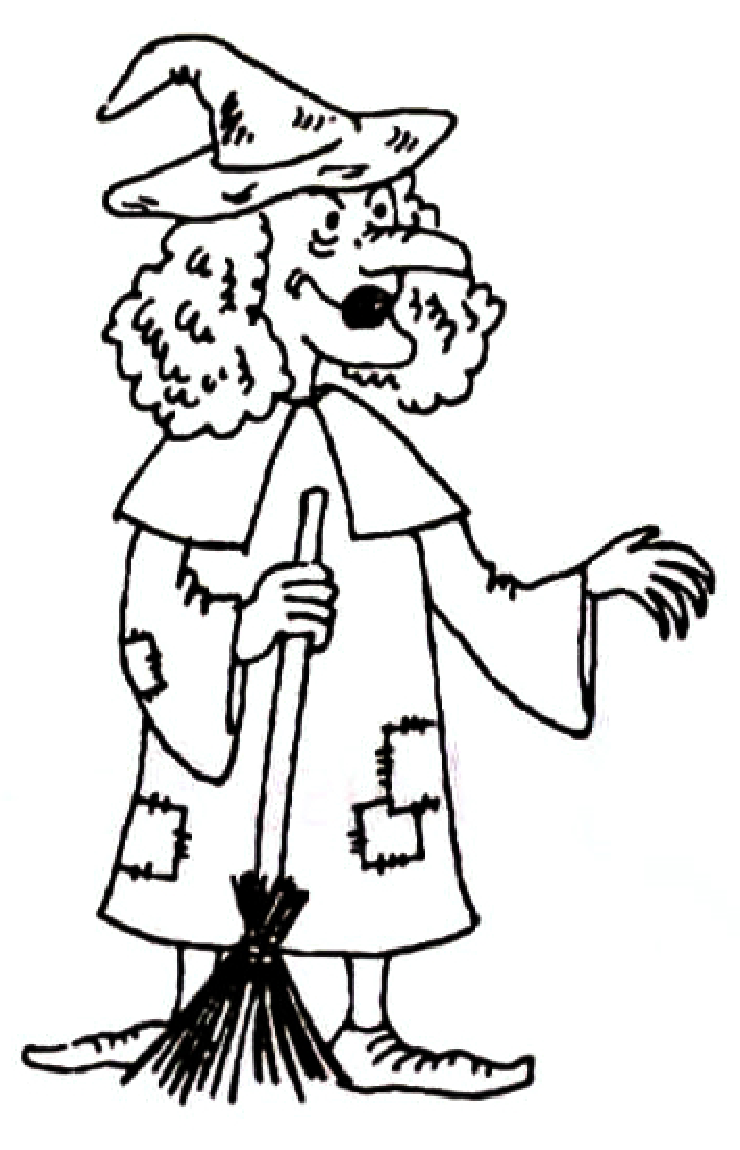
She is ( a , an ) ugly, old witch.
9
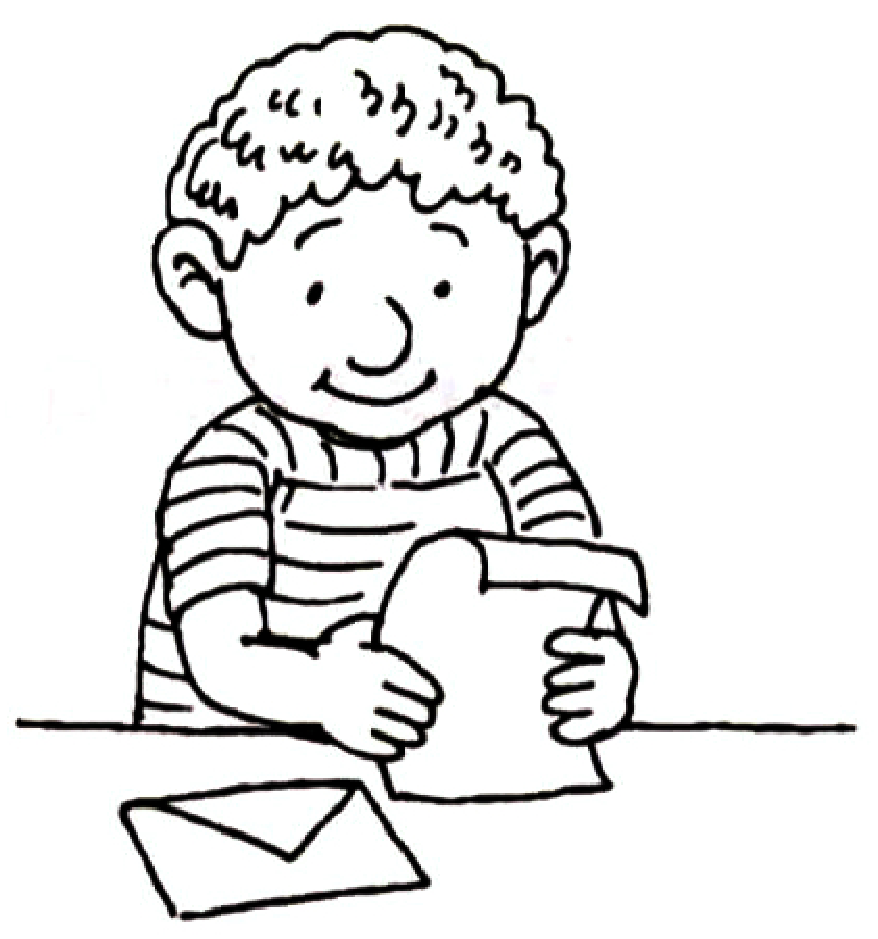
Mike is reading ( a , an ) letter.
10
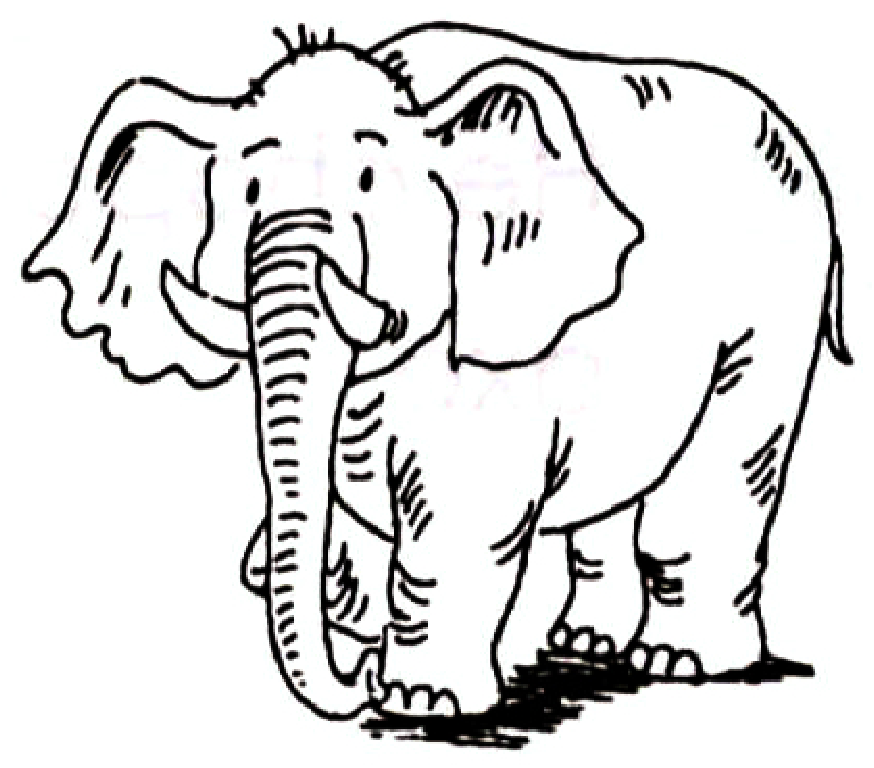
( A , An ) elephant is a large animal.
Page 19
Fill in each blank with the help of the words in the box.
That
This
Those
These
1
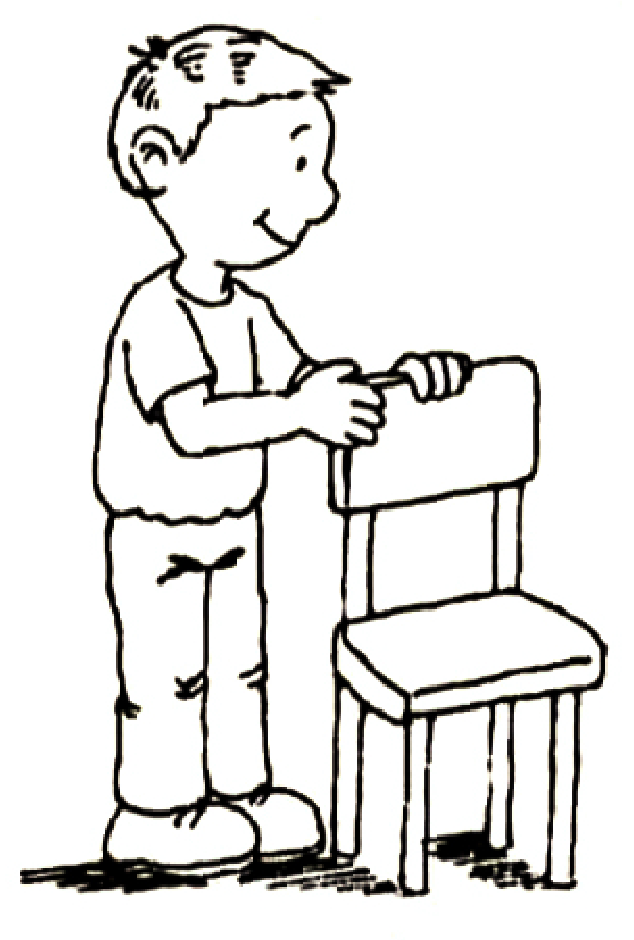
is a chair.
2
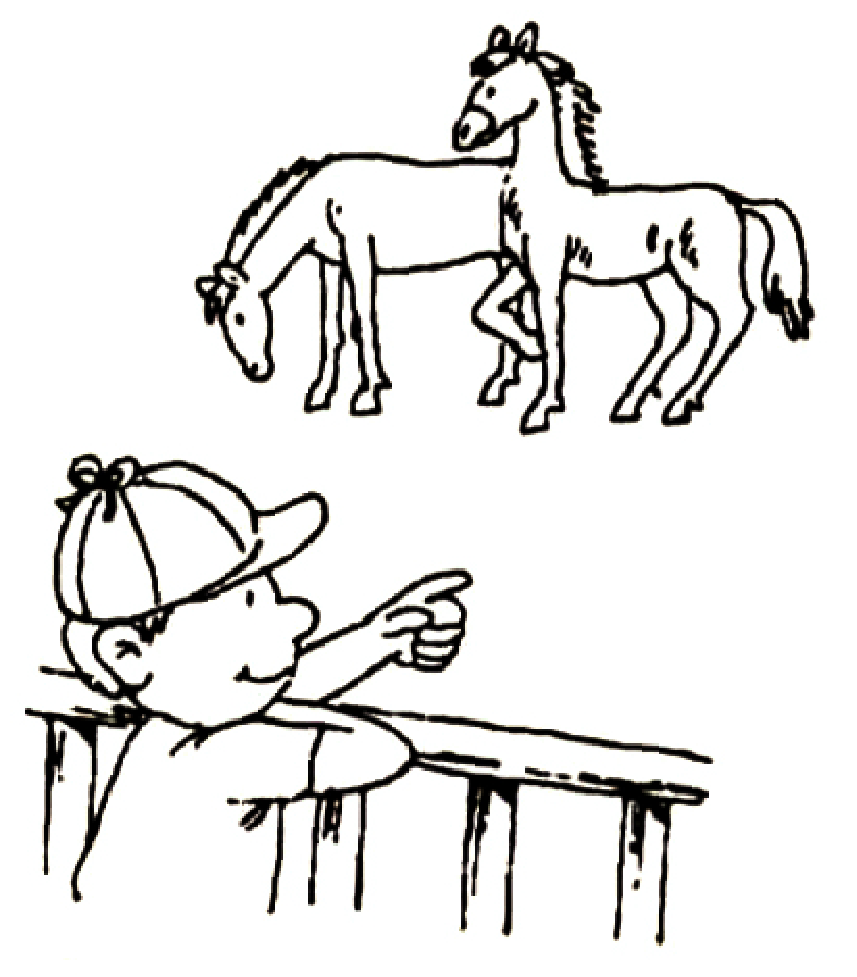
are horses.
3
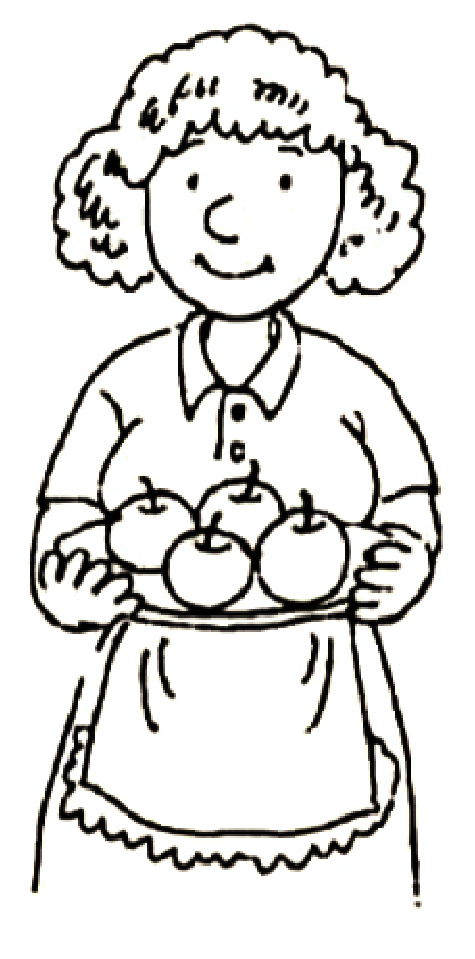
are apples.
4
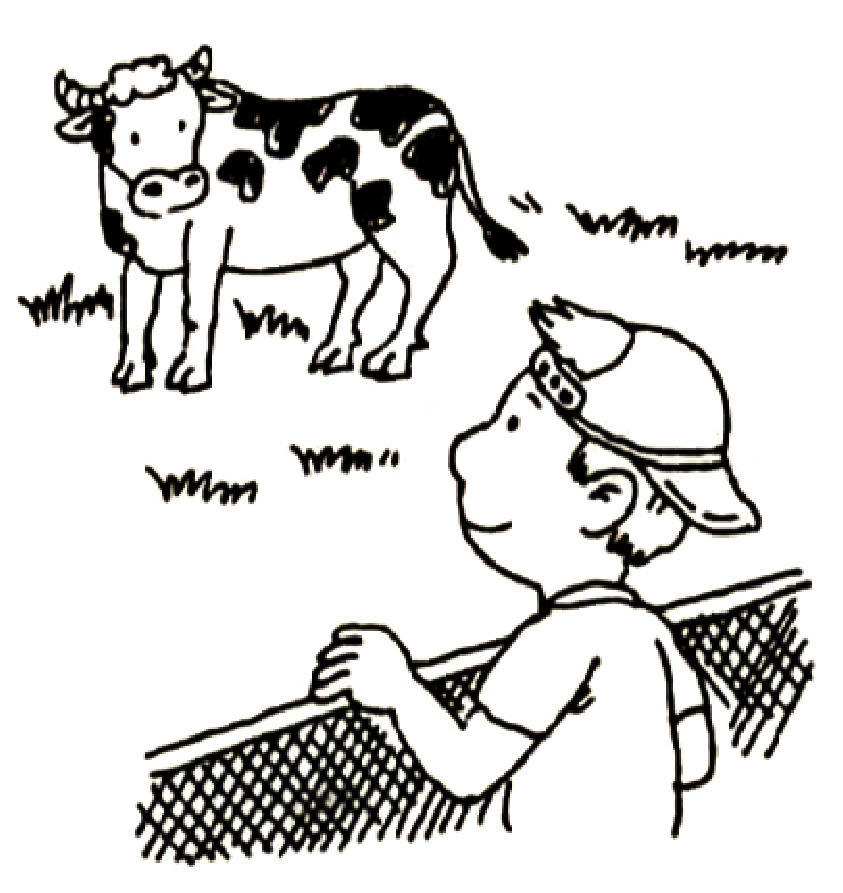
is a cow.
5
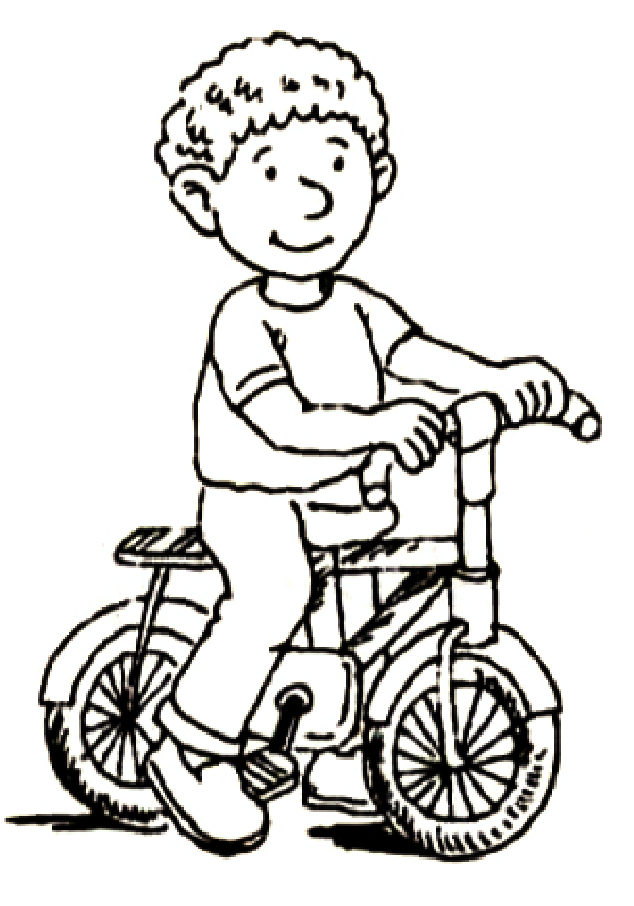
is my bicycle.
Page 20
Fill in each blank with the help of the words in the box.
am
am not
is
is not
are
are not
1
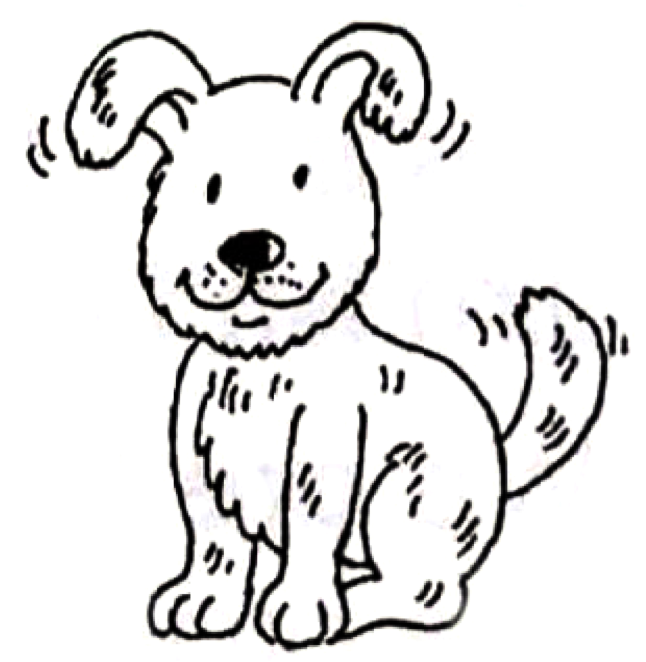
That a kitten.
That a puppy.
2
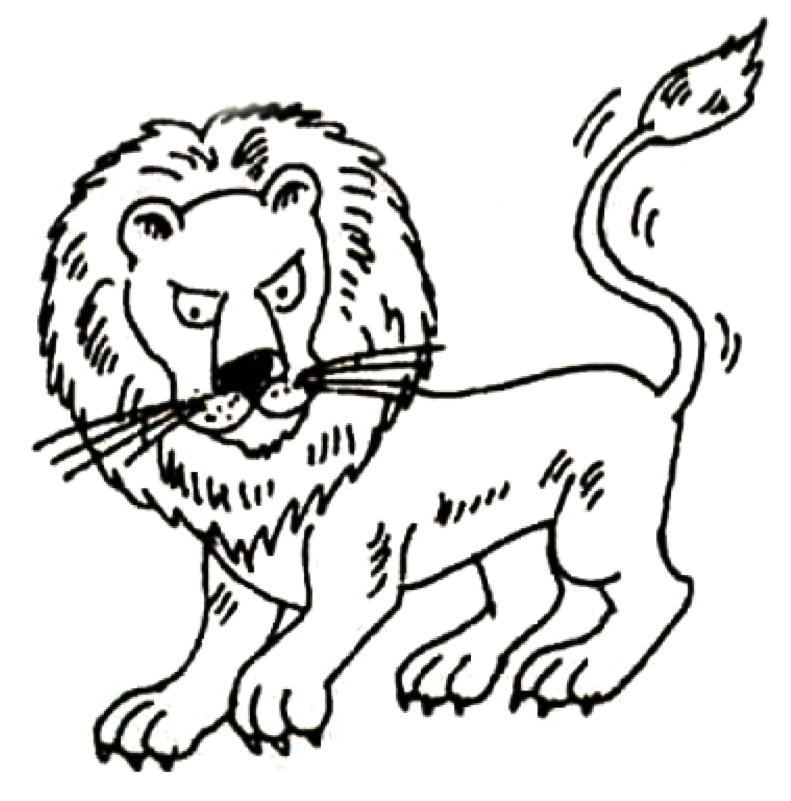
This a tiger.
This a lion.
3
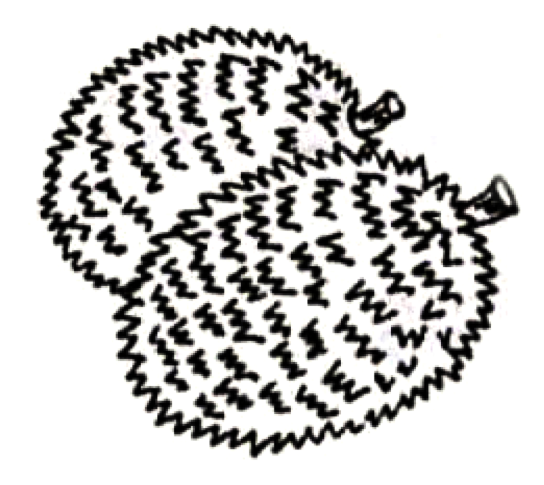
These oranges.
They durians.
4
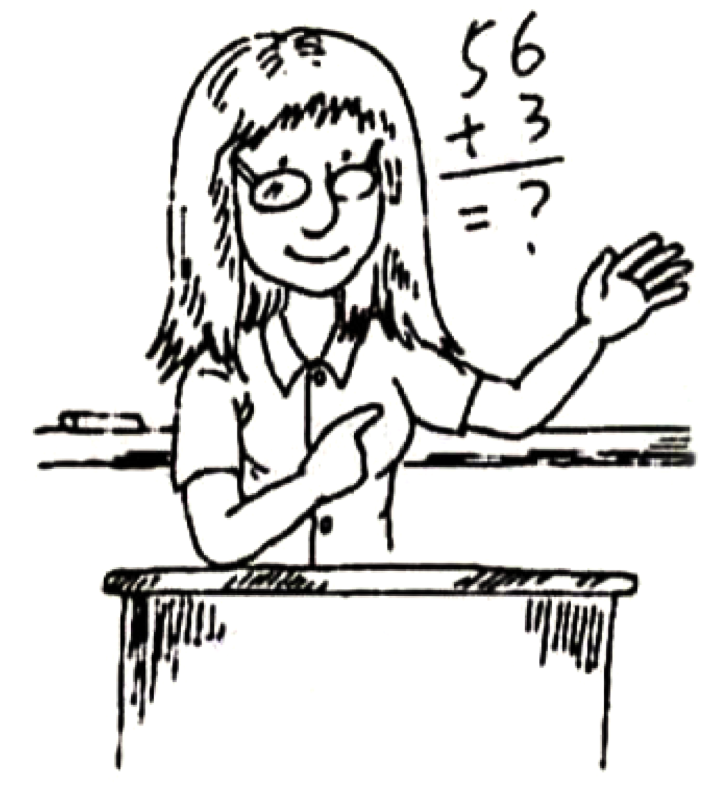
I a nurse.
I a teacher.
5
Those clouds.
They stars.

Page 21
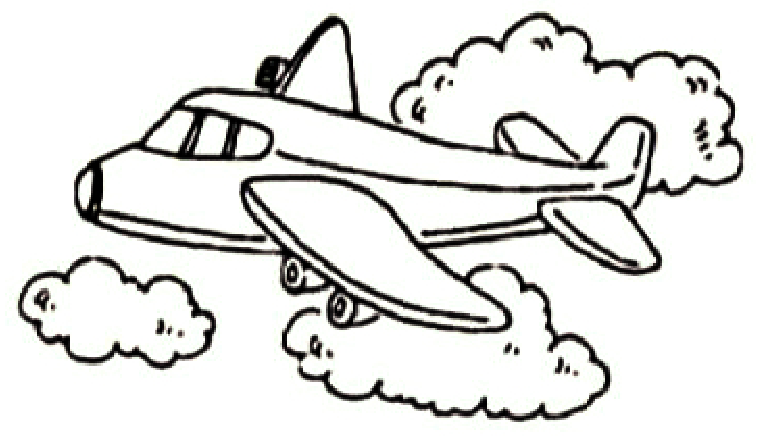
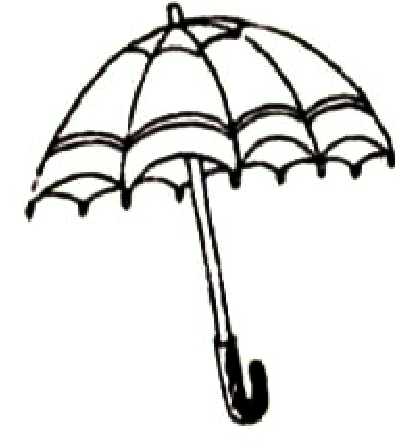
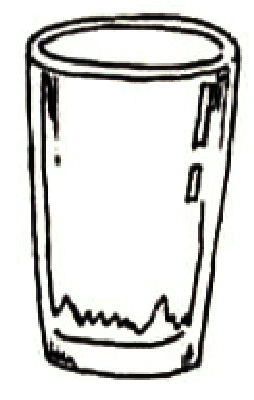
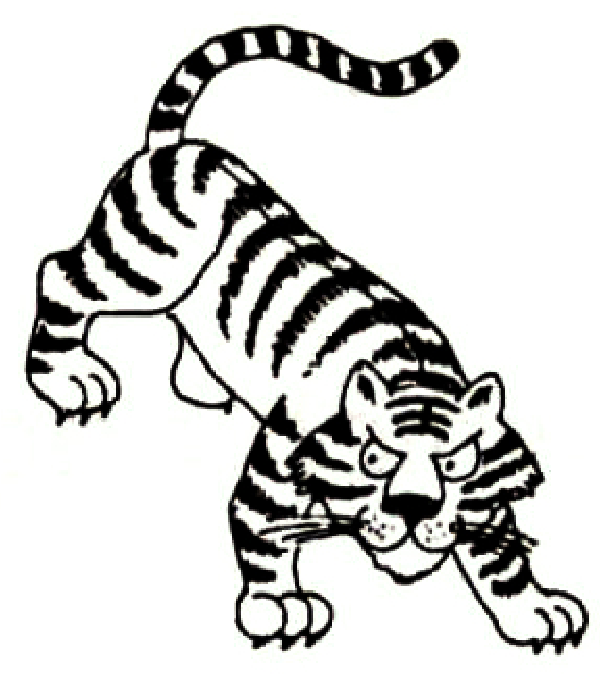
Fill in each blank with 'A' or 'An'.
A
An
1
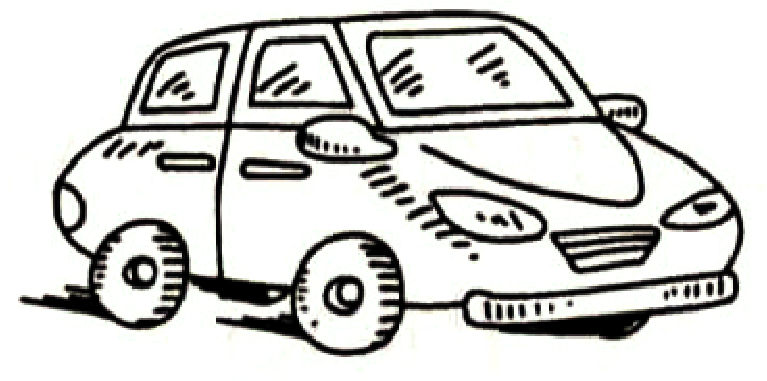
car
2
aeroplane
3
umbrella
4
glass
5
tiger
6
ambulance
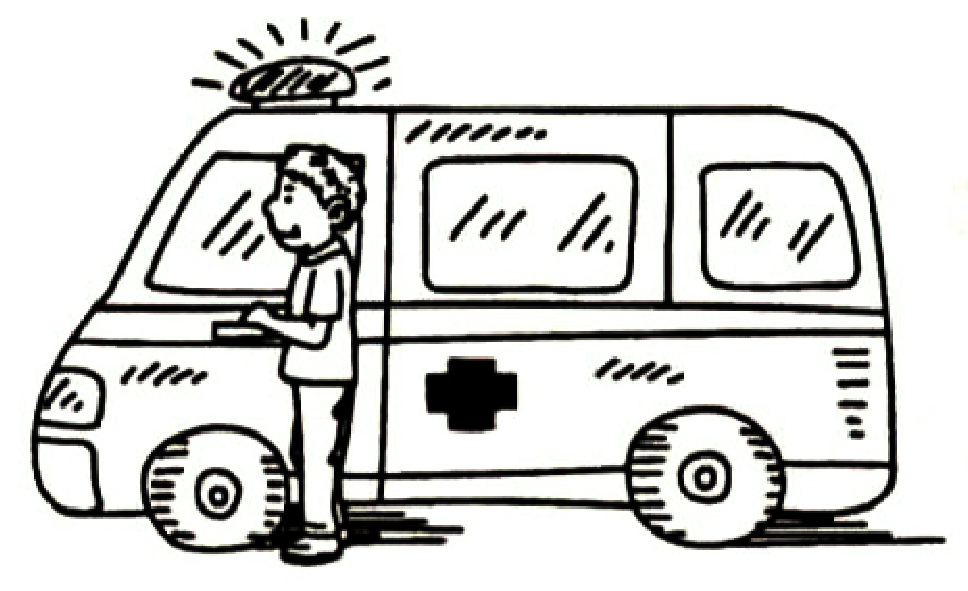
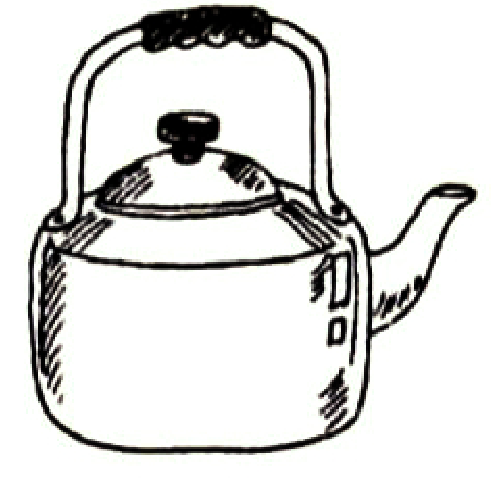
7
kettle
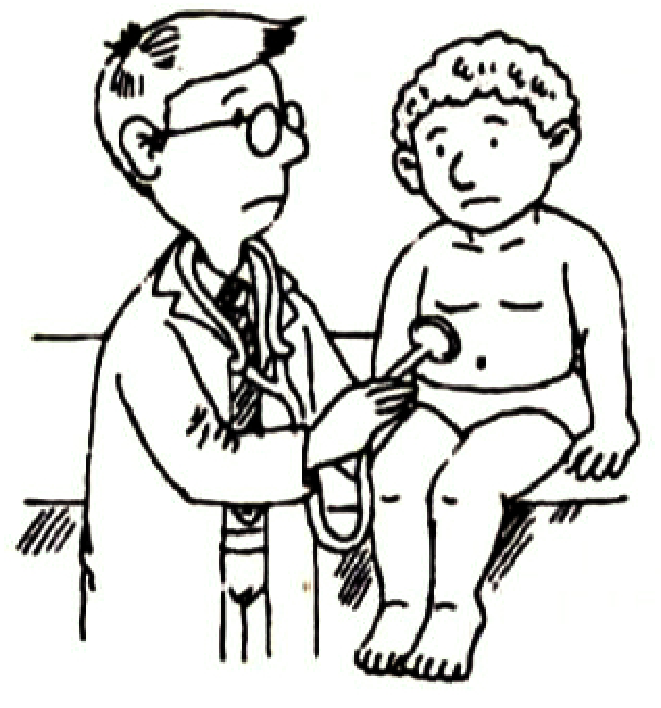
8
doctor
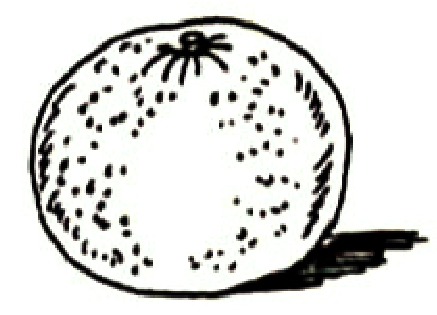
9
orange
10
apple
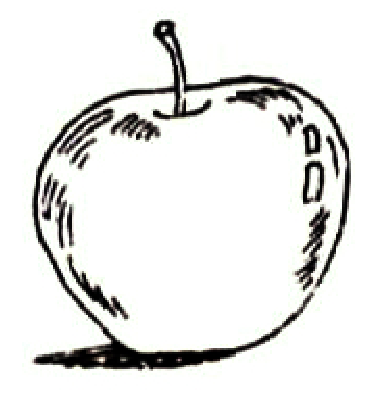
Page 22
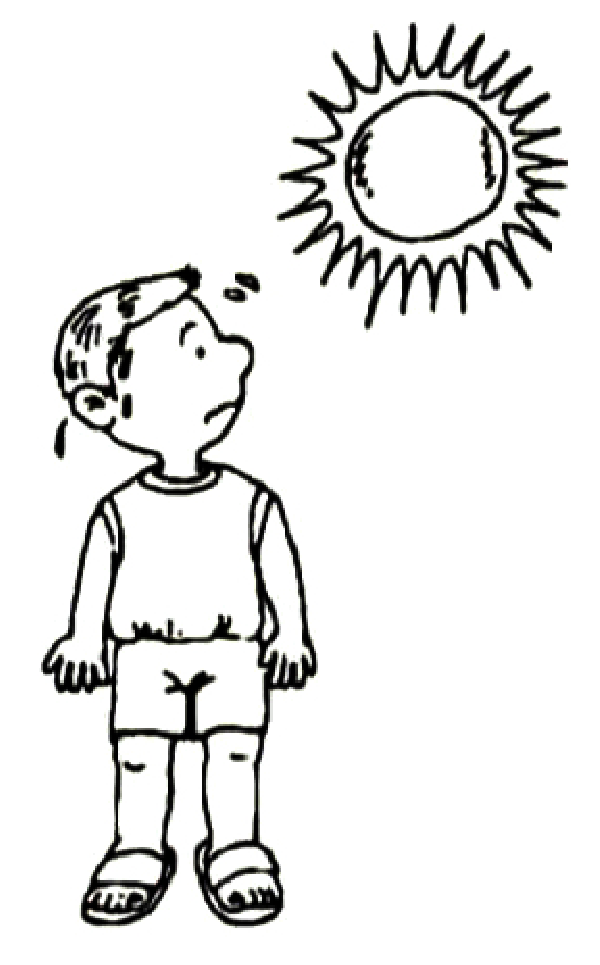
Underline the correct article in the brackets.
1
Today is ( a , an ) sunny day.
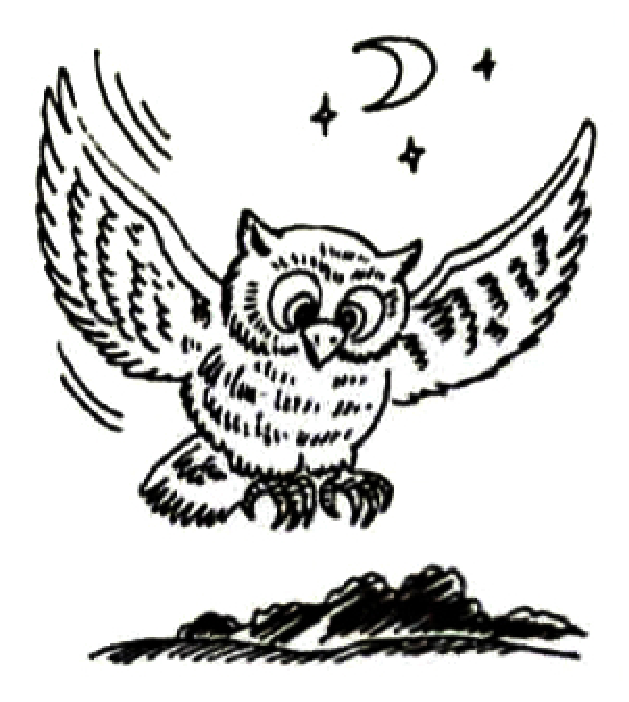
2
( A , An ) owl is a bird that hunts at night.
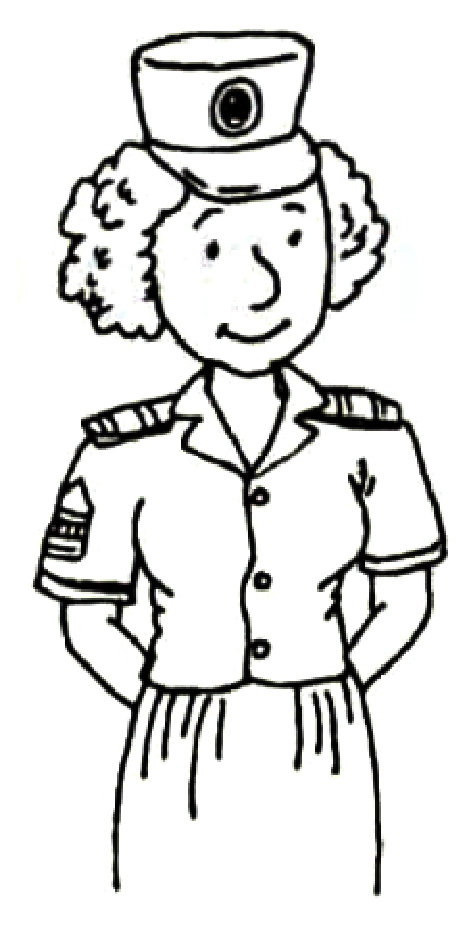
3
Miss Peterson is ( a , an ) policewoman.
4
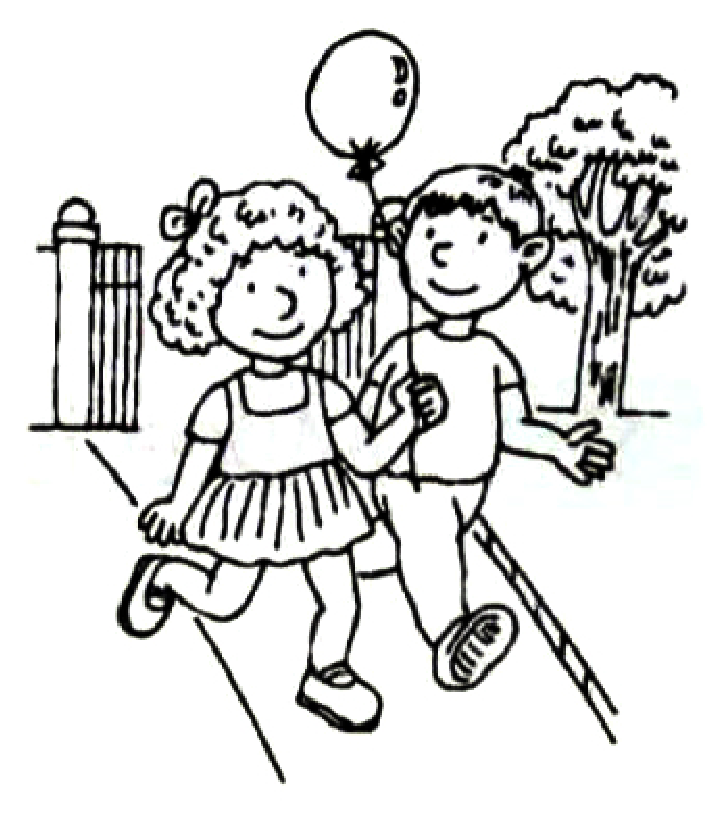
We are going for ( a , an ) walk in the park.
5
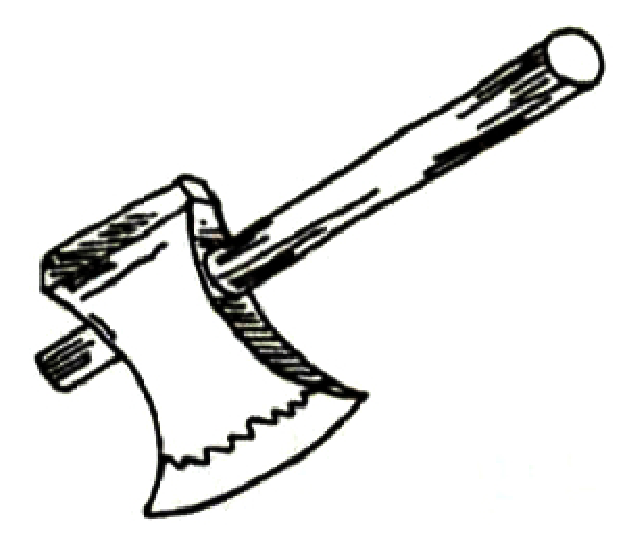
He chopped down the tree with ( a , an ) axe.
Page 24
Fill in the blanks with the correct words in the brackets.
When we know that something is not correct, we add the word 'NOT' to the verb.
Examples
This is coffee. This is not tea.
Jim isn't in the room. He is in the kitchen.
We are tired. We are not ready to run again.
The oranges are sour. They aren't sweet.
I am in Primary One. I am not in Primary Two.
I am a carpenter. I am not a plumber.
1
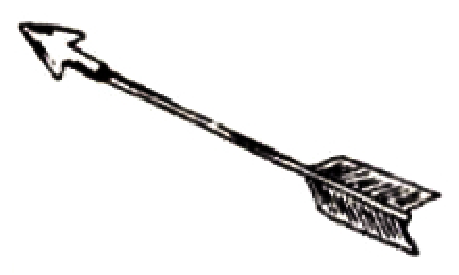
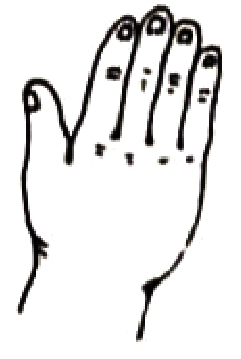
This an arrow. It a spear.
2
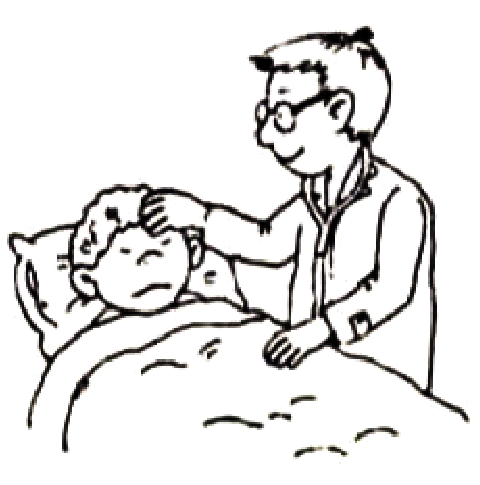
He a plumber. He a doctor.
3
These toes. They fingers.
4
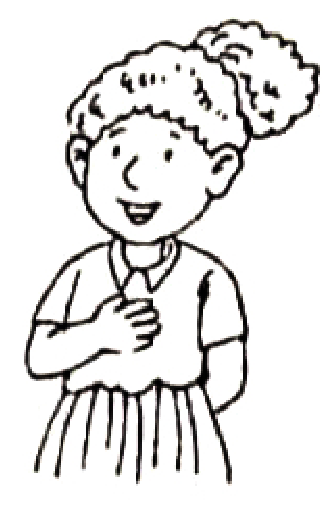
I a girl. I a boy.
5
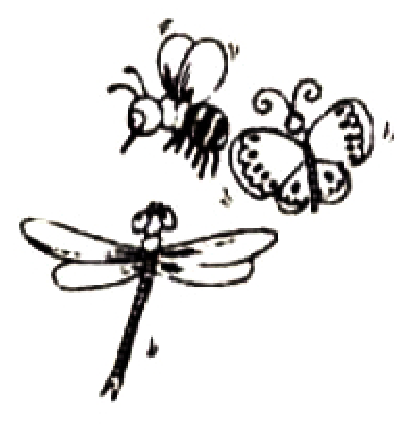
These insects. They birds.
Page 24
(c) Some nouns change their spelling when we make them plural.
Examples
I hop on one foot.
My feet are tired from walking.
There is a man waiting for you.
There are two men waiting for you.
A child is playing in the rain.
Two children are playing in the rain.
(d) The following are some nouns which change their spelling when we make them plural.
Singular | Plural
foot | feet
child | children
man | men
woman | women
goose | geese
tooth | teeth
Page 26
Look at the pictures. Answer the questions with the help of the words given.
postman
sweets
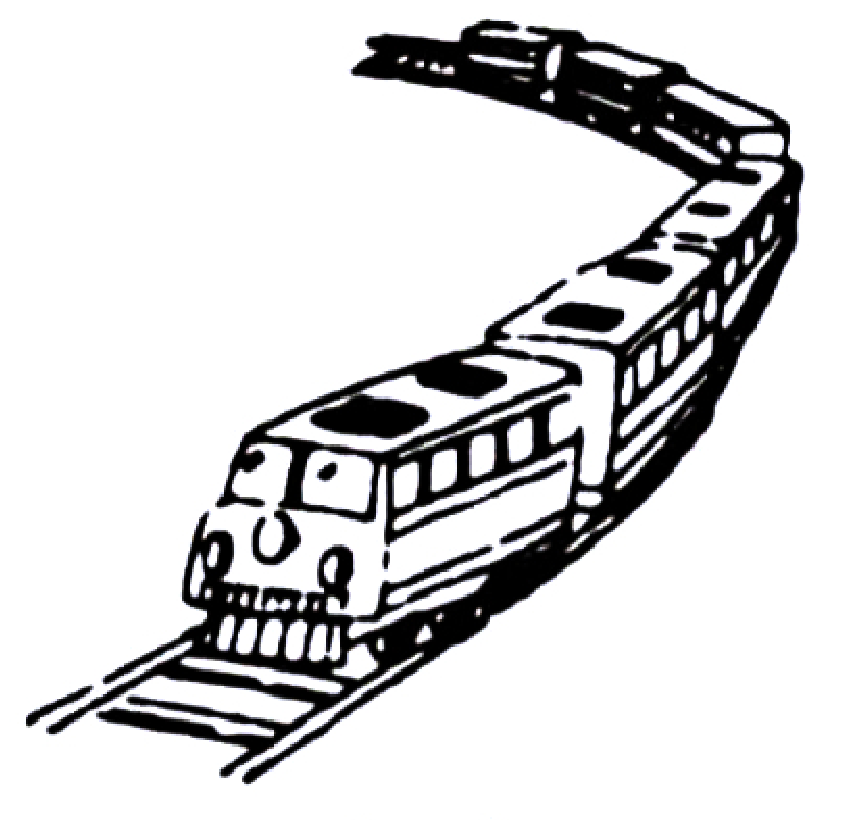
train
kites
1
EXAMPLE
1. Is he a fireman?
No, he isn't .
He is a postman .
2
2. Are these cakes?
No, they aren't .
They are sweets .
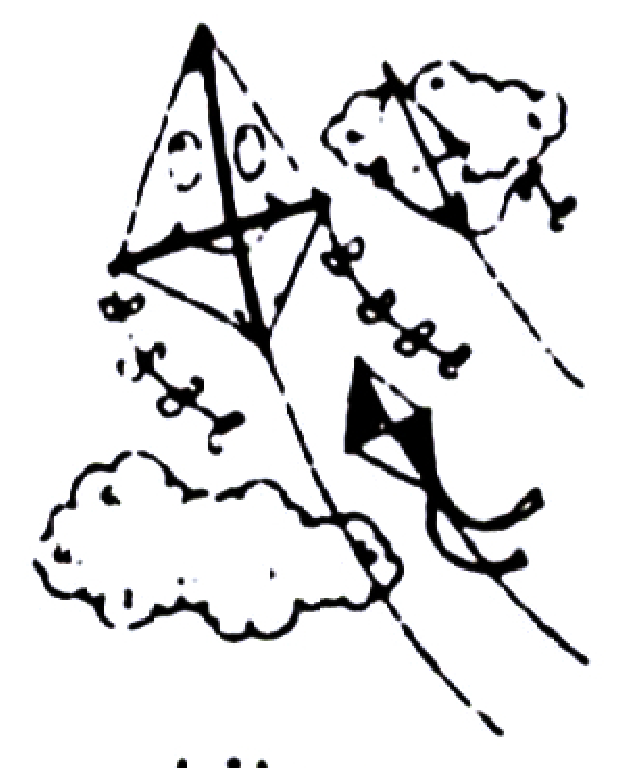
1
Is that a ship?
.
.
2
Are those birds?
.
.
Page 26
Underline the correct answers.
1
There are many coconut ( tree , trees ) on the island.
2
Susan has two ( brother , brothers ).
3
I see a ( doctor , doctors ) when I am ill.
4
There are ( cloud , clouds ) in the sky.
5
Elephants have big ( ear , ears ).
6
There are many ( animal , animals ) in the zoo.
7
There are seven ( day , days ) in a week.
8
My father drives a ( car , cars ) to work every day.
9
You have five ( finger , fingers ) on each hand.
10
My sister is a ( lawyer , lawyers ).
Page 27
3
Is it a rabbit?
.
.
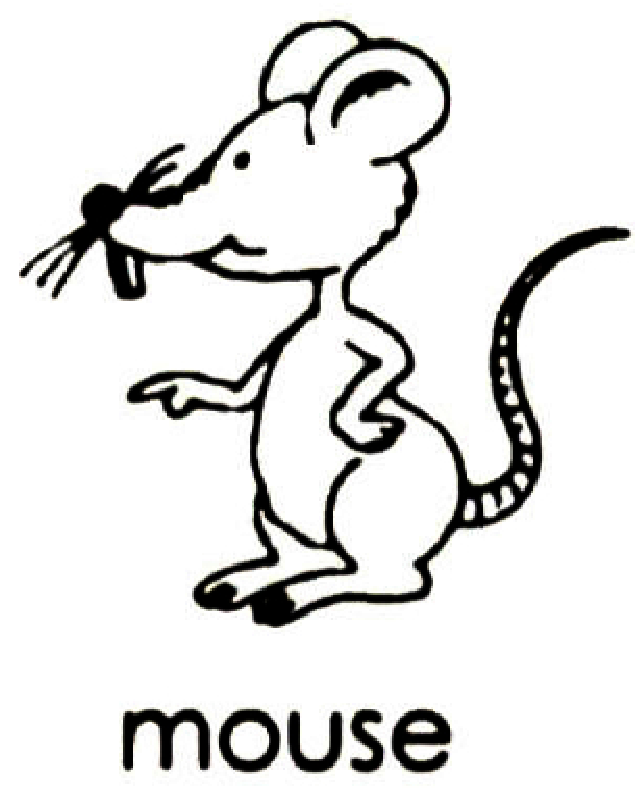
4
Are they hunters?
.
.
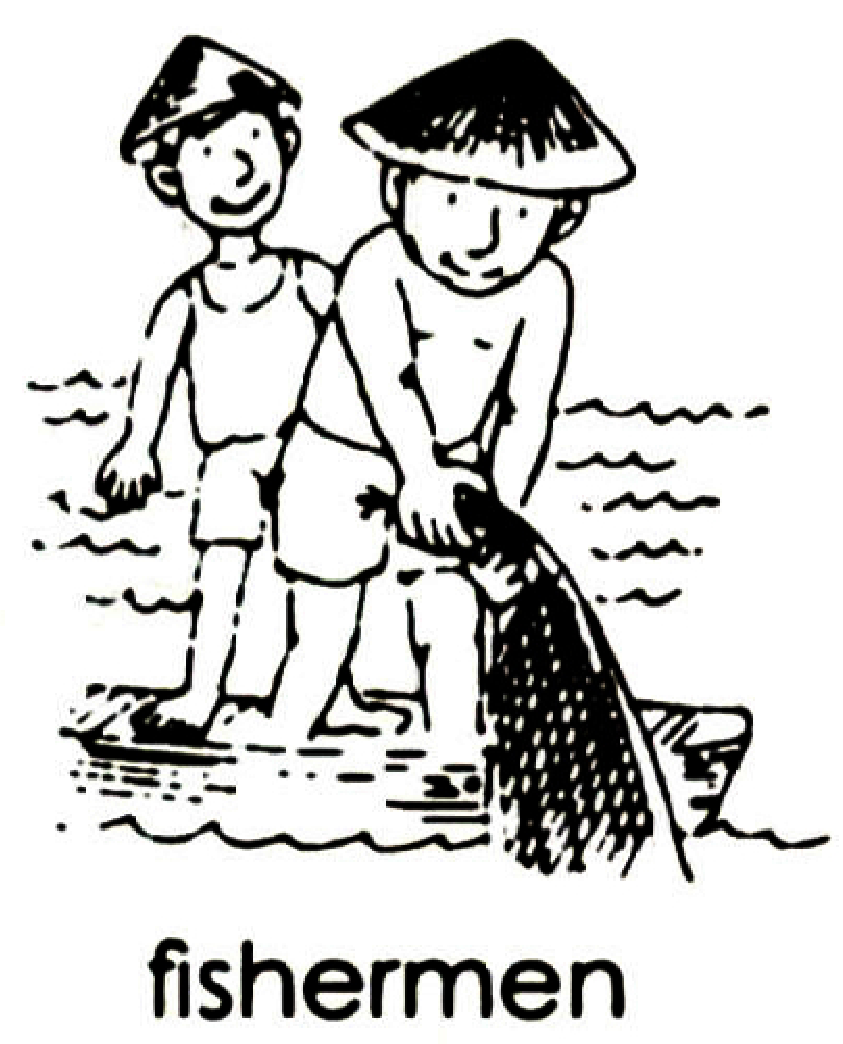
5
Is he your father?
.
.
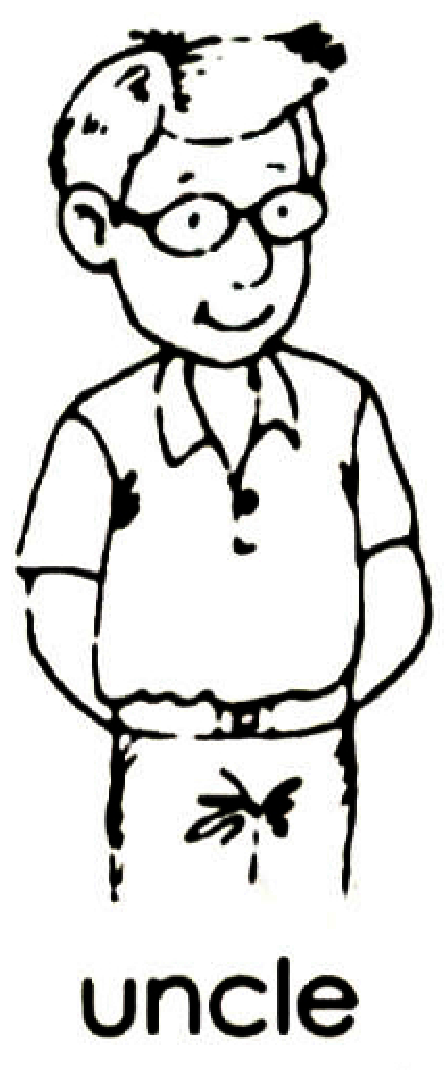
Page 28
1
(a) We add '-s' to a countable noun to make it plural.
Examples
There is an aeroplane in the sky.
There are two aeroplanes in the sky.
I received a letter today.
I received three letters today.
There is one cup on the tray.
There are ten cups on the tray.
2
(b) When a countable noun ends in '-s', '-sh', '-ch' or '-x', we add '-es' to make it plural.
Examples
There is a glass on the table.
There are ten glasses on the table.
I put one brush in the cup.
I put two brushes in the cup.
I wear my favourite watch to school.
I have two more watches at home.
Jason puts a ball in the box.
Jason puts all the balls in the boxes.
Page 30
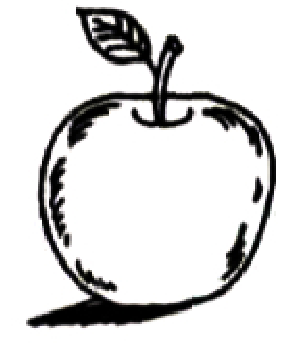
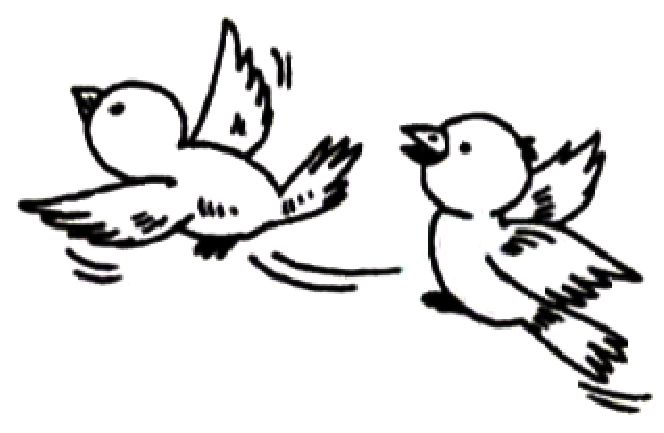
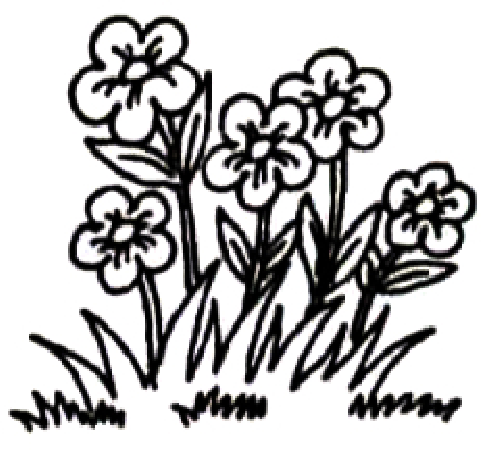
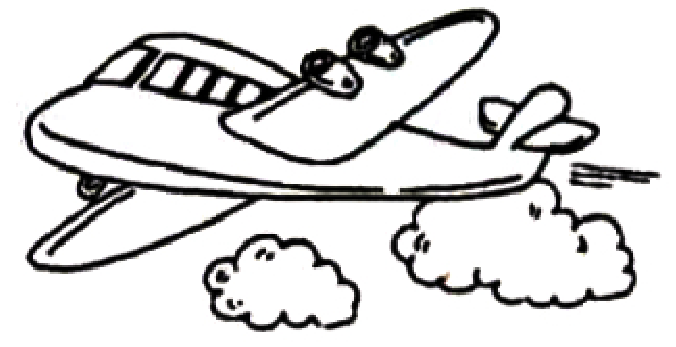
Circle the correct word for each picture. / Fill in the blank with the plural form of each noun.
1
apple / apples
2
bird / birds
3
flower / flowers
4
aeroplane / aeroplanes
5
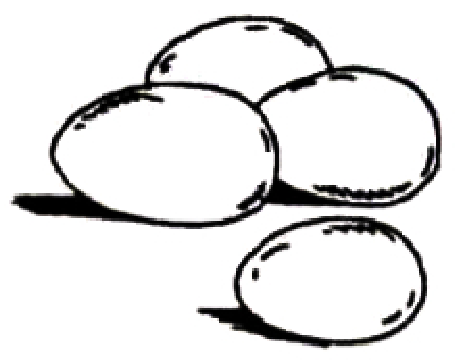
egg / eggs
1
ball
2
glass
3
foot
4
orange
5
child
6
man
7
flag
8
tooth
9
eye
10
star
Page 30
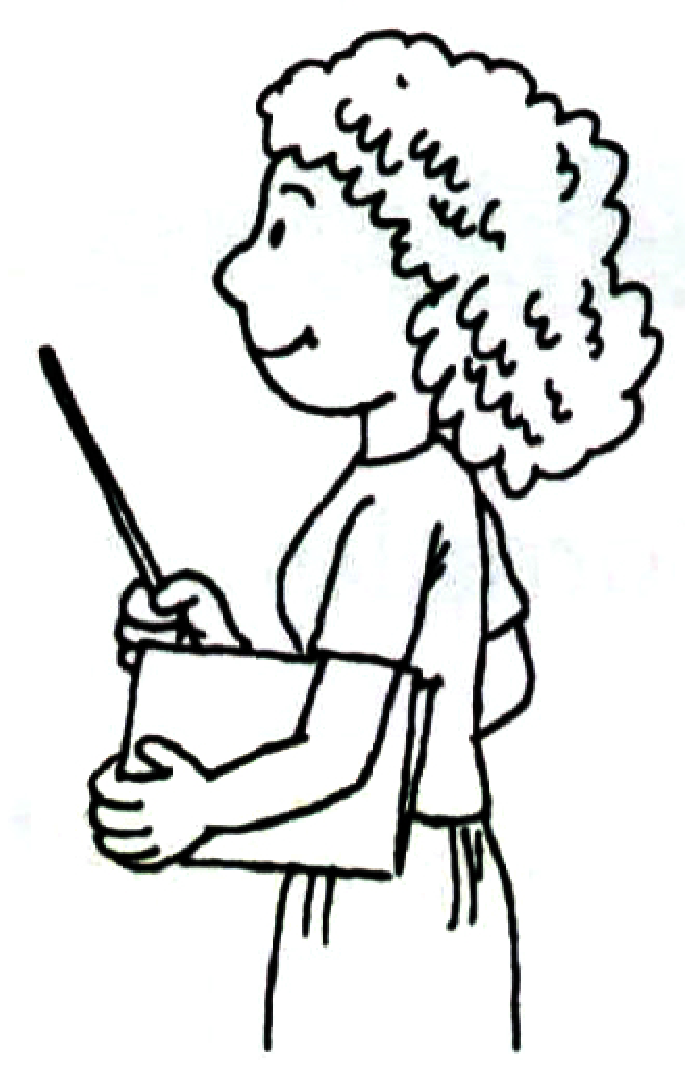
6
What ?
She is a teacher.
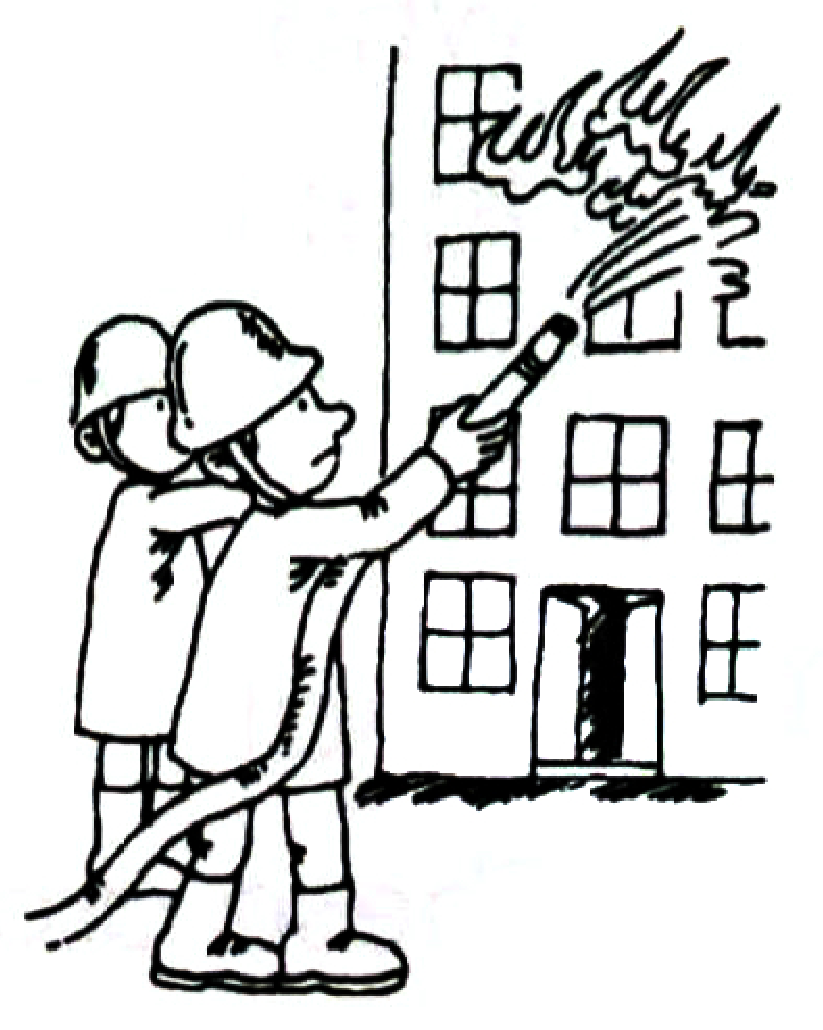
7
What ?
They are firefighters.
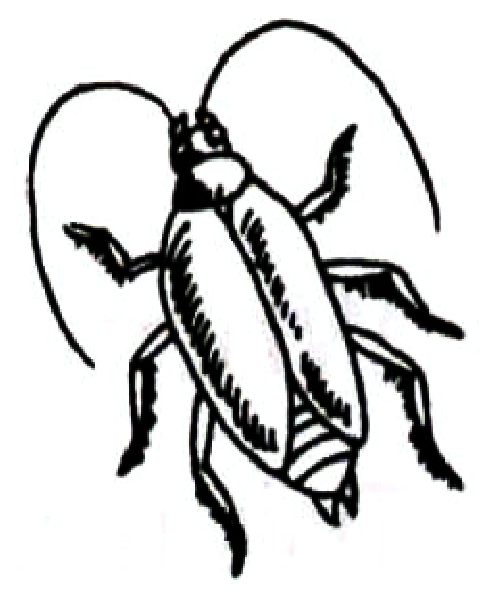
8
What ?
It is a cockroach.
9
What ?
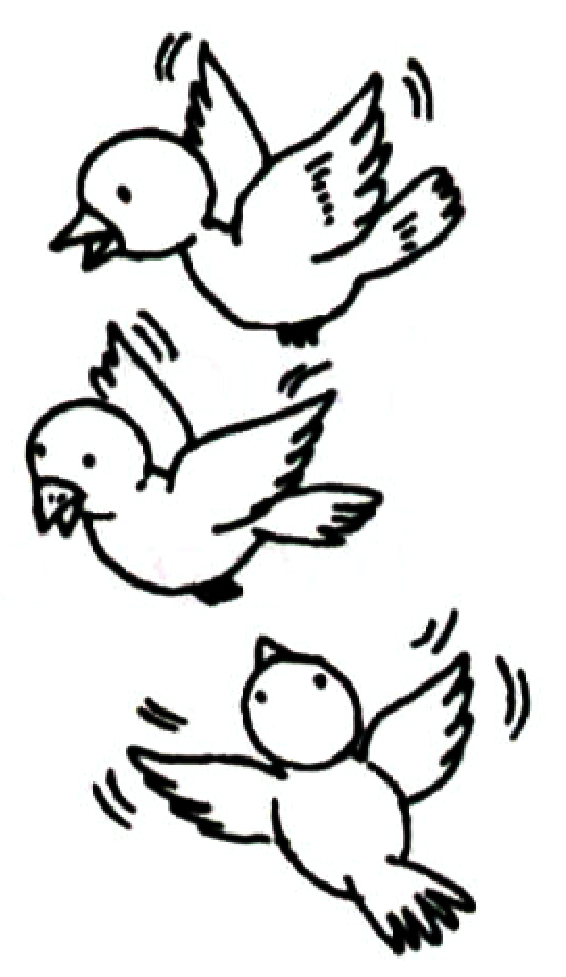
Those are birds.
10
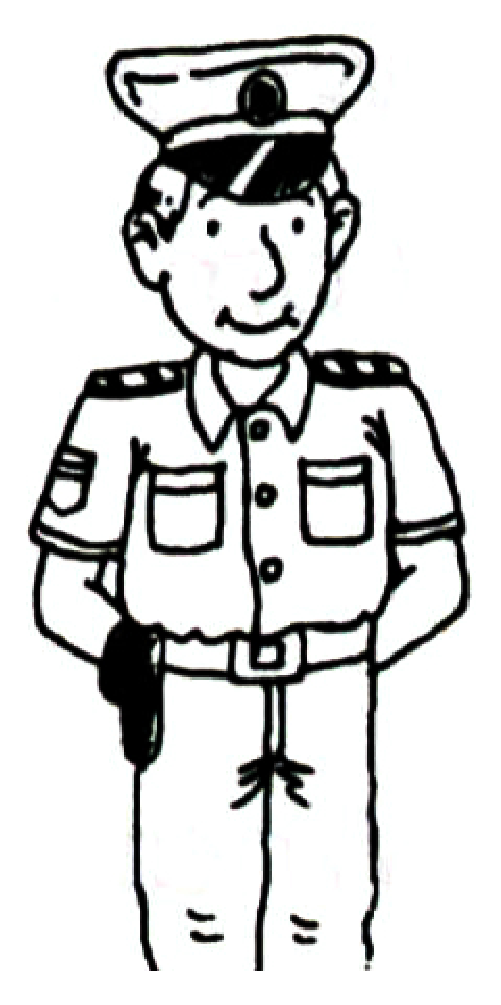
What ?
He is a policeman.
Page 32
Complete the answer to each question.
(a) We use 'WHAT' when we want information about something.
Examples
What is that? That is a bicycle.
What are those? Those are marbles.
What is this? This is a book.
(b) We can also use 'WHAT' when we want to find out what a person's job is.
Examples
What is she? She is a teacher.
What are you? I am a student.
What are they? They are police officers.
1
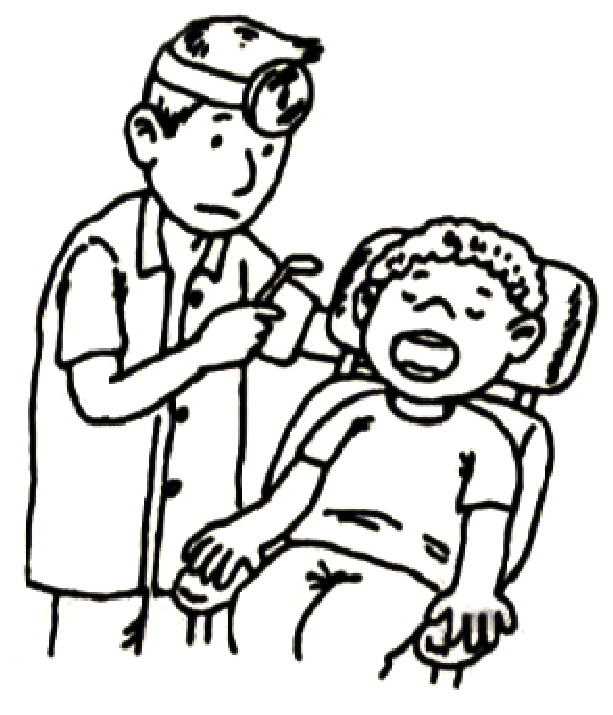
What is he?
a dentist.
2
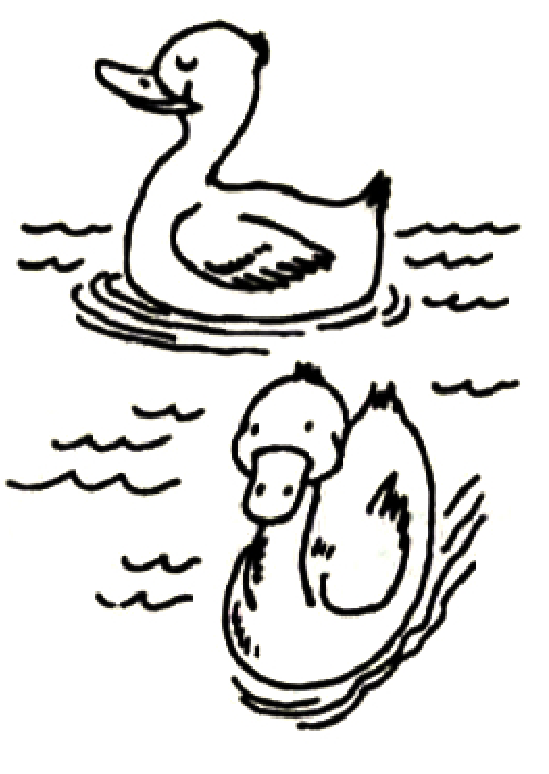
What are those?
ducks.
Page 32
4
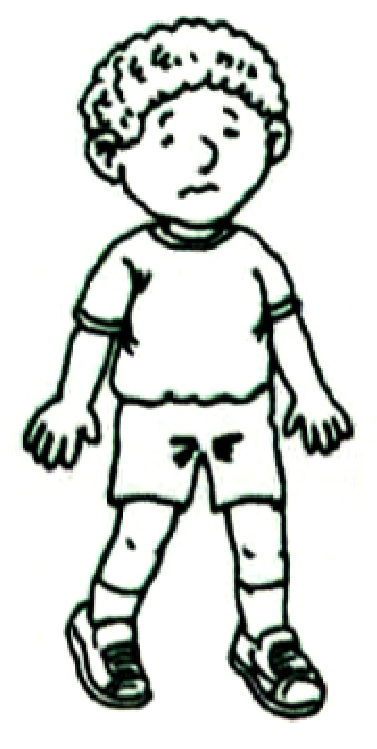
He has a ( happy , sad ) look on his face.
5
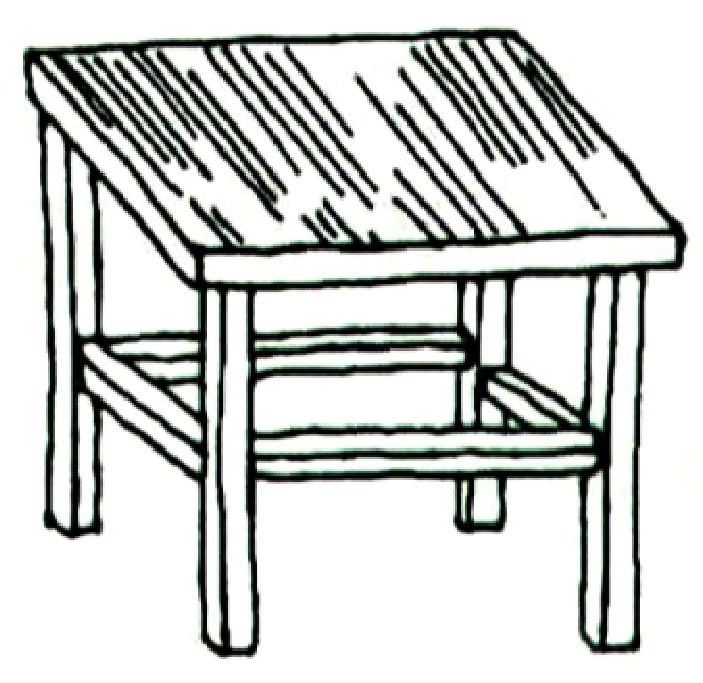
This is a ( square , round ) table.
6
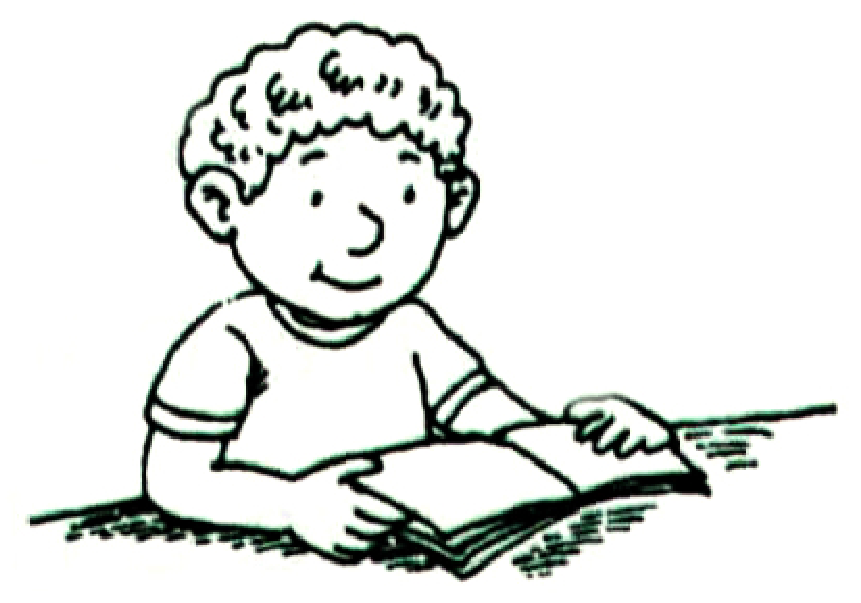
Alex is reading a ( thin , thick ) book. It has only eight pages.
7
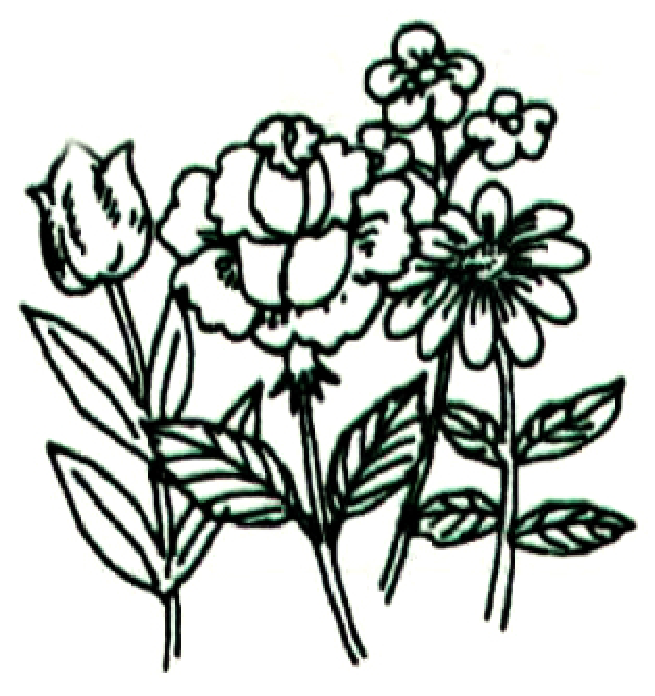
Most plants have ( green , white ) leaves.
8
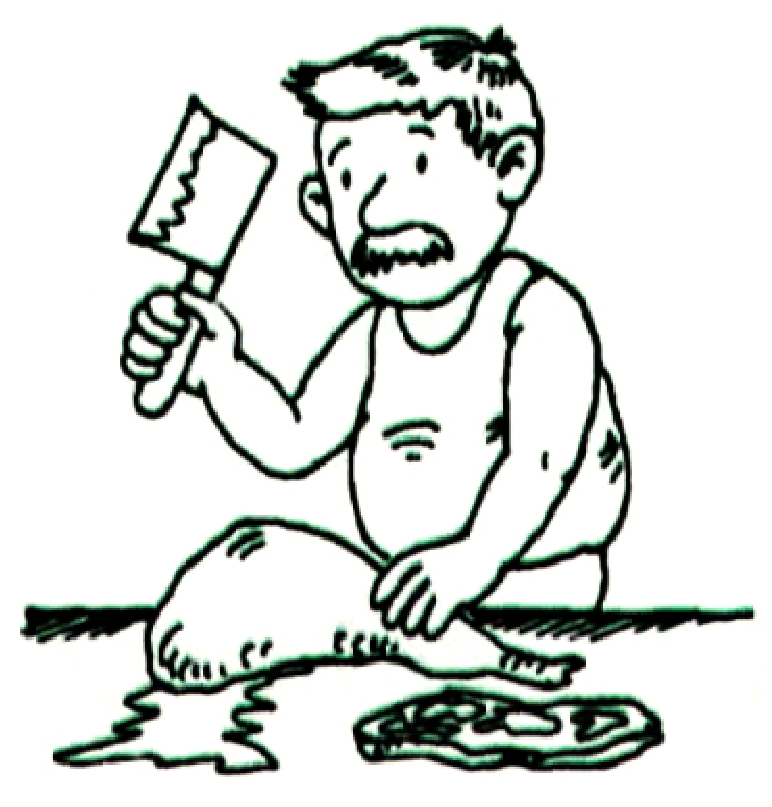
The butcher uses a ( blunt , sharp ) knife to cut the meat. He can cut the meat easily.
9
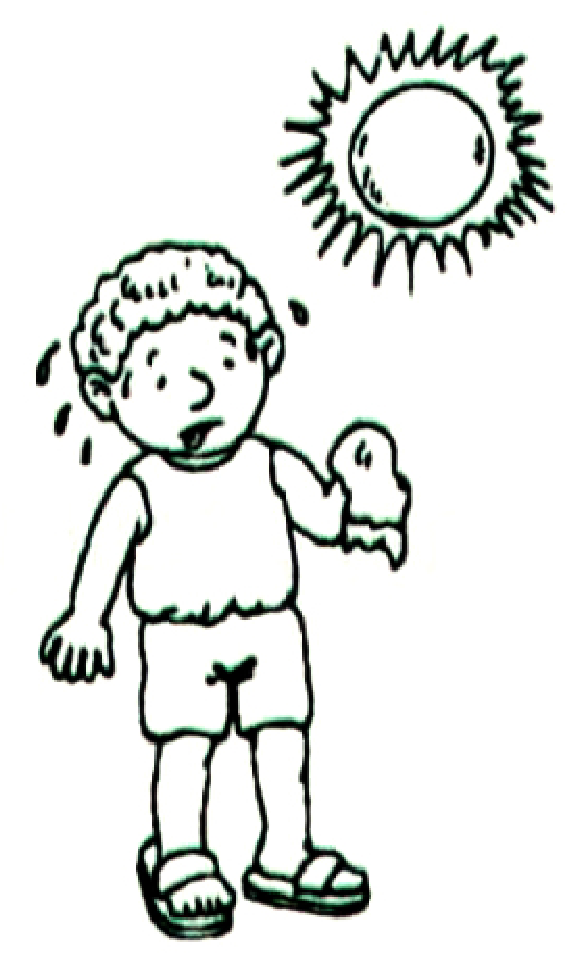
Today is a ( sunny , rainy ) day.
10
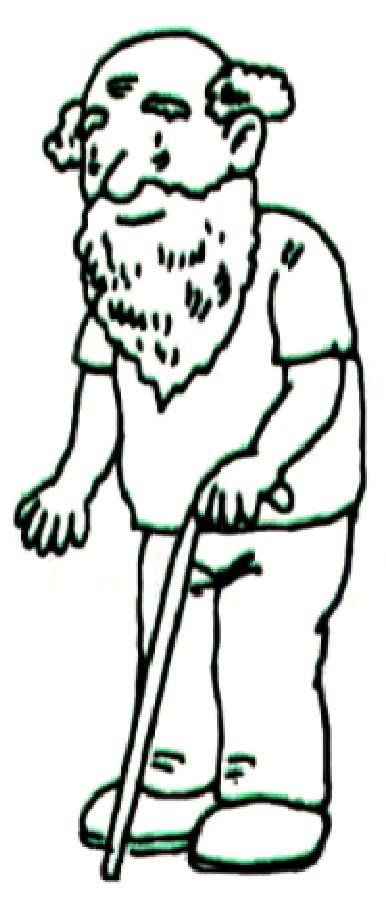
The ( old , young ) man is holding a walking stick.
Page 33
3
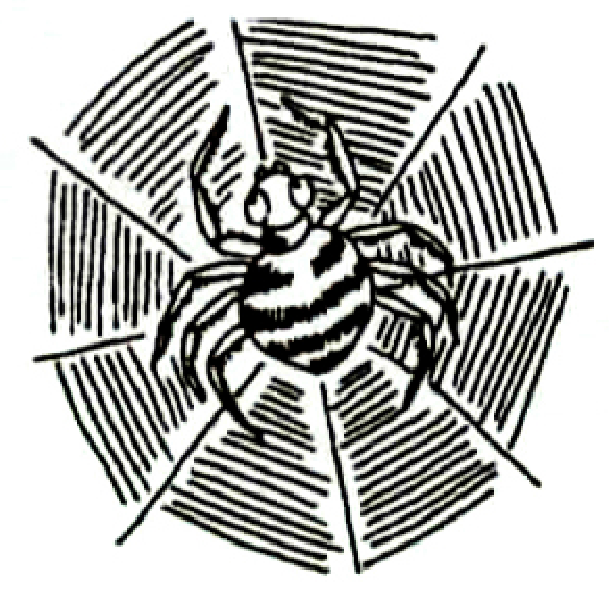
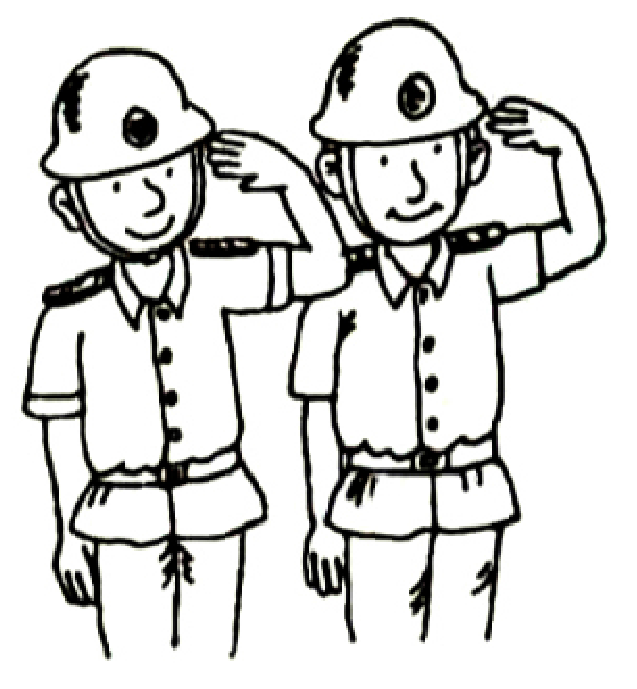
What is that?
a spider.
4
What are they?
soldiers.
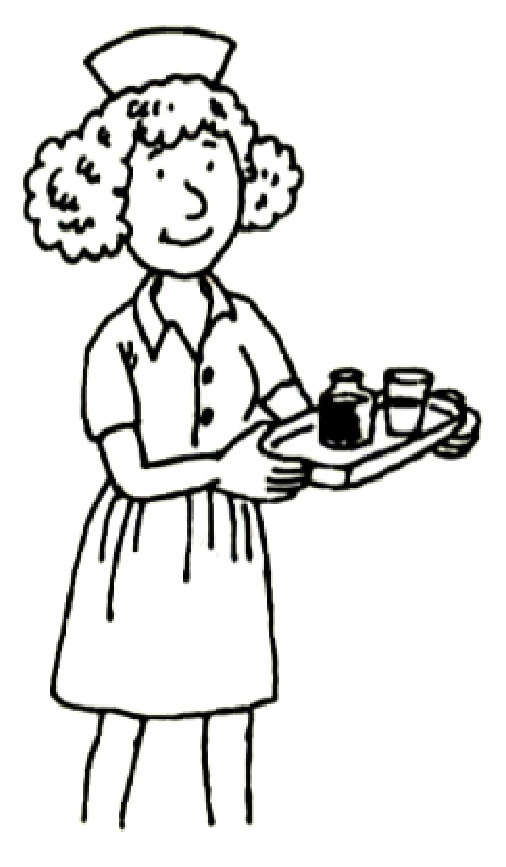
5
What is she?
a nurse.
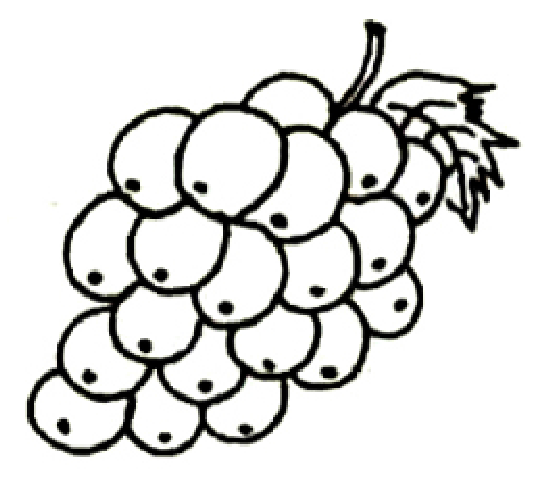
6
What are these?
grapes.
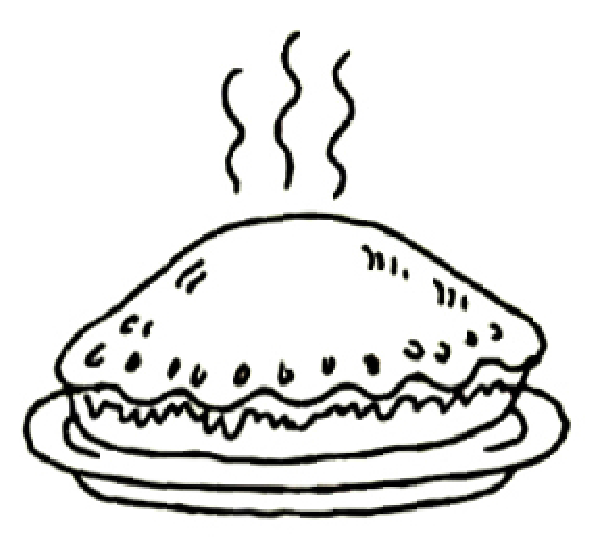
7
What is that?
a pie.
8
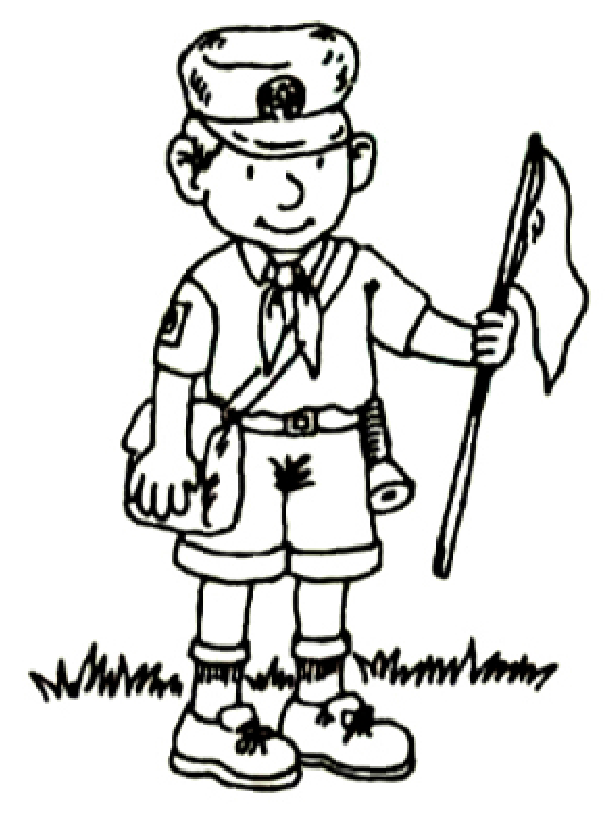
What are you?
a boy scout.
9
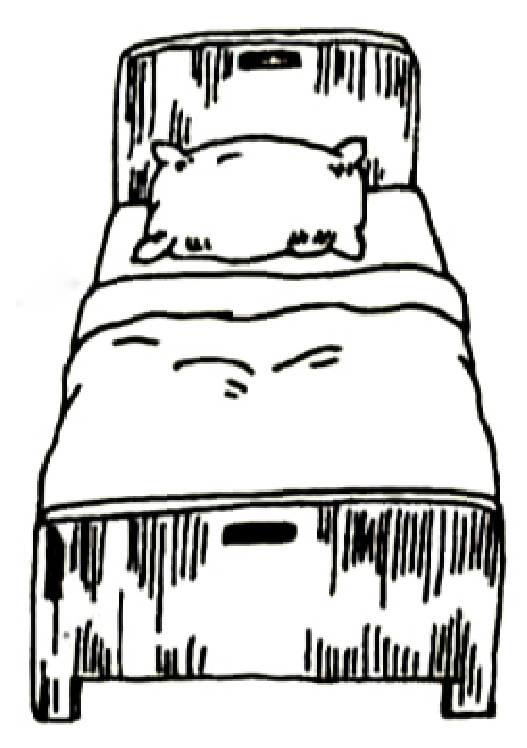
What is this?
a bed.
10
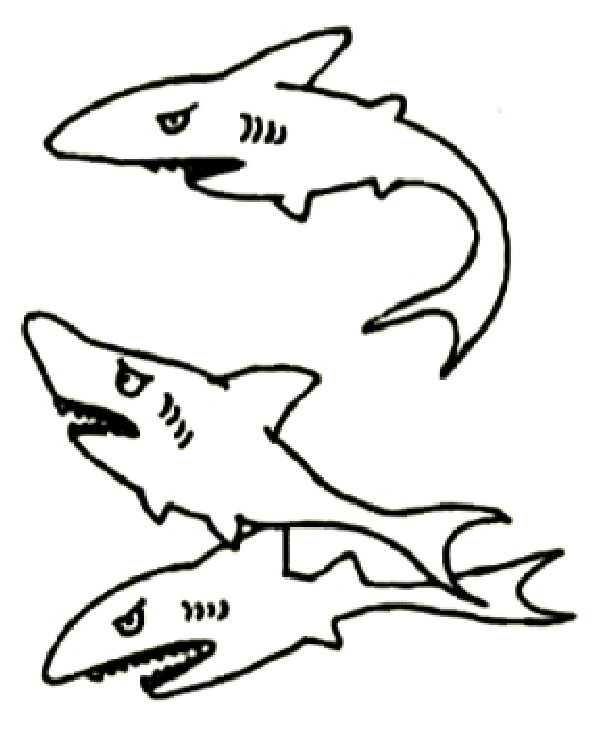
What are those?
sharks.
Page 33
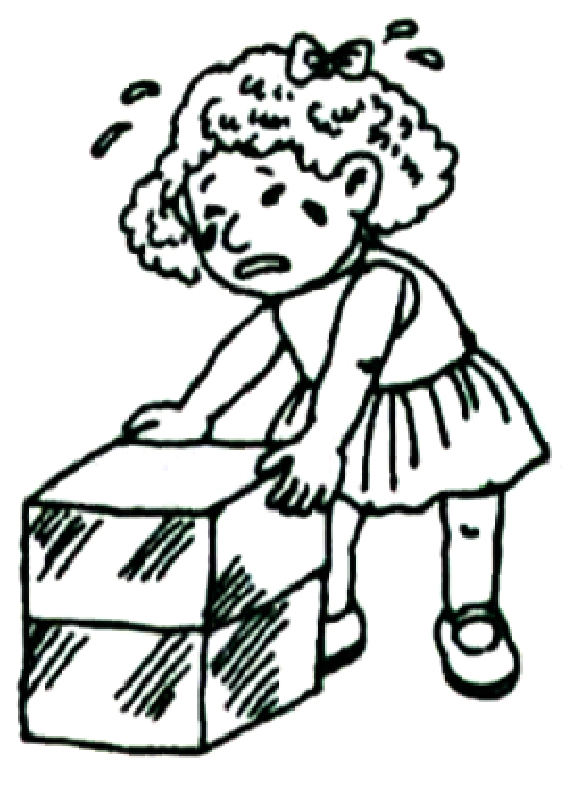
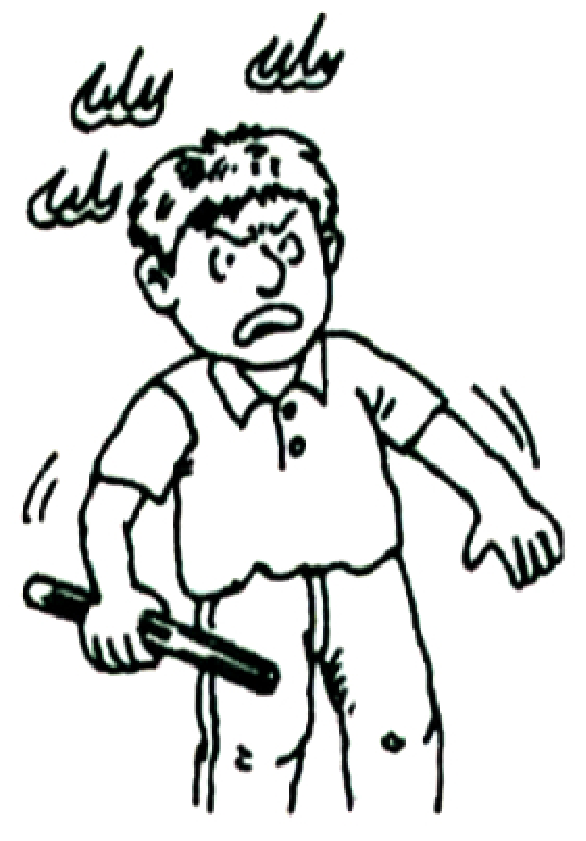
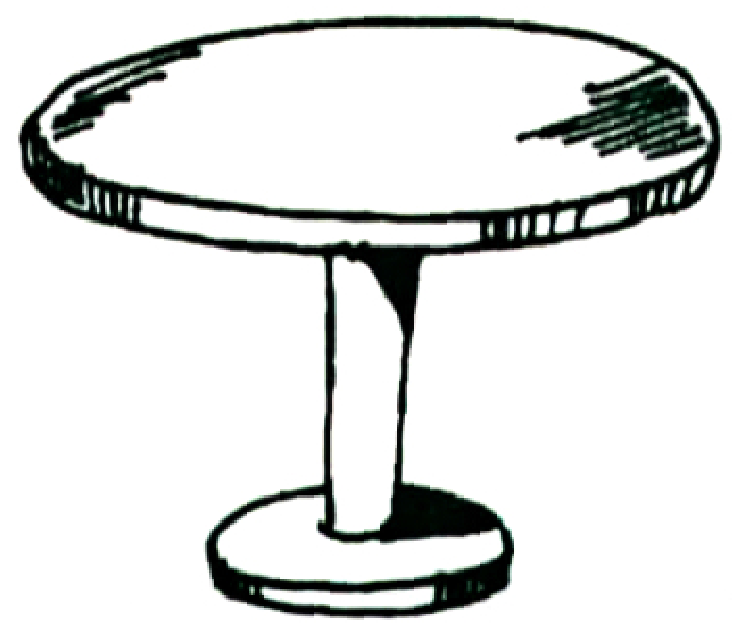
Fill in each blank with the help of the words in the box. Use each word only once.
heavy
long
hot
ugly
angry
short
round
tall
white
fierce
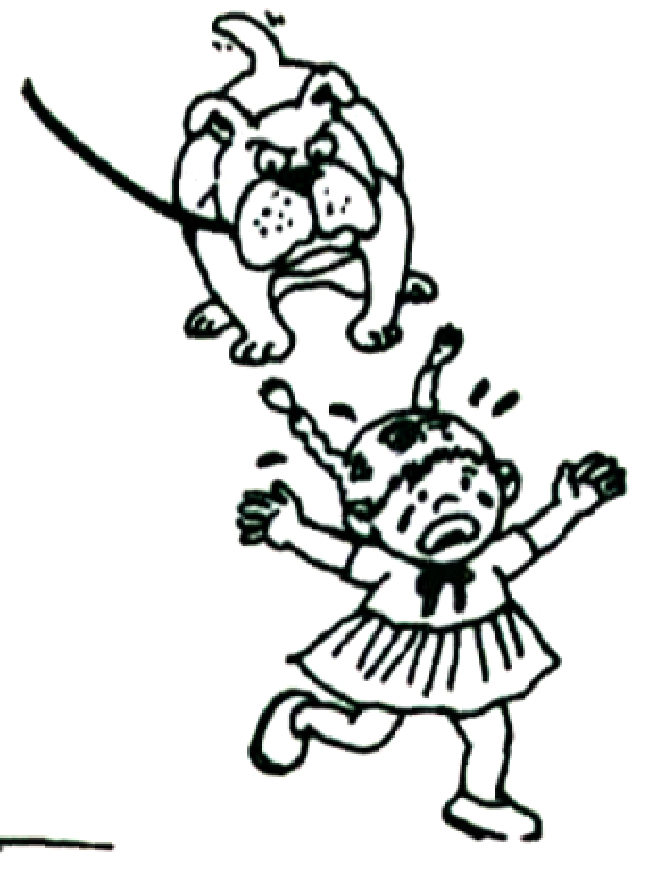
1
My neighbour has a dog.
2
The fisherman dries his nets under the sun.
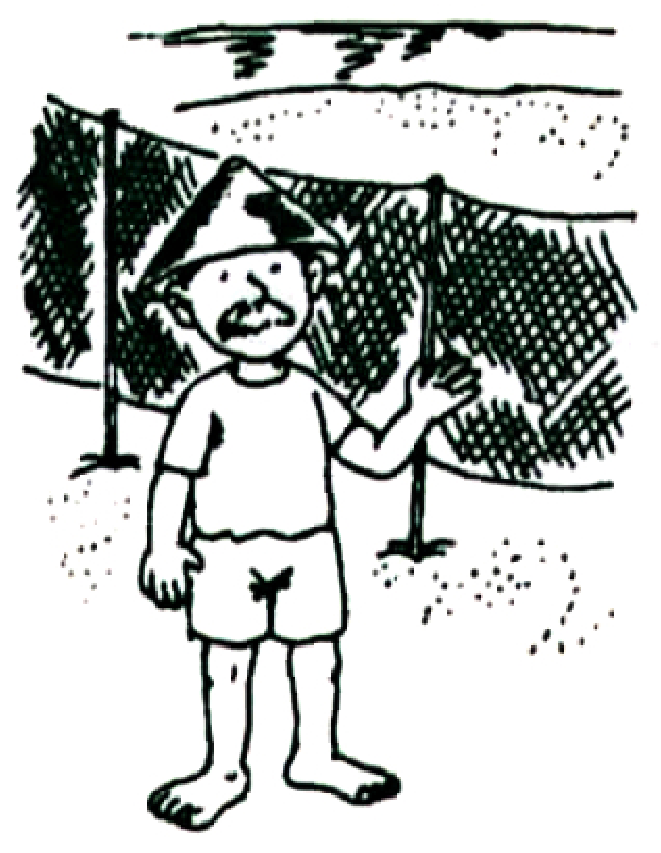
3
Mandy cannot carry the box.
4
Look at that man!
5
This is a table.
Page 34
Complete the question for each answer.
EXAMPLE
What is that?
That is a candle.
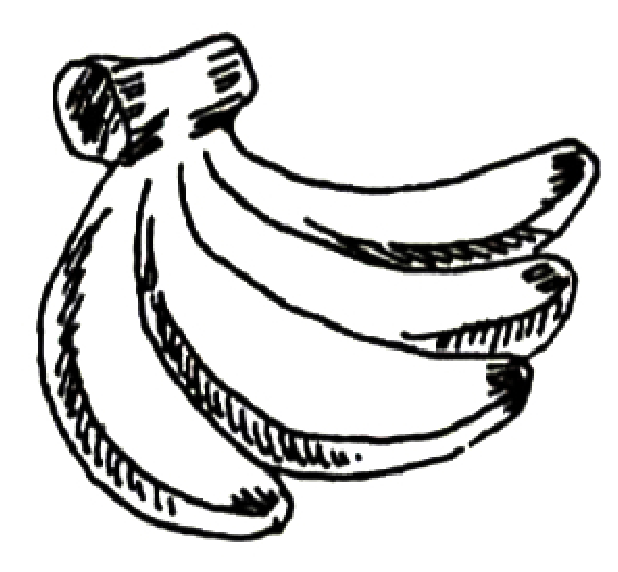
1
What ?
These are bananas.
2
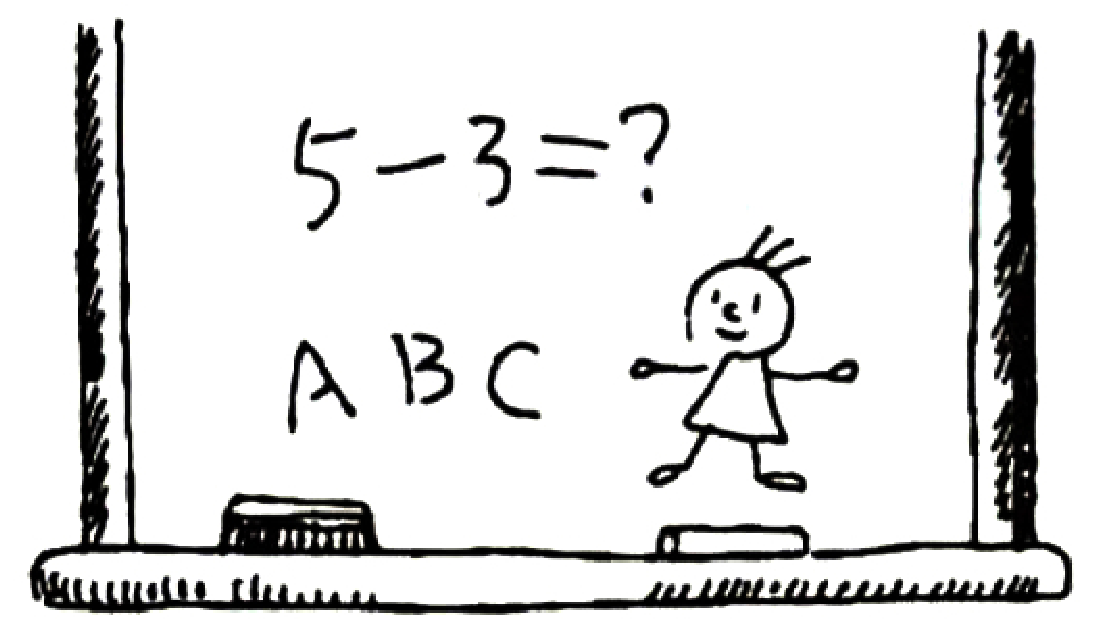
What ?
This is a whiteboard.
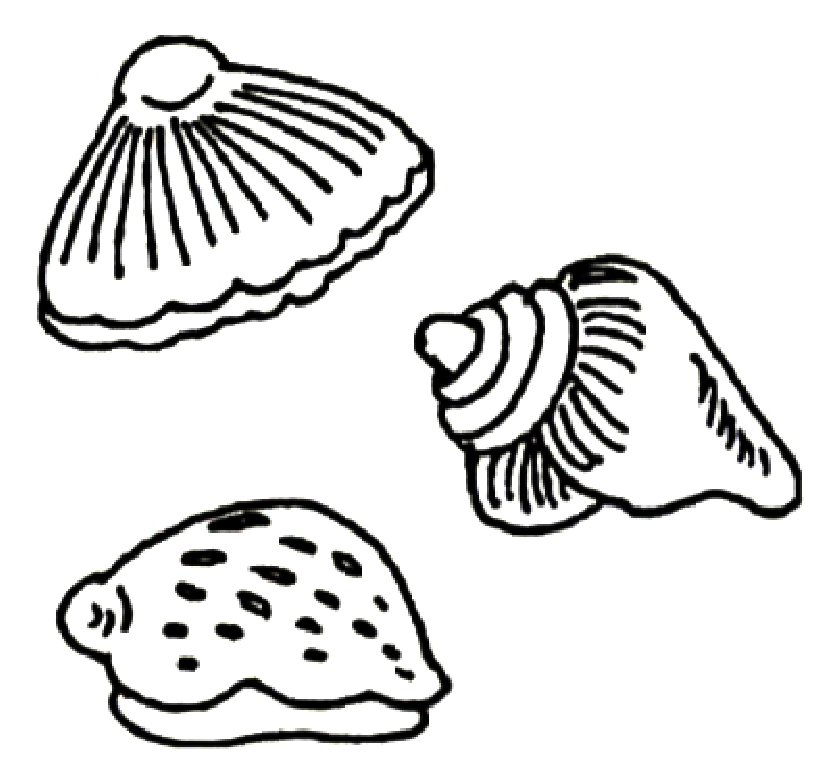
3
What ?
Those are seashells.
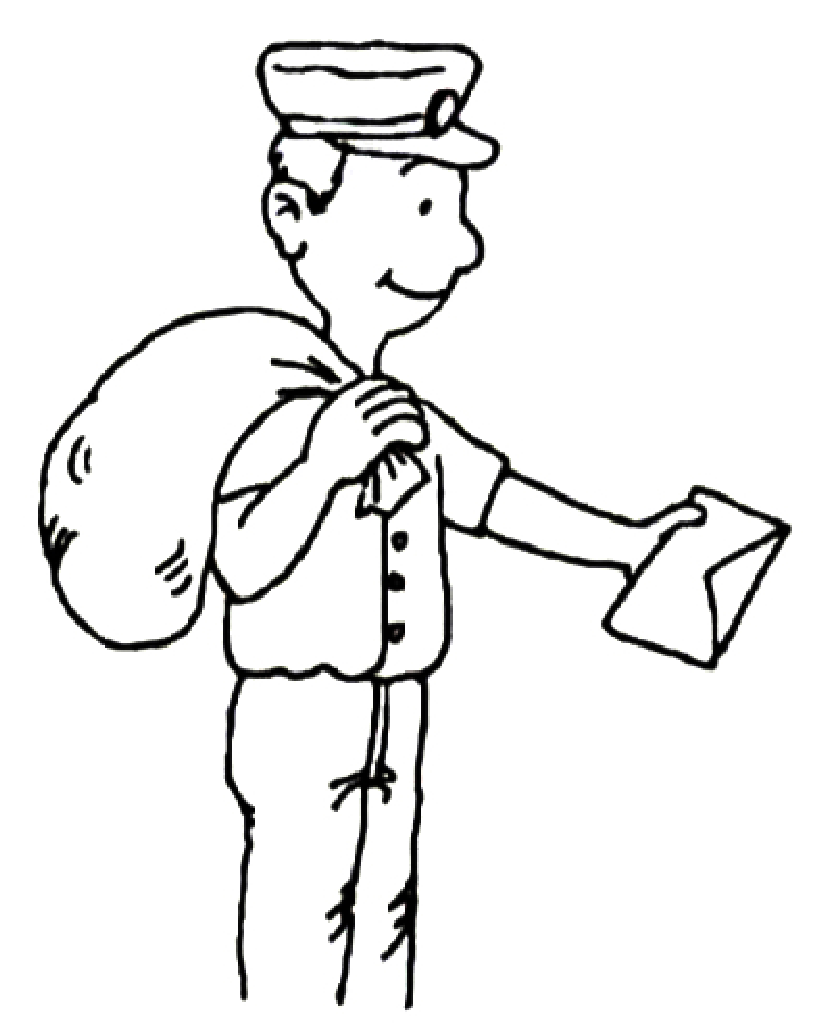
4
What ?
I am a postman.
5
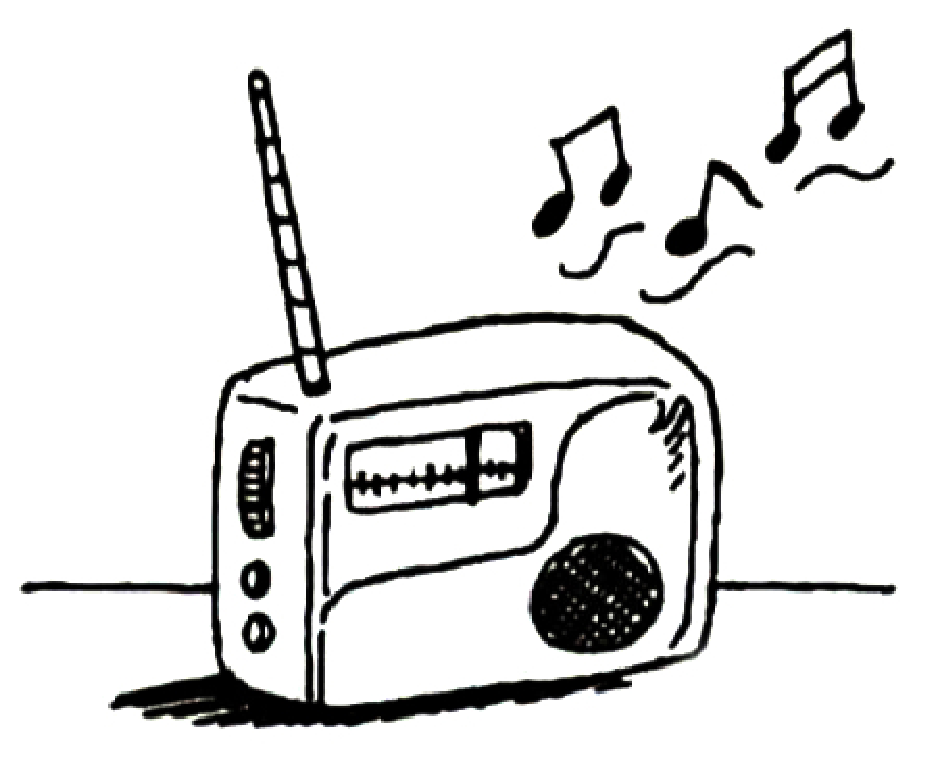
What ?
That is a radio.
Page 35
Underline the correct answers.
(a) Sometimes, we want to show that something belongs to someone. To do this, we use special adjectives.
Examples:
I have a new bag. It is my birthday present.
I like your new dress. It is very pretty.
Molly has a kitten. Her kitten is very playful.
Samuel has a bicycle. His bicycle is blue in colour.
(b) We may also show that someone 'belongs' to a person.
Examples:
Sam is her son.
Mr Wilson is my uncle.
Is the principal your aunt?
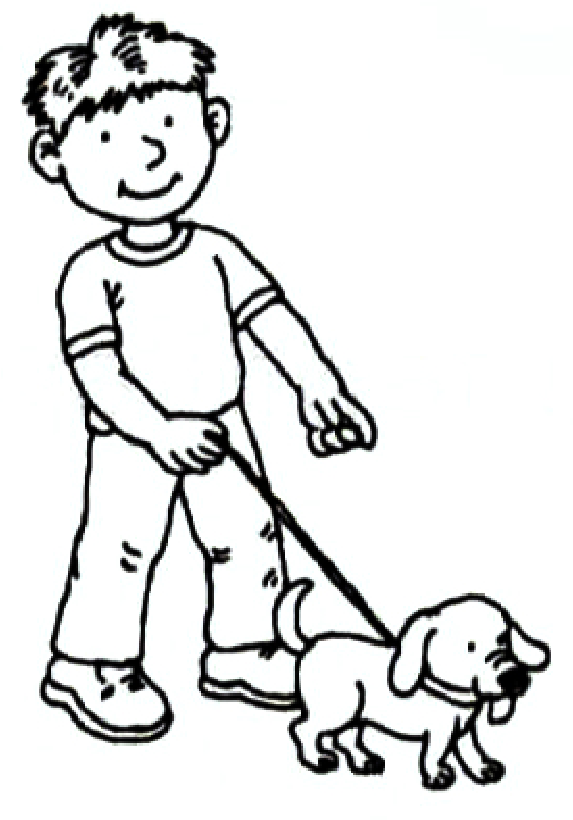
1
I have a dog.
It is ( my , your ) dog.
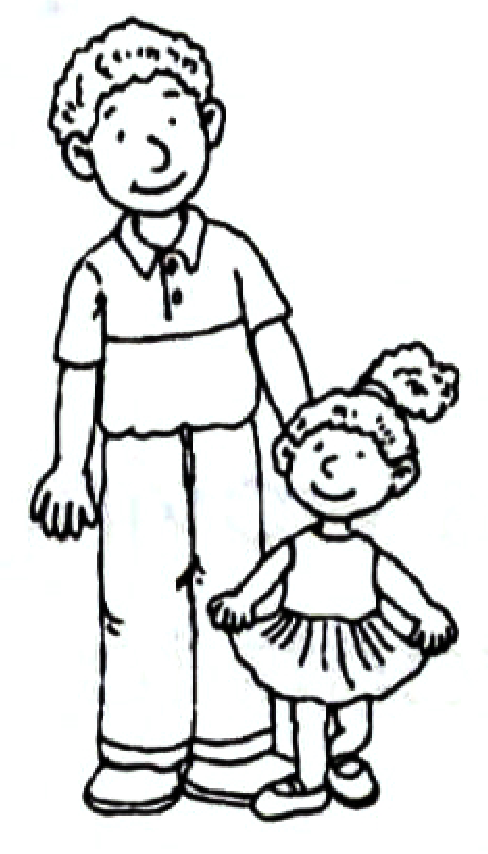
2
This is Mr Lee.
The little girl is ( his , her ) daughter.
Page 36
Underline the correct answers.
An adjective helps us to describe something or someone. It tells us more about the thing or person.
Examples
He is a boy. He is a clever boy.
She is a girl. She is a good girl.
That is a tree. That is a tall tree.
I have a dog. I have a big dog.
She is wearing a dress. She is wearing a pretty dress.
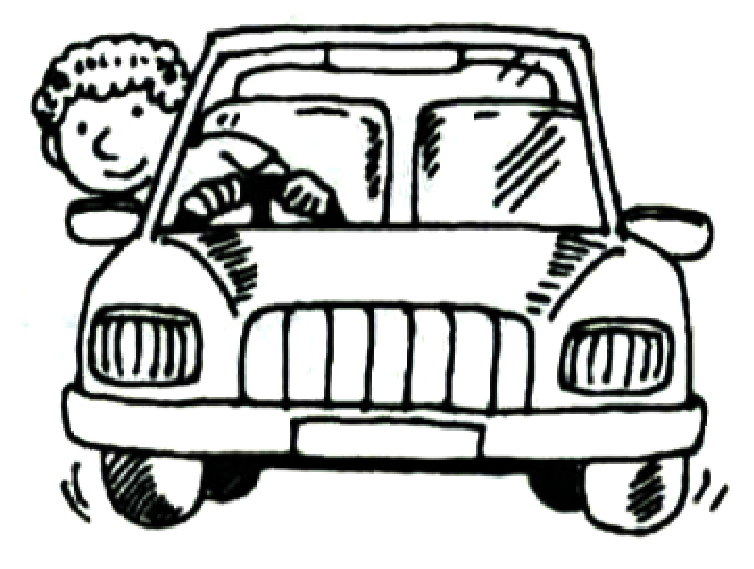
1
Mr Benson drives a ( big , tall ) car.
2
That is a ( long , tall ) building.
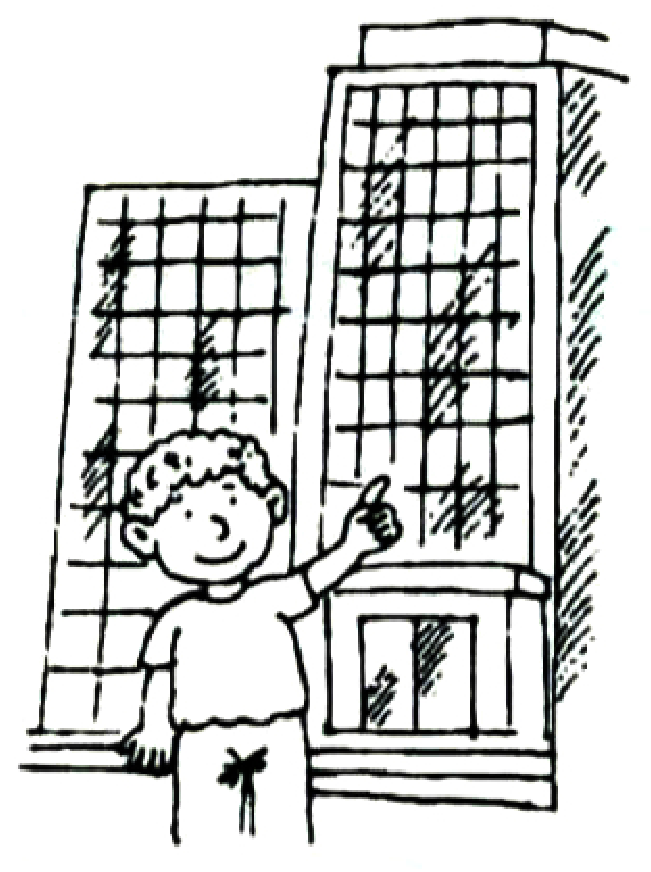
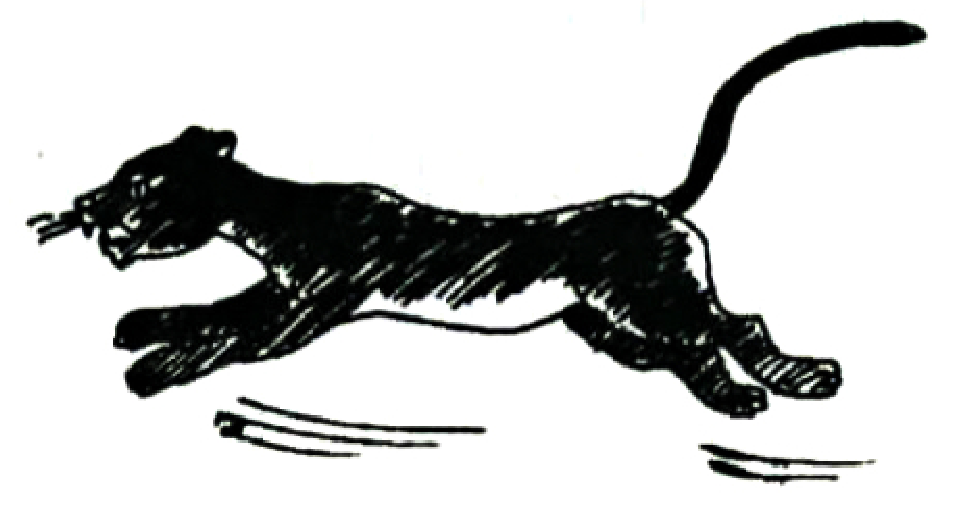
3
A panther has ( blue , black ) fur on its body.
Page 38
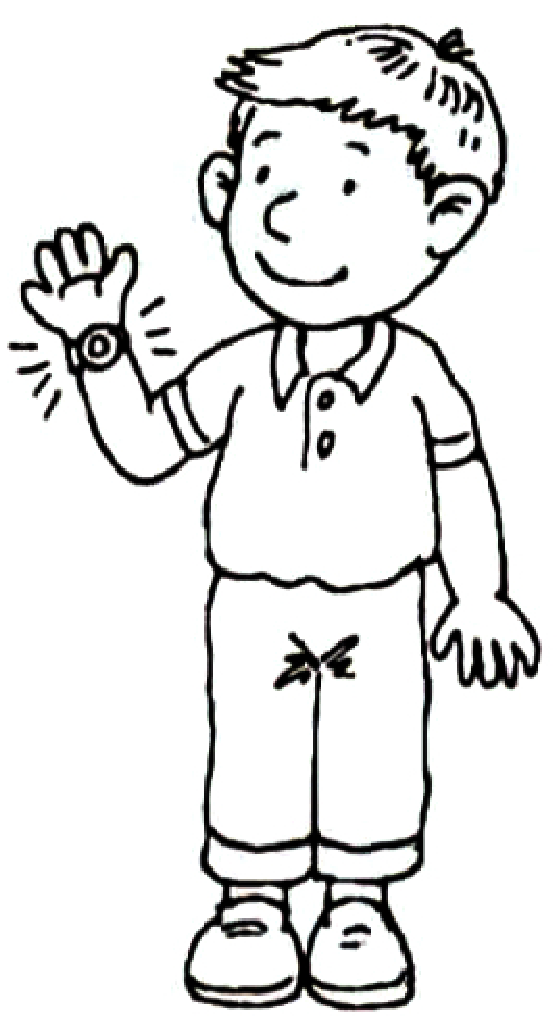
6
I wear a watch on wrist.
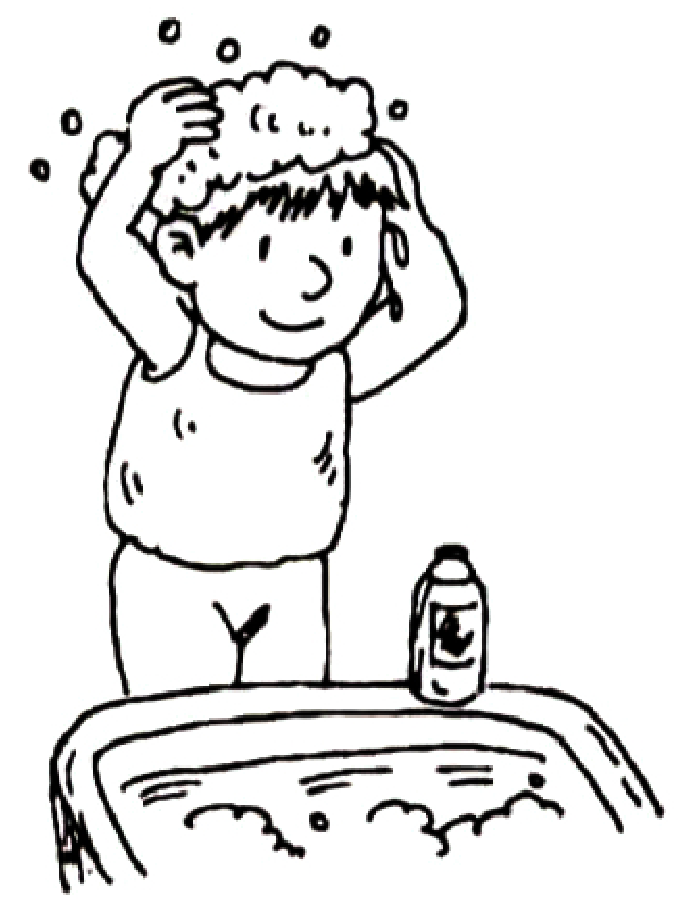
7
Terry washes hair every day.
8
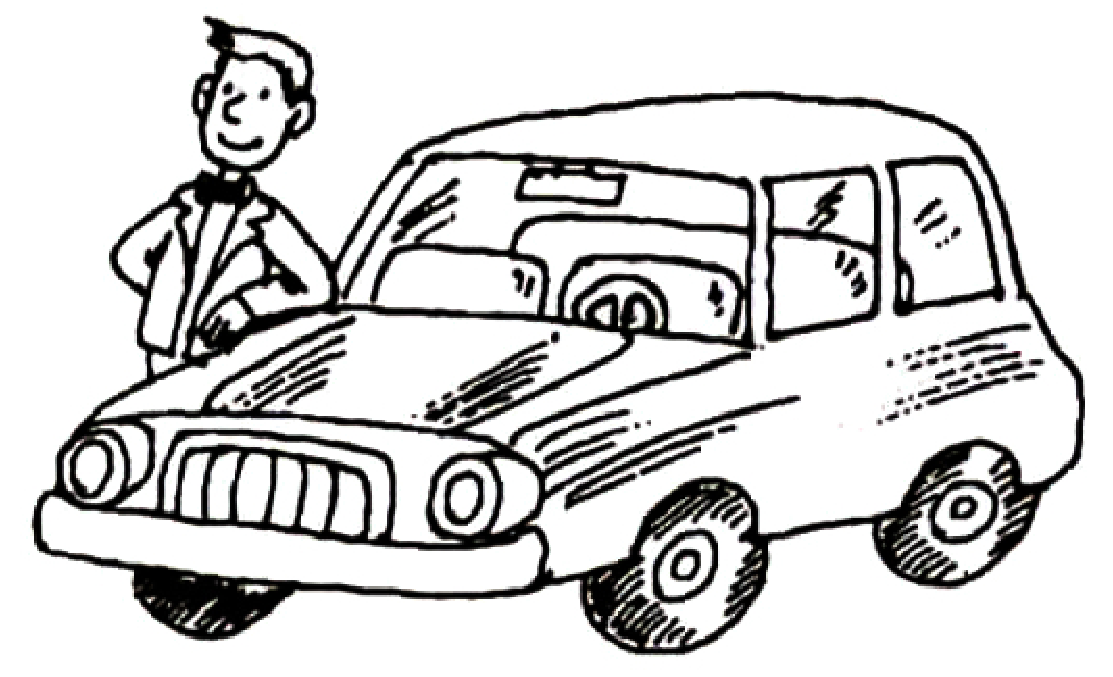
"Does your father have a car?"
"Yes, father has a car."
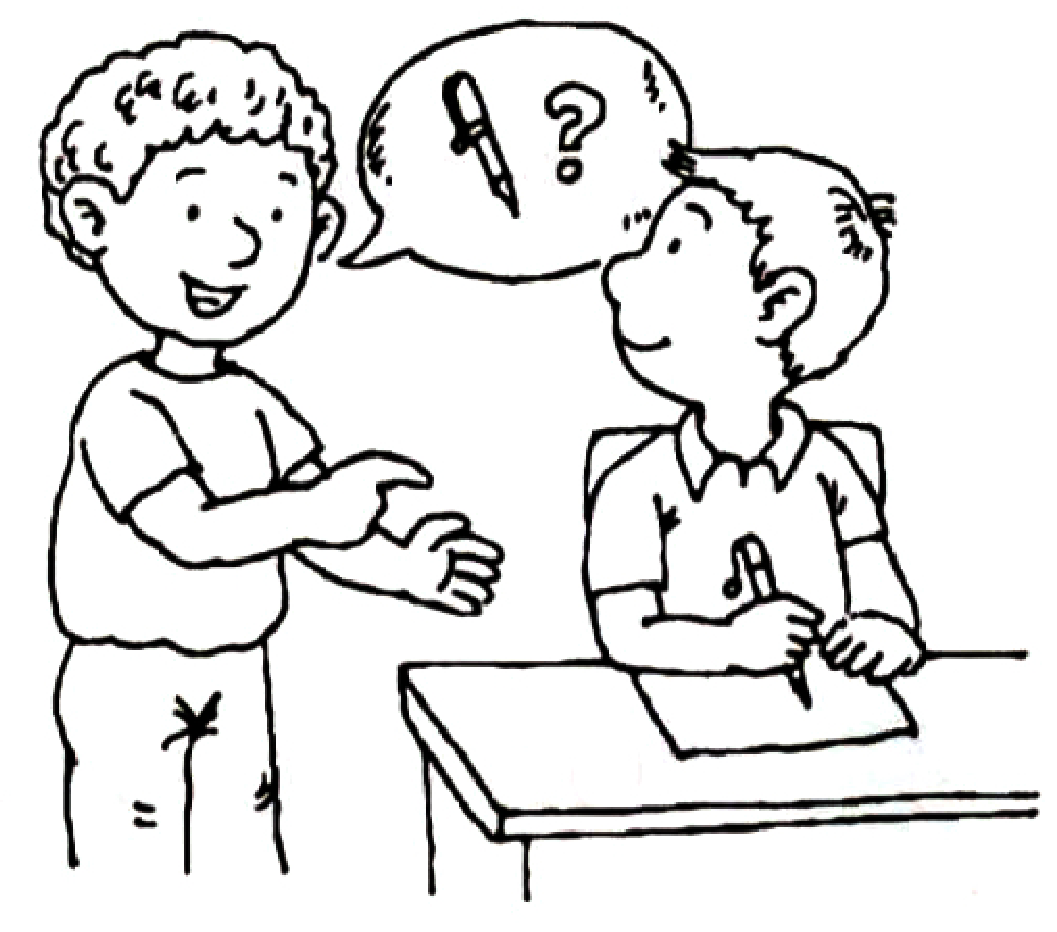
9
Paul, may I borrow pen, please?
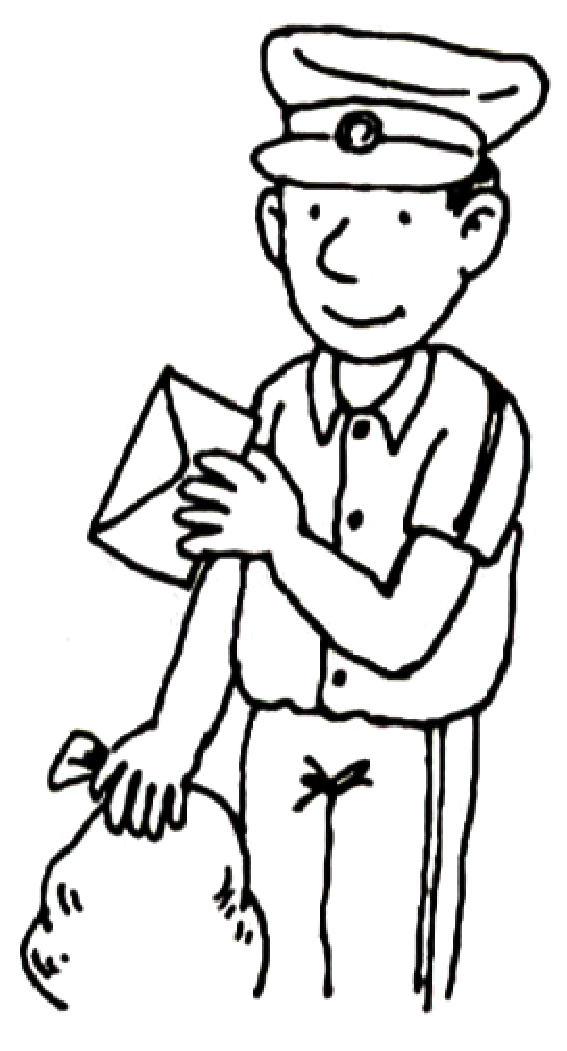
10
He is a postman.
name is Mr Dawson.
Page 39
6
The witch is flying on her magic broom.

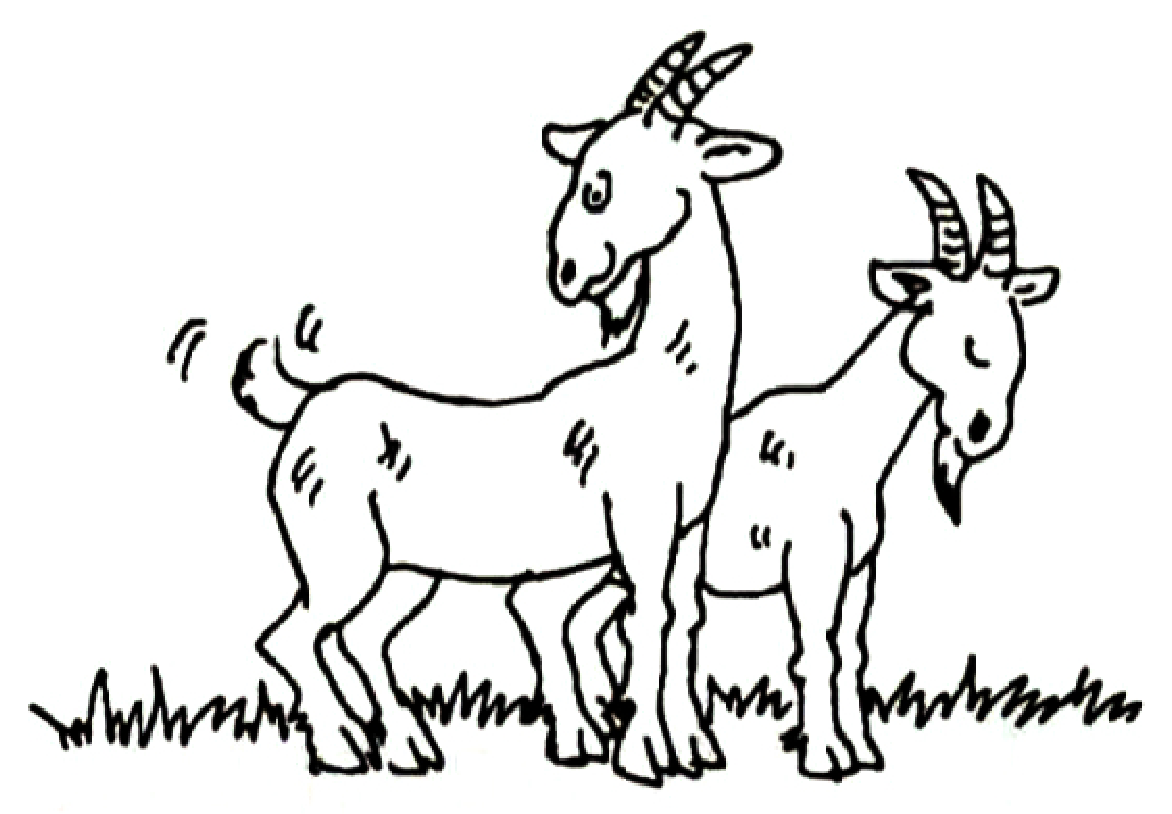
7
Goats have tails.
8
A giraffe is a very animal.
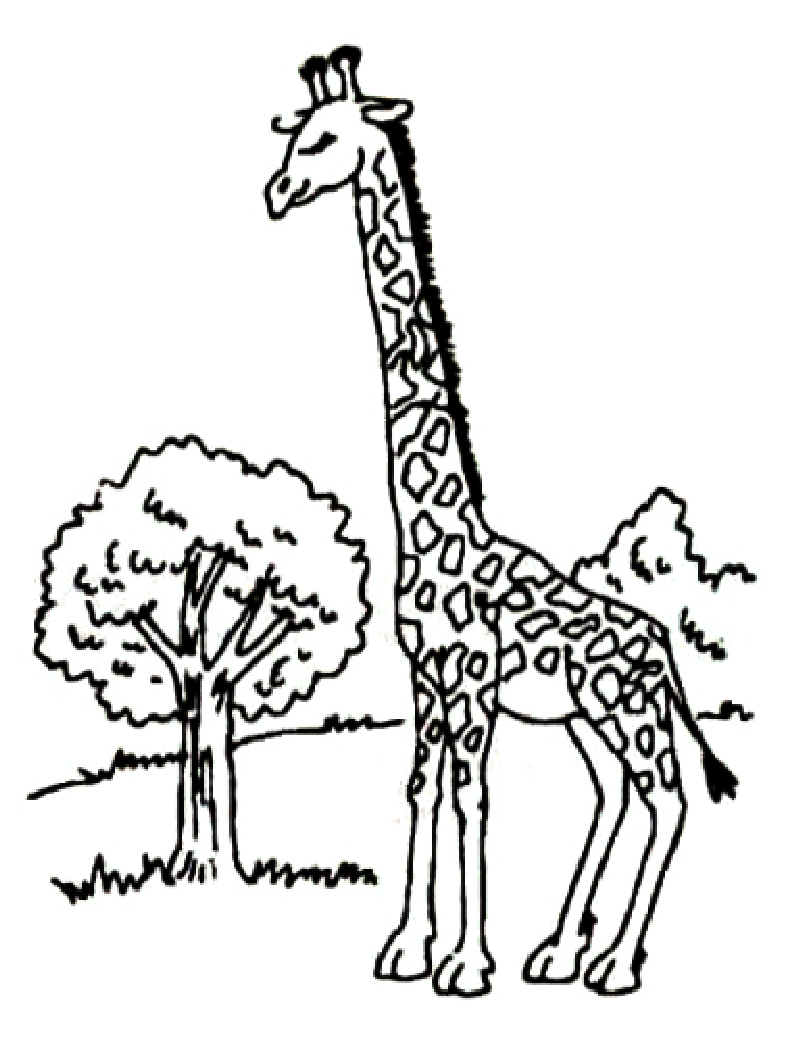
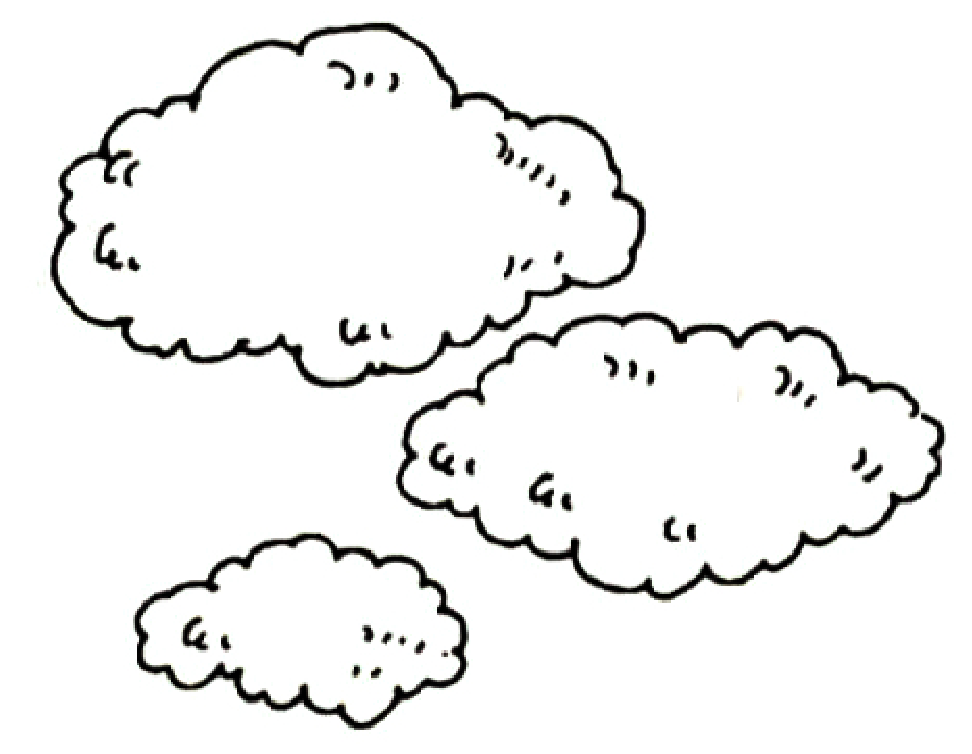
9
There are clouds in the sky.
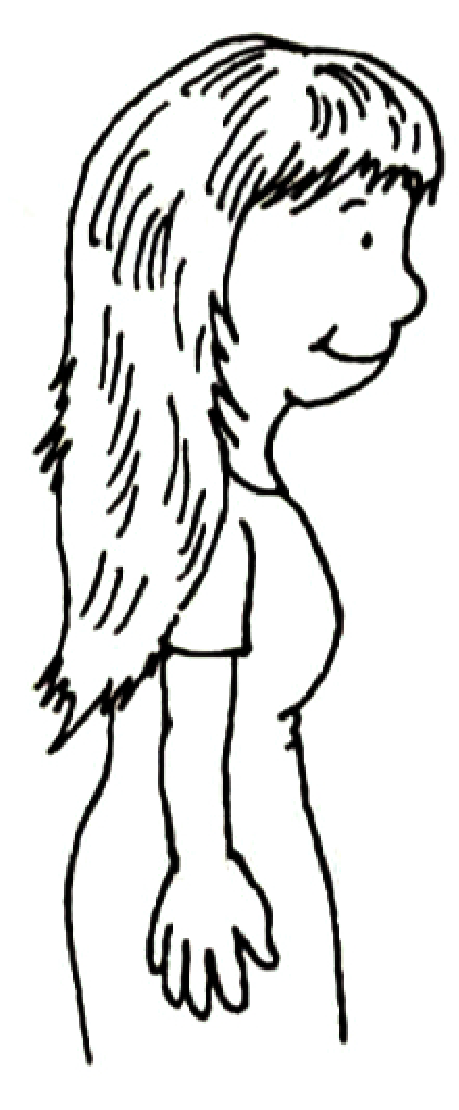
10
My sister has hair.
Learn to choose suitable adjectives before nouns. Go to My SAPeducation App or http://sapgrp.com.sg/online-resources/english
Page 41
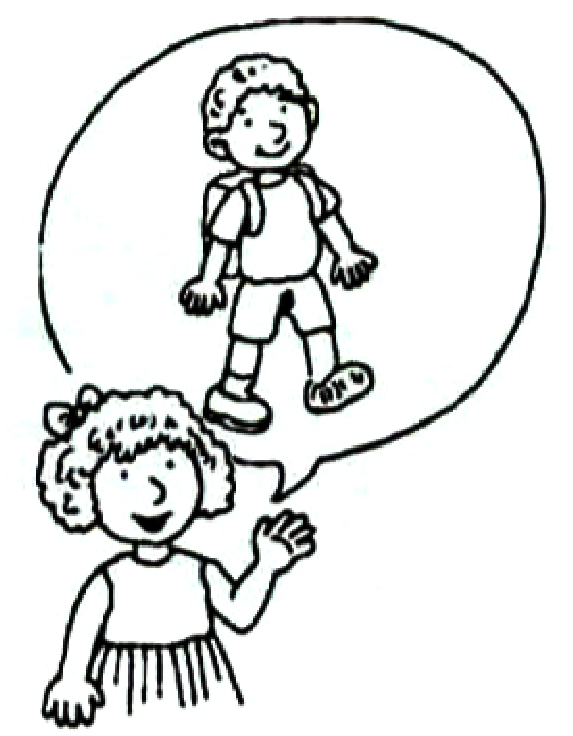
3
"Does ( my , your ) brother go to school?"
"Yes, my brother goes to school."
4
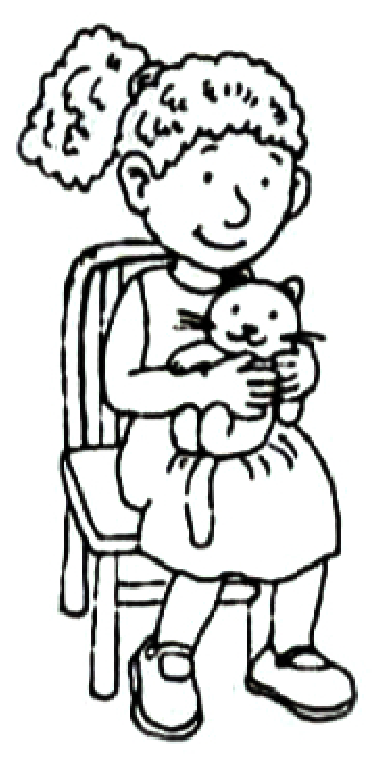
Sharon has a kitten.
It is ( his , her ) kitten.
5
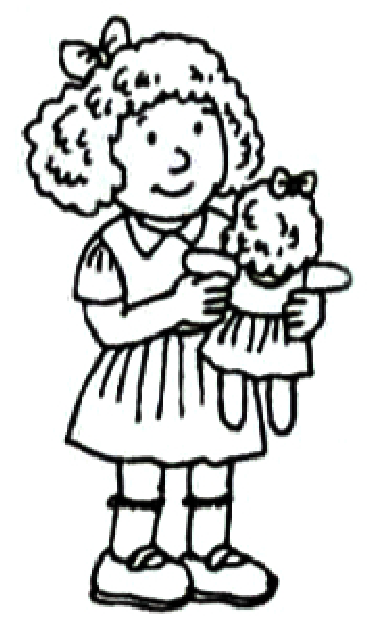
Sandy has a doll.
She is playing with ( his , her ) doll.
6
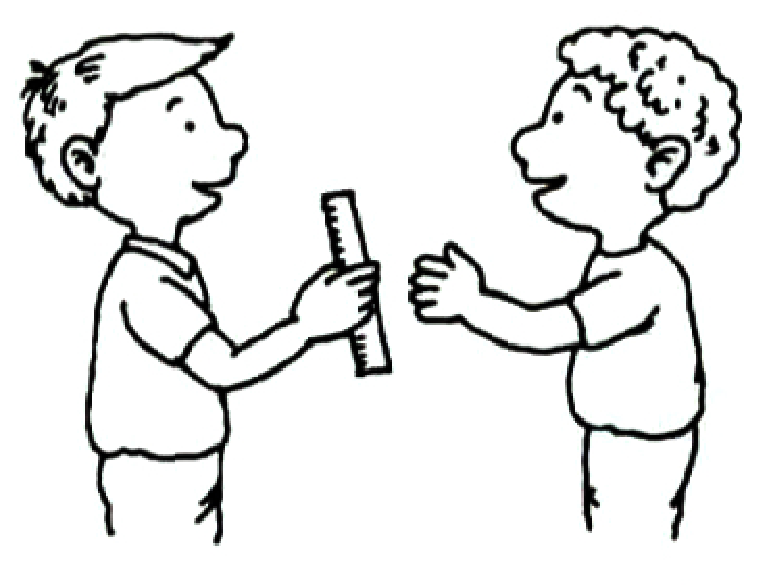
"Roy, is this ( my , your ) ruler?"
"Yes, Peter. It is my ruler."
7
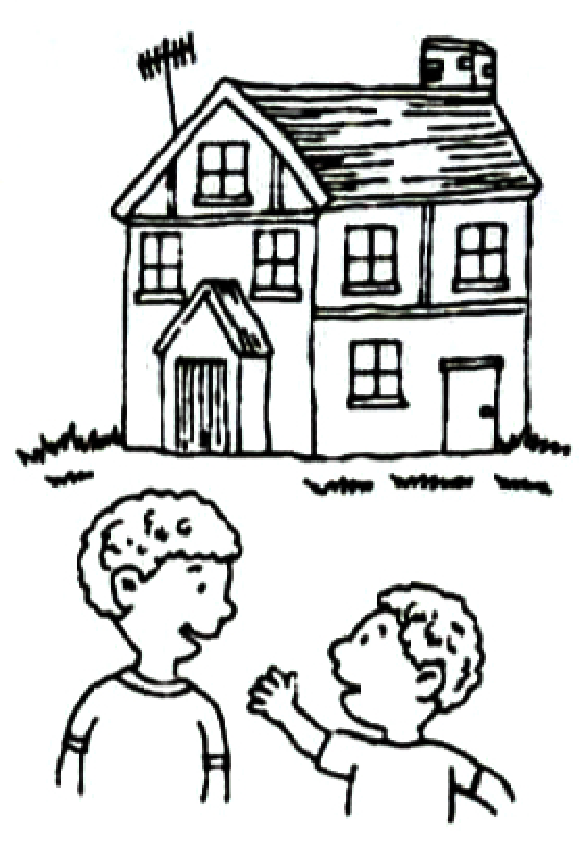
"Is that Mrs Chandler's house?"
"Yes, that is ( his , her ) house."
8
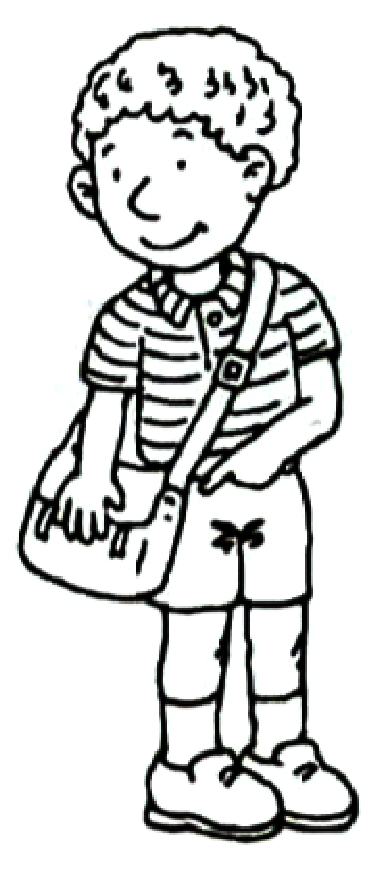
This bag belongs to me.
It is ( my , your ) bag.
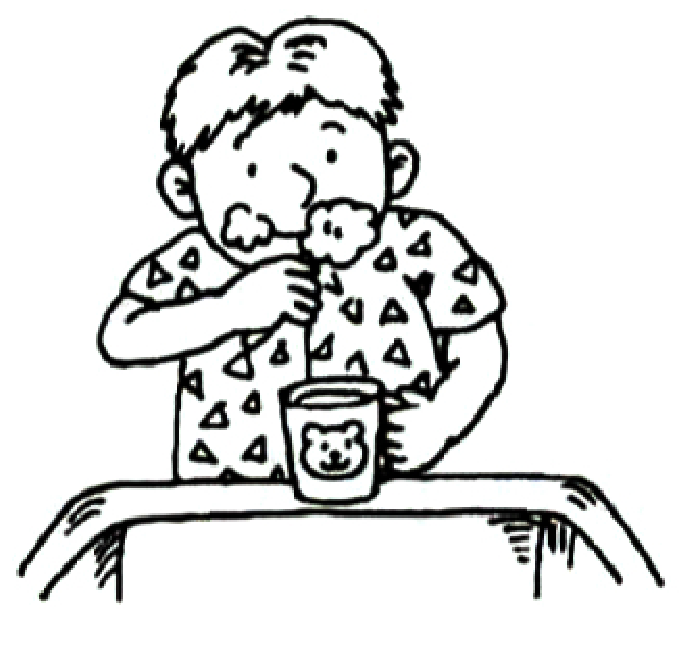
9
I brush ( my , your ) teeth every day.
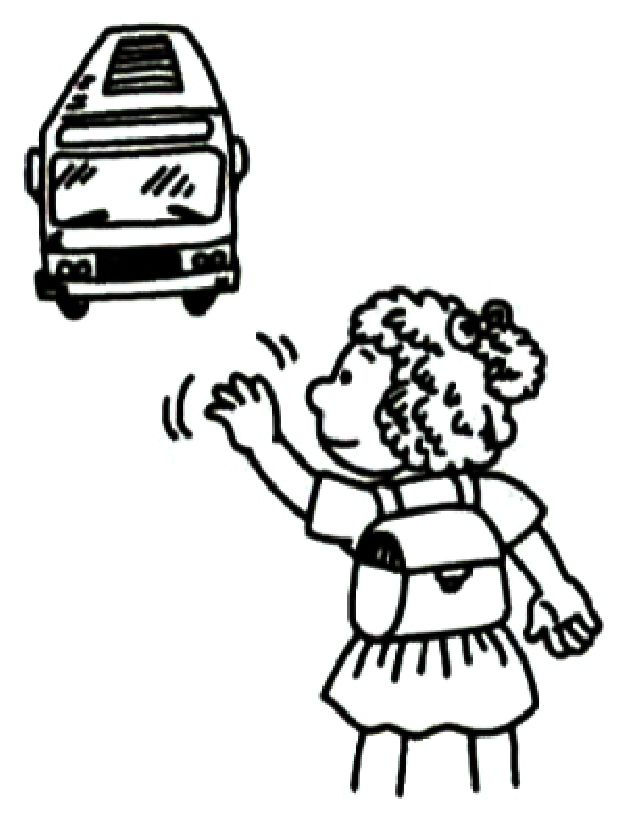
10
Millie is waving ( his , her ) hand.
She wants to get on the bus.
Page 41
'WE' and 'THEY' are plural pronouns. When we use 'WE' or 'THEY', the verb must be plural.
Examples
Jane and Jill share a room. They are sisters.
Gerard and I are classmates. We are neighbours too.
My parents are not at home. They are at work.
I am playing with my neighbours. We are playing hopscotch.
Their pet is missing. They are very worried.
Our computers are quite new. We are not buying any this year.
Page 42
Fill in each blank with the help of the words in the box.
my
your
his
her
1
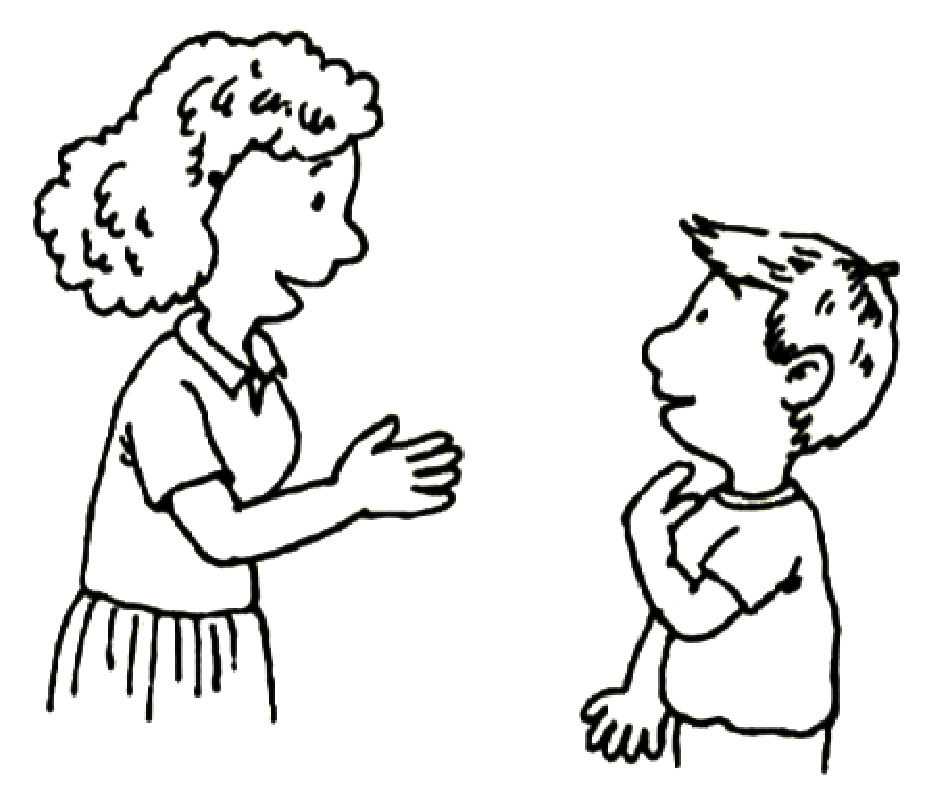
"What is your name?"
" name is Michael."
2
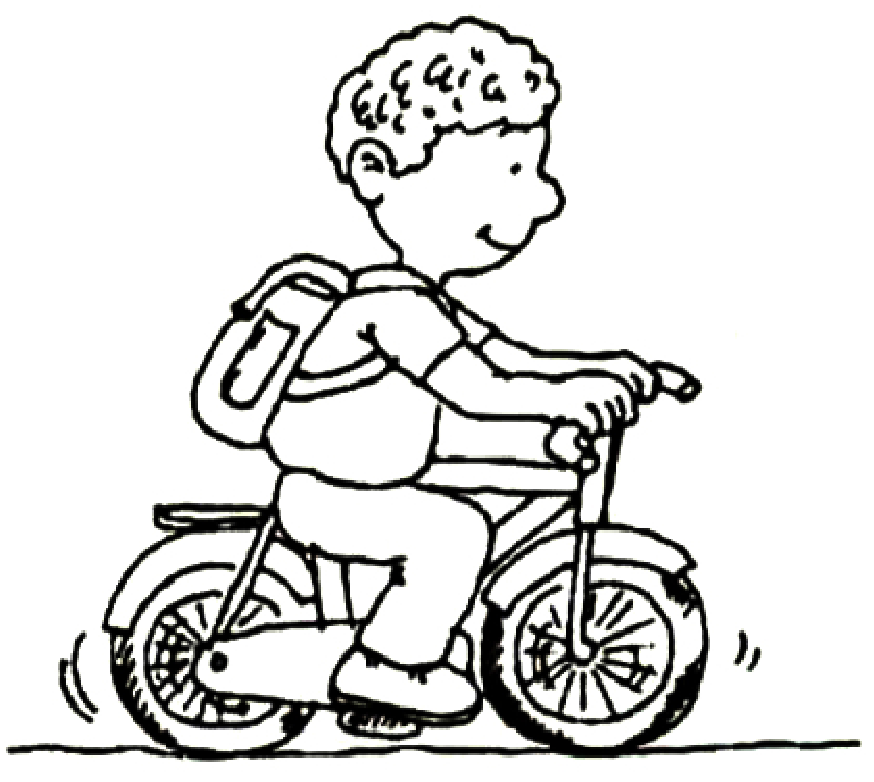
Richard is riding new bicycle to school.
3
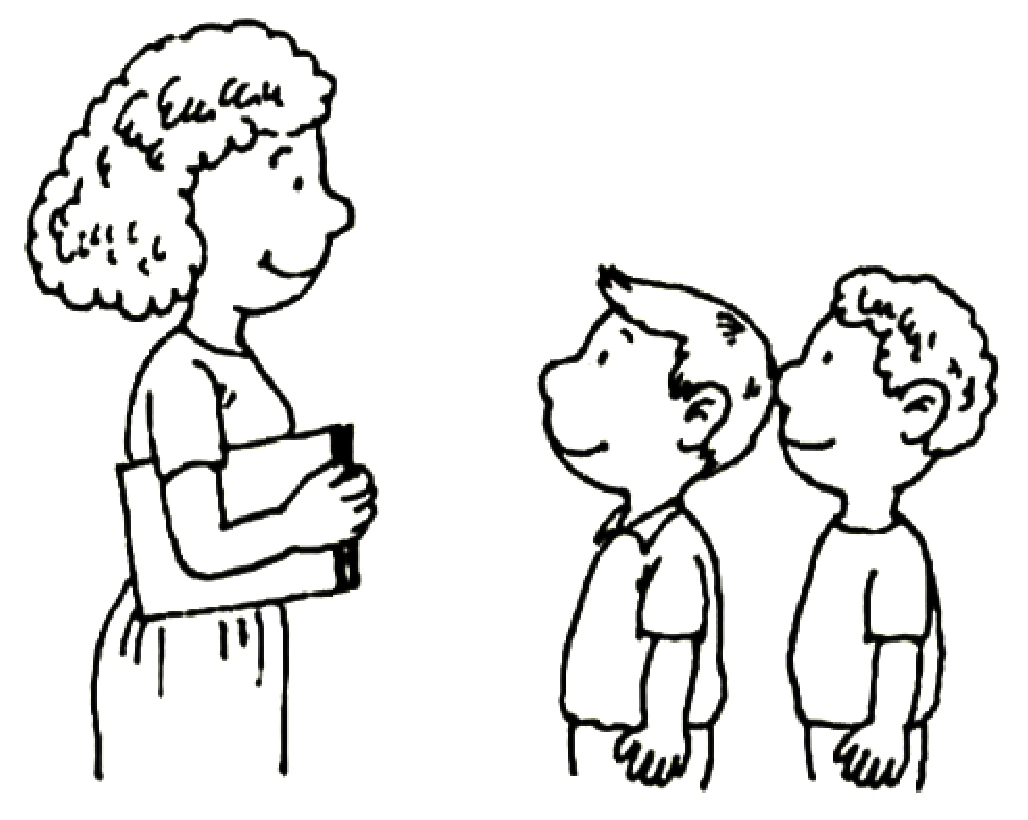
That lady is my teacher.
We are students.
4
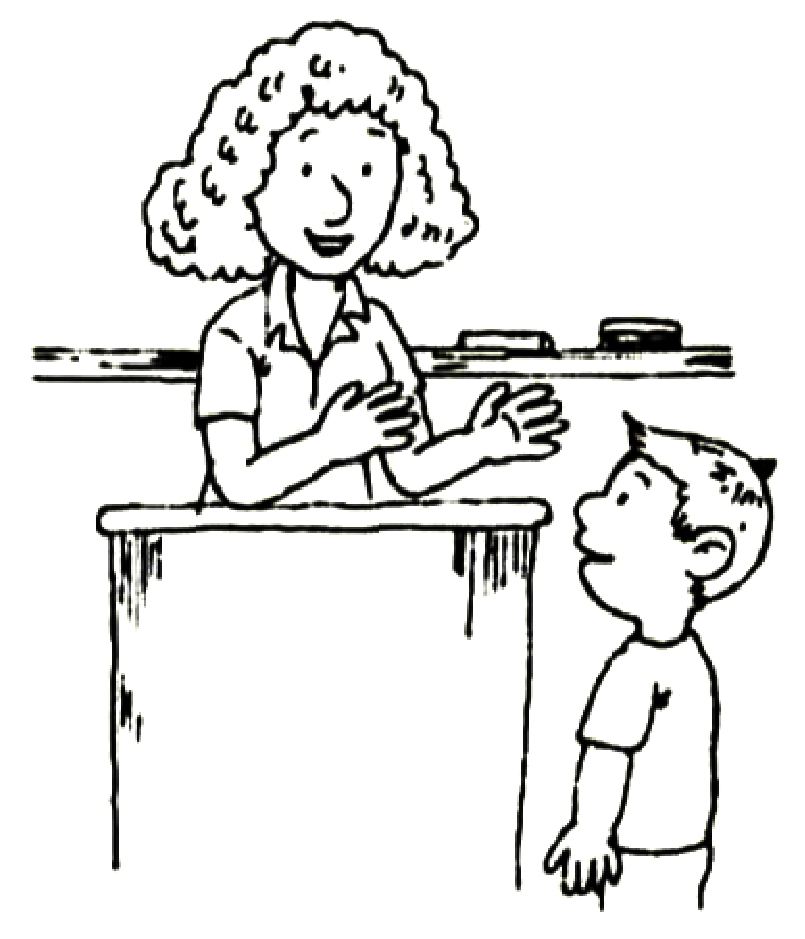
"Do you want to do homework in class?"
"Yes, I do."
5
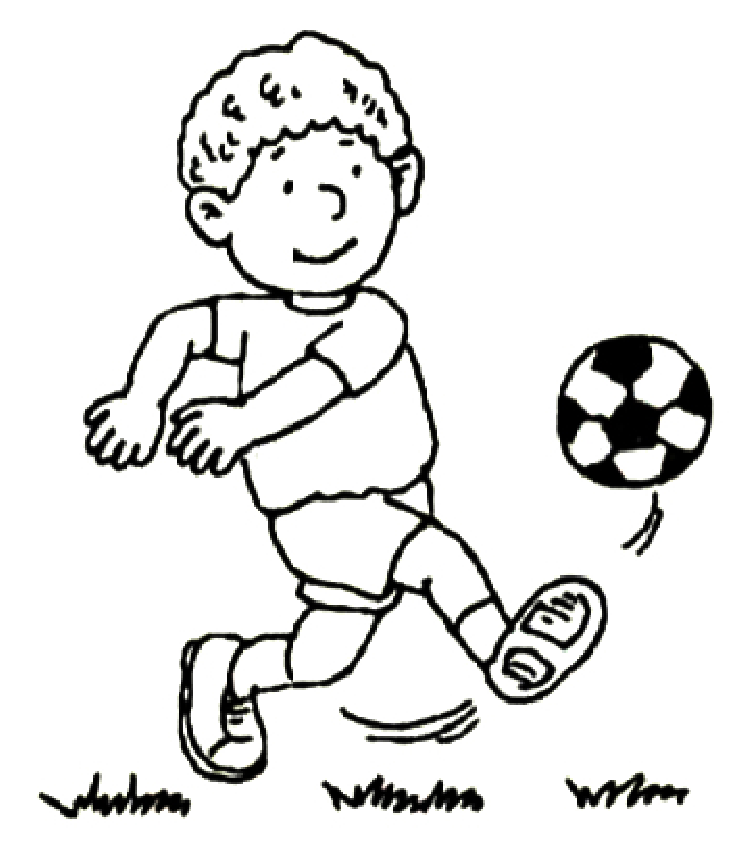
Anson kicks the ball with foot.
Page 42
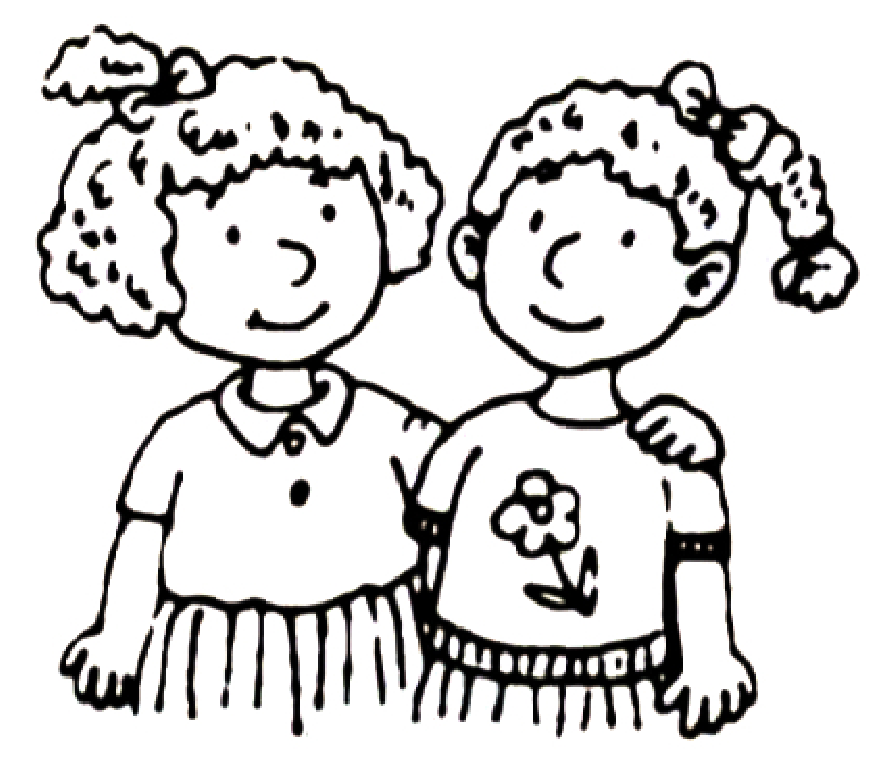
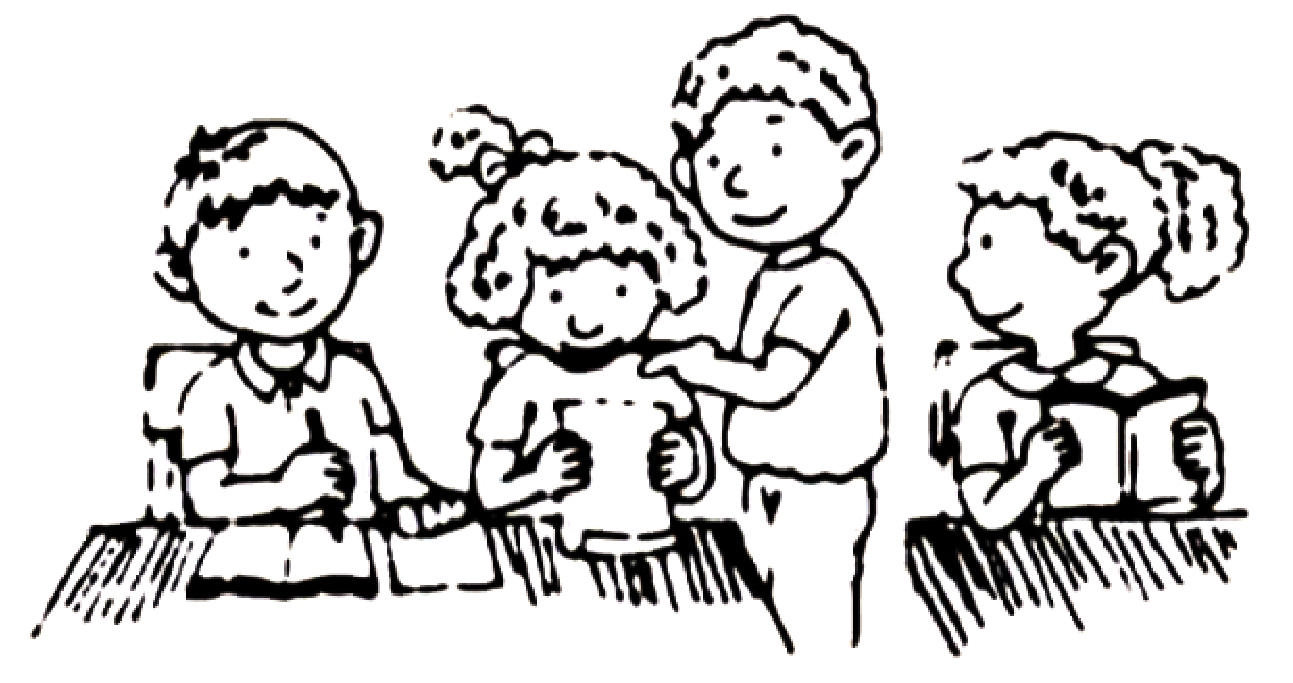
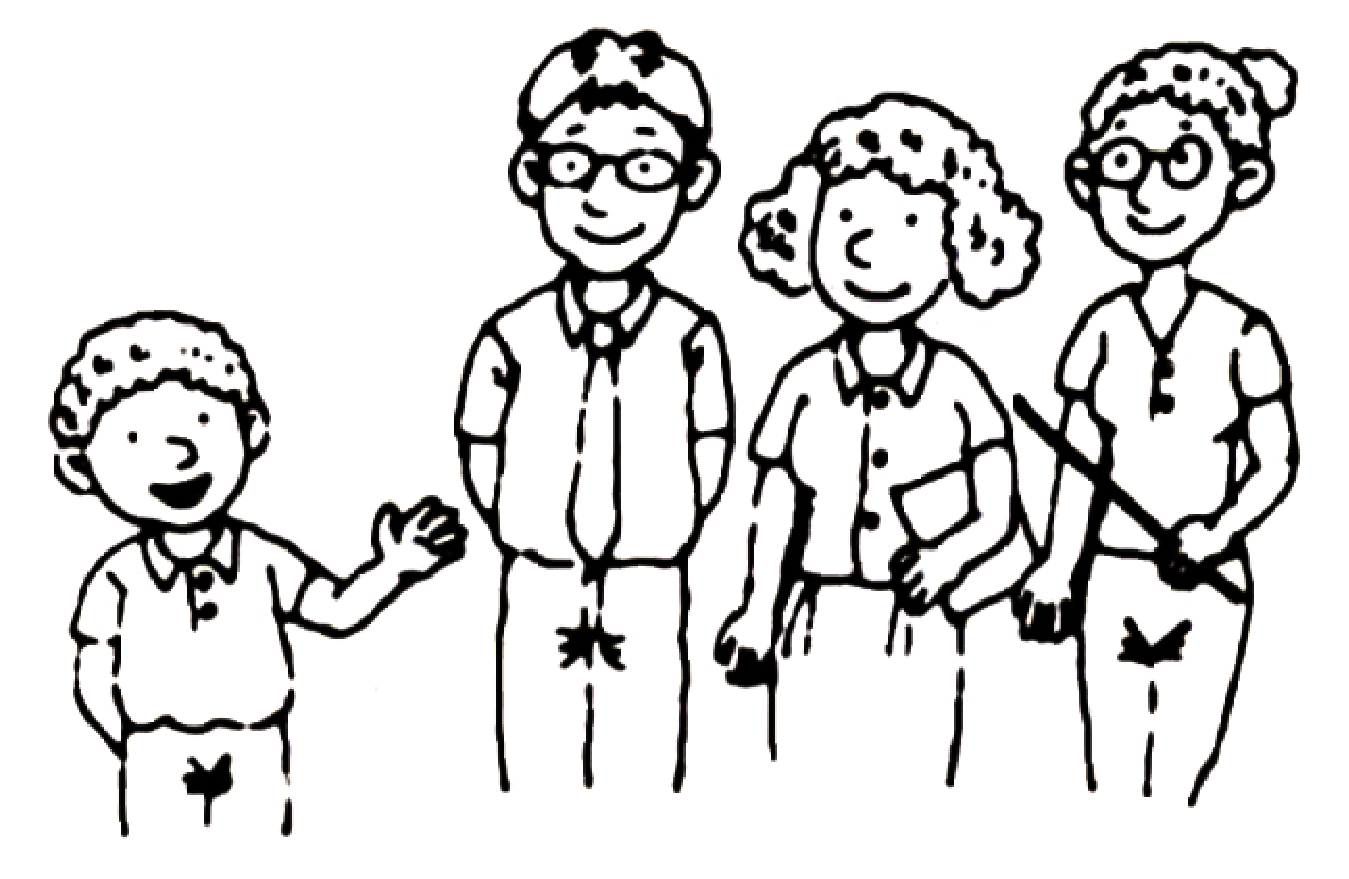
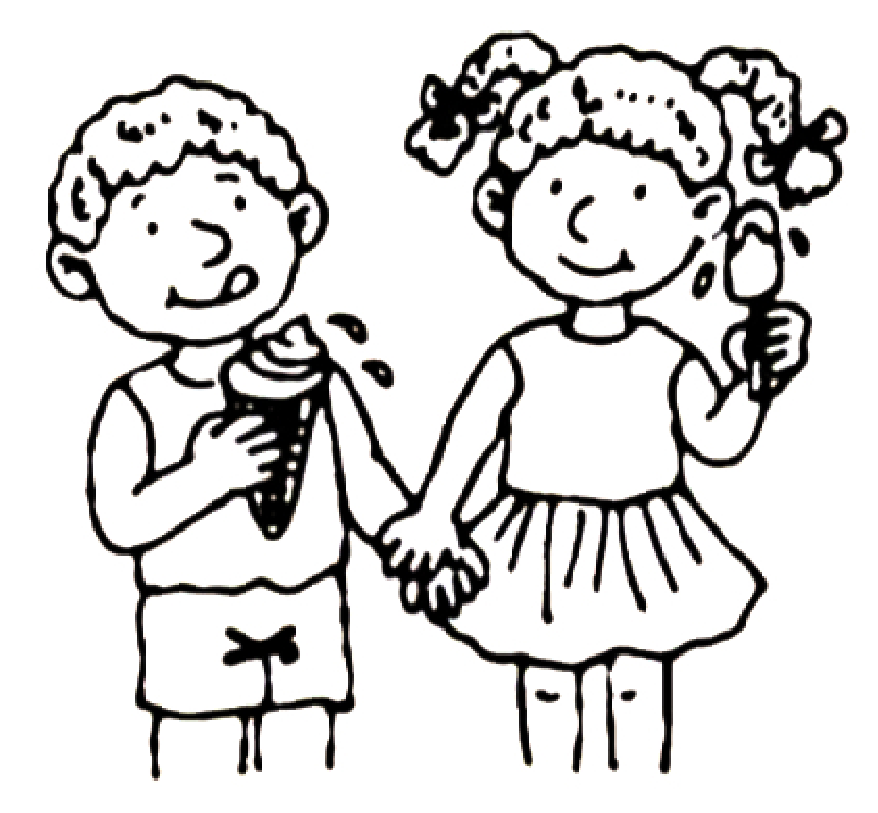
Fill in each blank with 'We' or 'They'.
We
They
1
Mary and Sandy are neighbours.
are also good friends.
2
John, Sandra, Lily and I like to study together. are students from Mayville Primary School.
3
are my teachers.
I see them every morning.
4
are eating ice cream.
Father bought the ice cream for us.
5
He is Gary and she is Helen.
are my children.
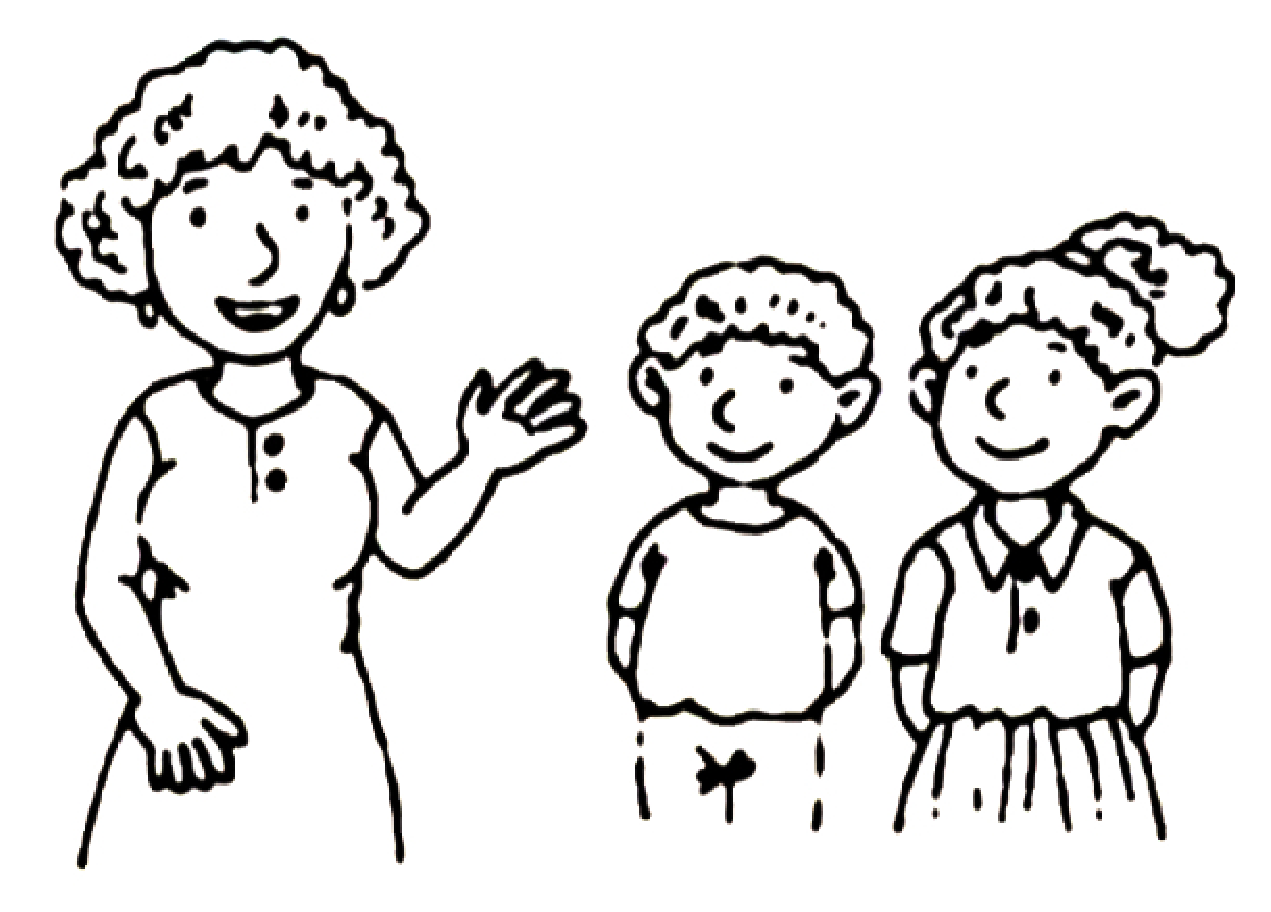
Page 44
Fill in each blank with 'our' or 'their'.
our
their
When we want to show that something belongs to many people, we use 'OUR', 'YOUR' (plural) or 'THEIR'.
Examples:
These are our books. We put them on this table just now.
Linda and Sally have a cat. Their cat is very cute.
"Please keep your books," the teacher tells the students.
1
We have bicycles.
These are bicycles.
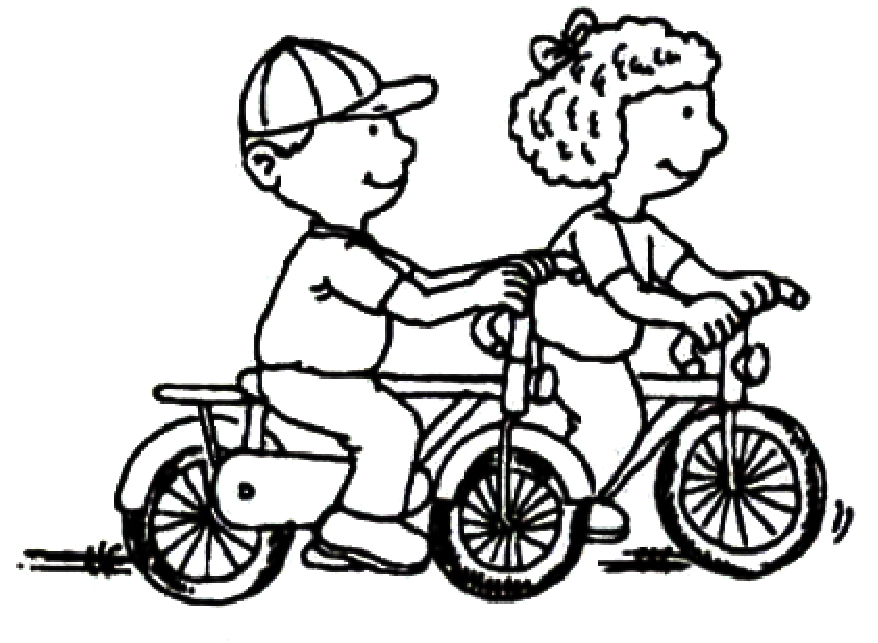
2
Mr and Mrs Carlson have a son.
This is son.
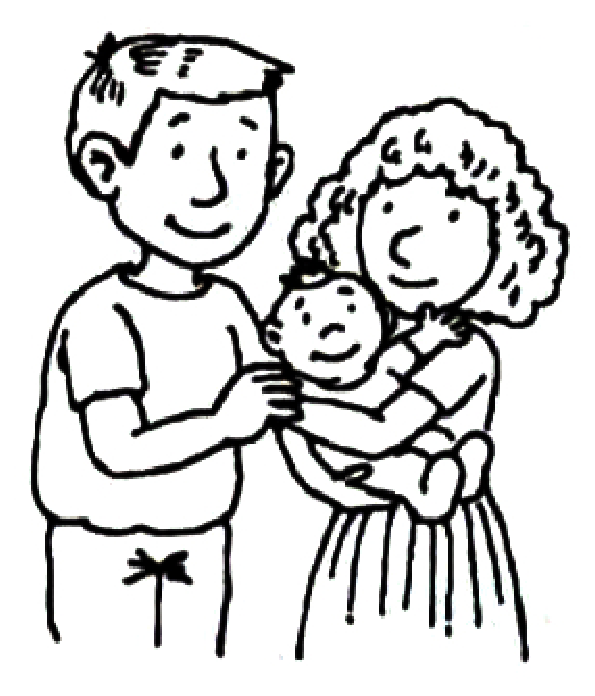
3
My brother and I brush teeth every morning.
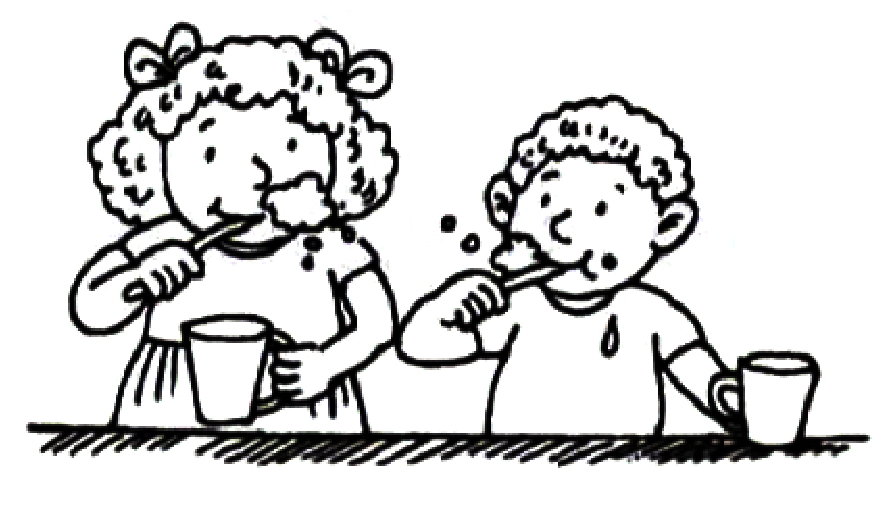
4
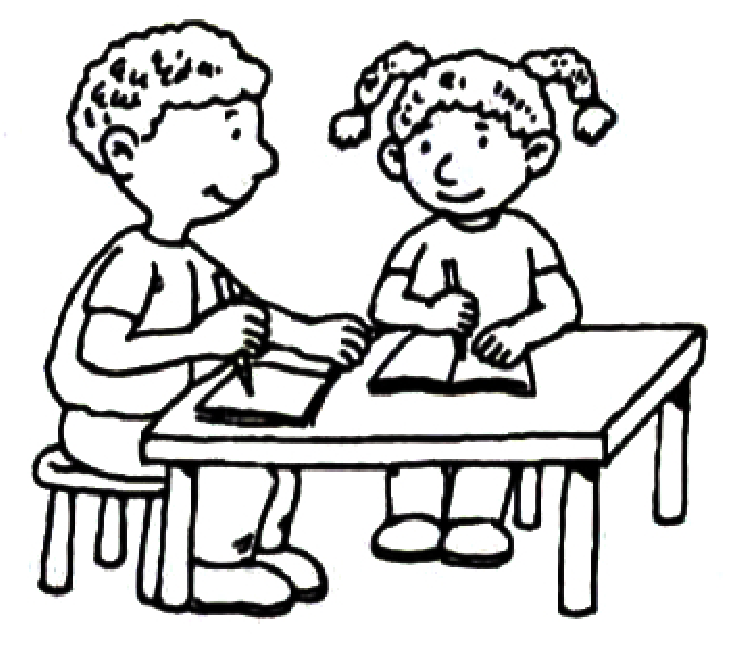
Andy and Serene are doing homework.
5
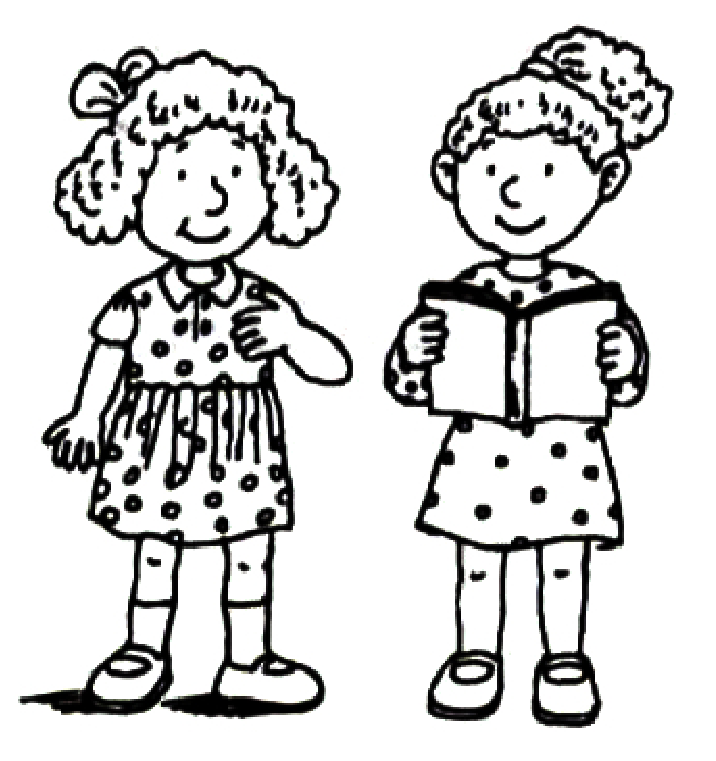
The book belongs to the twins, Tina and Sue.
It is book.
Page 44
Rewrite each of the following sentences by using 'We' or 'They'.
We
They
EXAMPLE
Mr Wilson and Mr Baker are policemen.
They are policemen.
1
Sam and I are going to the zoo.
2
Miss Stevens and I are teachers.
3
Donna and Mindy are best friends.
4
The pigeon and the parrot are birds.
5
The apples are in a basket.
Page 45
Fill in each blank with the help of the words in the box. Use each word only once.
my
your
his
her
our
their
1
The fishermen own three boats.
Every morning, they row boats out to sea.
2
I have some sweets in pocket.
Do you want one?
3
“Where are books? I want to collect them now,’
the teacher told the students.
4
Mrs Johnson keeps her purse in handbag.
She carries it wherever she goes.
5
We wash hands before we have our meals.
6
This room belongs to David.
It is room.
Page 46
Fill in each blank with 'has' or 'have'.
has
have
1
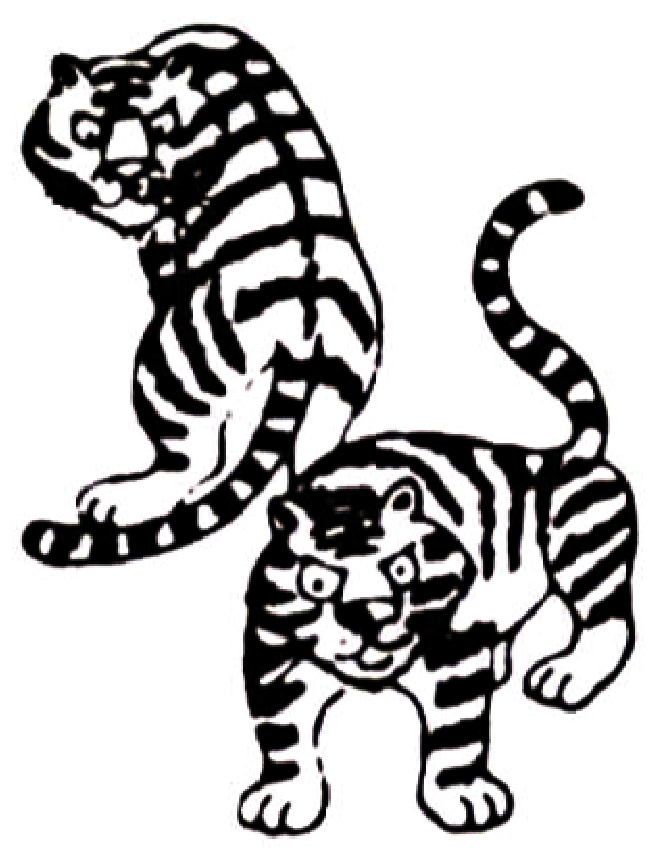
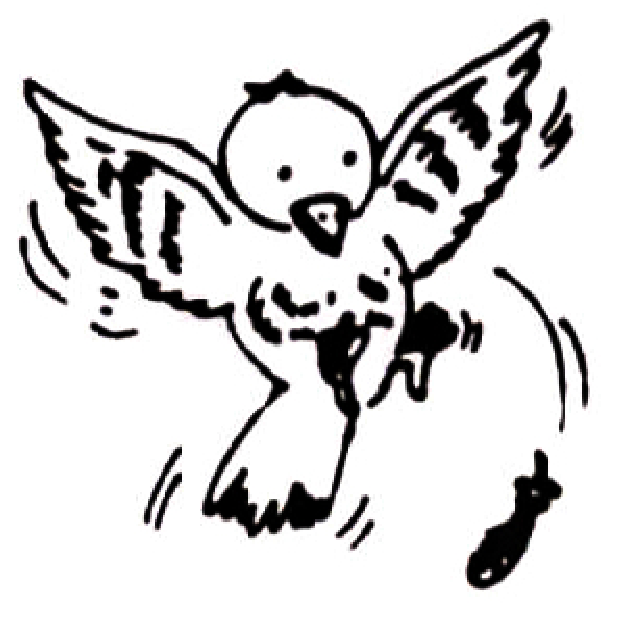
Tigers long tails.
2
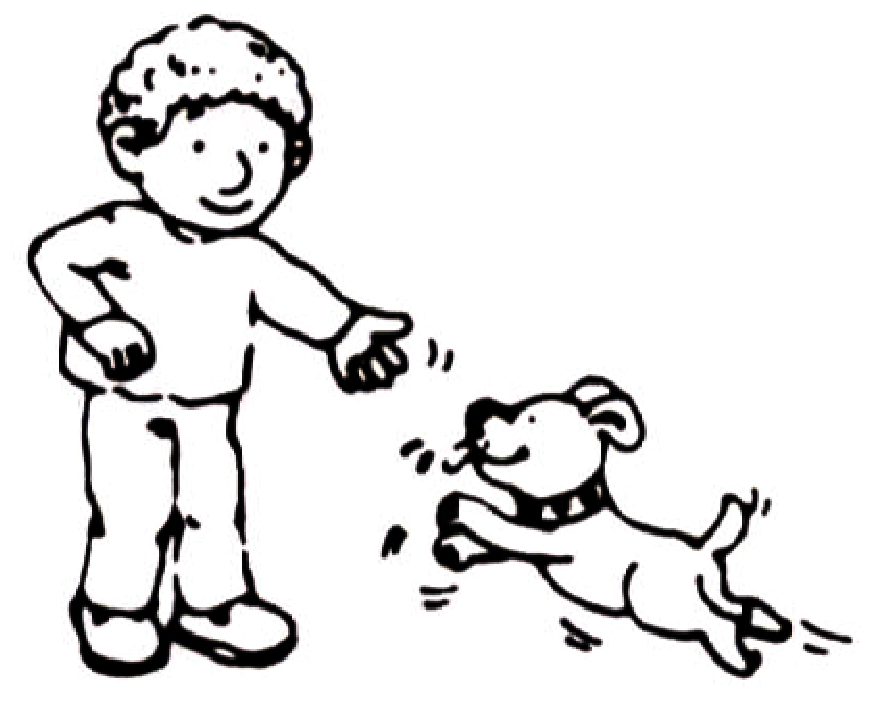
Henry a pet dog.
3
A bird feathers on its body.
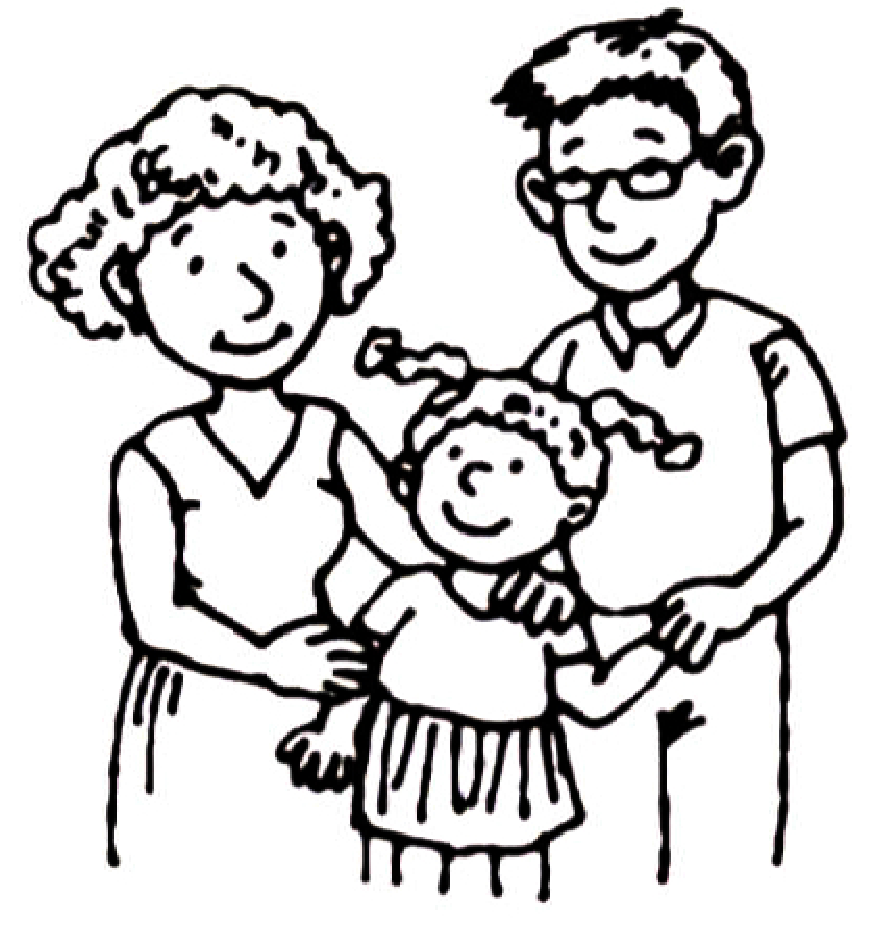
4
Mr and Mrs Miller a daughter.
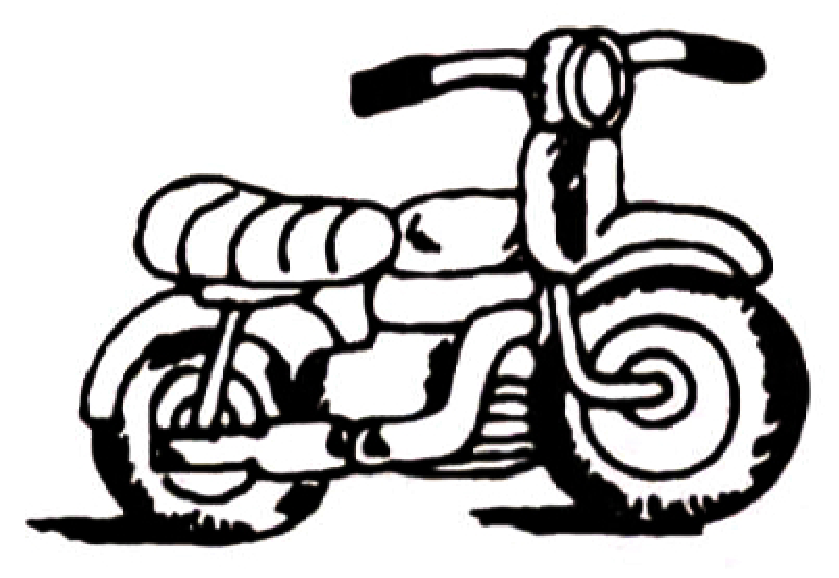
5
A motorcycle two wheels.
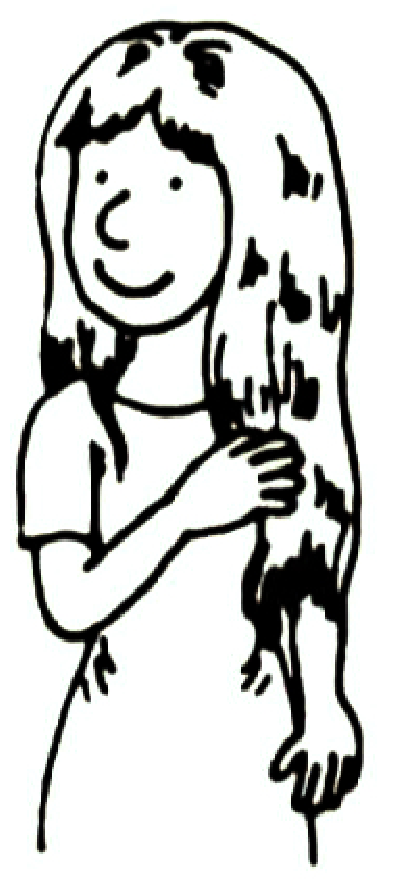
Page 47
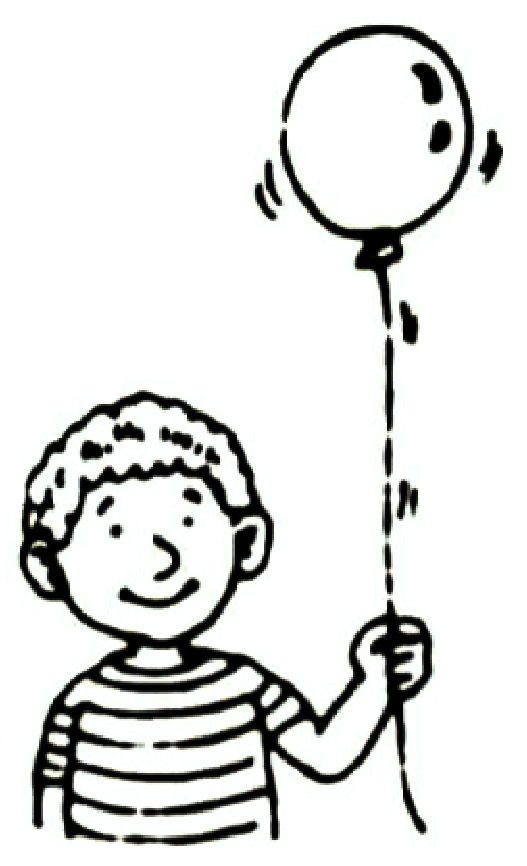
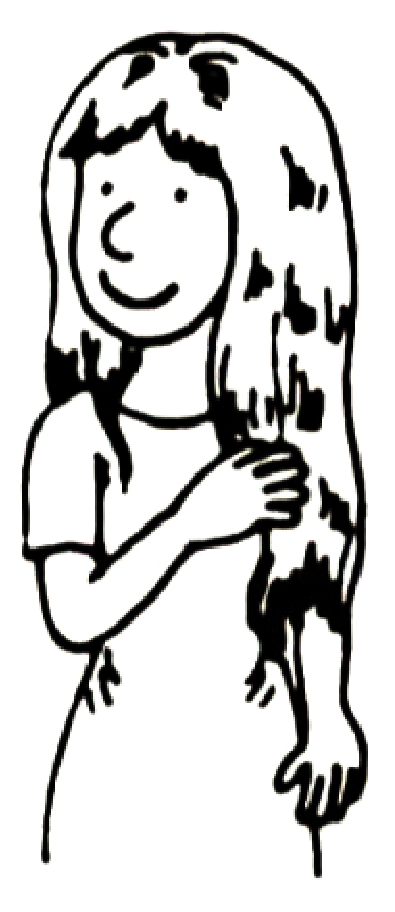
6
I a balloon.
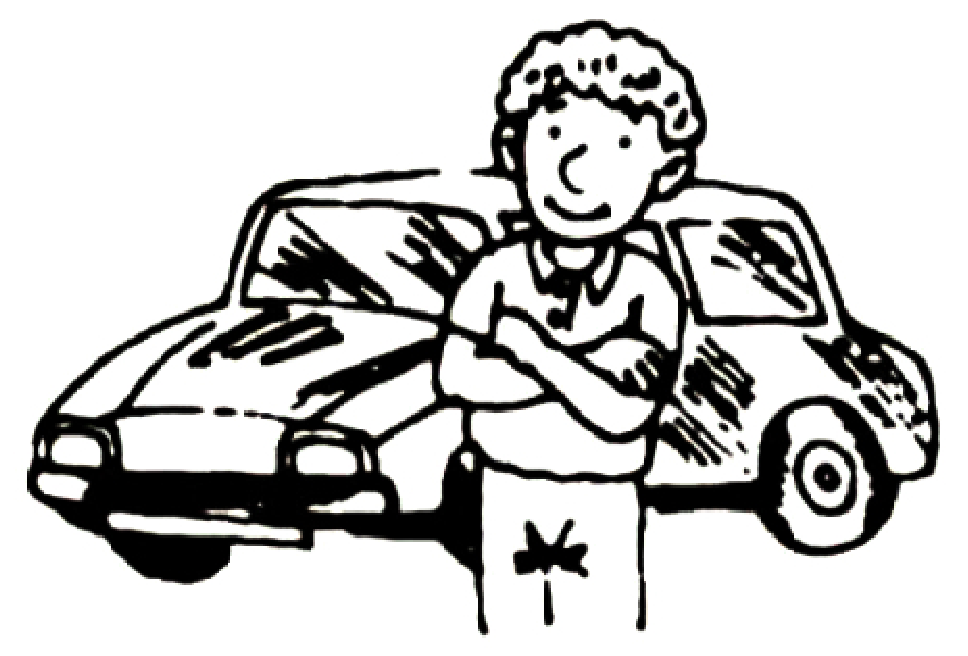
7
You long hair.
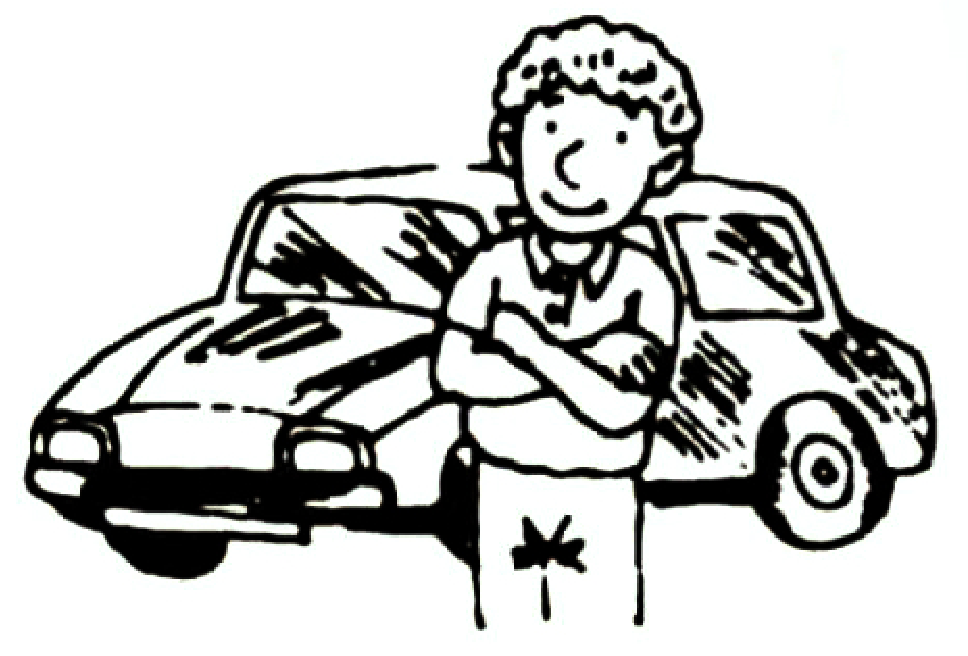
8
He a new car.
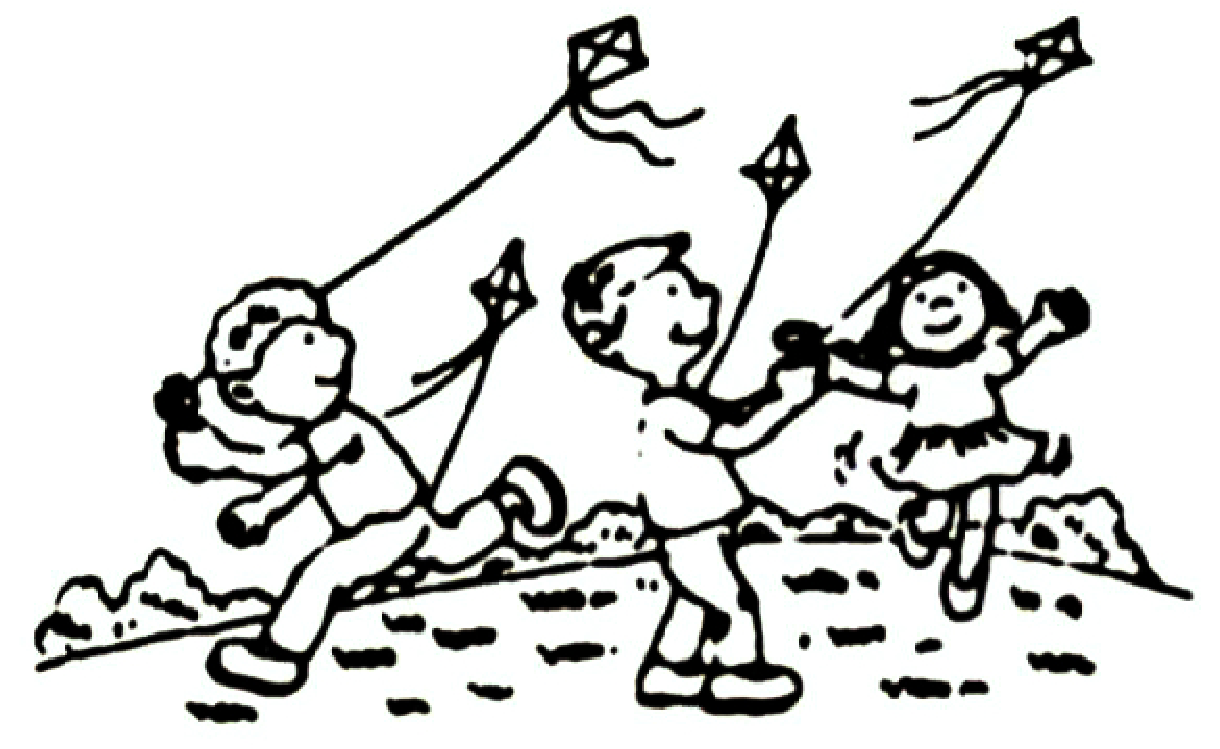
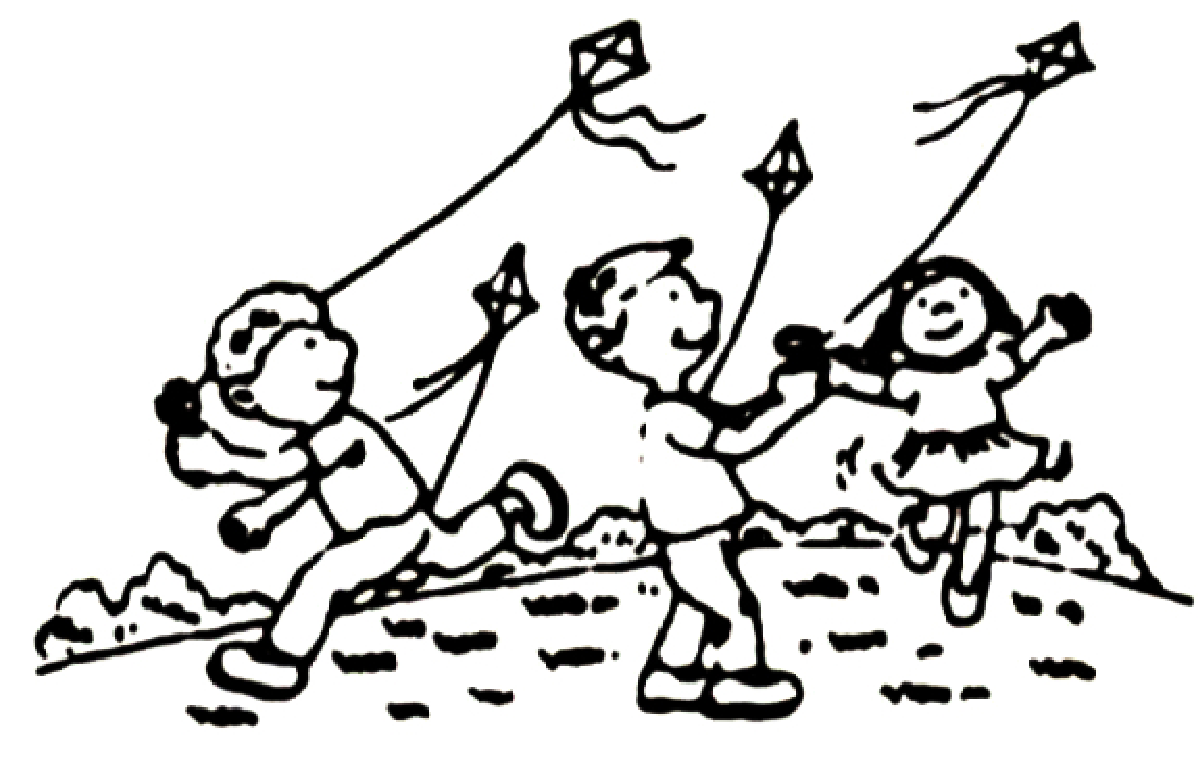
9
They kites.
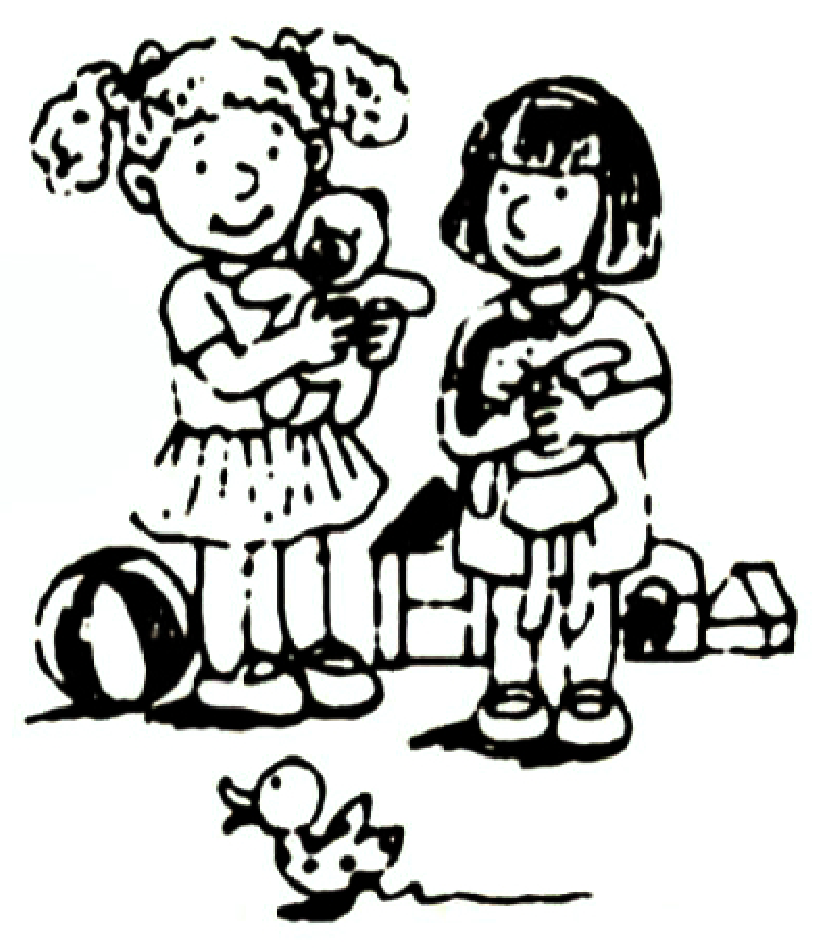
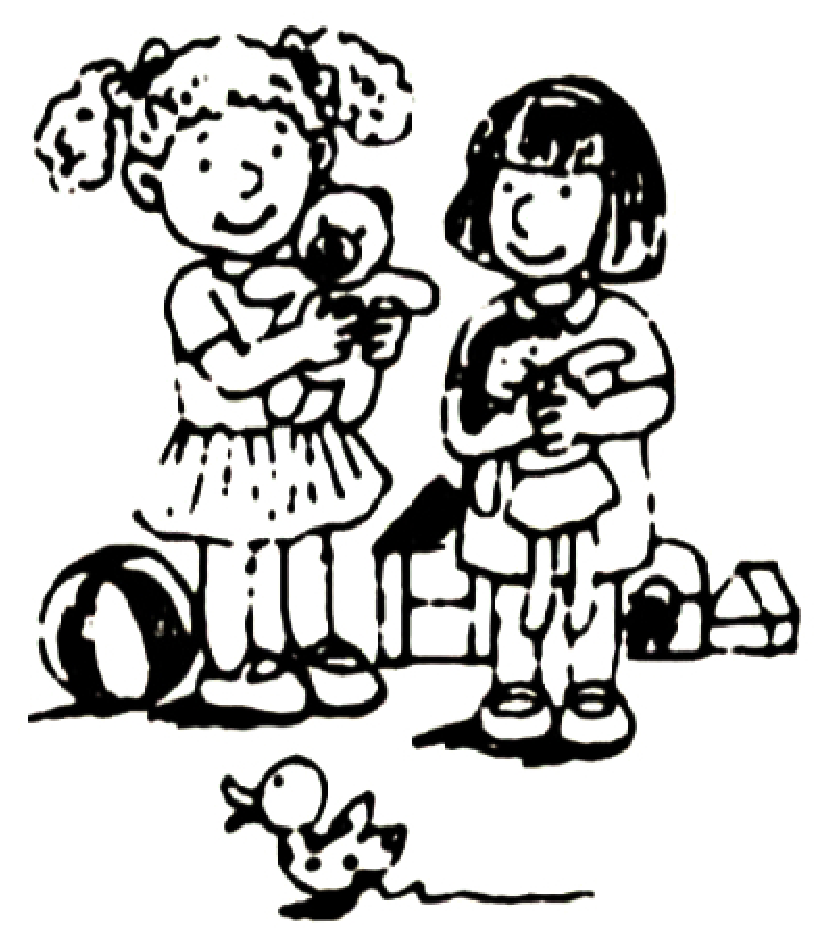
10
We dolls.
Page 48
Circle the correct answers.
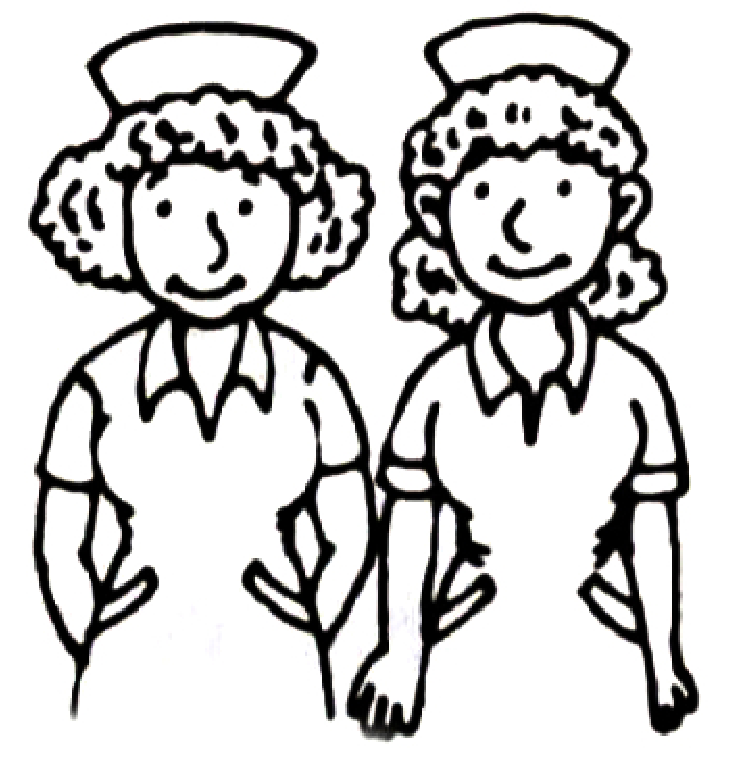
1
Both my sisters work in a hospital.
( We , They ) are nurses.
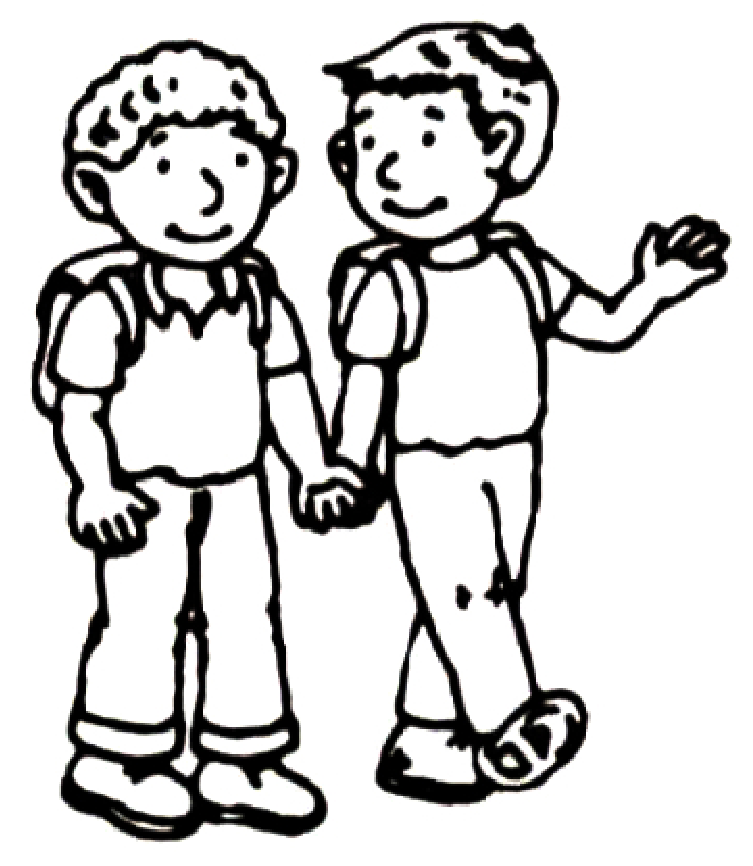
2
Tim and I go to the same school.
( We , They ) are classmates.
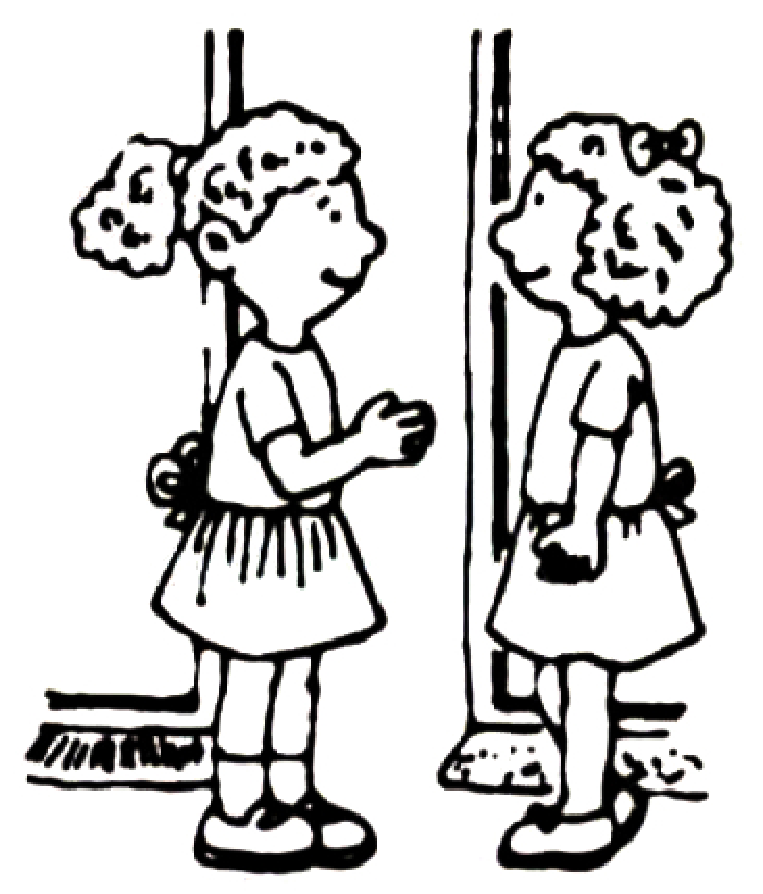
3
Sharon and Jane live near each other.
( We , They ) are neighbours.
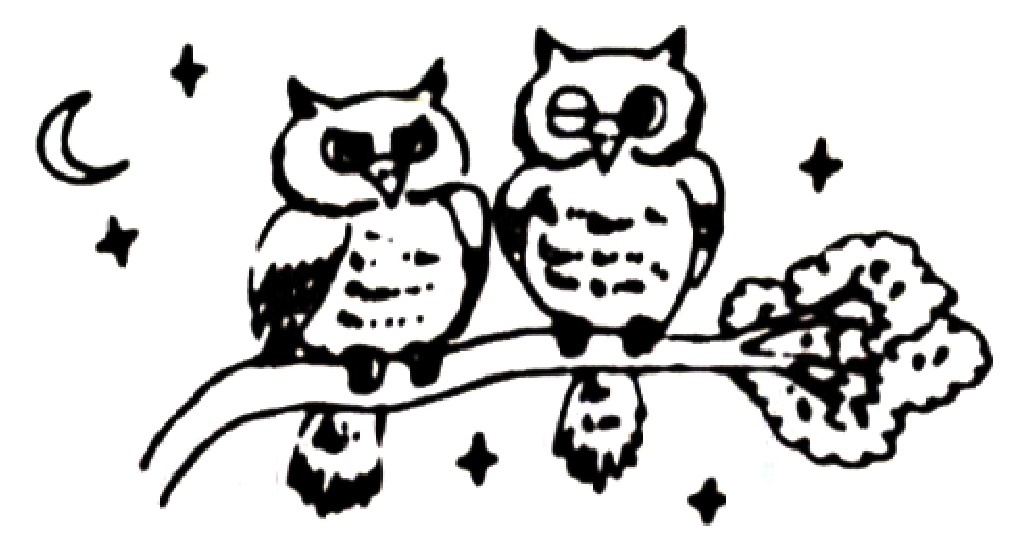
4
These are owls.
( We , They ) fly and hunt at night.
5
My friend and I are thirsty.
( We , They ) are drinking some lemonade.
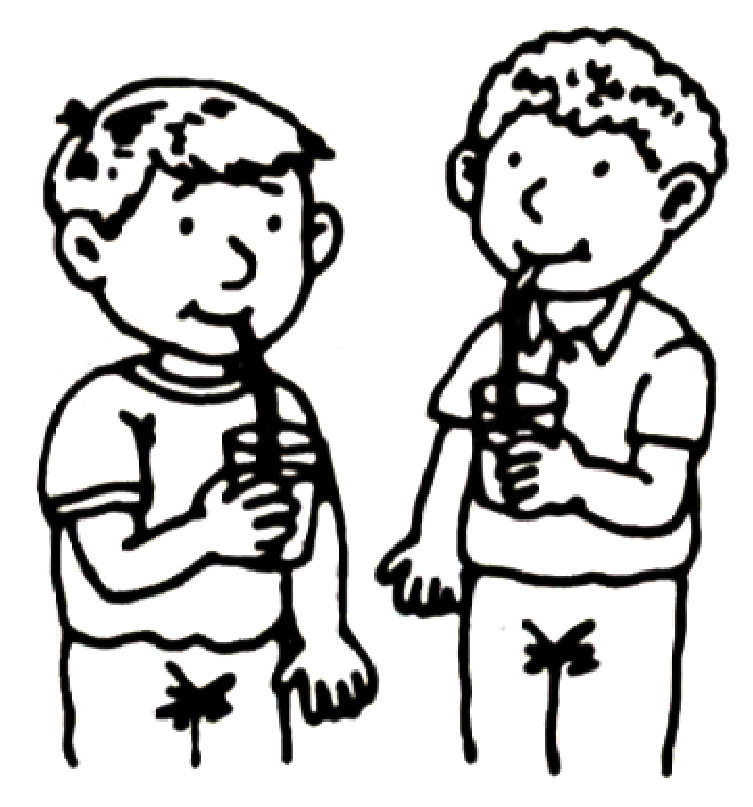
Page 48
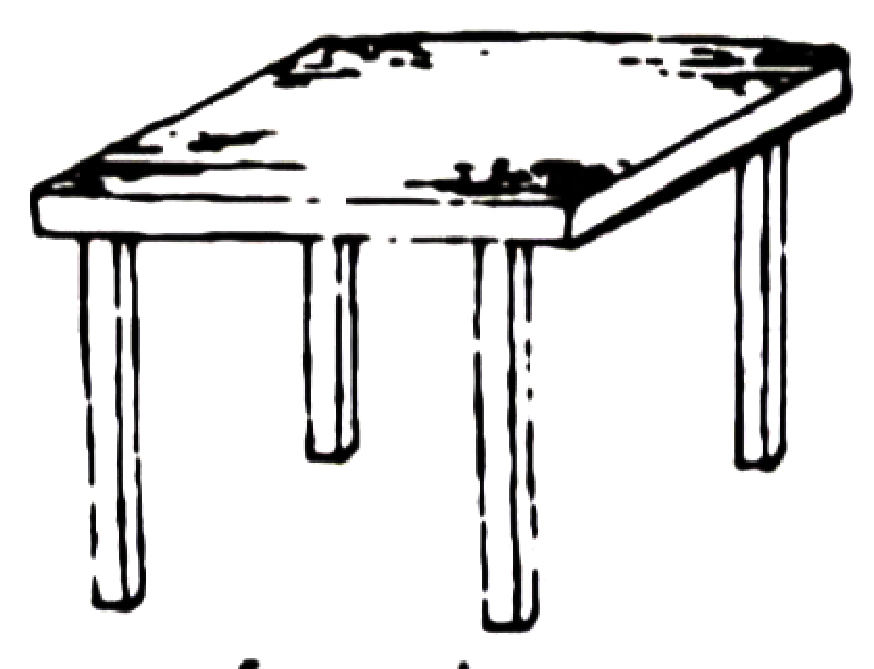
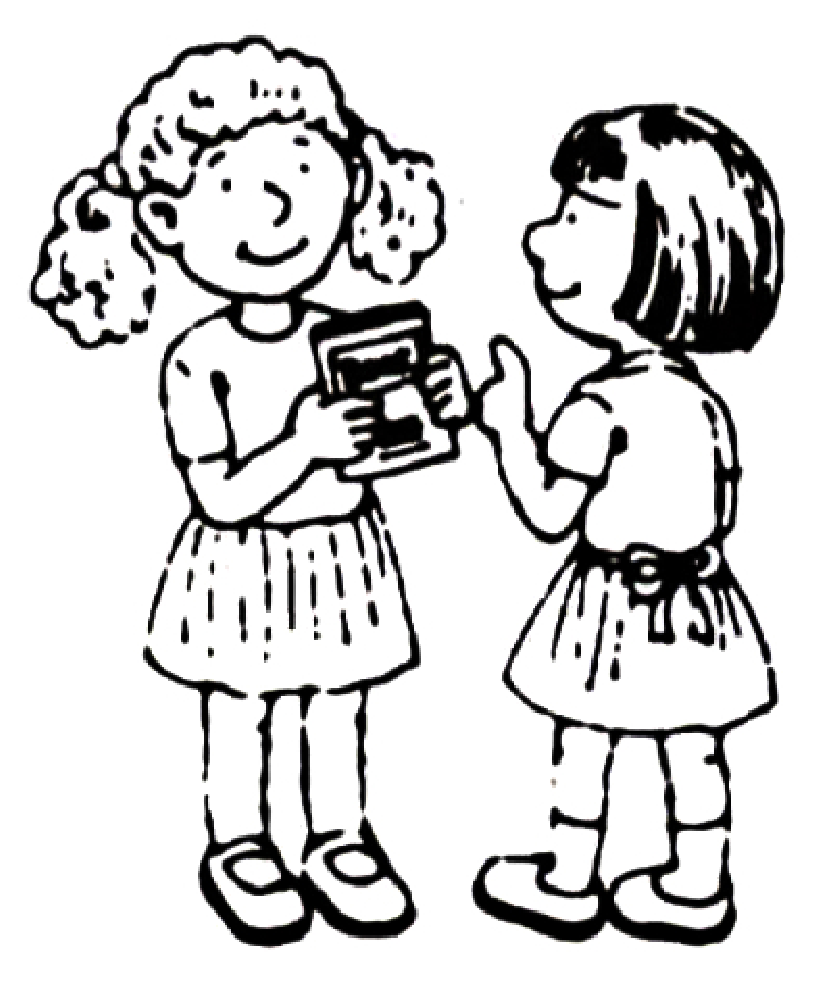
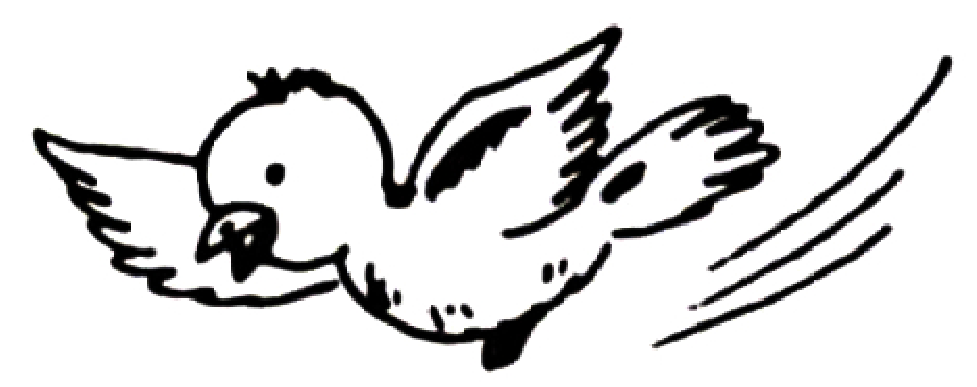
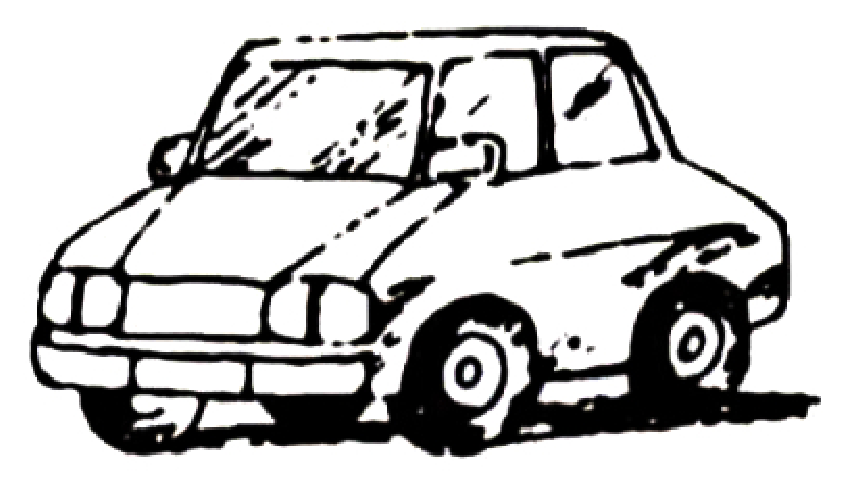
Look at the pictures and the helping words. Answer each question using 'has' or 'have'.
has
have
1
How many legs does the table have?
It .
2
What do you have?
I .
3
How many wings does a bird have?
It .
4
What does Mary have?
She .
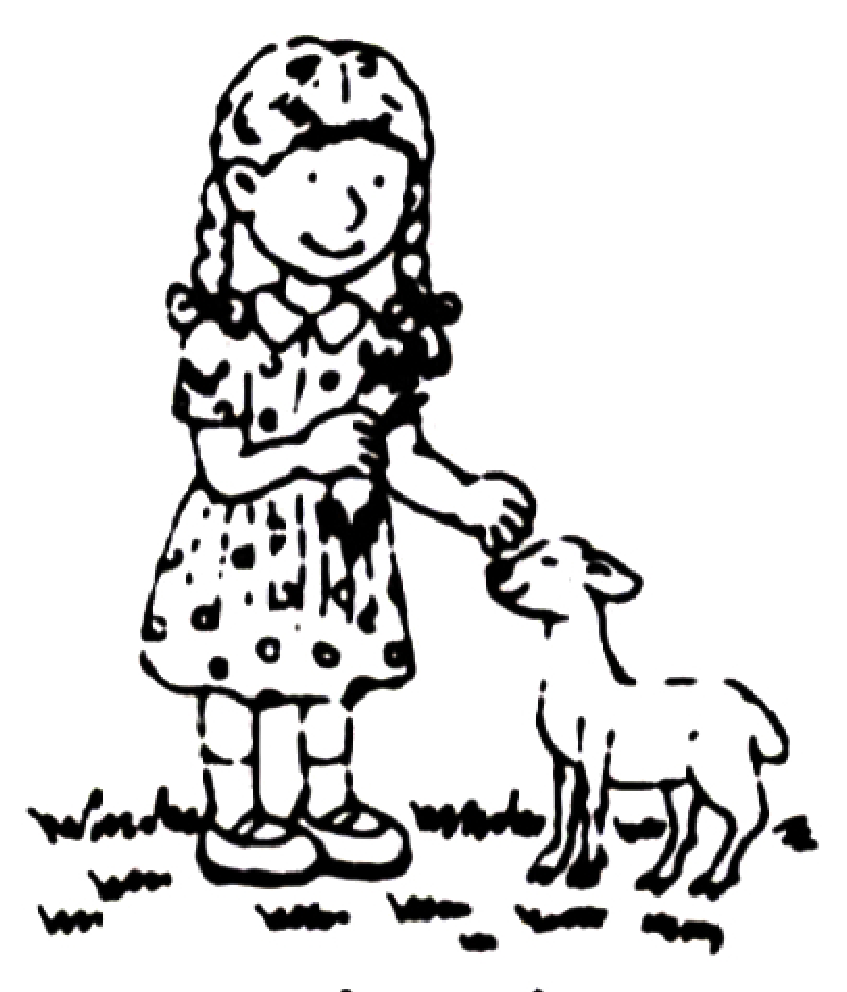
5
How many wheels does a car have?
It .
Page 50
We use 'HAS' (singular) and 'HAVE' (plural) to show that someone owns something, or something belongs to someone.
Examples
Tommy has a pet rabbit.
James and Leo have bicycles.
Mrs Thomson has five children.
They have two dogs.
We have two computers at home.
A rabbit has long ears.
An elephant has a long trunk.
'Has' or 'Have'? Try this exercise.
Go to My SAPeducation App or http://sapgrp.com.sg/online-resources/english

Page 52
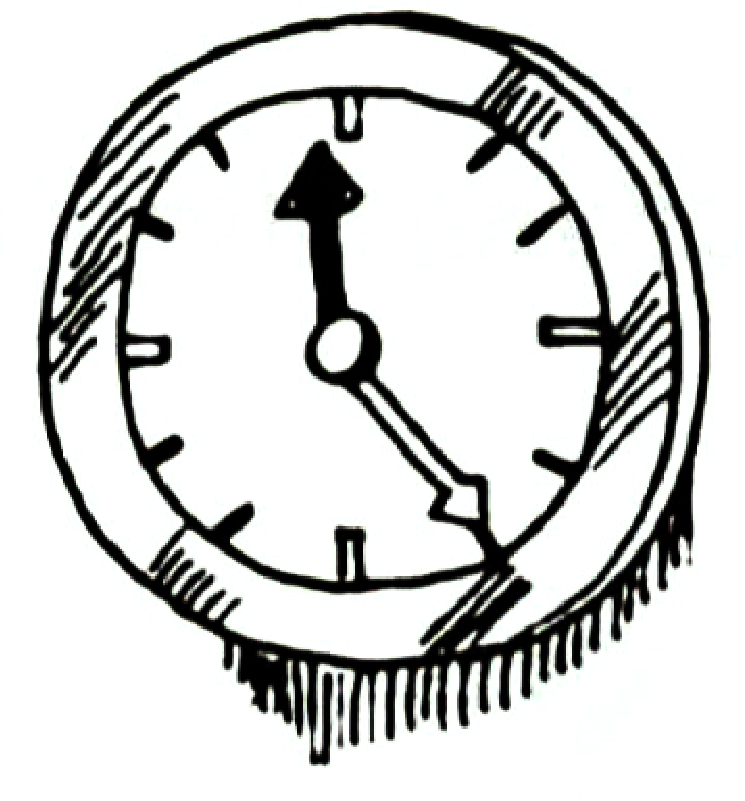
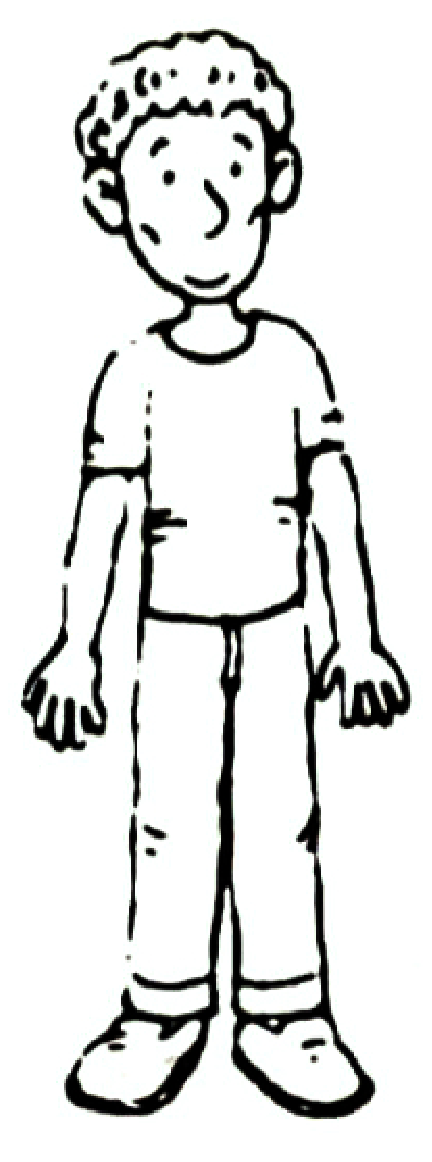
Underline the correct answers.
1
The frame of the clock is ( round , square ).
2
That man is ( thin , fat ).
3
The tree next to the house is very ( short , tall ).
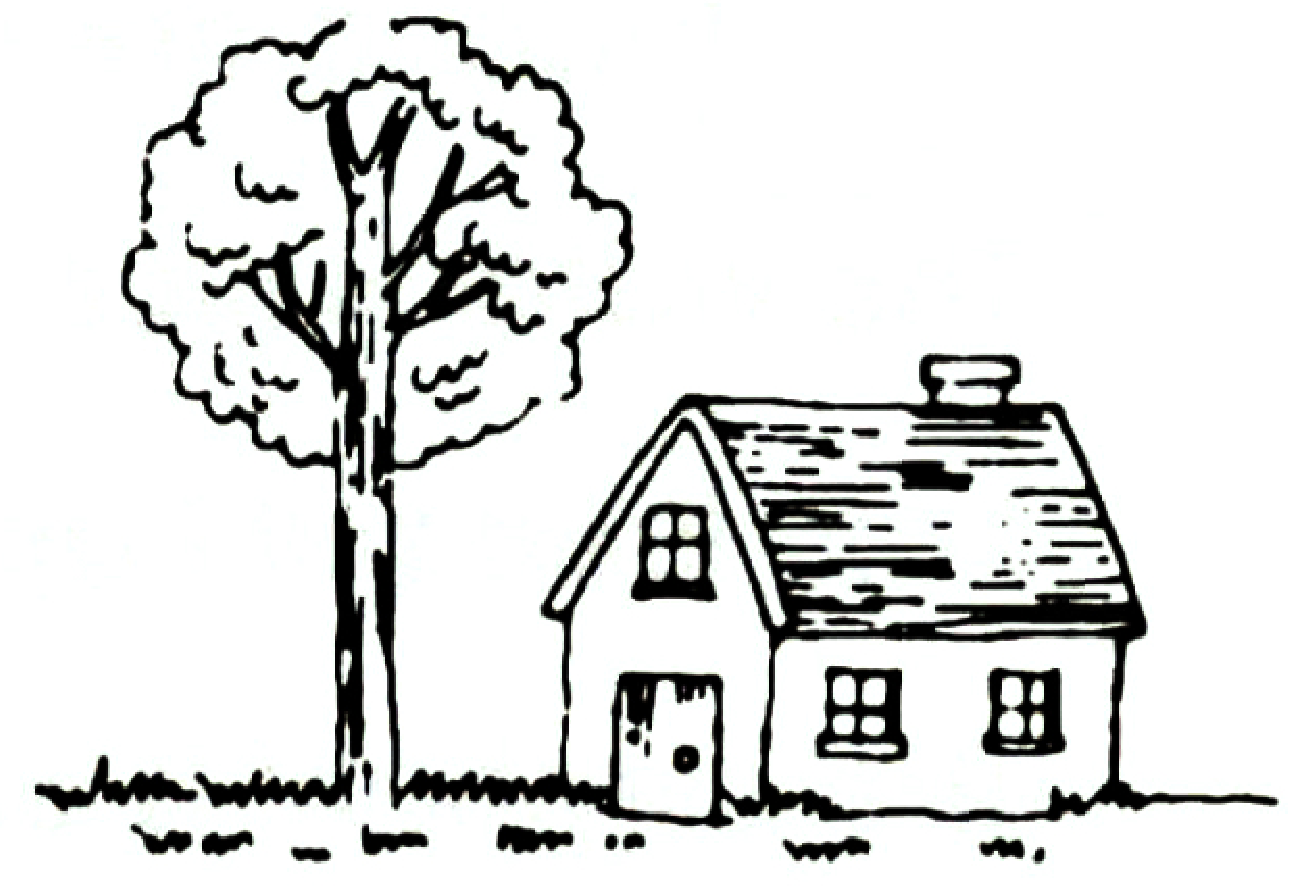
4
Please be careful. The knife is ( sharp , blunt ).
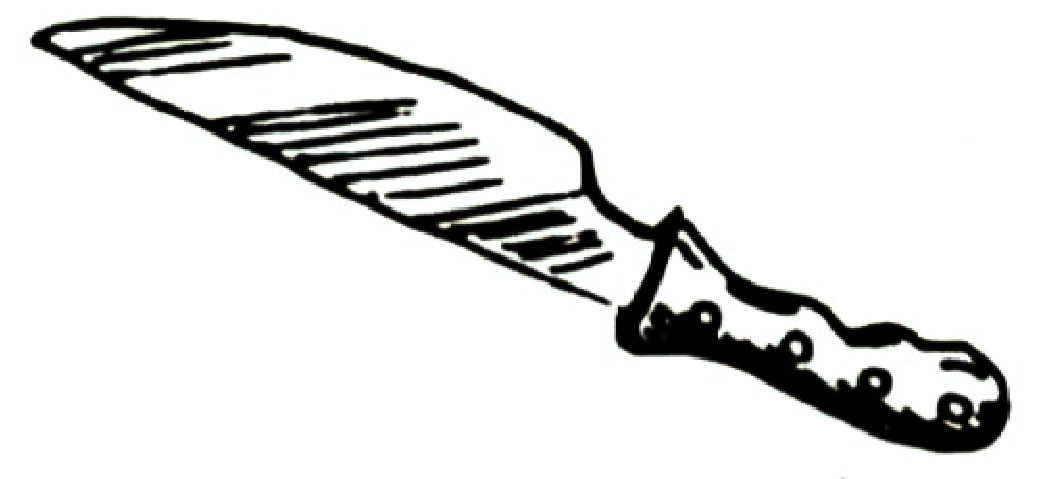
5
The cupboard is ( light , heavy ). It needs two men to lift it.
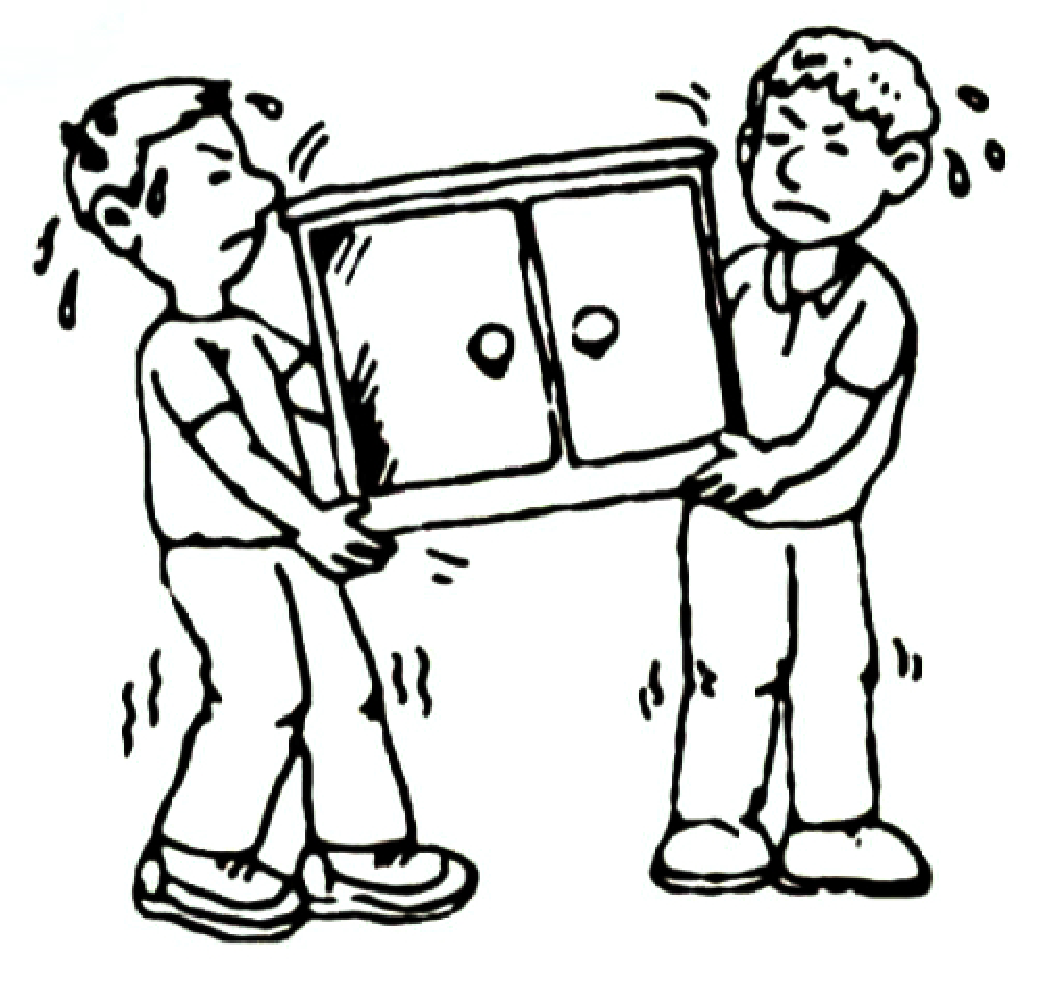
Page 54
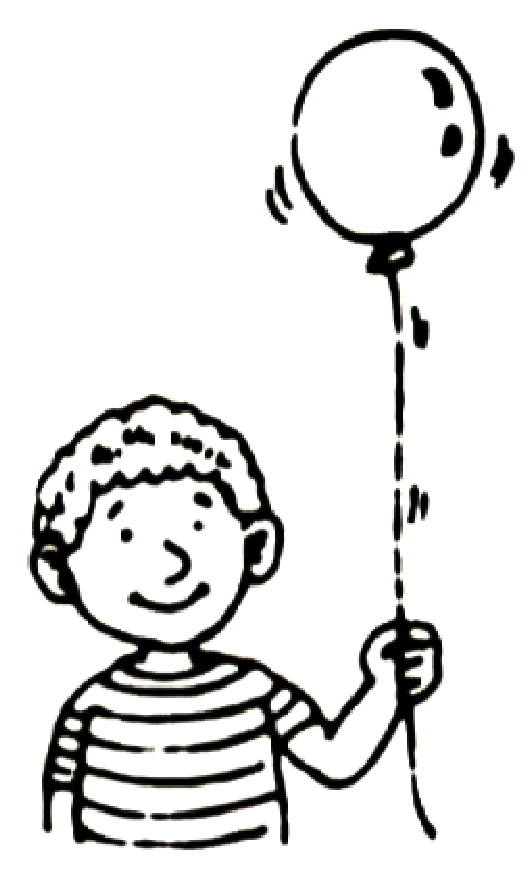
6
I a balloon.
7
You long hair.
8
He a new car.
9
They kites.
10
We dolls.
Page 55
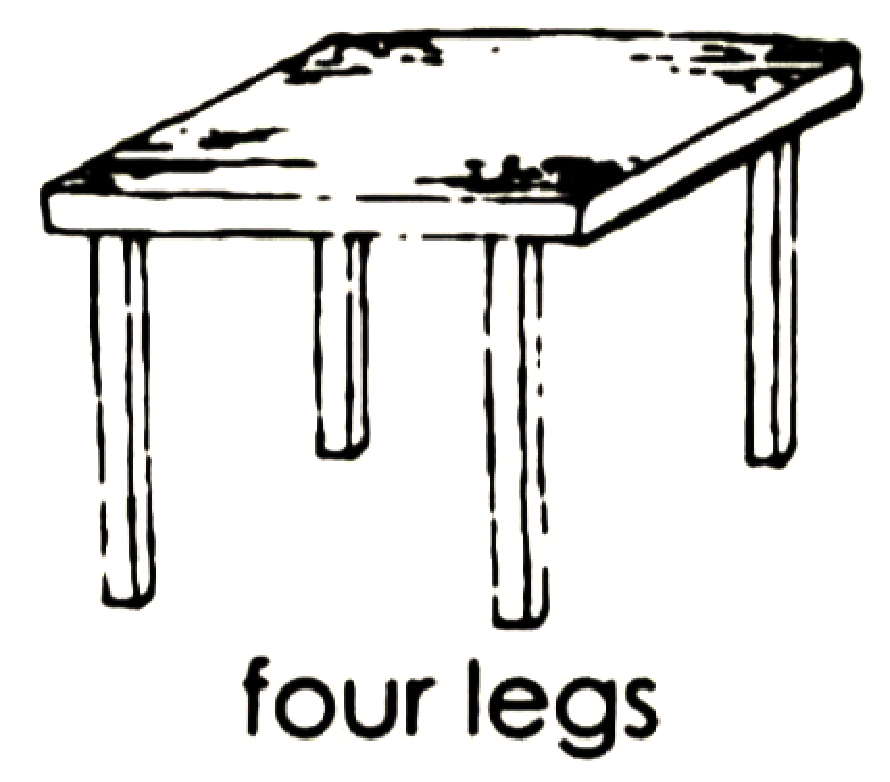
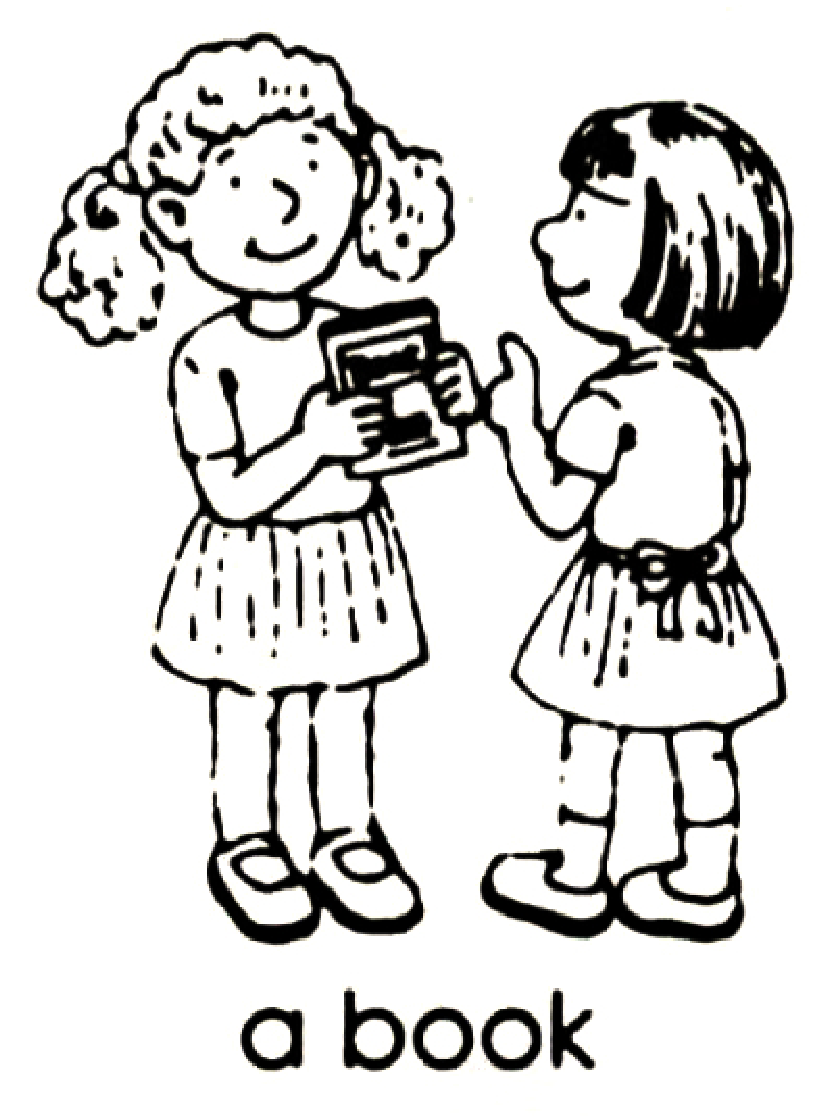
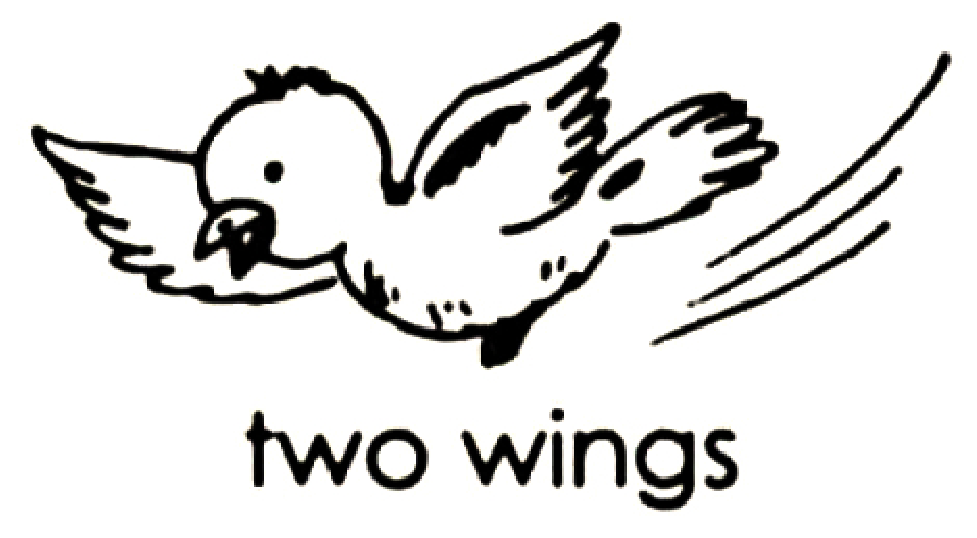
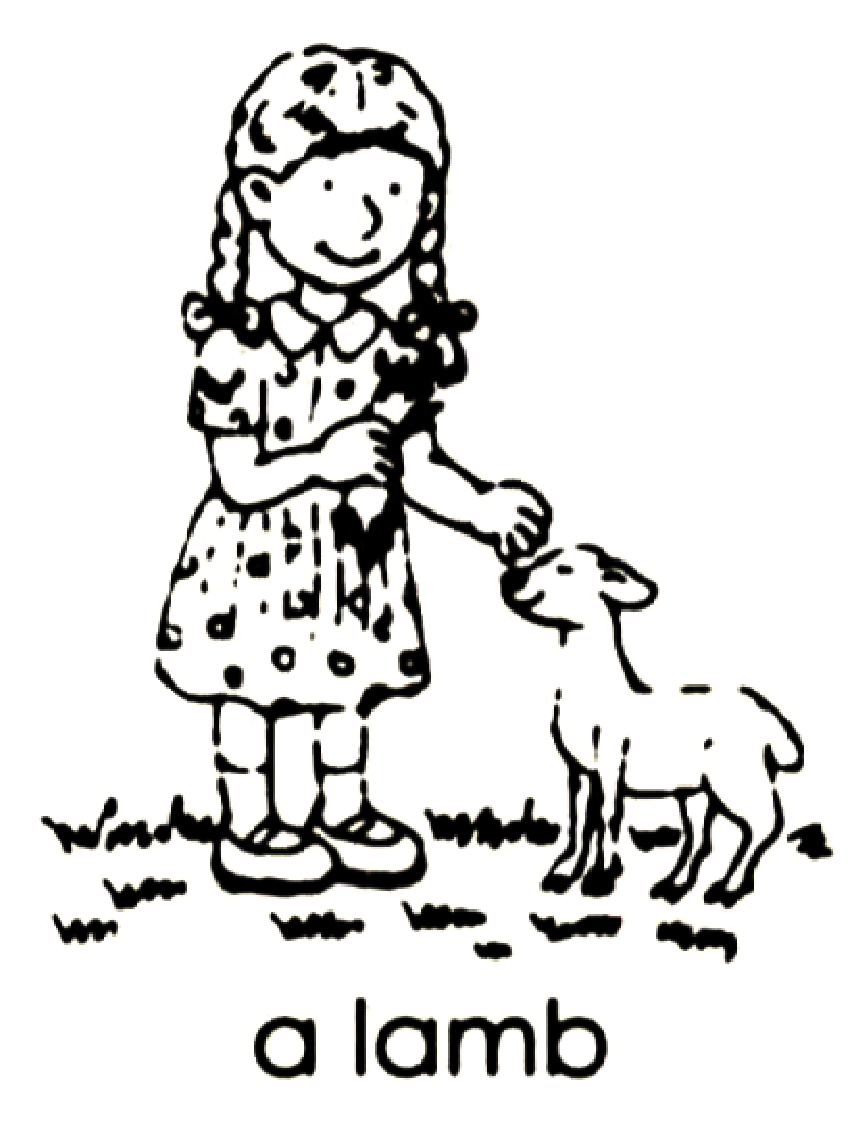
Look at the pictures and the helping words. Answer each question using 'has' or 'have'.
four legs
a book
two wings
a lamb
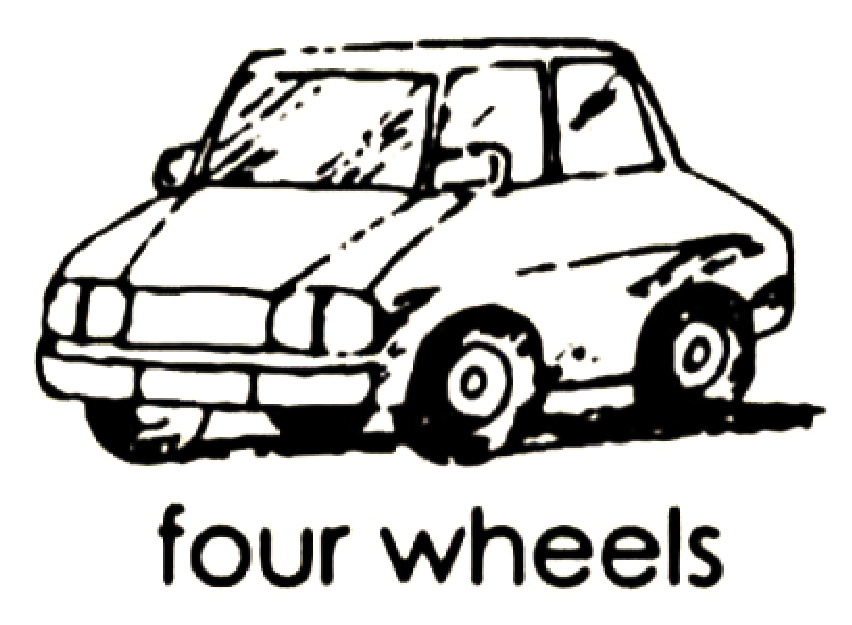
four wheels
1
How many legs does the table have?
It .
2
What do you have?
I .
3
How many wings does a bird have?
It .
4
What does Mary have?
She .
5
How many wheels does a car have?
It .
Page 55
5
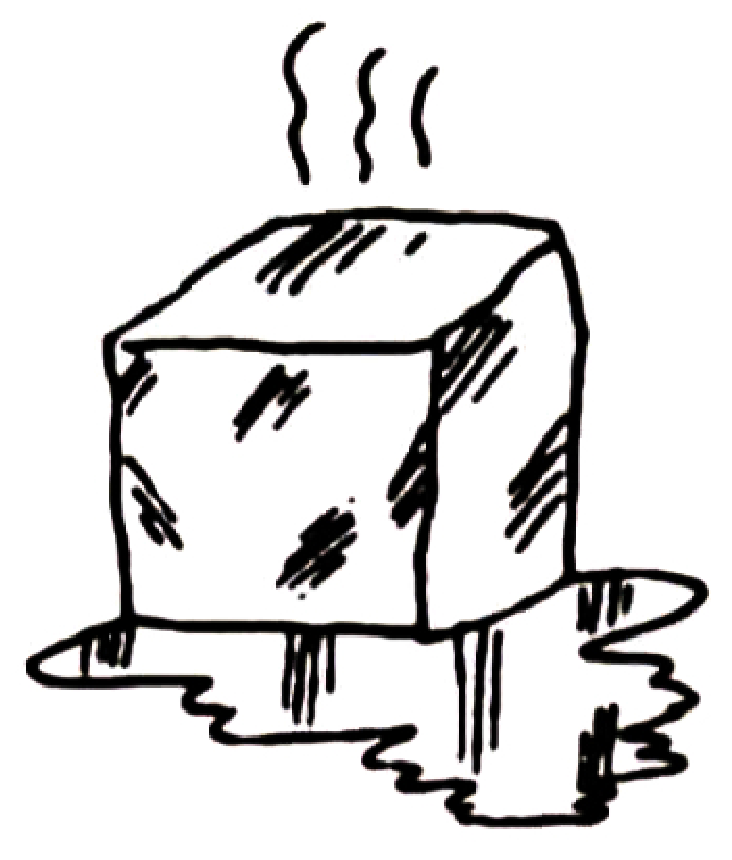
The big block of ice is very .
6
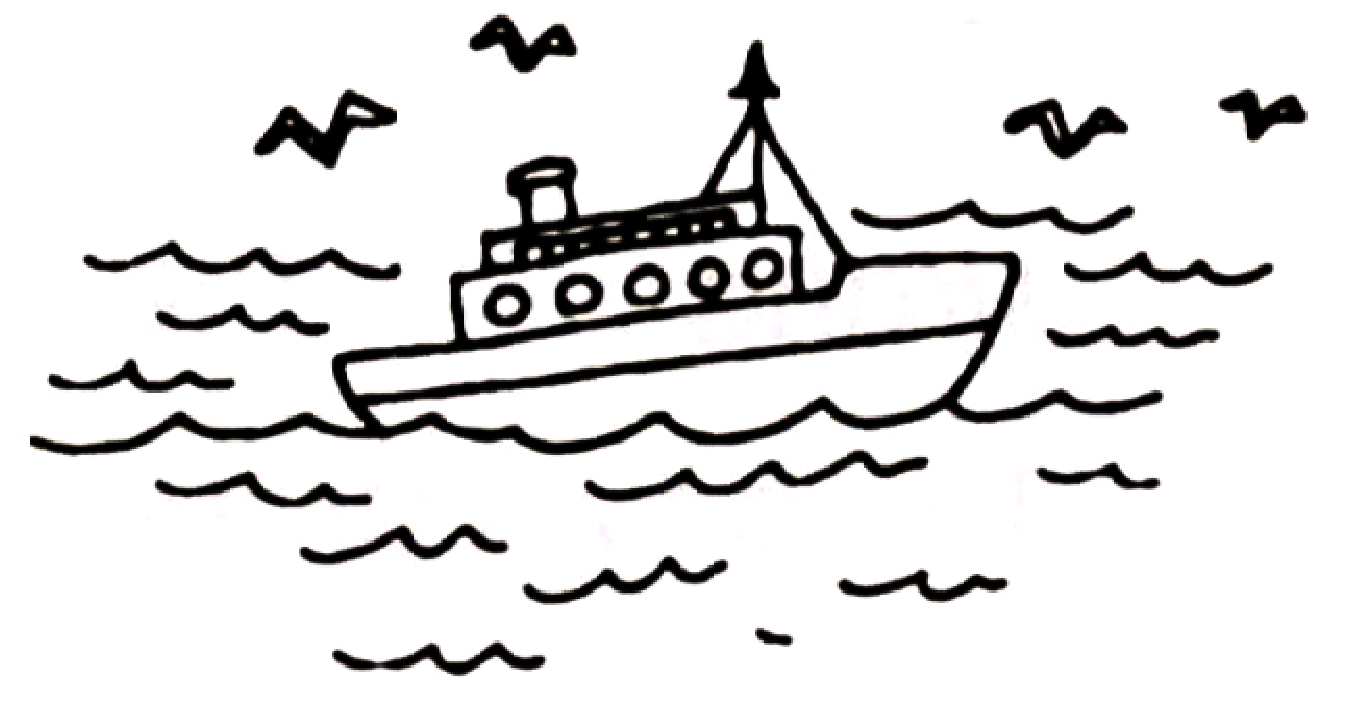
The ocean is wide and .
7
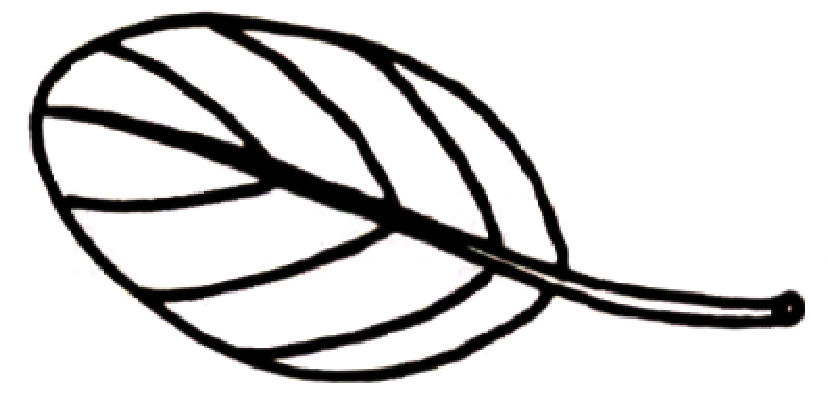
The leaf is in shape.
8
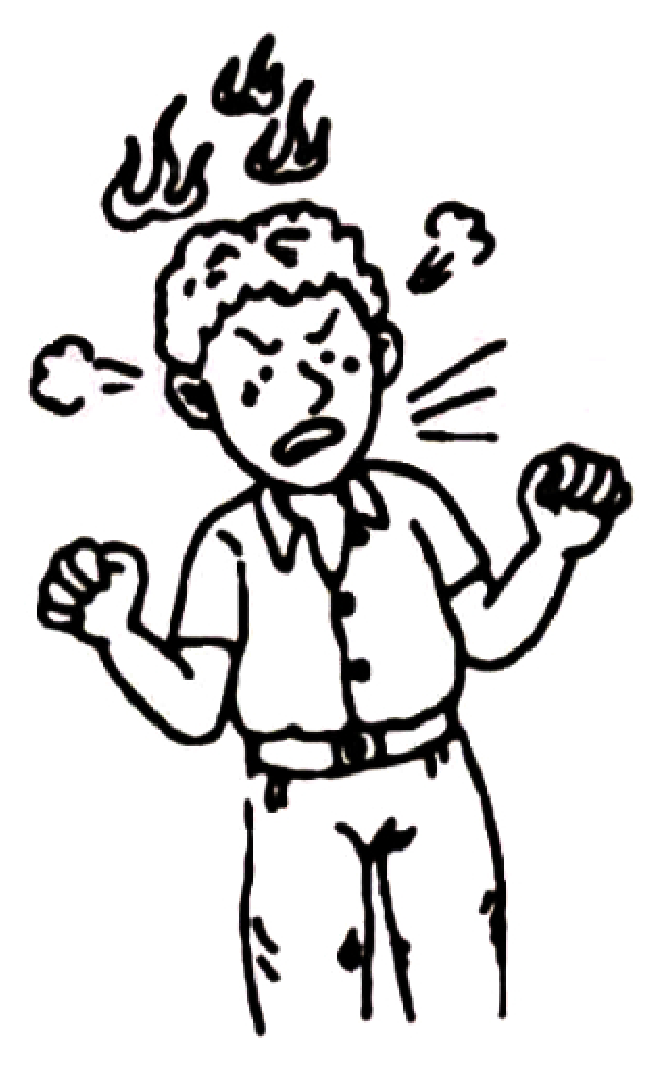
Mr Wilson is very .
9
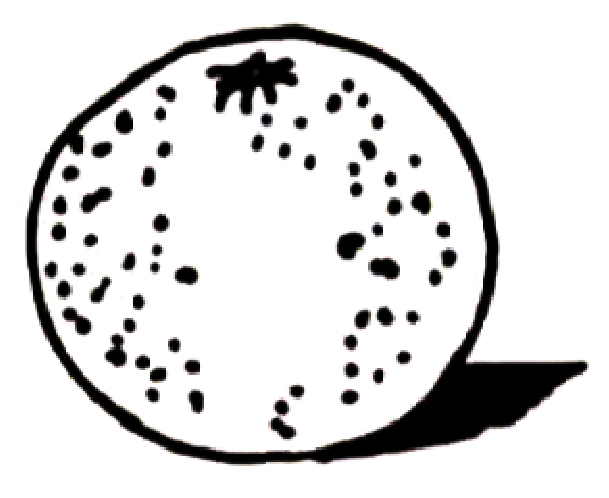
An orange is .
10
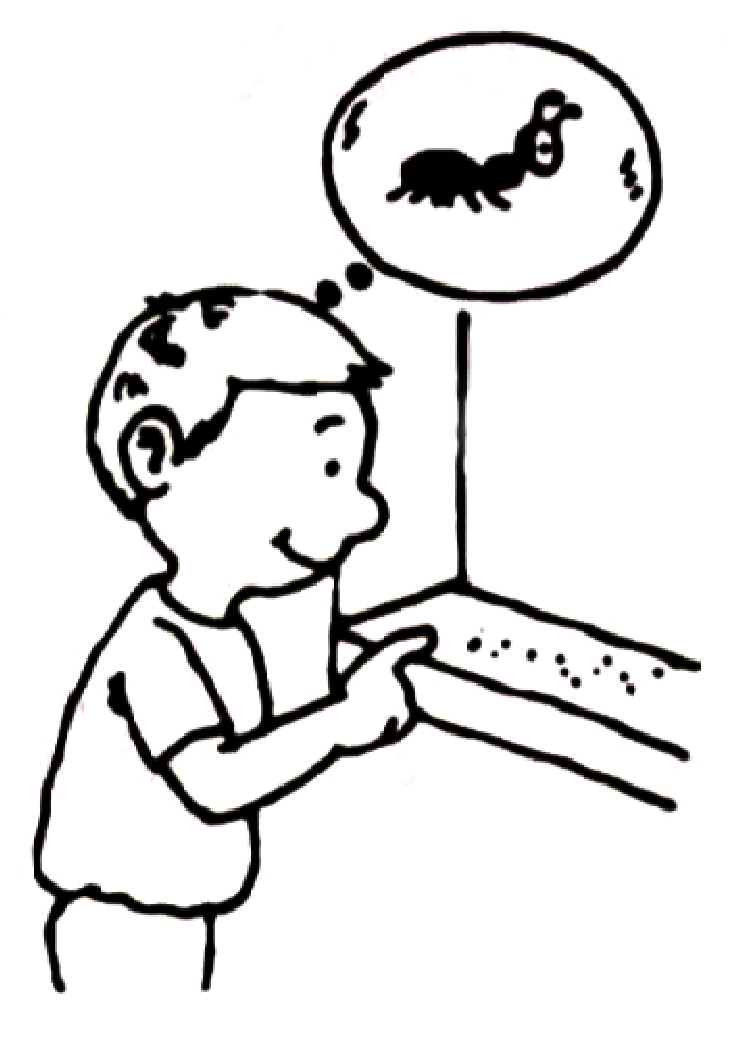
Ants are very .
Page 56
6
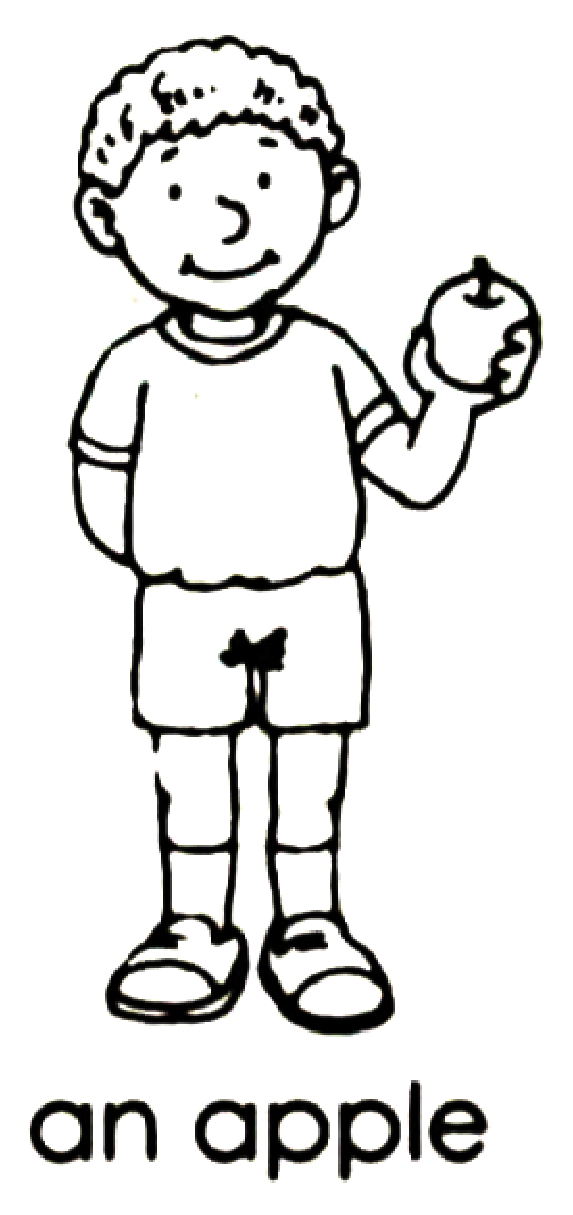
What do I have?
You .
7
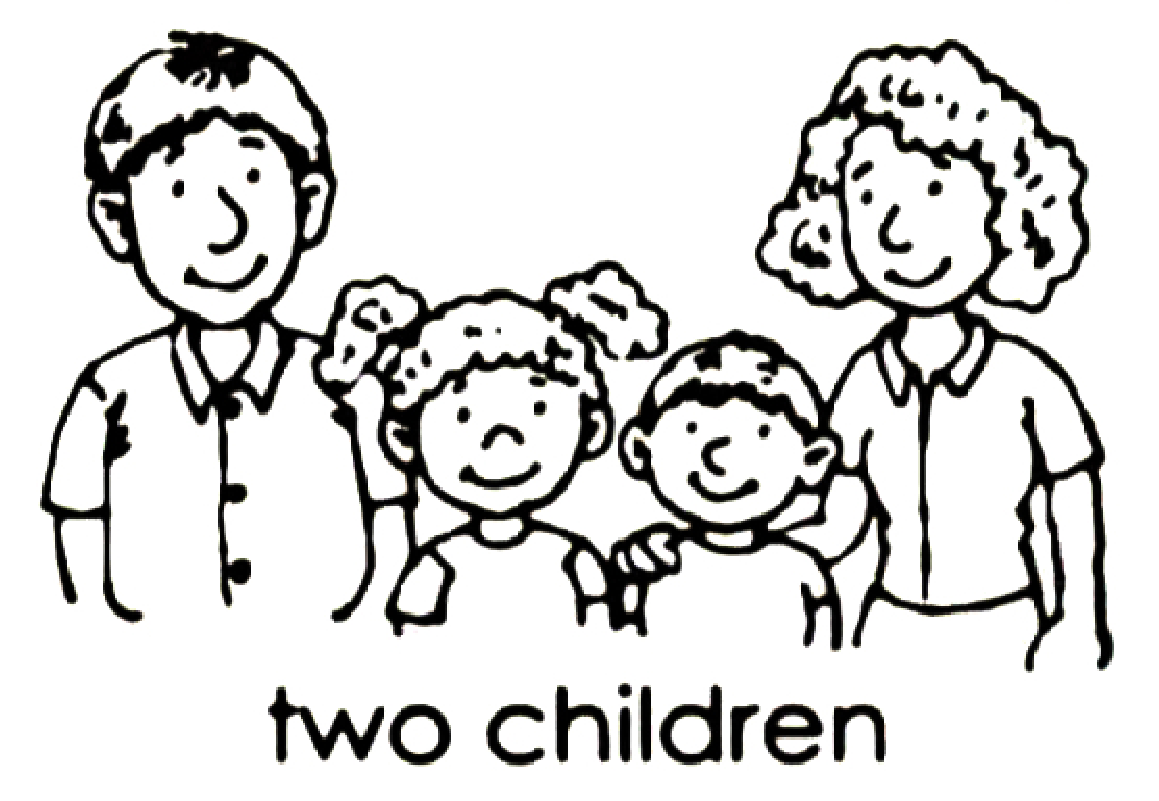
How many children do Mr and Mrs Lee have?
They .
8
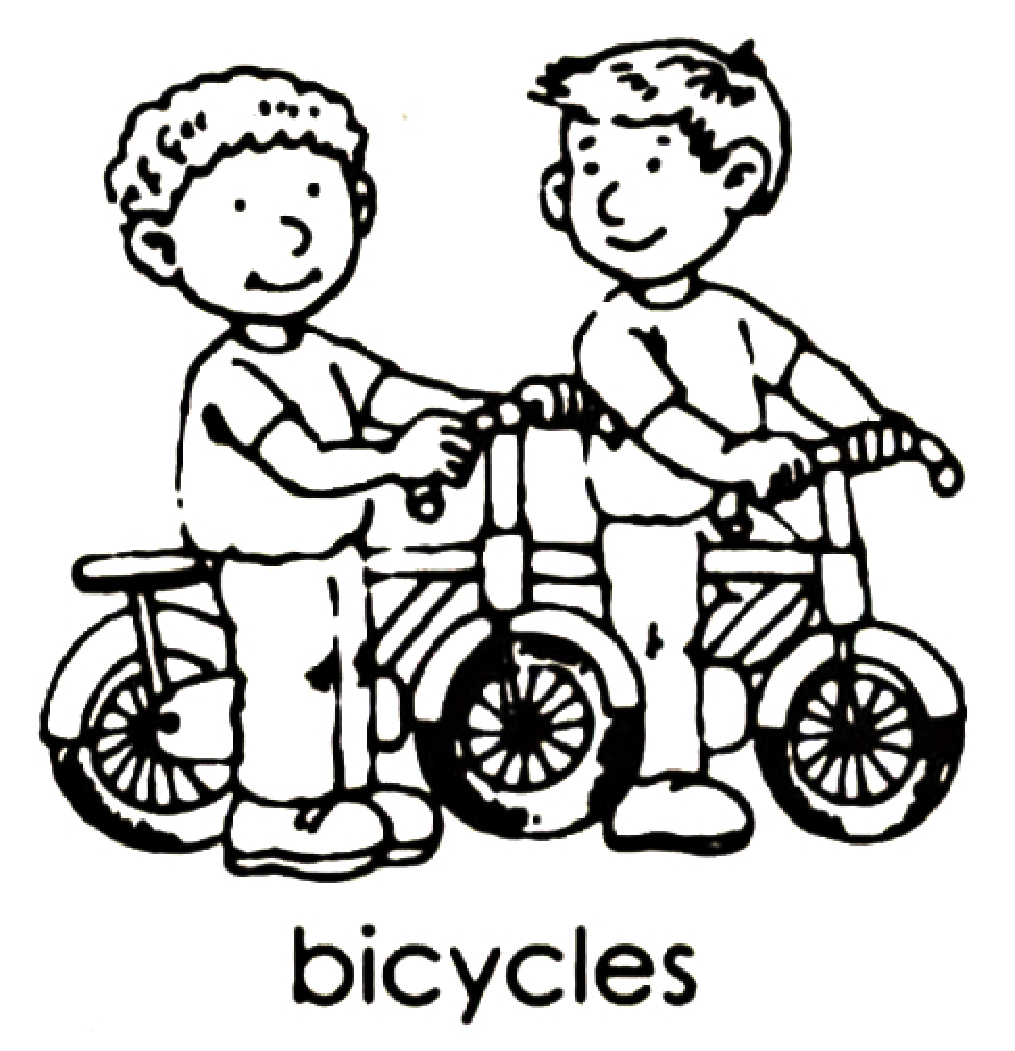
What do the boys have?
They .
9
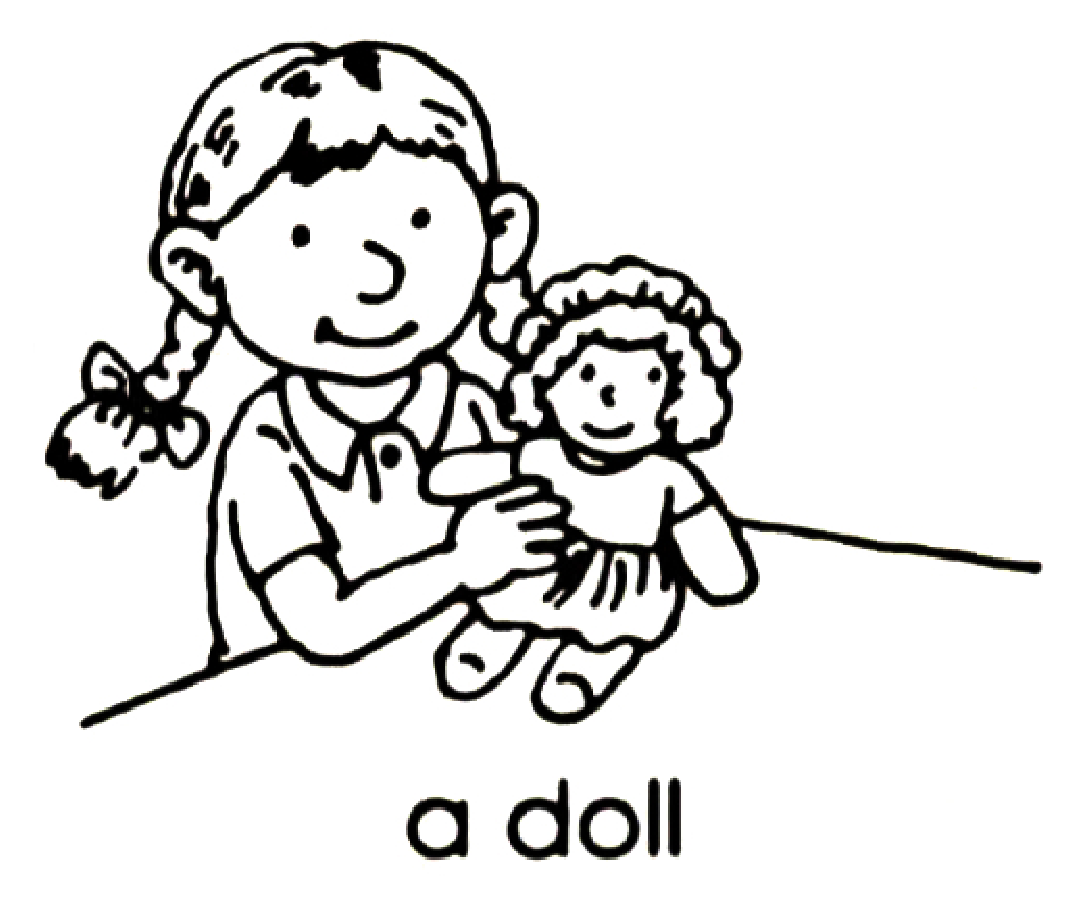
What does she have?
She .
10
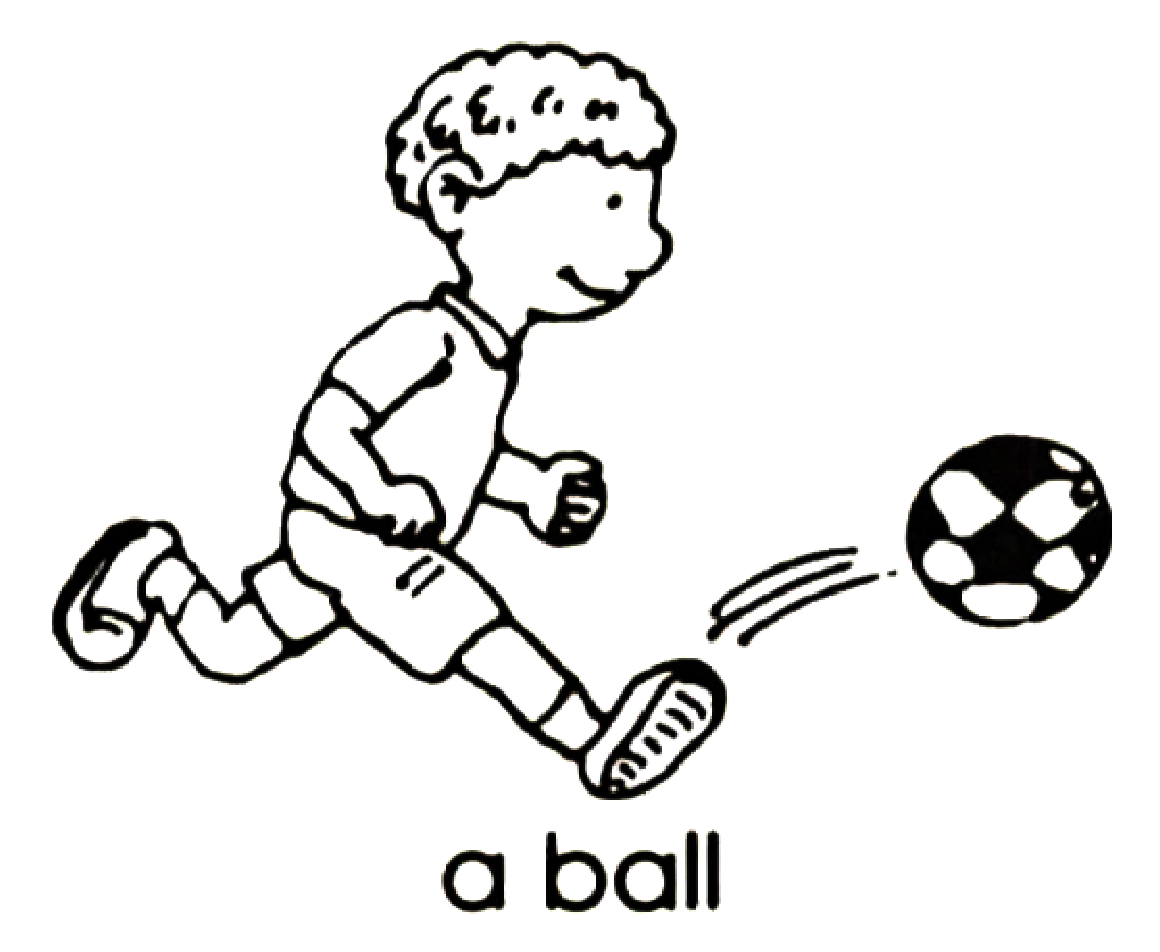
What does he have?
He .
Page 56
Put the words in the correct order. Then write the sentence.
strong. The is boy
1
fast. deer is The
2
The black. are cats
3
is sad. Jack
4
is pond shallow. The
5
slow. My is watch
Page 57
Circle the correct answers.
1
A shark ( has , have ) sharp teeth.
2
We ( has , have ) ten toes on our feet.
3
Mr Kingsley ( has , have ) a big house.
4
A tree ( has , have ) many leaves.
5
I ( has , have ) a test today.
6
The rose ( has , have ) red petals.
7
A leopard ( has , have ) spots on its body.
8
They ( has , have ) a pet parrot.
9
That nest ( has , have ) a few eggs in it.
10
That factory ( has , have ) many workers.
Page 58
We use adjectives after 'am', 'is' or 'are' to help us complete a sentence.
Examples
My sister is happy.
My parents are kind.
I am short.
The teacher is angry.
The students are noisy.
The water is nice and cool.
I am tired but happy.
The elephant is big and strong.
The oranges are sweet and juicy.
Page 60
6
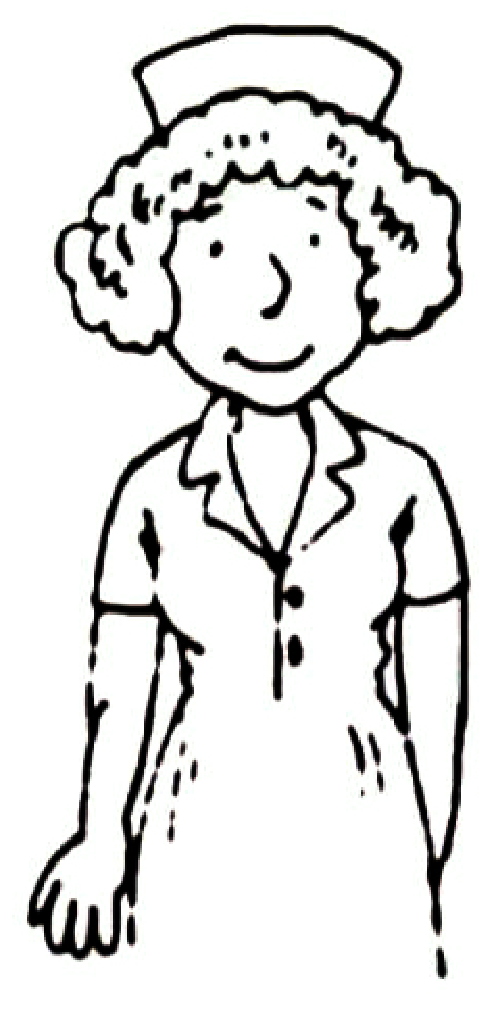
The nurse's uniform is ( black , white ). It looks clean.
7
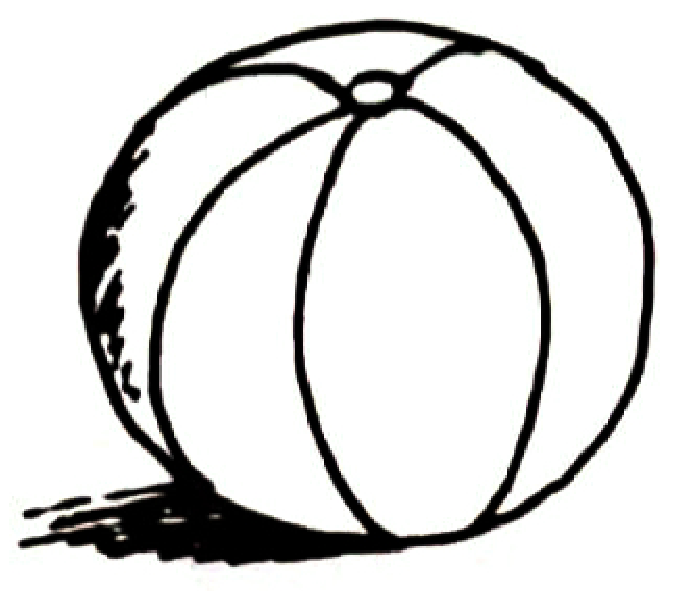
The ball is ( round , square ). It can roll down a slope.
8
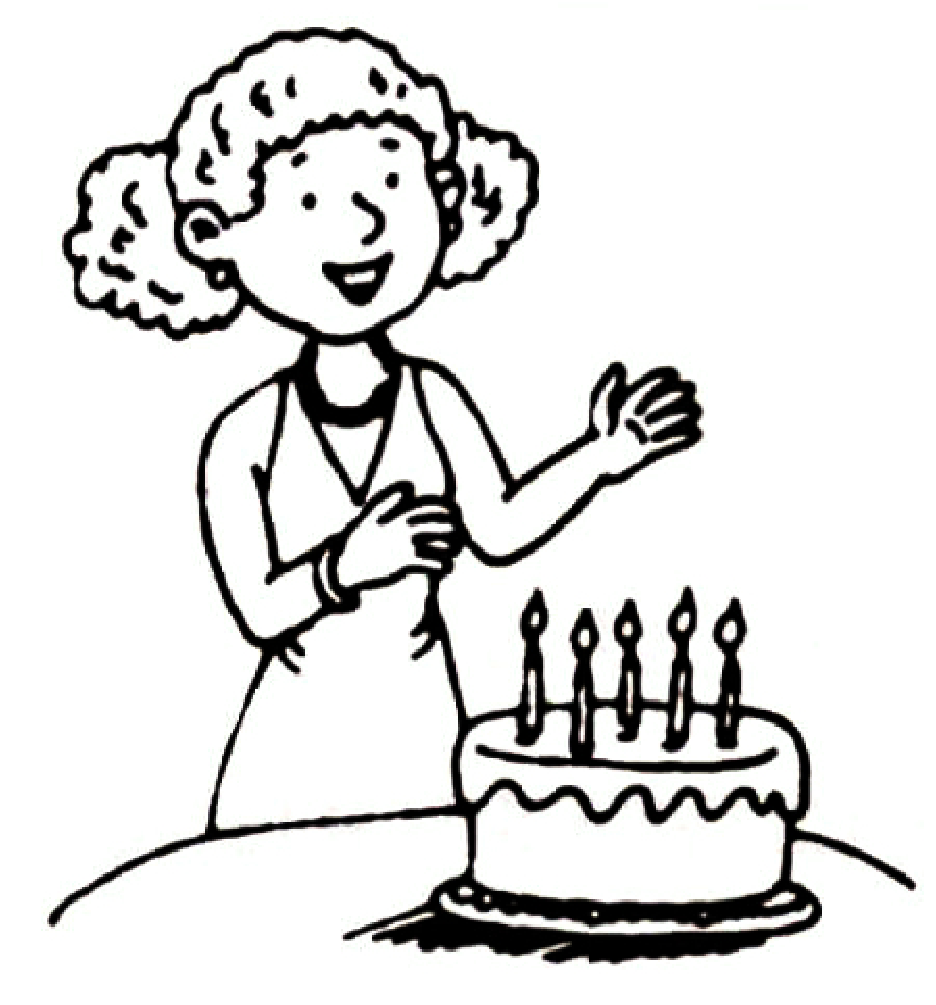
Mrs Simpson is ( sad , happy ). It is her birthday today.
9
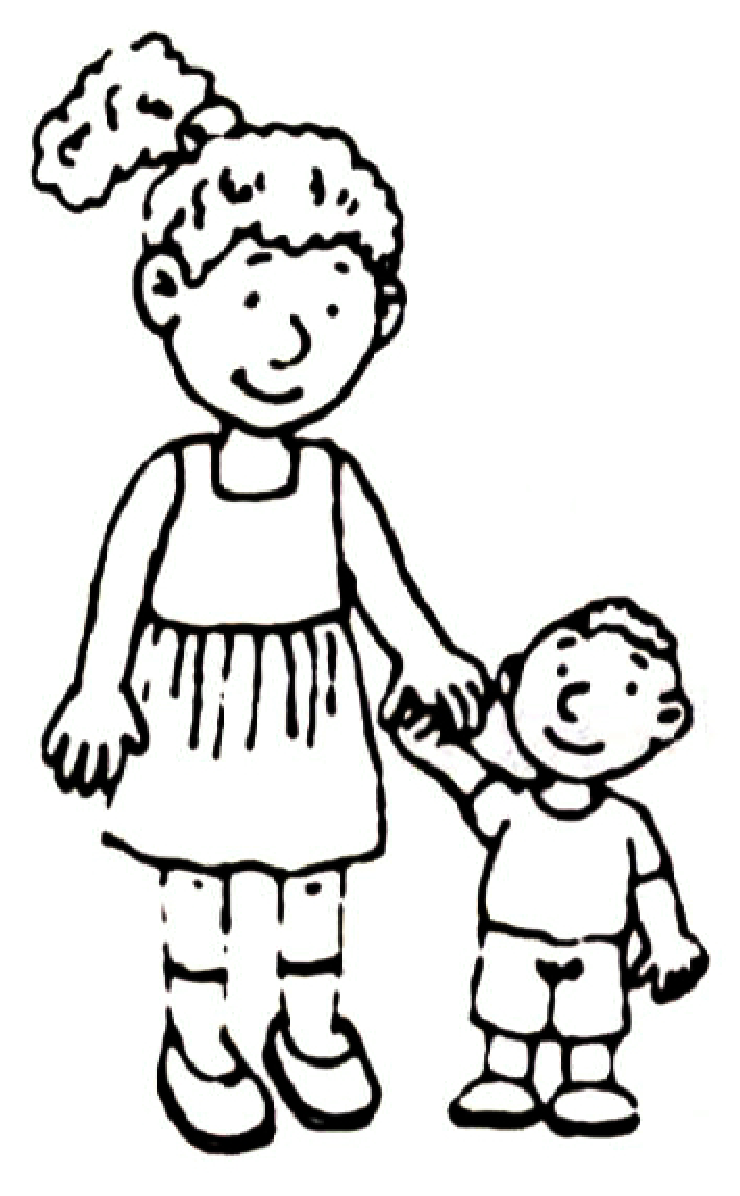
My brother is ( tall , short ). He is only two years old.
10
Paul's shoes are ( dirty , clean ). He has to wash them.
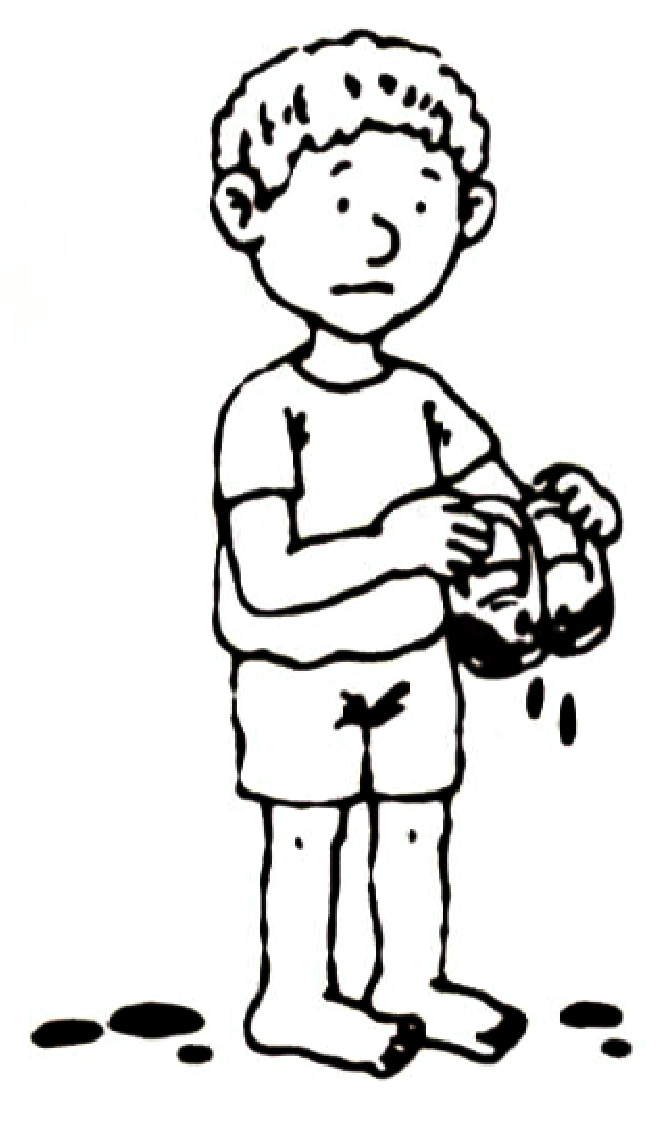
Page 61
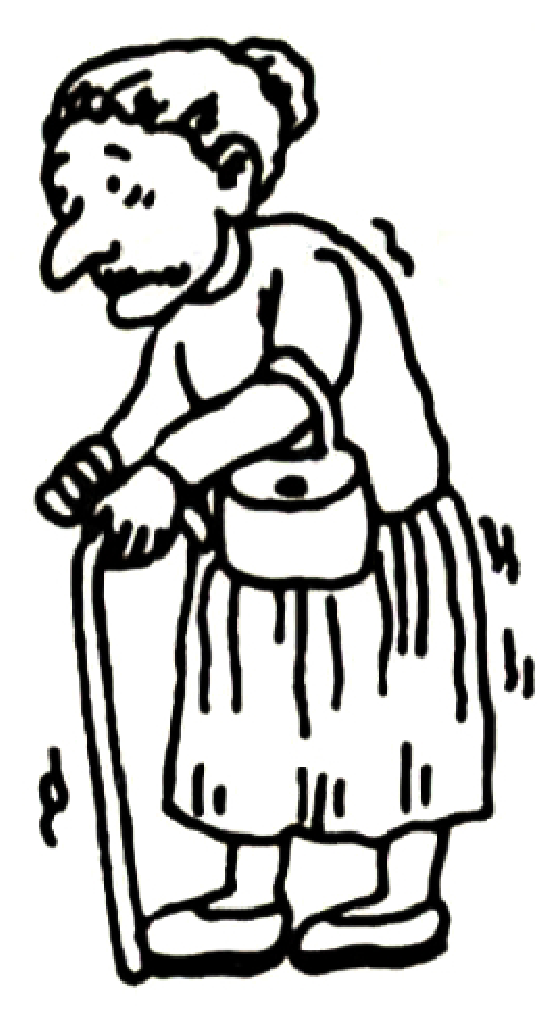
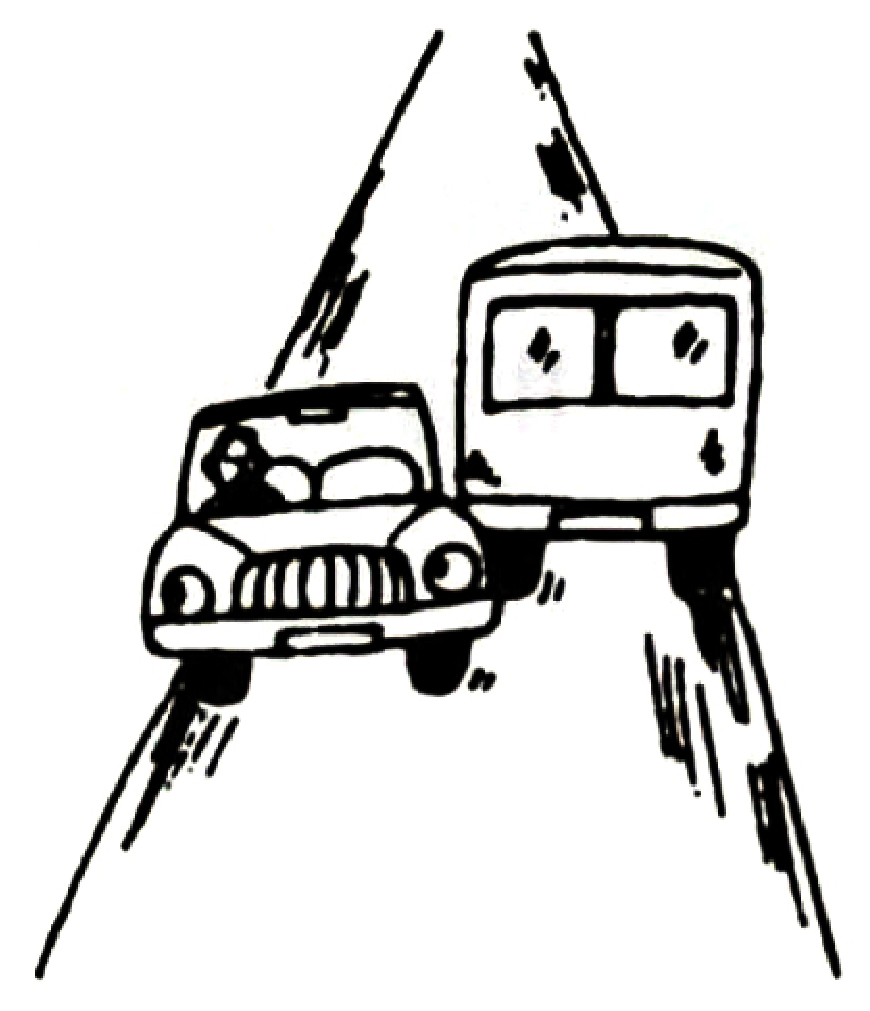
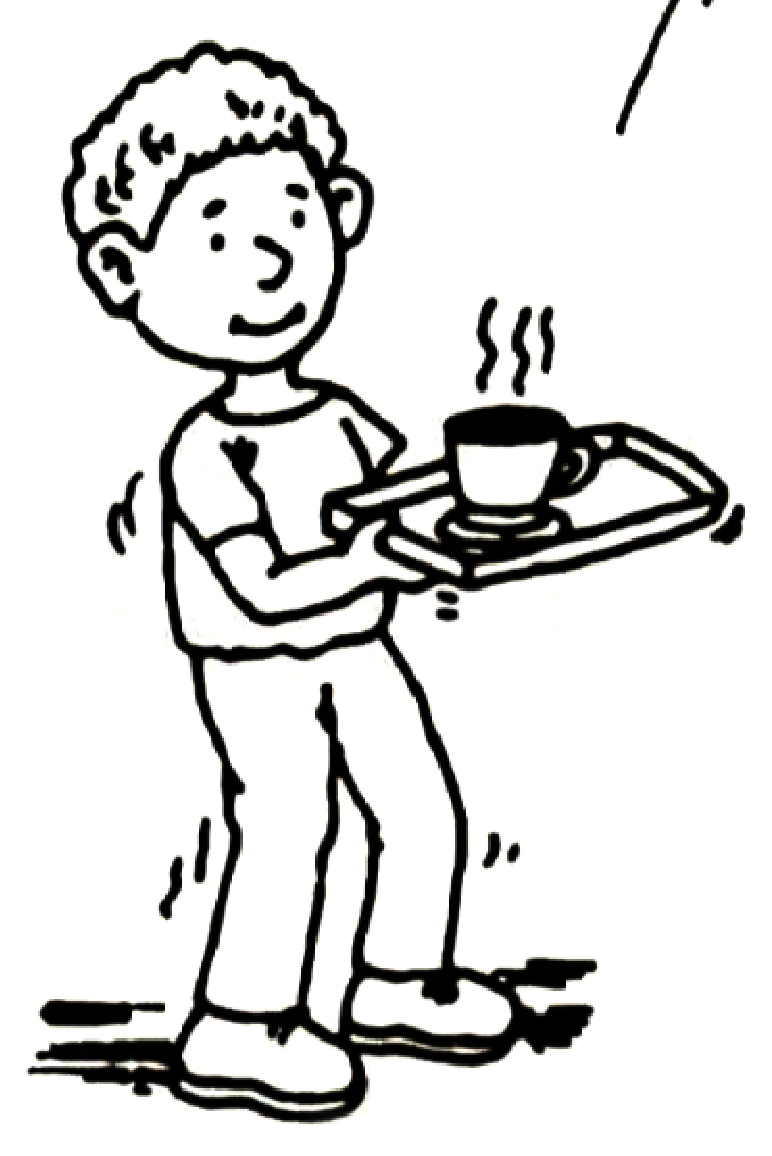
Fill in each blank with the help of the words in the box. Use each word once only.
long
small
hot
cold
oval
weak
narrow
angry
round
deep
1
The woman is very .
She is very old.
2
The road is .
The drivers must drive slowly.
3
Please be careful.
The cup of coffee is .
4
I have to cut my hair.
It is too .
Page 62
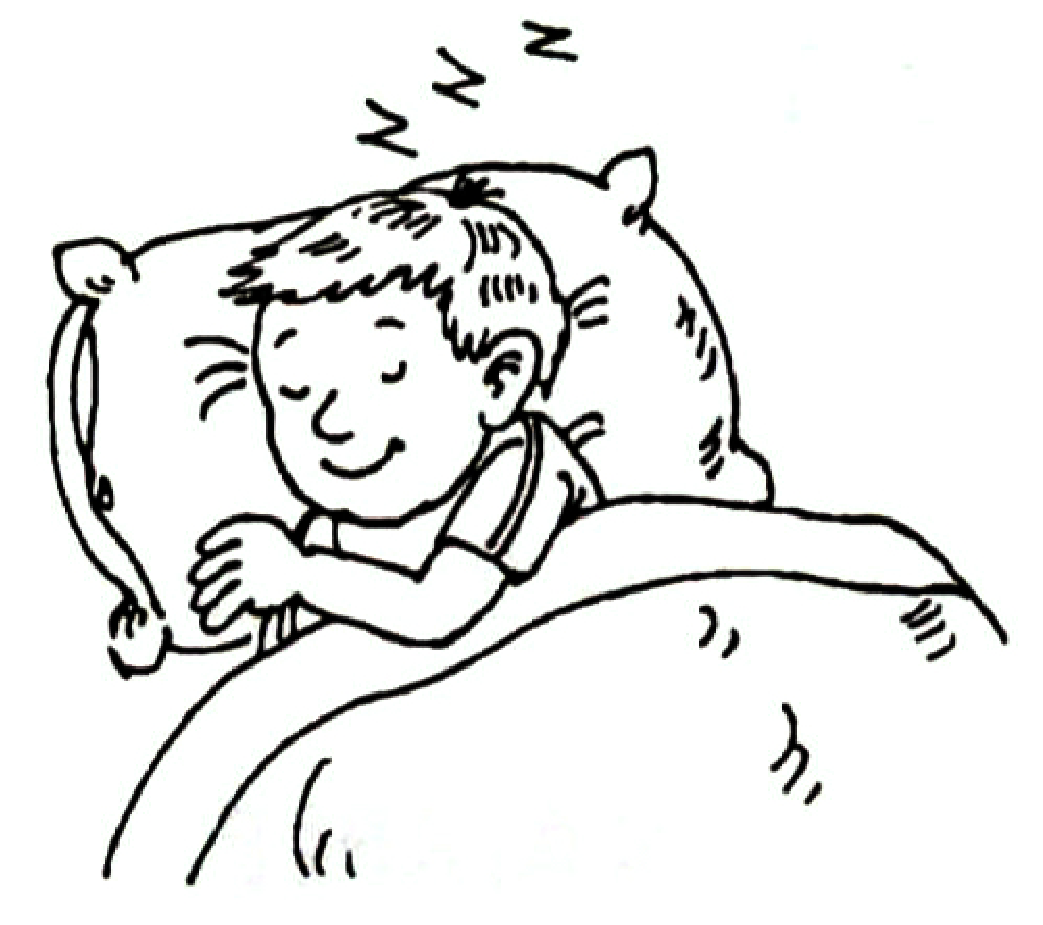
6
What is the boy doing? (sleep)
He .
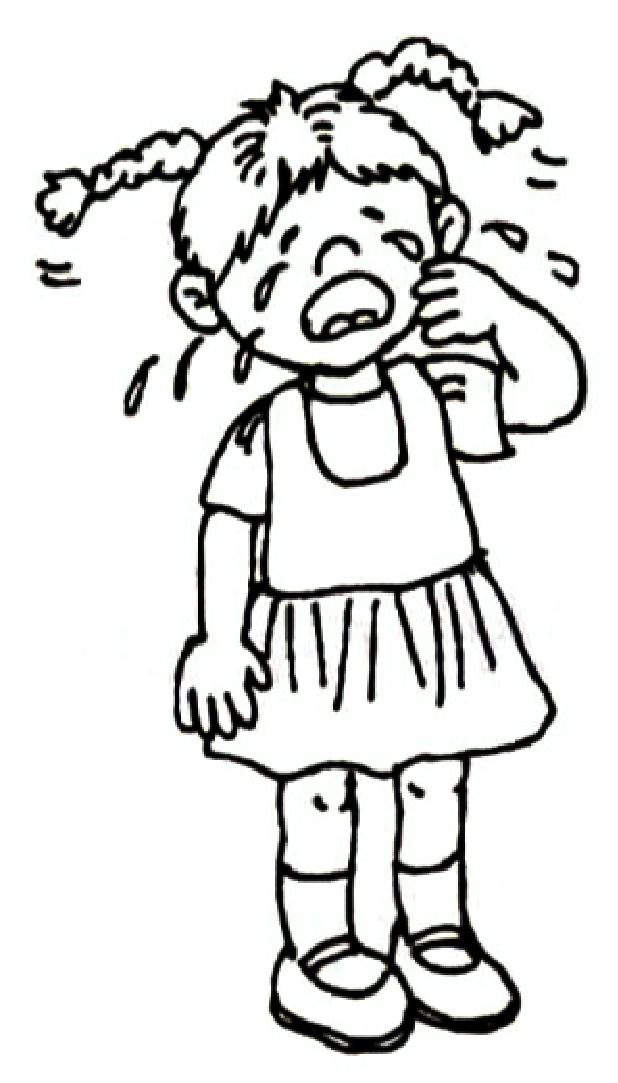
7
What is she doing? (cry)
She .
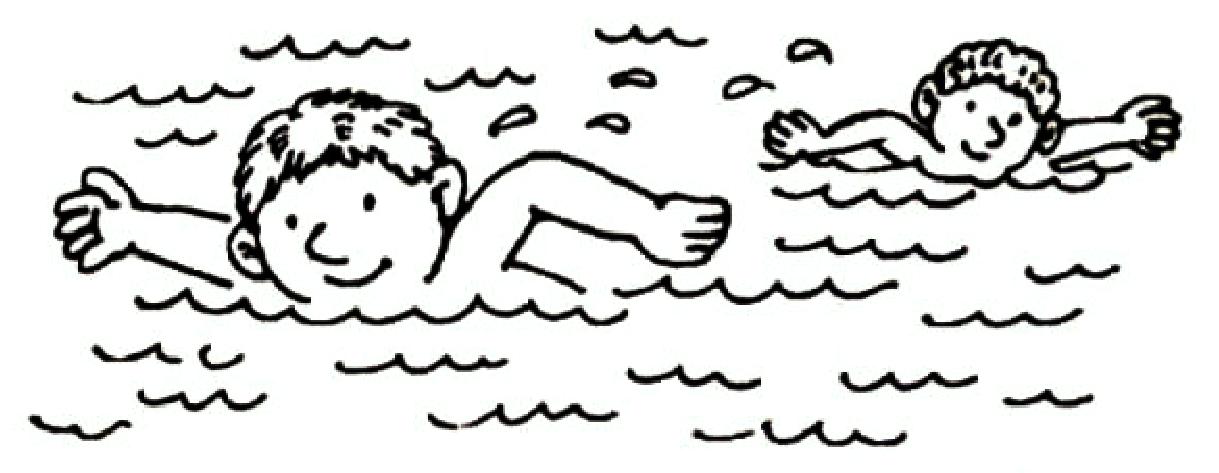
8
What are they doing? (swim)
They .
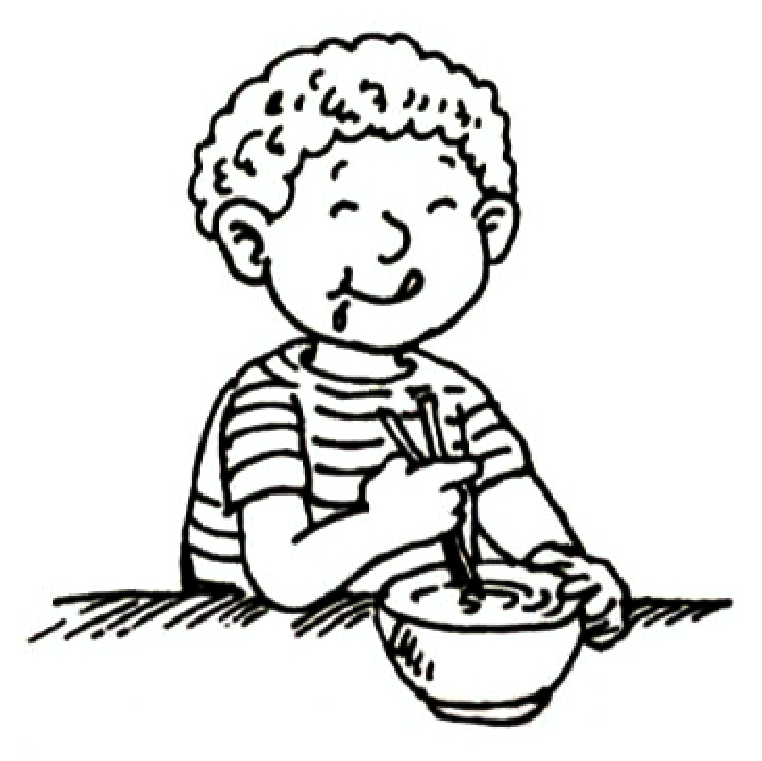
9
What are you doing? (eat)
I .
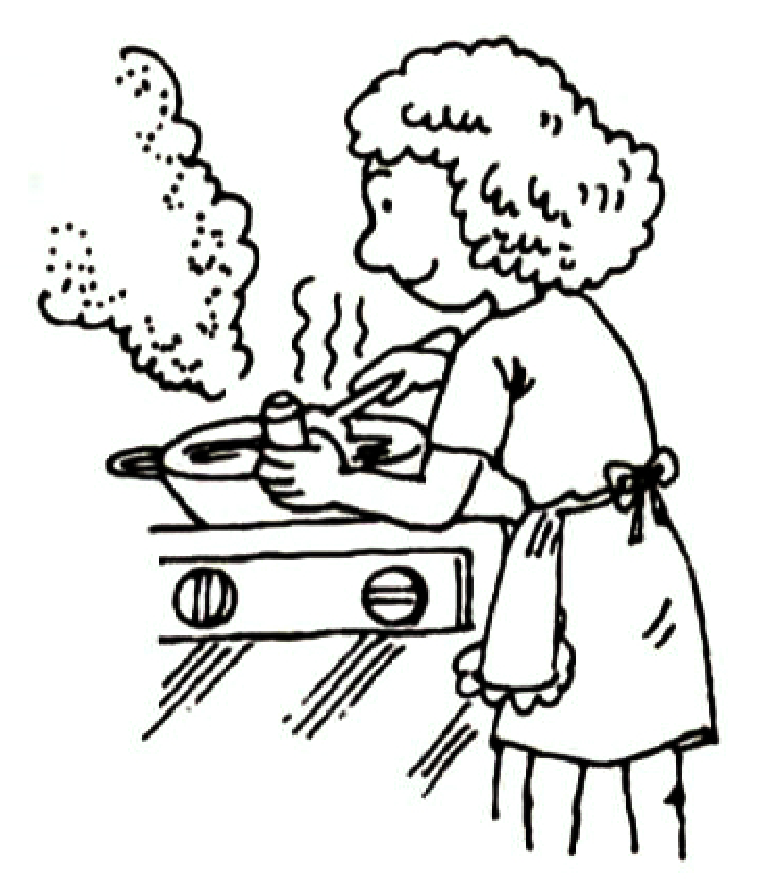
10
What is your mother doing? (cook)
She .
Page 64
(a) We use 'AND' to join two or more things together. When we use 'AND' to join two things together, the verb must be plural.
Examples
John and Mary are friends.
The elephant and the tiger are large animals.
(b) We may use 'AND' to speak of one person or thing with two qualities.
Examples
The police officer is brave and kind.
The soldier is tall and young.
(c) We use 'OR' to show that there are two things, but we can choose only one of the two things.
Examples
You can have roast chicken or fried fish.
Which toy do you want, the plastic boat or the wooden train?
More practice on 'and' and 'or'. Go to My SAPeducation App or http://sapgrp.com.sg/online-resources/english

Page 64
(d) We use 'UNDER' to show that something or someone is below a place or thing.
Examples
She is standing under the tree.
The mouse is hiding under the carpet.
(e) When something or someone is before another thing or person, we use 'IN FRONT OF'.
Examples
The tree is in front of the house.
There is a lady in front of me in the queue.
(f) When something or someone is at the back of something or someone, we use 'BEHIND'.
Examples
Sheila stood behind her mother on the bus.
The post office is just behind my house.
Page 65
Circle the correct answers.
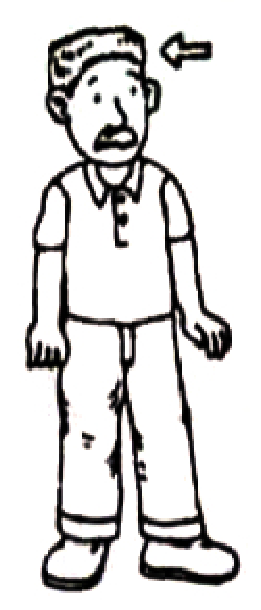
1
Mr Beck's hair is short ( and , or ) white.
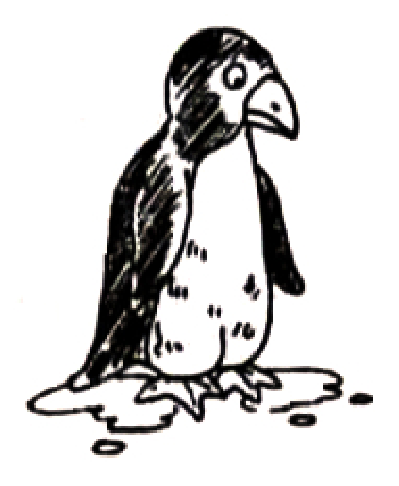
2
Is this a penguin ( and , or ) a seal?
3
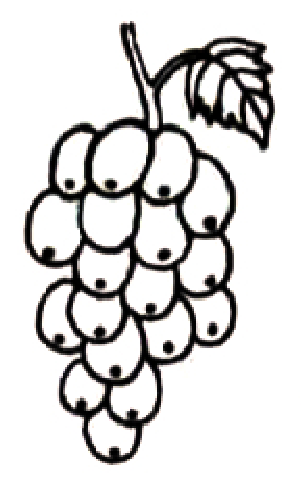
The grapes are sweet ( and , or ) juicy.
4
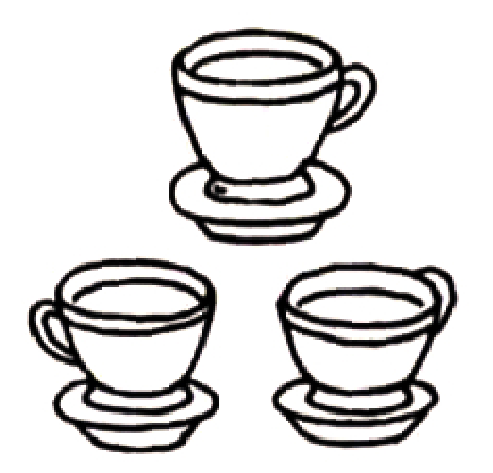
These are cups ( and , or ) saucers.
5
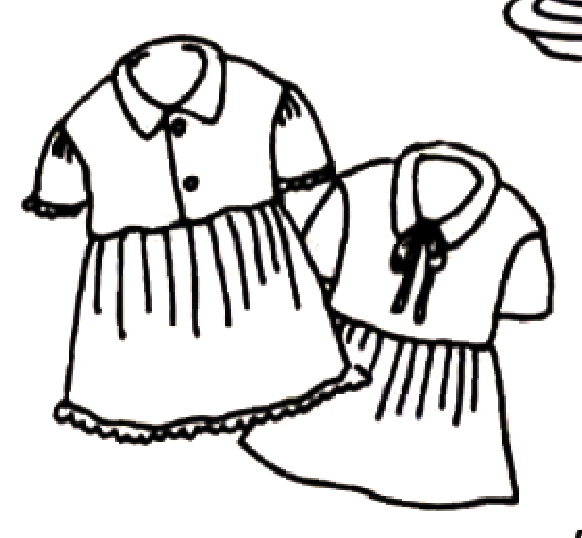
Which dress do you like, the one on the left ( and , or ) the one on the right?
6
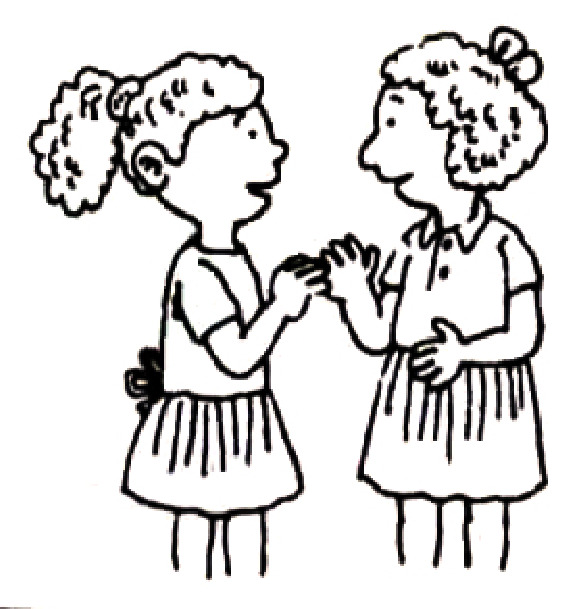
Sharon ( and , or ) Sally are talking to each other.
7
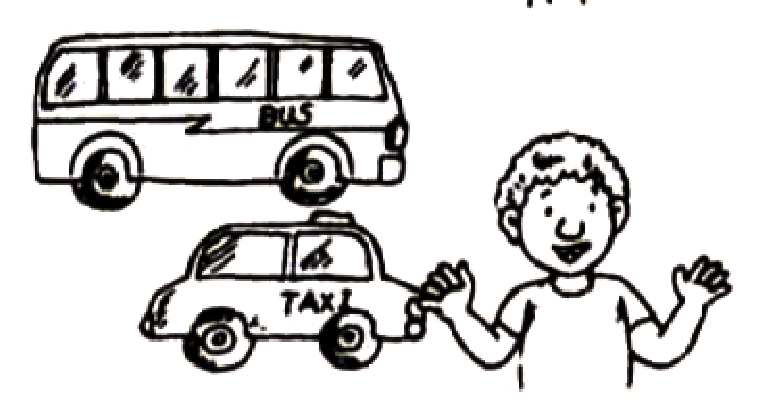
Are they coming by bus ( and , or ) taxi?
8
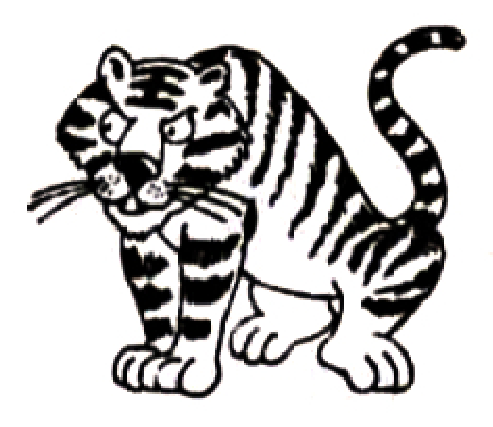
Is this a tiger ( and , or ) a leopard?
9
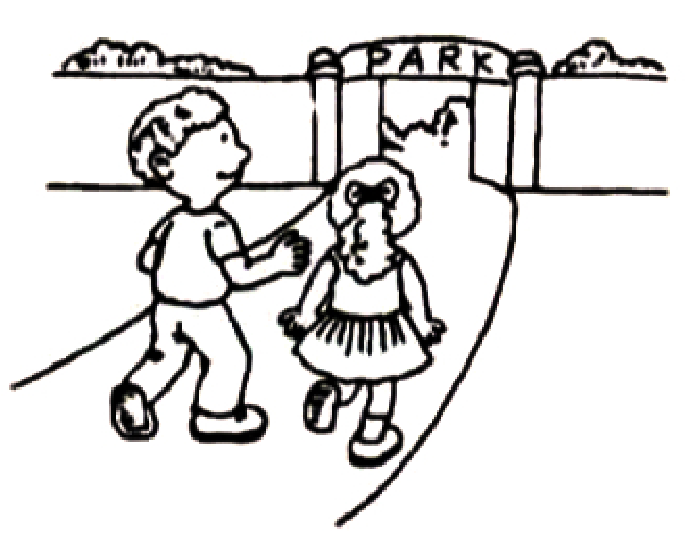
John ( and , or ) Jane are going to the park.
10
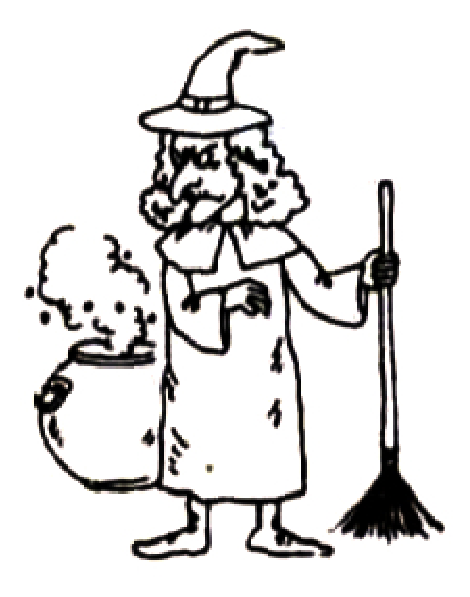
The witch is old ( and , or ) ugly.
Page 66
We use the present continuous tense when we use 'AM', 'IS' or 'ARE' with a verb in its '-ING' form.
Examples:
I am walking home today.
John is playing football in the field.
Jasmine is sweeping the floor.
The boys are doing their homework.
My mother is cooking chicken curry for us.
The children are watching television.
Gary is doing his homework on the computer.
Page 67
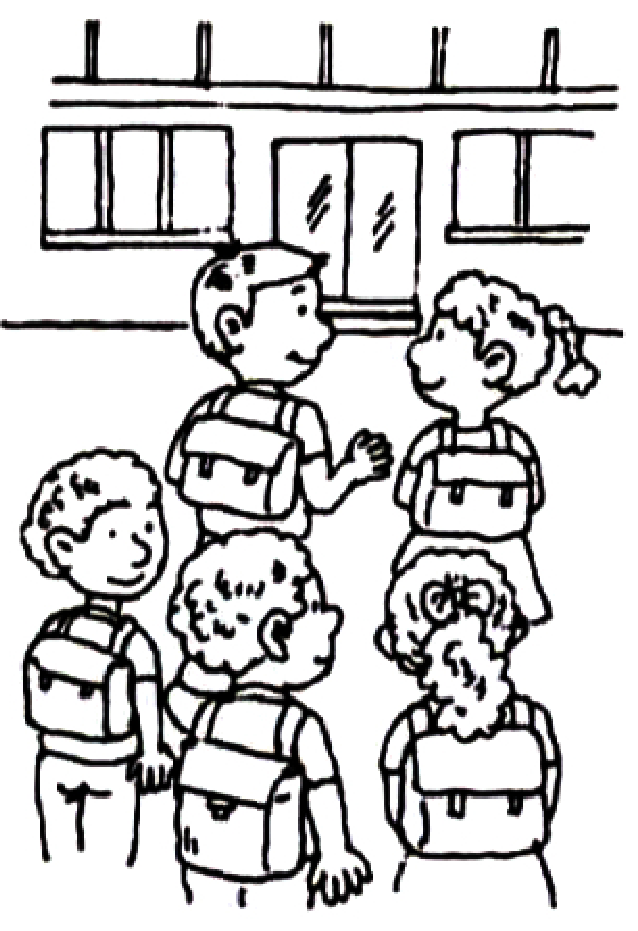
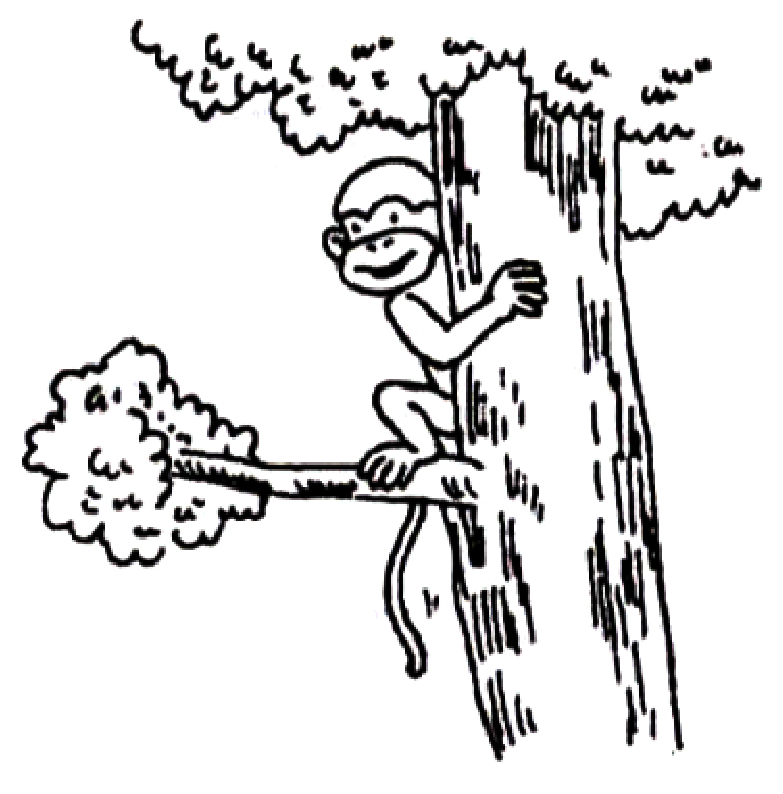
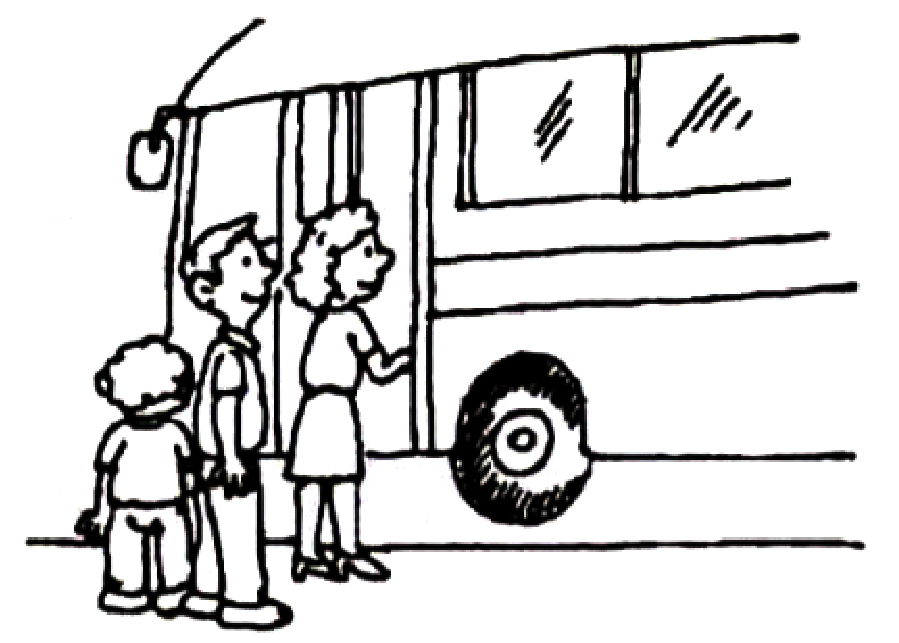
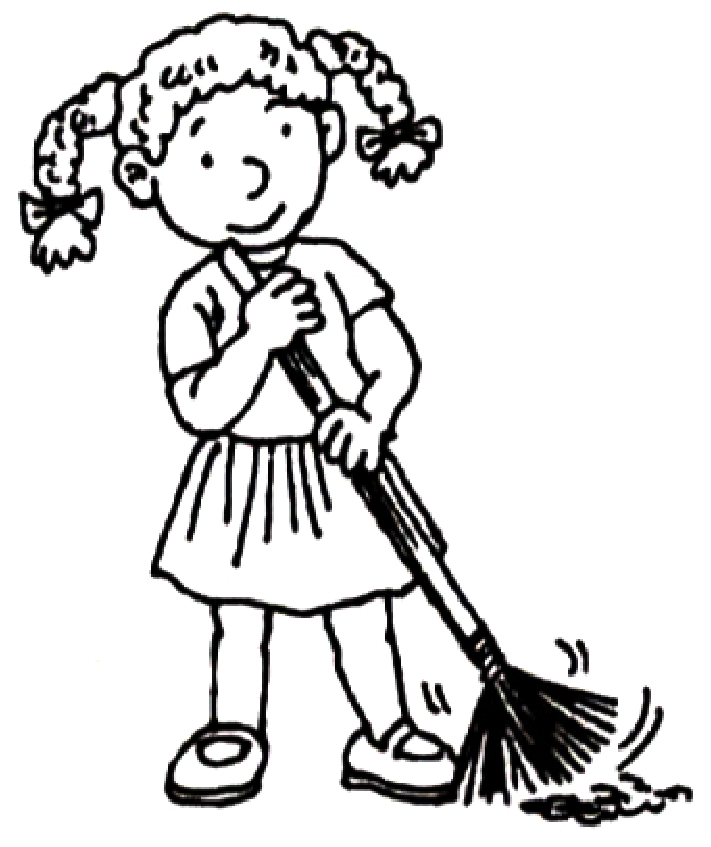
Choose the correct answer and put a tick (✓) in its box.
1
The children to school.
2
The monkey up the tree.
3
We the bus home.
4
I the floor.
5
The birds in the sky.
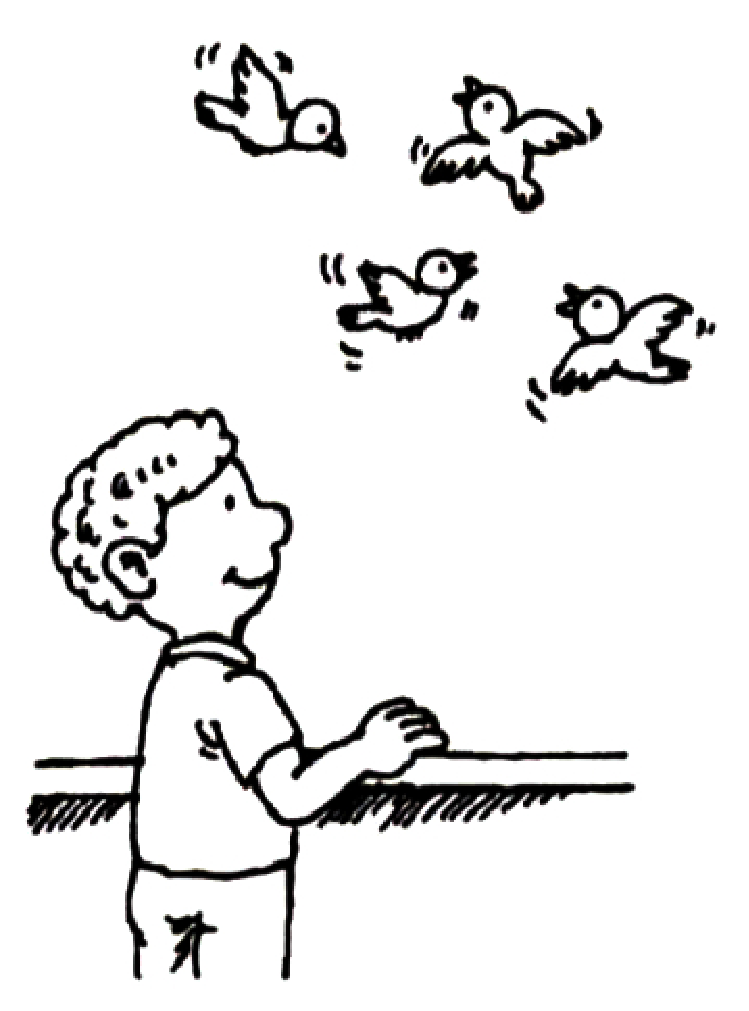
Page 68
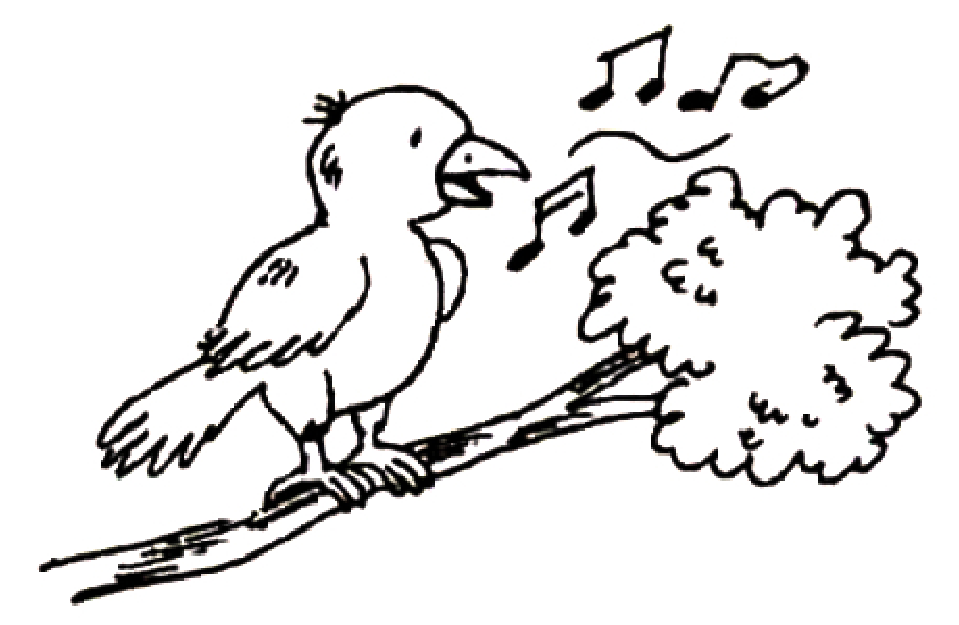
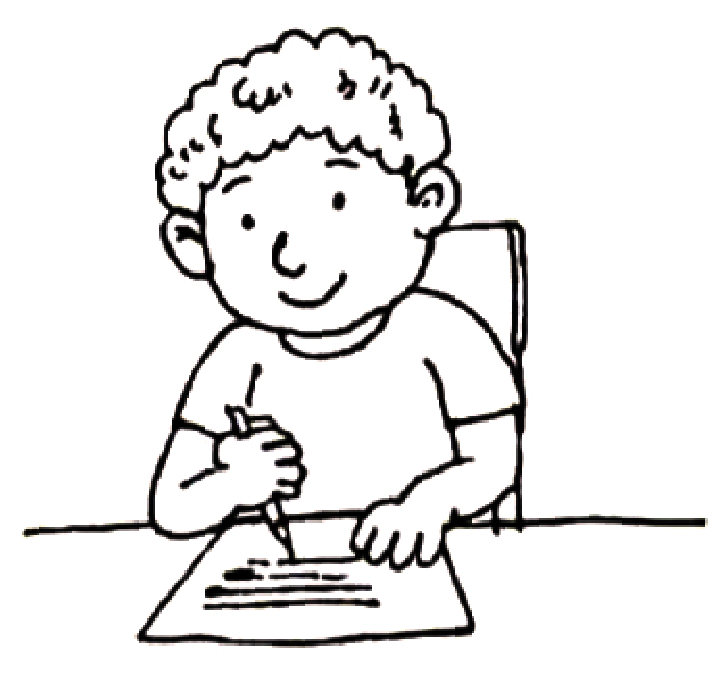
Look at the pictures. Answer the questions with the help of the words in brackets.
What is the girl doing? (read)
She is reading.
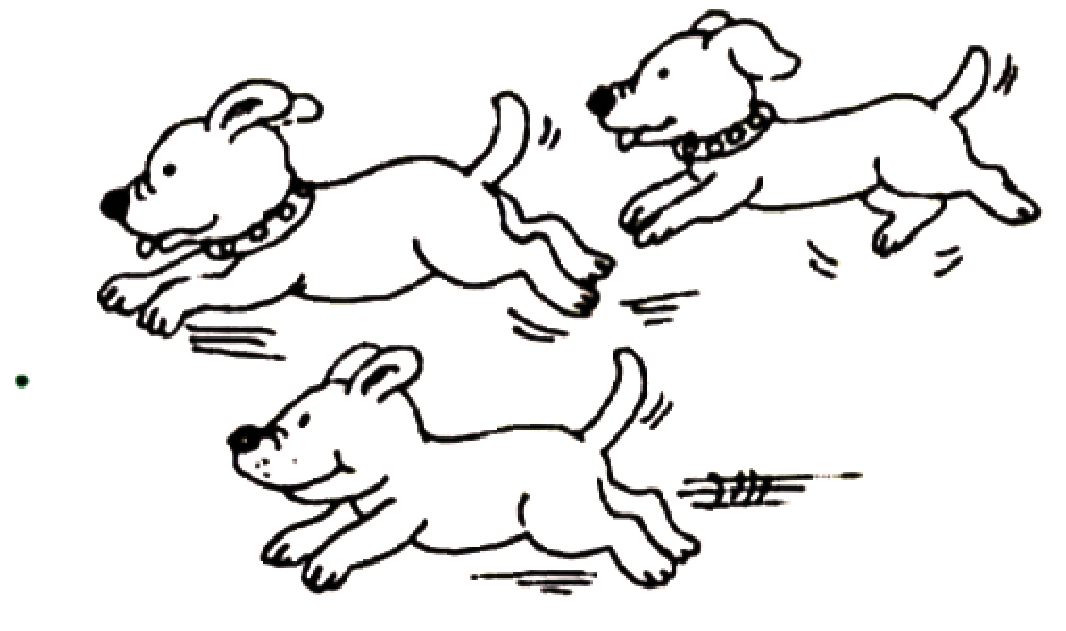
1
What are the dogs doing? (run)
They .
2
What is the bird doing? (chirp)
It .
3
What are you doing? (write)
I .
4
What am I doing? (talk)
You .
5
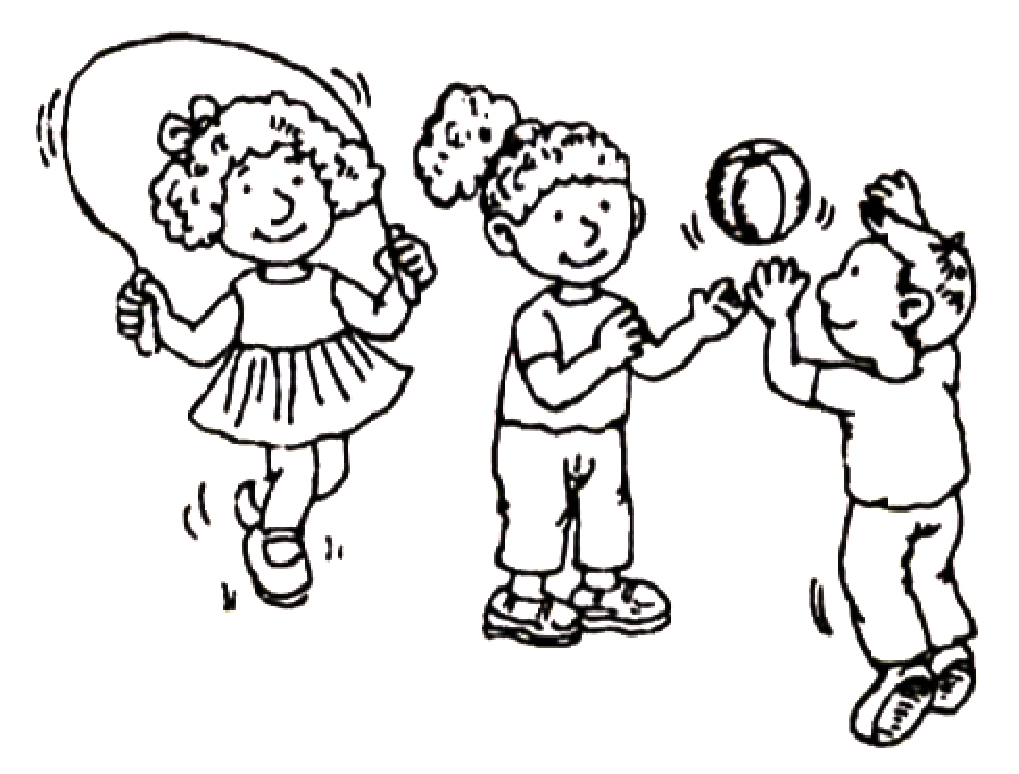
What are the children doing? (play)
They .
Page 68
6
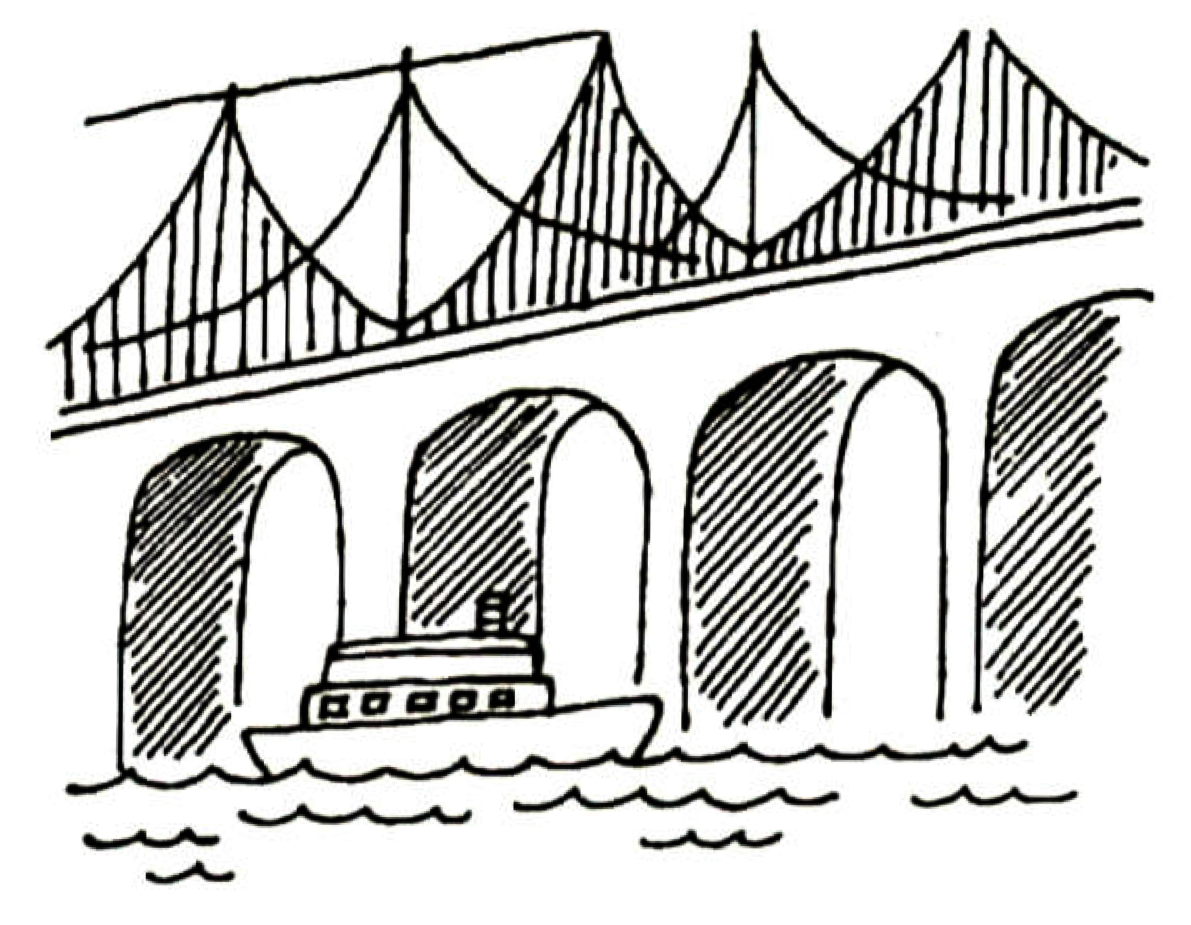
The boat is going the bridge.
7
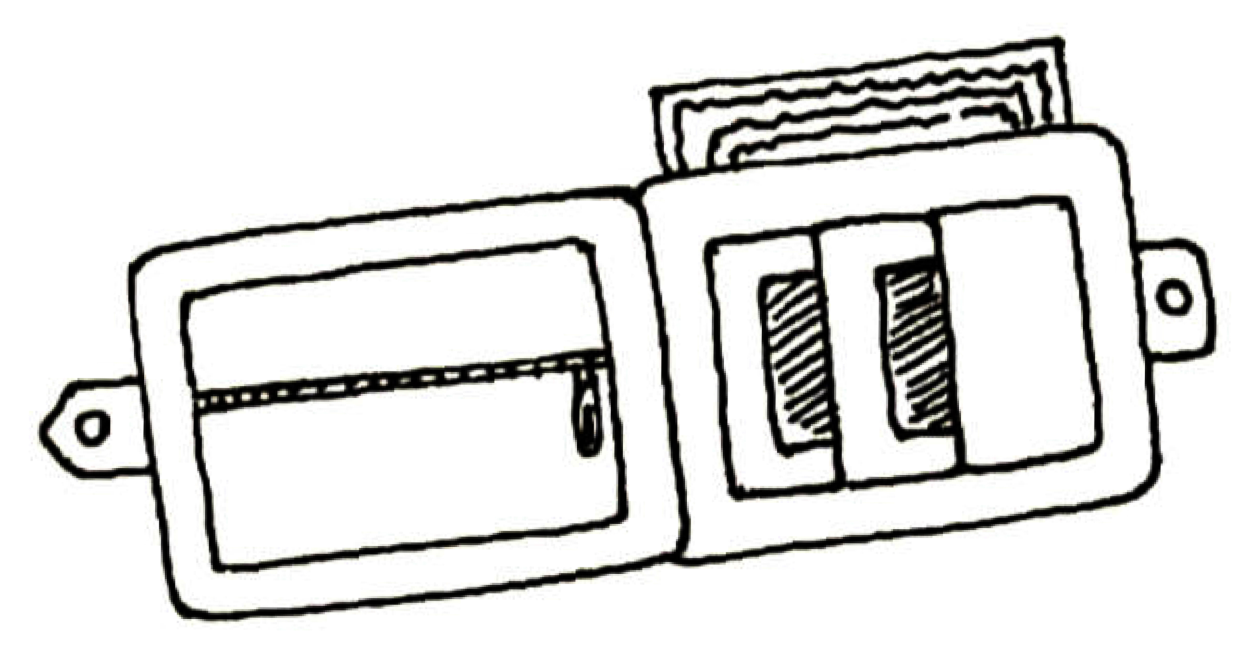
The money is the wallet.
8
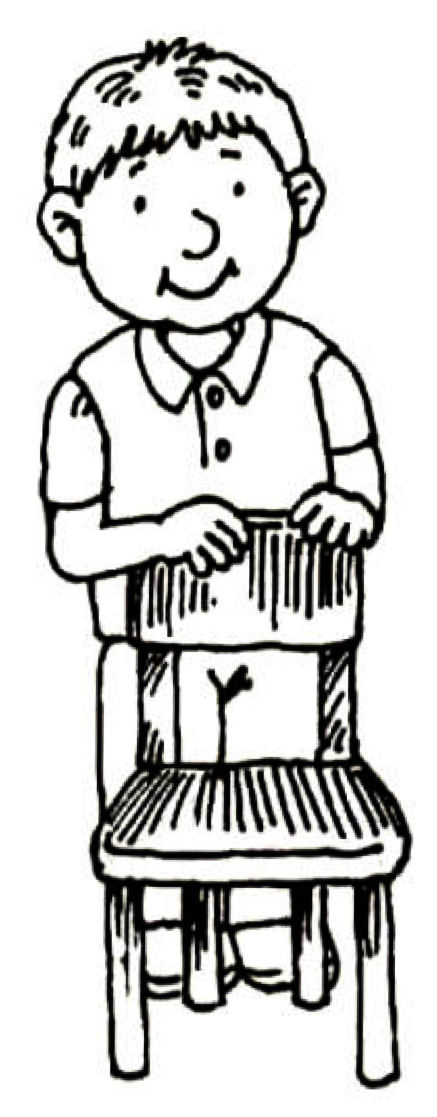
Peter is standing the chair.
9
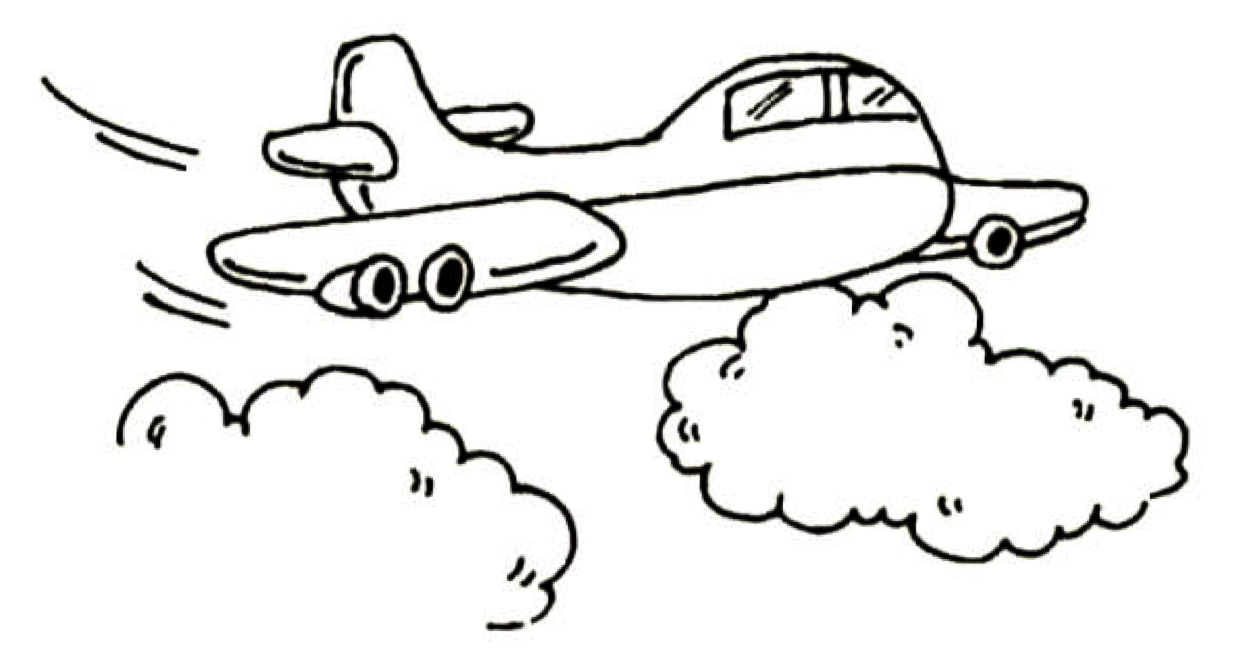
The aeroplane is flying the clouds.
10
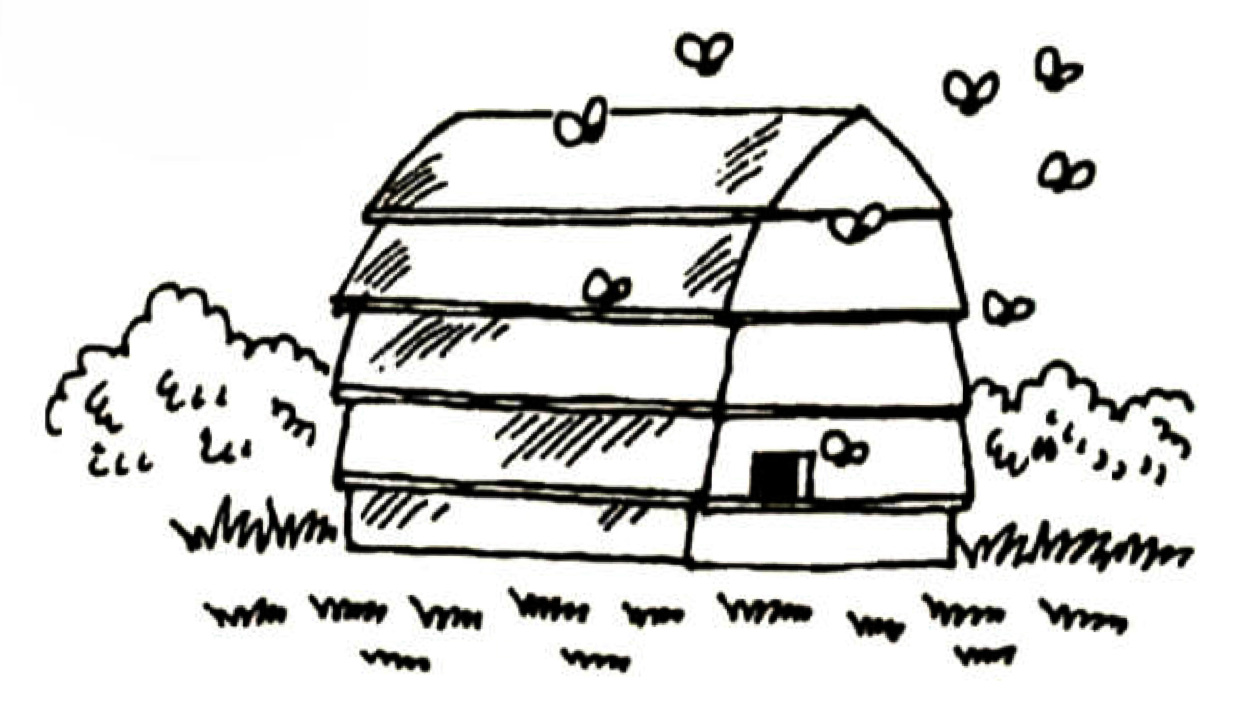
Bees live a hive.
Page 70
1
(a) We use 'ON' for things that we put or leave somewhere.
Examples
There is a picture on the wall.
The glass is on the table.
2
(b) We use 'IN' to show that something or someone is 'inside' a place or something else.
Examples
Mother is in the kitchen.
The money is in the red box.
3
(c) When we want to show that there is something at a place higher than another thing, we use 'ABOVE'.
Examples
The helicopter is flying above that building.
The lamp is hanging above the table.
Page 70
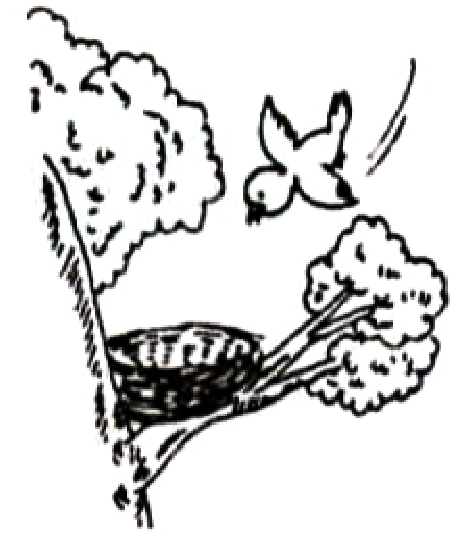
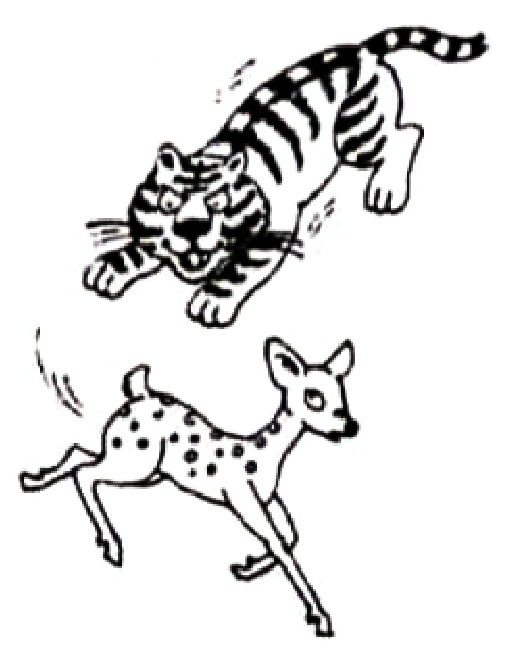
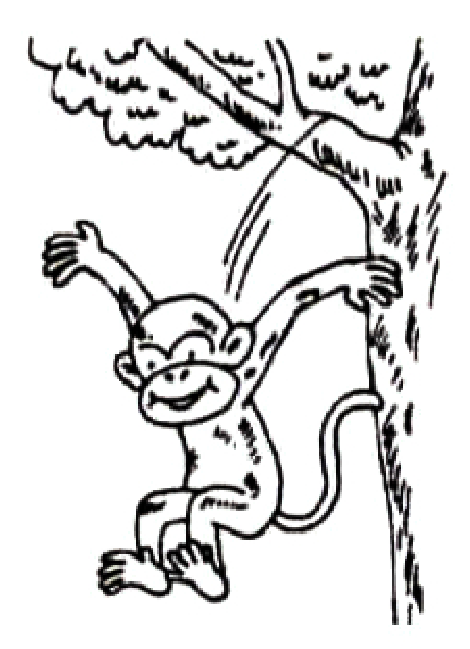
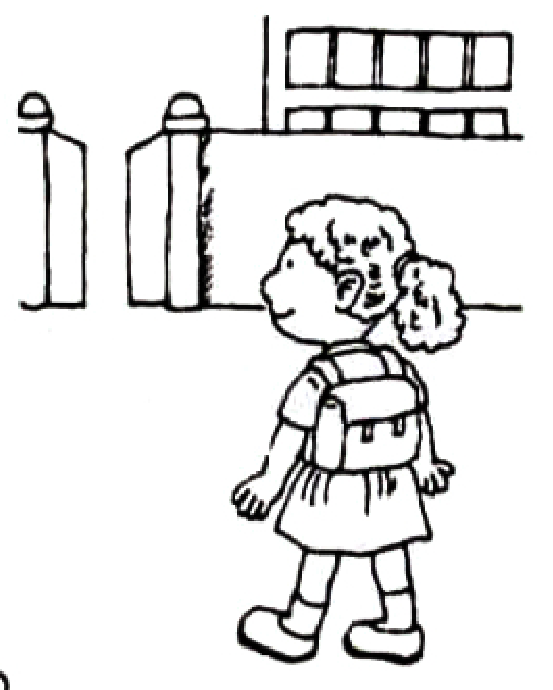
Look at the pictures. Fill in each blank with 'to' or 'from'.
to
from
1
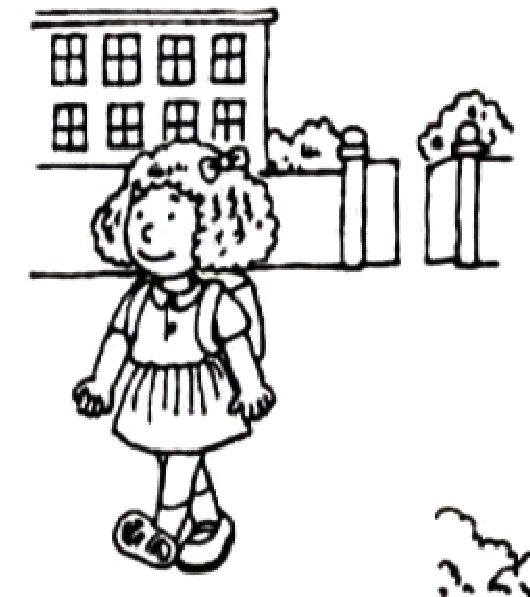
Mary is going home school.
2
The bird is flying back its nest.
3
The deer is running away the tiger.
4
The monkey jumps down the tree.
5
I walk school every day.
6
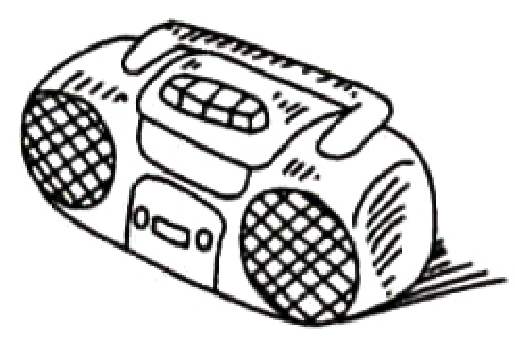
This radio is Japan.
7
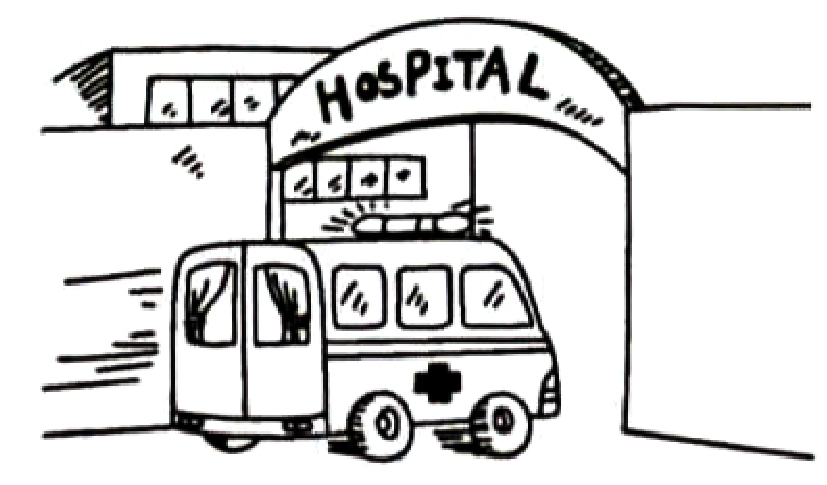
The ambulance is going the hospital.
8
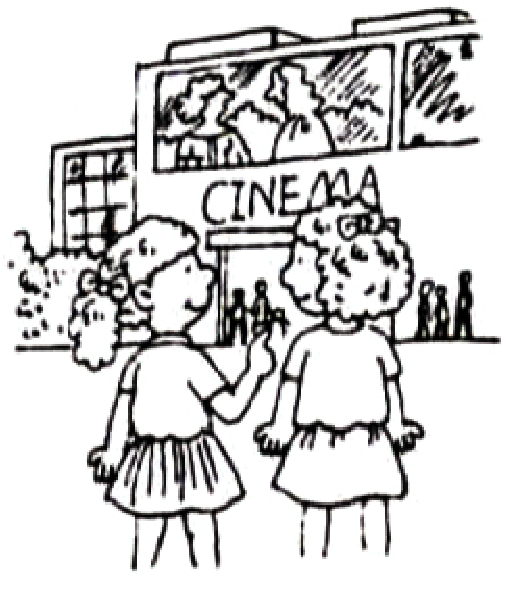
We are going the cinema.
9
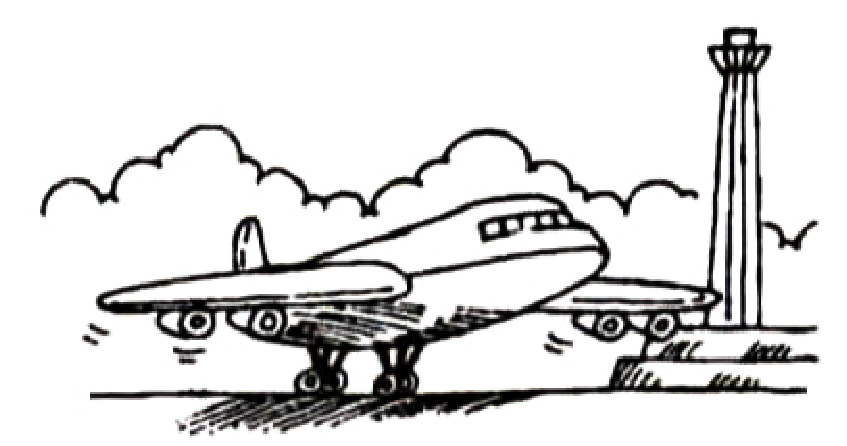
The aeroplane takes off the runway.
10
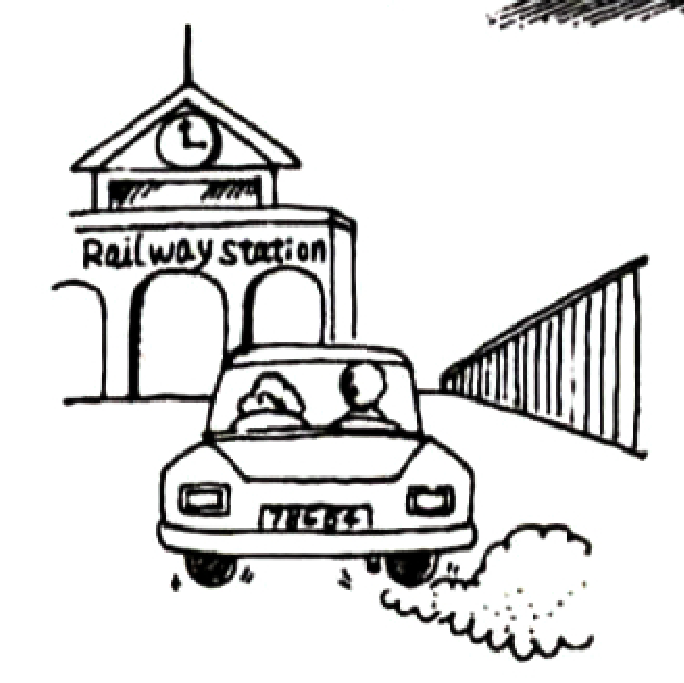
I am sending my sister the railway station.
Page 71
1
(a) When we give commands, we often do not use names or pronouns.
Examples
Come here. Don't disturb the baby.
Take your medicine after your lunch.
Go to the room to collect your books now.
2
(b) When we make requests, we usually use 'PLEASE'.
Examples
Please switch off the lights.
Please post this letter for me.
Please take your medicine after dinner.
Page 72
Underline the correct answers.
1
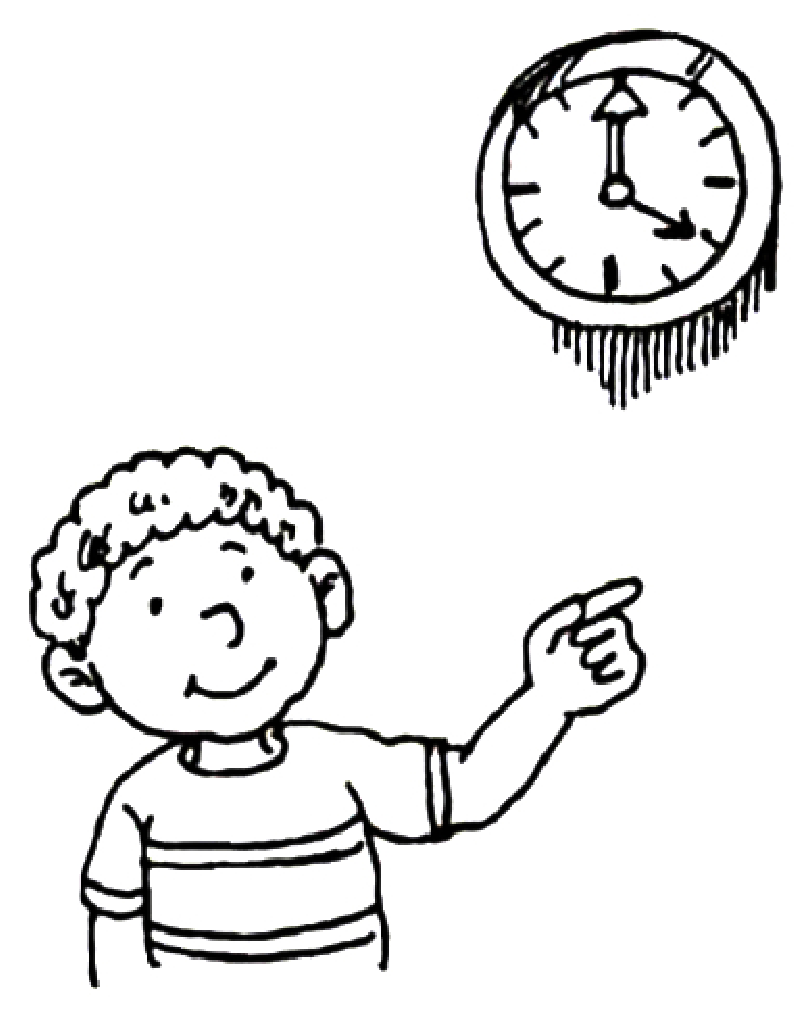
The clock is ( on , in ) the wall.
2
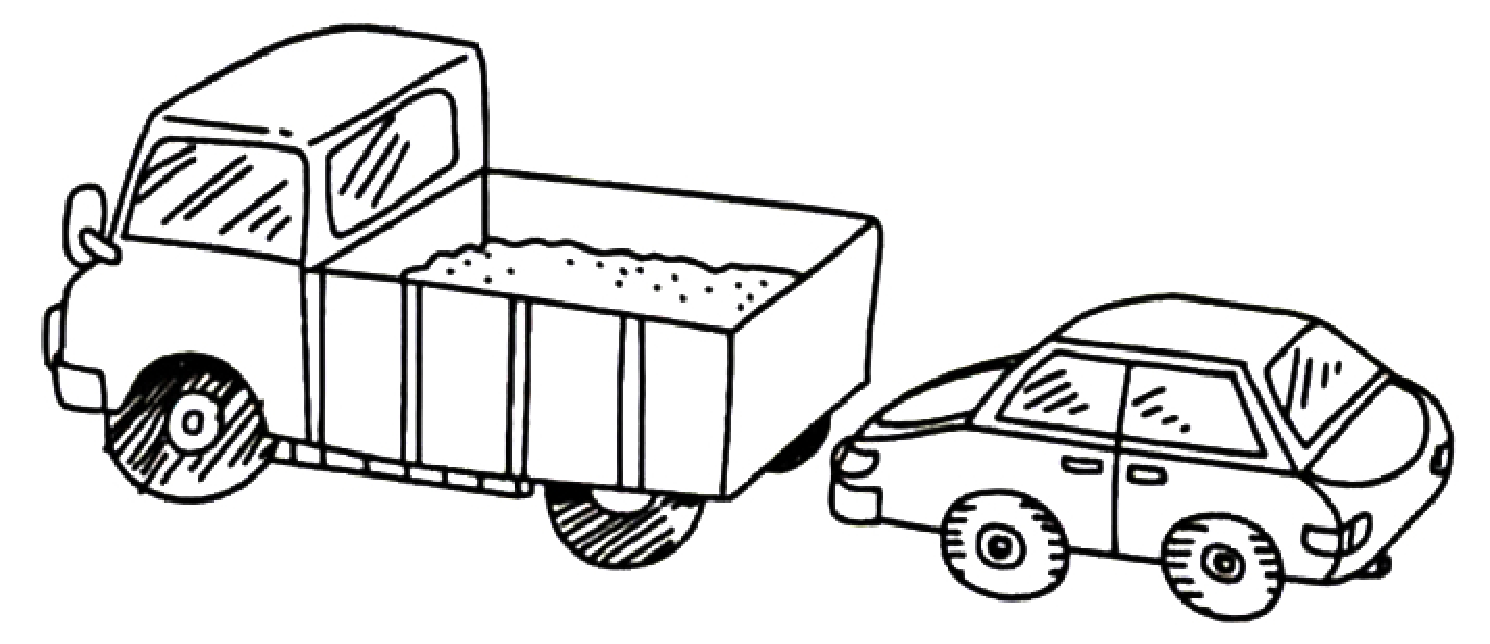
The car is ( in front of , behind ) the lorry.
3
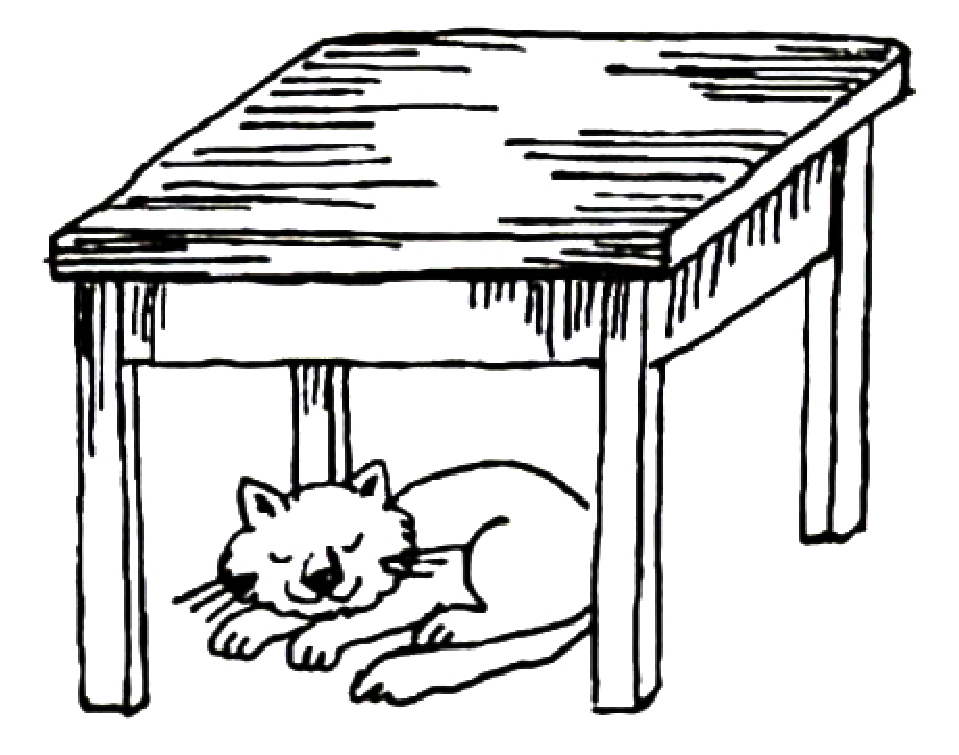
The cat is ( above , under ) the table.
4
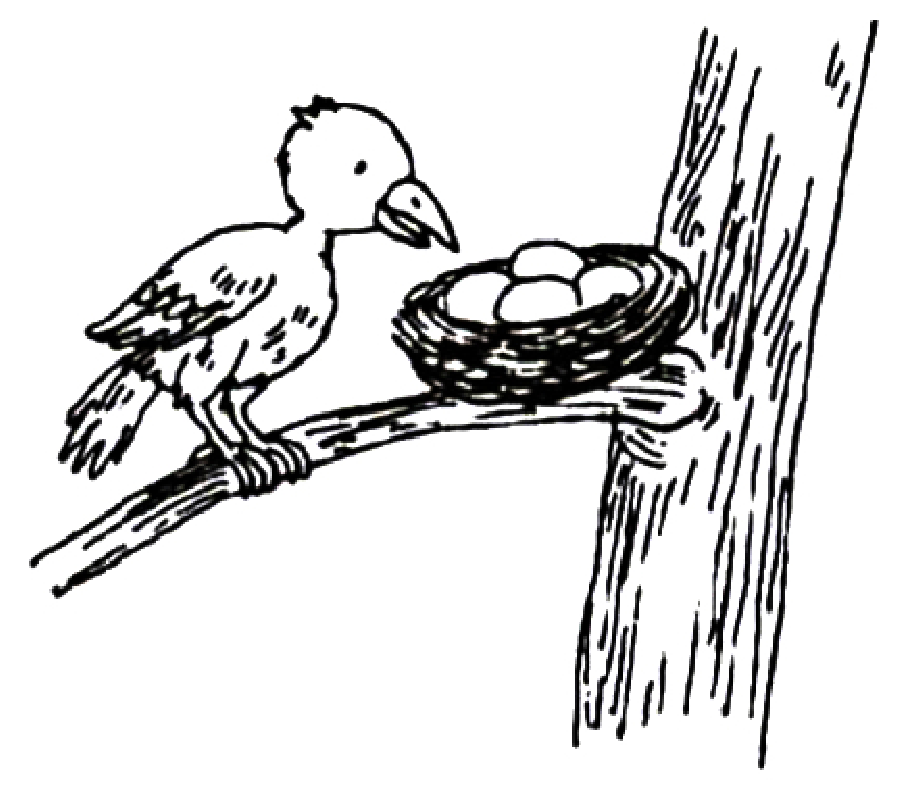
The eggs are ( in , on ) the nest.
5
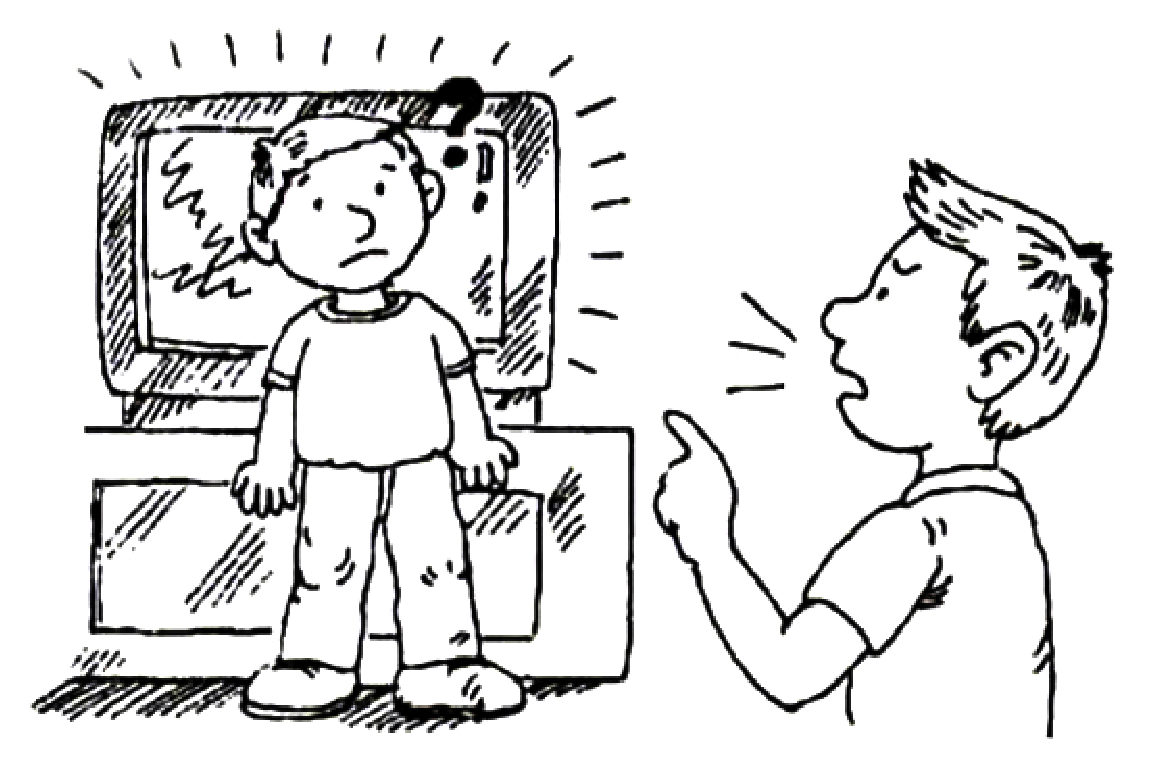
Do not stand ( under , in front of ) the television.
Page 73
6
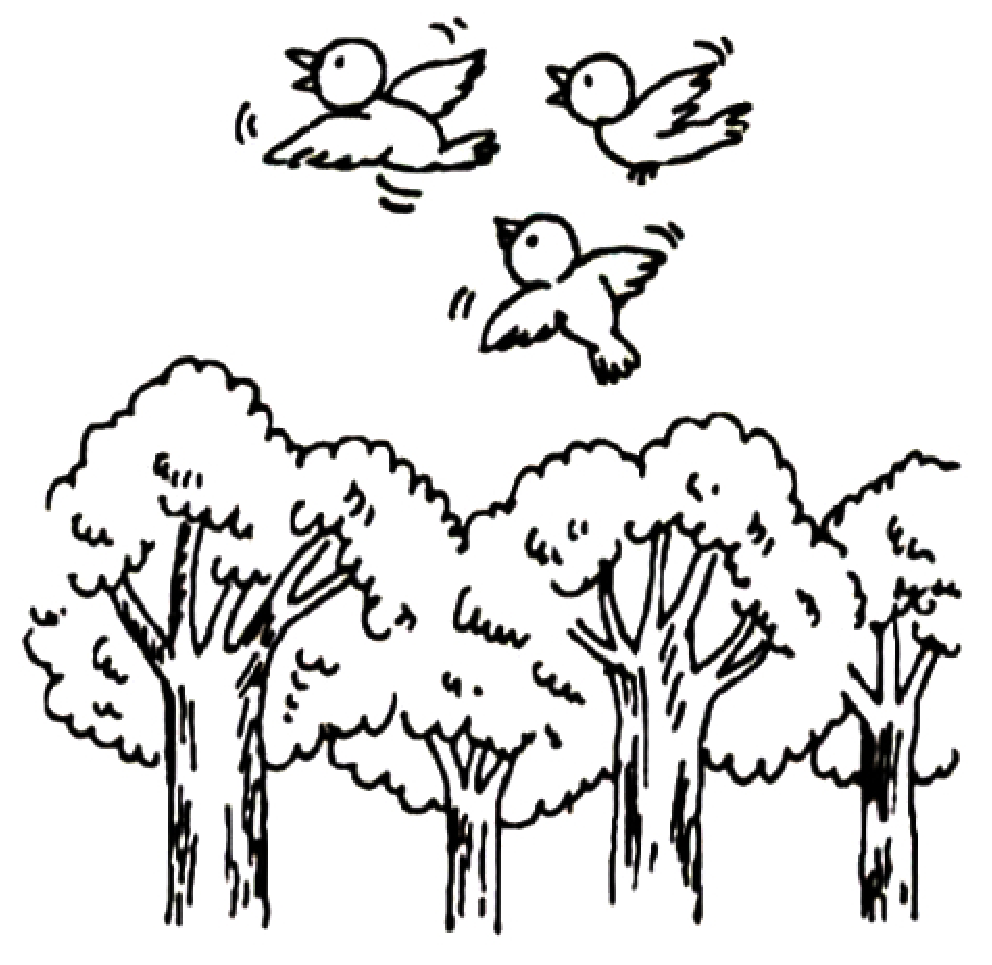
The birds are flying ( above , on ) the trees.
7
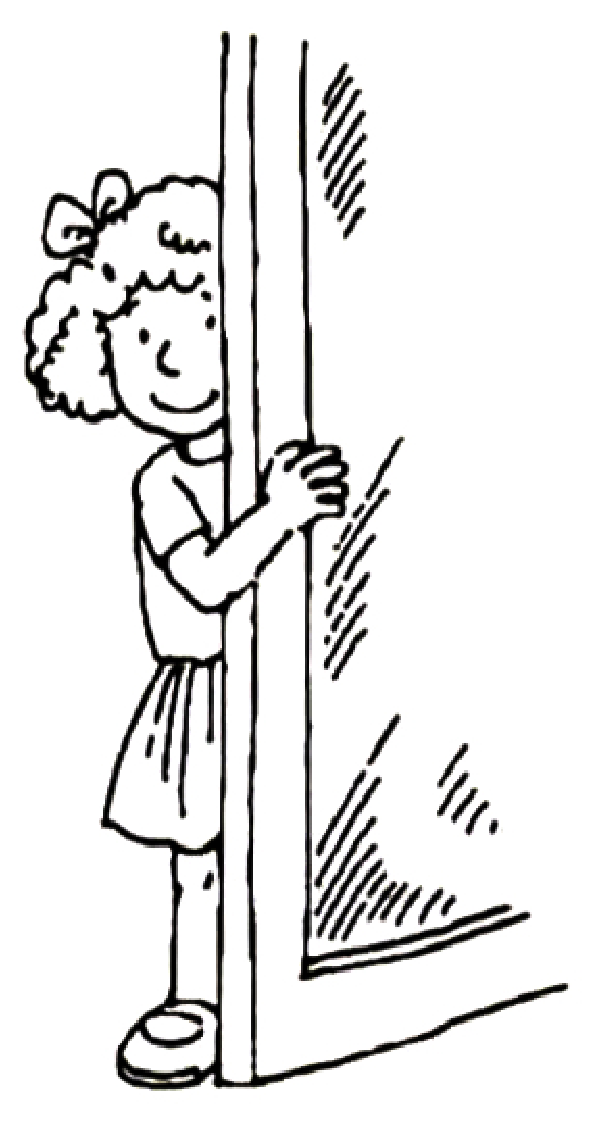
Sharon is hiding ( under , behind ) the door.
8
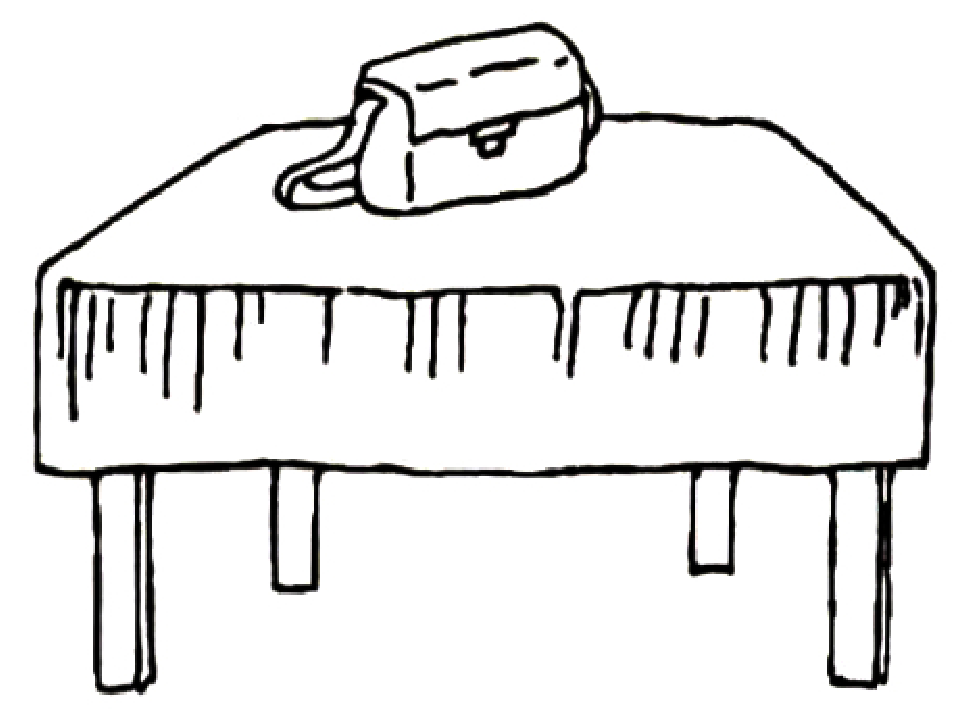
The bag is ( on , above ) the table.
9
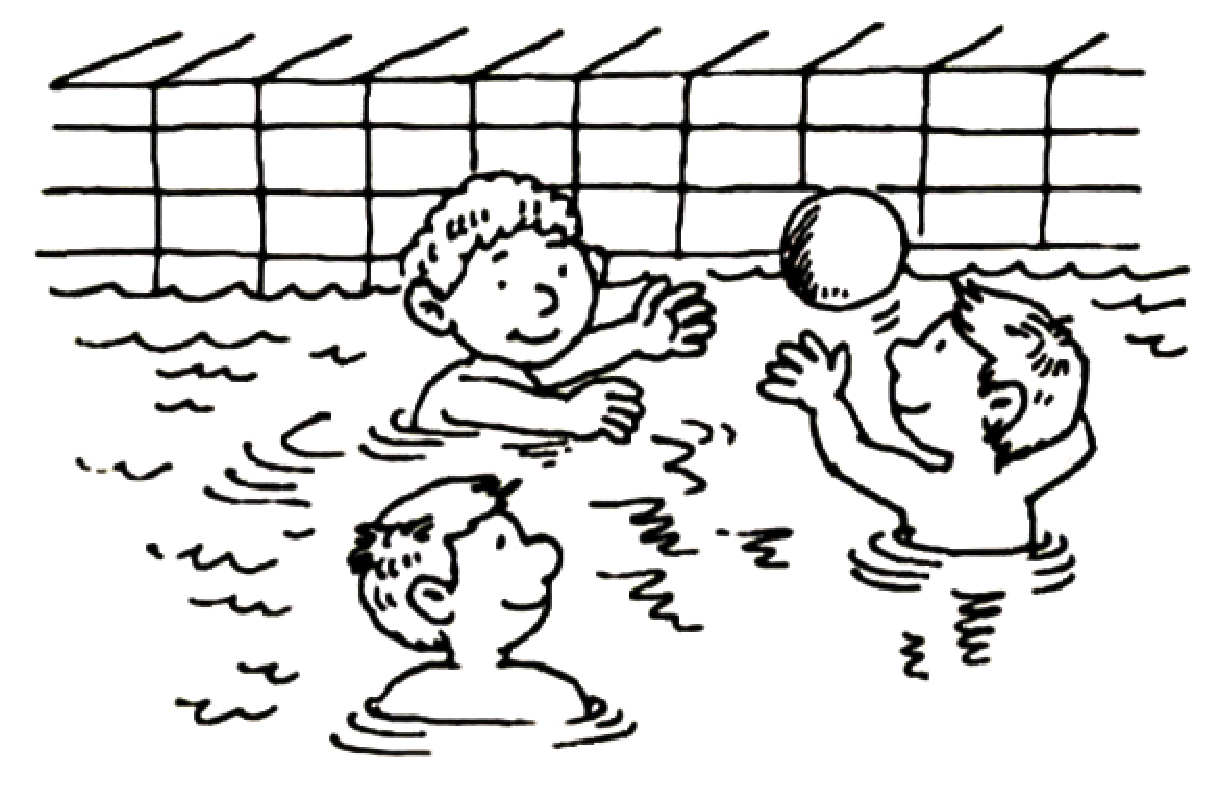
The boys are ( under , in ) the pool.
10
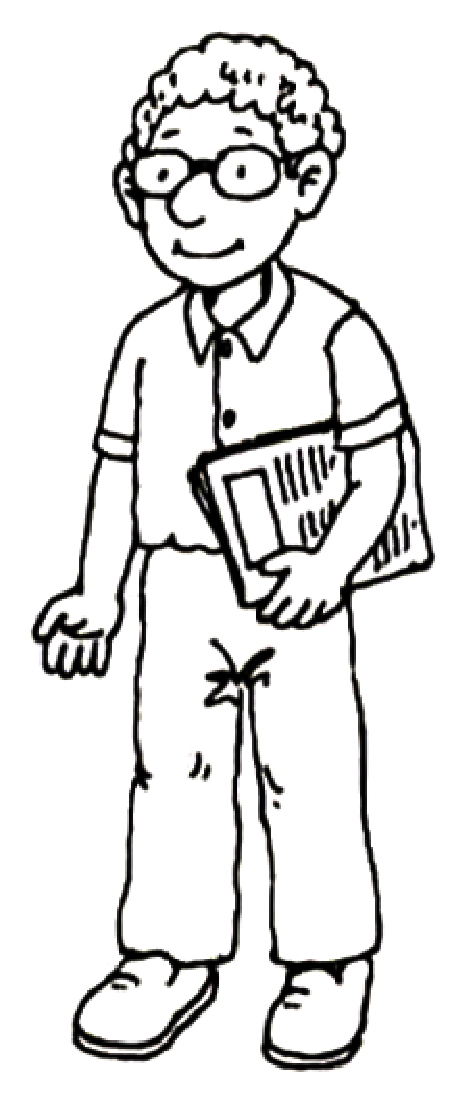
Mr Lawson is carrying a newspaper ( behind , under ) his arm.
Page 74
Fill in each blank with the help of the words in the box.
on
in
above
behind
under
in front of
1
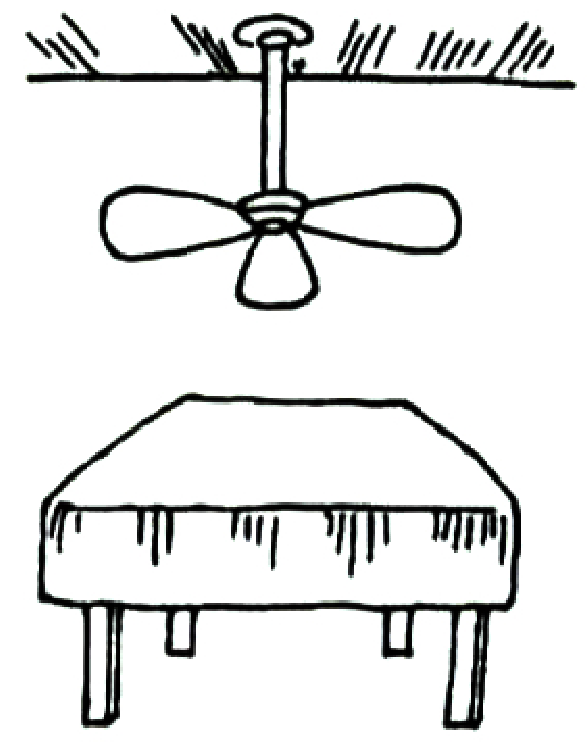
The fan is the table.
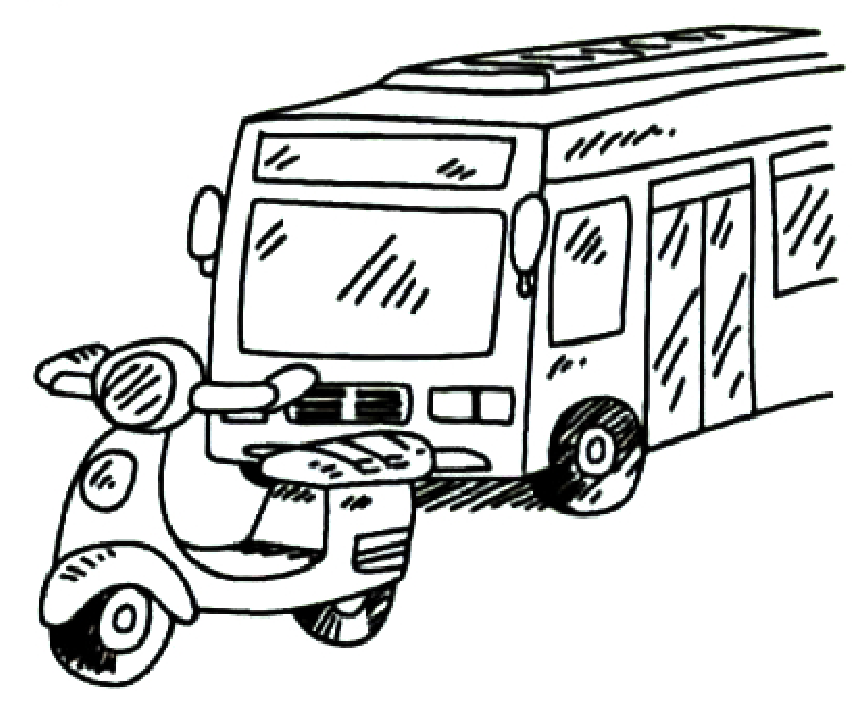
2
The scooter is the bus.
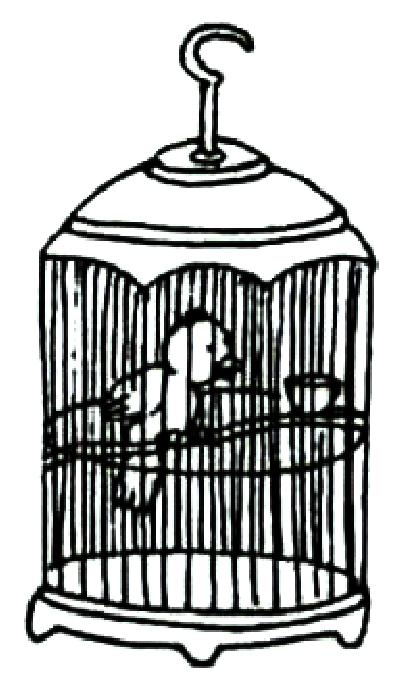
3
The bird is the cage.
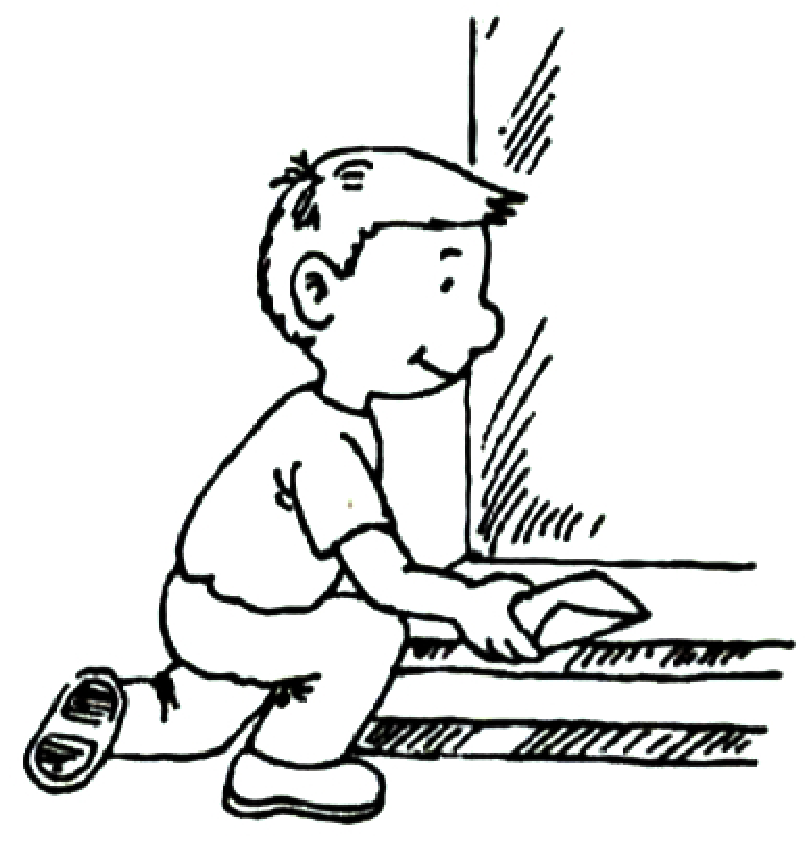
4
Please slip this letter the door.
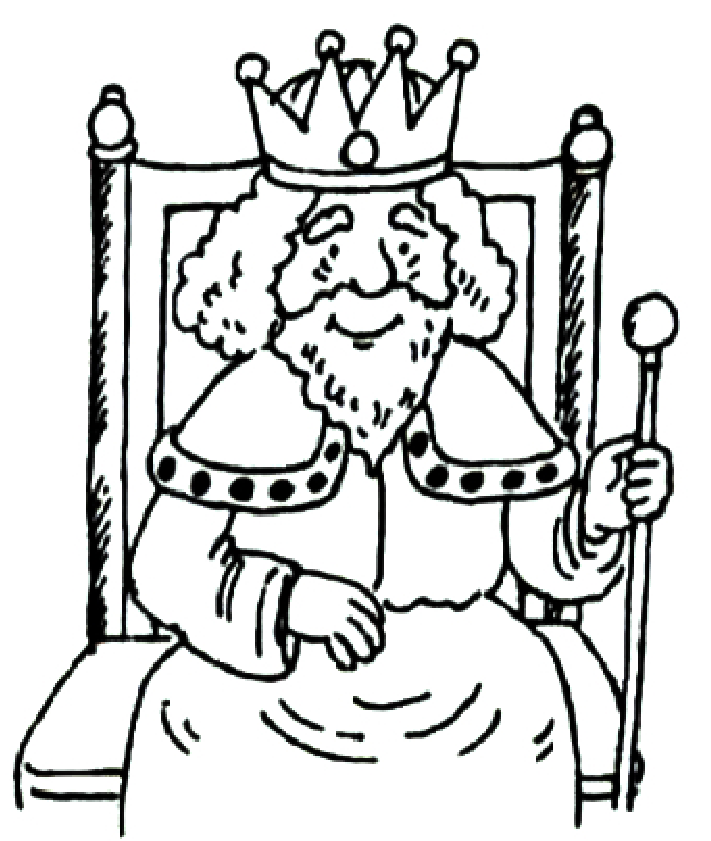
5
A king wears a crown his head.
Page 74
3
4
5
6
Page 75
When we use uncountable nouns, we must make sure that the verb is singular.
(a) Liquids and fluids
Examples
There is water in the jug.
The milk is sour.
There is oil on this plate.
There is blood on the floor.
(b) Substances
Examples
Butter is used to bake a cake.
Bread is made from wheat flour.
Jam is sweet.
Wood is used to make furniture.
(c) Metals
Examples
Gold is yellow.
Silver is shiny.
Page 76
1
(a) We use 'TO' to show that something or someone is moving towards a place or something else.
Examples
Jason goes to school.
My sister walks to her office.
The boy is running to his mother.
Mrs Thomson is going to the market.
The ship is sailing to Singapore.
2
(b) We use 'FROM' to show that something or someone is moving away from a place or something else.
Examples
The wind is coming from the north.
The thief is running from the police.
Mother comes home from the market.
My parents have just returned from Canada.
They are moving the computers from the room to the hall.
Page 77
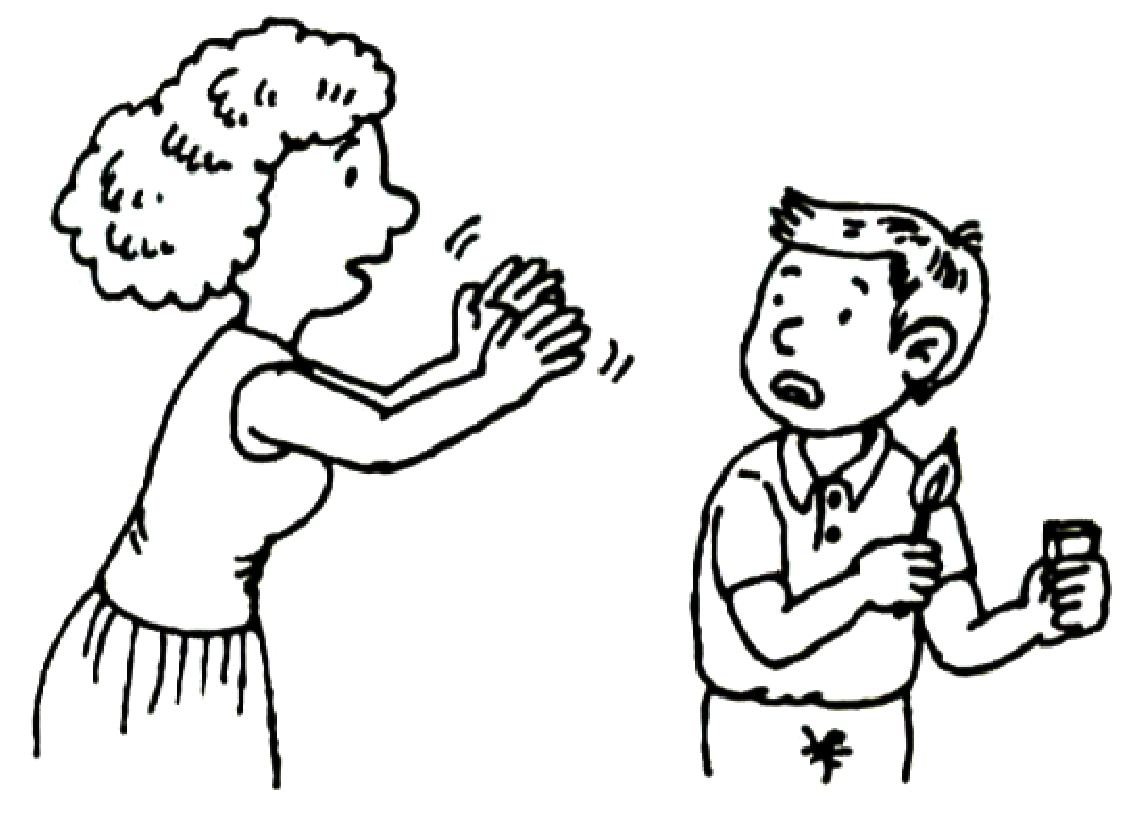
6
Don't play with ( water , fire ).
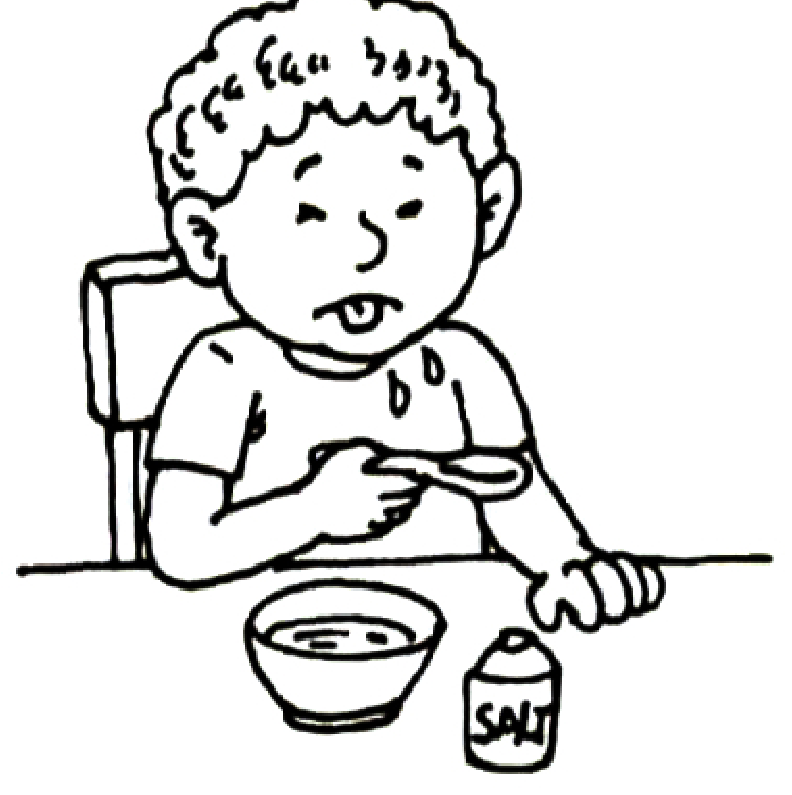
7
There is too much ( salt , sugar )
in the soup.
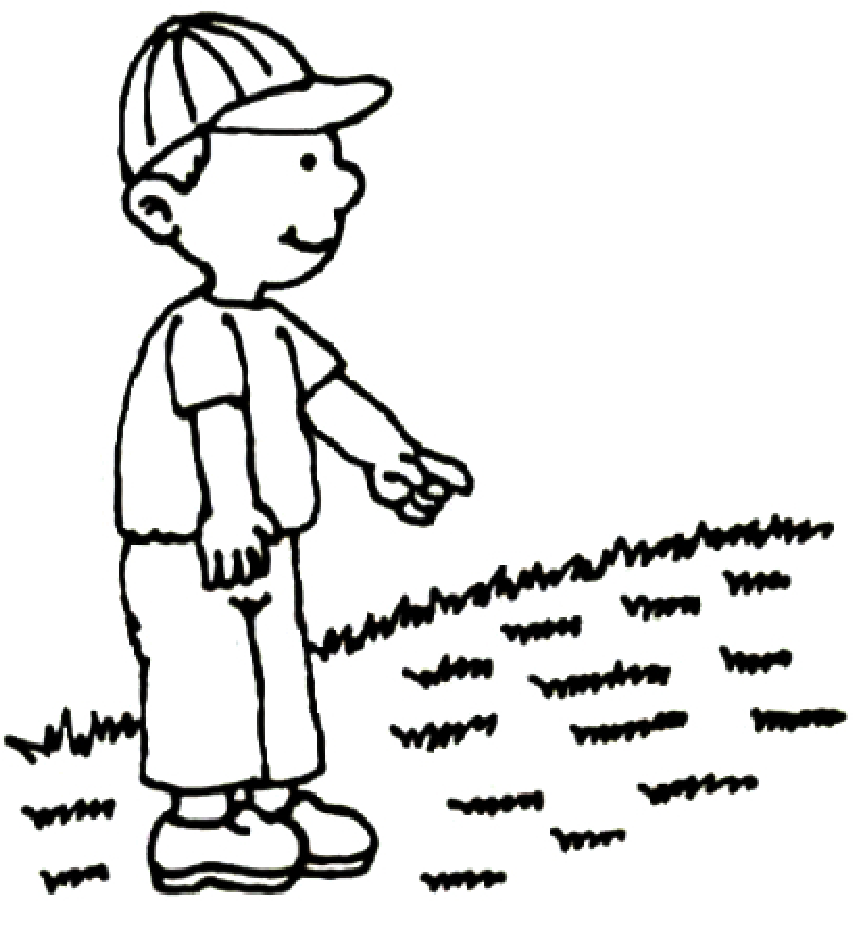
8
The field is covered with ( water , grass ).
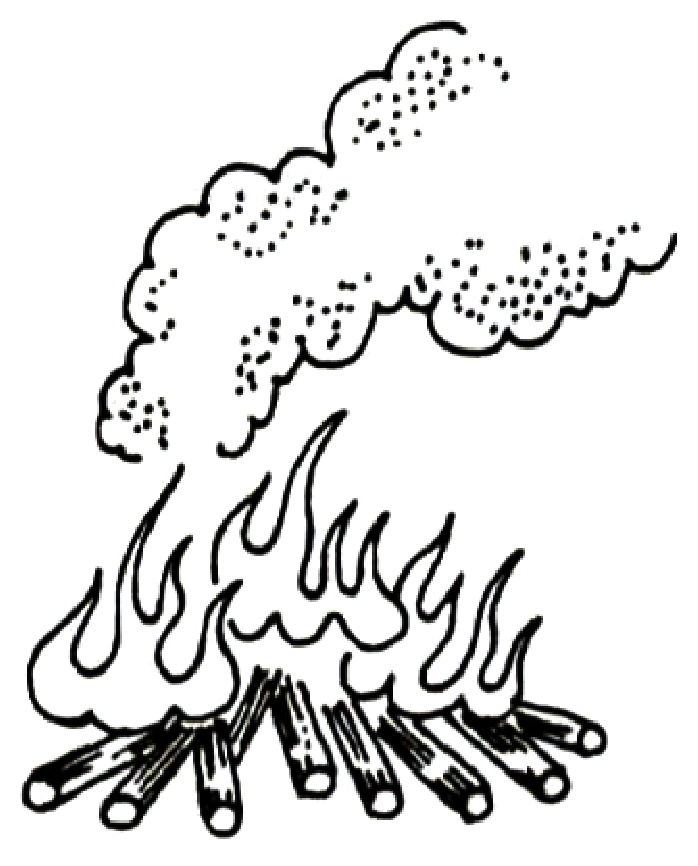
9
There is ( smoke , cloud ) coming
from the burning wood.
10
The ( bread , cake ) is homemade
and it tastes delicious.
Page 79
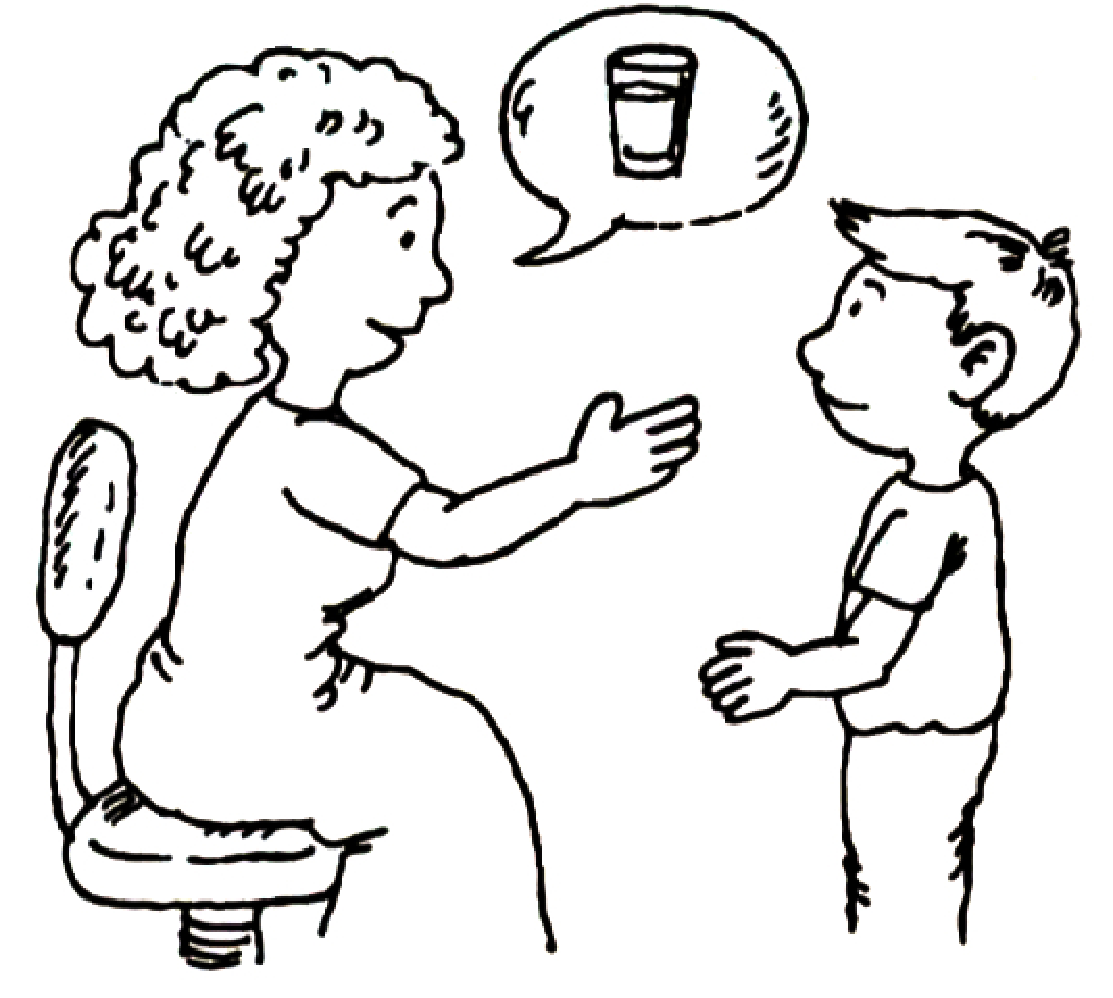
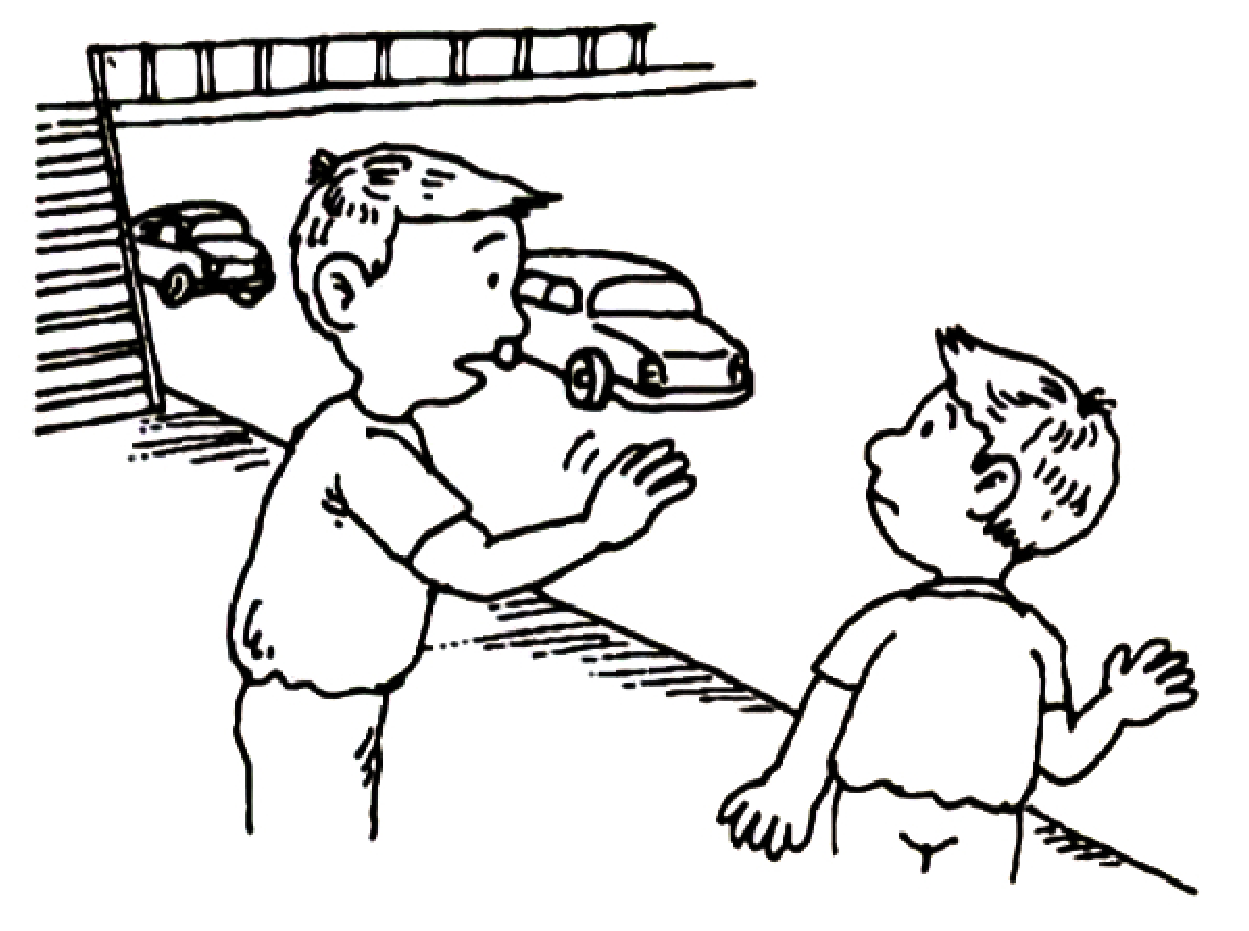
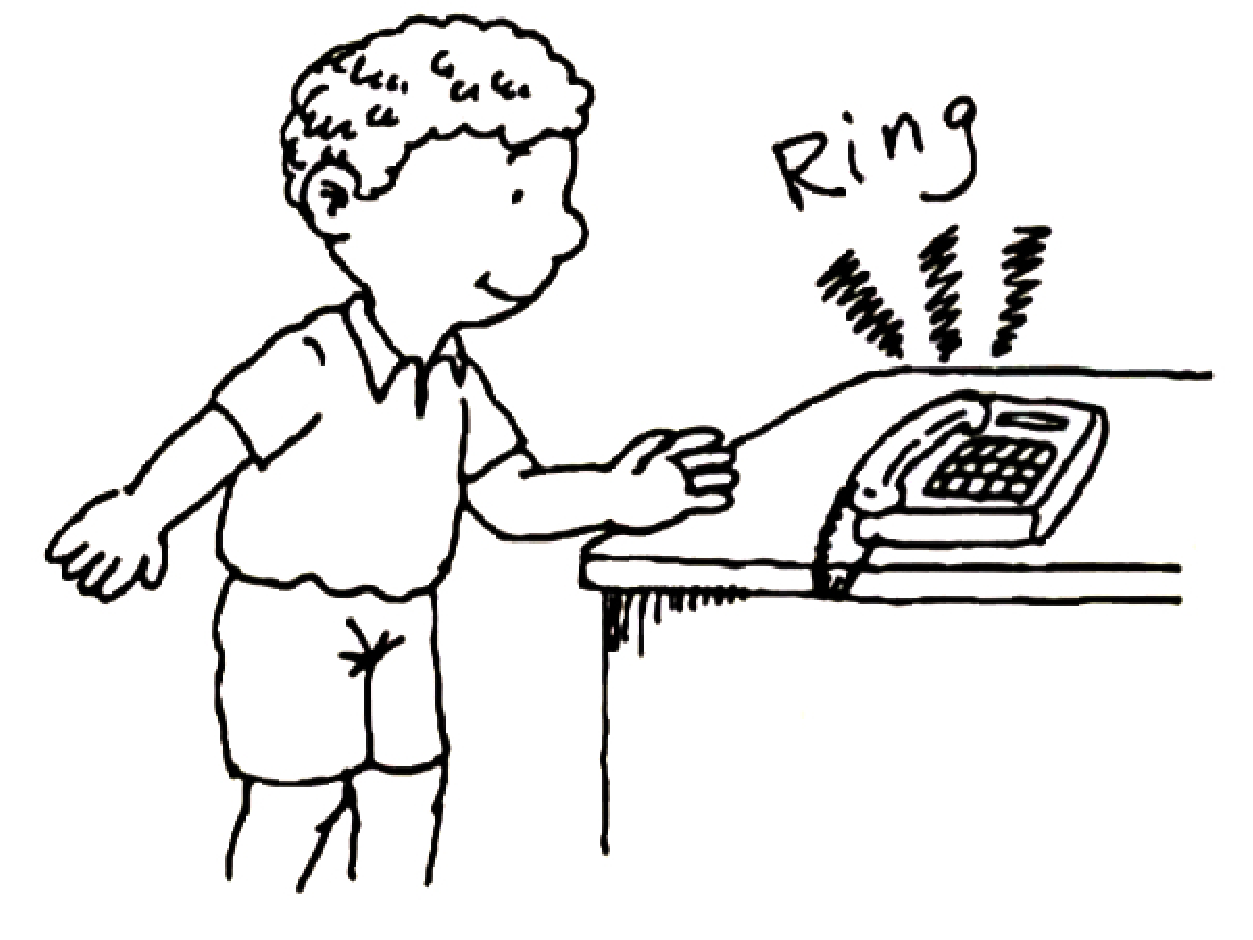
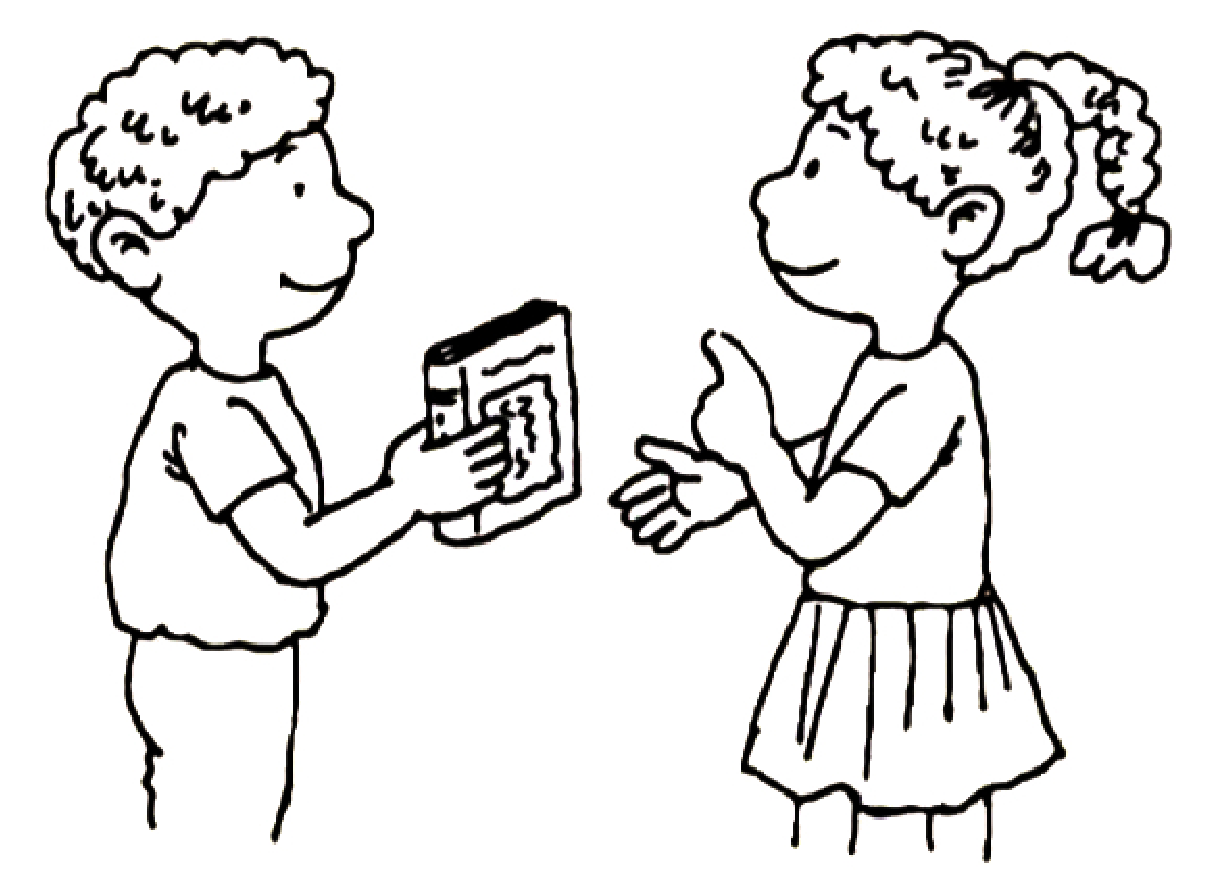
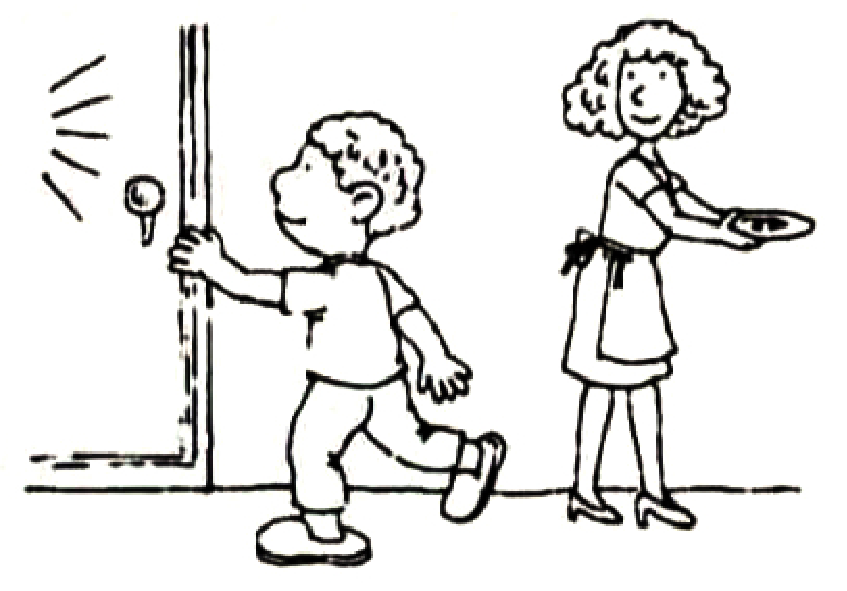
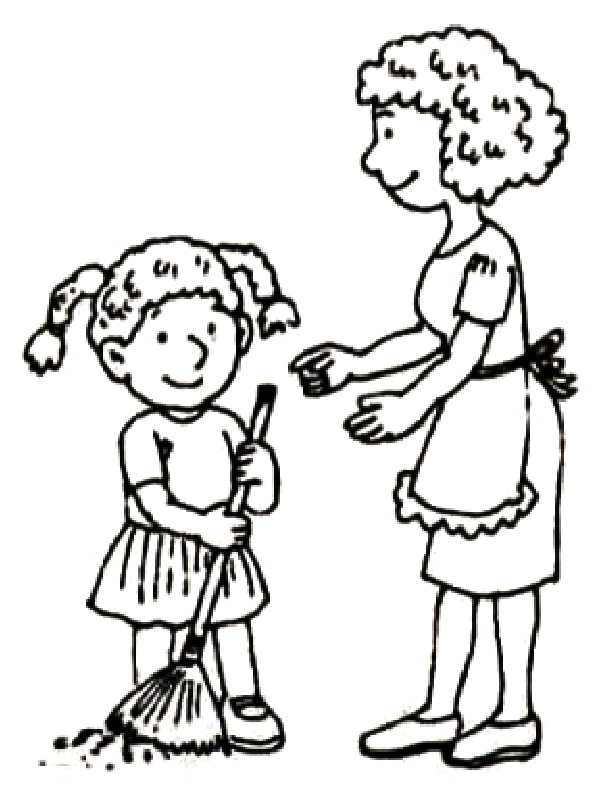
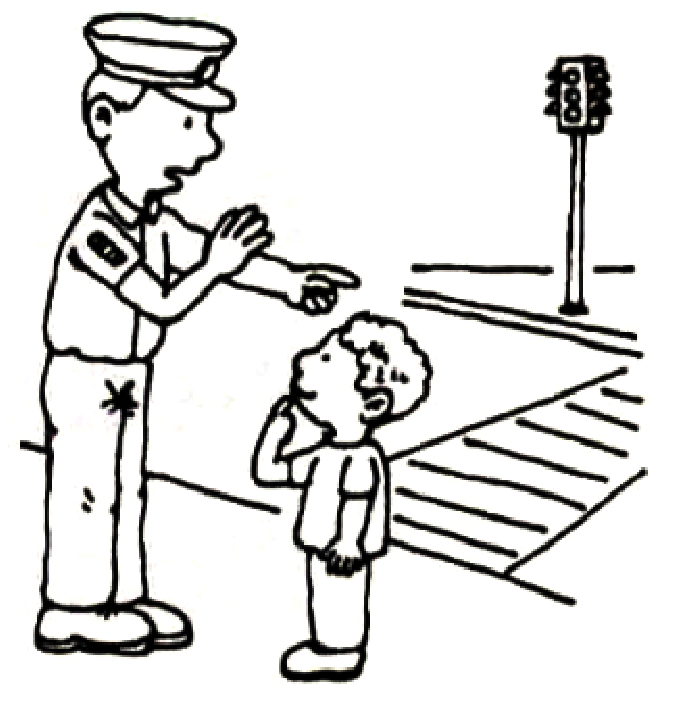
Choose the most appropriate command or request for each picture and write its number in the brackets.
1
2
3
4
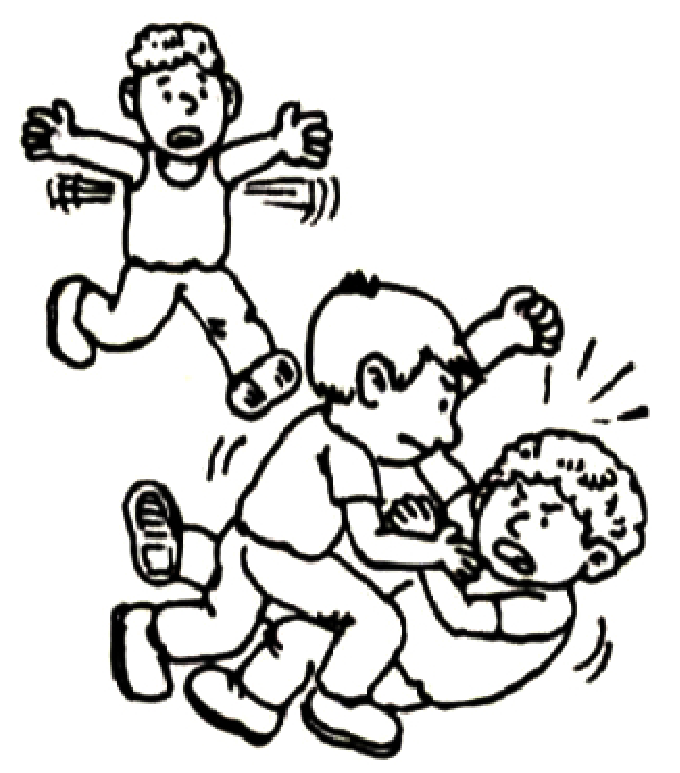
5
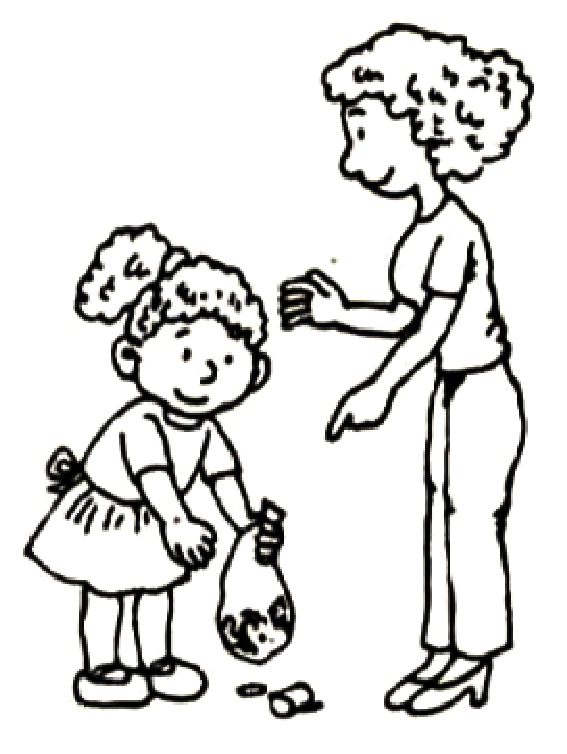
Page 79
(a) When we are ill, we see a doctor. He will then tell us what kind of illness we have. We sometimes tell the doctor what we have.
Examples
You have a flu.
Your sister has a headache.
My brother has chicken pox.
My father has a bad cough.
The children have measles.
(b) Very often, we use 'HAS' or 'HAVE' to mean 'EAT'.
Examples
I have two eggs for breakfast.
She has lunch at one o'clock.
Mother and I have dinner together.
Gary has rice and curry for lunch.
Page 80
Choose the correct command or request for each picture and write it on the lines provided.
Please sit down.
Please answer the telephone.
Don't disturb Grandfather.
Please bring me a glass of water.
Use the overhead bridge.
Please lend me this storybook.
1
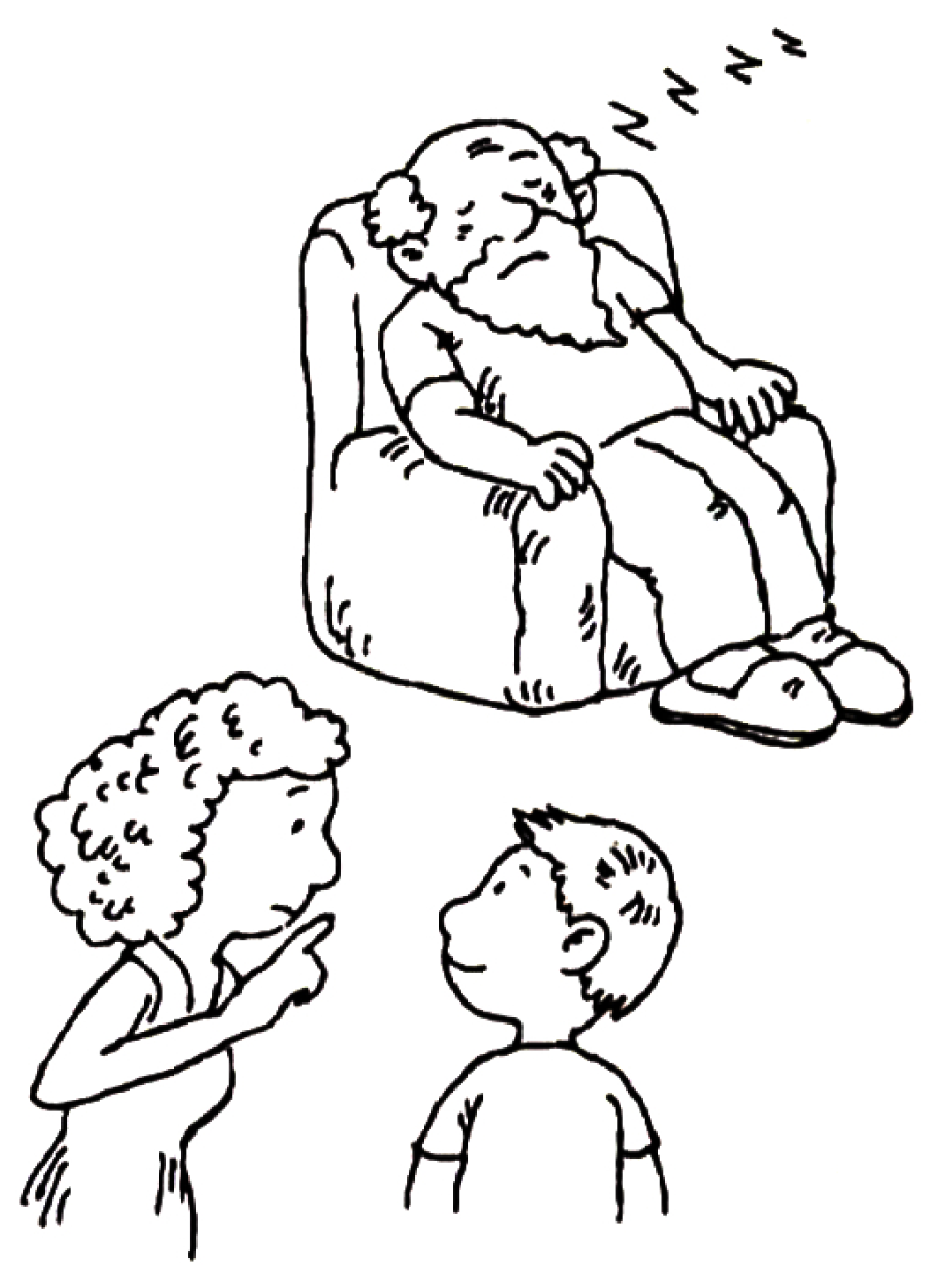
2
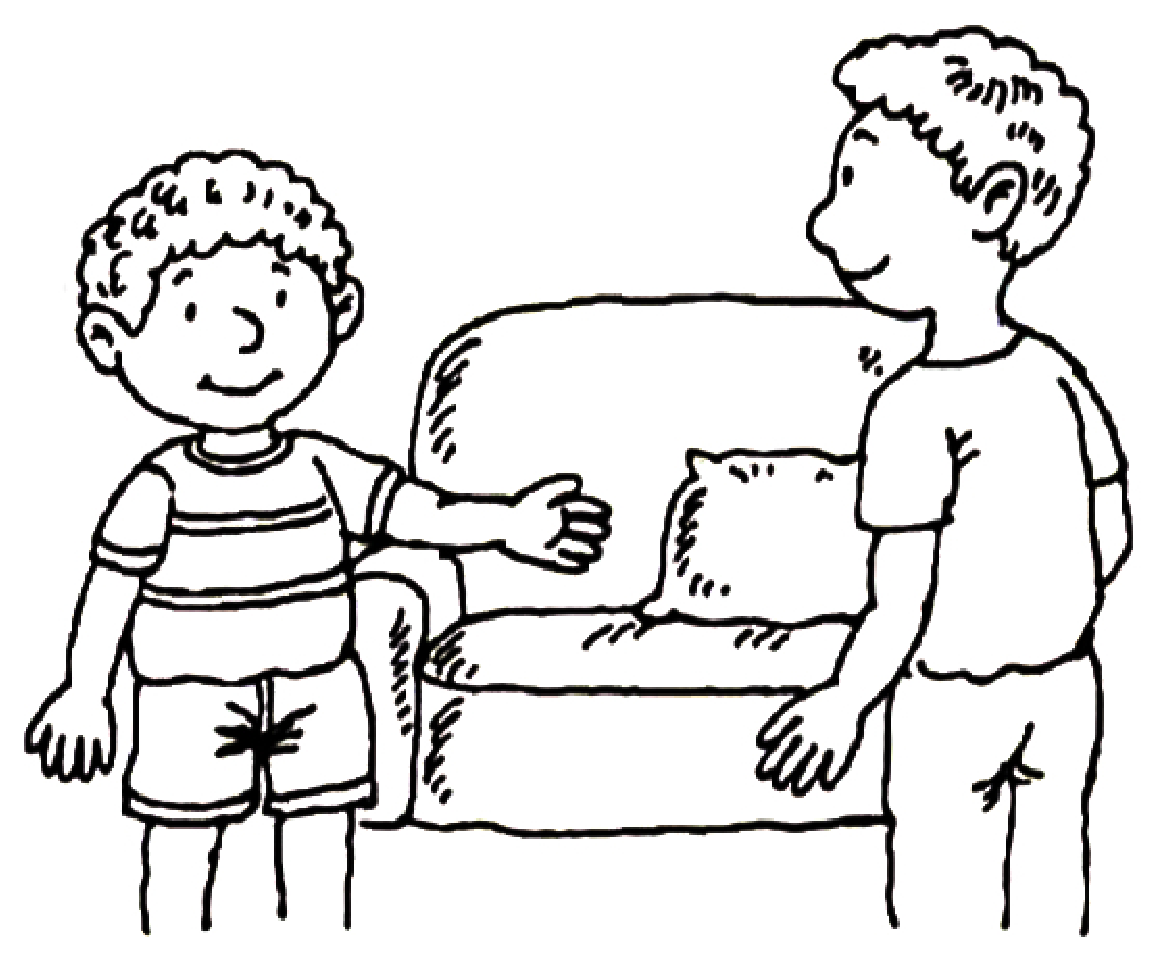
Page 81
1
Lesson 1
deliver : to bring something to someone or somewhere
2
Lesson 4
honest : telling the truth
3
Lesson 5
plumber : someone who repairs water pipes, sinks and toilets
hunter : someone who looks for something, usually wild animals, and then kills or catches them
4
Lesson 6
lawyer : someone whose job is to deal with laws of a country
5
Lesson 7
dentist : a doctor who checks, pulls out or polishes people's teeth
boy scout : a boy in the Scouts, an organisation which teaches boys practical skills
6
Lesson 8
butcher : someone who sells meat in a market
fierce : speaking in an unfriendly manner or looking unfriendly
7
Lesson 9
borrow : to get something from someone for use for a period of time
8
Lesson 10
cute : nice and pleasant
collect : to put things together
meal : a set of food and drink
9
Lesson 11
missing : being lost and cannot be found
worried : feeling uneasy or having a bad feeling about something
10
Lesson 12
spot : a circular patch with a different colour
factory : a place where things are made, put together and packed
11
Lesson 13
blunt : not sharp
lift : to bring up from a lower position
slope : the ground that is higher at one end than the other
narrow : not wide, being small in width
shallow : not deep, being low in height
12
Lesson 14
brave : being not afraid when facing danger
roast : being baked in an oven
13
Lesson 16
queue : a line of people waiting to enter a building or to do something
14
Lesson 17
railway station : a place where trains are parked for passengers to board or alight
15
Lesson 18
disturb : to make noise or do something that makes someone feel unhappy because he is doing something
medicine : something ordered to be taken to treat an illness
litter : rubbish or something that is thrown away by someone
lend : to give something to someone for use for a period of time
16
Lesson 19
homemade : being something that is made at home
delicious : being tasty to eat
precious : being important or dear to someone
17
Lesson 20
chicken pox : a disease that someone is more likely to get in childhood; spots with water bubbles caused by some virus are formed on the body, causing itchiness and discomfort; it can be spread to others
measles : a disease that someone is more likely to get in childhood; small red spots are formed on the body; it can be spread to others
Page 82
Page 83
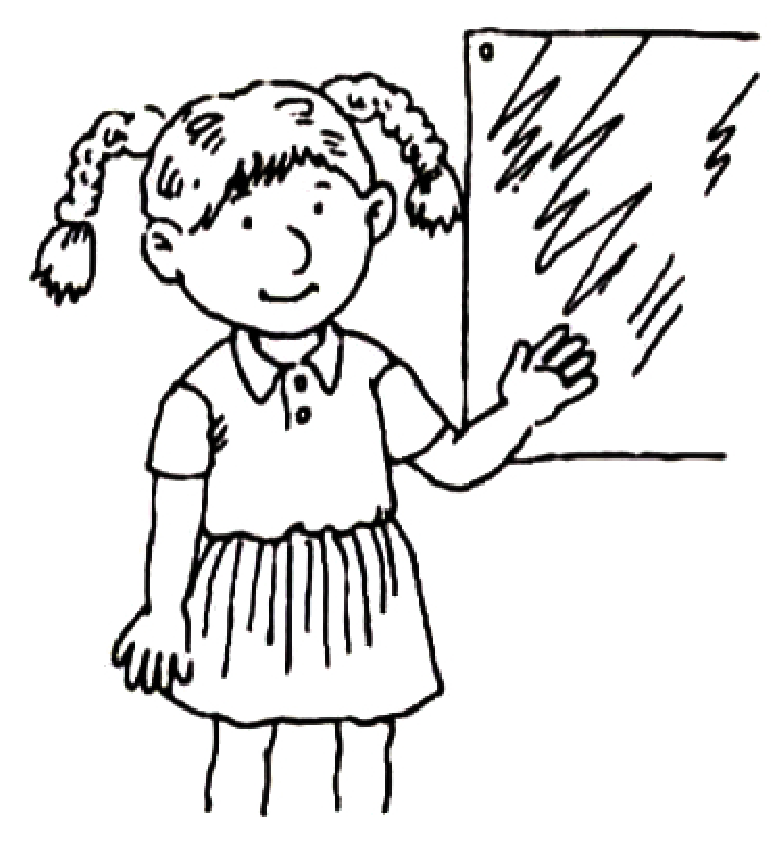
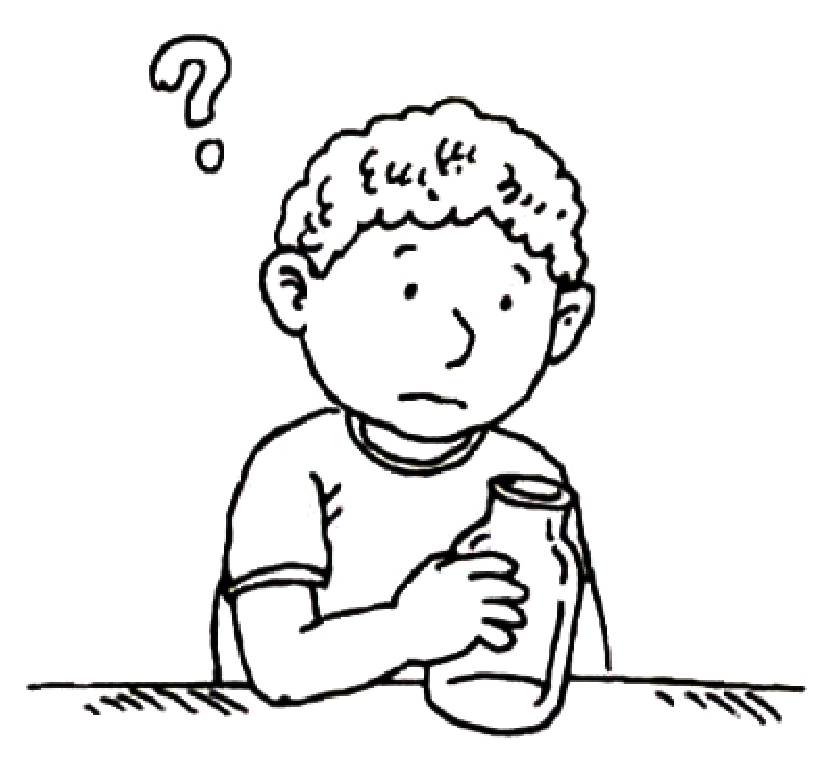
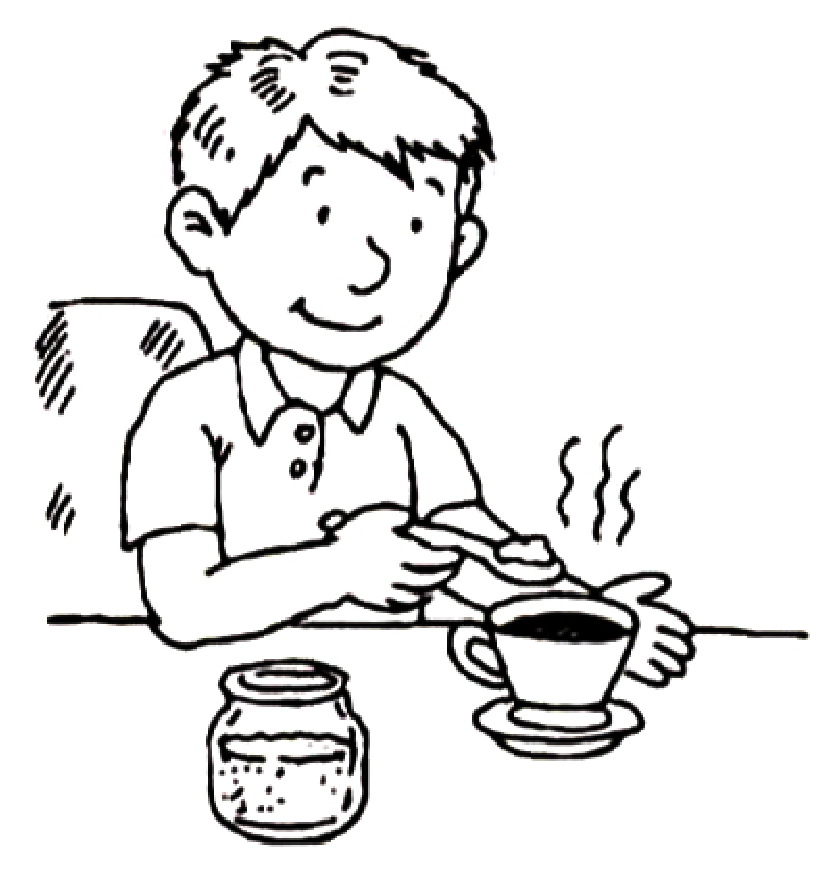
Look at the pictures. Underline the correct answers.
1
Turn off the tap. Don't waste ( water , electricity ).
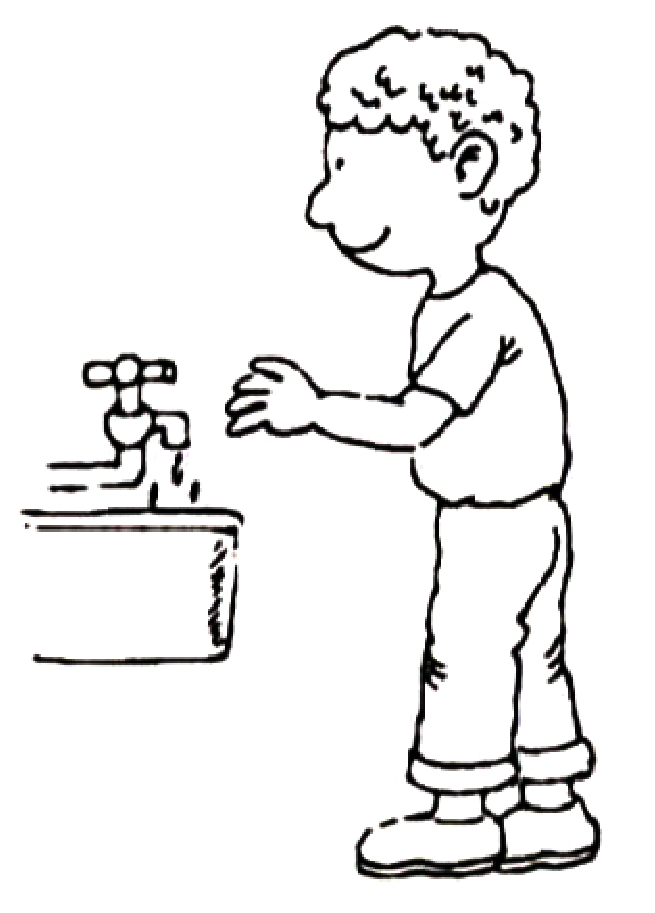
2
The mirror is made of ( metal , glass ).
3
There is no more ( gas , milk ) in the bottle.
4
I like to have more ( sugar , salt ) in my tea.
5
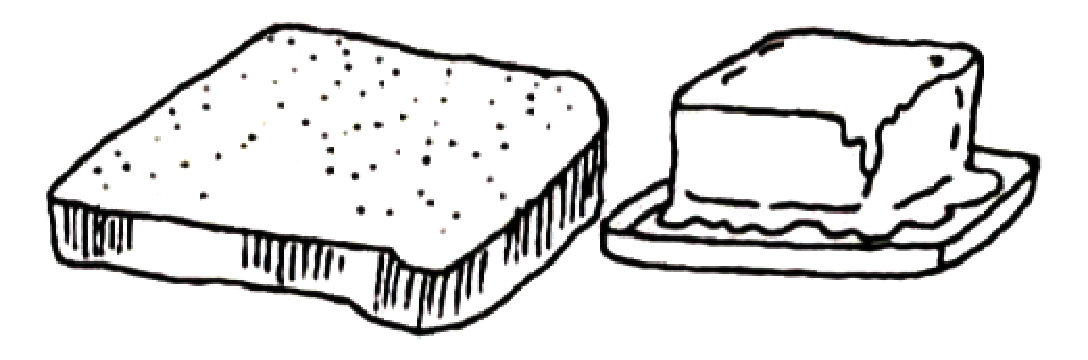
She wants some ( butter , oil ) on her bread.
Page 85
Choose the most appropriate answer and write its number in the brackets.
1
The bear's thick and rough.
2
The at the beach soft.
3
precious. Do not waste it.
4
sweet.
5
good for your health.
6
a very bright colour.
7
used to make tables and chairs.
8
used to make bread and cakes.
Page 87
Fill in each blank with 'has' or 'have'.
has
have
1
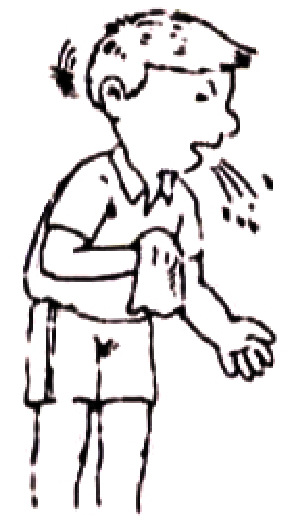
I a cold today.
2
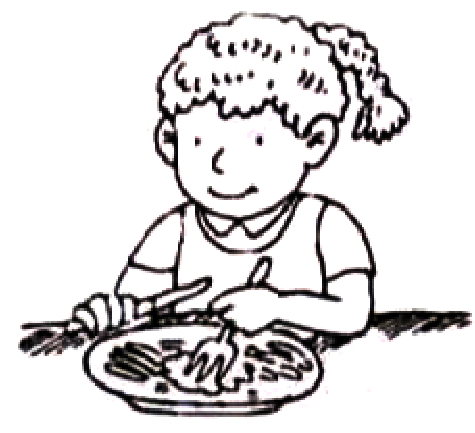
She chicken rice for lunch.
3
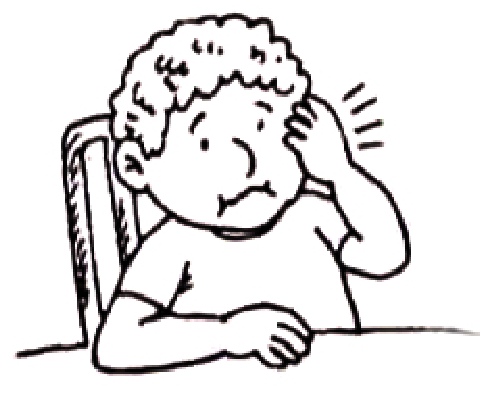
He a toothache.
4
They bread for breakfast.
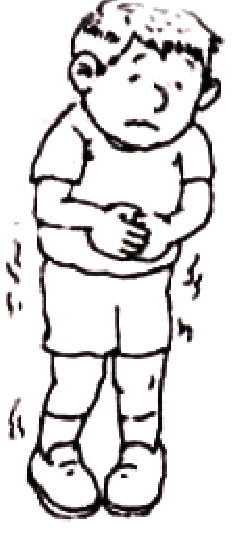
5
Ray a stomachache.
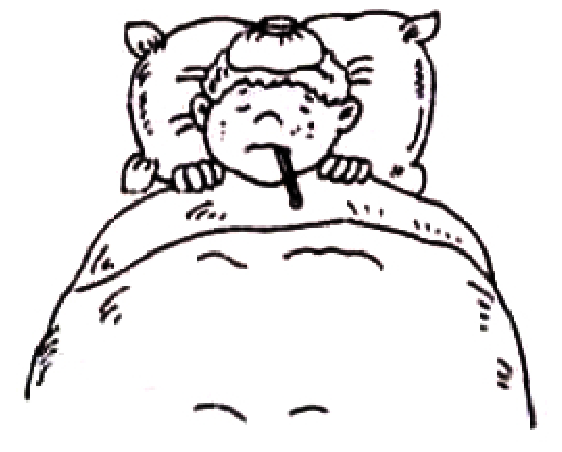
6
Jim a high fever.
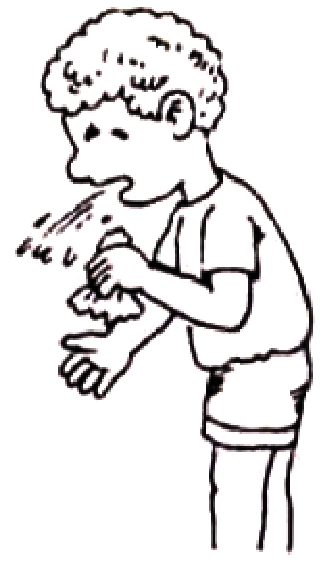
7
You a bad cough.
8
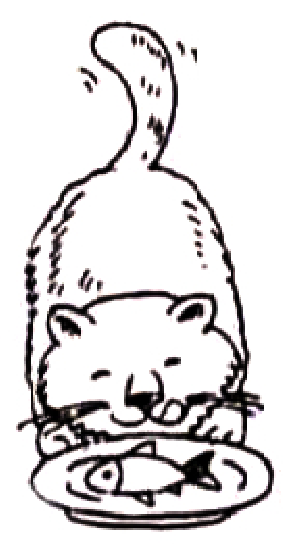
The cat fish for dinner.
9
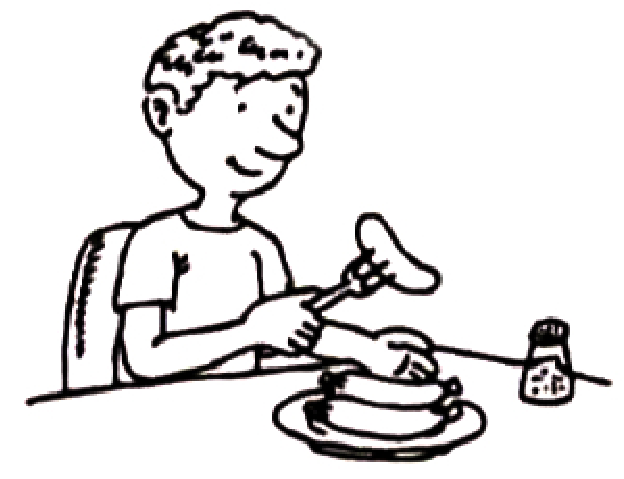
Mr Stevens his lunch at that restaurant every day.
10
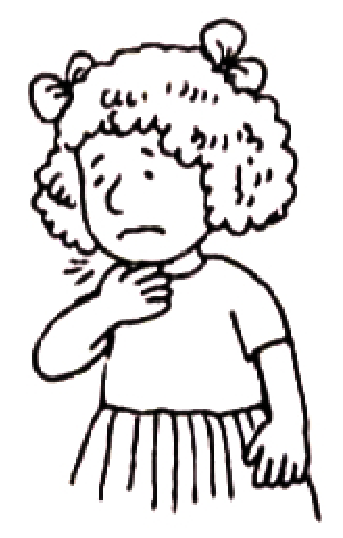
I a sore throat.
Page 90
Page 91
1
LESSON 1 - Exercise 1
2
LESSON 1 - Exercise 2
3
LESSON 1 - Exercise 3
4
LESSON 2 - Exercise 4
5
LESSON 2 - Exercise 5
6
LESSON 2 - Exercise 6
7
LESSON 3 - Exercise 7
8
LESSON 3 - Exercise 8
9
LESSON 3 - Exercise 9
10
LESSON 4 - Exercise 10
11
LESSON 4 - Exercise 11
12
LESSON 5 - Exercise 12
13
LESSON 5 - Exercise 13
14
LESSON 5 - Exercise 14
15
LESSON 6 - Exercise 15
16
LESSON 6 - Exercise 16
17
LESSON 6 - Exercise 17
18
LESSON 7 - Exercise 18
19
LESSON 7 - Exercise 19
20
LESSON 8 - Exercise 20
21
LESSON 8 - Exercise 21
22
LESSON 9 - Exercise 22
23
LESSON 9 - Exercise 23
24
LESSON 10 - Exercise 24
25
LESSON 10 - Exercise 25
26
LESSON 11 - Exercise 26
27
LESSON 11 - Exercise 27
28
LESSON 11 - Exercise 28
29
LESSON 12 - Exercise 29
30
LESSON 12 - Exercise 30
31
LESSON 12 - Exercise 31
32
LESSON 13 - Exercise 32
33
LESSON 13 - Exercise 33
34
LESSON 13 - Exercise 34
35
LESSON 14 - Exercise 35
36
LESSON 15 - Exercise 36
37
LESSON 15 - Exercise 37
38
LESSON 16 - Exercise 38
39
LESSON 16 - Exercise 39
40
LESSON 17 - Exercise 40
41
LESSON 18 - Exercise 41
42
LESSON 18 - Exercise 42
43
LESSON 19 - Exercise 43
44
LESSON 19 - Exercise 44
45
LESSON 20 - Exercise 45