Page 1
Page 2
1
LEARNING ENGLISH GRAMMAR
Over 400 questions to develop your grammar skills
Workbook 2
Project Editor Angela Leu
Editorial Consultant Dr Lana Israel
Name:
Class:
Hello!
Thank you for choosing this book! You can now use NUADU along with it. NUADU is an online assessment and analytics service that allows you to work on assignments online, helps track your progress and provides unlimited practice on the assessments of your choice.
Access code
Claim your NUADU access in 4 simple steps:
For new users:
1. Go to www.system.nuadu.com/signup or scan the QR code below:
2. At Sign up, enter a valid e-mail address and create a password.
3. Choose your country.
4. Click Redeem Code and enter your access code when prompted.
For existing users:
1. Go to www.system.nuadu.com/login.
2. Log in to your account.
3. Click Access Code and enter your access code when prompted.
Have fun learning with NUADU!

Page 2
Circle the correct answers.
1
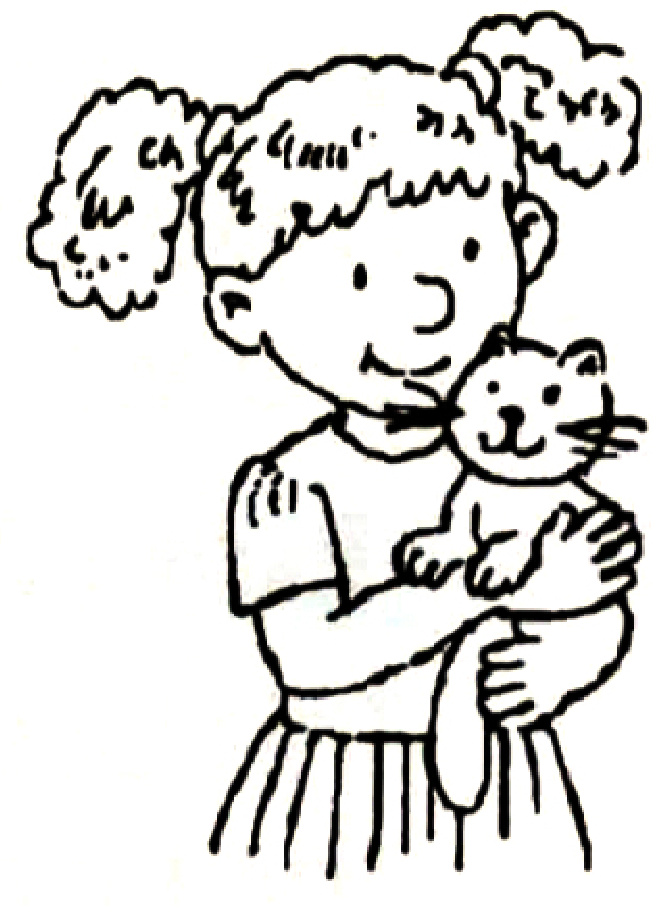
This is ( Judy , Judy's ) pet kitten.
2
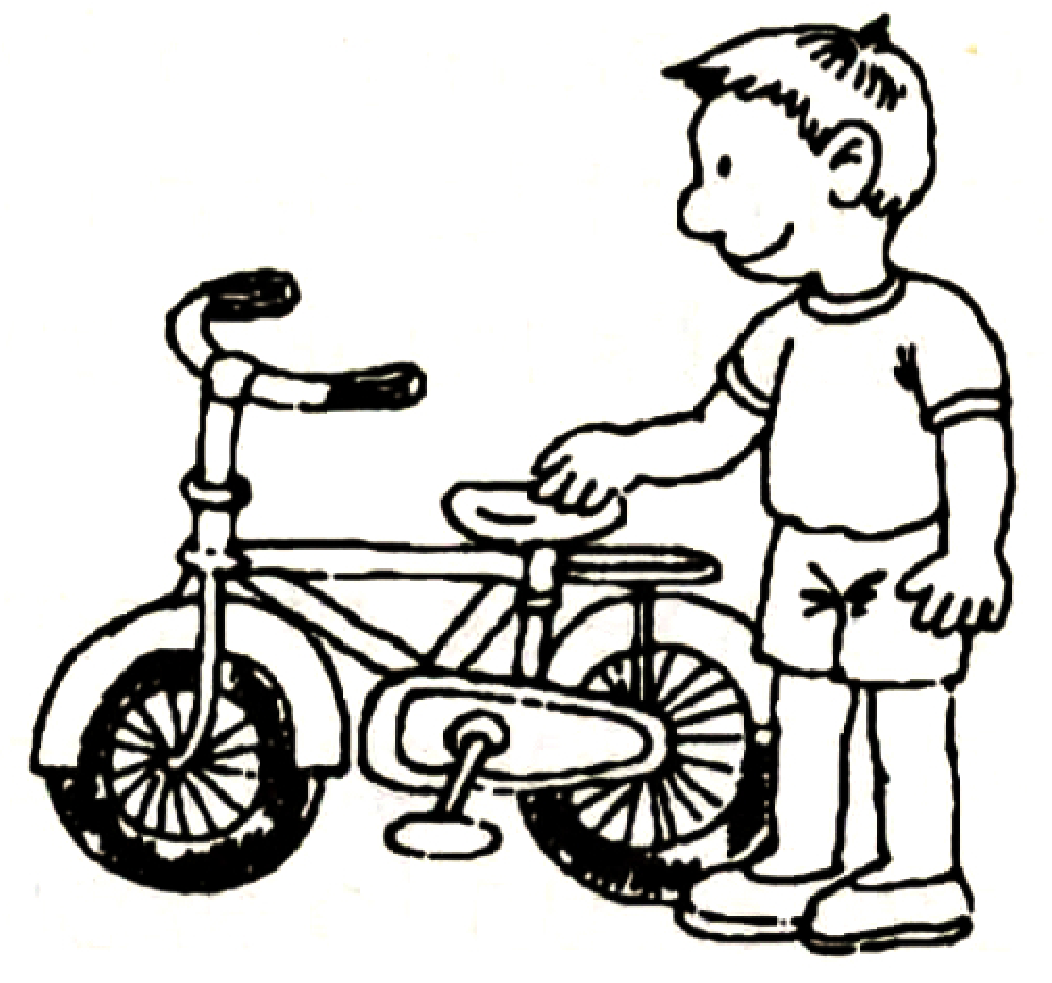
That is ( Alfred , Alfred's ) new bicycle.
3
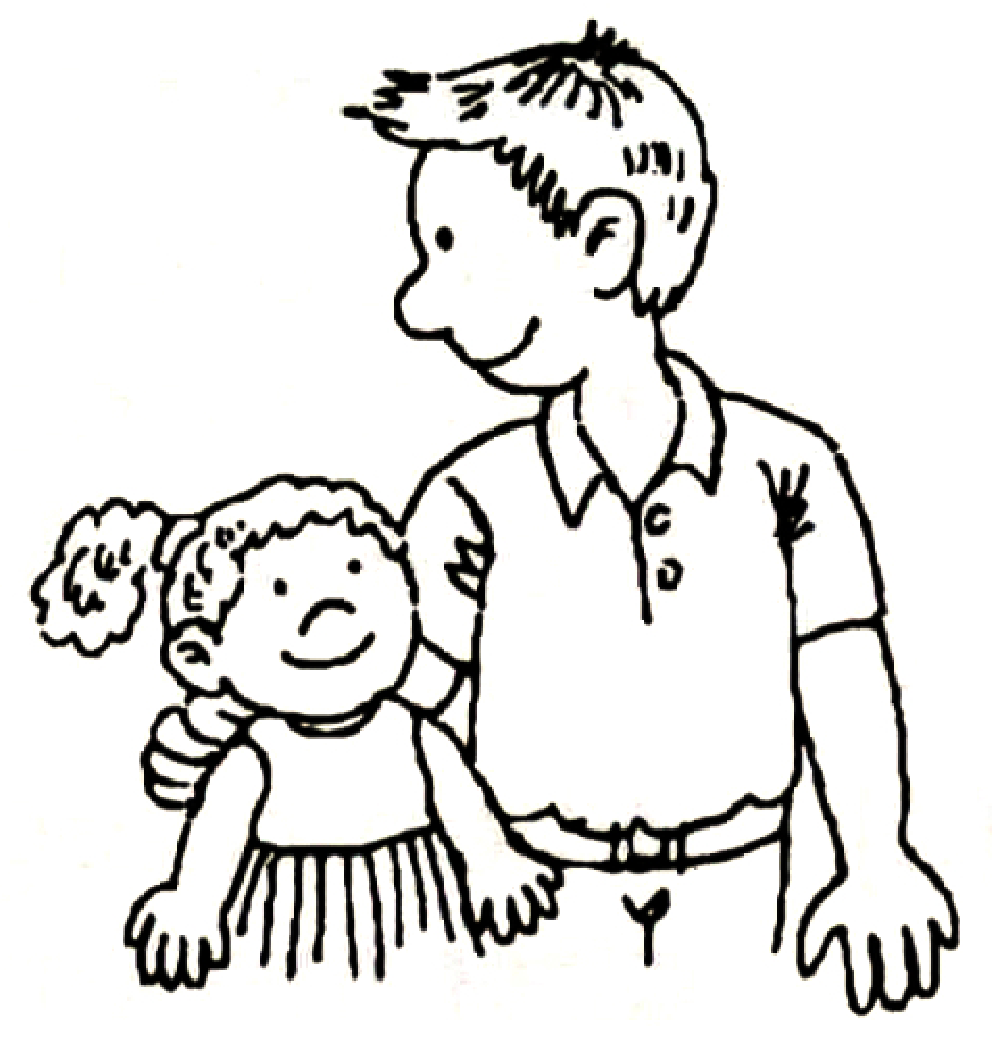
Is that ( Cathy's , Cathy ) father?
4
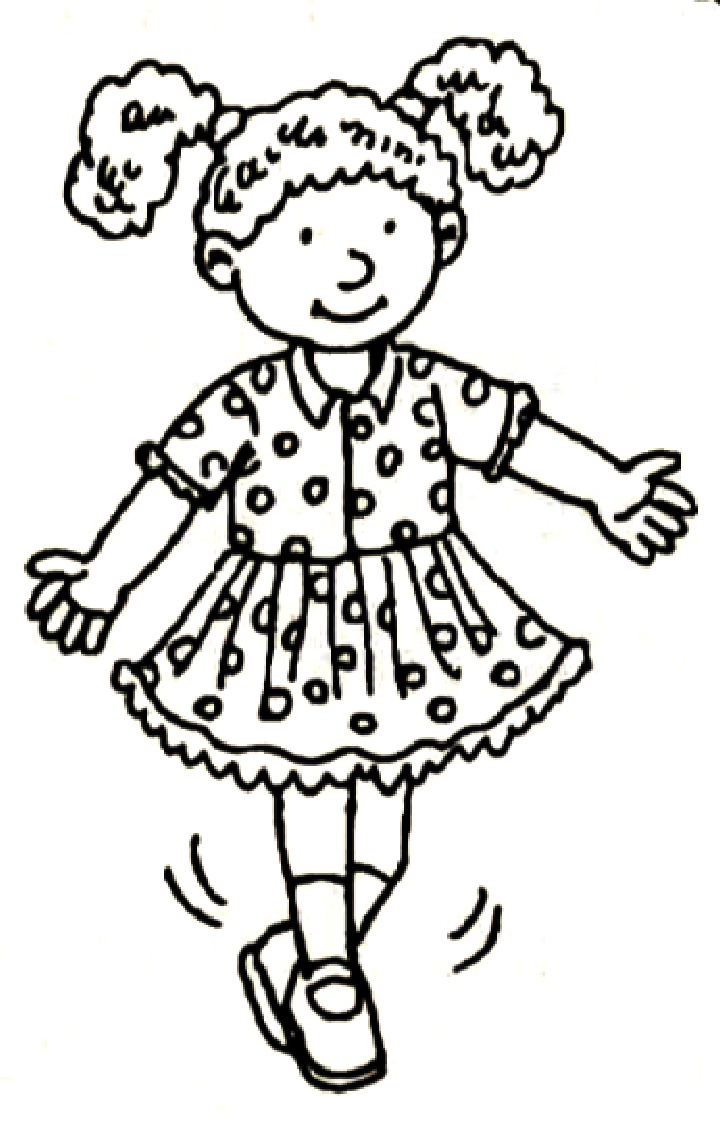
That ( girl's , girl ) dress is pretty.
5
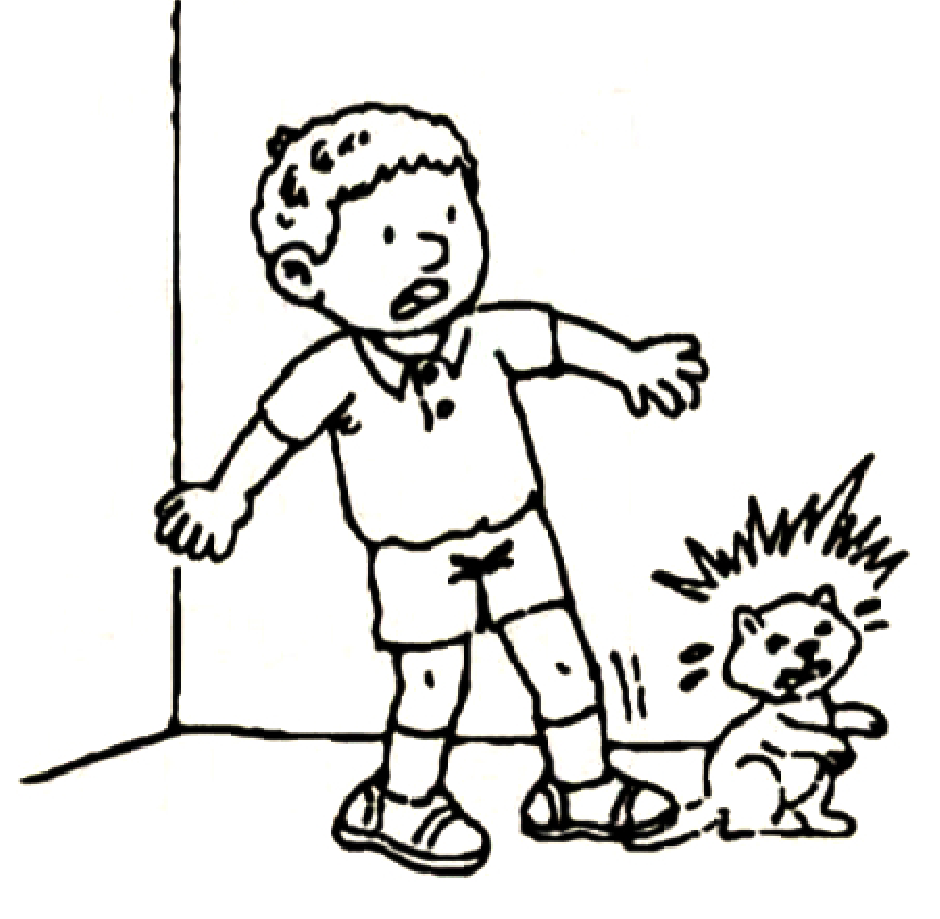
Raymond stepped on the ( cat , cat's ) tail.
Page 3
Page 3
Fill in each blank with the correct form of the word in the brackets.
This is new car. (Mr Danson)
1
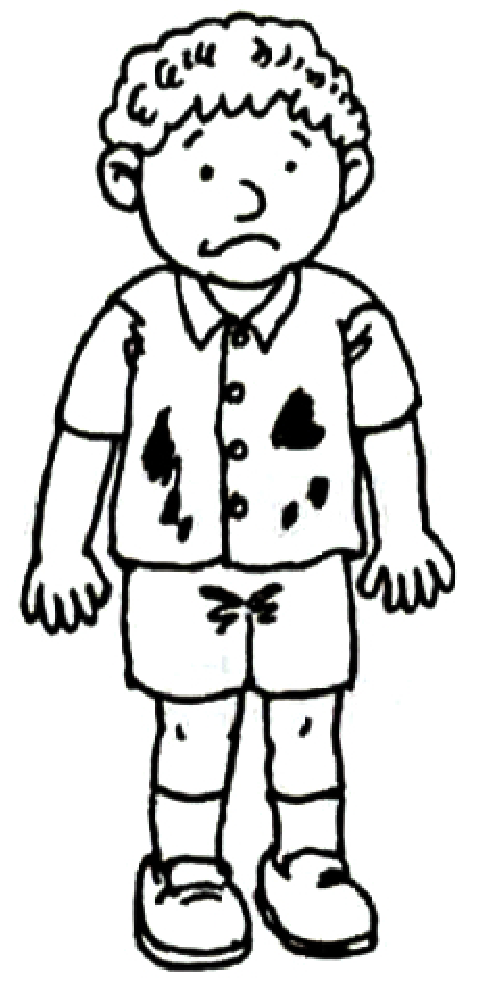
shirt is dirty. (Tom)
2
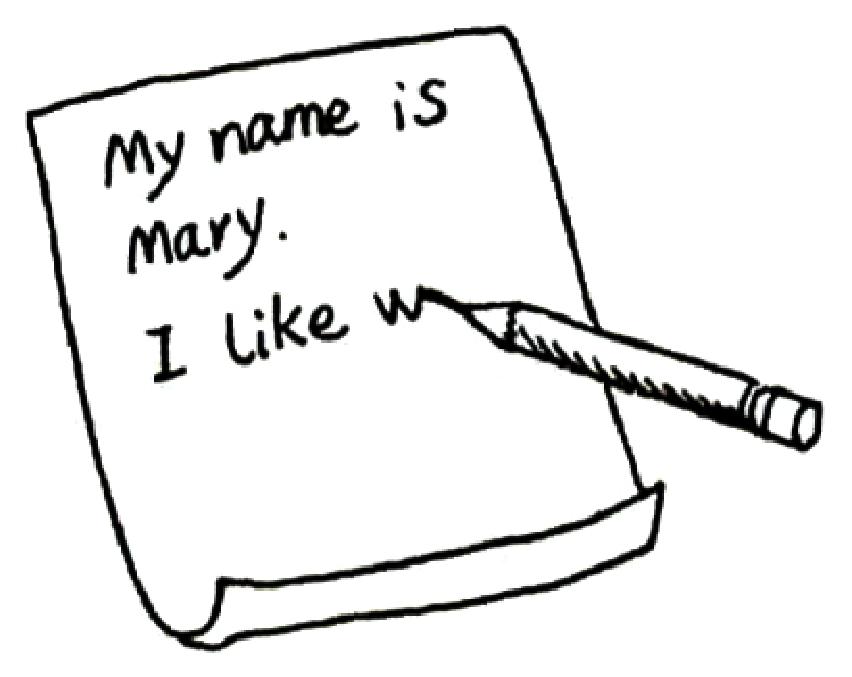
handwriting is neat. (My sister)
3
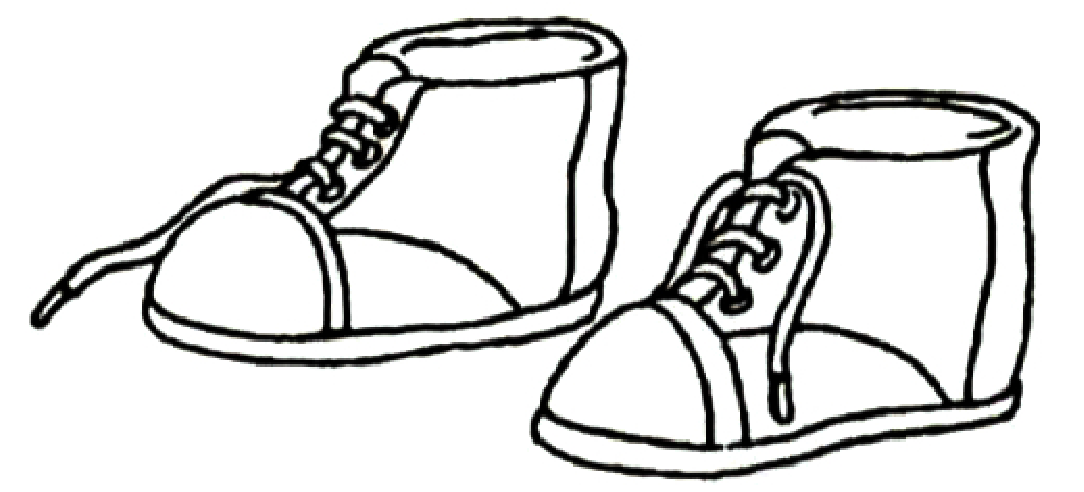
Those are shoes. (Rachel)
4
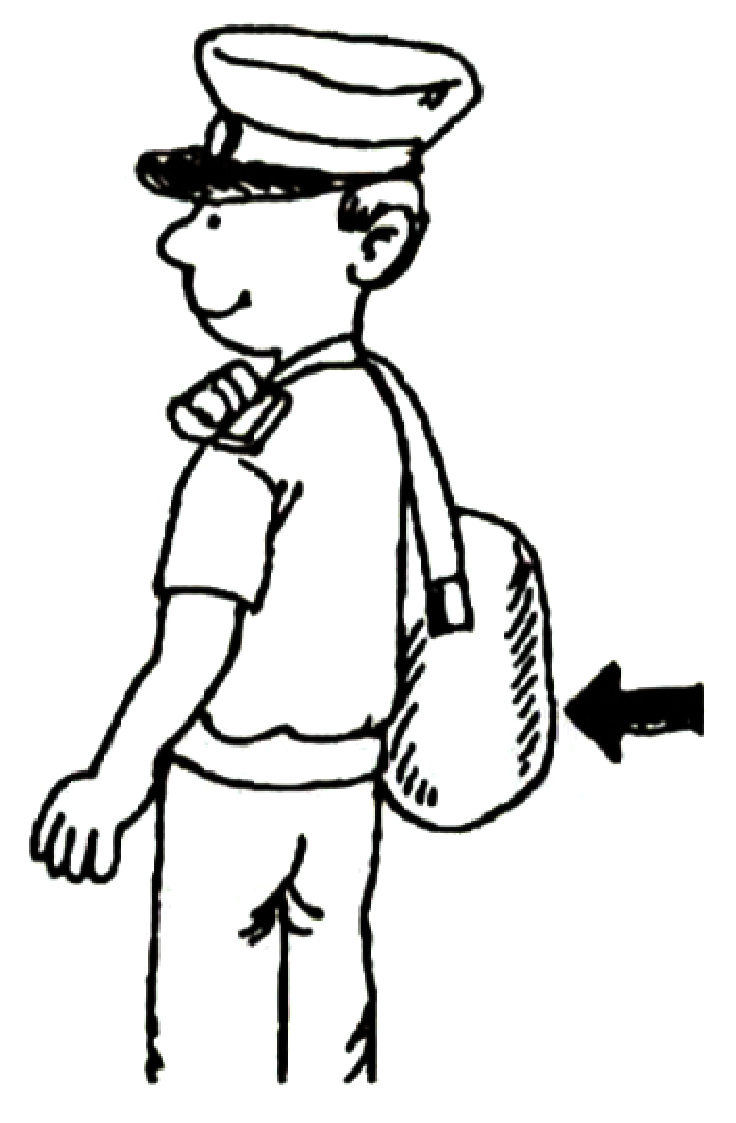
Is that the bag? (postman)
Page 4
|LEARNING+| ENGLISH GRAMMAR WORKBOOK 2 is specially designed to teach students the correct use of grammar in the English language. Lessons and exercises can be easily removed and presented as homework, class work or quizzes. The glossary and answer pages can be removed and filed away for future reference.
Table of Contents
This shows clearly the objectives of each lesson, making it easy to identify and pick specific grammar topics for learning.
Grammar Lessons
Each lesson has a specific learning focus and begins with concise explanatory notes and examples.
Practice Exercises
The exercises are designed to supplement learning and provide relevant practice on the grammar topics taught.
Glossary
Selected words from each lesson and their meanings are found here to help build vocabulary and improve comprehension.
Answers
Designed as an independent booklet, the answer key contains answers to all questions, including suggested answers for open-ended questions.
Enhanced Learning
FREE resources available
Download My SAPeducation App Now!
or go to www.sapgrp.com
Additional Reproducible Activities
Reproducible worksheets on selected topics are available here. These are useful as quick assessments of a child's understanding of the work taught.
Lesson Plans for Parents and Teachers
Ideas and suggestions on how to present each lesson to enhance learning are provided here. These are useful resources for both classroom and home learning.

www.nuadu.com
Do the Diagnostic Tests on NUADU! Improve your results with unlimited practice and instant, real-time feedback on similar topics. Track your progress and complete assignments on your computer, tablet or smartphone. Get started now!
The Editorial Team

Page 4
5
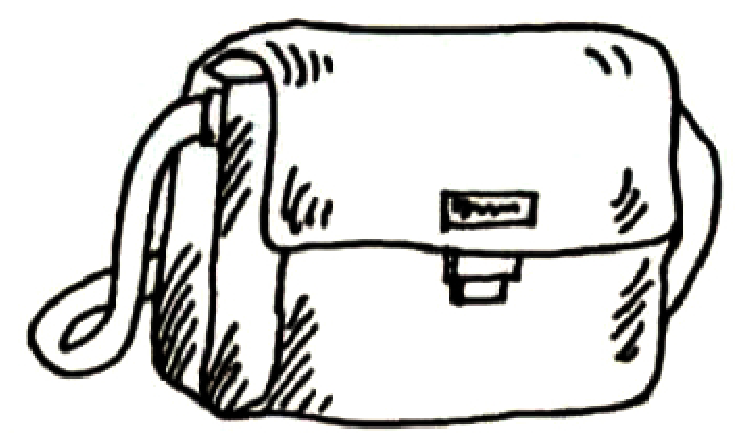
That is handbag. (Miss Taylor)
6
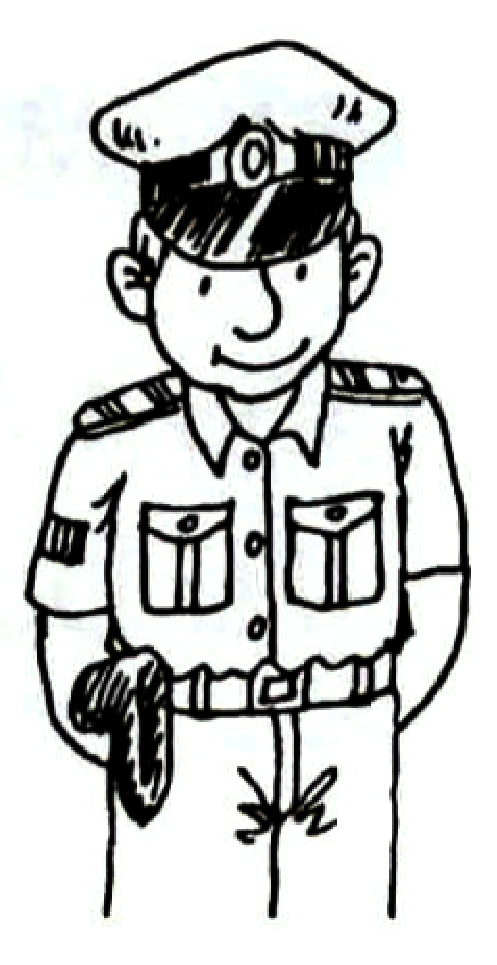
That uniform is neat and smart. (policeman)
7
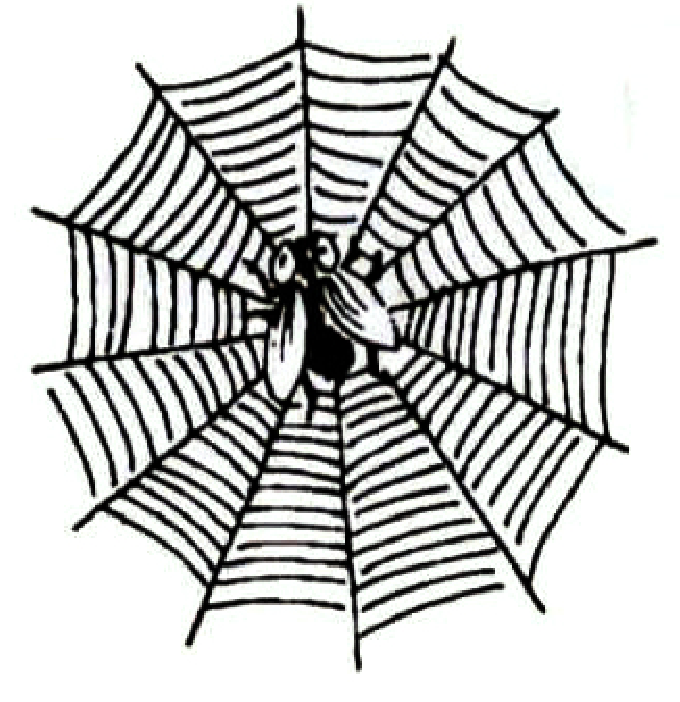
The fly was caught in a web. (spider)
8
The thief stole the purse. (woman)
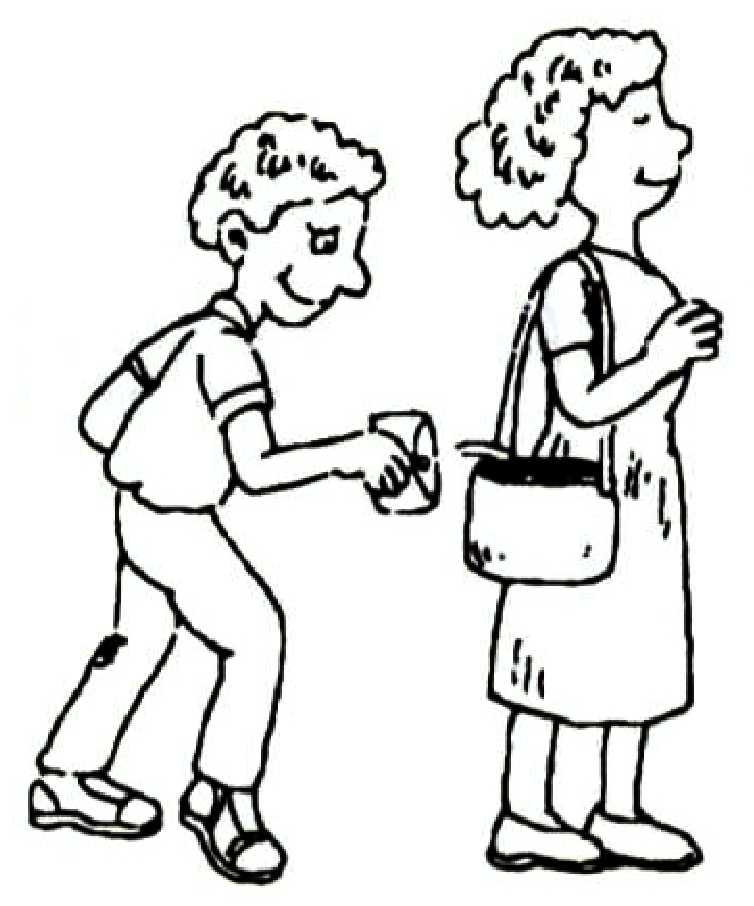
9
An claws are sharp. (eagle)
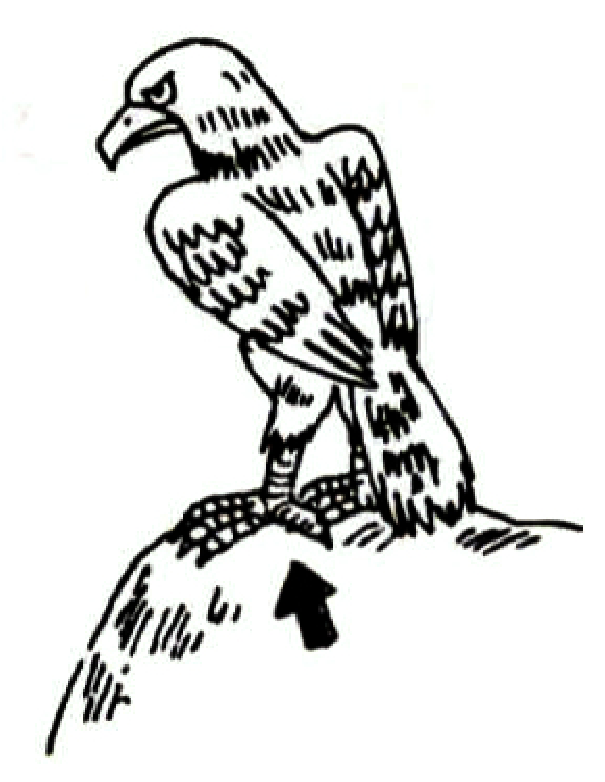
10
Jim and Jon are brothers. (Sharon)
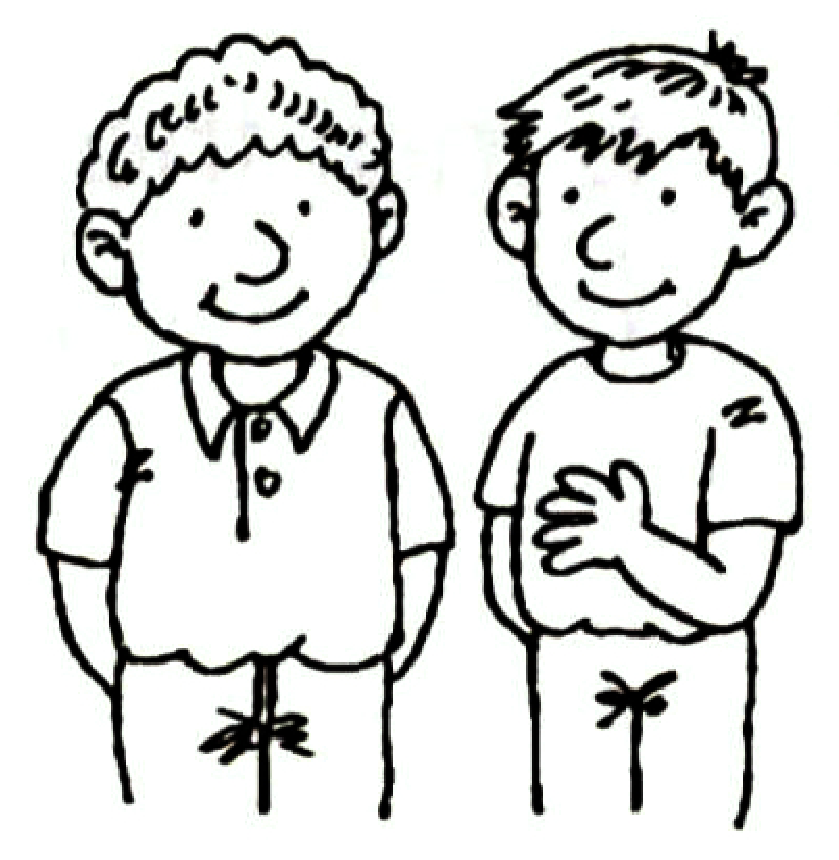
Page 5
Lesson 1: POSSESSIVE NOUNS (SINGULAR AND PLURAL) (p. 1) | EXERCISE 1 (p. 2) | EXERCISE 2 (p. 3) | EXERCISE 3 (p. 5) | EXERCISE 4 (p. 6) | EXERCISE 5 (p. 7) | EXERCISE 6 (p. 8)
Lesson 2: PREPOSITION — 'WITH' (p. 9) | EXERCISE 7 (p. 10) | EXERCISE 8 (p. 11) | EXERCISE 9 (p. 12)
Lesson 3: PRONOUNS 'ME', 'HIM', 'HER', 'US' AND 'THEM' (p. 13) | EXERCISE 10 (p. 14) | EXERCISE 11 (p. 15) | EXERCISE 12 (p. 16)
CONCORD — SINGULAR SUBJECT WITH SINGULAR VERB, PLURAL SUBJECT WITH PLURAL VERB (p. 17) | EXERCISE 13 (p. 18) | EXERCISE 14 (p. 20)
Lesson 5: SIMPLE PRESENT TENSE — HABITUAL ACTIONS (p. 21) | EXERCISE 15 (p. 21) | EXERCISE 16 (p. 23)
Lesson 6: SIMPLE PRESENT TENSE — TIMELESS ACTIONS FOR UNIVERSAL TRUTHS (p. 25) | EXERCISE 17 (p. 26) | EXERCISE 18 (p. 28)
ADAPTIVE LEARNING: Diagnostic Test 1 (NUADU Lessons 1 – 6)
Lesson 7: ADJECTIVES — COMPARATIVE DEGREE, WORDS ENDING IN '-ER' (p. 29) | EXERCISE 19 (p. 30) | EXERCISE 20 (p. 32)
Lesson 8: ADJECTIVES — COMPARATIVE DEGREE USING 'MORE' (p. 33) | EXERCISE 21 (p. 34) | EXERCISE 22 (p. 36)
Lesson 9: MODAL 'CAN' INDICATING ABILITY AND ITS NEGATIVE (p. 37) | EXERCISE 23 (p. 38) | EXERCISE 24 (p. 39) | EXERCISE 25 (p. 40)
Lesson 10: CONJUNCTIONS — 'AND', 'OR' AND 'BUT' (p. 41) | EXERCISE 26 (p. 42) | EXERCISE 27 (p. 43)
Lesson 11: ADJECTIVES — SUPERLATIVE DEGREE, WORDS ENDING IN '-EST' (p. 45) | EXERCISE 28 (p. 46) | EXERCISE 29 (p. 47) | EXERCISE 30 (p. 49)
Lesson 12: COMPARATIVE OR SUPERLATIVE DEGREE USING 'MORE' OR 'MOST' (p. 51) | EXERCISE 31 (p. 52) | EXERCISE 32 (p. 53)
Lesson 13: QUESTIONS USING 'WHO', 'WHAT', 'WHICH' AND 'WHEN' (p. 55) | EXERCISE 33 (p. 56) | EXERCISE 34 (p. 57) | EXERCISE 35 (p. 58)
ADAPTIVE LEARNING: Diagnostic Test 2 (NUADU Lessons 7 – 13)
Lesson 14: SIMPLE PAST TENSE — 'WAS' AND 'WERE' (p. 59) | EXERCISE 36 (p. 60) | EXERCISE 37 (p. 61)
Lesson 15: VERBS — 'HAS', 'HAVE' AND 'HAD' (p. 63) | EXERCISE 38 (p. 64) | EXERCISE 39 (p. 66)
Lesson 16: SIMPLE PAST TENSE — REGULAR AND IRREGULAR VERBS (p. 67) | EXERCISE 40 (p. 69) | EXERCISE 41 (p. 70)
Lesson 17: QUESTIONS USING 'WHEN' WITH THE VERB 'TO BE' (p. 71) | EXERCISE 42 (p. 72)
Lesson 18: NOUNS (COUNTABLE) — PLURAL (IRREGULAR) (p. 73) | EXERCISE 43 (p. 75) | EXERCISE 44 (p. 77) | EXERCISE 45 (p. 78)
Lesson 19: PREPOSITIONS — 'AT', 'NEAR', 'BETWEEN' AND 'BESIDE' (p. 79) | EXERCISE 46 (p. 80) | EXERCISE 47 (p. 82)
Lesson 20: PHRASAL VERBS (p. 83) | EXERCISE 48 (p. 85) | EXERCISE 49 (p. 87) | EXERCISE 50 (p. 89)
ADAPTIVE LEARNING: Diagnostic Test 3 (NUADU Lessons 14 – 20)
Glossary (page 90)
Answers (A1)
Page 5
Fill in each blank with the correct form of the word in the brackets.
1
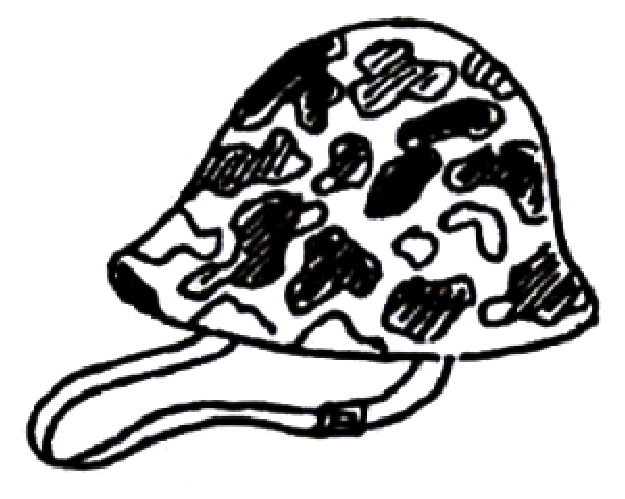
It isn't Miss Lawson's house. (Mr Hill)
It's .
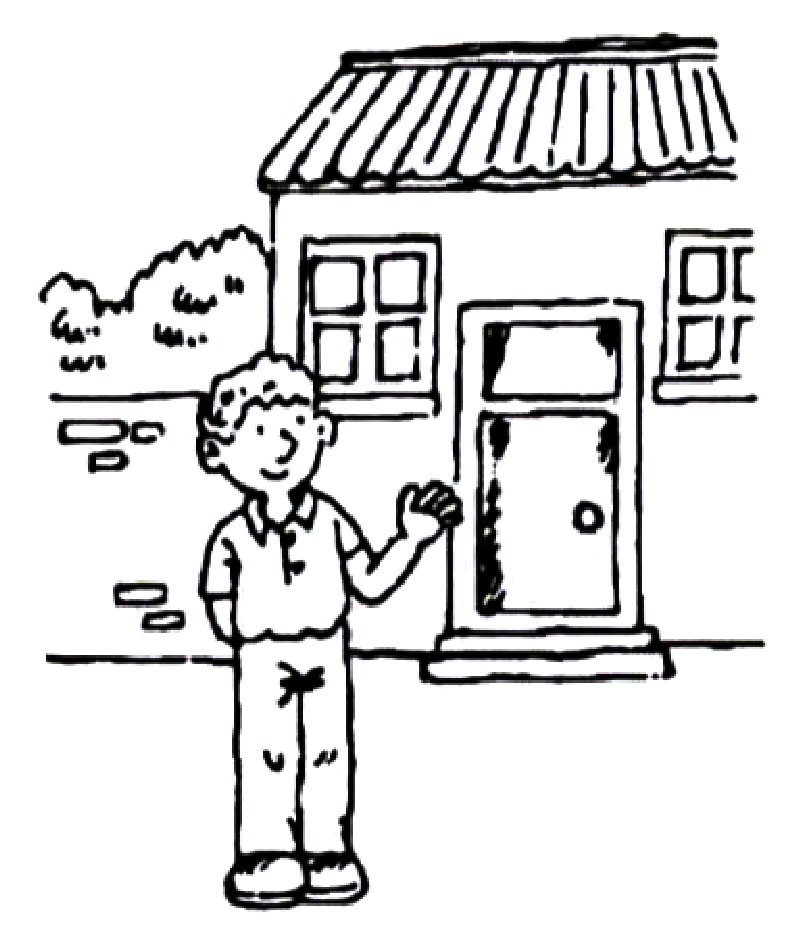
2
That isn't Gary's helmet. (Hanson)
It's .
3
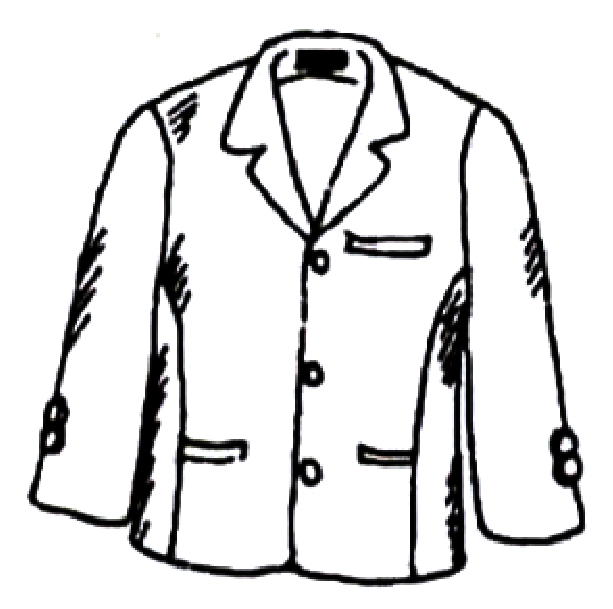
This is my uncle's coat. (my father)
It isn't .
4
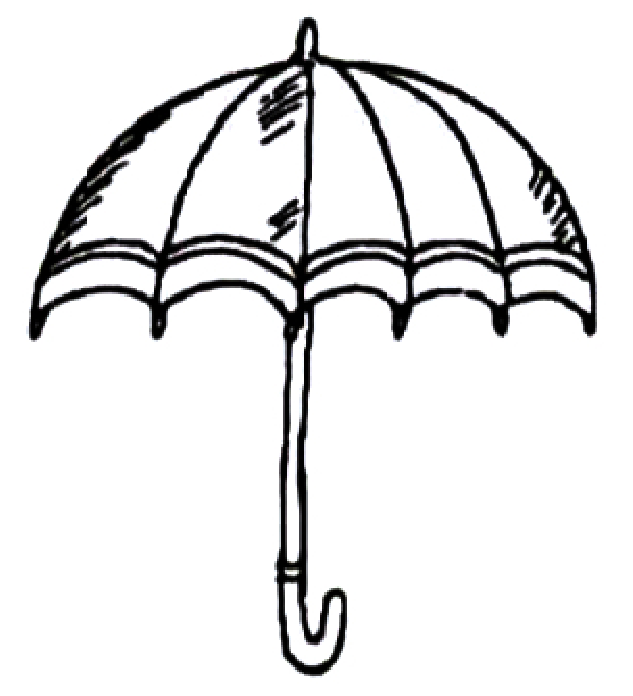
Is that your umbrella? (Rebecca)
No, it's .
5
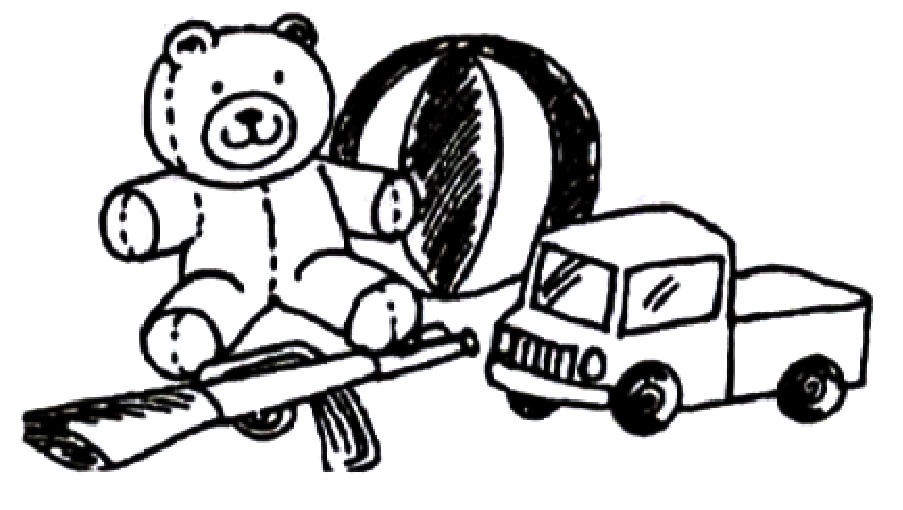
Are these your toys? (Bobby)
No, they are .
Page 6
1
(a) We use the apostrophe (') to show that something belongs to a person or animal. When the possessive noun is SINGULAR, we write the apostrophe 's' ('s) after the noun.
Examples
This bag belongs to Mandy. This is Mandy's bag.
That book belongs to Steven. That is Steven's book.
Be careful not to step on that dog's tail.
An elephant's trunk is long and strong.
2
(b) When we speak of something and we want to show that that thing belongs to some other person, we can use the possessive noun to express it.
Examples
That book does not belong to John. It is William's.
The car does not belong to George. It is Mr Carlton's.
These are Andy's shoes. They are not Donna's.
3
(c) When a regular noun is PLURAL, we write the apostrophe after the letter 's' (s').
Examples
Those are boys' shoes.
This is the teachers' common room.
Those elephants' tusks are very long.
4
When an irregular noun is PLURAL, we write the apostrophe before the letter 's' ('s).
Examples
The children's playground is behind the school.
The women's meeting room is at the end of this corridor.
We do not sell men's clothing in this shop.
Page 7
Fill in each blank with the correct form of the word in the brackets.
1
They are going over to their home. (grandparents)
2
The shoes are behind the door. (boy)
3
This shop sells clothing only. (men)
4
Those are all my coats. (friends)
5
We are cleaning the stables. (horses)
6
Do you know where this handbag is? (lady)
7
Many of my houses were destroyed by the flood. (neighbours)
8
The children are afraid to go near the cage. (tiger)
9
The uniforms are red. (players)
10
These are the toys. (children)
Page 8
Read the following sentences. Add the apostrophe (') to make the sentences correct.
1
This is Melissas dog.
2
Peters pencils are in the box.
3
The puppys collar has a name tag on it.
4
The childrens bags are on the bus.
5
Those are Johns marbles, not Marks.
The apostrophes are missing in the sentences. Can you put them in the correct places? Go to My SAPeducation App or http://sapgrp.com.sg/online-resources/english

Page 9
1
(a) When we USE something TO DO something, we use the preposition 'with'.
Examples:
• I paint the wall with a brush. (I USE a brush TO PAINT the wall.)
• I write with a pencil.
• My brother writes with a pen.
2
(b) When we JOIN someone TO DO something, we use the preposition 'with'.
Examples:
• Jimmy goes to school with his sister.
• My mother goes to the market with my grandmother.
• Father plays golf with his friends every Sunday.
3
(c) We may also use 'with' to mean 'against'.
Examples:
• I quarrelled with my best friend yesterday.
• The large rat fought with the small kitten.
• The boy argued with his teacher.
Page 10
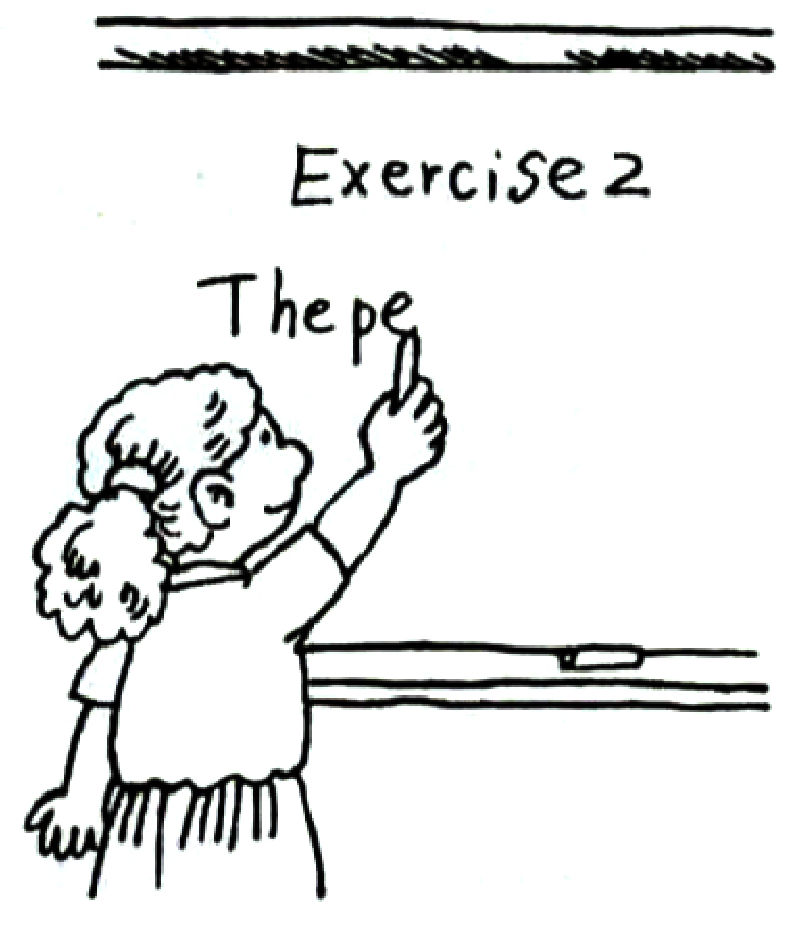
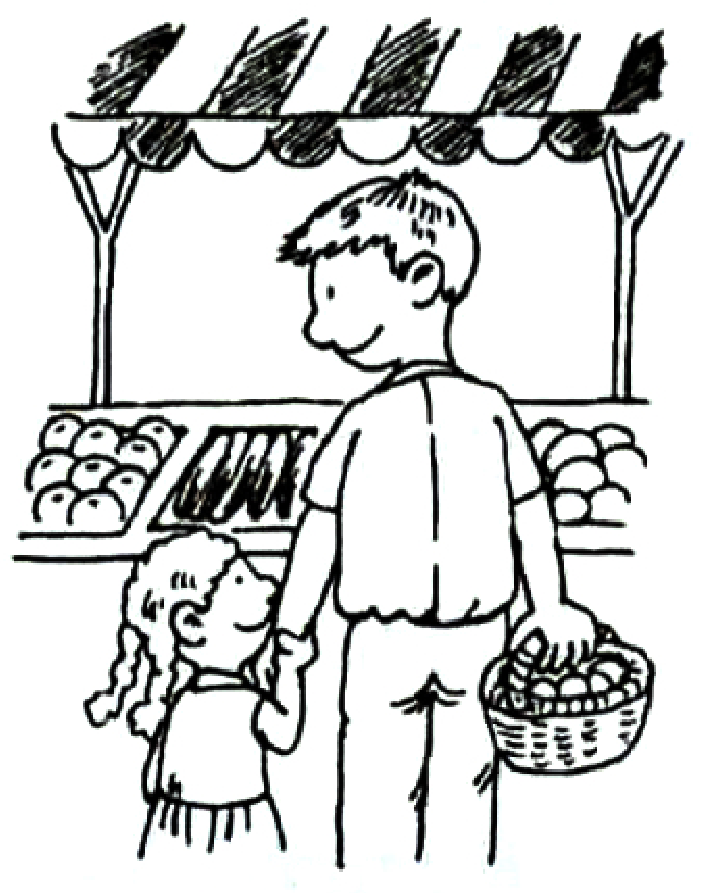
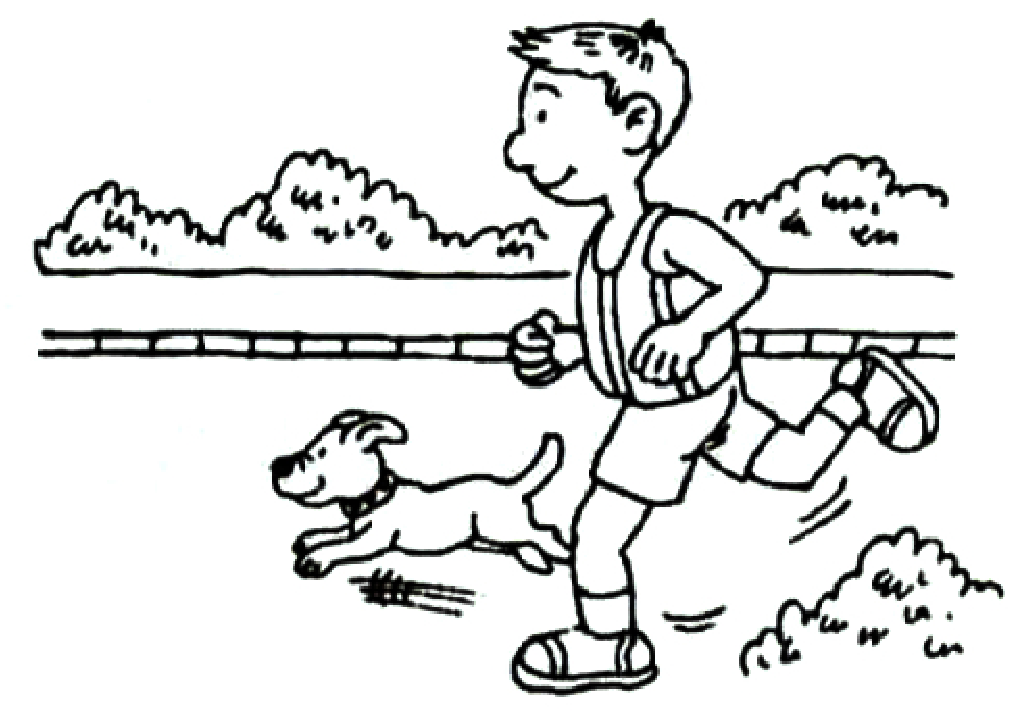
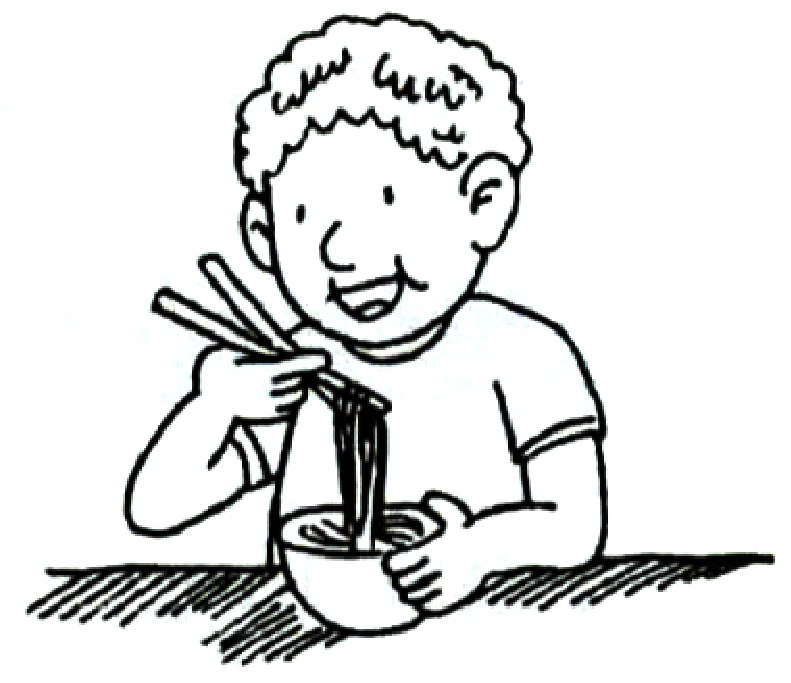
Look at the pictures. Choose the correct answer and put a tick (✓) in its box.
1
She writes on the whiteboard with .
2
Sharon goes to the market with her .
3
Mr Roberts goes jogging in the park with his .
4
I eat noodles with .
5
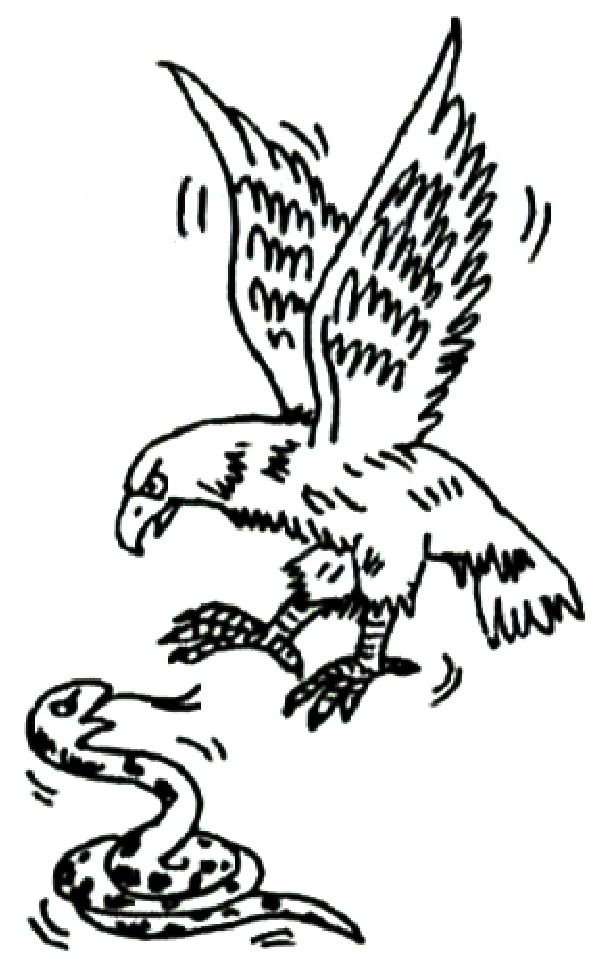
The eagle is fighting with the .
Page 11
Look at the pictures. Underline the correct answers.
1
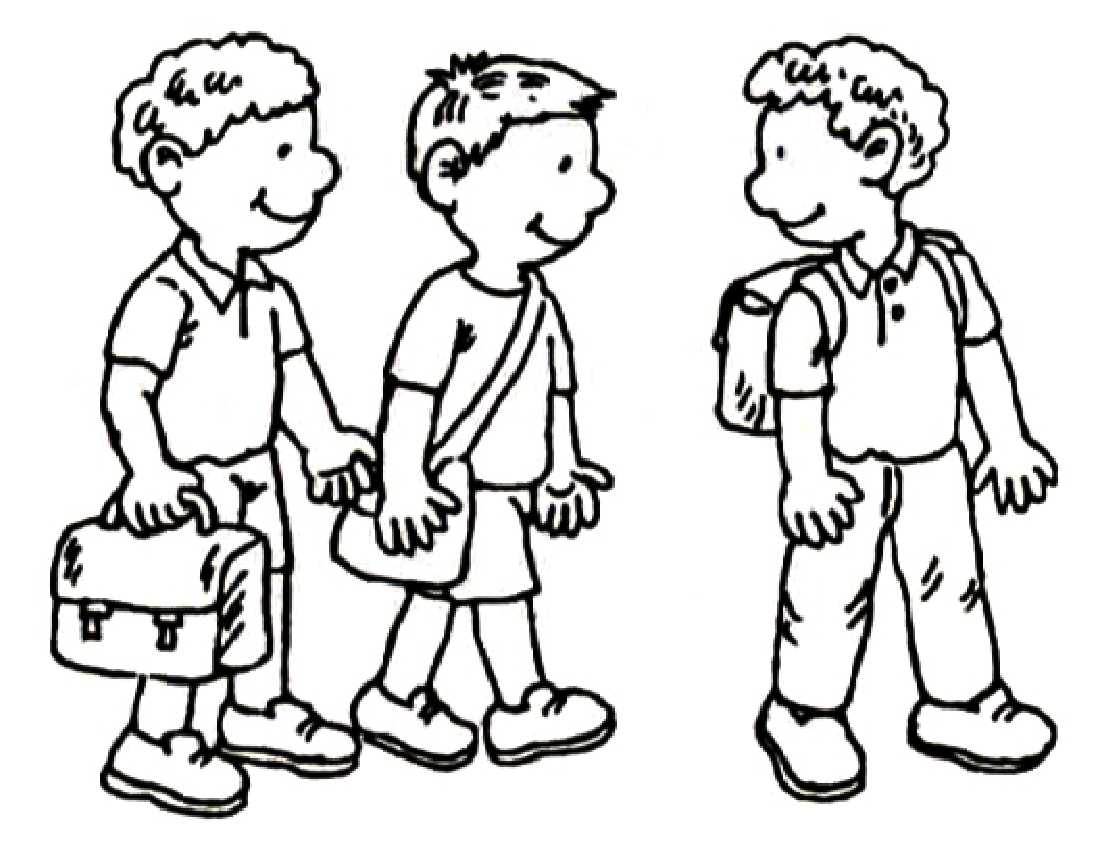
These are the ( boy's , boys' ) bags.
2
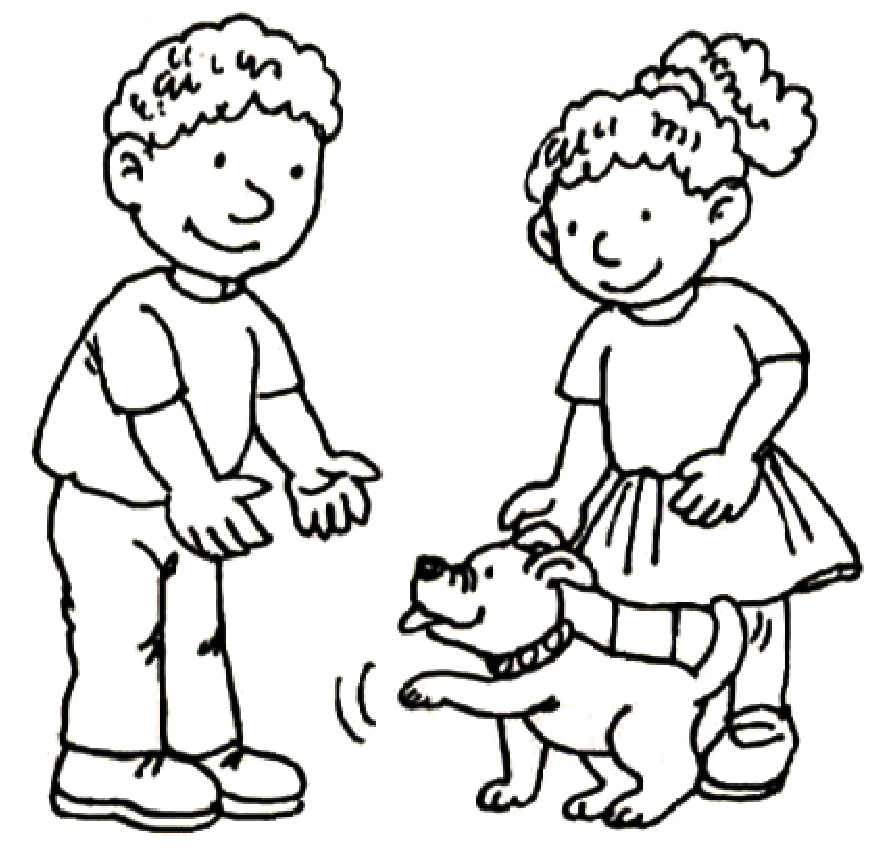
This is the ( childrens' , children's ) dog.
3
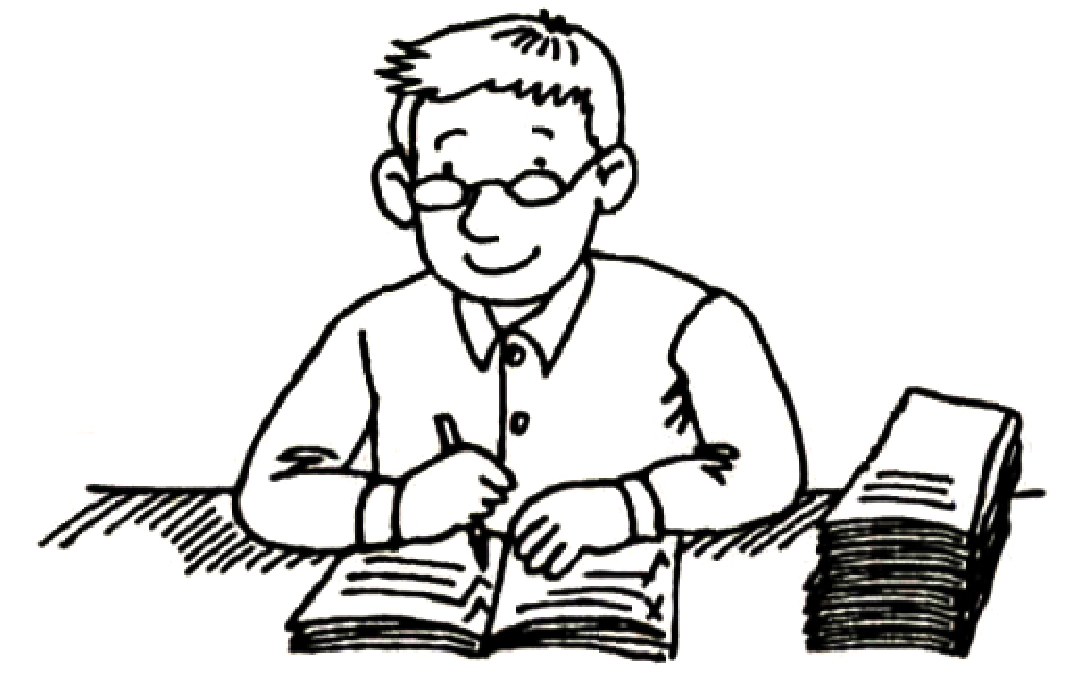
The teacher is marking the ( student's , students' ) homework.
4
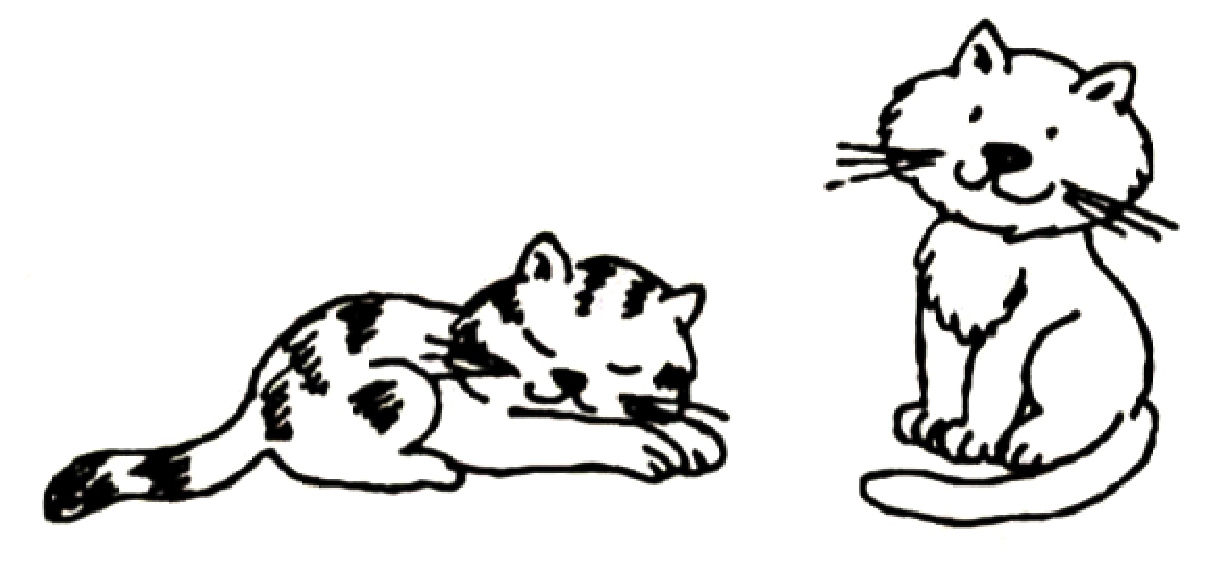
( Cat's , Cats' ) feet are also called paws.
5
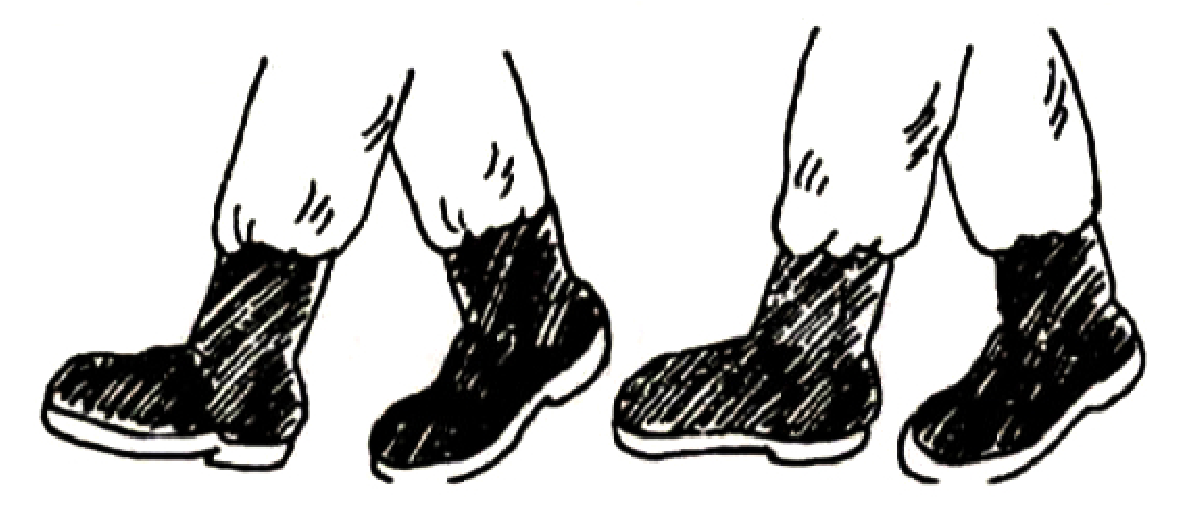
The ( soldier's , soldiers' ) boots are well polished.
Page 12
The words in each of the following are not in order. Rewrite them in the correct order.
1
2
3
4
5
6
7
8
9
10
Page 13
1
(a) We use the pronouns 'me' , 'him' , 'her' , 'us' and 'them' after prepositions.
Examples
He gave the book to me.
She went to school with him.
They took the money from her.
The classroom was decorated by us.
The game was delayed because of them.
2
(b) We use the pronouns 'me' , 'him' , 'her' , 'us' and 'them' after verbs of action.
Examples
The dog chased me.
The teacher scolded him.
The principal met her in the canteen.
The artist taught us how to paint with water colours.
I printed the photographs and my mother framed them.
Page 14
Look at the pictures. Underline the correct answers.
1
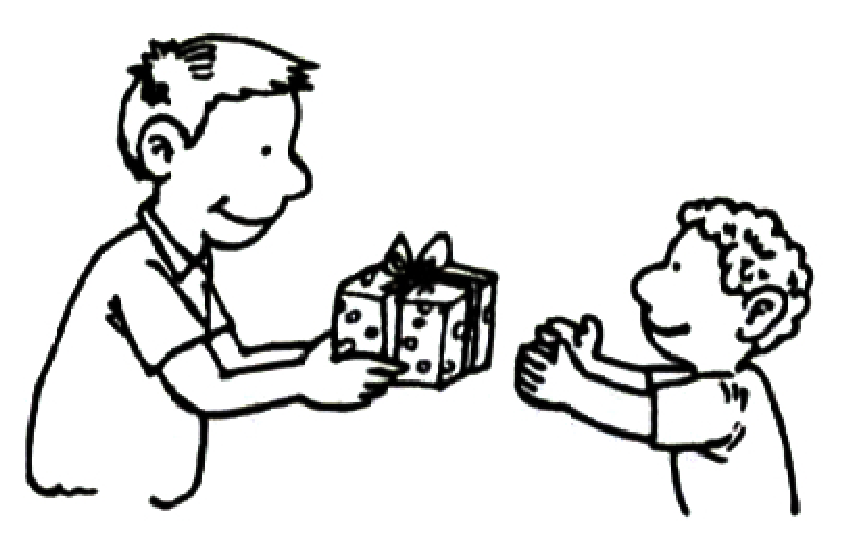
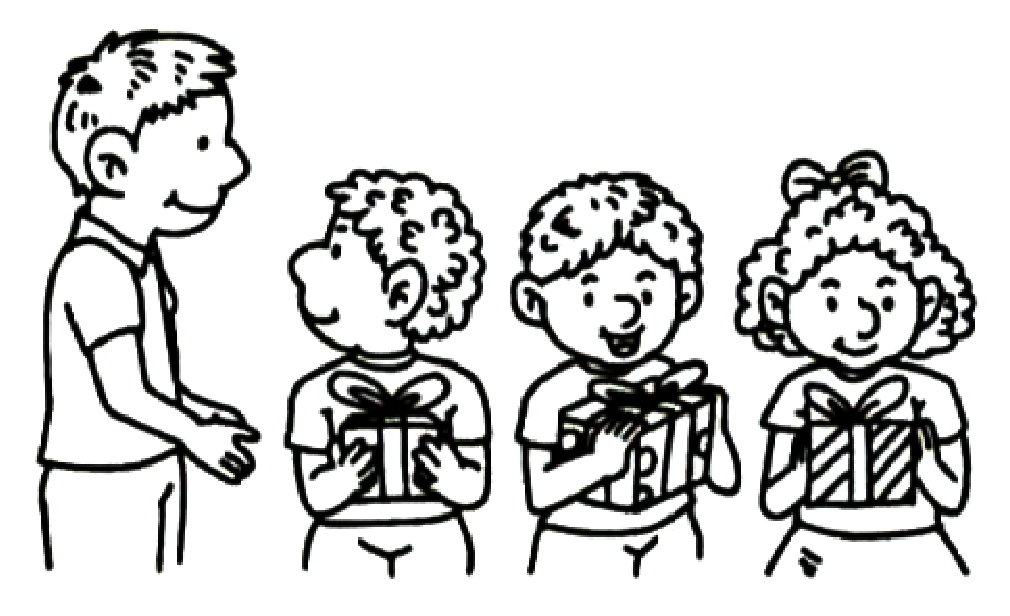
My uncle gave ( me , us ) a present.
2
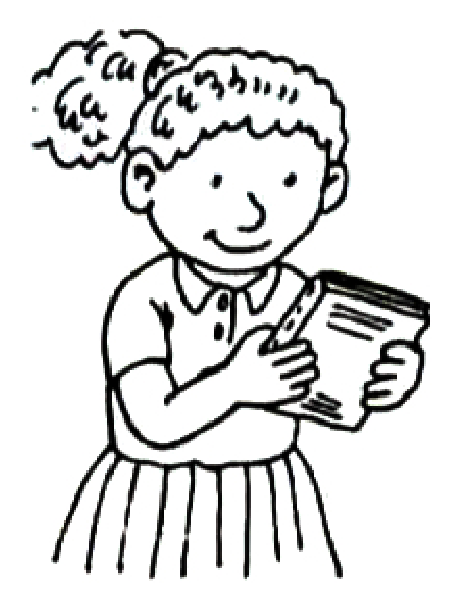
The book belongs to ( him , her ).
3
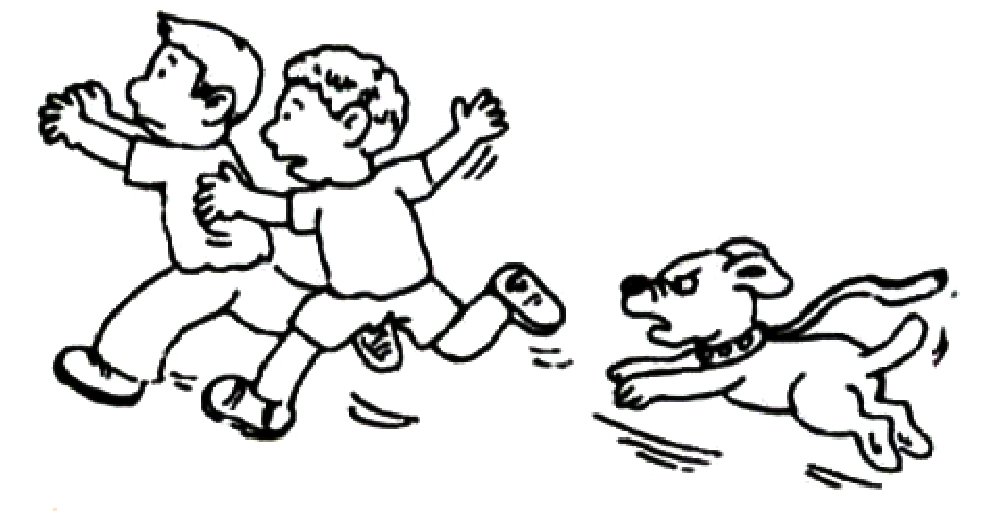
The dog is chasing ( them , me ).
4
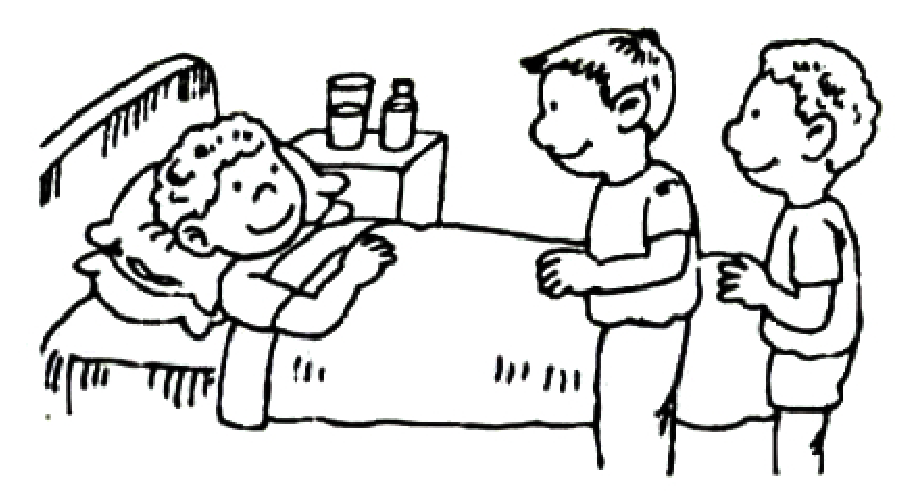
We visited ( us , him ) at the hospital.
5
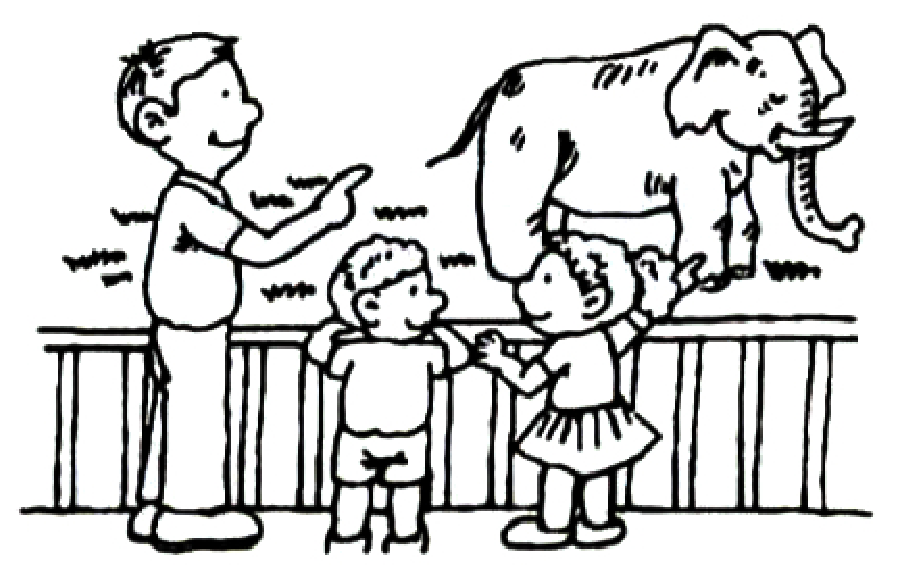
Our father took ( us , her ) to the zoo.
6
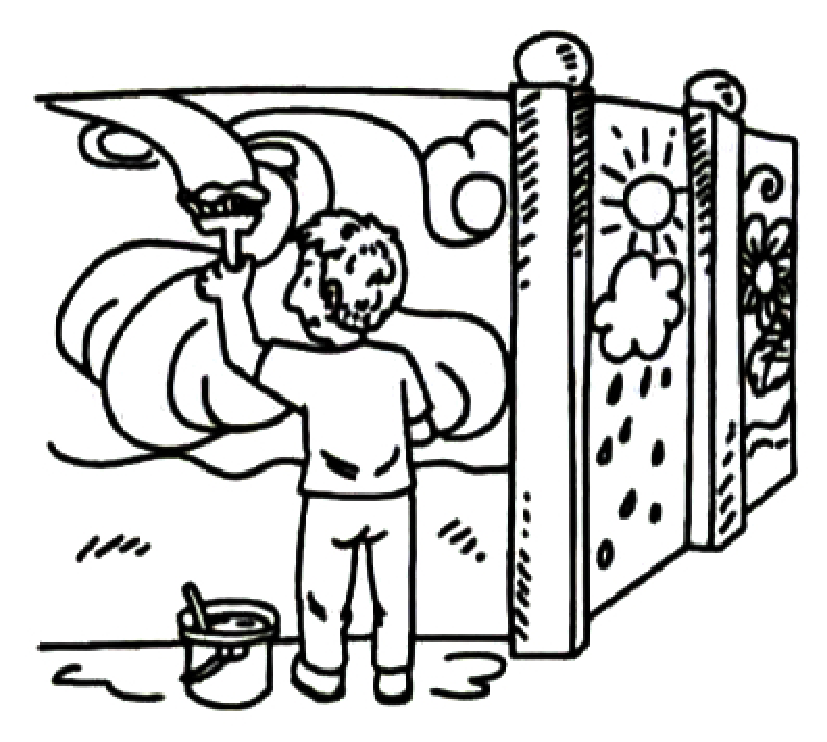
The murals are drawn by ( them , him ).
7
Their father bought ( me , them ) presents.
Page 16
Answer the questions with the help of the words in the brackets as shown in the example.
EXAMPLE
Whom do you go to school with? (my brother)
I go to school with my brother.
1
Who is in the room with you? (Judy)
2
Who went jogging with you? (my friend)
3
What do you brush your teeth with? (a toothbrush)
4
What do you write with? (a pen)
5
Who went fishing with you? (David)
Page 16
Fill in each blank with the correct word from the box.
me
him
her
us
them
1
Miss Parker is looking for Penny and Randy. Have you seen ?
2
This is my bag. It belongs to .
3
This letter is for Judy. Please give it to .
4
We are going to the beach. Would you like to come with ?
5
Our grandfather smiled when we waved at .
6
My brother and I have a bicycle each. Our father bought them for .
7
Where are my shoes? I can't find anywhere.
8
"Please lend your ruler," said Andy.
9
Is that the man who stole your wallet?
No, it isn't .
10
I thought she was Miss Davidson, but it wasn't .
Use the pronouns learnt to complete the sentences.
Go to My SAPeducation App or http://sapgrp.com.sg/online-resources/english

Page 17
1
(a) The noun that we write before the verb is the SUBJECT of a sentence. When the SUBJECT is SINGULAR, the VERB we write after it must be in the SINGULAR form.
Examples
The kitten is playful.
Susan was my classmate.
The soldier is walking into the jungle.
That flat has five rooms.
The television set is new.
The computer is in my room.
2
(b) When the SUBJECT is PLURAL, the VERB that we write after it must be in the PLURAL form.
Examples
The kittens are playful.
Susan and Richard were my classmates.
The soldiers are walking into the jungle.
Those flats have three rooms each.
The television sets are new.
The computers are in my room.
Page 18
Look at the pictures. Underline the correct answers.
1
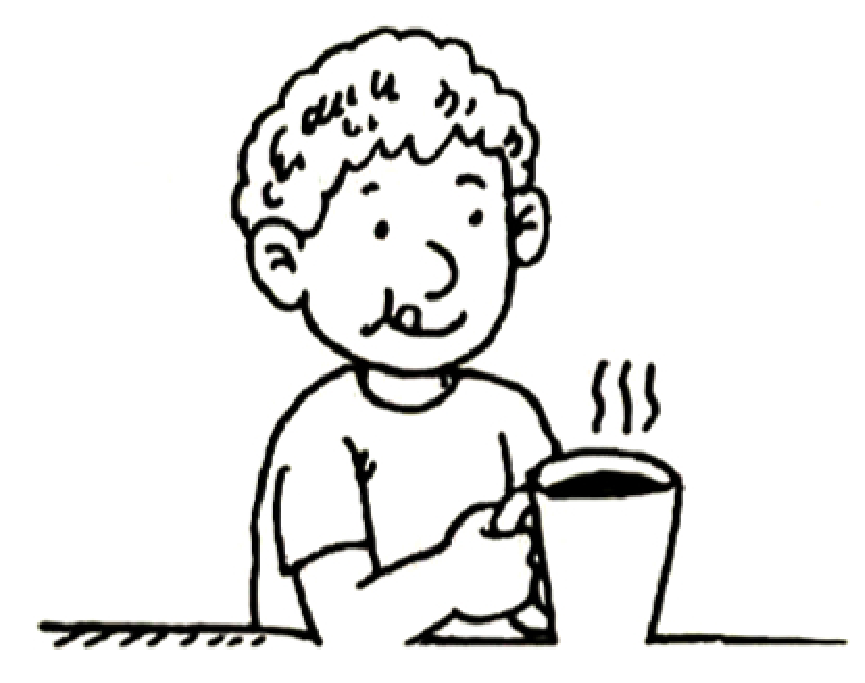
Peter ( drink , drinks ) a cup of chocolate milk every morning.
2
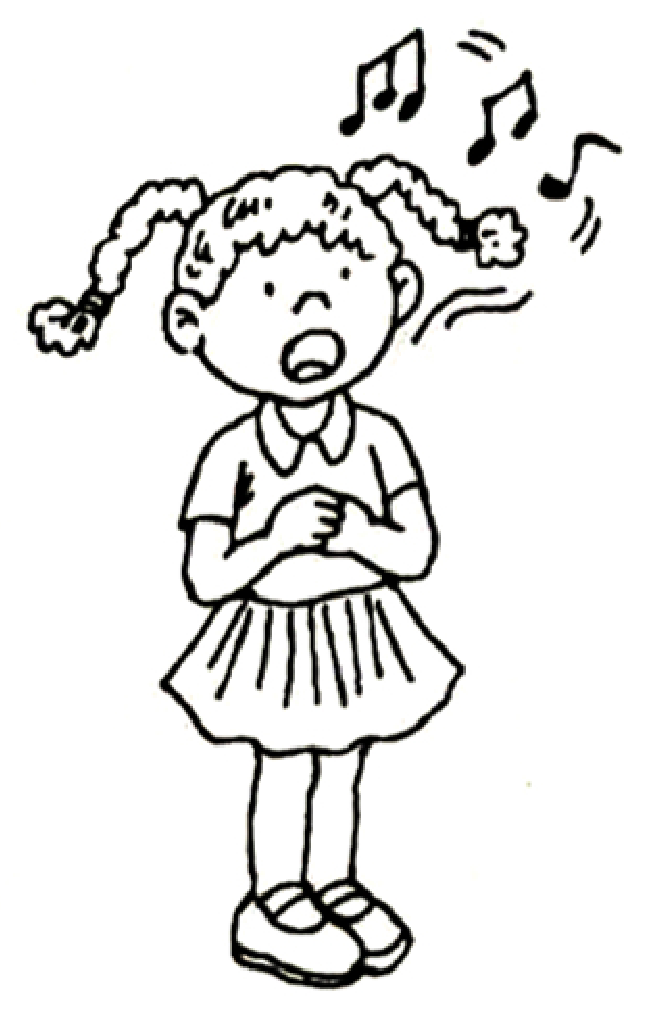
She ( sing , sings ) very well.
3
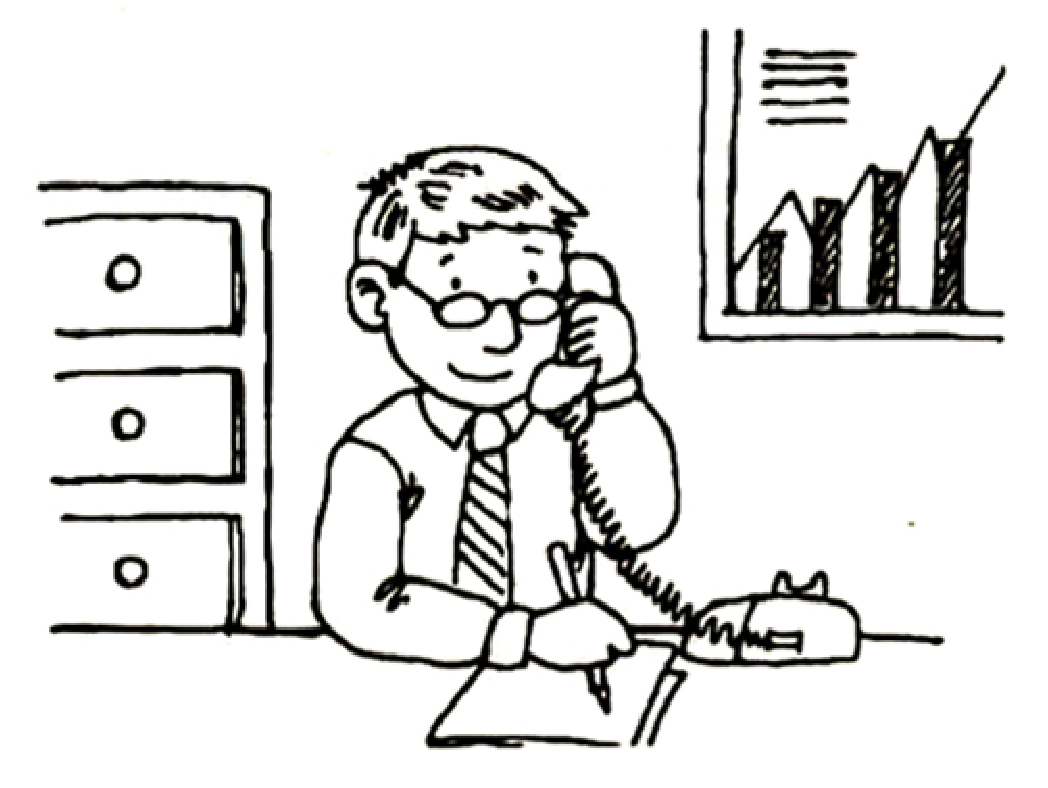
He ( work , works ) in an office.
4
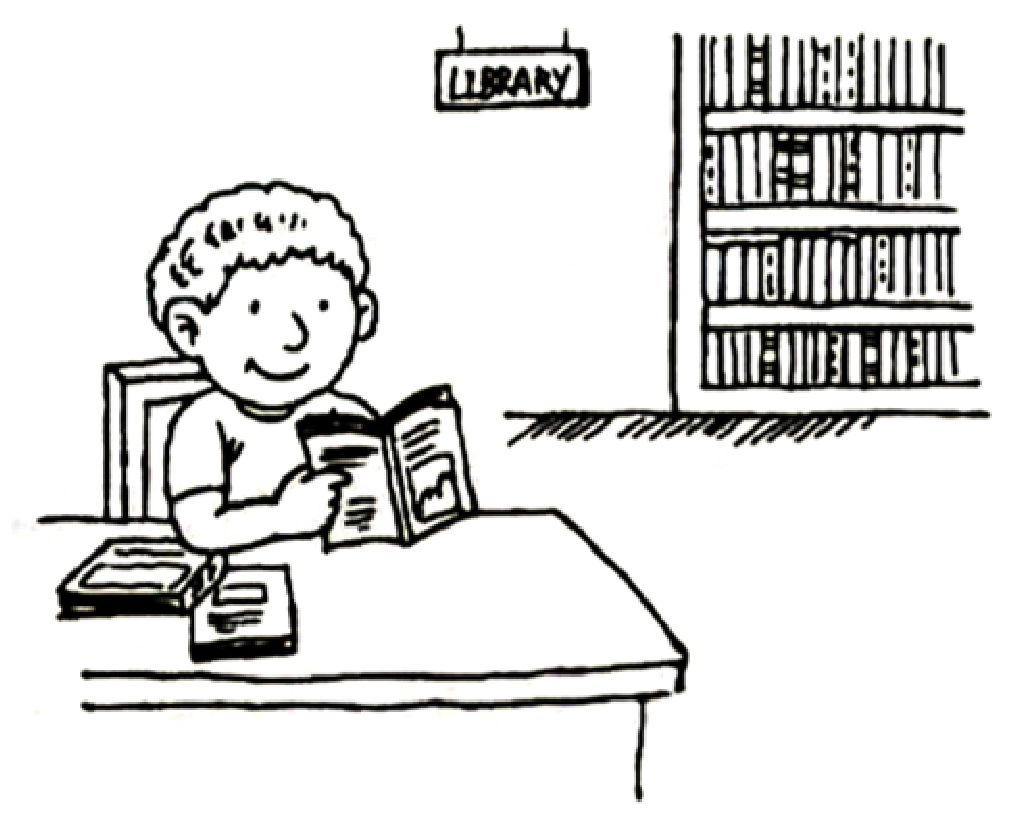
John ( spend , spends ) his time in the library.
5
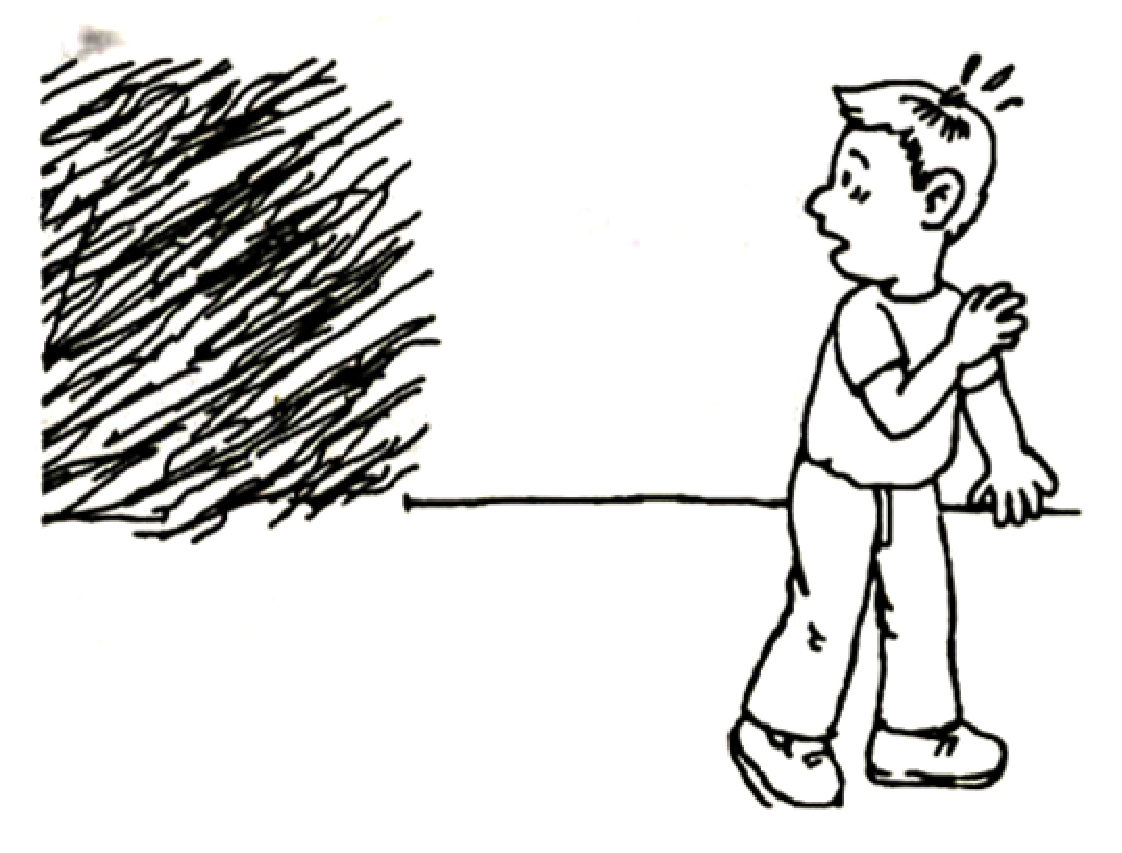
Mr Lee ( hear , hears ) a strange sound behind him.
Page 19
6
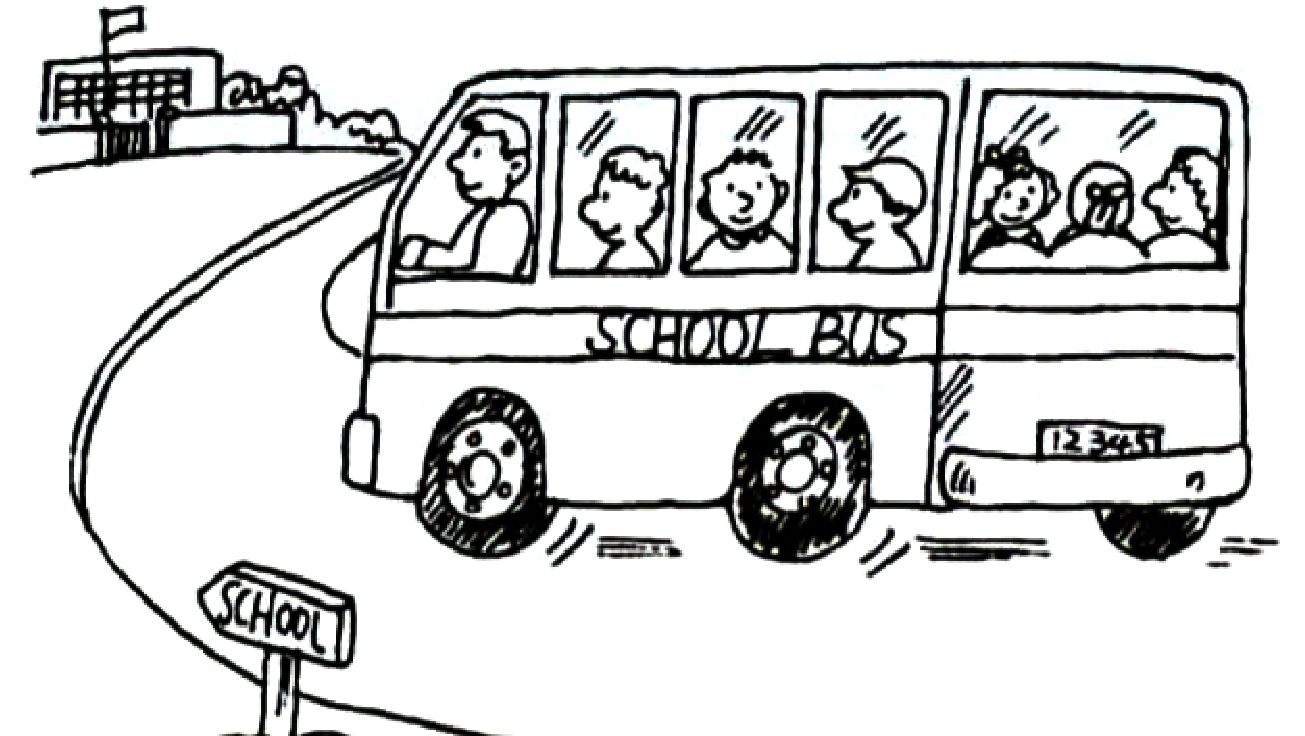
We ( travel , travels ) to school by bus.
7
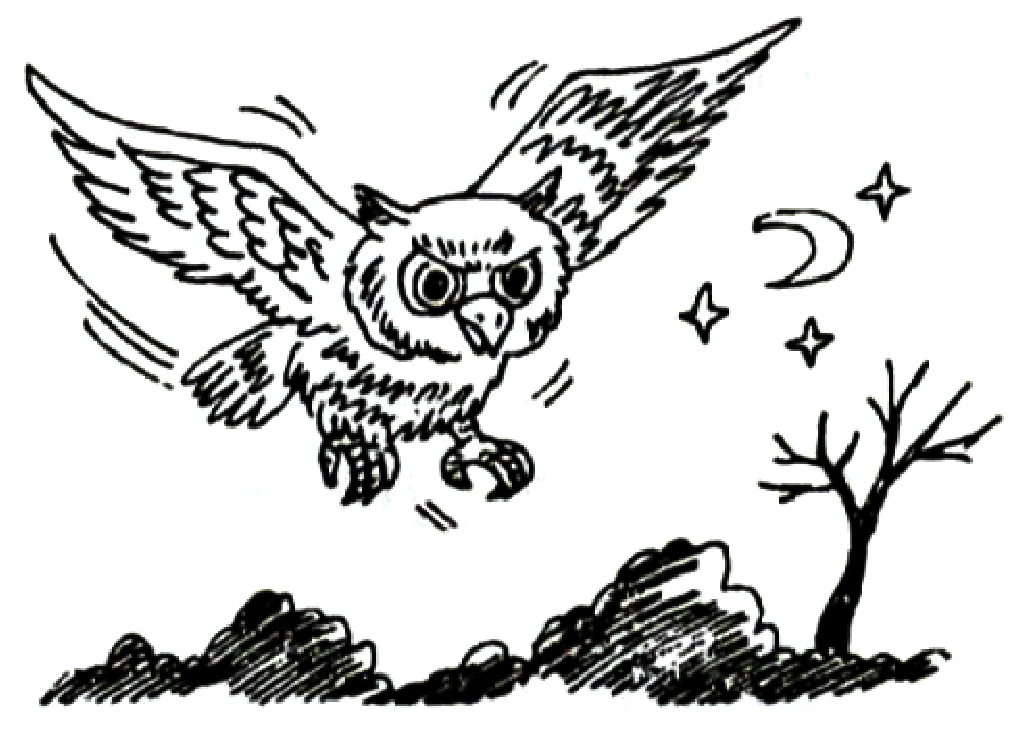
An owl is a bird that ( hunt , hunts ) at night.
8
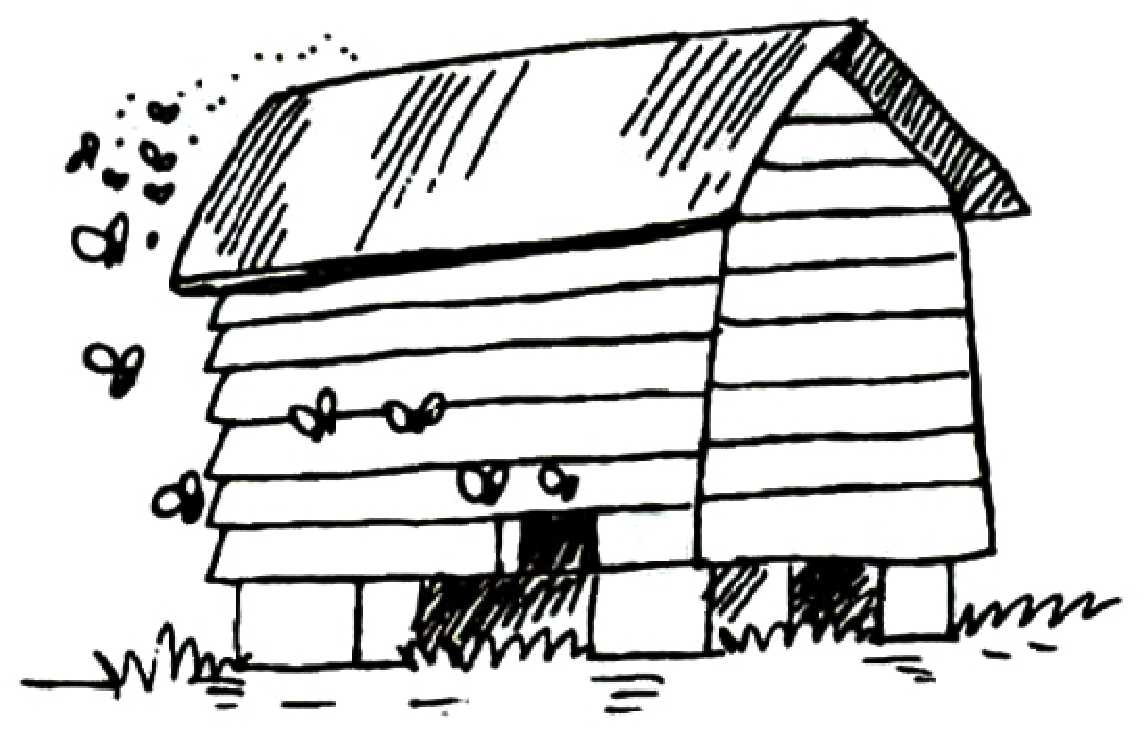
Bees ( live , lives ) in a hive.
9
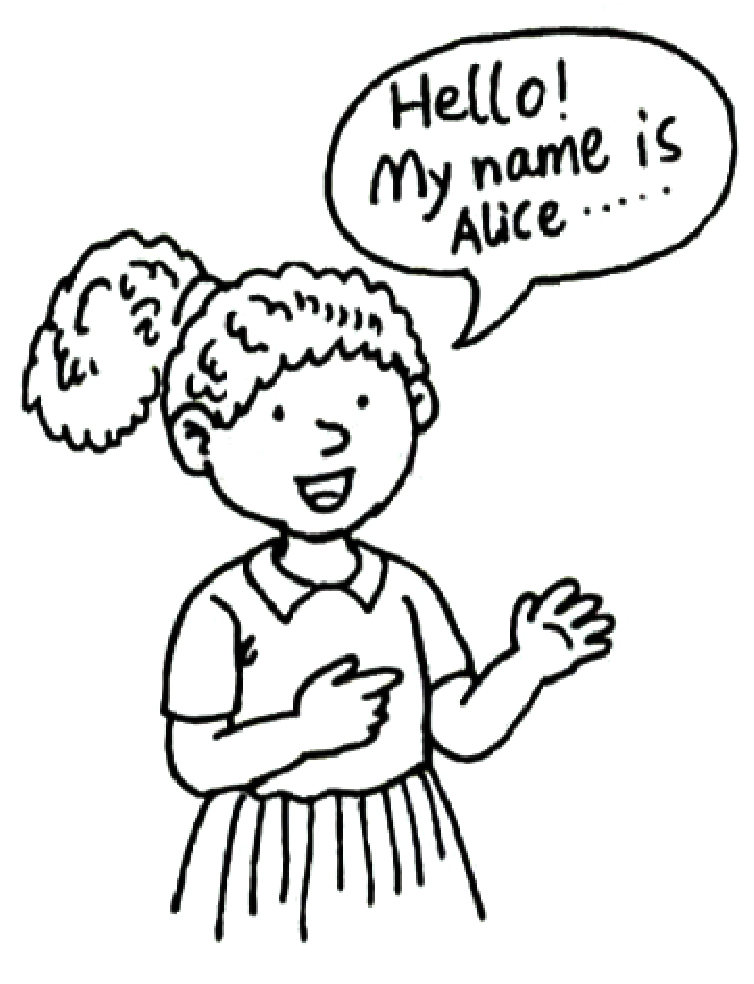
She ( speak , speaks ) English very well.
10
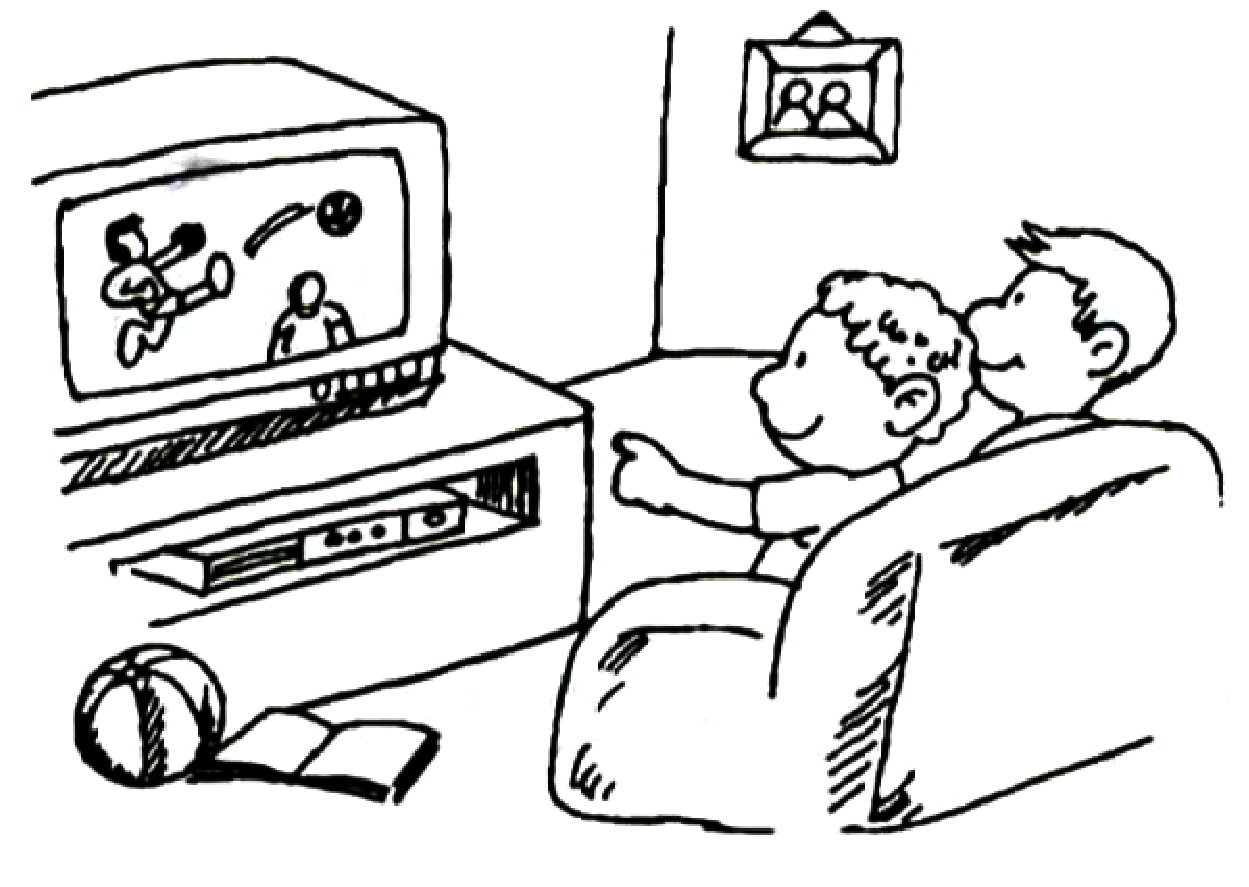
They ( watch , watches ) television every night.
Page 20
Fill in the blanks with the correct words in the brackets.
1
All of went to the beach.
2
The principal wants to see .
3
I am going to meet at the airport.
4
Tammy's father always fetches from school.
5
All the teachers like .
6
The bull is running towards .
7
The old sailor told many stories.
8
Paul's parents told to stay home.
9
Joanne's mother took to the supermarket.
10
Are you looking for ?
Page 20
Fill in each blank with the correct form of the word in the brackets.
1
You always to bring your school fees. (forget)
2
Susan to the library every week. (go)
3
Anson and Thomas to eat durians very much. (like)
4
A postal worker letters. (deliver)
5
Nurses white uniforms. (wear)
6
He to work every day. (drive)
7
The boys football every Saturday evening. (play)
8
A log on water. (float)
9
A police officer criminals. (catch)
10
Jason often loudly in class. (talk)
Page 21
Underline the correct answers.
When we do the same thing every time or every day, we call it a habit. When we speak of habits, we use the simple present tense.
Examples:
Thomas brushes his teeth twice a day.
Jenny eats bread in the morning.
Mother cooks curry once a week.
Father goes to work by bus.
We attend computer class every week.
The boys borrow books from the library every month.
1
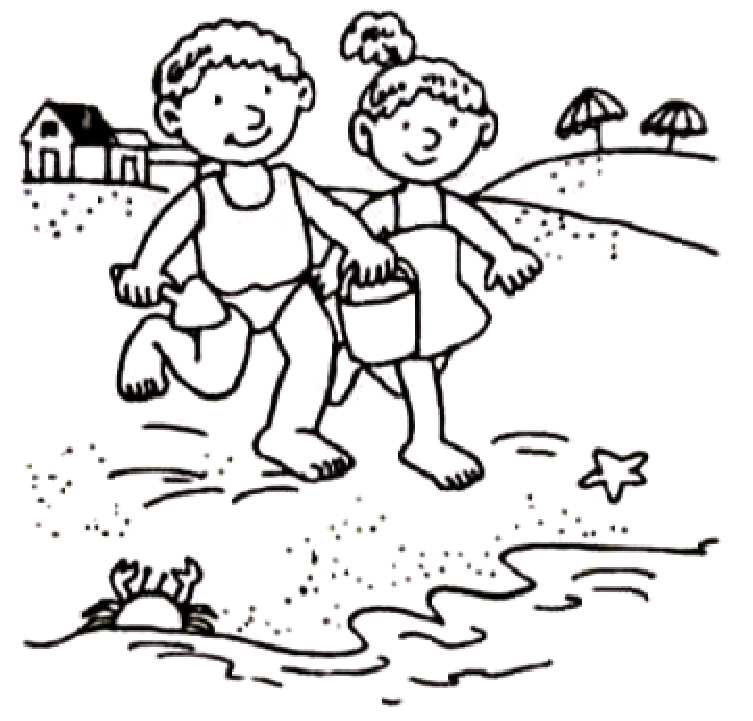
We ( go , goes ) to the beach every Sunday.
2
Lisa ( write , writes ) very well.
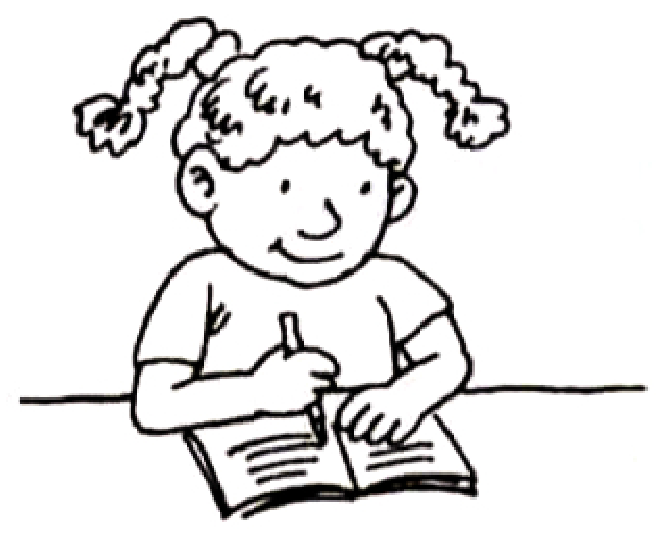
3
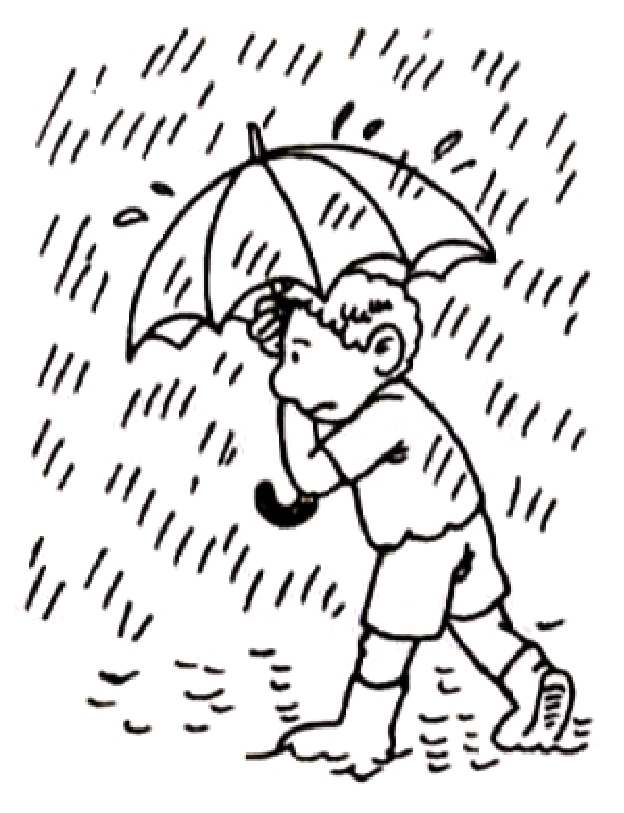
It usually ( rain , rains ) heavily in December.
Page 22
4
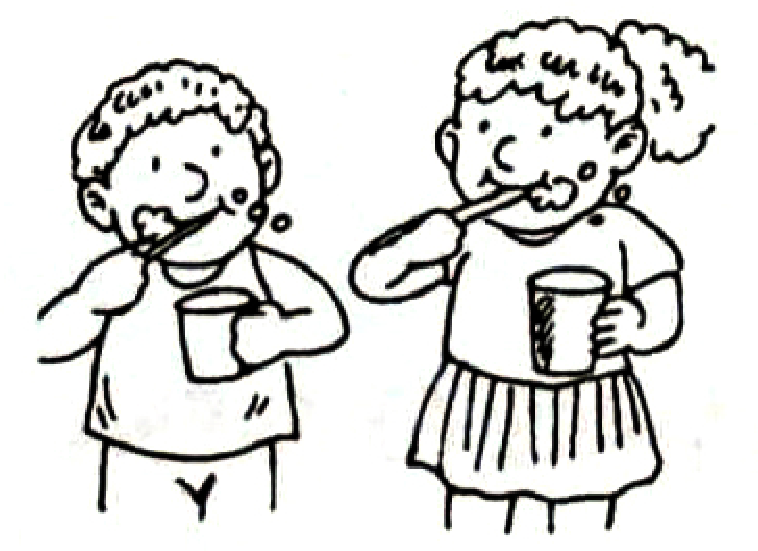
The children ( brush , brushes ) their teeth before they go to bed.
5
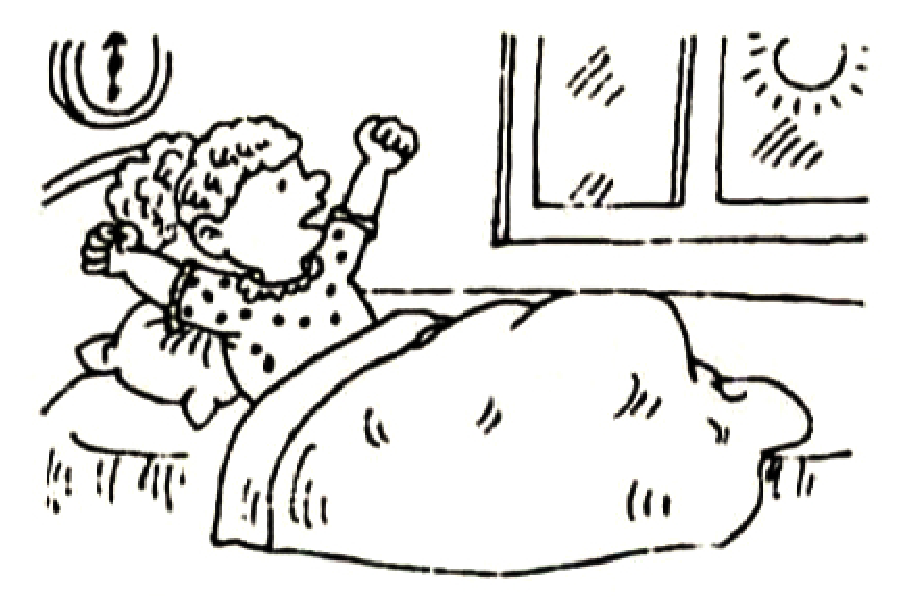
She ( wake , wakes ) up at six o'clock every morning.
6
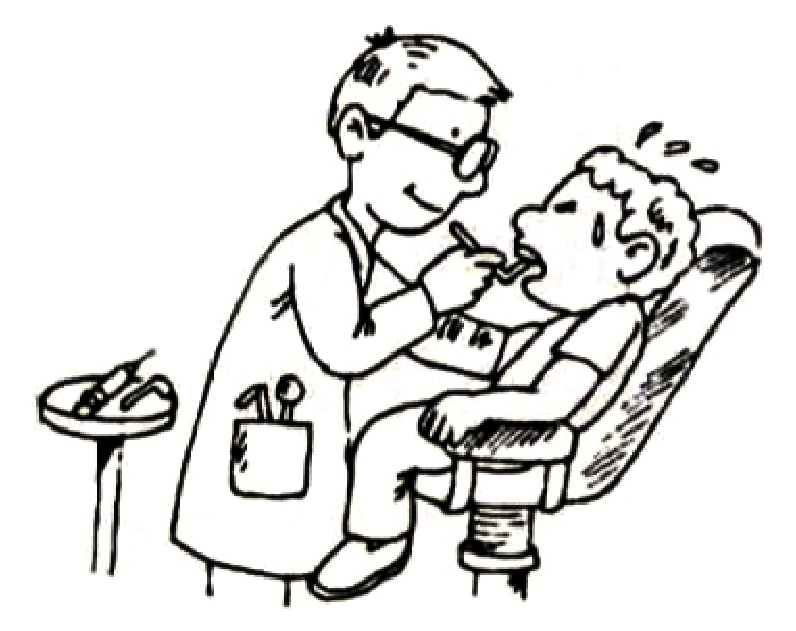
Philip ( visit , visits ) the dentist every six months.
7
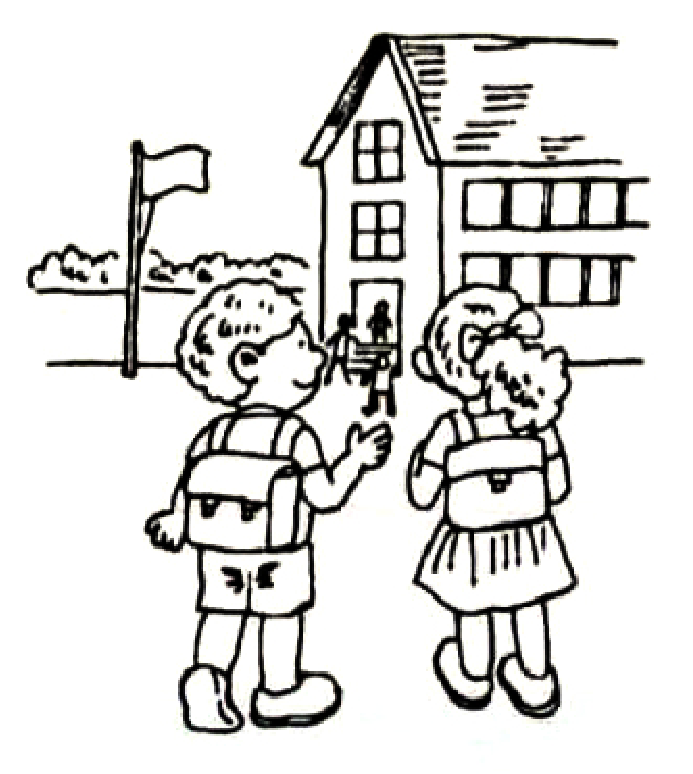
The students ( walk , walks ) to school every day.
8
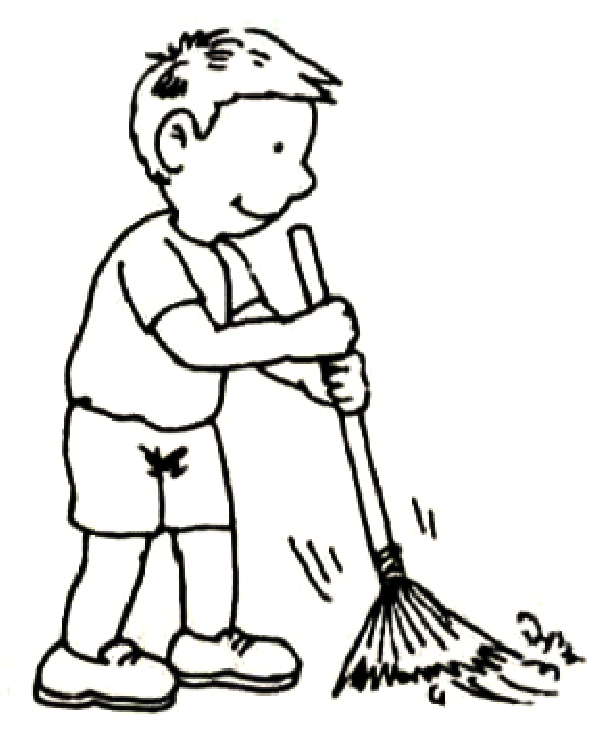
He ( sweep , sweeps ) the floor every day.
9
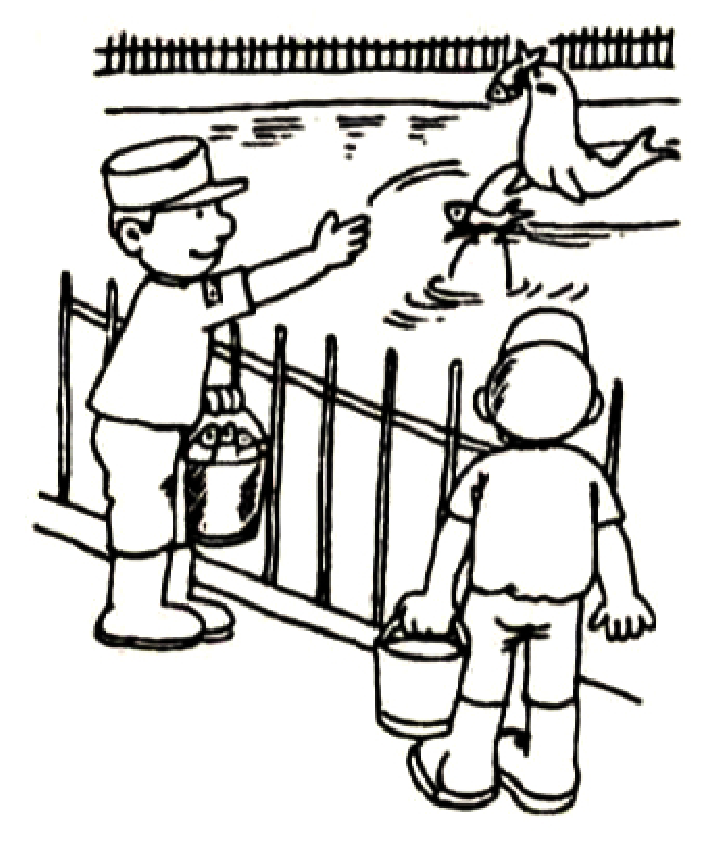
They ( feed , feeds ) the animals in the zoo three times a day.
10
The men ( collect , collects ) the rubbish early in the morning.
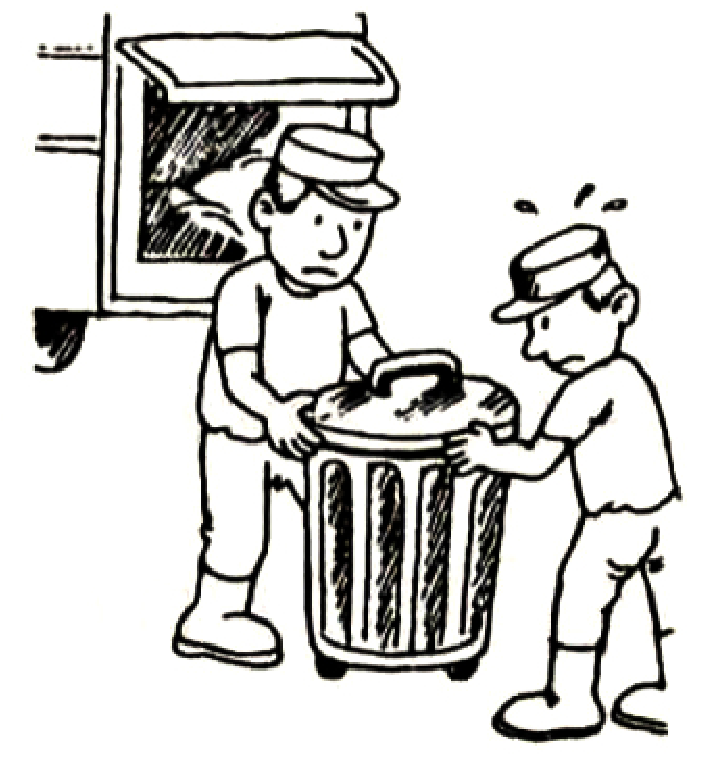
Page 24
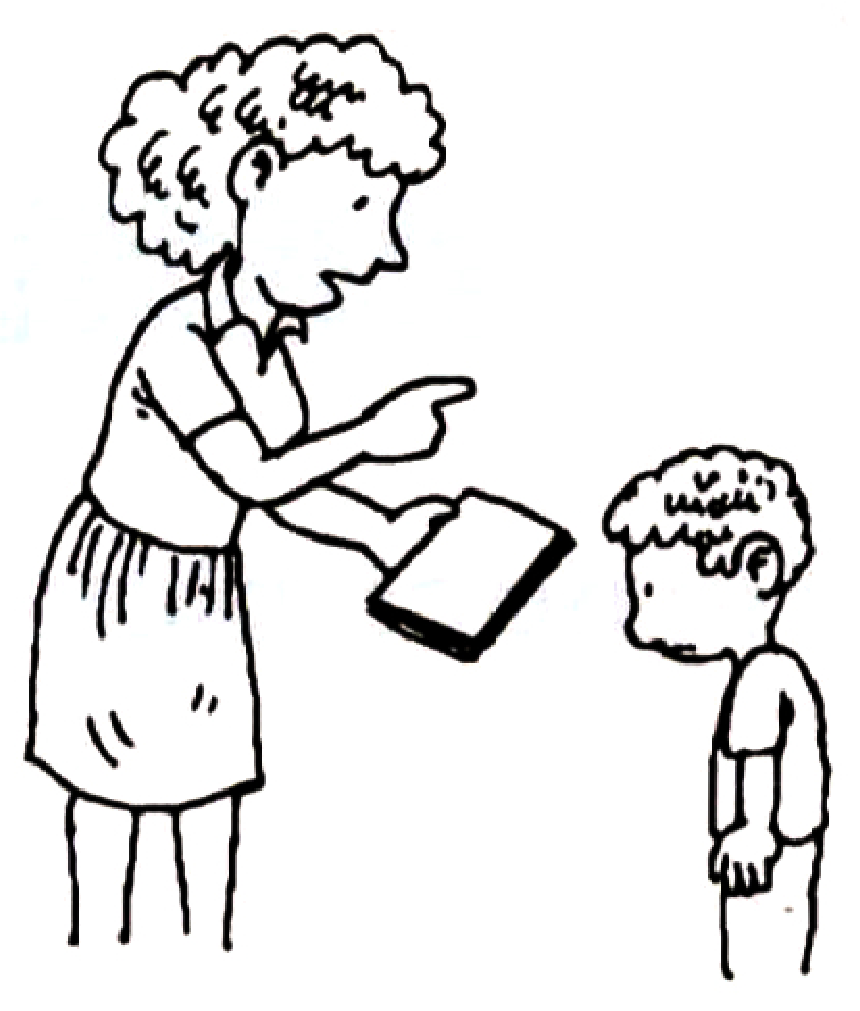
6
You always in your homework late. (hand)
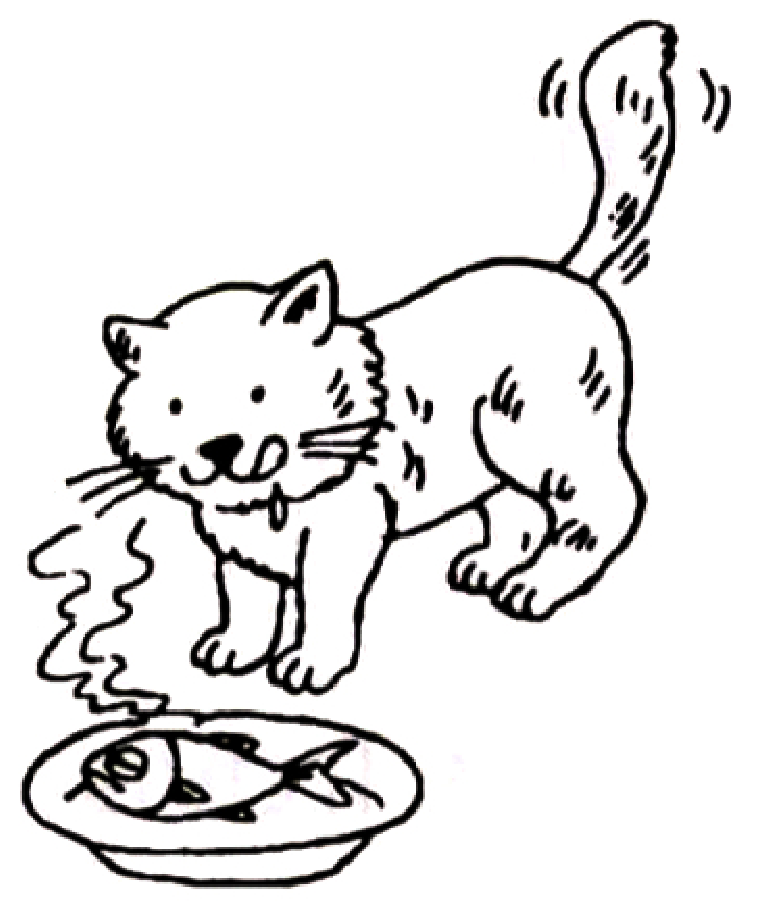
7
My cat to eat fish. (like)
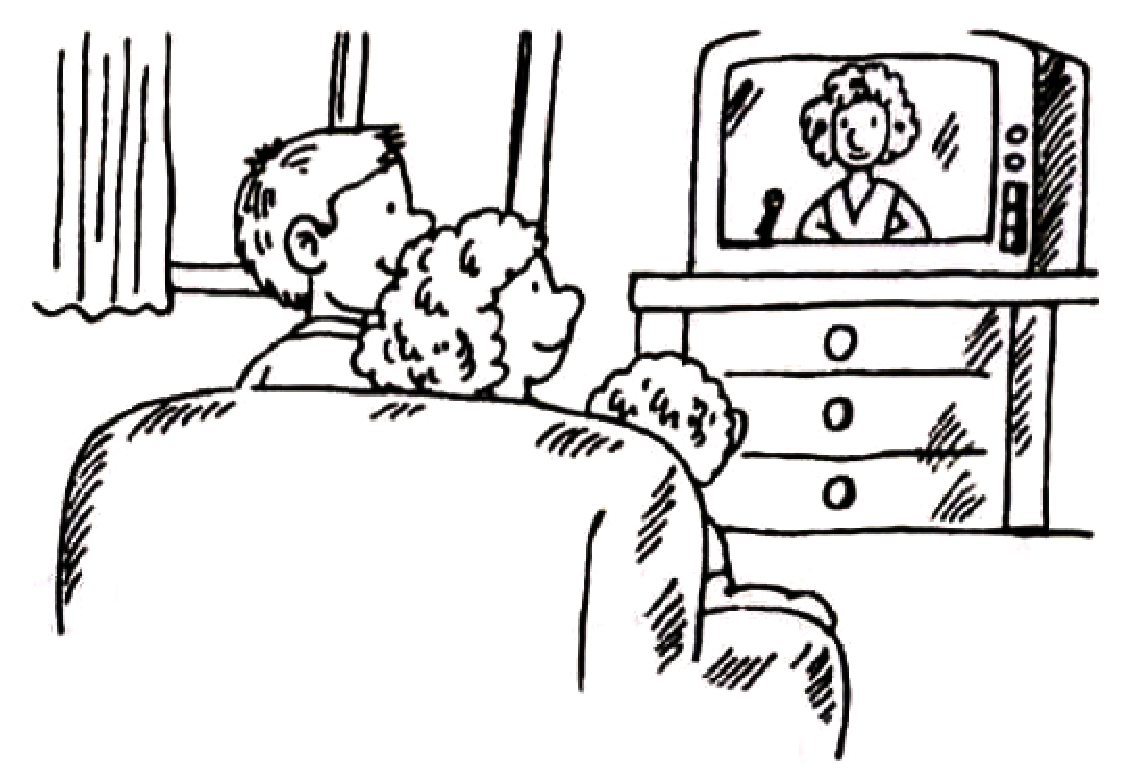
8
My parents and I television every night. (watch)
9
I my hair twice a week. (wash)
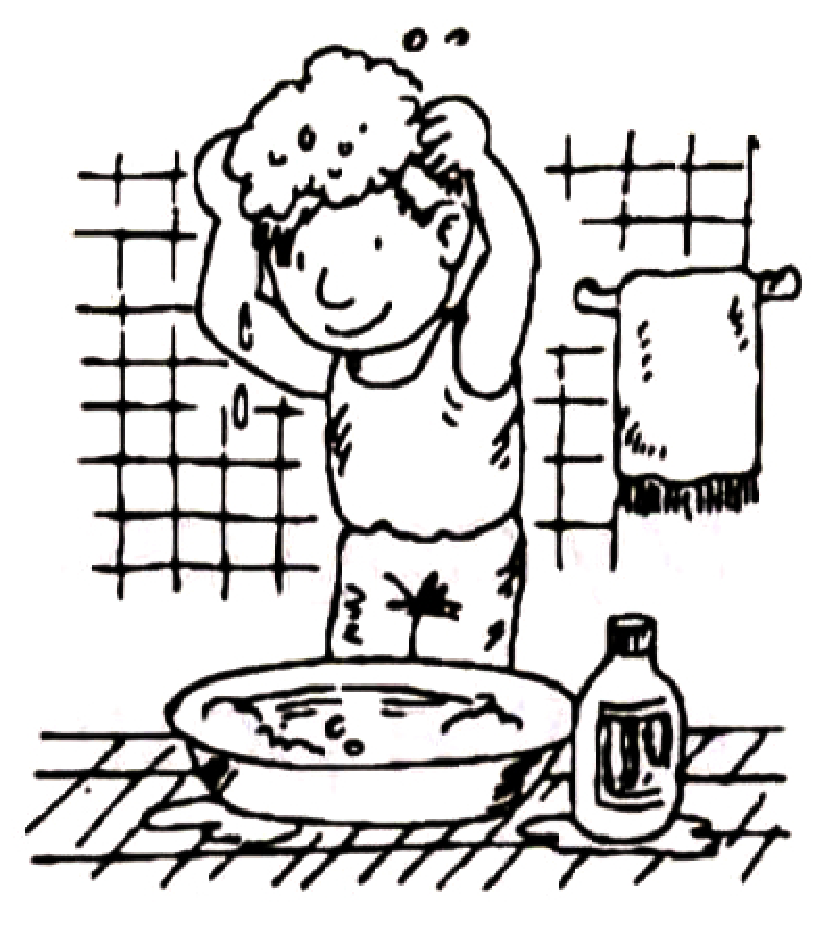
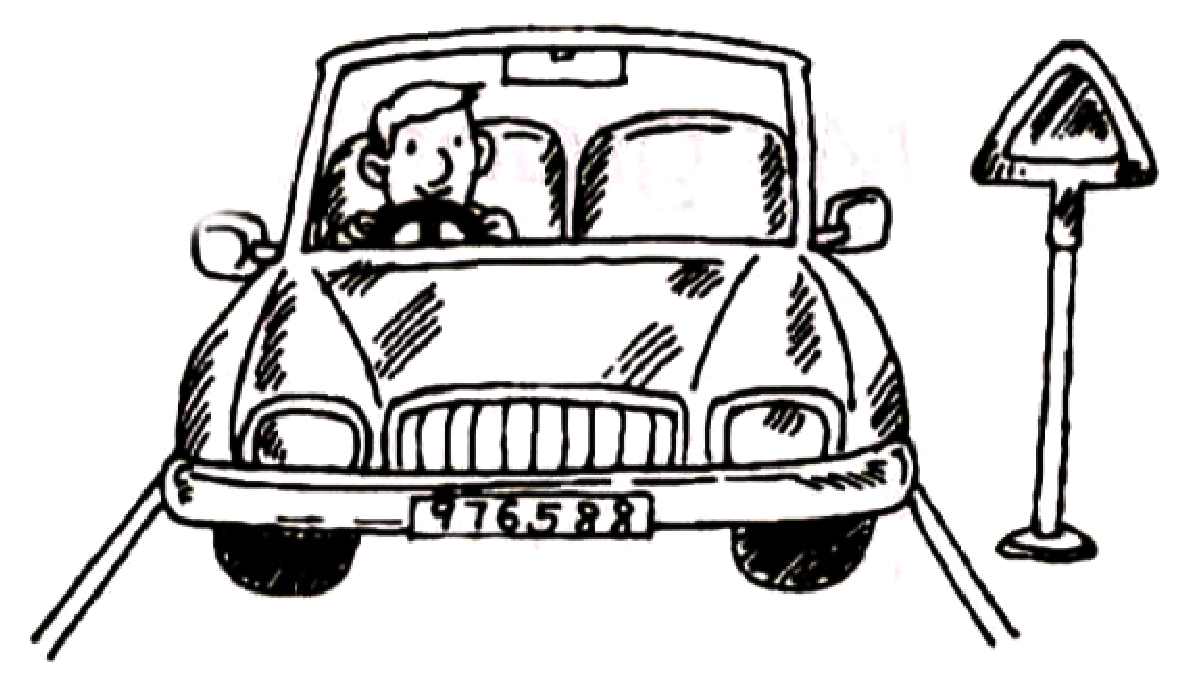
10
My father always very carefully. (drive)
Page 25
(a) Science and mathematics have many facts. When we speak of these facts, we use the simple present tense.
Examples
There are many planets in the solar system.
No one lives on the moon.
The sun is very hot.
Millions of fish live in the sea.
A triangle has three sides.
(b) Some people and creatures are expected to do certain things or actions. When we write or speak about these actions, we use the simple present tense.
Examples
A baby drinks milk.
A doctor treats sick people.
Bees live in large groups.
A hen lays eggs.
A frog croaks.
Page 26
Underline the correct answers.
1
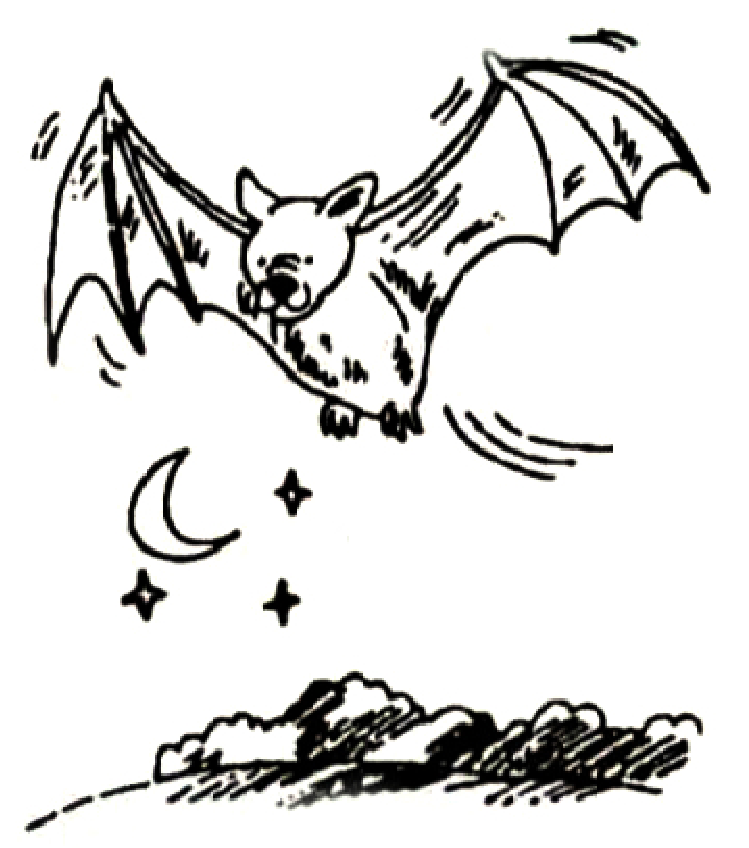
A bat ( fly , flies ) at night.
2
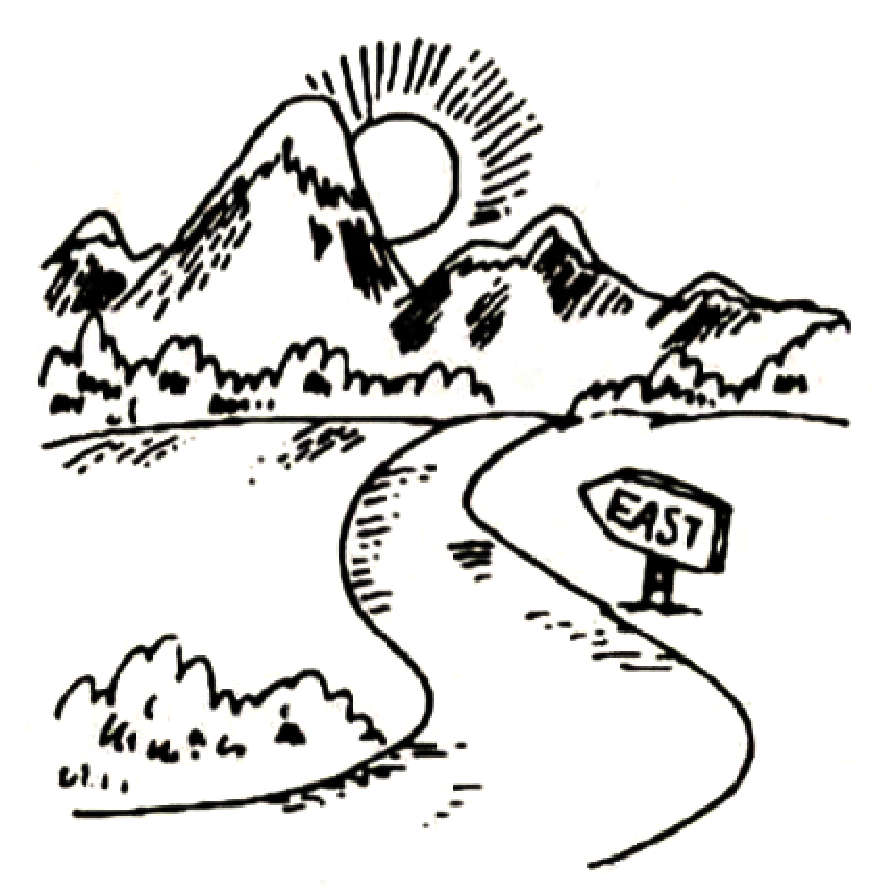
The sun ( rise , rises ) in the east.
3
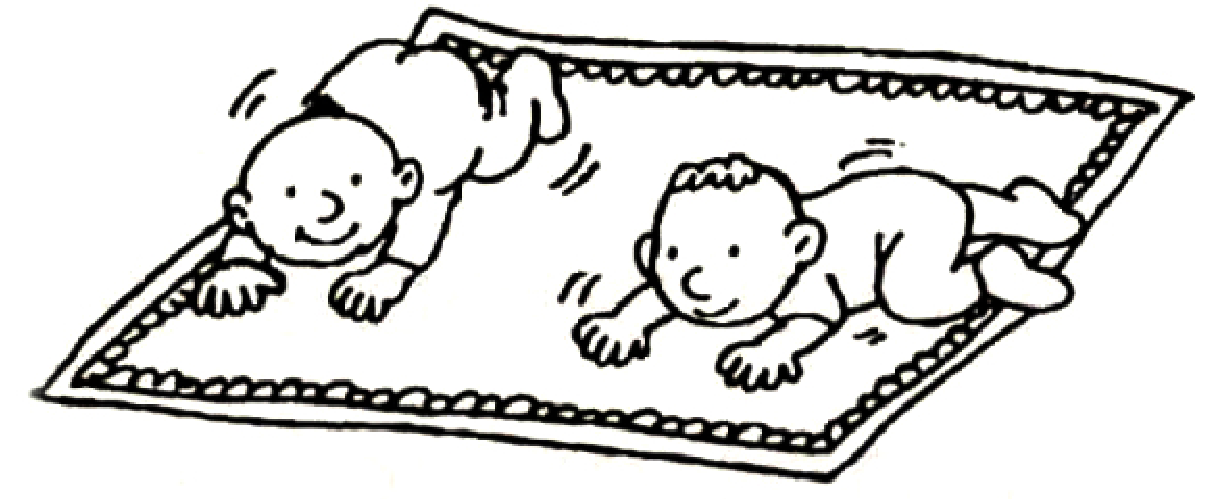
Babies ( crawl , crawls ) before they can walk.
4
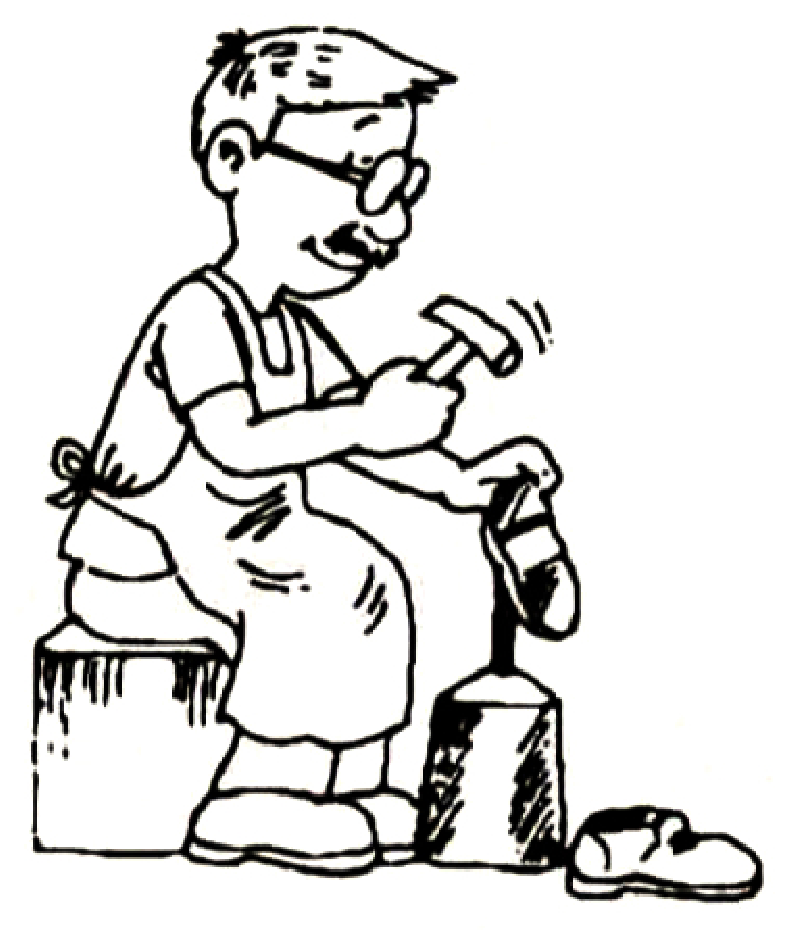
A cobbler ( mend , mends ) shoes.
5
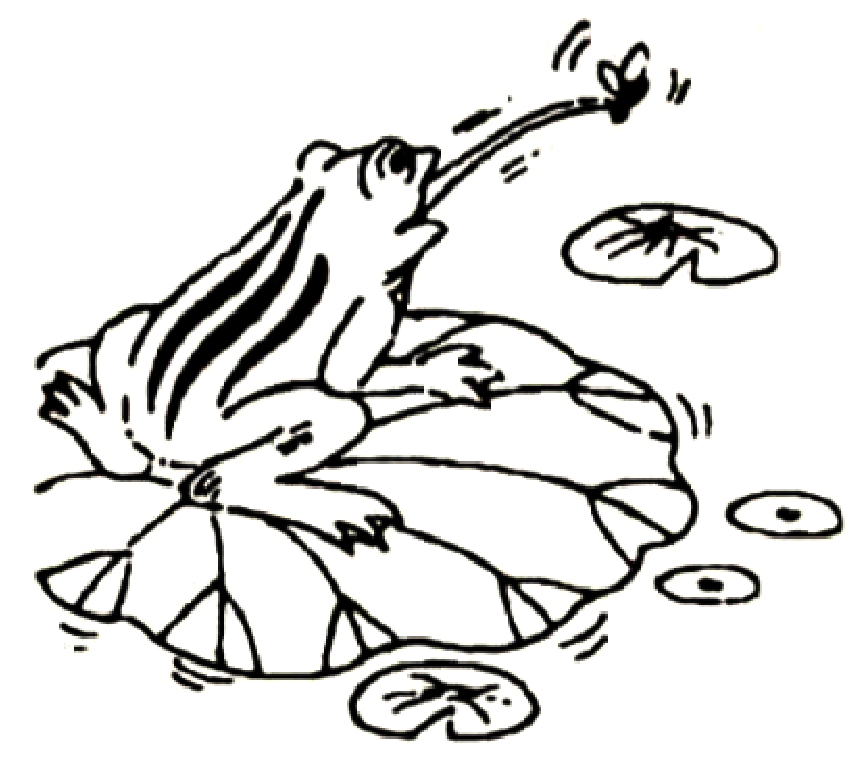
A frog ( eat , eats ) insects.
Page 27
6
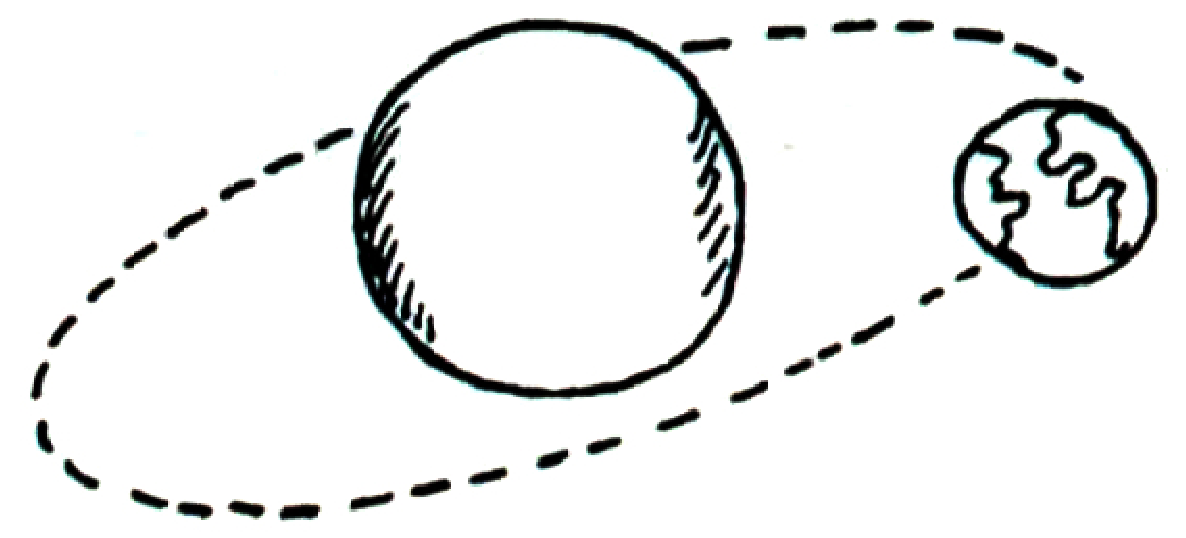
The Earth ( go , goes ) round the sun.
7
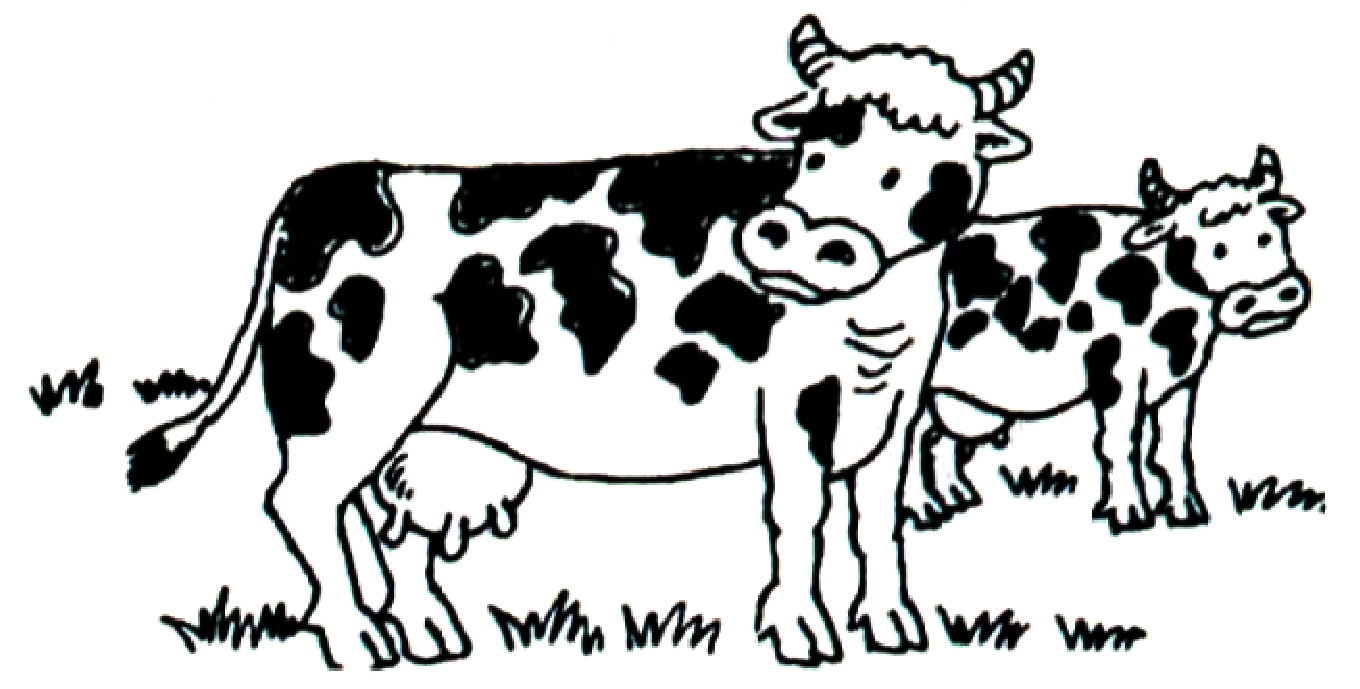
Cows ( give , gives ) us milk.
8
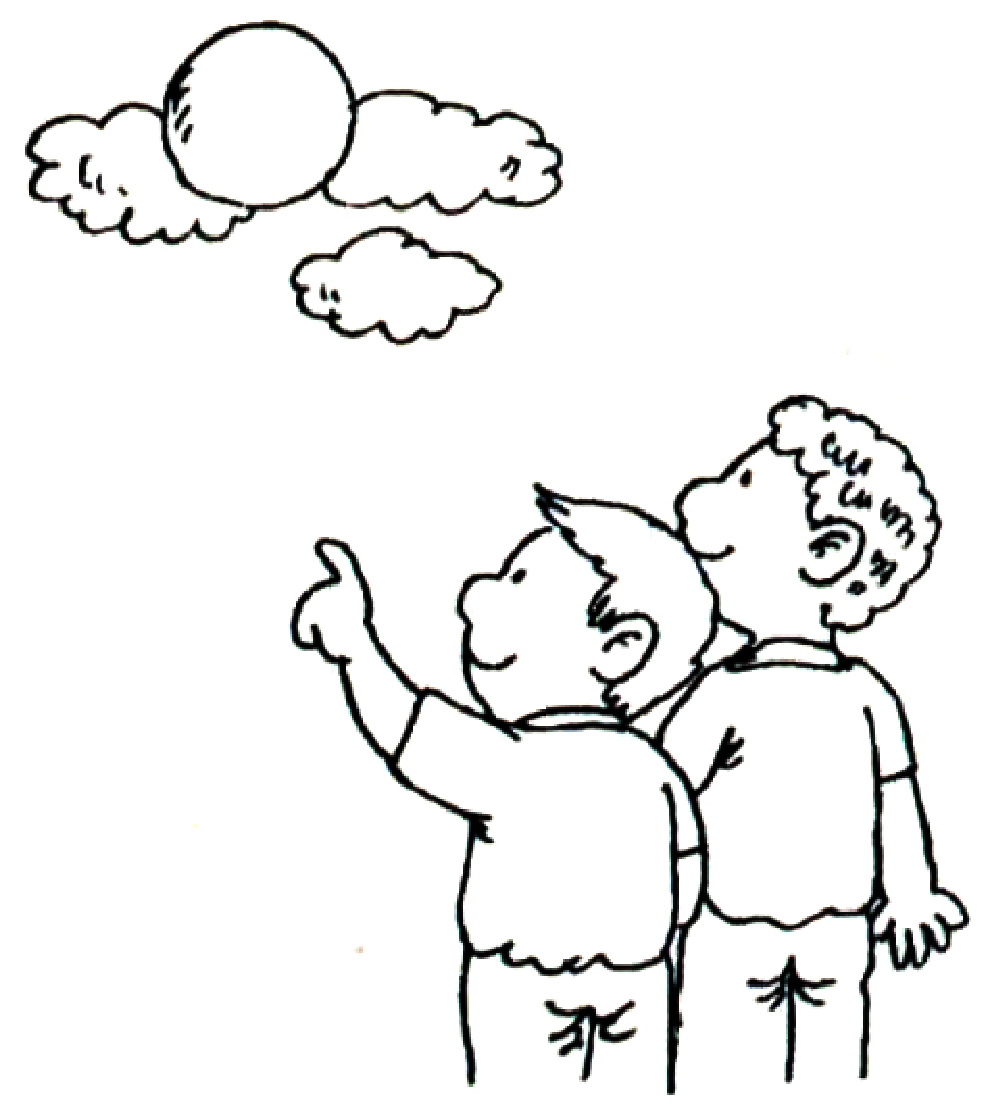
The moon ( shine , shines ) at night.
9
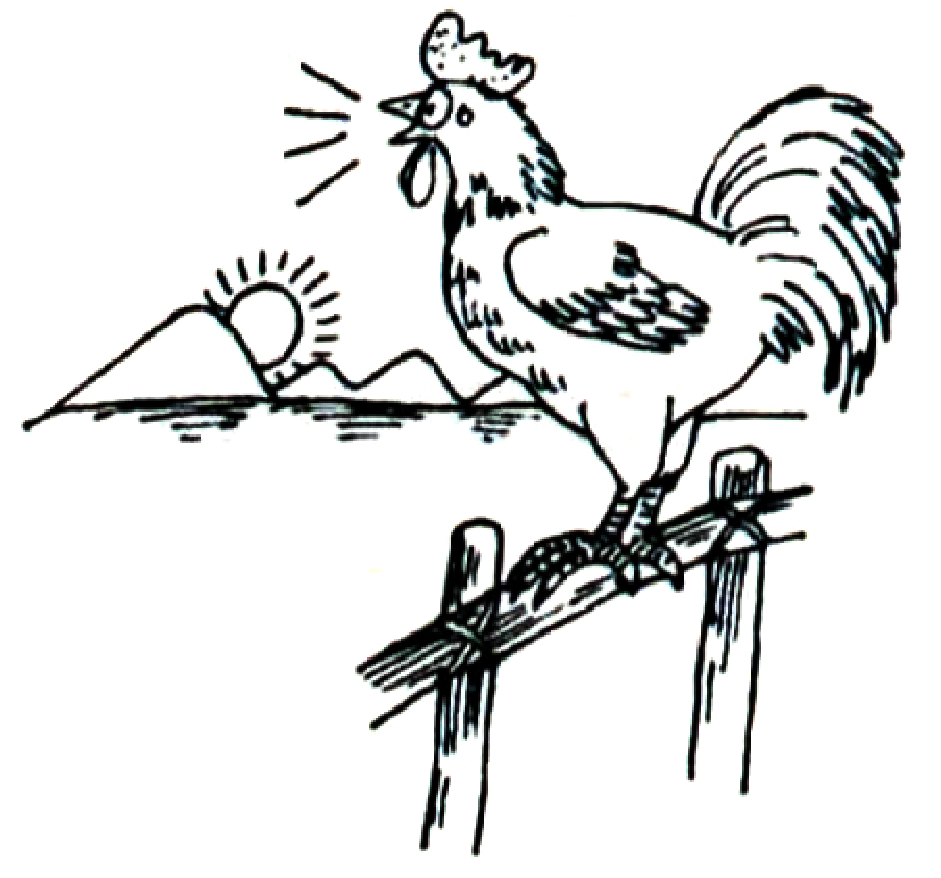
Roosters ( crow , crows ) in the morning.
10
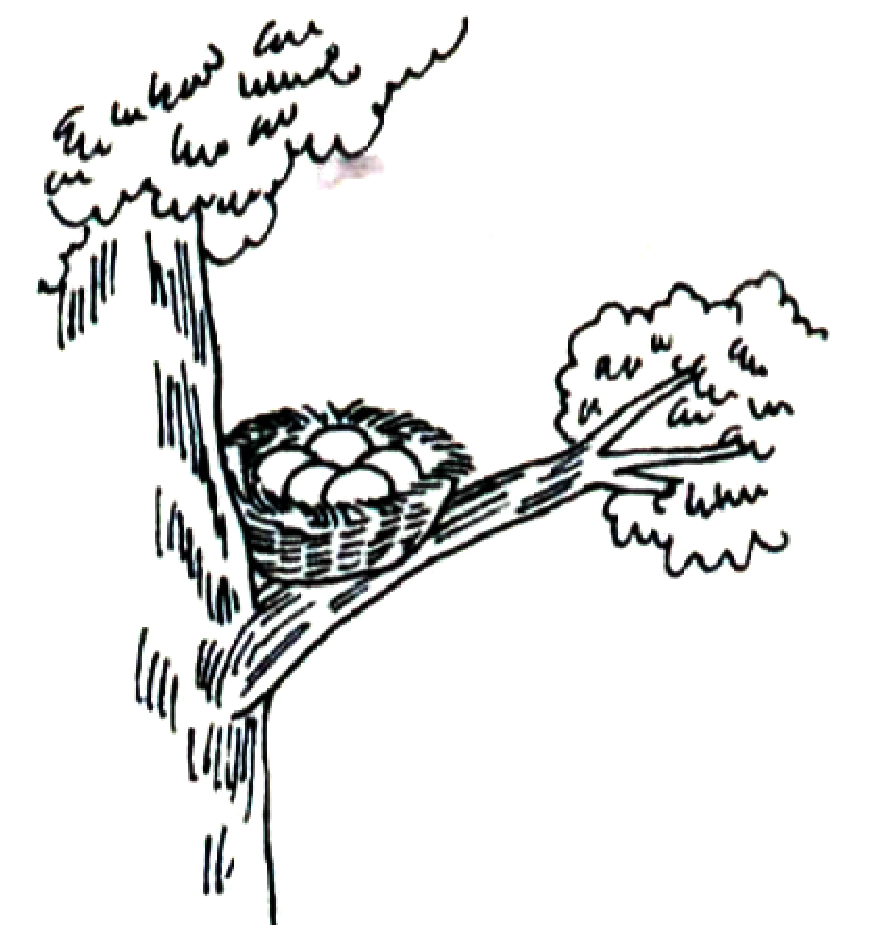
Birds ( lay , lays ) eggs in a nest.
Page 28
Fill in each blank with the correct form of the verb in the brackets.
1
Mr Miller always his car in the garage. (park)
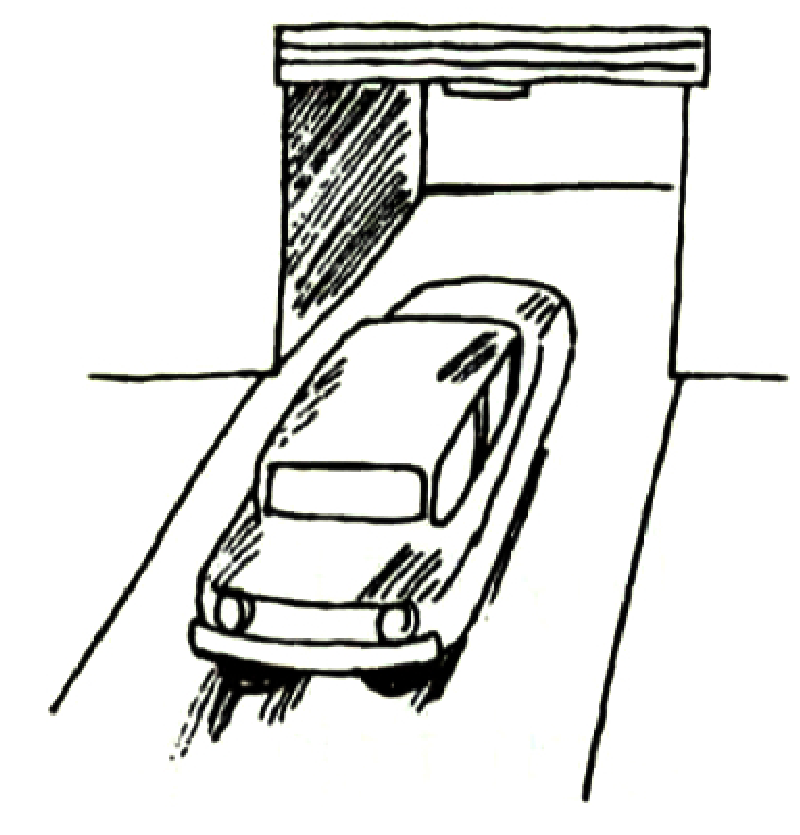
2
Mrs Travis some money in the bank every month. (deposit)
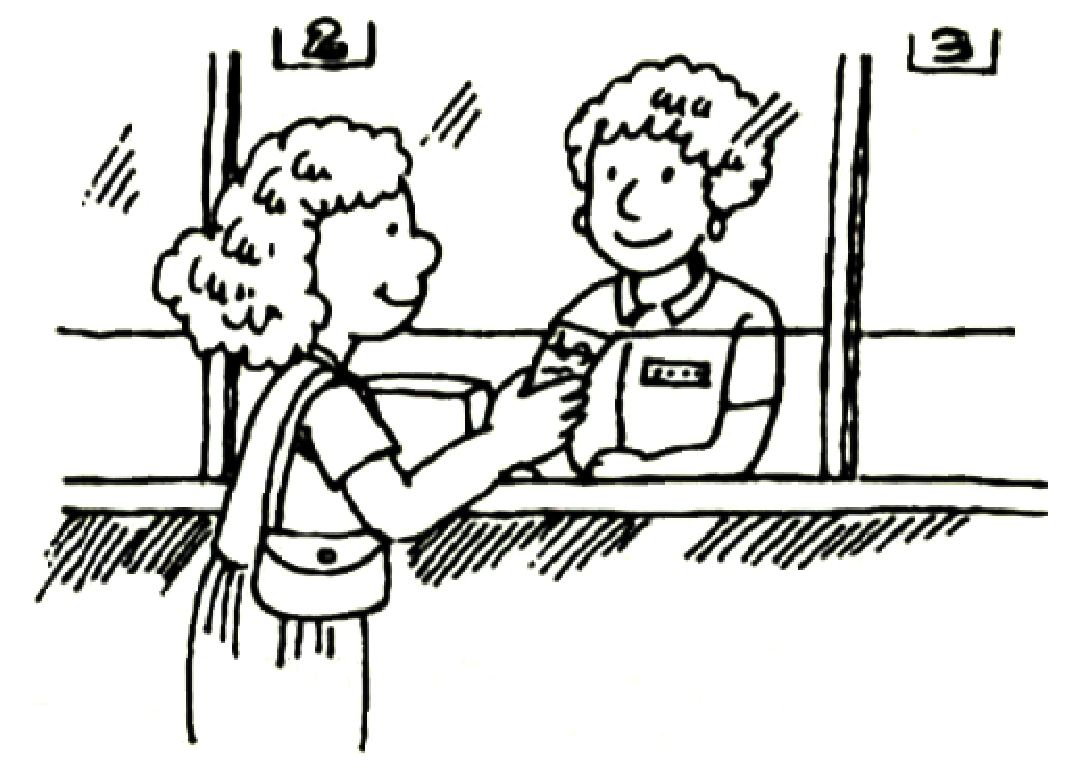
3
Simon and John to the park every evening. (come)
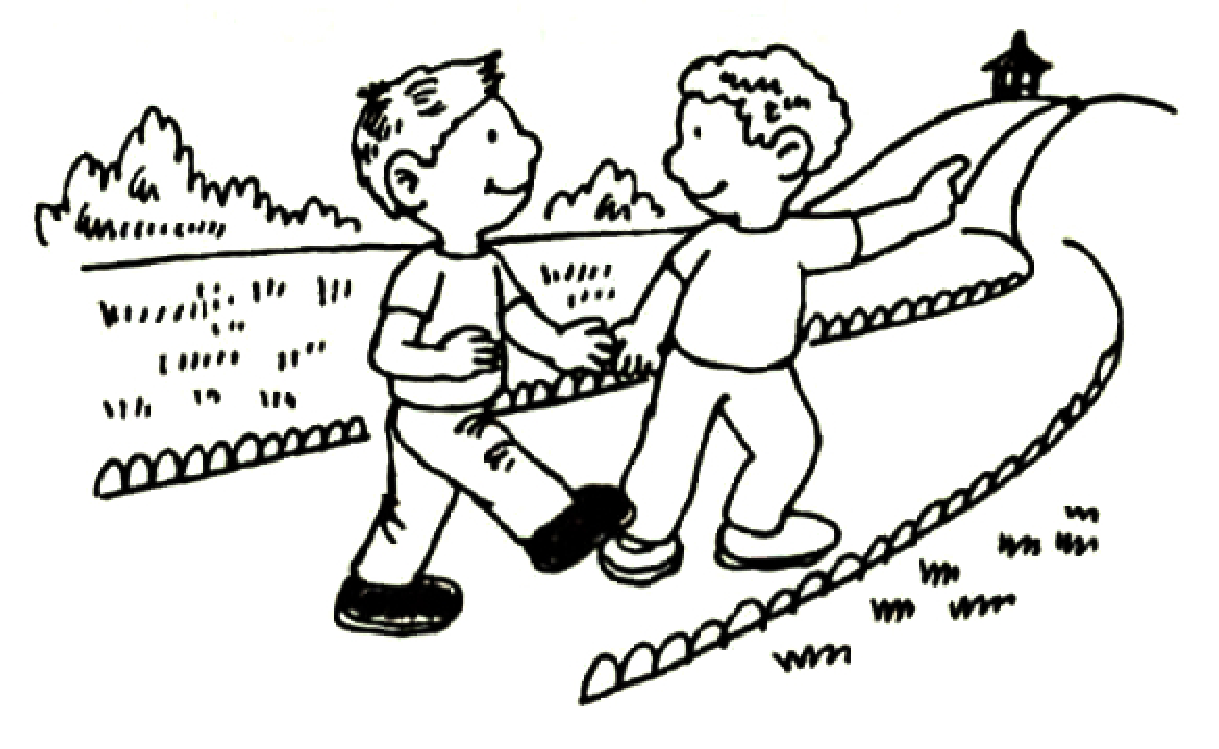
4
My dog always at the postman. (bark)
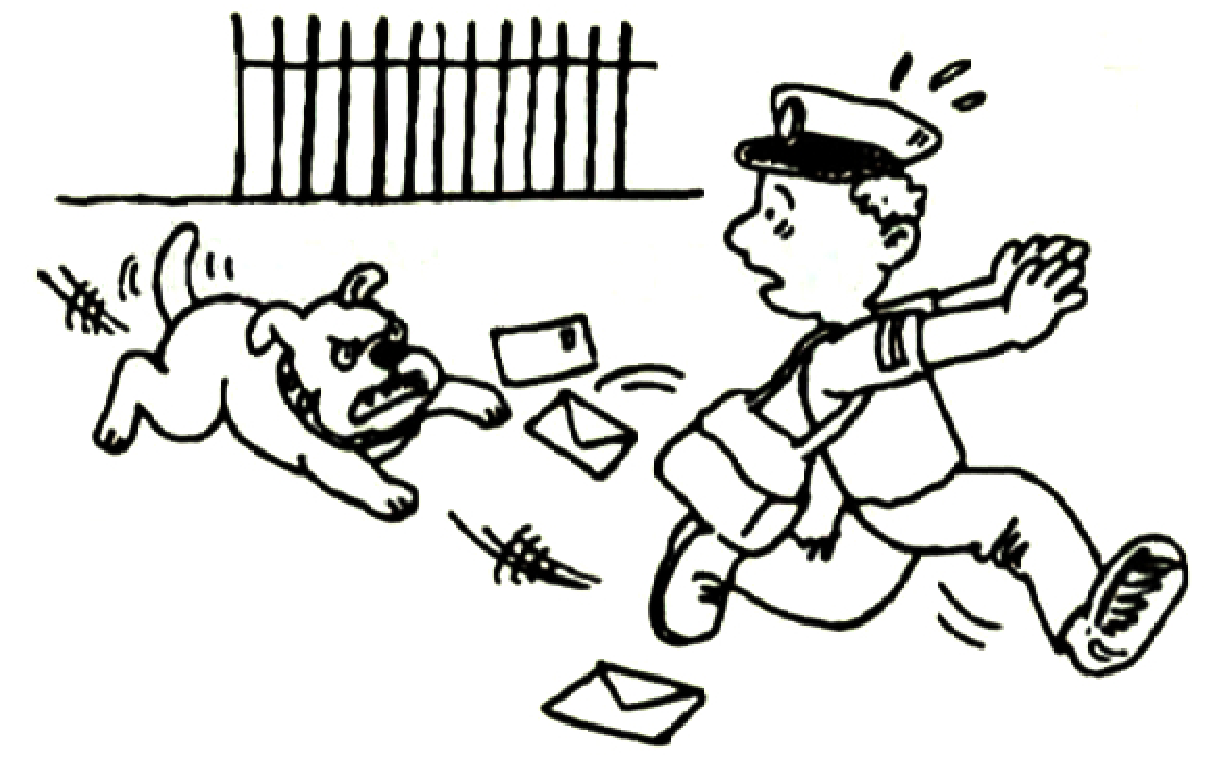
5
My grandfather often in the afternoon. (sleep)
Page 30
Look at the pictures. Choose the correct answer and put a tick (✓) in its box.
1
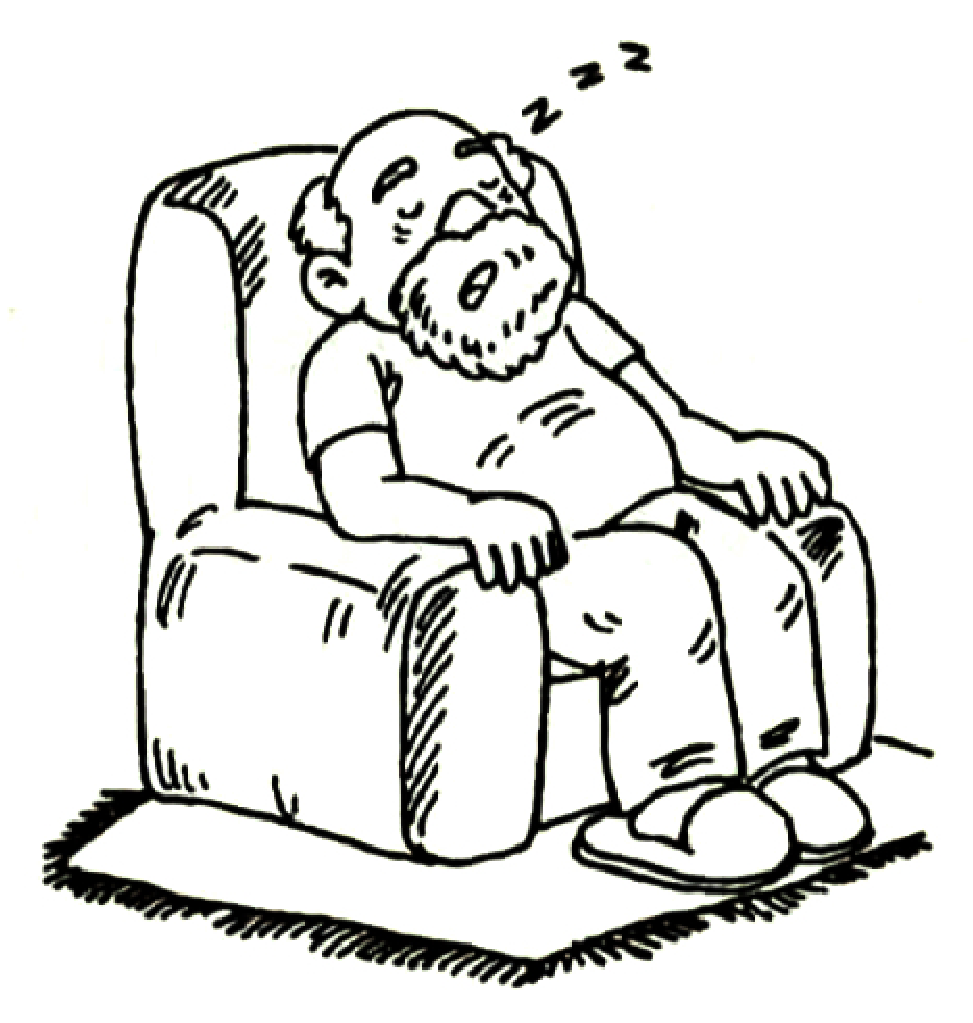
My brother is than I am.
2
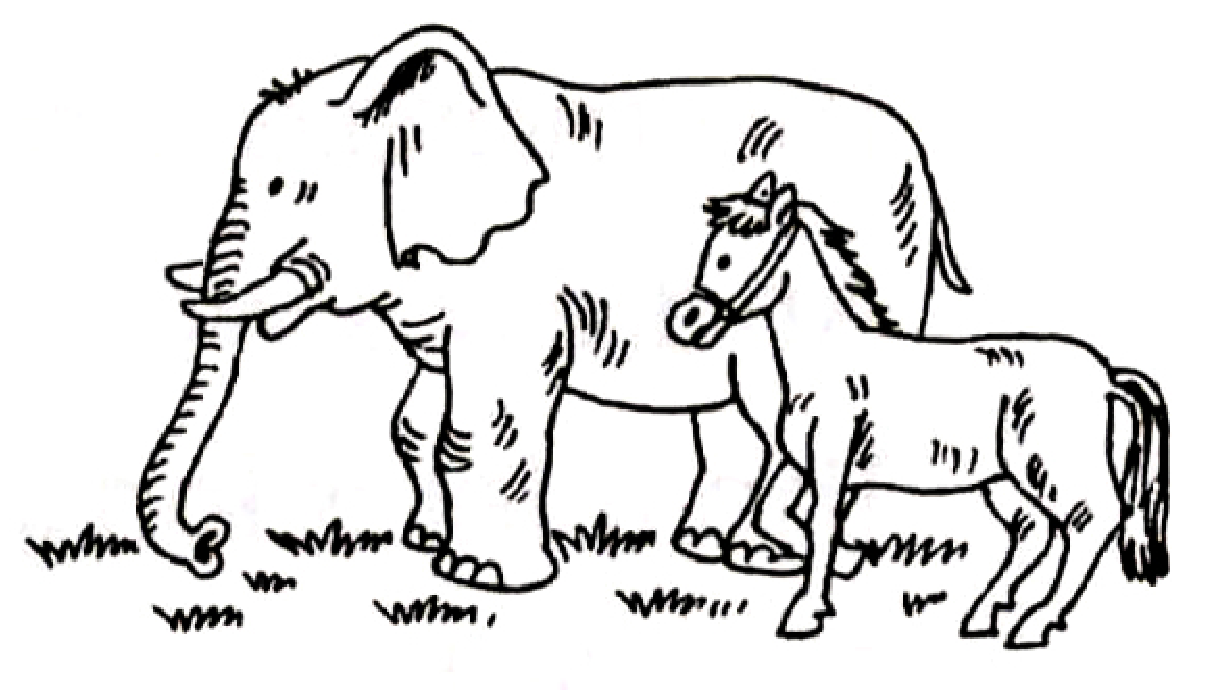
An elephant is than a horse.
3
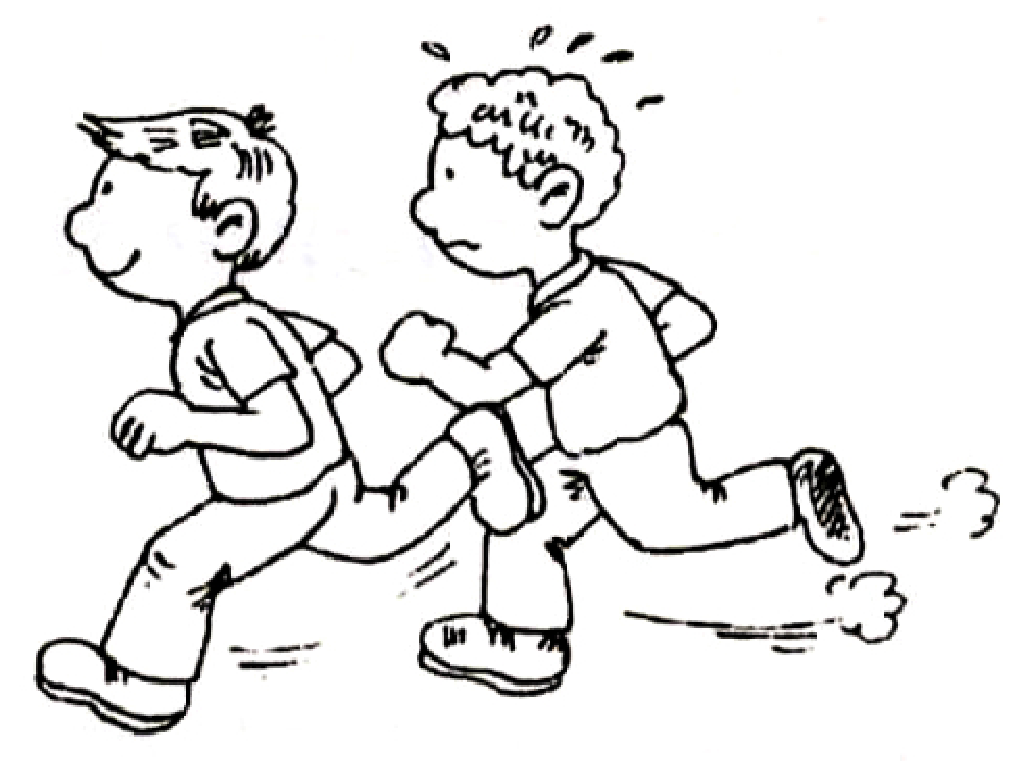
Jeremy is than John.
4
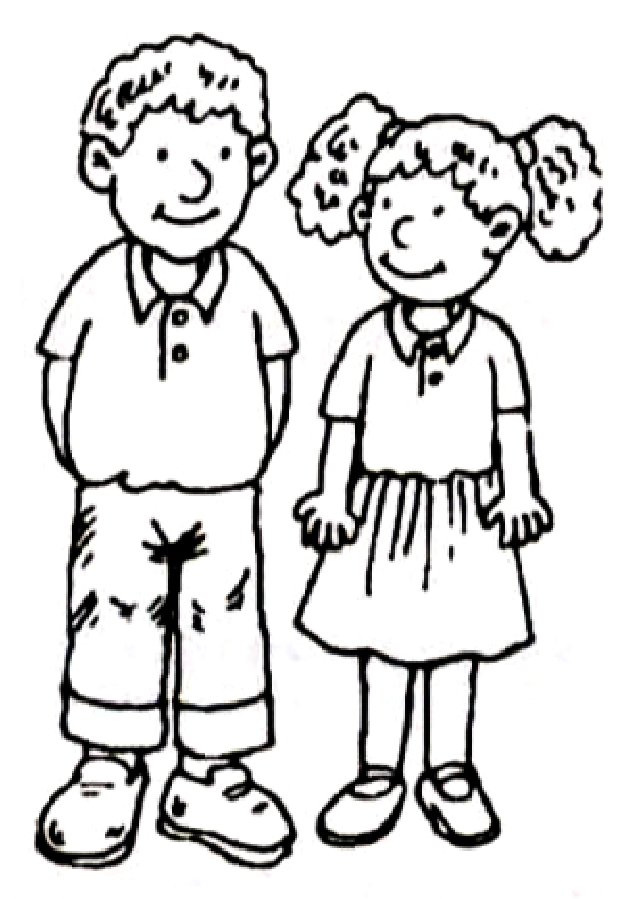
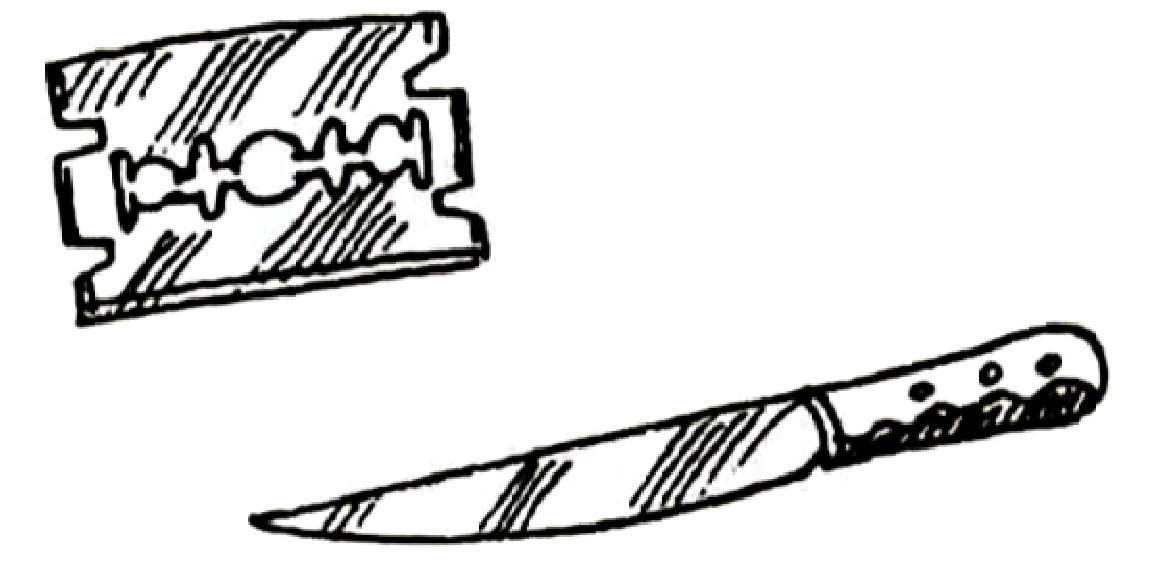
A razor blade is than a knife.
5
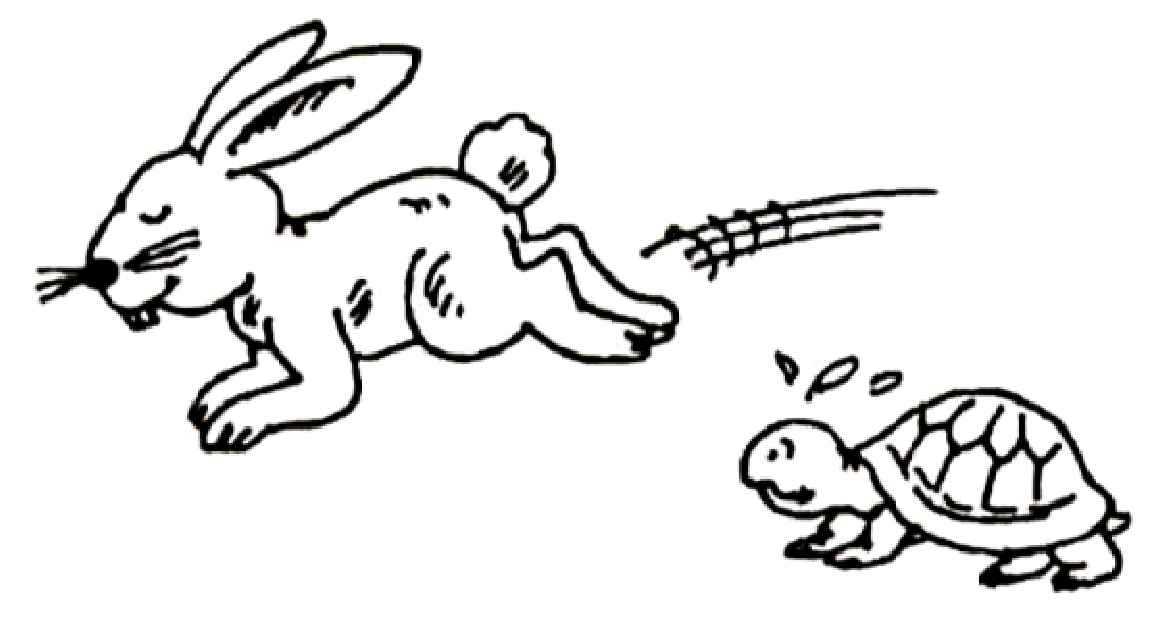
The tortoise is than the hare.
Page 31
6
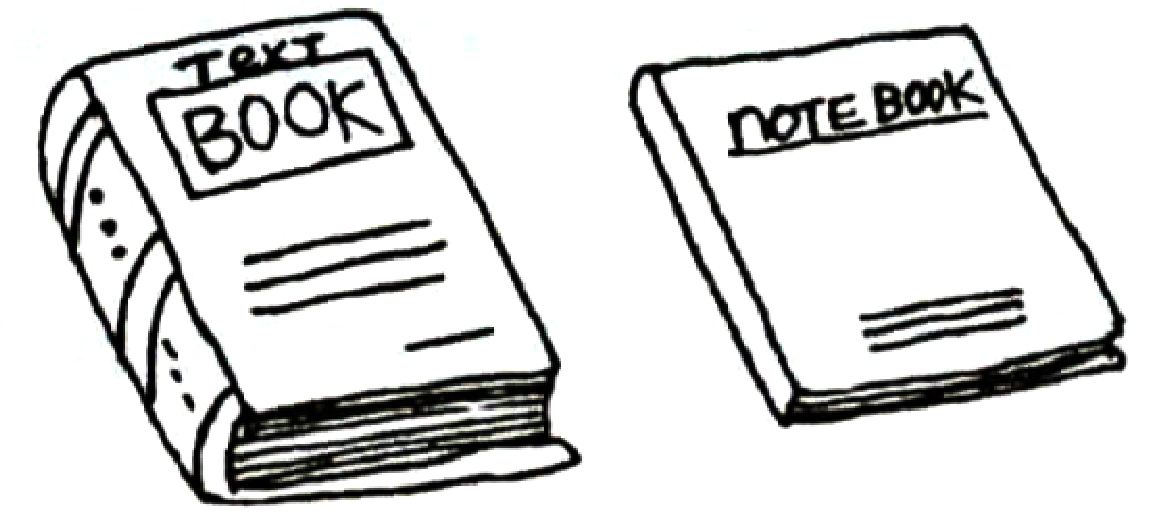
The textbook is than the notebook.
7
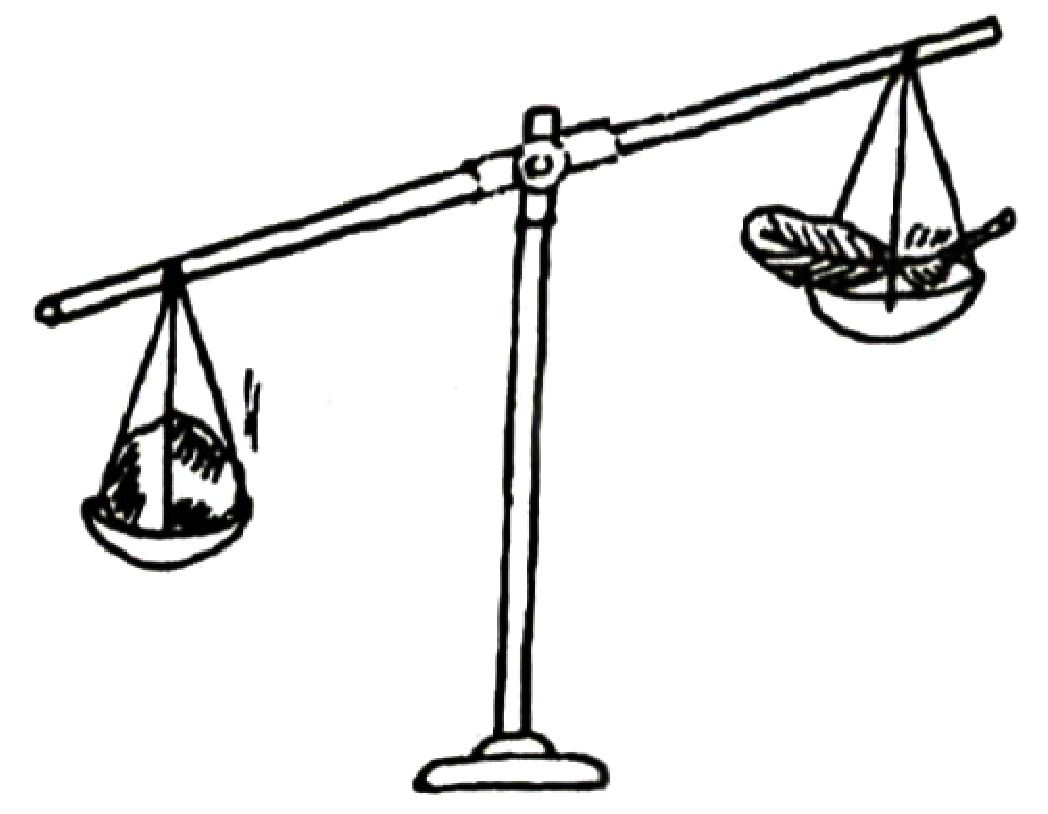
The feather is than the rock.
8
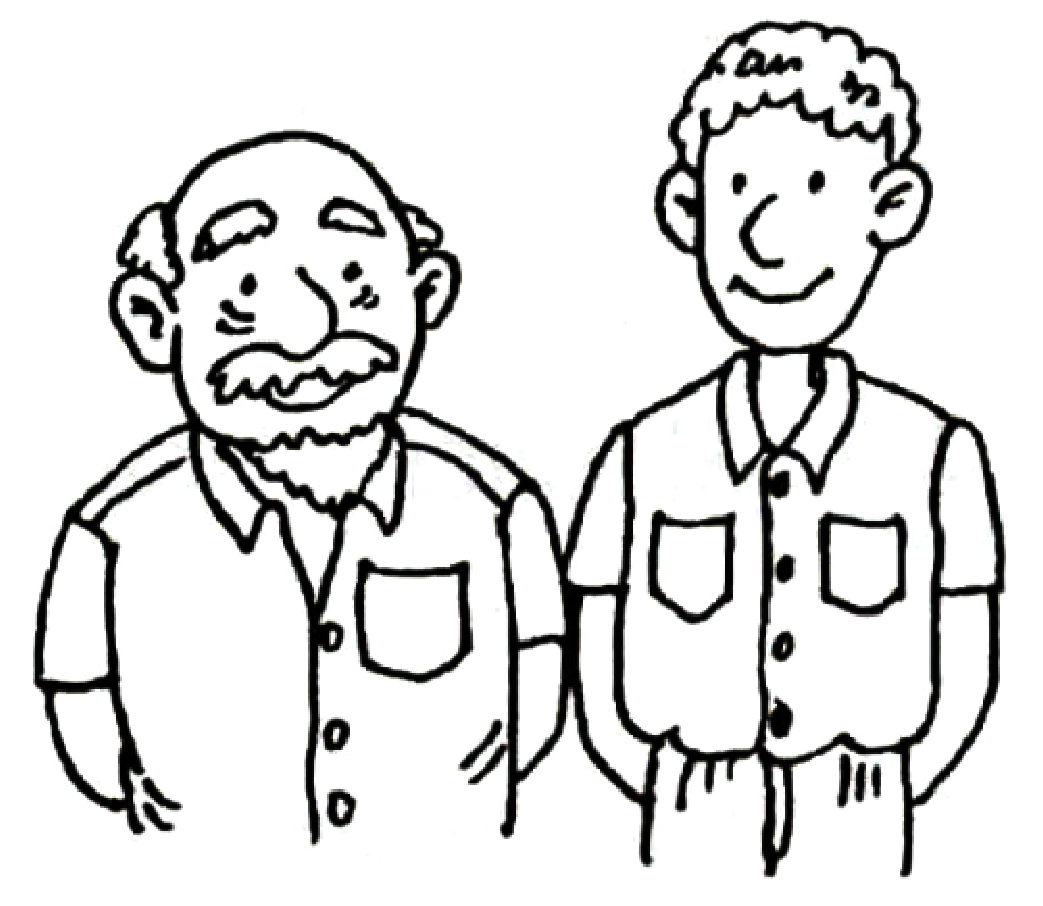
My grandfather is than my father .
9
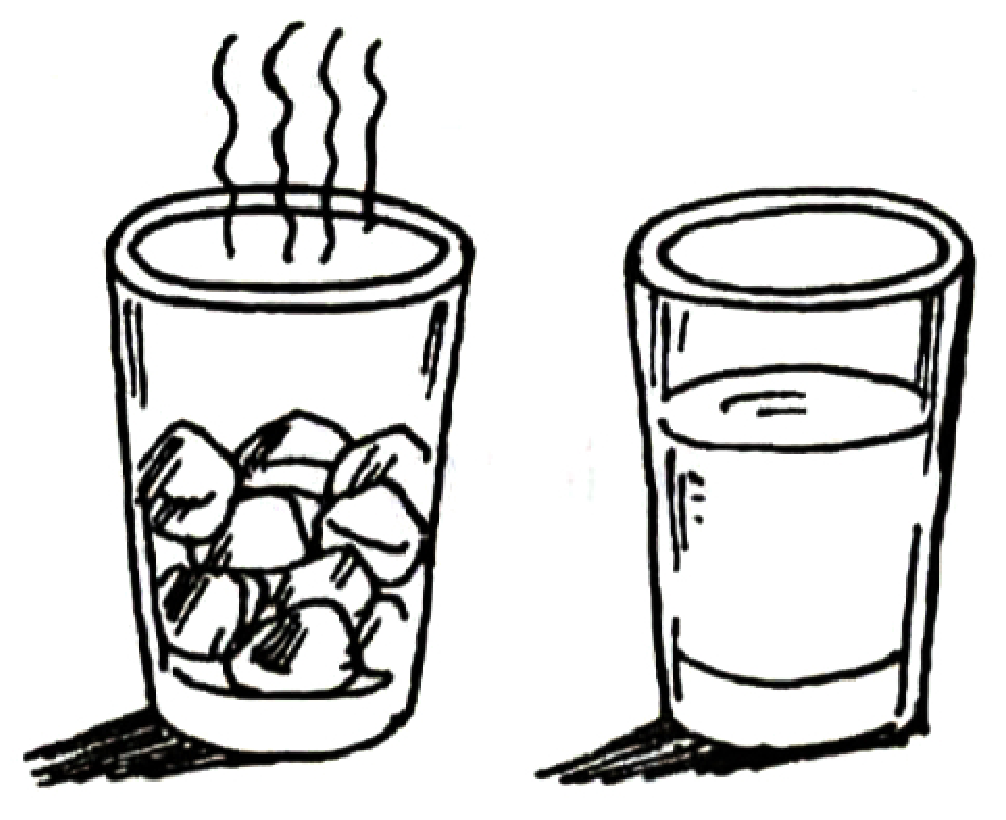
Ice is than water .
10
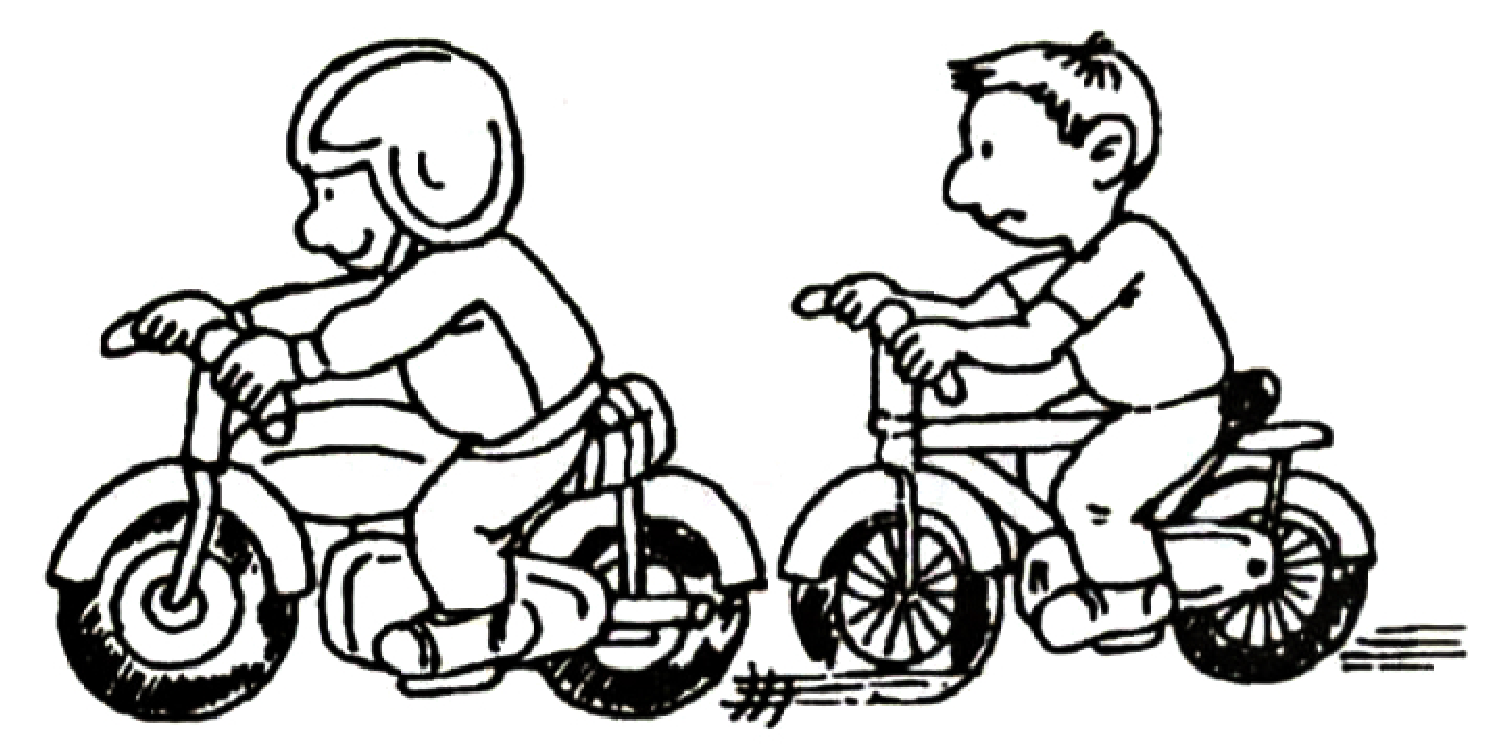
A motorcycle is than a bicycle.
Page 32
Fill in each blank with the correct form of the word in the brackets.
EXAMPLE: A giraffe is taller than a donkey. (tall)
1
A papaya is than a lemon. (sweet)
2
A lane is than a road. (narrow)
3
This end of the pool is than that end. (deep)
4
Sheila's handwriting is than Henry's. (neat)
5
His shoes are than mine. (dirty)
6
A mountain is than a hill. (high)
7
A lorry is than a van. (big)
8
A jungle is than a forest. (thick)
9
A stream is than a river. (shallow)
10
The television set is than the radio. (loud)
Page 33
Fill in each blank with the correct form of the verb in the brackets.
1
The sun in the west. (set)
2
We food and water to live. (need)
3
Plants from seeds. (grow)
4
A cheetah very fast. (run)
5
Worms in the ground. (live)
6
A crab sideways. (move)
7
A carpenter furniture. (make)
8
Rivers to the sea. (flow)
9
A gardener care of the plants. (take)
10
A doctor sick people. (treat)
Page 34
When we compare TWO people, places or things using an adjective, we can add '-er' to most one-syllable adjectives and add the word 'than' after it.
Examples
Jane is shorter than Judy.
The marble is smaller than the football.
Andrew's work is neater than Raymond's.
The ruler is longer than the pencil.
The dictionary is thicker than the book.
The mountain is higher than the hill.
Kelly is taller than her brother.
For some adjectives, we need to double the final consonant (last letter) before adding '-er' and 'than'.
Examples
The elephant is bigger than the deer.
The book is thinner than the magazine.
Page 34
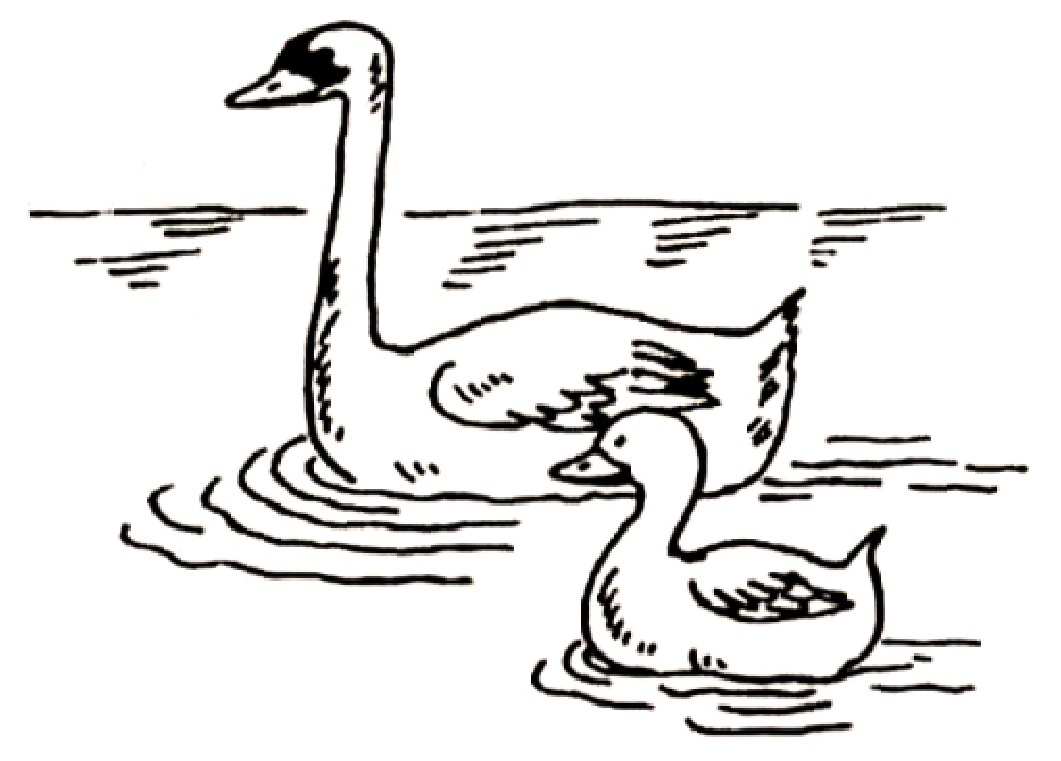
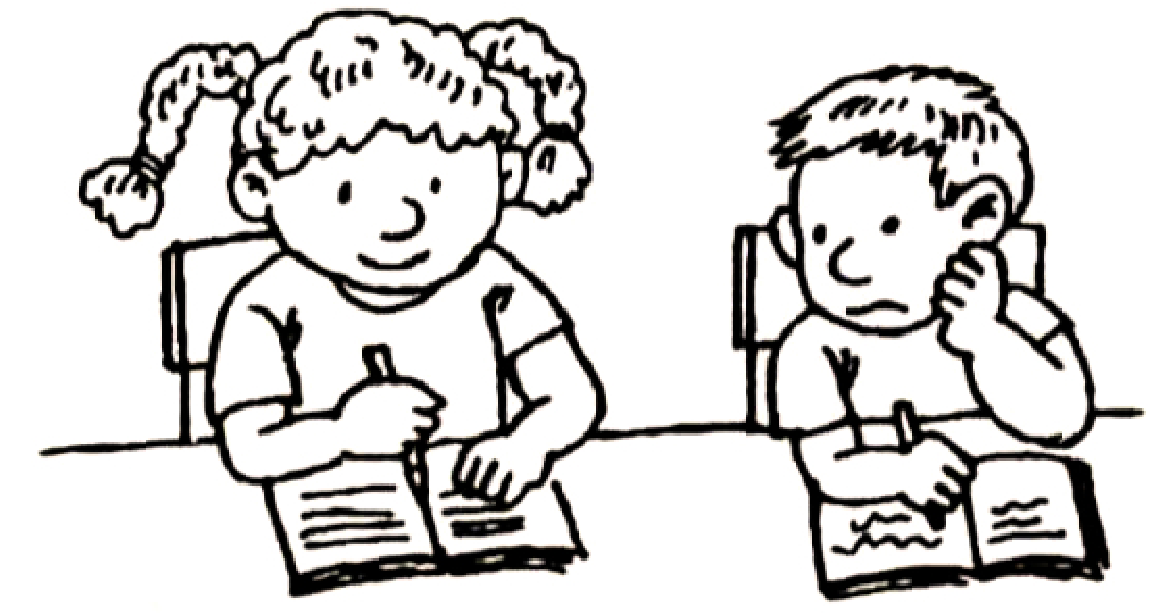
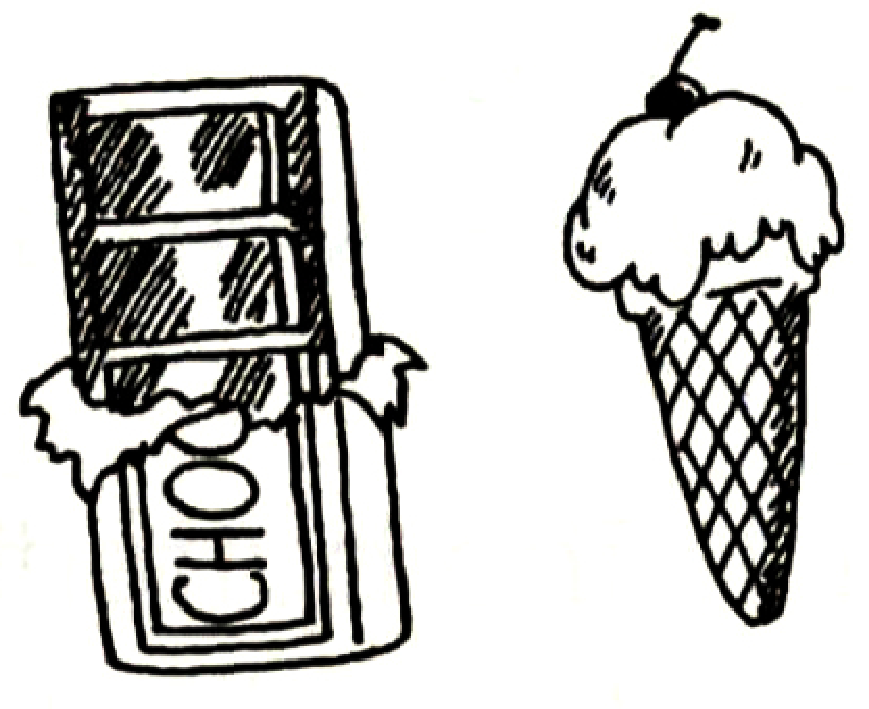
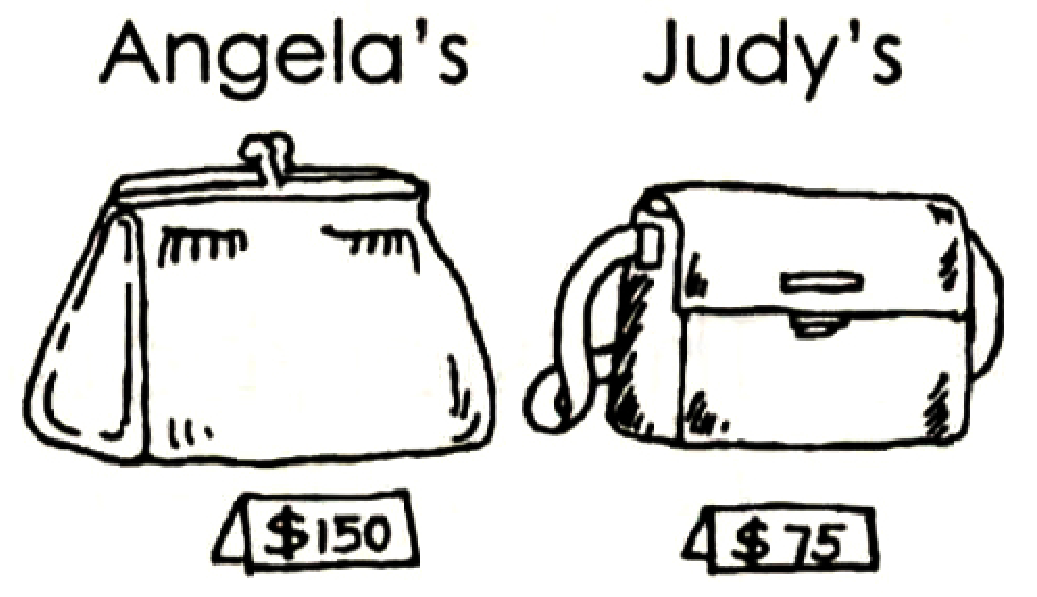
Look at the pictures. Choose the correct answer and put a tick (✓) in its box.
1
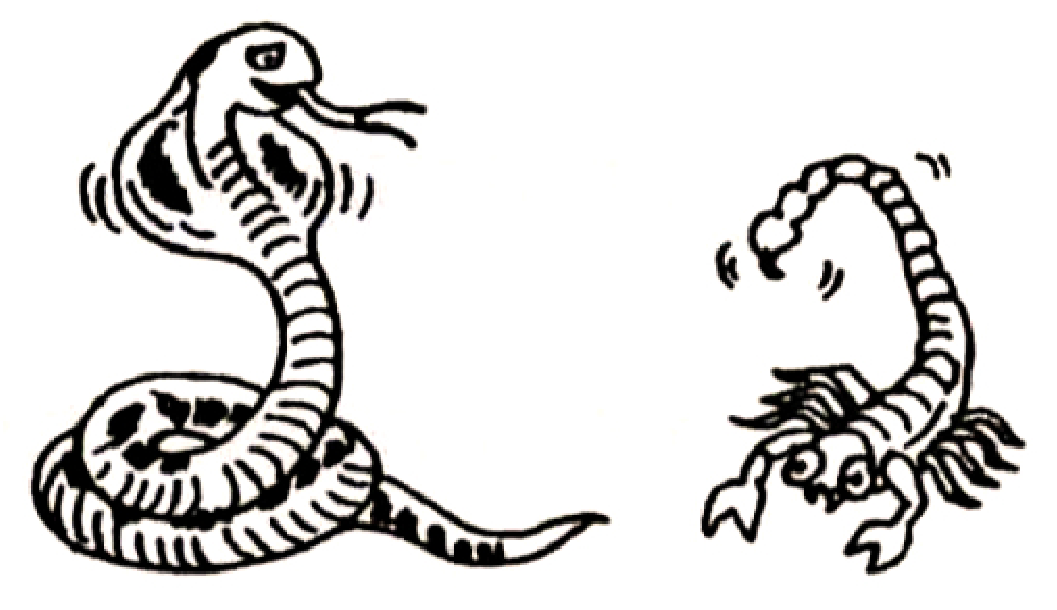
A cobra is than a scorpion.
2
An adult swan is than a young swan.
3
Sharon is than her brother.
Page 35
4
Which is , the ice cream or the chocolate?
5
Angela's bag is than Judy's.
Page 36
Fill in each blank with the correct form of the word in the brackets. Add the word 'more' where necessary.
1
The butterfly is than the moth. (beautiful)
2
The ocean is than the sea. (wide)
3
Vivien is than her sister. (hard-working)
4
This storybook is than that one. (interesting)
5
Which is , the train or the bus? (fast)
6
Miss Thomson is than Miss Wilson. (pretty)
7
Francis is in class than Thomas. (attentive)
8
The girls are to the teachers than the boys. (polite)
9
The water from the spring is than the water from the river. (clean)
10
Suzy is than her sister. (thin)
Page 37
1
(a) The modal 'can' is used with a main verb when we wish to show that someone, an animal or a plant is ABLE TO DO something.
Examples
Flowers can make the garden look pretty.
Fruit and vegetables can give us the vitamins our body needs.
My sister can type very fast.
My father can play tennis very well.
A camel can live in a hot desert.
2
(b) The modal 'can' may be written in the NEGATIVE by adding '-not' (cannot) or its short form, 'can't'.
Examples
She cannot carry the heavy desk.
I cannot go to the library today.
Mother can't drive a car.
I can't speak German.
Page 38
When we compare TWO people, places or things using adjectives of two, three or more syllables, we use 'more + adjective + than'.
He is more careful than his brother.
The swan is more beautiful than the goose.
The durian is more popular than the mangosteen.
The computer is more expensive than the radio.
Benny is more obedient than his sister.
John is more excited than his swimming coach about the competition.
Page 38
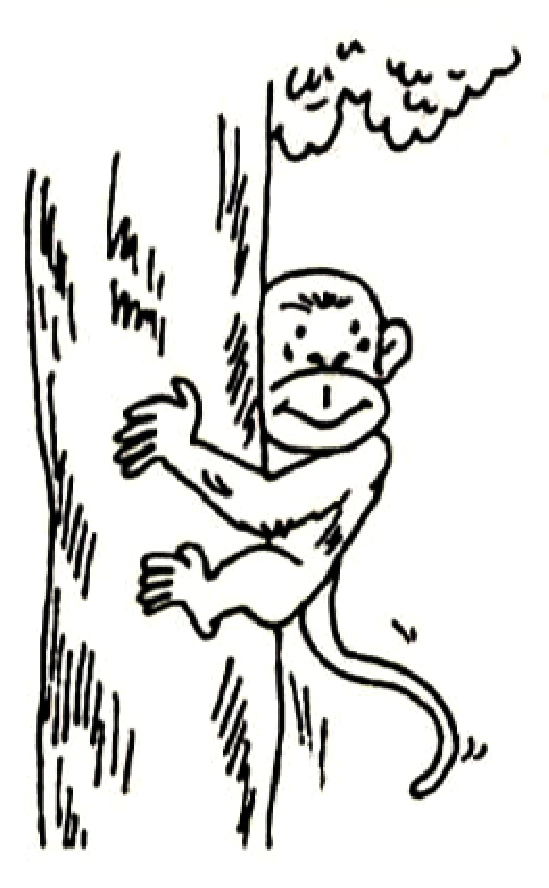
Look at the pictures. Fill in each blank with 'can' or 'cannot'.
can
cannot
1
A bird swim.
It fly.
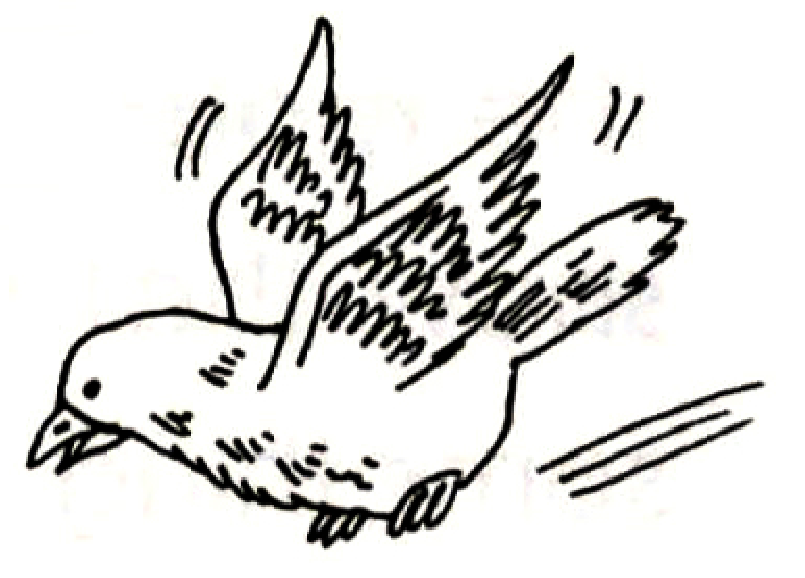
2
Jim run very fast.
Joe run very fast.
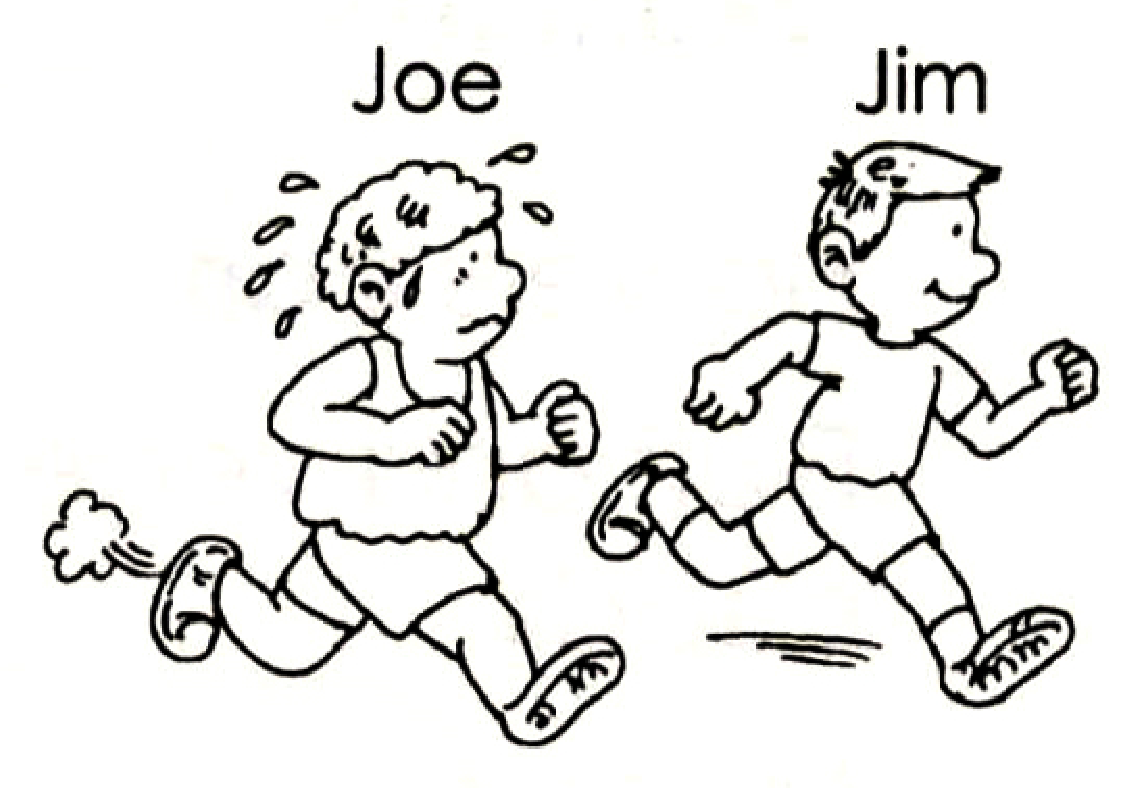
3
A snail crawl.
It jump.
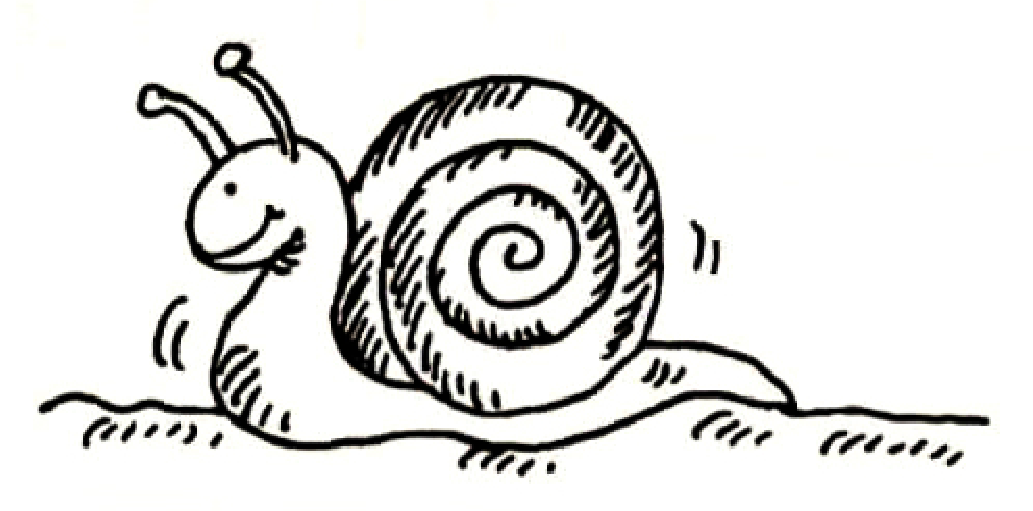
4
A fish breathe in water.
It walk on land.
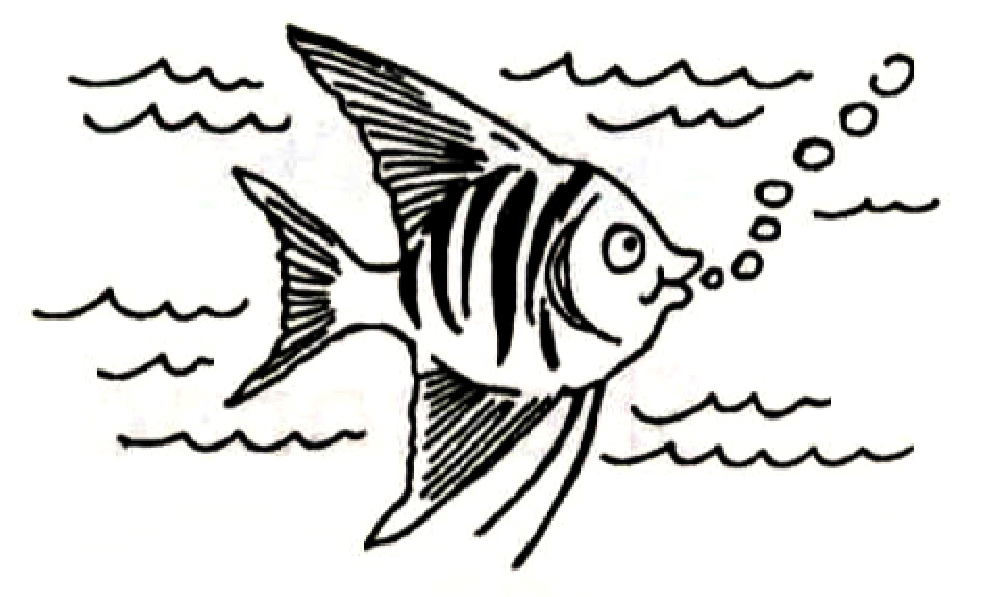
5
A monkey fly.
It climb trees.
Page 39
Underline the correct answers.
1
Every student ( can , cannot ) learn to read and write.
2
A blind person ( can , cannot ) see.
3
A magician ( can , cannot ) do magic tricks.
4
We ( can , cannot ) live in water.
5
A clown ( can , cannot ) make people laugh.
6
A doctor ( can , cannot ) cure sick people.
7
Plants ( can , cannot ) live without water.
8
Penguins are birds that ( can , cannot ) fly.
9
My father has a driving licence. He ( can , cannot ) drive a car.
10
Andy is too short. He ( can , cannot ) reach the shelf.
Page 40
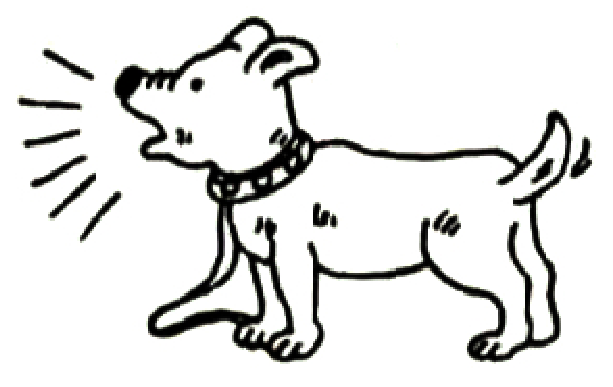
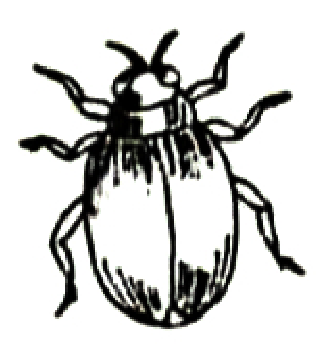
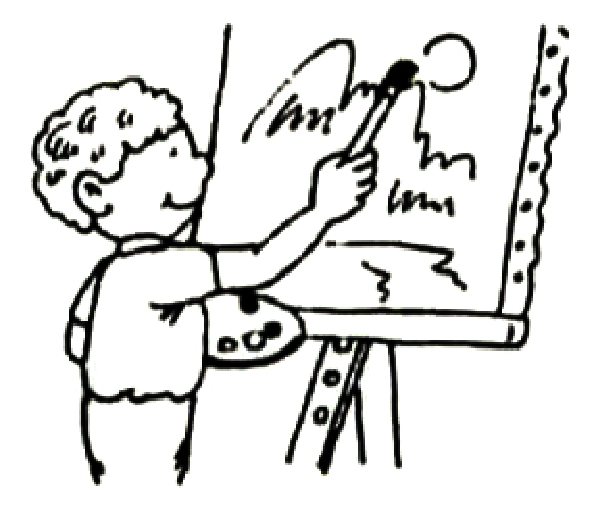
Look at the pictures. Answer the questions with 'can' or 'can't'.
can
can't
1
Can a dog sing?
No,
2
Can the beetle fly?
Yes,
3
Can Ben draw a picture?
Yes,
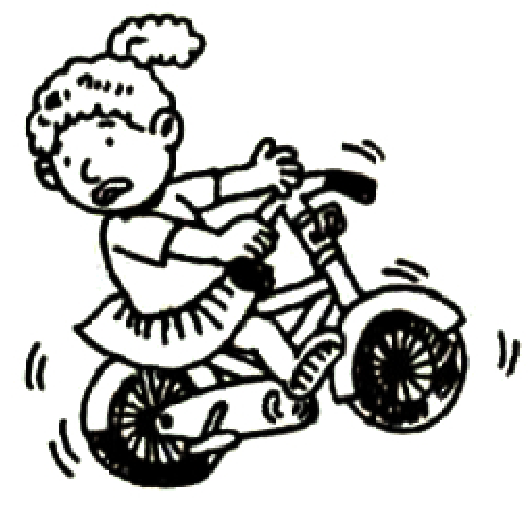
4
Can Sue ride a bicycle well?
No,
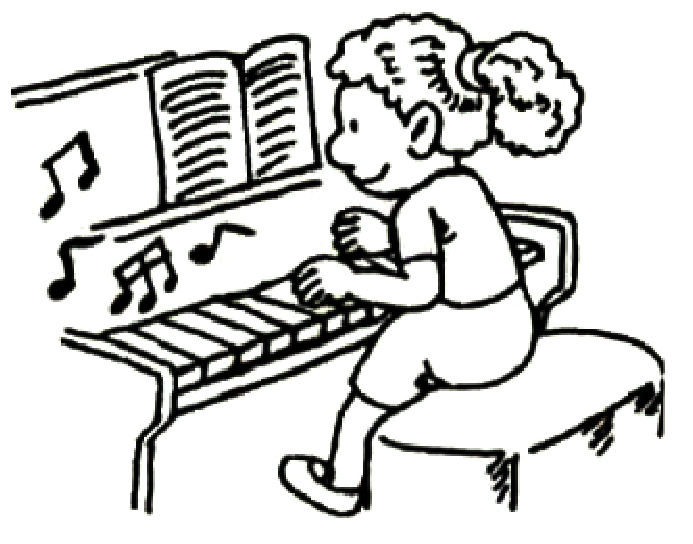
5
Can Mary play the piano?
Yes,
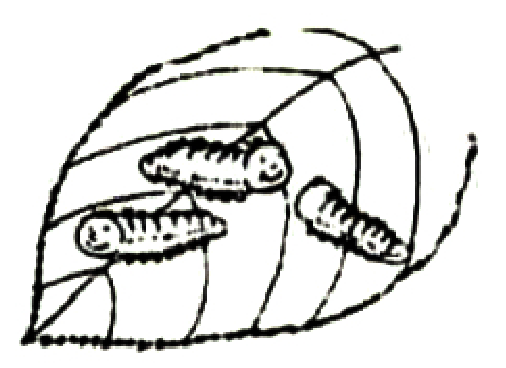
6
Can caterpillars fly?
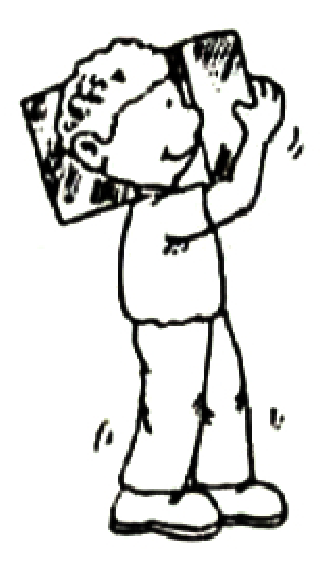
7
Can Mr Lewis carry the box?
8
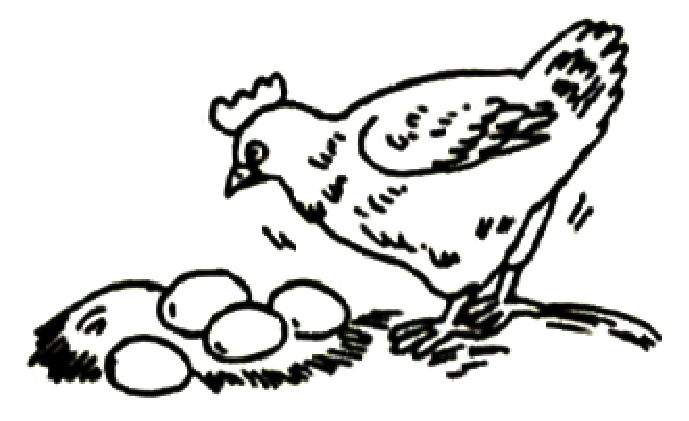
Can a hen lay eggs?
9
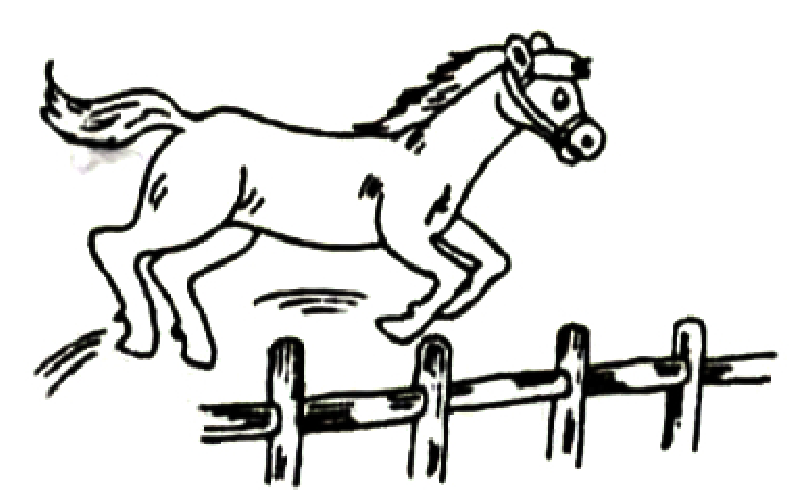
Can the horse jump over the fence?
10
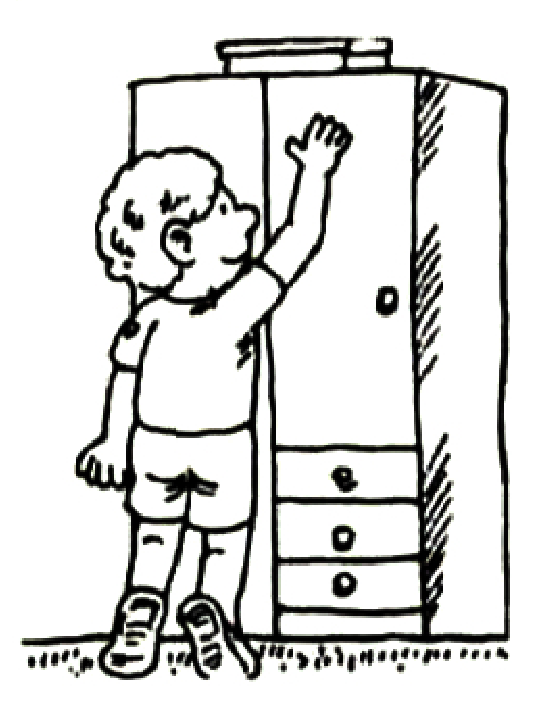
Can Timmy reach the top of the cupboard?
Page 41
1
(a) We use 'and' when we JOIN two words or sentences together to make one sentence.
Examples
The poor boy is wet and hungry.
The room is hot and stuffy.
This is an apple and that is an orange.
The boys are on the first floor and the girls are on the second floor.
2
(b) We use 'but' when we want to show a difference.
Examples
Janet is tall but her brother is short.
Peter likes to swim but he does not like to jog.
Oliver can sing well but he can't dance well.
3
(c) We use 'or' to show that we can choose one of the two things.
Examples
You may have the orange or the apple.
Do you want tea or coffee?
You can click the mouse or press any key on the keyboard to start the program.
Page 42
Underline the correct answers.
1
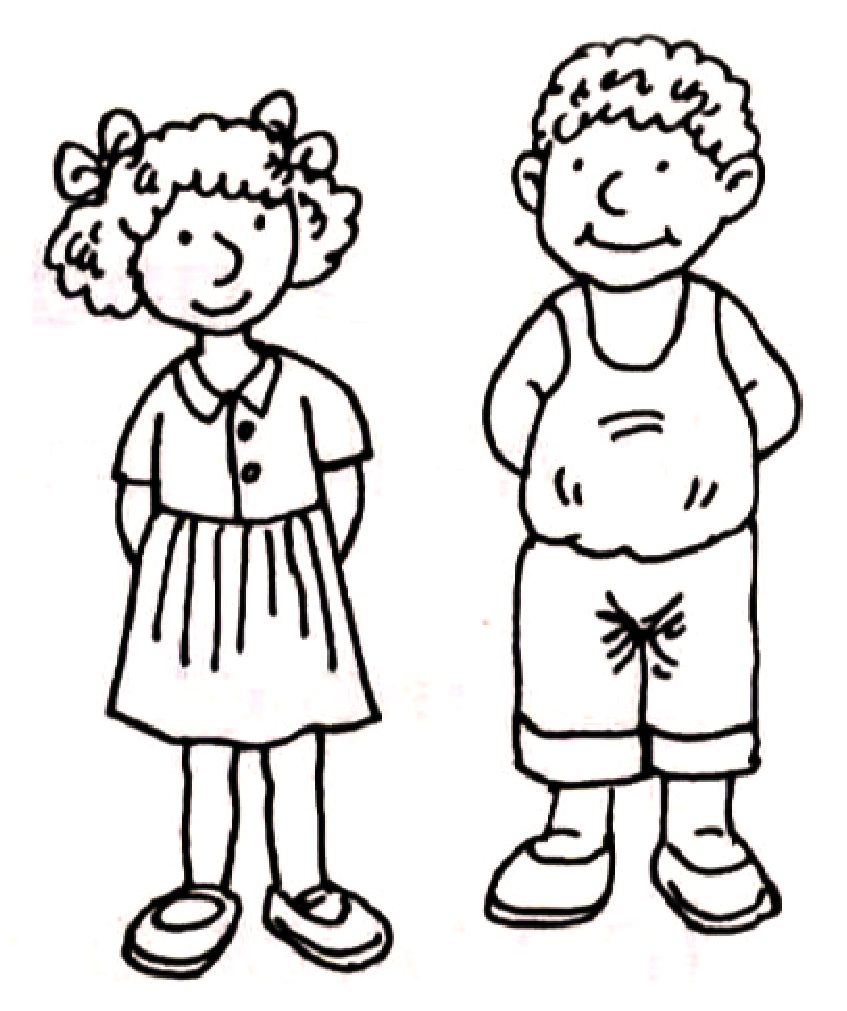
David is heavy ( and , but ) his sister is light.
2
Is this a pen ( or , and ) a pencil?
3
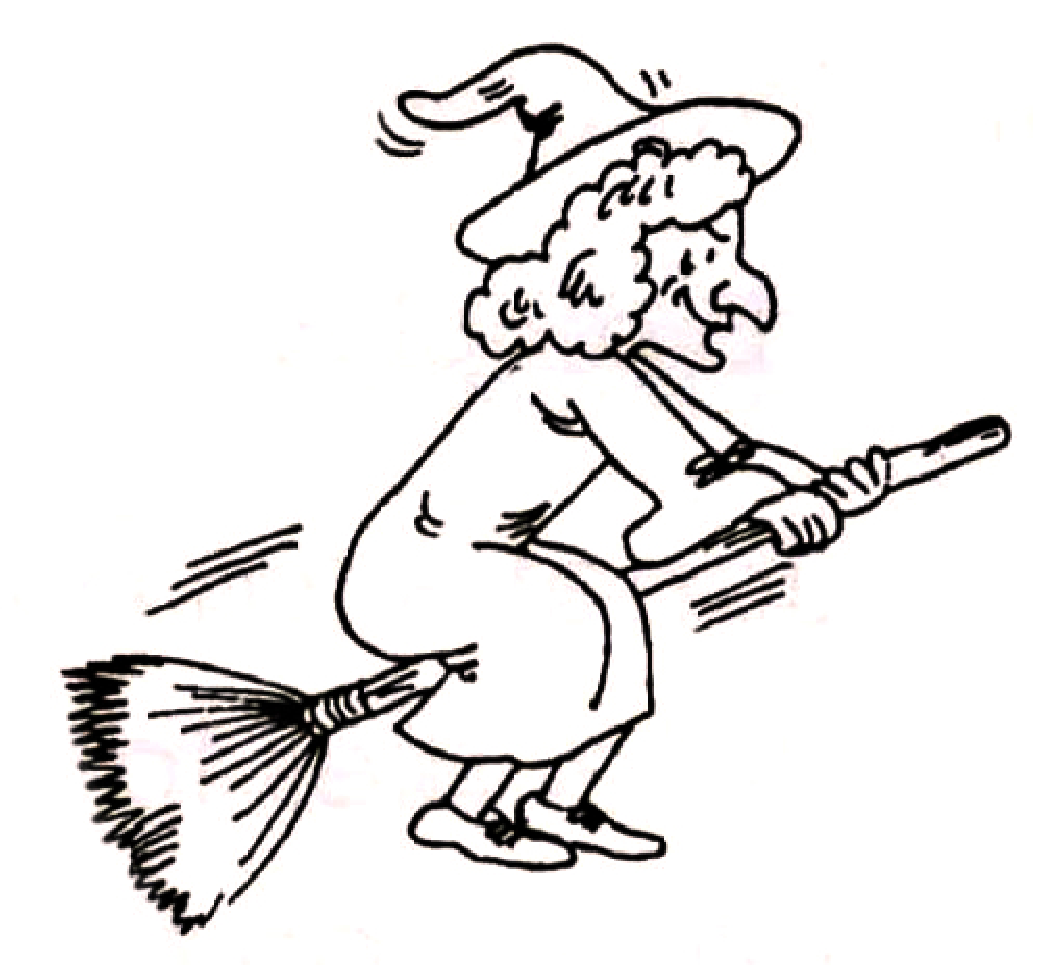
The wicked witch is old ( and , but ) ugly.
4
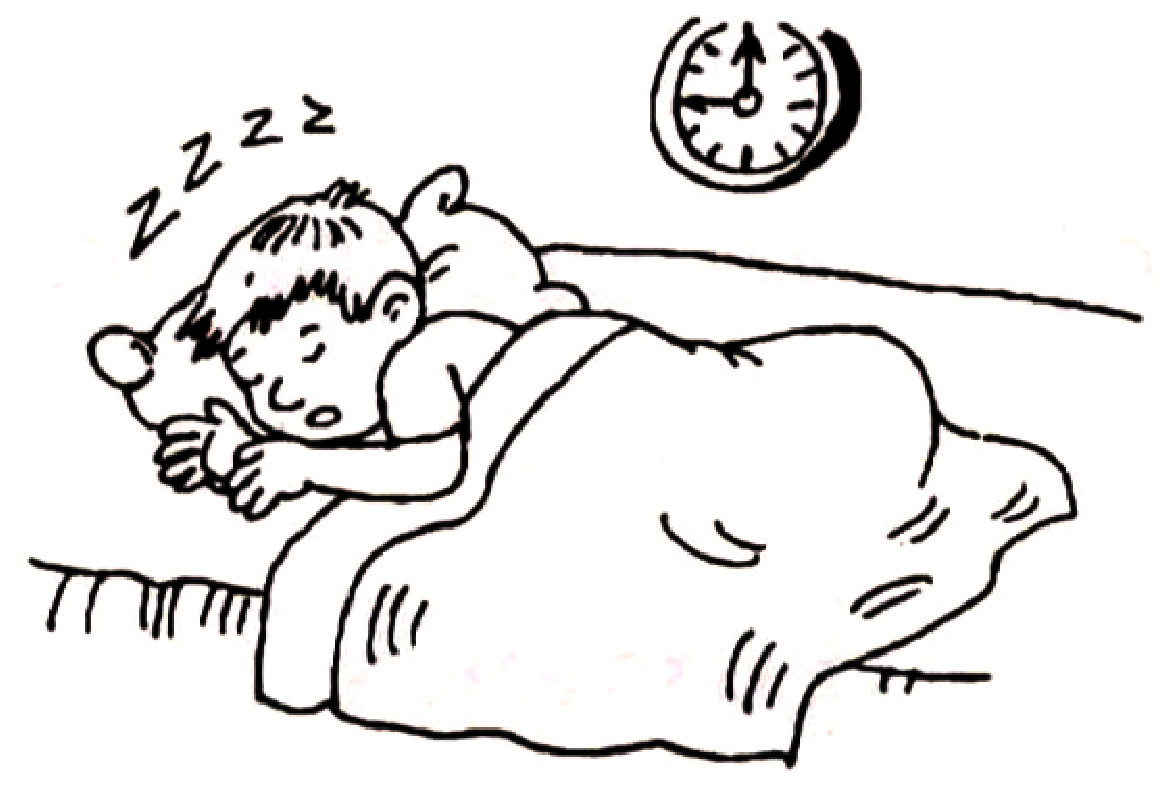
I sleep early ( or , but ) I wake up late.
5
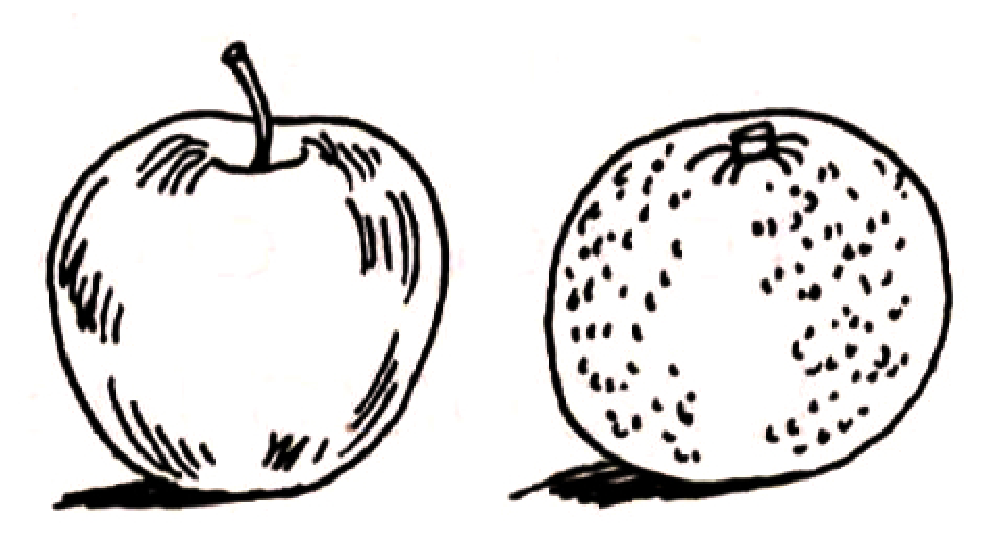
He has an apple ( and , or ) an orange.
Page 43
Fill in each blank with the help of the words in the box.
and
or
but
1
It is raining on the east side of the island not on the west side.
2
Her dress is torn dirty.
3
Are these photographs postcards?
4
This is a table that is a desk.
5
Belinda is clever lazy.
6
Mr Johnson is rich he is not generous.
7
Which clock do you like, the square one the round one?
8
Bernard his family went to the zoo.
9
The car is old it is still in good condition.
10
This piece of furniture is small heavy.
Page 44
Page 46
Underline the correct answers.
1
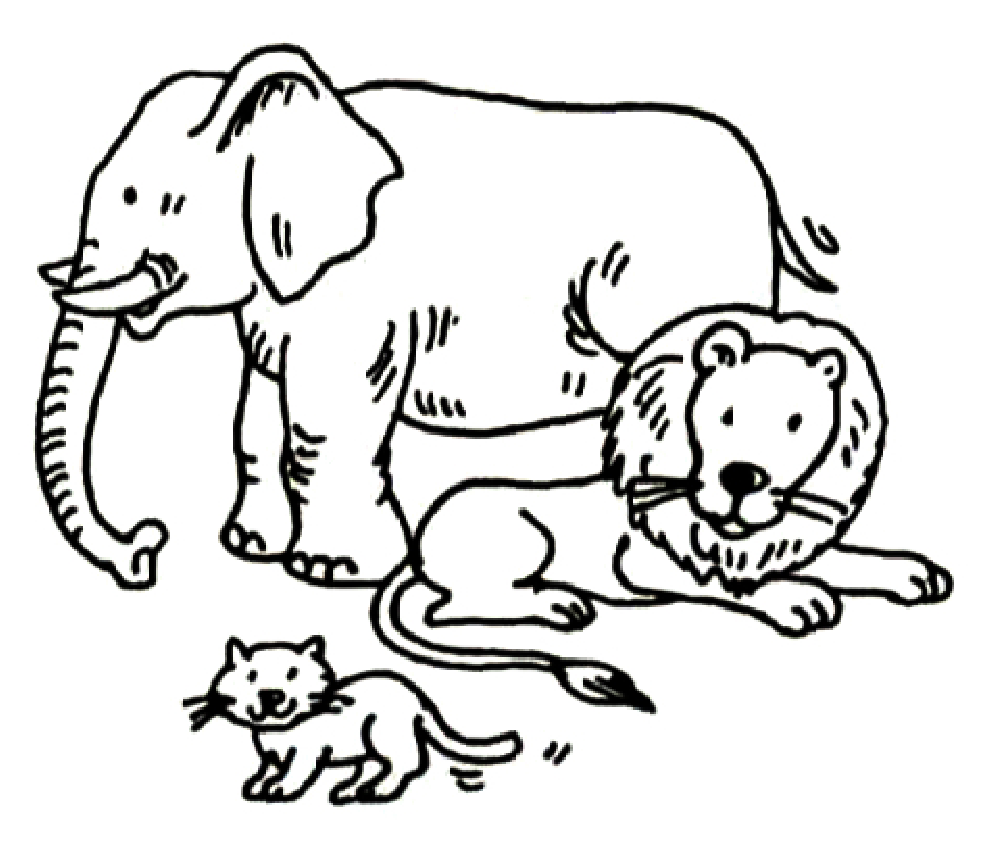
The elephant is the ( biggest , smallest ) land animal.
2
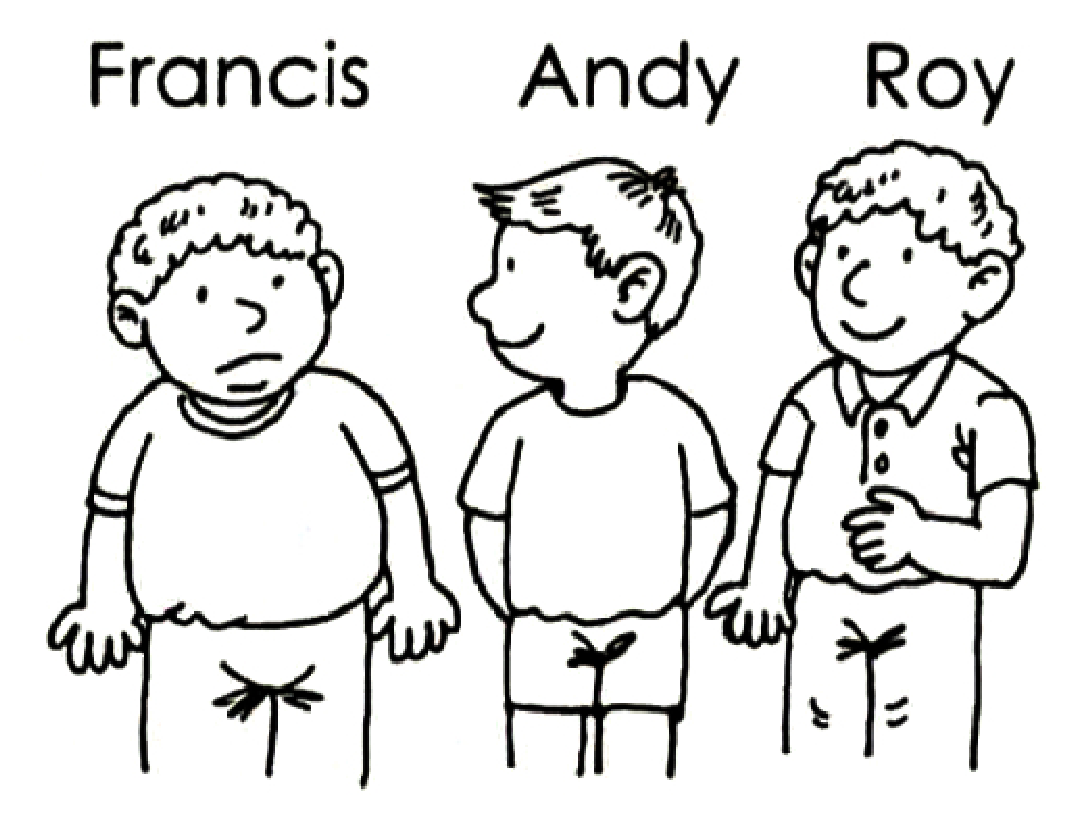
Francis is the ( thinnest , heaviest ) boy among his friends.
3
The English textbook is the ( thickest , thinnest ).

4
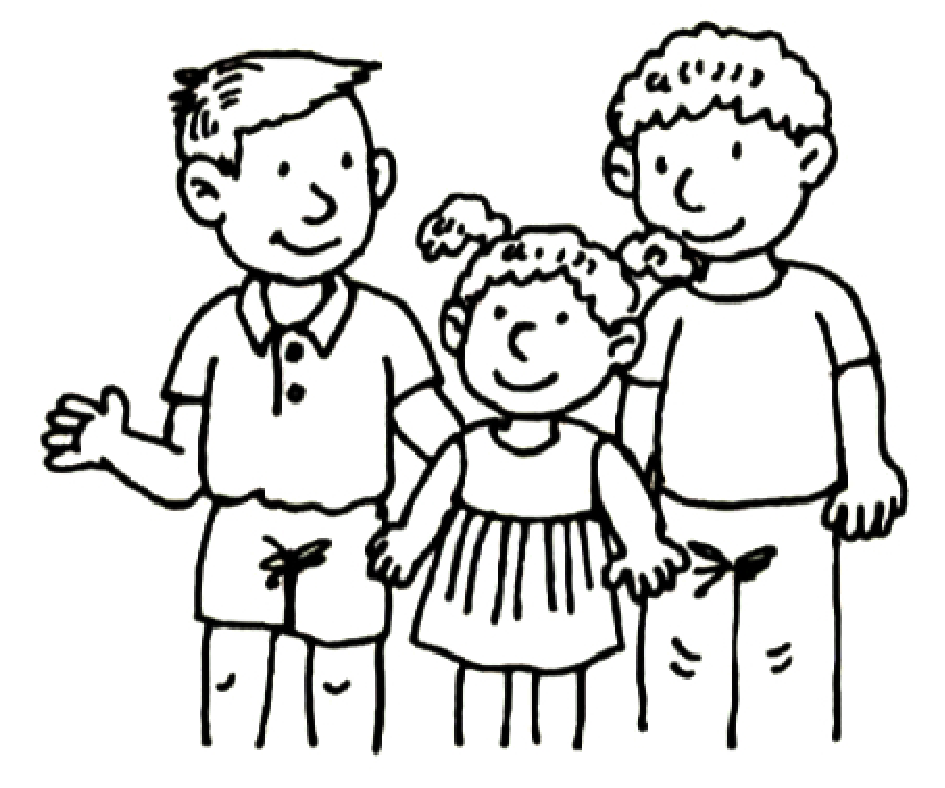
Little Judy is the ( oldest , youngest ) in the family.
5
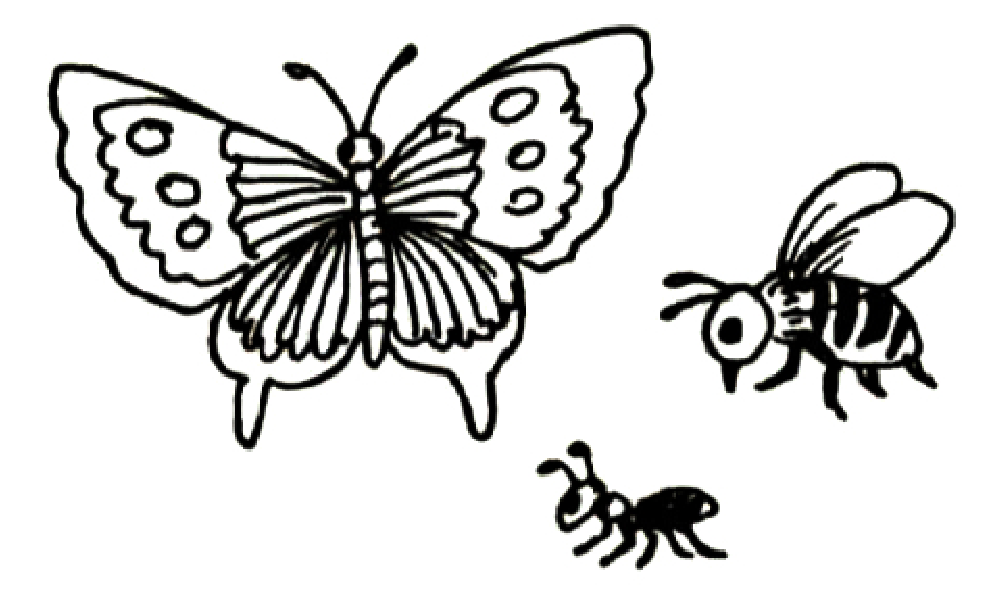
The ant is the ( smallest , largest ) insect shown.
Page 47
Choose the correct answer and put a tick (✓) in its box.
1
James is the boy in the class.
2
Father bought the ball displayed on the shelf.
3
The clock is than the watch.
4
Penny is clever but .
5
Jenny is the girl in her family.
Page 48
6
Victor is the runner in the team.
7
This is the film I have ever seen.
8
Her handwriting is than mine.
9
Samson is the man in the competition.
10
My father is very .
Page 49
Fill in each blank with the correct answer.
1
loud | louder |
2
soft | | softest
3
clean | cleaner |
4
hard | | hardest
5
high | higher |
6
deep | | deepest
7
heavy | heavier |
8
light | | lightest
9
weak | weaker |
10
hot | | hottest
Page 50
We add '-est' to the end of most one-syllable adjectives when we compare three or more people, places or things in a group. Such adjectives are called superlatives.
Examples
They are the brightest children in the school.
This stall sells the cheapest vegetables in the market.
This is the hardest test so far.
This is the biggest and the thickest book in the library.
This is the longest movie I have ever seen.
Page 50
Page 51
1
(a) When we compare two things, we use the comparative adjective with ' -er' or with 'more'.
Examples
These socks are longer than those socks.
Today's movie was more exciting than yesterday's.
2
(b) When we compare three or more things in a group, we use the superlative adjective with ' -est' or with 'most'.
Examples
Arthur is the fastest runner in the team.
James has the biggest bag in the class.
She is the most beautiful girl in the school.
He is the most polite sales assistant in that shop.
Page 52
Underline the correct answers.
1
This storybook is ( more , most ) interesting than that one.
2
This is the ( more , most ) expensive dress in the shop.
3
Karen is the ( more , most ) talkative student in class.
4
The princess is the ( more , most ) beautiful girl in the kingdom.
5
Which is the ( more , most ) important — food, clothing or water?
6
Christopher is the ( more , most ) hard-working child in his family.
7
A shark is one of the ( more , most ) dangerous fish in the sea.
8
Which is the ( more , most ) difficult subject in school, Science or Mathematics?
9
I am ( more , most ) afraid of mice than spiders.
10
Which is ( more , most ) exciting, sailing or hiking?
Page 53
Fill in each blank with the correct form of the word in the brackets. Add the word 'more' or 'most' where necessary.
1
He is the driver I know. (careful)
2
Which is , the sofa or the armchair? (comfortable)
3
Mount Everest is the mountain in the world. (high)
4
The sick man is getting each day. (weak)
5
The tiger is the animal in the jungle. (fierce)
6
Mr Smith is the worker in the factory. (helpful)
7
Who is , Ann or Jane? (polite)
8
An aeroplane is than a helicopter. (fast)
9
Karen is the student in class. (obedient)
10
Mercury is the planet to the sun. (close)
Page 54
Page 55
(a) The words 'who', 'what', 'which' and 'when' are used to ask questions.
(b) The word 'who' is used for questions about people.
Examples:
Who went to your class today?
Who was it at the door?
(c) The word 'what' is used in questions about things.
Examples:
What is that you have in your hand?
What is that moving on the sand?
'What' is also used when we ask questions about names, actions and things we say, feel or think.
Examples:
What is your name?
What did you say?
What do you think of the new principal?
(d) The word 'which' is used in questions about a specific person, animal, plant or object.
Examples:
Which of the books is yours?
Which flower do you like most?
Which is the more expensive computer?
Page 56
Underline the correct answers.
(e) The word 'when' is used in questions about the time in which something happens, had happened or will happen.
Examples
When did you meet your teacher?
When are your friends coming?
When is he visiting his brother?
When is the midyear examination?
1
( Which , When ) is the tallest building?
2
( Who , When ) are you?
3
( What , Which ) is she doing?
4
( When , What ) is your father coming home?
5
( Who , Which ) animal is bigger?
6
( When , Who ) is the lady at the door?
7
( What , Who ) is your name?
8
( Which , When ) was he absent?
9
( Who , What ) can play the piano?
10
( When , What ) are the colours of the rainbow?
Page 57
Fill in each blank with the help of the words in the box.
Who
What
Which
When
1
present is yours?
2
is going to the beach with us?
3
is the fastest car here?
4
is your examination?
5
are you drinking?
6
shoes are Mary's?
7
did she go home?
8
is the man with Thomas?
9
is that on the table?
10
did you finish your homework?
Use the words 'who', 'what', 'which' and 'when' to complete the questions.
Go to My SAPeducation App or http://sapgrp.com.sg/online-resources/english
Page 58
Choose the most appropriate question for each answer and write its letter in the brackets provided.
1
I am making a kite.
2
Judy can sing well.
3
Philip is the tallest.
4
Zoe was absent yesterday.
5
My birthday is in May.
Page 59
(a) The verb 'was' is SINGULAR. It is in the simple past tense. We use it to show that something happened or was completed in the past.
Examples
He was in China last month.
She was with her aunt yesterday.
Tom was in his room just now.
The computer was sold last week.
(b) The verb 'were' is PLURAL. It is also in the simple past tense. We use it to show that some things happened or were completed in the past.
Examples
They were in England for ten years.
There were many children at the party.
The students were late because the bus broke down.
The children were happy when they saw the circus clown.
Page 60
Fill in each blank with 'was' or 'were'.
was
were
1
Matthew in the classroom just now.
2
Who those men at the gate a few minutes ago?
3
Many of the workers absent yesterday.
4
I at home last night.
5
There many accidents on the road last year.
6
Who that man at the door when you went out?
7
Andrew and David at the beach last Sunday.
8
They at the bird park a few hours ago.
9
Each child given a piece of cake at the party.
10
Henry at the picnic?
Page 61
Fill in each blank with the help of the words in the box.
is
are
was
were
1
It cold last night.
2
The children at the park now.
3
A parrot a bird.
4
The boys in the canteen an hour ago.
5
What your name?
6
Where my books? I cannot find them.
7
I in London last week.
8
Sharon and her friends in the room just now.
9
Benny and Nelson brothers.
10
it hot this morning when you went jogging in the park?
Page 62
Page 63
(a) The verbs 'has', 'have' and 'had' can all be used to show that a person, animal, object or place possesses something.
(b) 'Has' is in the present tense and is used with a SINGULAR subject.
Examples
Tom has two sisters.
A monkey has a tail.
The house has two large doors.
(c) 'Have' is also in the present tense and is used with a PLURAL subject.
Examples
The soldiers have new rifles.
The houses have bigger gardens.
The children have three storybooks each.
(d) 'Had' is in the past tense and may be used with SINGULAR and PLURAL subjects.
Examples
The boy had a bicycle many years ago.
John and Jack had scooters when they were young.
Lillian had a doll when she was two years old.
Lily and Lucy had new shoes last year.
The old library had many interesting books.
The old park had many plants when it closed last month.
Page 64
Underline the correct answers.
1
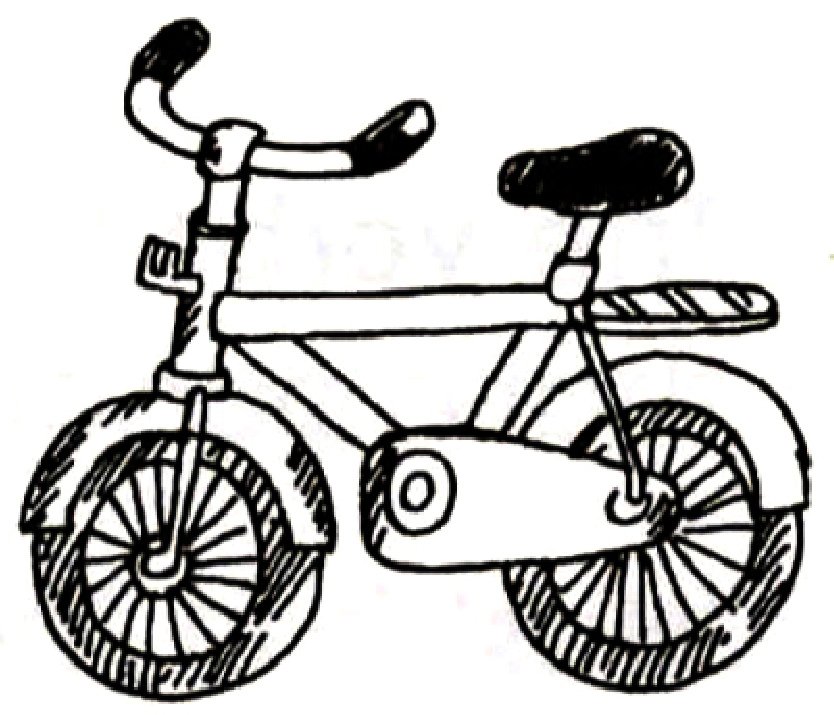
A bicycle ( has , have ) two wheels.
2
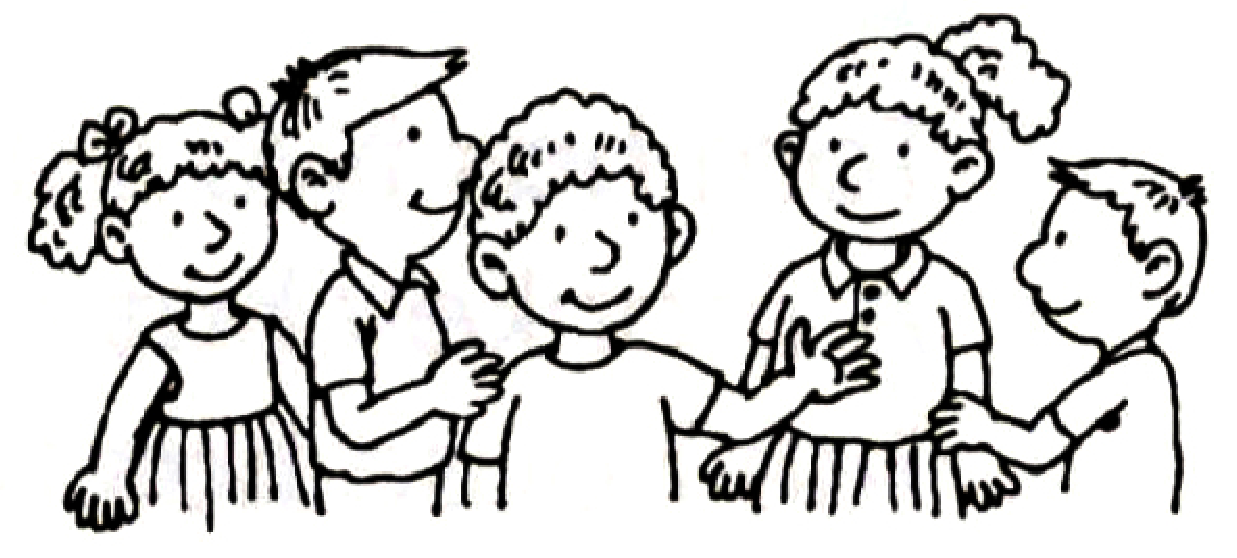
I ( has , have ) many friends.
3
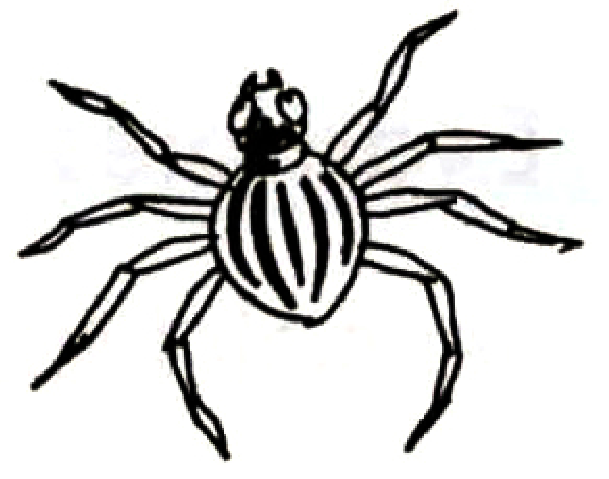
A spider ( has , have ) eight legs.
4
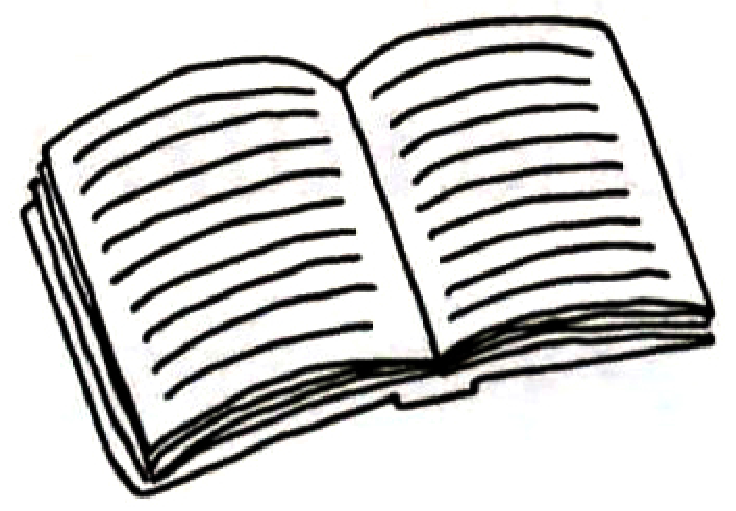
This book ( has , have ) many pages.
5
Mr and Mrs Jackson ( has , have ) a son.
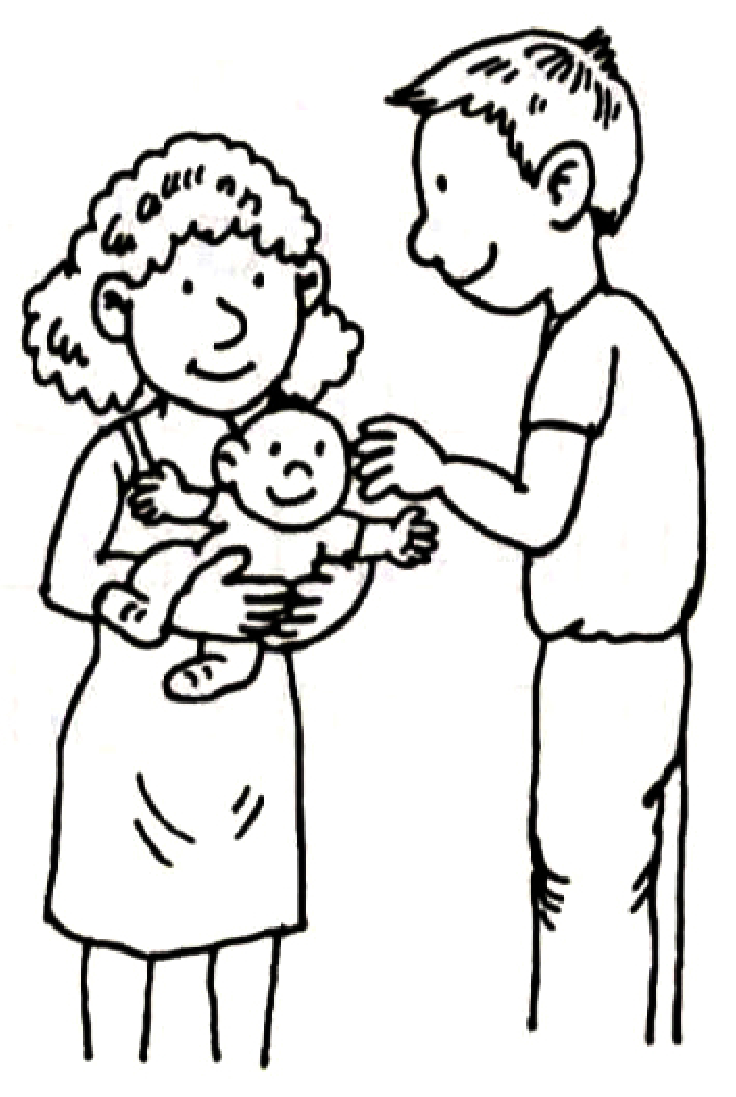
Page 65
6
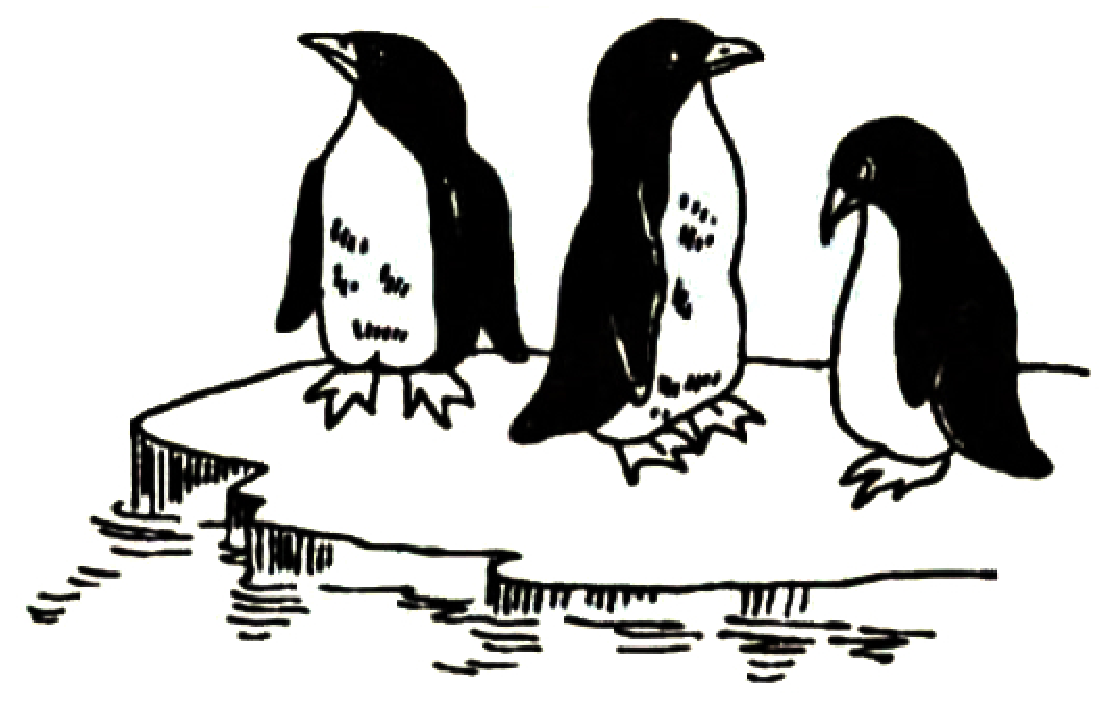
Penguins ( has , have ) wings, but they cannot fly.
7
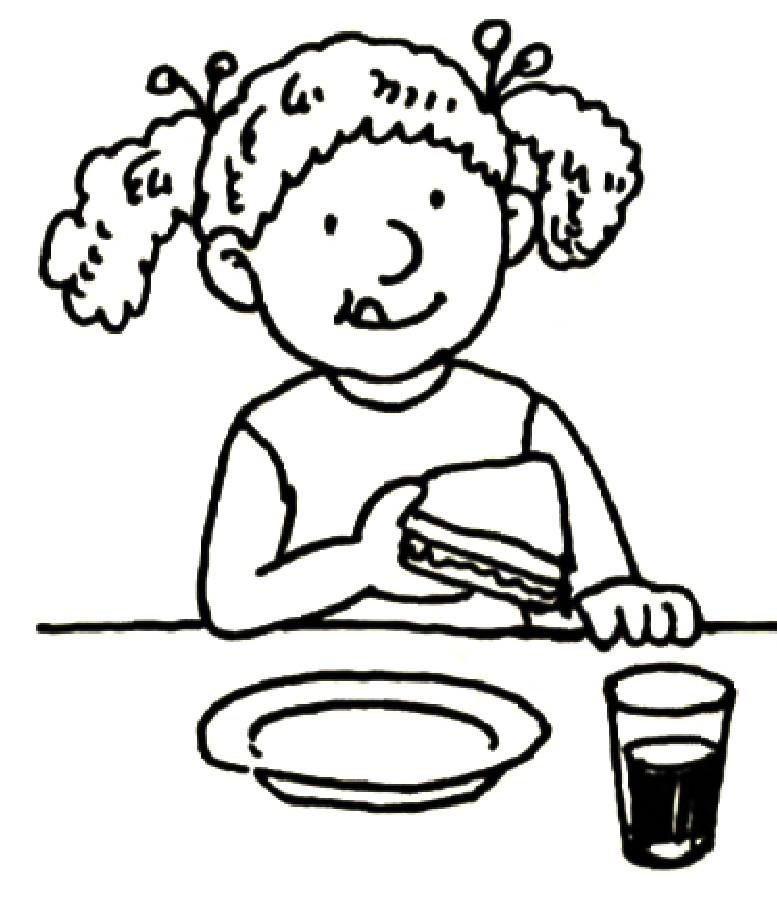
Christina ( has , have ) curly hair.
8
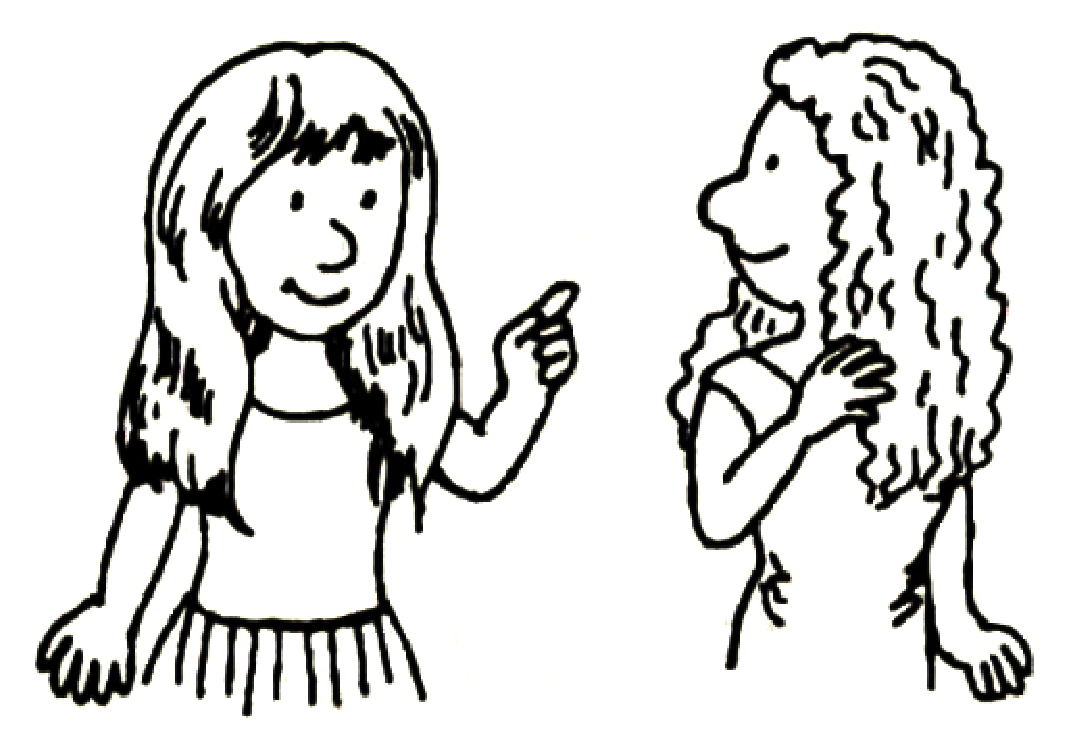
Susan and her friend ( has , have ) long hair.
9
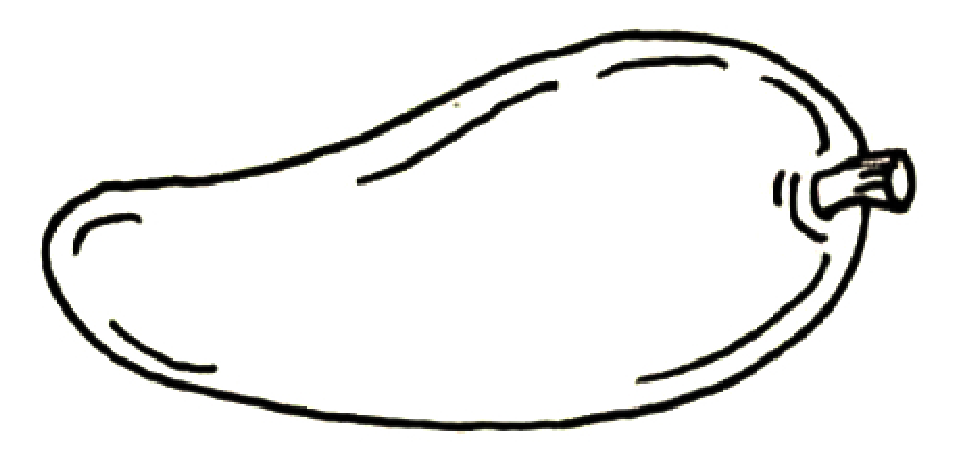
A mango ( has , have ) only one seed.
10
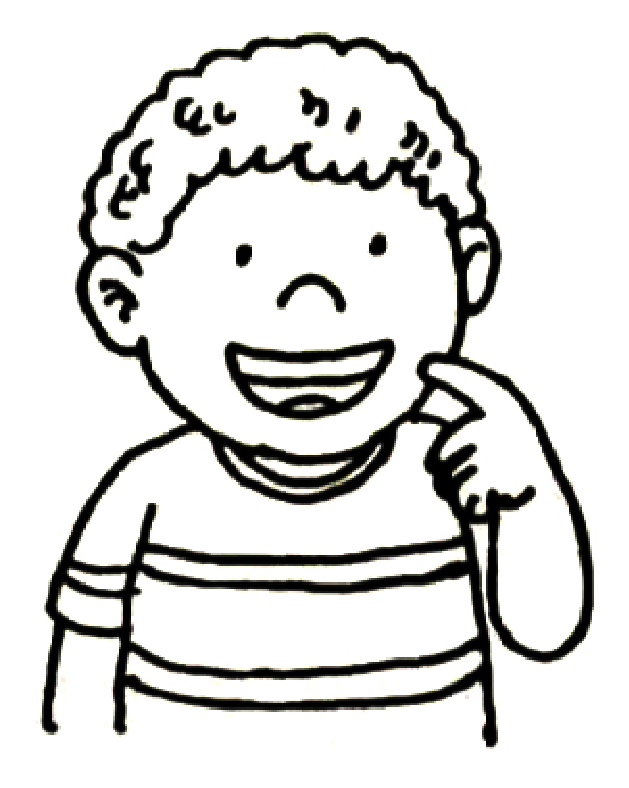
Vincent ( has , have ) a set of beautiful teeth.
Page 67
1
(a) The past tense of a regular verb is formed by adding ‘-ed’ at the end of the verb.
Examples
walk – walked
I walked to school this morning.
post – posted
Michelle posted the cards yesterday.
climb – climbed
The two boys climbed up the tree to pluck the fruit.
2
(b) Irregular verbs form the past tense in a different way. These verbs change their forms.
Examples
come – came
She came to my house last night.
go – went
They went to Malaysia by coach.
catch – caught
My father caught a big fish.
Page 68
The table below shows the simple past tense of some irregular verbs. It is important that you remember them.
Verb | Past Tense | Verb | Past Tense
* beat | beat | light | lit (lighted)
become | became | lose | lost
begin | began | make | made
bend | bent | mean | meant
bite | bit | meet | met
blow | blew | oversleep | overslept
break | broke | pay | paid
bring | brought | * put | put
build | built | read | read (pronounced as 'red')
burn | burnt (burned) | rewrite | rewrote
* burst | burst | ride | rode
buy | bought | ring | rang
catch | caught | rise | rose
choose | chose | run | ran
come | came | say | said
* cost | cost | see | saw
* cut | cut | sell | sold
dig | dug | send | sent
do | did | * set | set
draw | drew | shake | shook
dream | dreamt (dreamed) | shine | shone (shined)
drink | drank | shoot | shot
drive | drove | * shut | shut
eat | ate | sing | sang
fall | fell | sink | sank
feed | fed | sit | sat
feel | felt | sleep | slept
fight | fought | speak | spoke
find | found | spell | spelt
fly | flew | spend | spent
forget | forgot | spoil | spoilt (spoiled)
get | got | * spread | spread
give | gave | stand | stood
go | went | steal | stole
grow | grew | sweep | swept
hang | hung (hanged) | swim | swam
have | had | swing | swung
hear | heard | take | took
hide | hid | teach | taught
* hit | hit | tear | tore
hold | held | tell | told
* hurt | hurt | think | thought
keep | kept | throw | threw
know | knew | understand | understood
lay | laid | wake | woke
learn | learnt (learned) | wear | wore
leave | left | weep | wept
lend | lent | win | won
* let | let | write | wrote
lie | lay
* The spelling and pronunciation of this verb remain unchanged in the past tense.
Page 69
Fill in each blank with the simple past tense of the verb in the brackets.
1
I the letter early this morning. (write)
2
He into the pond to save the child. (jump)
3
Mary a present from her pen friend on her birthday. (receive)
4
Steven the ball into the air . (kick)
5
The baby under the table. (crawl)
6
They in the river last evening. (swim)
7
Mr Finch his son for failing the test. (scold)
8
She the plants yesterday. (water)
9
The gardener a spade to dig the soil. (take)
10
Mr Lewis a week in Australia last month. (spend)
Page 70
Choose the correct answer and write its letter in the brackets provided.
1
The burglar the house through an open window late last night.
2
Monkeys to eat bananas.
3
A stray dog a young man last week.
4
Darren off the light and went to bed.
5
We in a hotel when we were in Thailand.
6
Jill very well at the concert last week.
7
My father in the park every evening.
8
I the school football team last year.
Page 71
Fill in each blank with the help of the words in the box.
has
have
had
1
We a huge teddy bear when we were younger.
2
A crab ten legs.
3
My colleague and I a set of keys to the office.
4
Peacocks colourful feathers.
5
Melissa a new computer.
6
David is happy because he a new bicycle.
7
Do you a pen?
8
Sandy a beautiful painting in her room when she was five years old.
9
A tiger stripes on its body.
10
They a bungalow at the beach. They go there every weekend.
Page 71
(a) The verb 'to be' in the present tense is 'am' (singular), 'is' (singular) and 'are' (plural).
(b) The verb 'to be' in the past tense is 'was' (singular) and 'were' (plural).
(c) When we use the verb 'to be' in questions about time, we should note that the tense (present or past) and the subject (singular or plural) must agree.
Examples
When is John free?
When are you free?
When was Jacintha at the library?
When were the boys playing football?
When are Susan and Jane coming?
When were John and Gerard here?
Page 72
Underline the correct answers.
1
When ( was , were ) the postal worker here?
2
When ( was , were ) the twins born?
3
When ( is , are ) the train leaving the station?
4
When ( is , are ) your friends coming?
5
When ( is , were ) John's birthday?
6
When ( are , was ) Philip absent from school?
7
When ( is , are ) your brother going to England?
8
When ( was , were ) the last time I saw you?
9
When ( was , are ) you going home?
10
When ( were , is ) you in school?
Page 73
(a) People, creatures, places, events and things that can be counted are called countable nouns.
(b) For many countable nouns, we add '-s' at the end of the nouns to make them plural.
Examples:
book – books
pencil – pencils
cake – cakes
chair – chairs
For nouns that end in '-o', '-s', '-sh', '-ch' or '-x', we usually add '-es' to the end of the nouns to make them plural.
Examples:
mango – mangoes
bus – buses
dish – dishes
watch – watches
dress – dresses
box – boxes
Page 74
For nouns that end in ‘-y’, we usually replace ‘-y’ with ‘-ies’ to make them plural.
Examples
party – parties
baby – babies
butterfly – butterflies
For nouns that end in ‘-f’ or ‘-fe’ , we usually replace ‘-f’ or ‘-fe’ with ‘-ves’ to make them plural.
Examples
shelf – shelves wife – wives
leaf – leaves knife – knives
(c) Some countable nouns change their spelling when they are in the plural form.
Examples
man – men foot – feet
child – children mouse – mice
ox – oxen tooth – teeth
Page 75
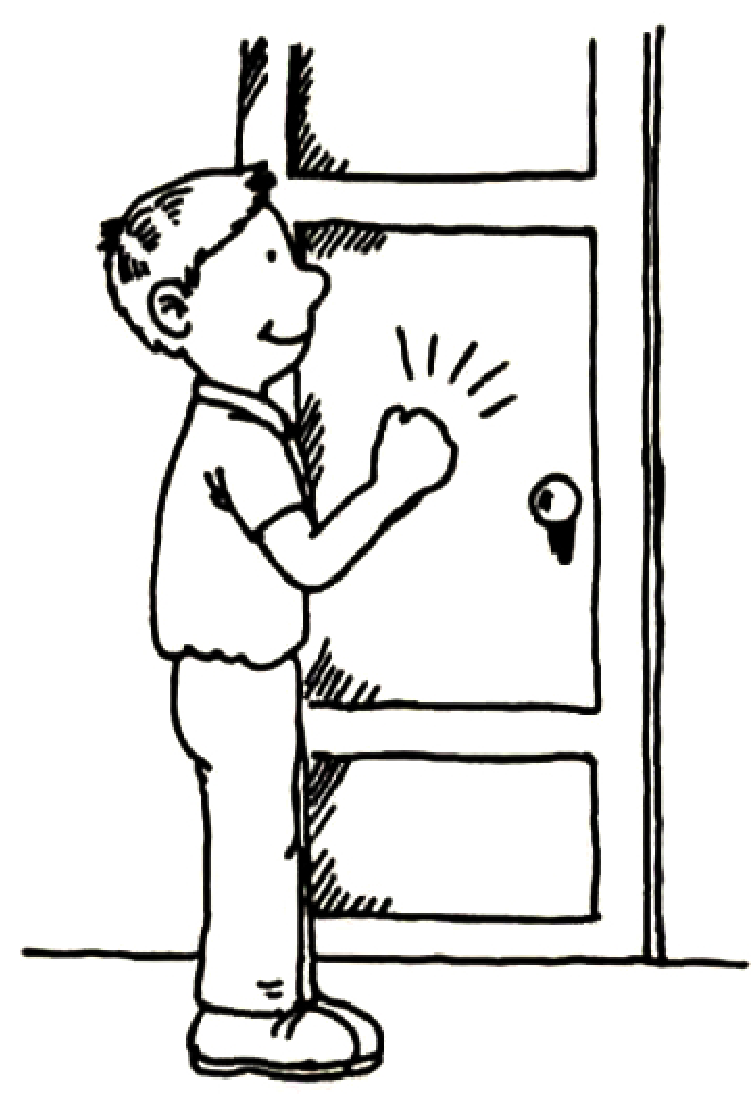
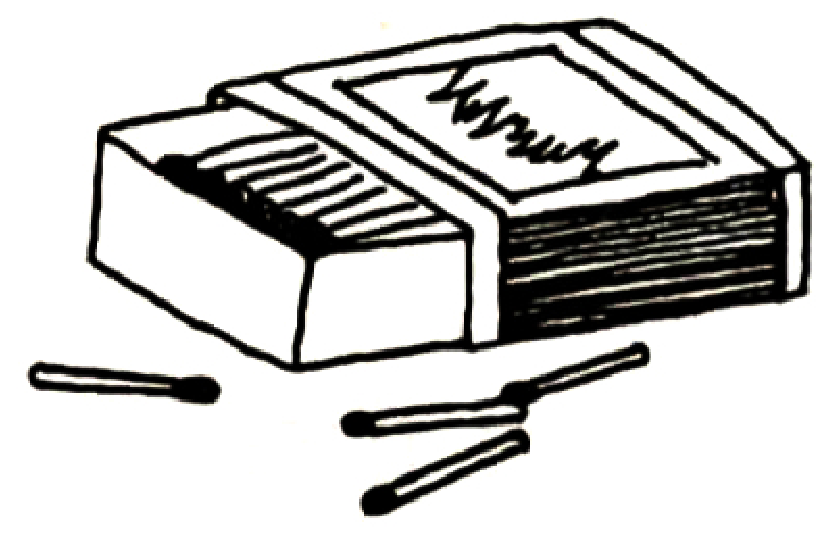
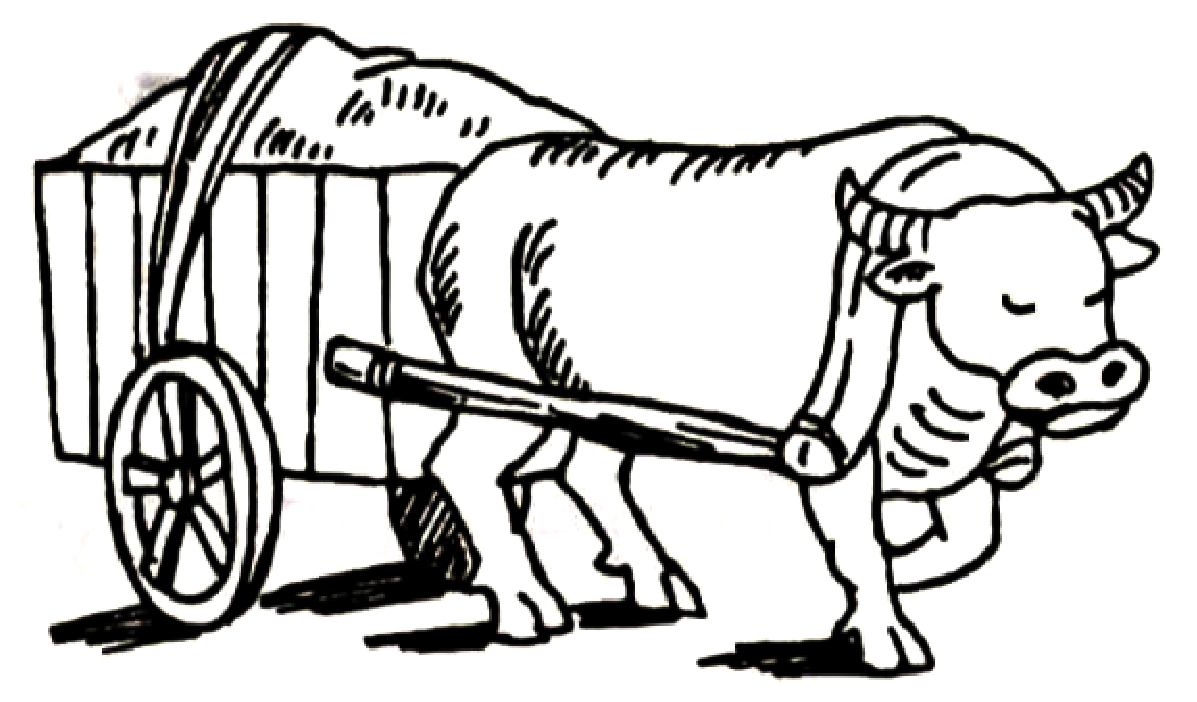
Underline the correct answers.
1
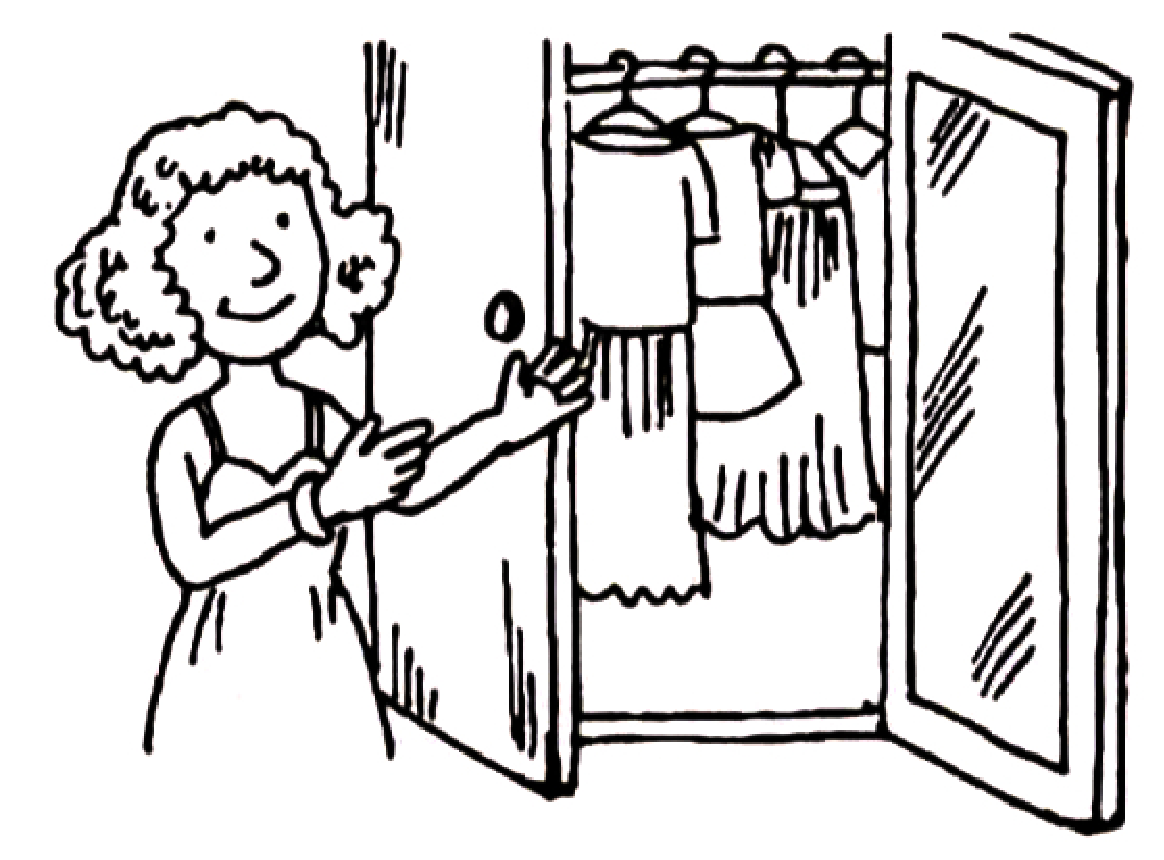
Those ( dress , dresses ) belong to her.
2
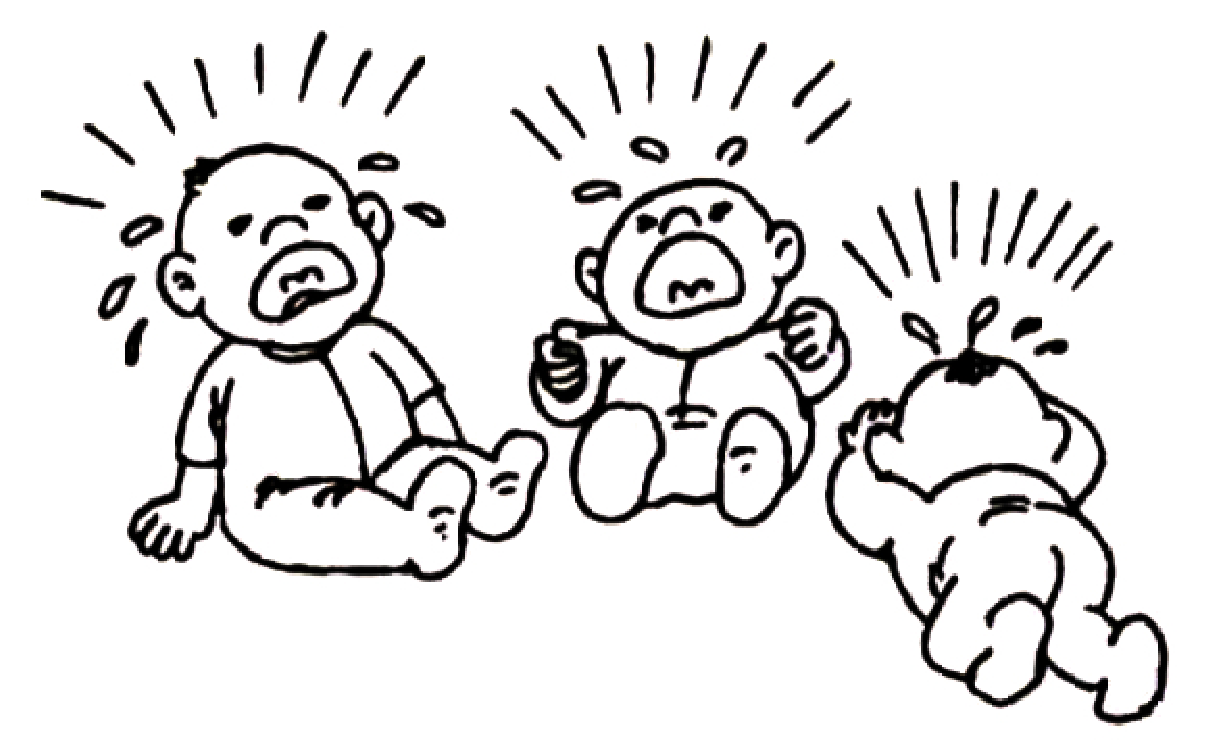
The ( babys , babies ) are crying.
3
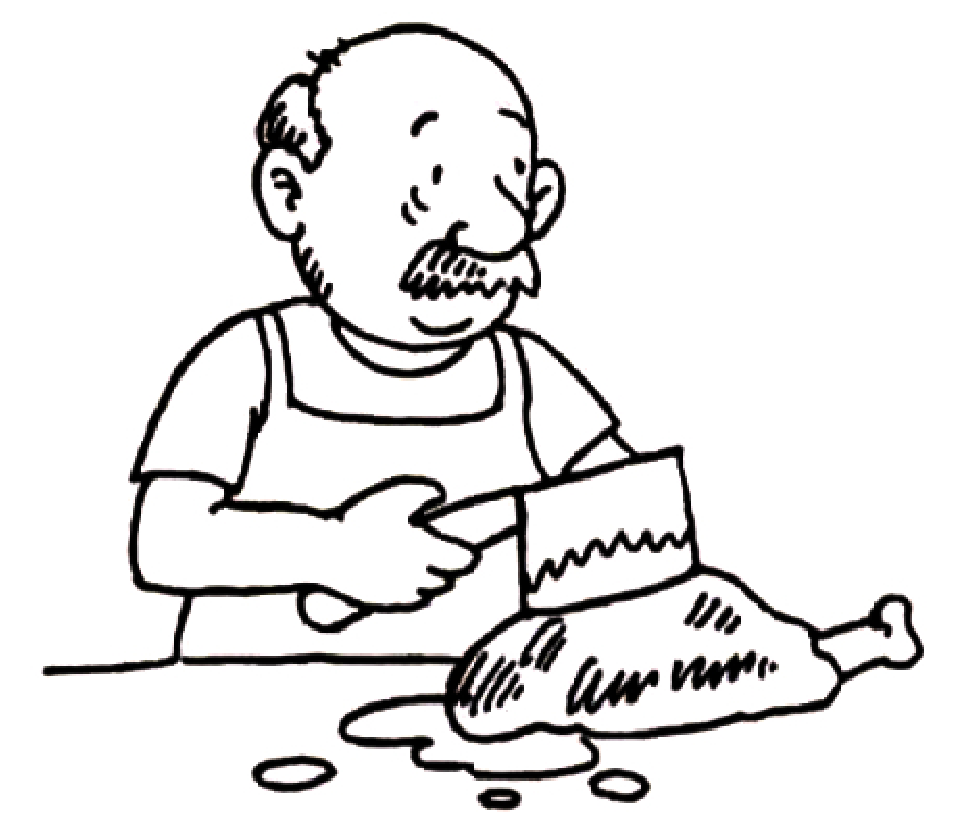
The butcher uses a sharp ( knife , knives ).
4
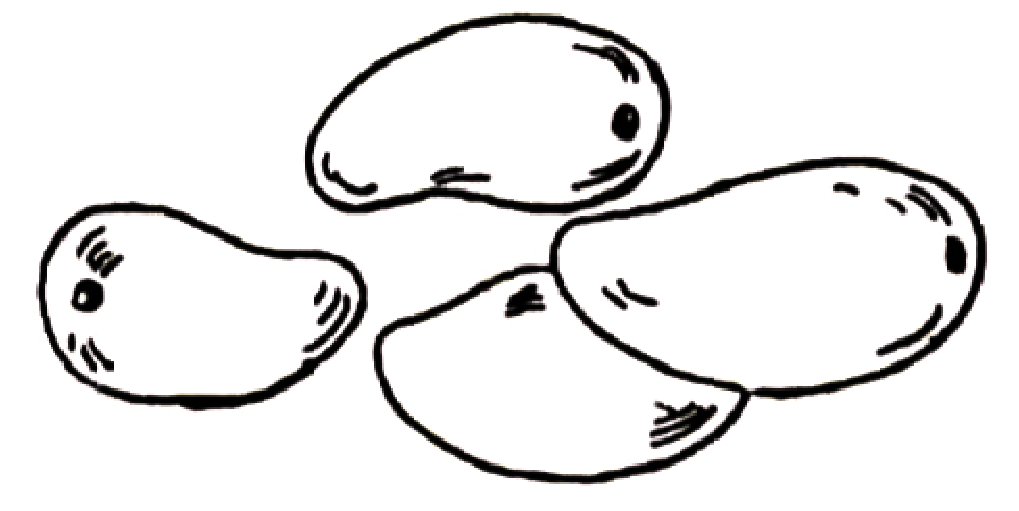
Are the ( mangos , mangoes ) ripe?
5
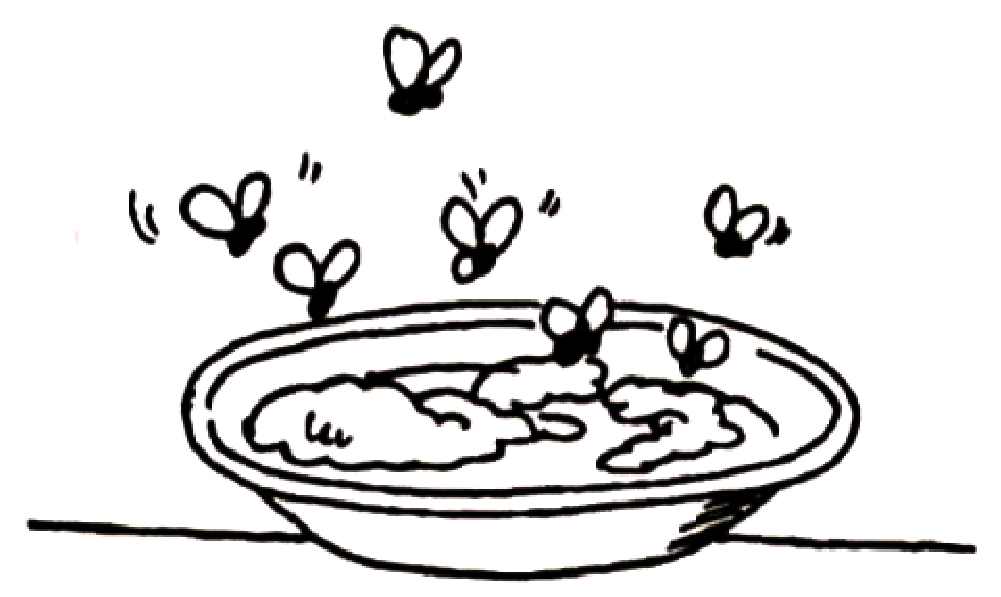
There are ( flys , flies ) all over the food.
Page 76
6
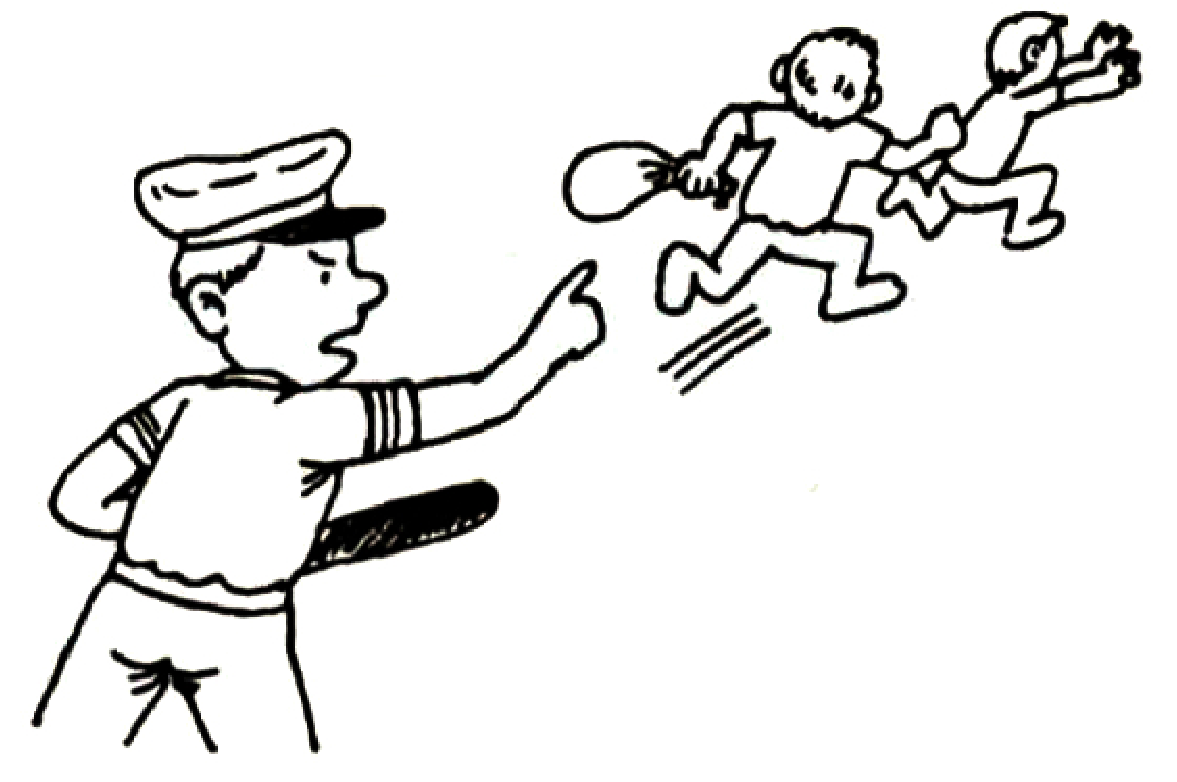
The policeman is chasing the two ( thiefs , thieves ).
7
Lily has a set of beautiful ( tooth , teeth ).
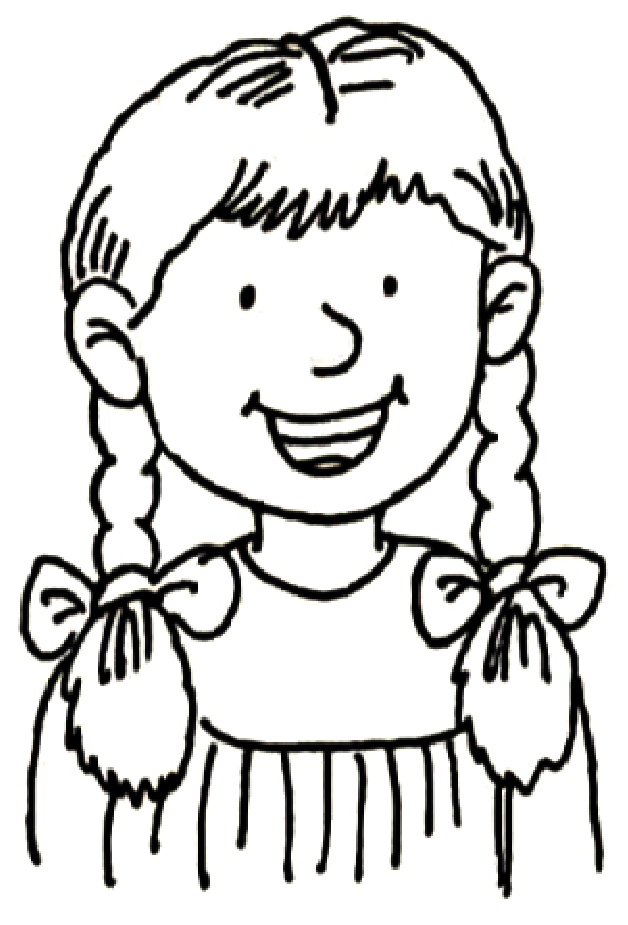
8
Who is that ( man , men ) at the door?
9
These are ( matchs , matches ).
10
The ( ox , oxen ) is pulling the cart.
Page 77
Fill in each blank with the plural form of the noun in the brackets.
1
London, Paris and Rome are .
2
The chased the stranger down the path.
3
The are falling from the tree.
4
The in this shop are expensive.
5
The road is too narrow for the to pass through.
6
My little sister is afraid of .
7
This room is for only.
8
The cow was attacked by a pack of .
9
My mother is washing the new drinking .
10
The are playing in the garden.
Page 78
Fill in each blank with the plural form of the noun.
1
foot :
2
tomato :
3
loaf :
4
woman :
5
box :
6
shelf :
7
child :
8
ox :
9
tooth :
10
goose :
Page 79
1
(a) The preposition 'at' is used when we talk of a definite point or place.
Examples:
She stood at the door.
I met her at the airport.
I saw many types of vegetables at the supermarket.
2
(b) The preposition 'near' is used when we speak of someone or something being close to something.
Examples:
He was standing near the pond.
I saw the child playing near the drain.
Don't go too near the fence.
3
(c) The preposition 'between' is used when we speak of three things, one of which is in the middle .
Examples:
I sat between my father and mother.
I planted a rose bush between two mango trees.
I hid the calculator between the two books.
4
(d) The preposition 'beside' is used when we speak of one thing being next to another thing.
Examples:
The post office is beside the supermarket.
The boy sat down beside his mother .
I put my bag beside my desk.
Page 80
Underline the correct preposition in the brackets.
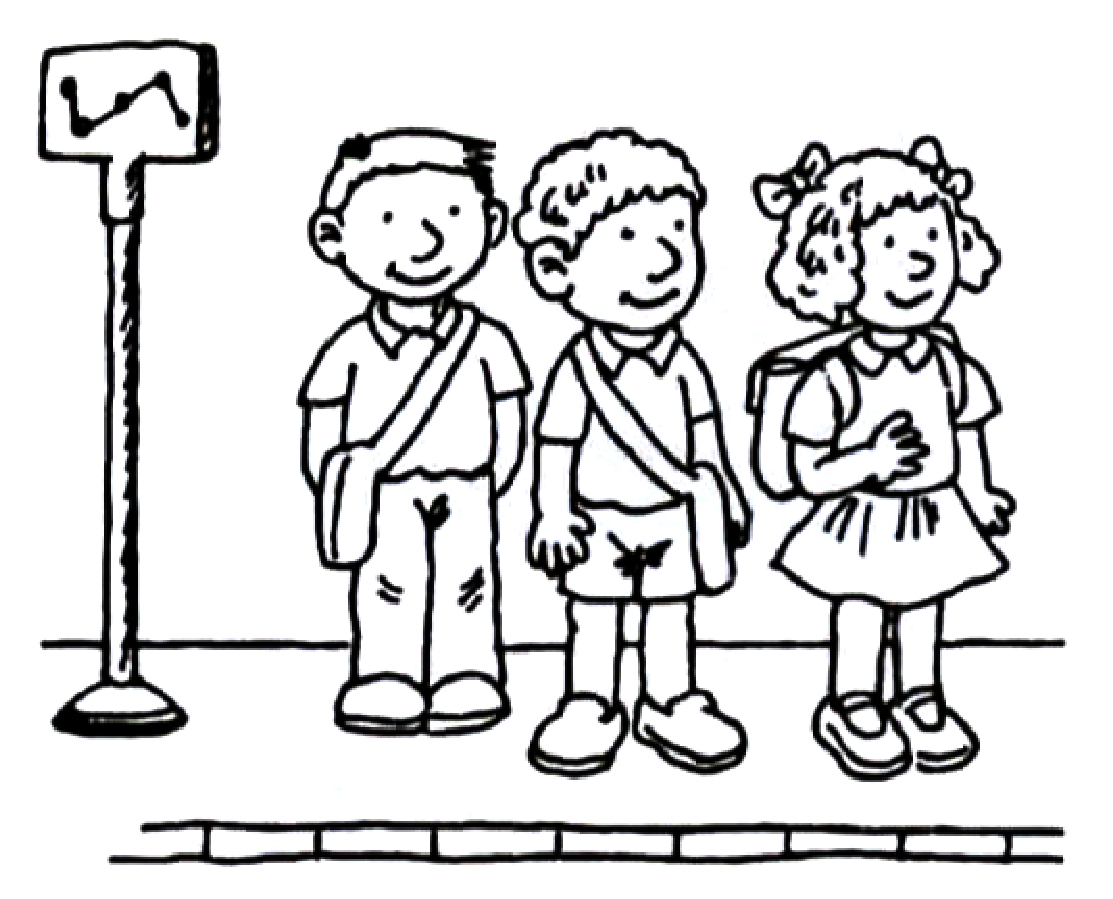
1
The children are ( at , between ) the bus stop.
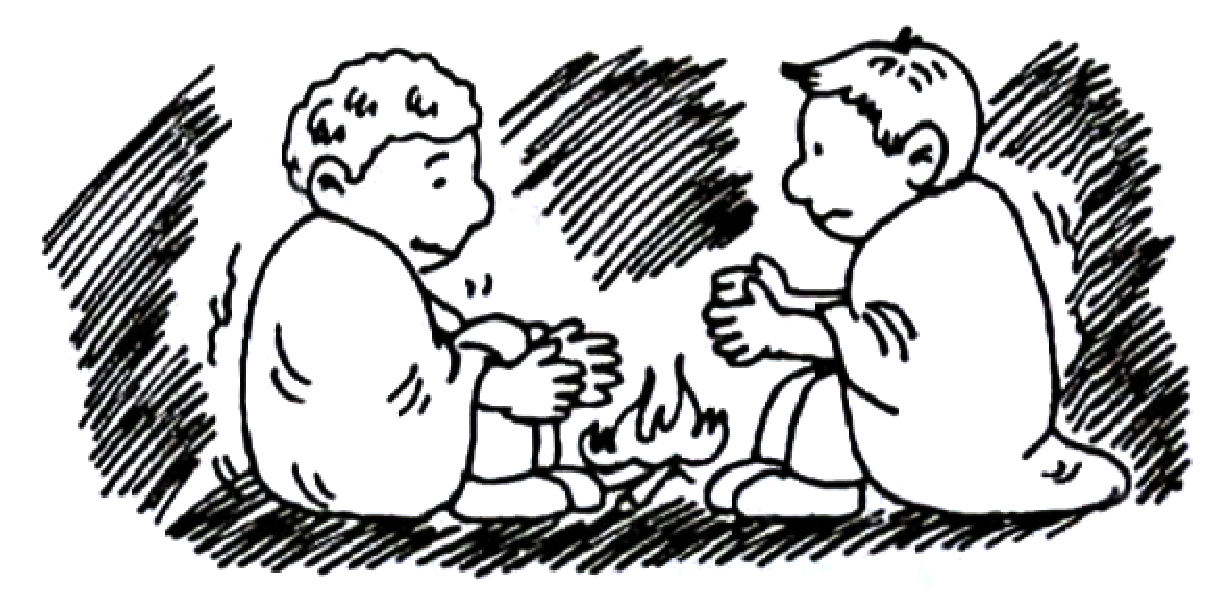
2
We sat ( at , near ) the fire to warm ourselves.
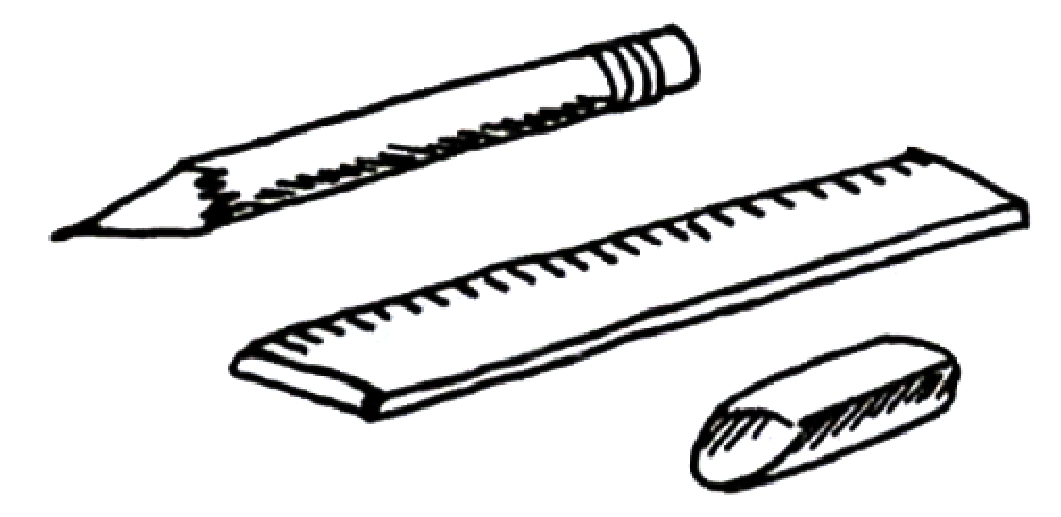
3
The ruler is ( between , near ) the pencil and the eraser.
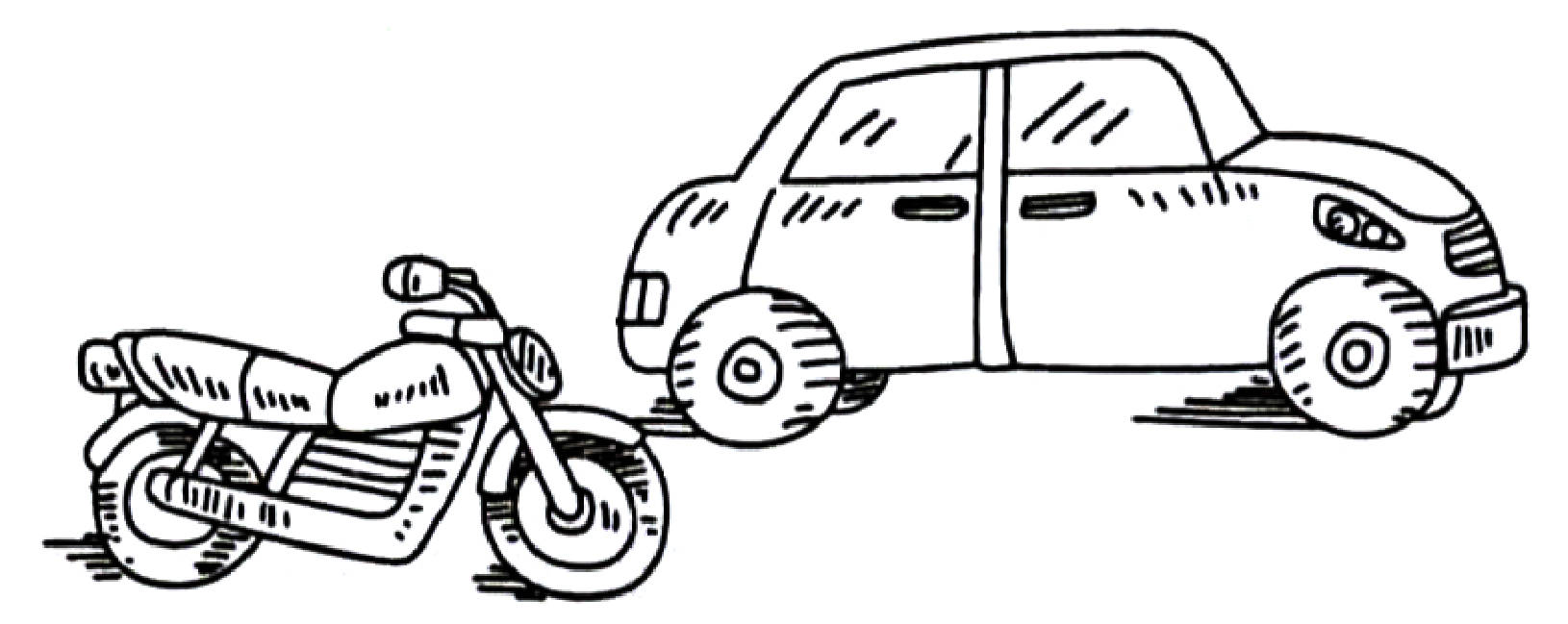
4
The motorcycle is ( at , beside ) the car.
5
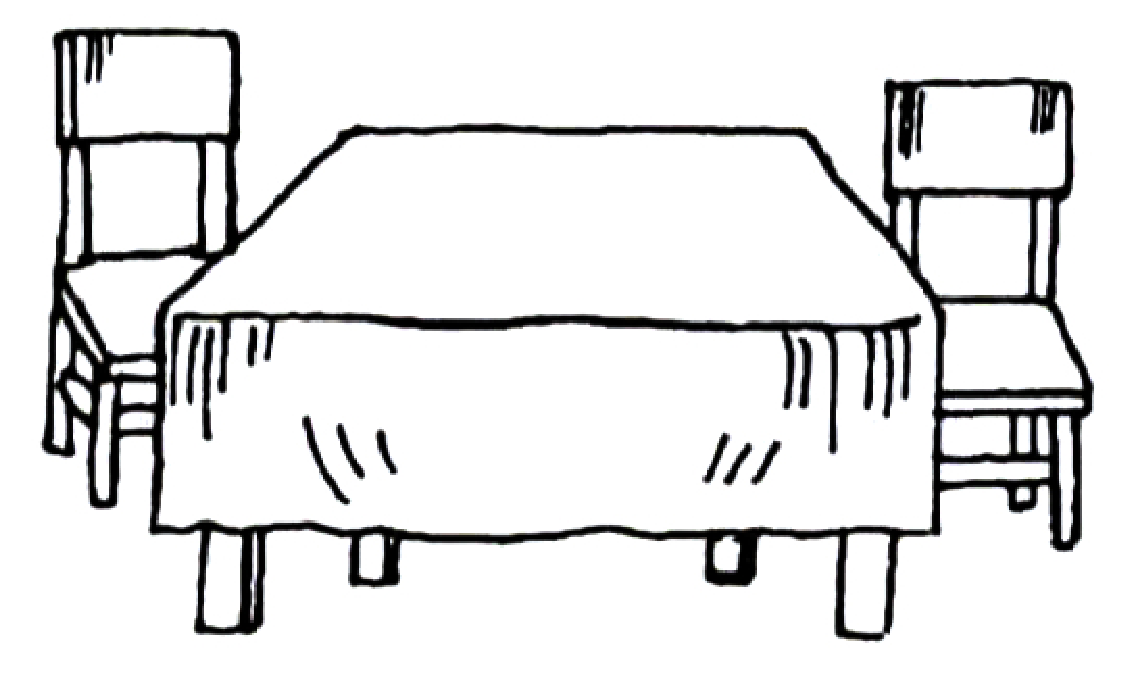
The table is ( beside , between ) the two chairs.
Page 81
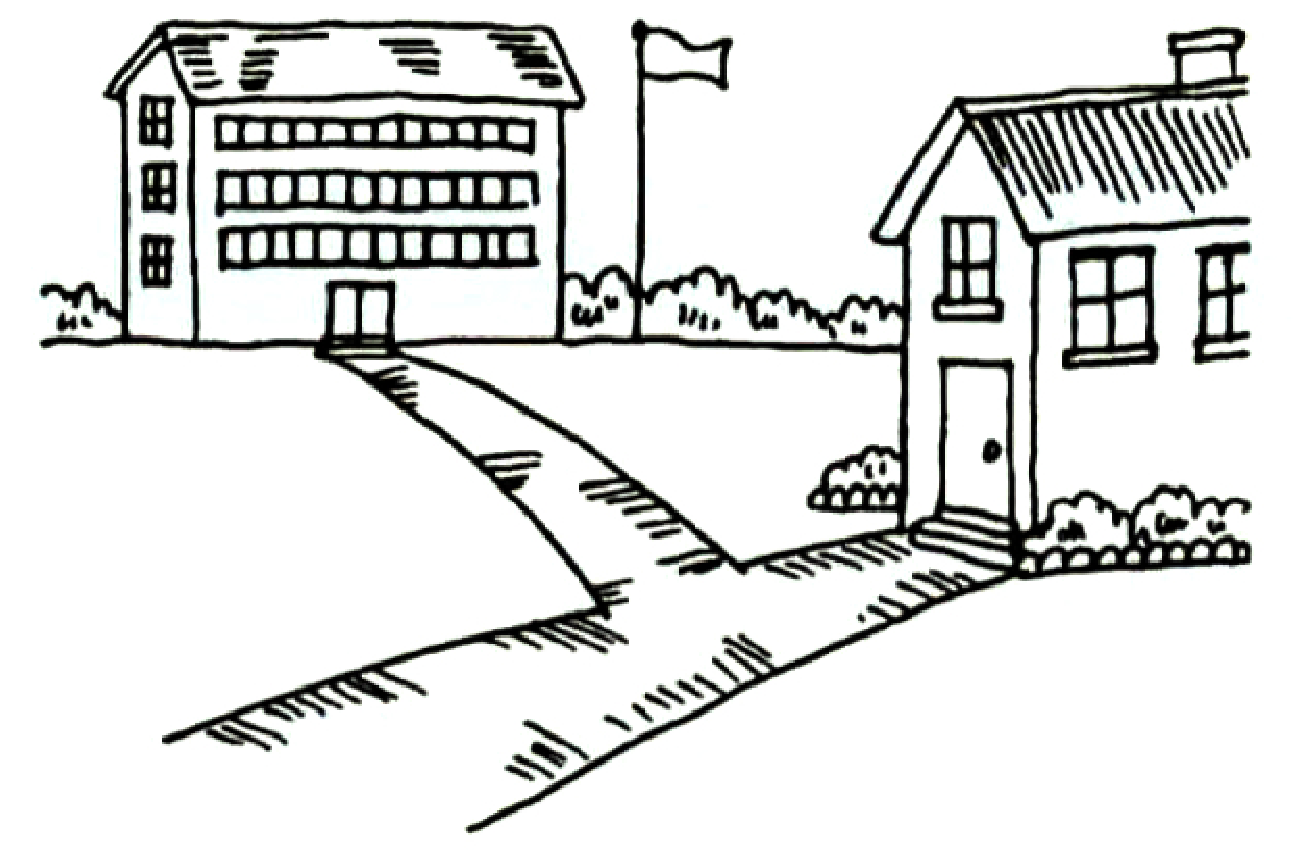
6
My house is ( at , near ) the school.
7
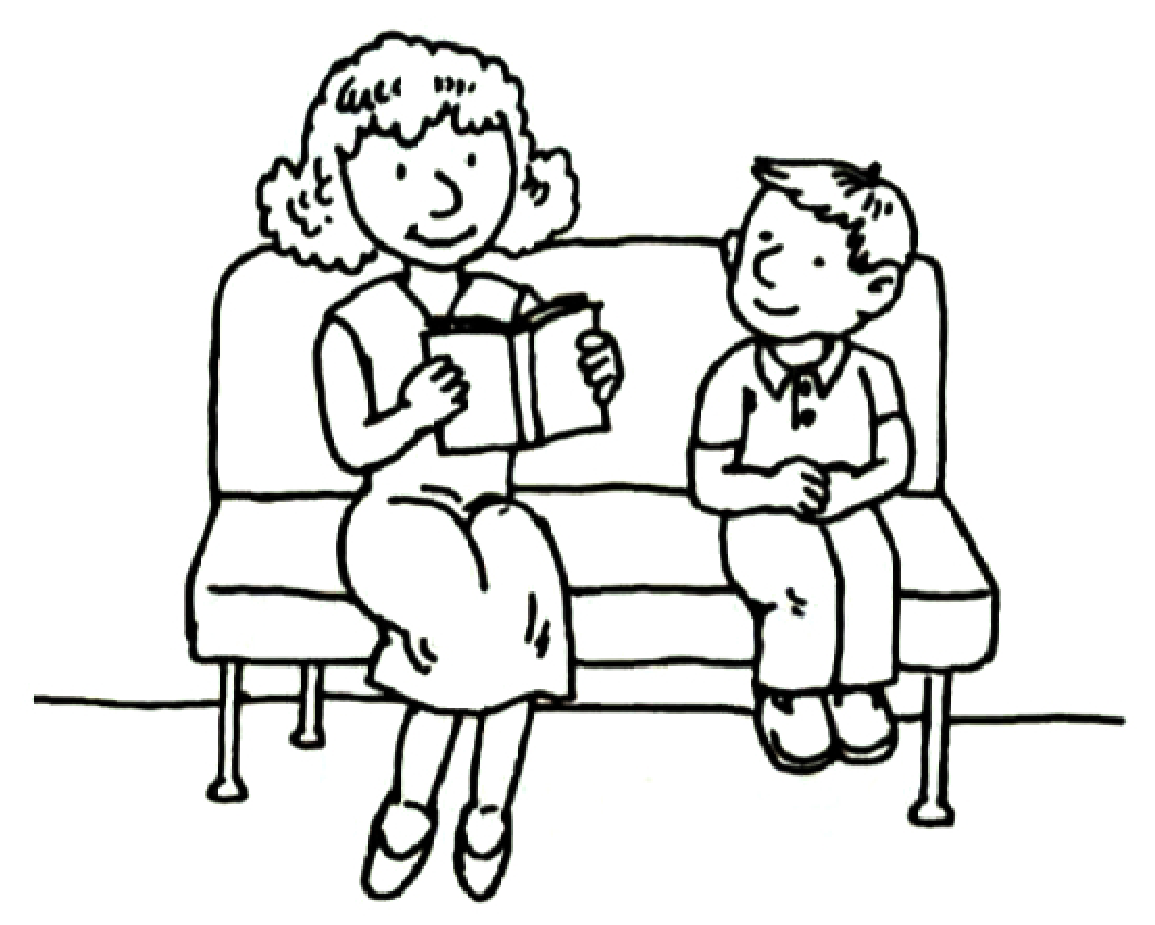
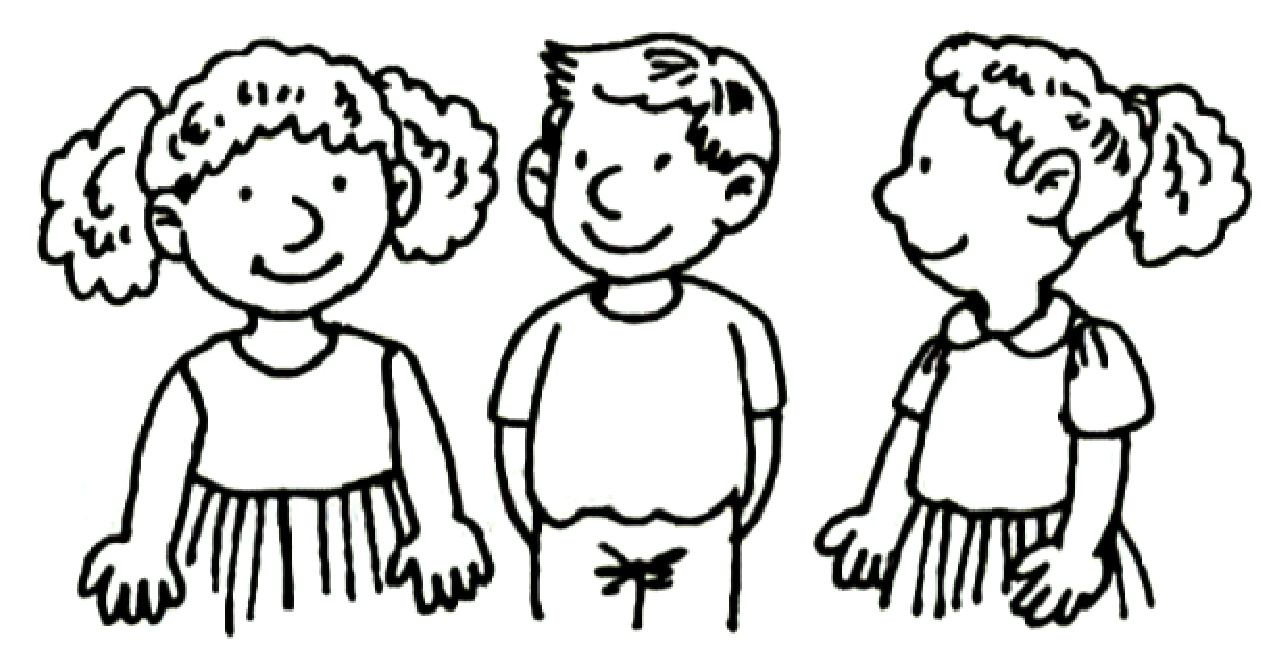
Who is the lady sitting ( beside , at ) you?
8
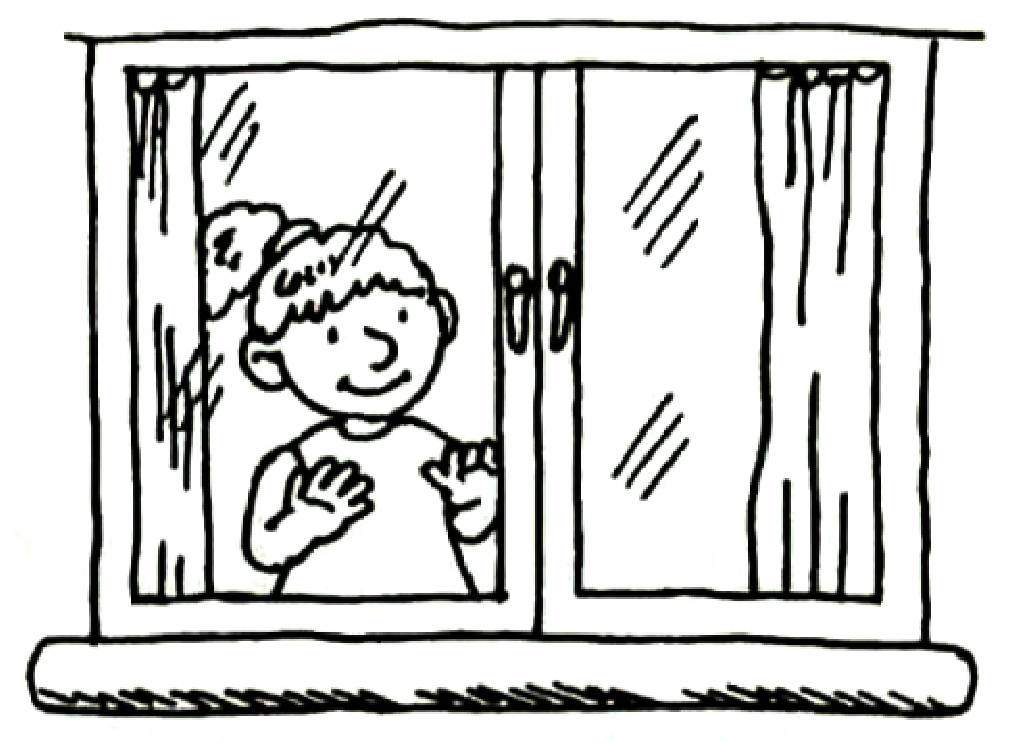
There is a girl ( at , between ) the window.
9
John is standing ( beside , between ) his two sisters.
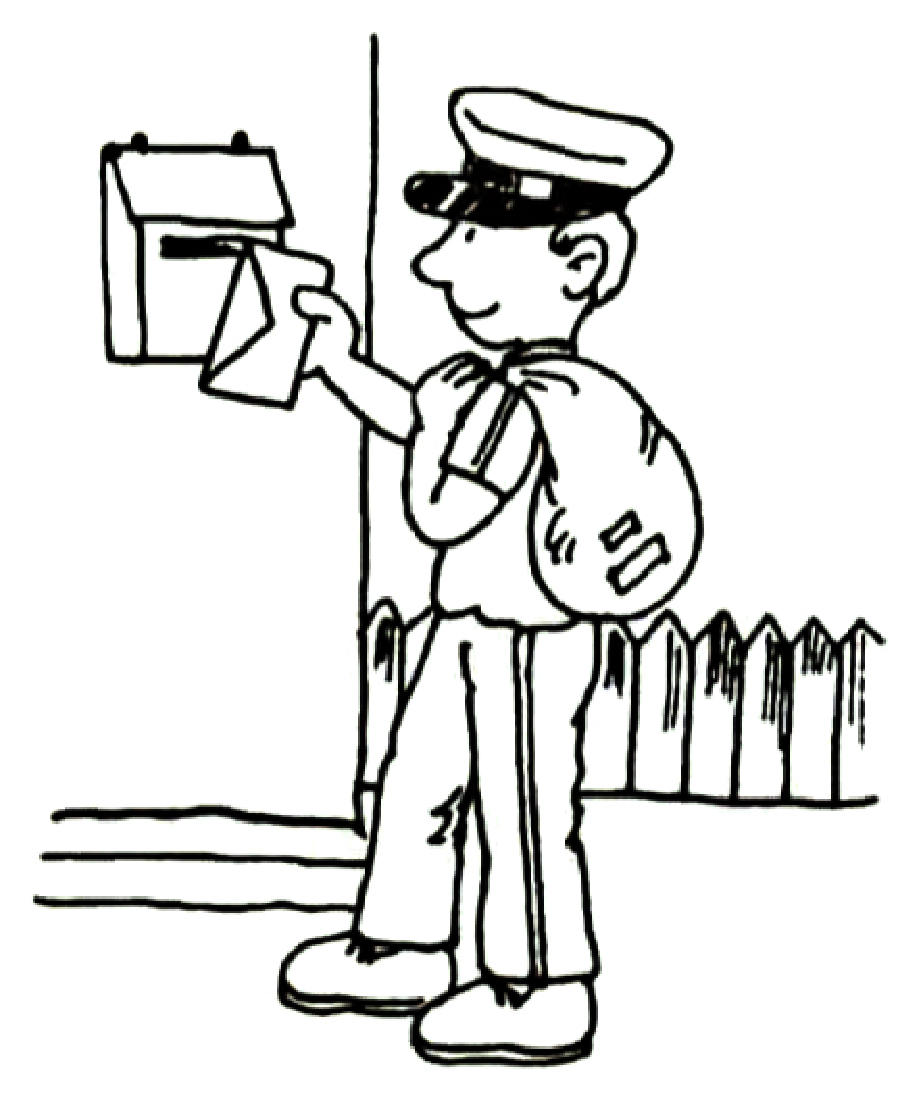
10
The postman is ( at , between ) the door.
Page 82
Fill in each blank with the help of the prepositions in the box. Use each preposition once only.
at
near
between
beside
1
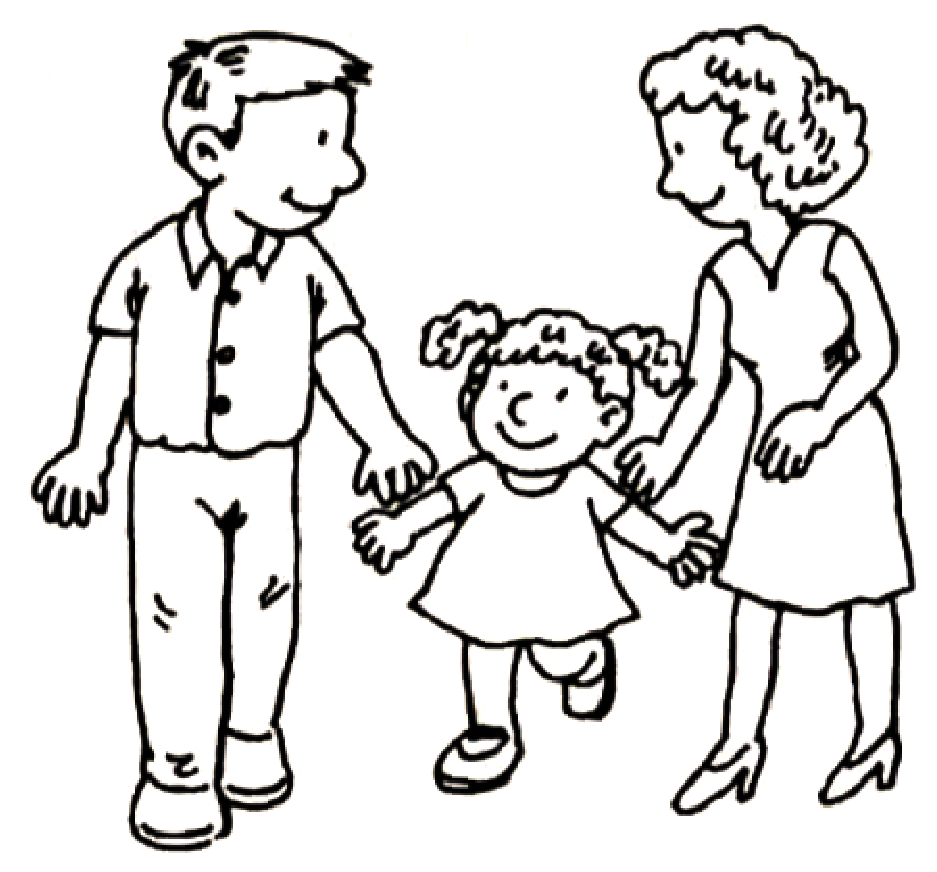
The girl is walking her parents.
2
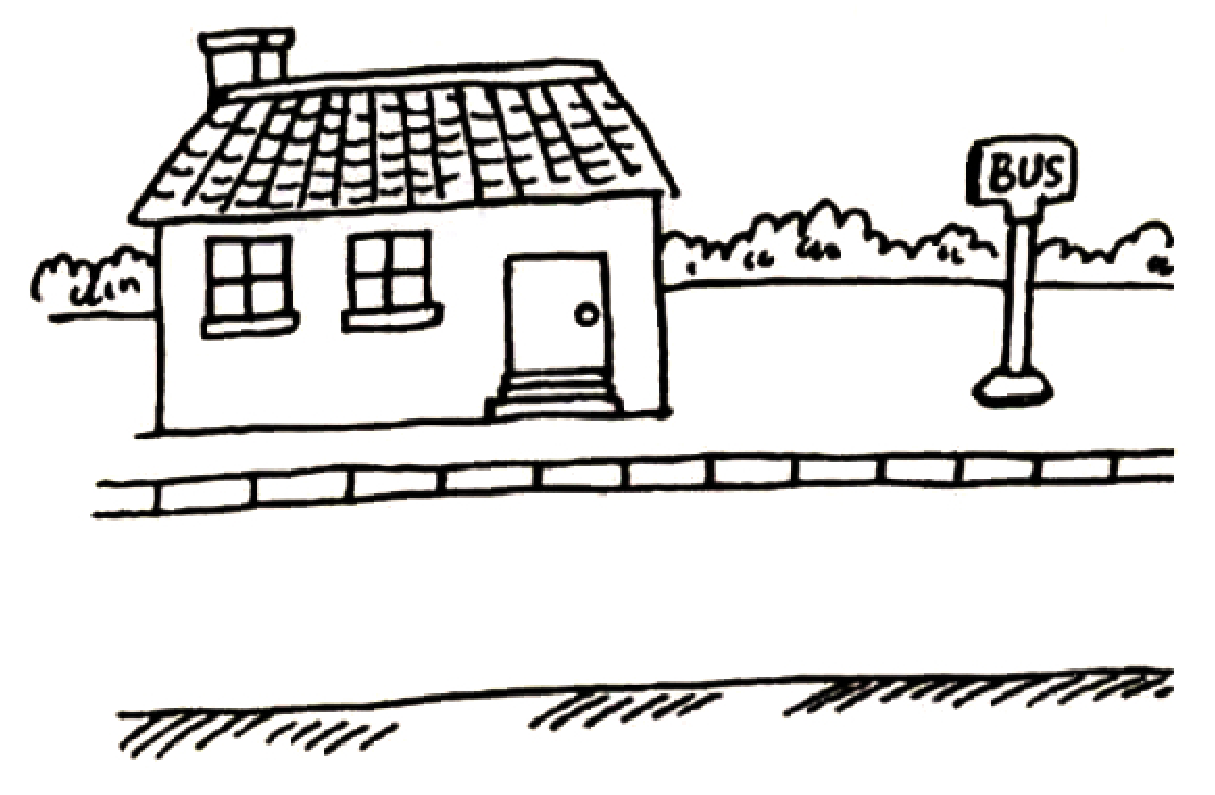
There is a bus stop the house just down the road.
3
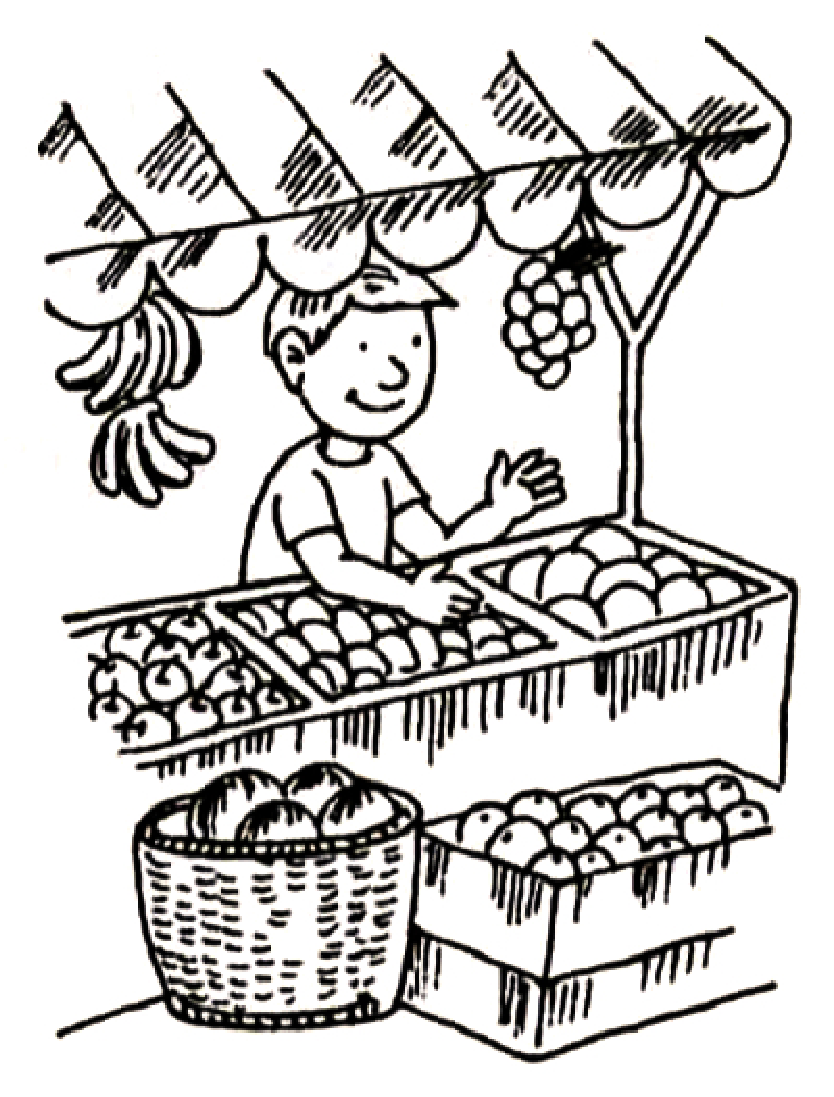
Mr Howell sells fruit the market.
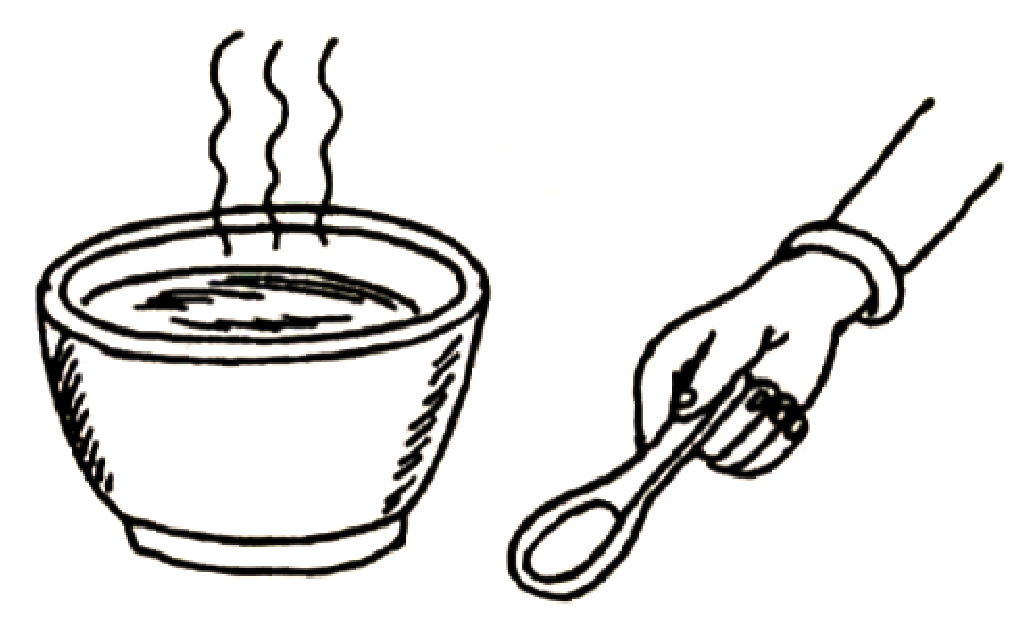
4
She puts a spoon the bowl of soup.
Page 83
A phrasal verb is made up of a verb and a preposition or adverbial particle.
Examples:
• You can call on me when you are free. (call on = visit)
• Tell her to get on the bus now. (get on = board)
• I came across this book in a small bookshop. (came across = found by chance)
• They called off the picnic because it was raining. (called off = cancelled)
Select the correct phrasal verbs to complete the sentences. Go to My SAPeducation App or http://sapgrp.com.sg/online-resources/english

Page 84
The table below shows some phrasal verbs and their meanings. Remember them and learn how to use them.
Phrasal Verb | Meaning
come along | follow
come across | find, discover
find out | discover
hand in | submit something (homework, assignment)
look for | search, hunt
look on | watch
look up | search for information (in a book)
make up | invent a story
pick out | select, choose
put away | keep
put off | postpone
set off | begin (a trip)
show off | boast
take on | accept
take off | leave
throw away | get rid of something
turn down | not accept, reject
turn on | switch on
turn off | switch off
turn up | come, attend
use up | finish something completely
Page 87
Choose the correct answer and write its letter in the brackets provided.
1
The teacher told us to our homework.
2
I the lights when it is dark.
3
Lily her jacket before leaving the house.
4
Please your shoes before you enter the house.
Page 88
5
We the meaning of a word in a dictionary.
6
She told the children to from the canal.
7
The police officer the robber when the lady shouted.
8
Please the rubbish before you leave.
9
I the house when my parents are away.
10
Please your book and turn to page three.
Page 90
Choose the correct answer and put a tick (✓) in its box.
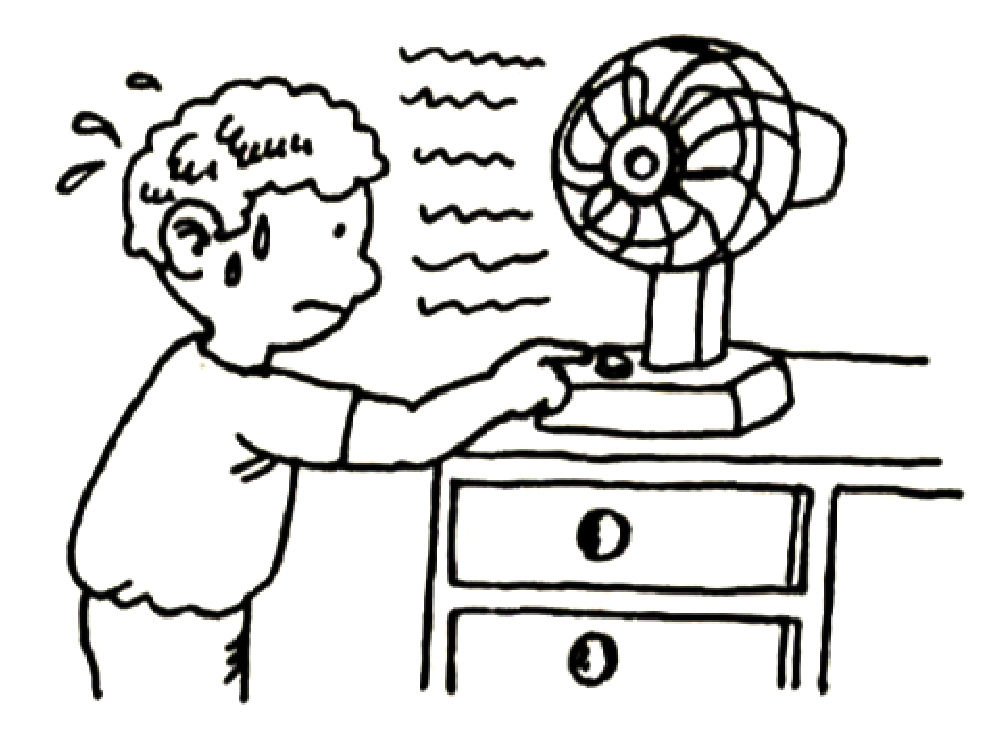
1
Please switch the fan.
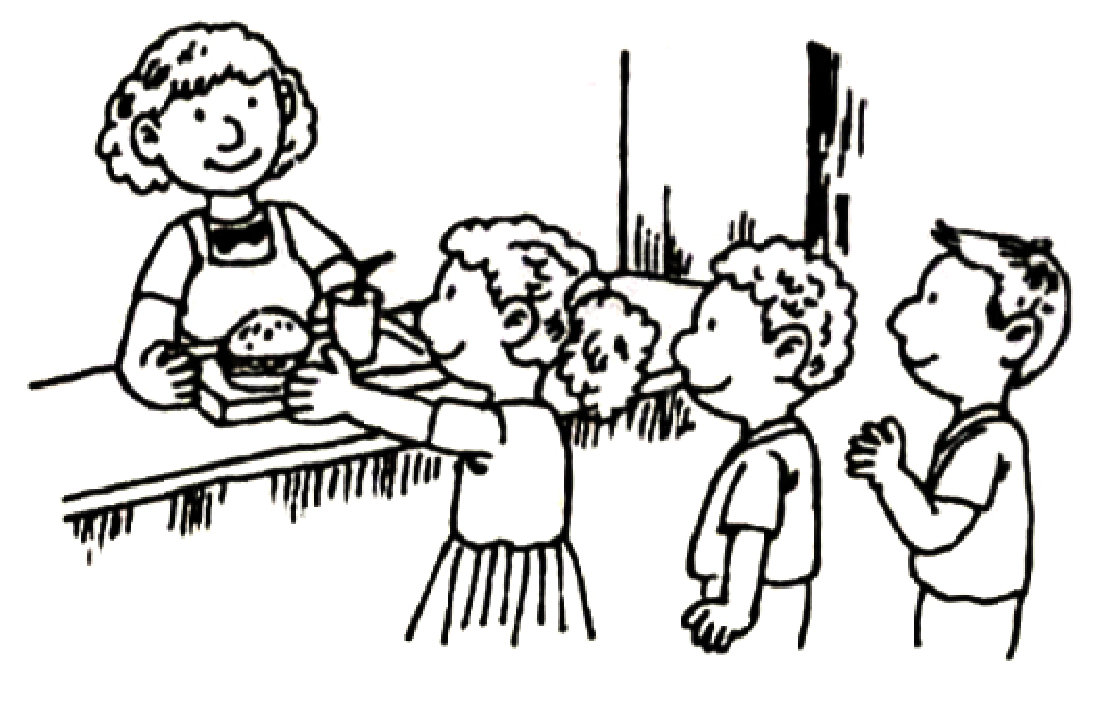
2
You must queue for your food.
3
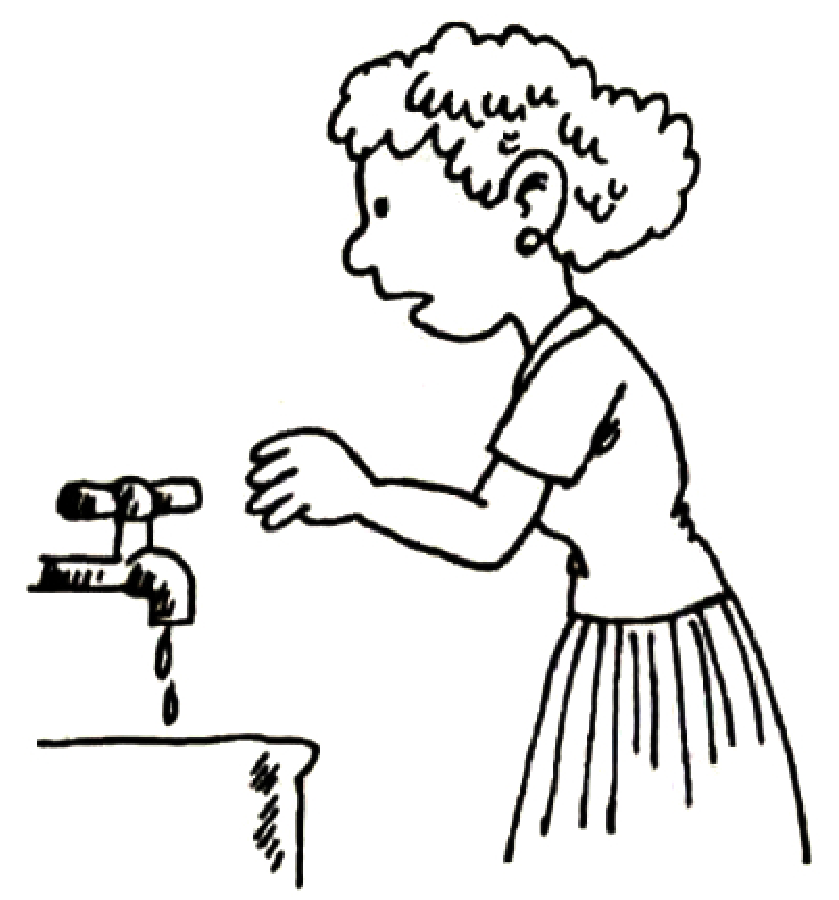
Don't waste water. Please turn the tap.
4
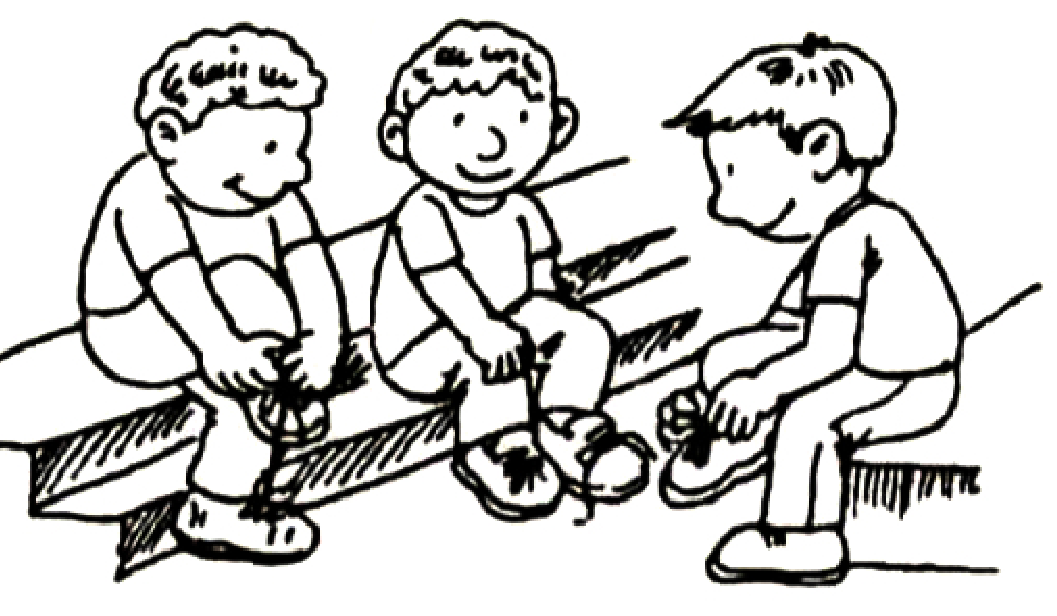
The students are putting their shoes.
5
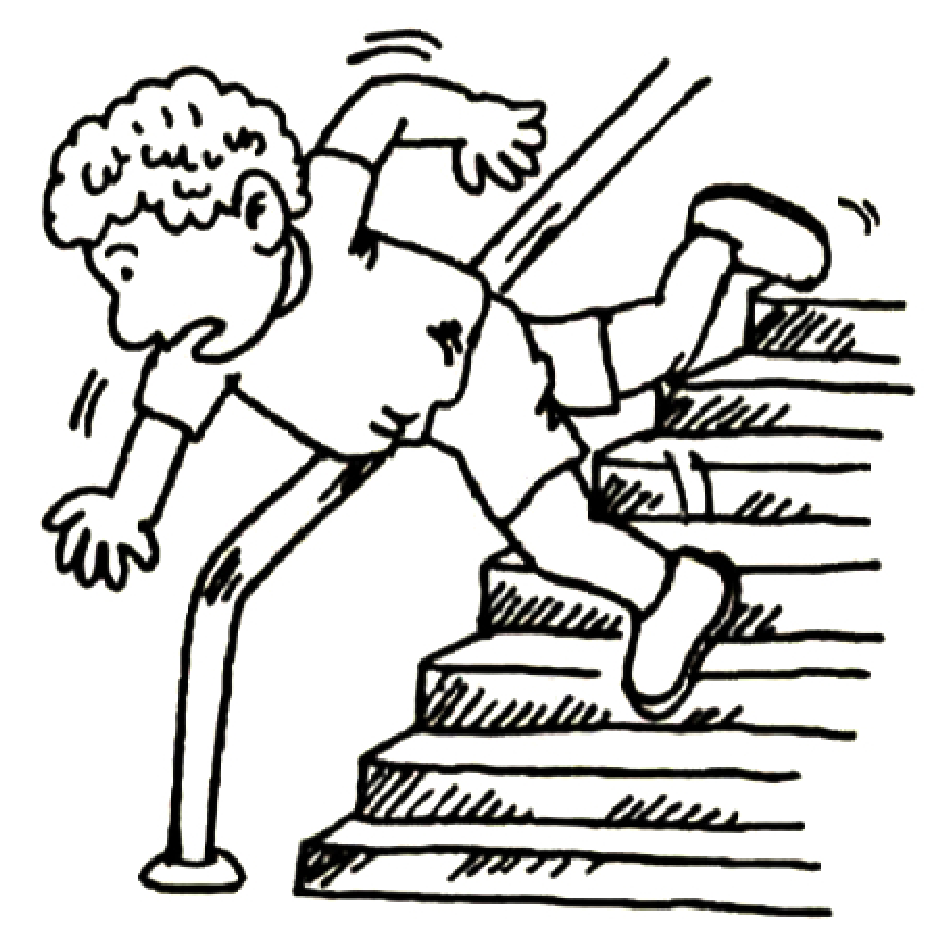
The boy fell the stairs.
Page 90
1
Lesson 1
common room : a room where all teachers have their own tables and space for doing their work such as lesson preparation and marking
corridor : a path along a row of rooms
helmet : something to be worn on the head to protect it
polish : to make something shine or brighter
2
Lesson 2
quarrel : to disagree with someone over something in an unfriendly manner
fought : past tense of 'fight'; to hurt someone's body parts with something
argue : to give reasons (by saying) about something to someone, usually different from the person spoken to
coach : a teacher especially in sports
3
Lesson 3
decorate : to make something look better by adding things to it
canteen : a place inside a building which sells food and drinks
fetch : to go somewhere and bring back something
4
Lesson 4
jungle : a land where plants and trees grow thickly and wildly
criminal : someone who breaks the law
5
Lesson 5
attend : to be somewhere to do something
rubbish : something which is to be thrown away
twice : two times
6
Lesson 6
large : big
mend : to make something better so that it can be used again
7
Lesson 7
dictionary : a book in which the meanings of words can be found
8
Lesson 8
popular : being well-known and well liked by people
obedient : being someone who listens to one's advice or does things that one asks
interesting : making someone excited and curious about something
attentive : listening to or watching someone with great interest
polite : being nice and kind to someone
9
Lesson 9
vitamin : something to be eaten for better health
desert : a place which is very dry with no trees but has a lot of sand
cure : to make someone get well from an illness
licence : an official document which allows someone to do something such as driving a vehicle or selling food
10
Lesson 10
stuffy : being lack of air
click : to press part of a (computer) mouse and let go quickly
keyboard : a board with labelled squares like letters of the alphabet and punctuation marks for typing
program : a system with a set of instructions which allows the computer to perform an operation
generous : being kind by giving something, usually in large amounts, to someone
11
Lesson 11
movie : a film which is played in a cinema or theatre
display : to put something at a place for a period of time to show people
12
Lesson 12
sales assistant : someone who sells something, usually in a department store or shop
kingdom : a state which is ruled by a king or queen
hiking : the activity of taking a long walk, usually in the forest, jungle or countryside
13
Lesson 13
absent : staying away from a place where one is expected to be at
rainbow : an arc of seven colours that appears in the sky after a rain
14
Lesson 14
accident : an event which results in harm, injury, damage, loss or death, usually involving vehicles
15
Lesson 15
rifle : a tool which works like a gun
stripe : a long and narrow line of a certain width
16
Lesson 16
pluck : to pull off something from where it is growing using force
burst : being overstretched and then break into more than two pieces
concert : a musical show
18
Lesson 18
path : a narrow way
attack : to cause hurt or harm to someone's body
19
Lesson 19
drain : a small man-made passage for water from connected pipes to flow pass
fence : a structure, usually made of wire or wood, which is used to prevent entry or as a divider
20
Lesson 20
canal : a man-made passage which is bigger than a drain for boats to travel along or for taking water from one place to another
Page 91
6
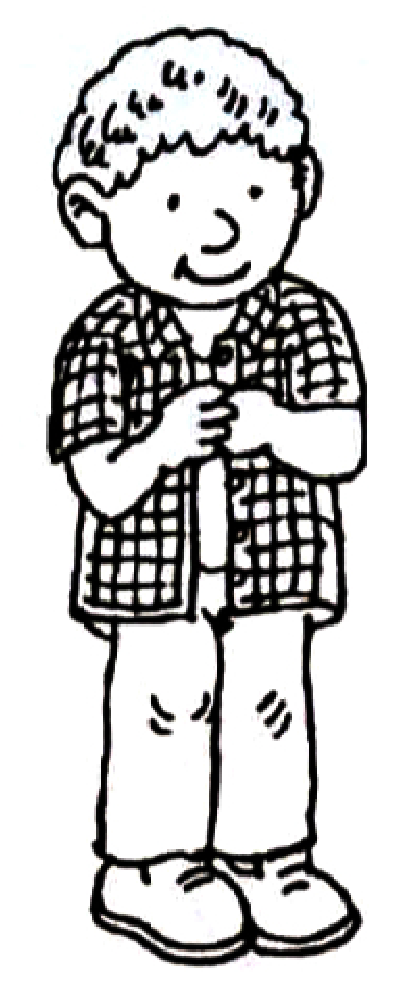
James is taking his shirt.
7
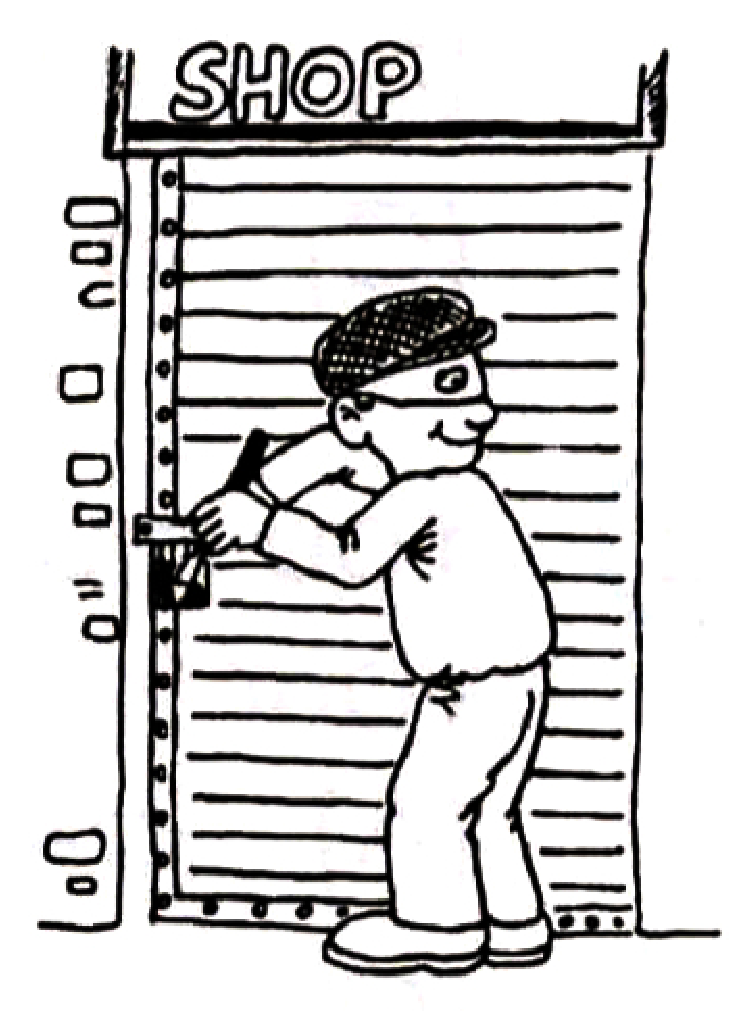
The burglar broke Mr Kingsley's shop.
8
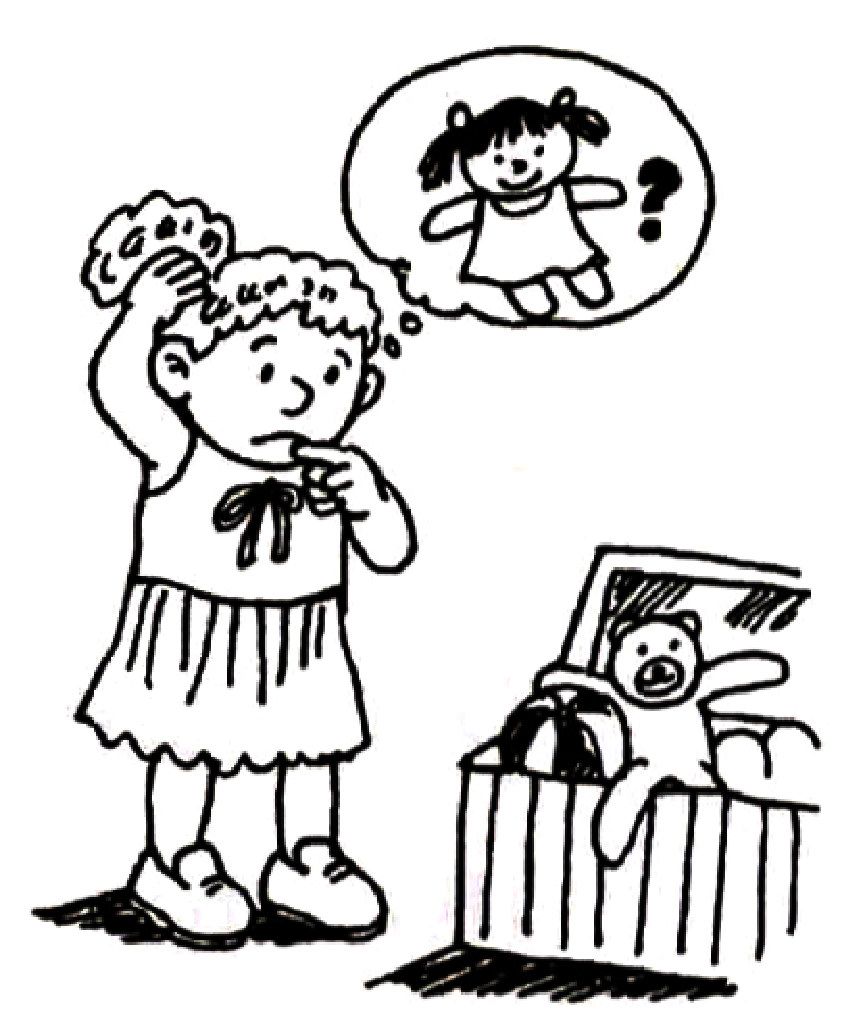
She is looking her doll.
9
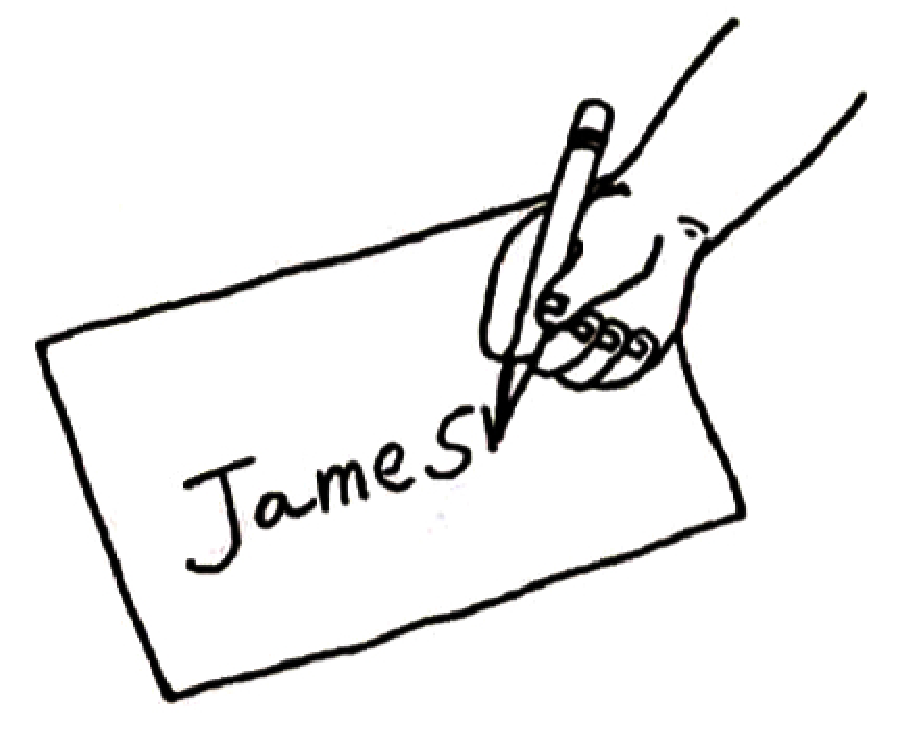
Please write your name.
10
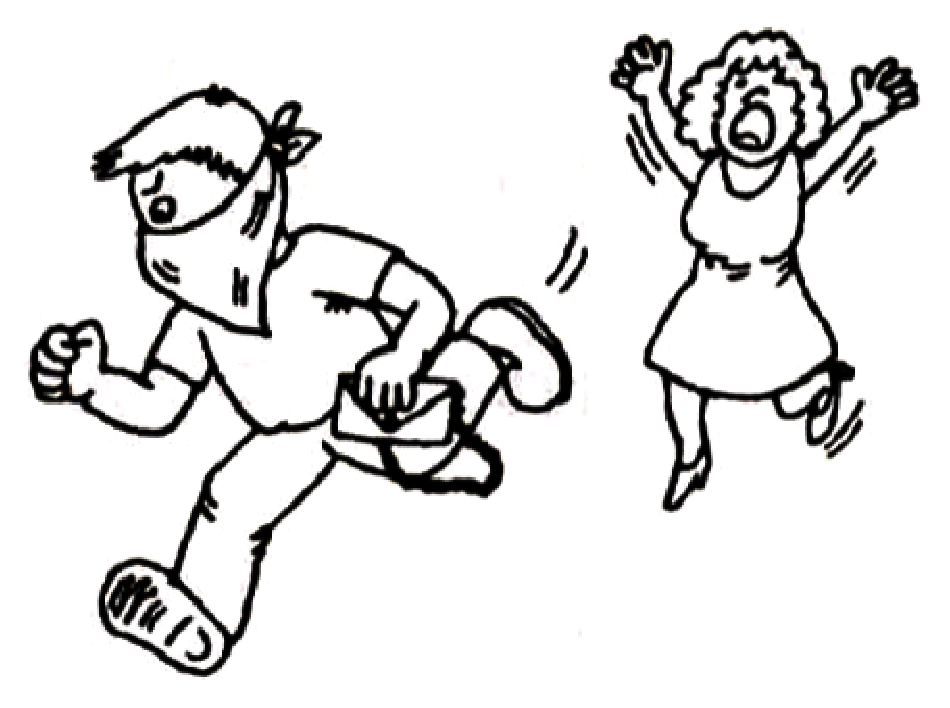
The thief ran with her purse.
Page 94
Underline the correct answers.
1
The children are warned to ( stay away / stay in ) from the old playground.
2
James packed his drawer and ( came along / came across ) some old photographs.
3
We will ( set off / set up ) the game booth for the funfair in the morning.
4
The aeroplane will ( take off / take down ) in ten minutes.
5
Mother asks Lily to ( throw away / throw in ) the rotten apples.
6
Mrs Lee ( picks on / picks up ) her daughter from school every day.
7
The teacher wants the children to ( hand in / hand out ) their homework now.
8
Please ( turn off / turn up ) the music. The baby is sleeping.
Page 96
Page 97
1
Exercise 1
2
Exercise 2
3
Exercise 3
4
Exercise 4
5
Exercise 5
6
Exercise 6
7
Exercise 7
8
Exercise 8
9
Exercise 9
10
Exercise 10
11
Exercise 11
12
Exercise 12
13
Exercise 13
14
Exercise 14
15
Exercise 15
16
Exercise 16
17
Exercise 17
18
Exercise 18
19
Exercise 19
20
Exercise 20
21
Exercise 21
22
Exercise 22
23
Exercise 23
24
Exercise 24
25
Exercise 25
26
Exercise 26
27
Exercise 27
28
Exercise 28
29
Exercise 29
30
Exercise 30
31
Exercise 31
32
Exercise 32
33
Exercise 33
34
Exercise 34
35
Exercise 35
36
Exercise 36
37
Exercise 37
38
Exercise 38
39
Exercise 39
40
Exercise 40
41
Exercise 41
42
Exercise 42
43
Exercise 43
44
Exercise 44
45
Exercise 45
46
Exercise 46
47
Exercise 47
48
Exercise 48
49
Exercise 49
50
Exercise 50