Page 1
Over 550 questions to develop your grammar skills
1
Covers all grammar topics taught in primary school with clearly stated learning objectives. Carefully prepared questions to develop students' grammar skills. Perfect resource for drill and practice, or revision. In-built glossary of selected words to build students' vocabulary and comprehension. Additional digital resources to complete learning experience.
Page 1
(a) A modal verb is a 'helping' verb. When a modal verb is used to help another verb, the second verb must be in its base form.
Examples
He must complete his work now.
He must show me how to use the mouse on the computer.
(b) The verb 'must' is a modal verb. 'Must' is used to mean that something has to be done.
Examples
She must rest or she will be tired.
He must hurry or he will be late.
(c) The negative of 'must' is 'must not', or in short form, 'mustn't'. 'Must not' or 'mustn't' is used to mean that something should not be done.
Examples
You must not be rude to your teacher.
You mustn't play in the rain.
You mustn't stare at the computer screen for too long.
Page 2
Page 2
Fill in each blank with 'must' or 'mustn't'.
must
mustn't
1
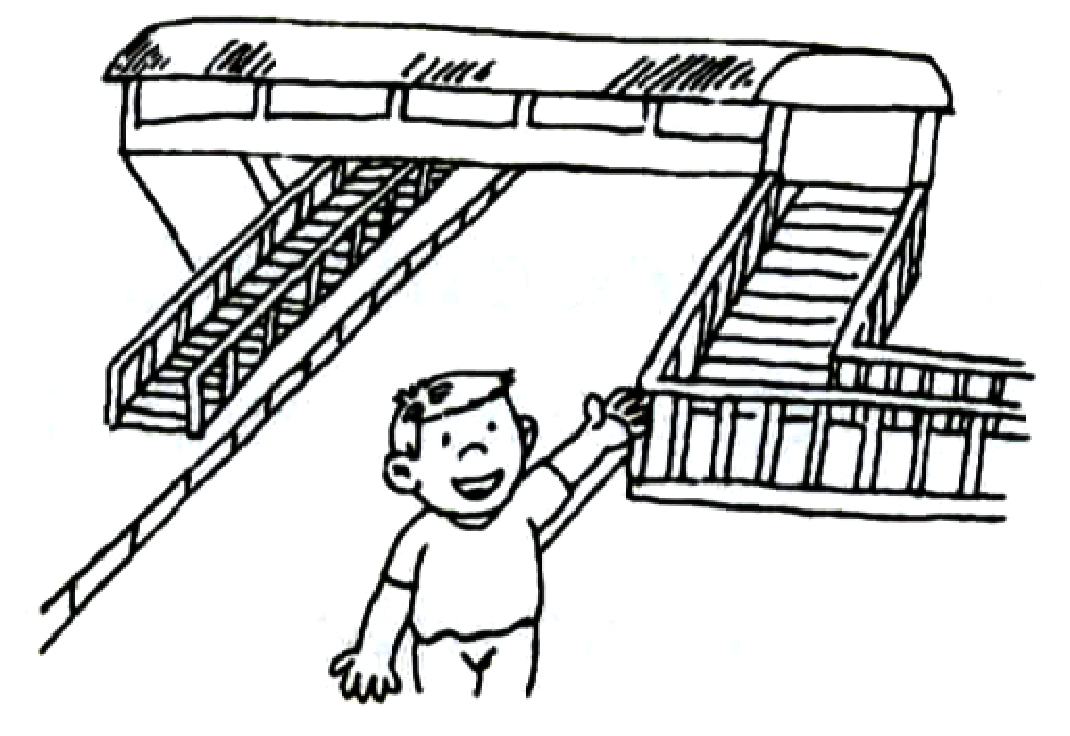
You use the overhead bridge to cross the road.
2
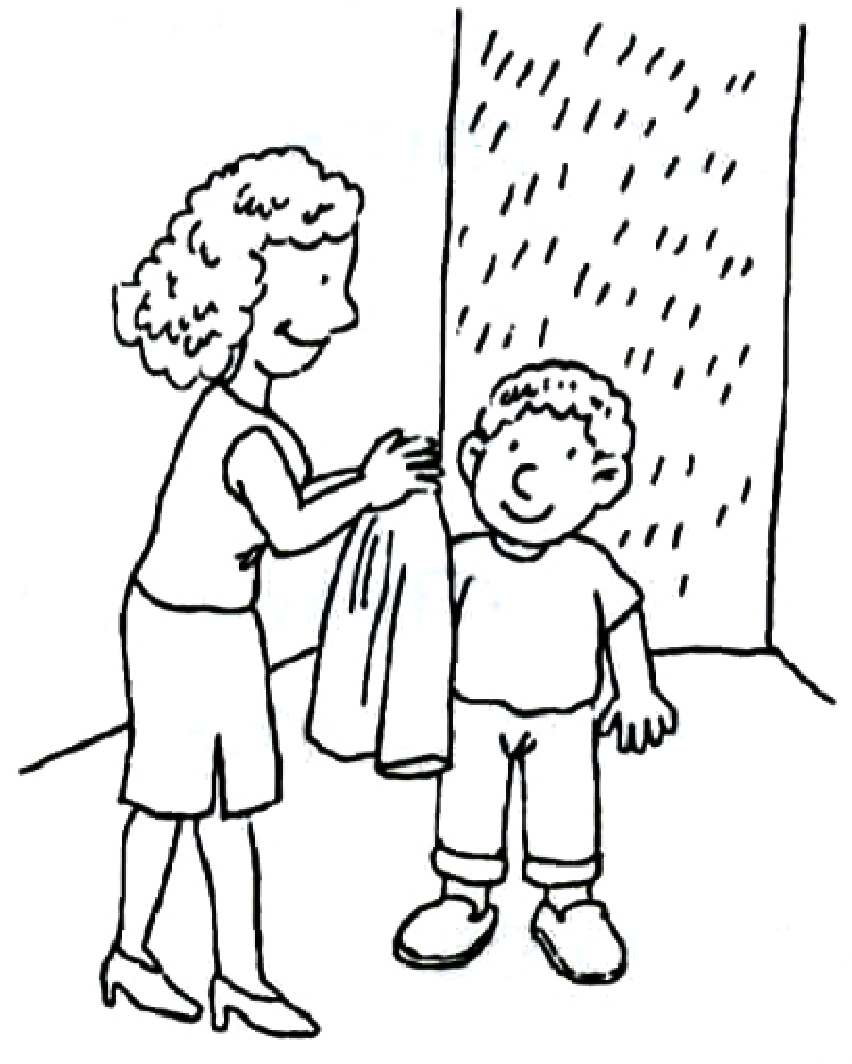
It is raining heavily. You wear your raincoat.
3
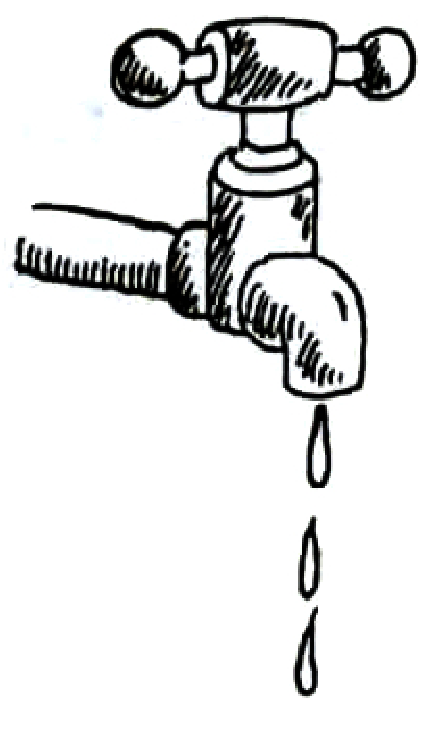
Water is precious. We use it wisely.
4
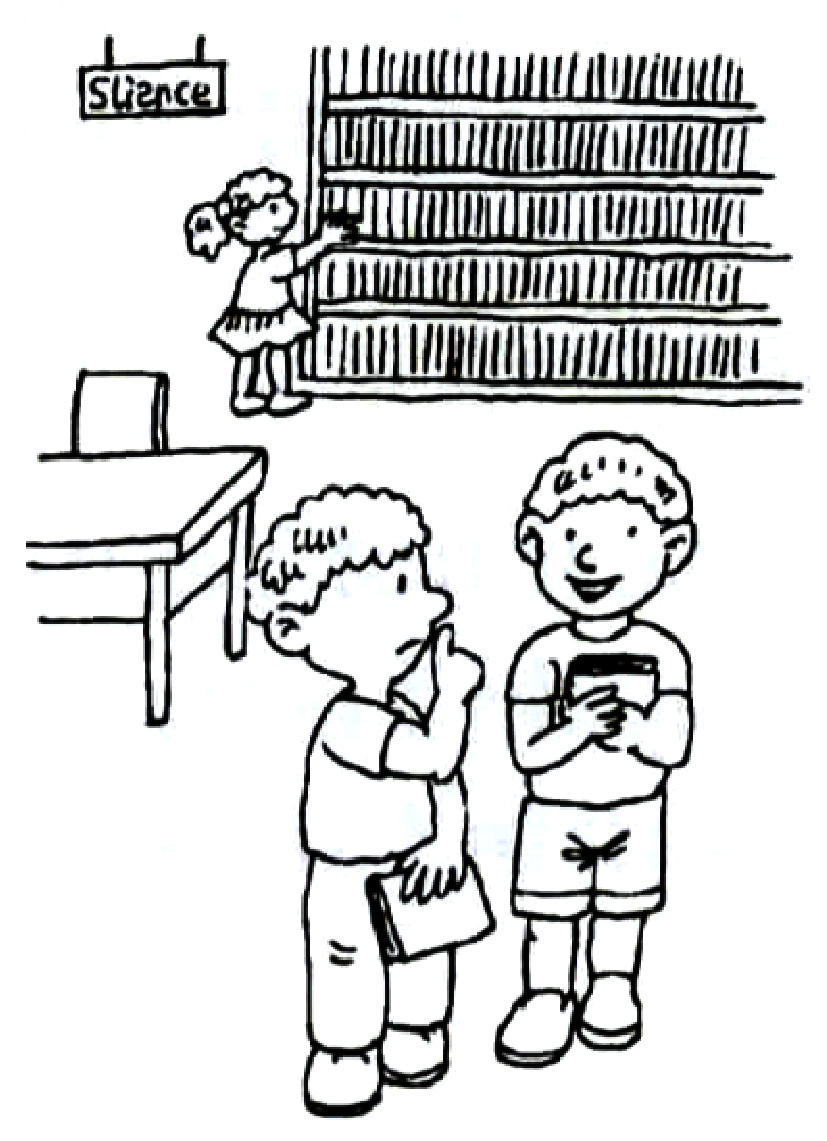
We talk loudly in the library.
5
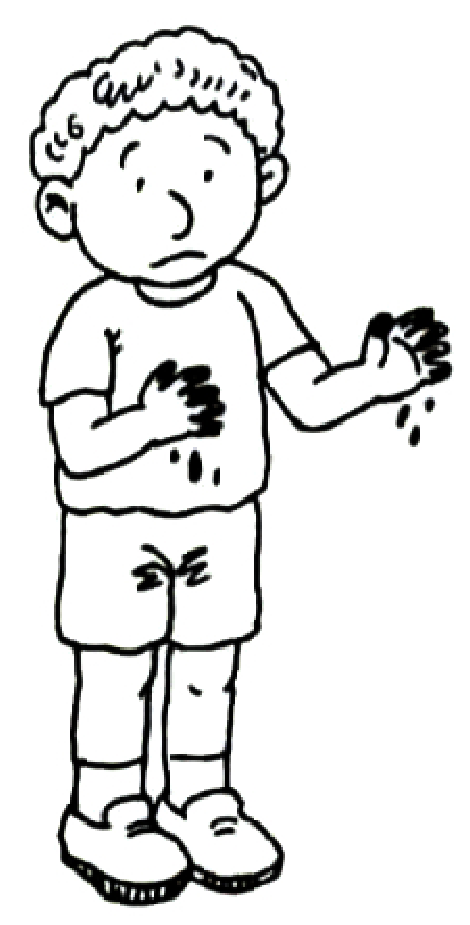
Peter's hands are dirty. He wash them before taking his lunch.
Page 3
1
|Learning+| English Grammar Workbook 3
New Edition 2019
© Singapore Asia Publishers Pte Ltd
Published and Distributed by:
Singapore Asia Publishers Pte Ltd
219 Henderson Road #10-04
Henderson Industrial Park
Singapore 159556
Tel : +65 6276 8280
Fax : +65 6276 8292
Email: info.sg@sapgrp.com
Website: www.sapgrp.com
Facebook: Singapore-Asia-Publishers
ALL RIGHTS RESERVED
All rights reserved. No part of this publication may be reproduced, stored in a retrieval system, or transmitted in any form or by any means, electronic, mechanical, photocopying, recording or otherwise, without the prior permission of the publishers.
ISBN-13 978-981-3212-85-5
ISBN-10 981-3212-85-3
Printed in Singapore

2
SAP Global Partners' Network:
Column 1: Antigua & Barbuda, Australia, Bahrain, Bangladesh, Barbados, Bhutan, Botswana, Brazil, Brunei, Cambodia, Canada, Chile, China, Colombia, Egypt, Fiji, Ghana
Column 2: Grenada, Guyana, Hong Kong, India, Indonesia, Jamaica, Japan, Kenya, Laos, Lebanon, Macau, Malawi, Malaysia, Maldives, Mauritius, Myanmar, Namibia
Column 3: Nepal, New Zealand, Nigeria, Pakistan, Papua New Guinea, Peru, Philippines, Poland, Portugal, Qatar, Rwanda, Saint Lucia, Saint Vincent & the Grenadines, Saudi Arabia, Seychelles, Singapore, Solomon Islands
Column 4: South Africa, South Korea, Sri Lanka, Syria, Taiwan, Tanzania, Thailand, Trinidad & Tobago, United Arab Emirates, United Kingdom, United States of America, Vietnam, Zambia, Zimbabwe
Page 3
6
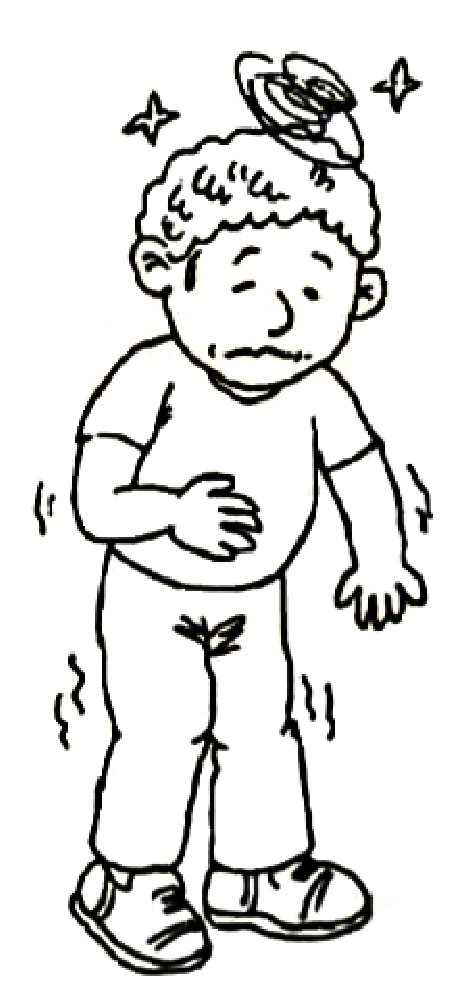
Jeremy is not feeling well. He see a doctor.
7
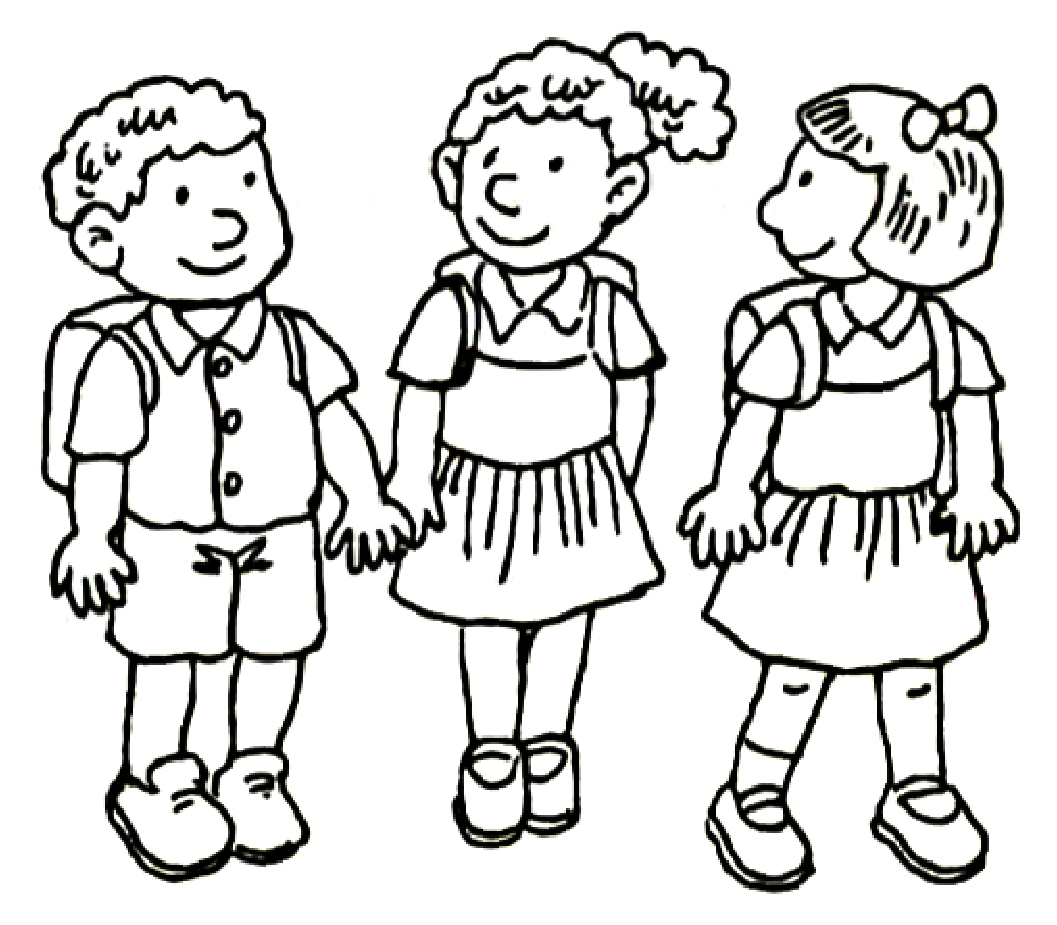
All students wear their school uniforms to school.
8
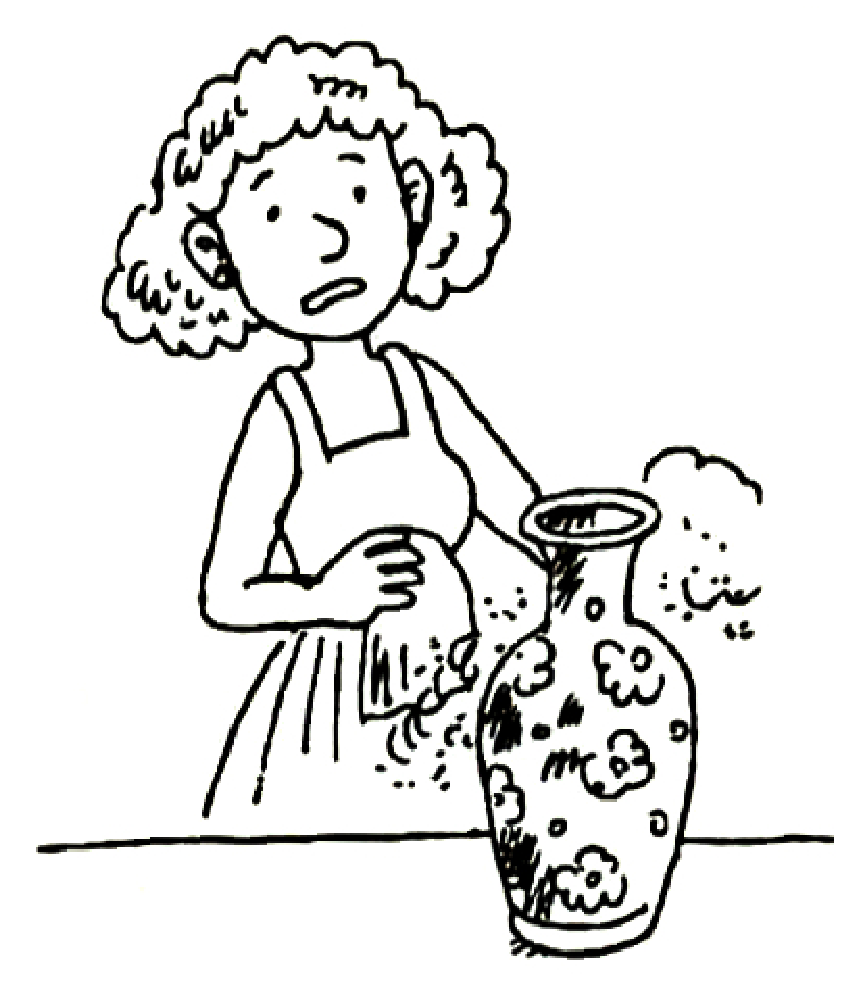
This vase is very dusty. I clean it soon.
9
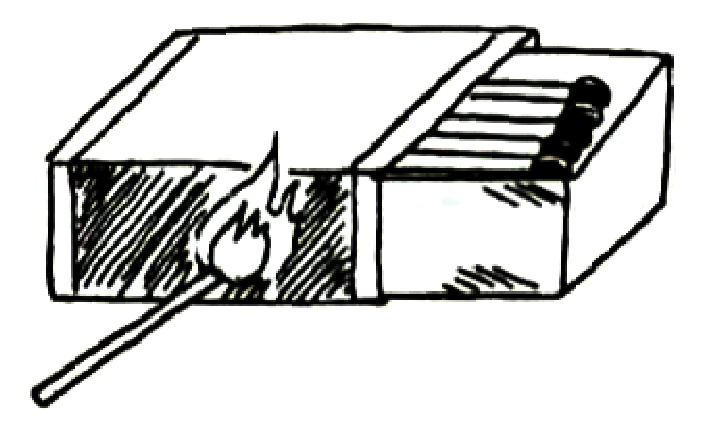
We play with matches.
10
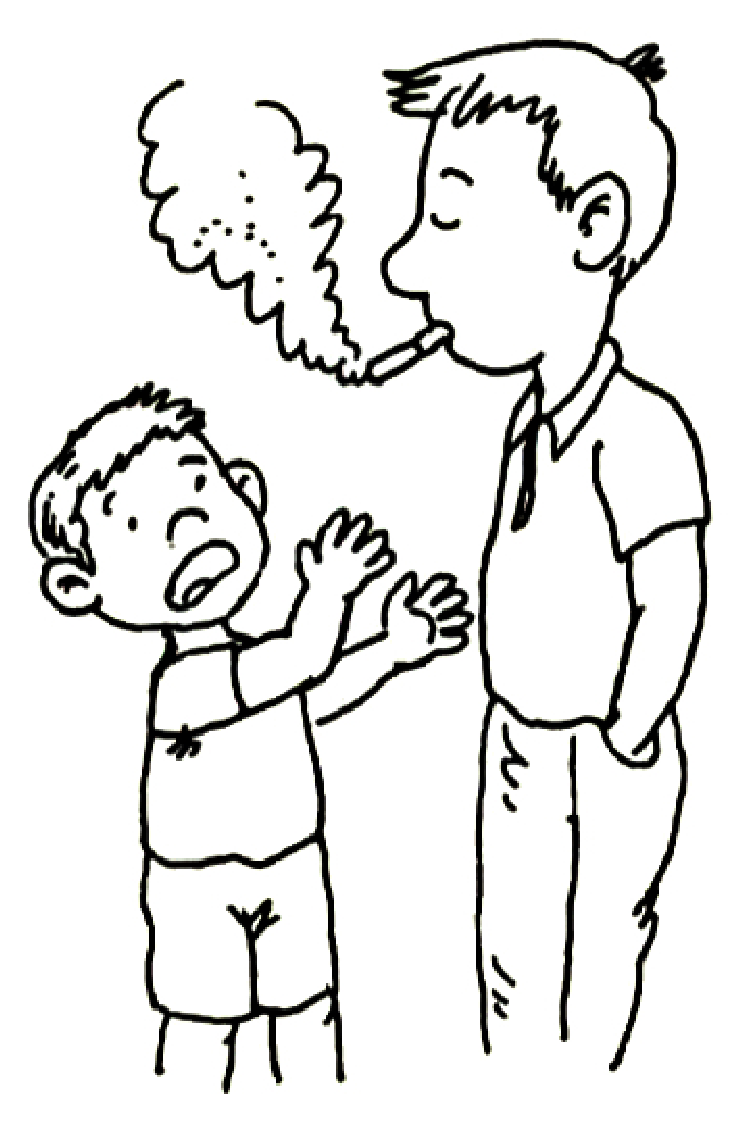
You stop smoking. It is bad for your health.
Page 4
1
|LEARNING+| ENGLISH GRAMMAR WORKBOOK 3 is specially designed to teach students the correct use of grammar in the English language. Lessons and exercises can be easily removed and presented as homework, class work or quizzes. The glossary and answer pages can be removed and filed away for future reference.
2
Table of Contents
This shows clearly the objectives of each lesson, making it easy to identify and pick specific grammar topics for learning.
3
Grammar Lessons
Each lesson has a specific learning focus and begins with concise explanatory notes and examples.
4
Practice Exercises
The exercises are designed to supplement learning and provide relevant practice on the grammar topics taught.
5
Glossary
Selected words from each lesson and their meanings are found here to help build vocabulary and improve comprehension.
6
Answers
Designed as an independent booklet, the answer key contains answers to all questions, including suggested answers for open-ended questions.
7
Enhanced Learning
FREE resources available
Download My SAPeducation App Now!
or go to www.sapgrp.com
Additional Reproducible Activities
Reproducible worksheets on selected topics are available here. These are useful as quick assessments of a child's understanding of the work taught.
Lesson Plans for Parents and Teachers
Ideas and suggestions on how to present each lesson to enhance learning are provided here. These are useful resources for both classroom and home learning.

8
www.nuadu.com
Do the Diagnostic Tests on NUADU! Improve your results with unlimited practice and instant, real-time feedback on similar topics. Track your progress and complete assignments on your computer, tablet or smartphone. Get started now!
The Editorial Team

Page 4
Underline the correct answers.
1
We ( must , mustn't ) study hard to do well in school.
2
We ( must , mustn't ) be rude to our teachers.
3
Young children ( must , mustn't ) be left alone in a swimming pool.
4
We ( must , mustn't ) wash our hands before we eat.
5
You ( must , mustn't ) leave the classroom without permission.
6
I ( must , mustn't ) be polite to my parents.
7
The boy ( must , mustn't ) take his medicine in order to get well.
8
The students ( must , mustn't ) keep quiet when the teacher is teaching.
9
You ( must , mustn't ) set a password for your email account.
10
He ( must , mustn't ) use the phone during the movie screening.
Page 5
CONTENTS TABLE (LEFT COLUMN):
Lesson 1: THE MODAL 'MUST' INDICATING OBLIGATION AND ITS NEGATIVE FORM (Page 1) | EXERCISE 1 (Page 2) | EXERCISE 2 (Page 4)
Lesson 2: REQUESTS USING THE MODAL 'MAY' (Page 5) | EXERCISE 3 (Page 6) | EXERCISE 4 (Page 8)
Lesson 3: NOUNS FOR EXPRESSING QUANTITY (Page 9) | EXERCISE 5 (Page 10) | EXERCISE 6 (Page 12)
Lesson 4: QUESTIONS USING 'WHOSE' (Page 13) | EXERCISE 7 (Page 14) | EXERCISE 8 (Page 15) | EXERCISE 9 (Page 16)
Lesson 5: POSSESSIVE PRONOUNS (SINGULAR) — 'MINE', 'YOURS', 'HIS' AND 'HERS' (Page 17) | EXERCISE 10 (Page 18) | EXERCISE 11 (Page 19) | EXERCISE 12 (Page 20)
Lesson 6: POSSESSIVE PRONOUNS (PLURAL) — 'OURS', 'YOURS' AND 'THEIRS' (Page 21) | EXERCISE 13 (Page 22) | EXERCISE 14 (Page 23) | EXERCISE 15 (Page 24)
NUADU ADAPTIVE LEARNING: Diagnostic Test 1 (Lessons 1 – 6)
Lesson 7: CONCORD — 'EACH' AND 'EVERY' WITH SINGULAR VERBS (Page 25) | EXERCISE 16 (Page 26)
Lesson 8: CONCORD — 'BOTH' AND 'ALL' WITH PLURAL VERBS (Page 27) | EXERCISE 17 (Page 28) | EXERCISE 18 (Page 29) | EXERCISE 19 (Page 30)
Lesson 9: SIMPLE PAST TENSE — IRREGULAR VERBS (Page 31) | EXERCISE 20 (Page 32) | EXERCISE 21 (Page 33) | EXERCISE 22 (Page 34)
Lesson 10: ADJECTIVES — COMPARATIVE AND SUPERLATIVE (IRREGULAR FORMS) (Page 35) | EXERCISE 23 (Page 35) | EXERCISE 24 (Page 36)
Lesson 11: PAST CONTINUOUS TENSE (Page 37) | EXERCISE 25 (Page 38) | EXERCISE 26 (Page 39) | EXERCISE 27 (Page 40)
NUADU ADAPTIVE LEARNING: Diagnostic Test 2 (Lessons 7 – 11)
Lesson 12: PREPOSITIONS — 'BEFORE' AND 'AFTER' (Page 41) | EXERCISE 28 (Page 42) | EXERCISE 29 (Page 44)
Lesson 13: INDIRECT ORDERS (Page 45) | EXERCISE 30 (Page 45) | EXERCISE 31 (Page 46)
CONTENTS TABLE (RIGHT COLUMN):
Lesson 14: 'MANY' FOR COUNTABLE NOUNS AND 'MUCH' FOR UNCOUNTABLE NOUNS (Page 47) | EXERCISE 32 (Page 48) | EXERCISE 33 (Page 49) | EXERCISE 34 (Page 50)
Lesson 15: 'TO' + INFINITIVE FOR EXPRESSING PURPOSE (Page 51) | EXERCISE 35 (Page 51) | EXERCISE 36 (Page 53) | EXERCISE 37 (Page 54)
Lesson 16: THE CONJUNCTION 'SO' (Page 55) | EXERCISE 38 (Page 55) | EXERCISE 39 (Page 57) | EXERCISE 40 (Page 58)
Lesson 17: PREPOSITIONS — 'THROUGH', 'ALONG', 'ACROSS', 'TOWARDS', 'INTO' AND 'PAST' (Page 59) | EXERCISE 41 (Page 60) | EXERCISE 42 (Page 61) | EXERCISE 43 (Page 62)
NUADU ADAPTIVE LEARNING: Diagnostic Test 3 (Lessons 12 – 17)
Lesson 18: COMPARISON USING 'AS ... AS' (Page 63) | EXERCISE 44 (Page 63) | EXERCISE 45 (Page 65) | EXERCISE 46 (Page 66)
Lesson 19: MODALS 'SHALL' AND 'WILL' (Page 67) | EXERCISE 47 (Page 68) | EXERCISE 48 (Page 69) | EXERCISE 49 (Page 70)
Lesson 20: 'SOME' AND 'ANY' FOR UNCOUNTABLE NOUNS (Page 71) | EXERCISE 50 (Page 72) | EXERCISE 51 (Page 73) | EXERCISE 52 (Page 74)
Lesson 21: 'GOING TO' FOR INDICATING IMMEDIATE INTENTION (Page 75) | EXERCISE 53 (Page 76) | EXERCISE 54 (Page 77) | EXERCISE 55 (Page 78)
Lesson 22: PHRASAL VERBS (Page 79) | EXERCISE 56 (Page 80) | EXERCISE 57 (Page 81) | EXERCISE 58 (Page 82)
Lesson 23: ADVERBS OF MANNER (Page 83) | EXERCISE 59 (Page 84) | EXERCISE 60 (Page 85) | EXERCISE 61 (Page 86)
NUADU ADAPTIVE LEARNING: Diagnostic Test 4 (Lessons 18 – 23)
Glossary (page 87)
Answers (A1 ~ A3)
Page 6
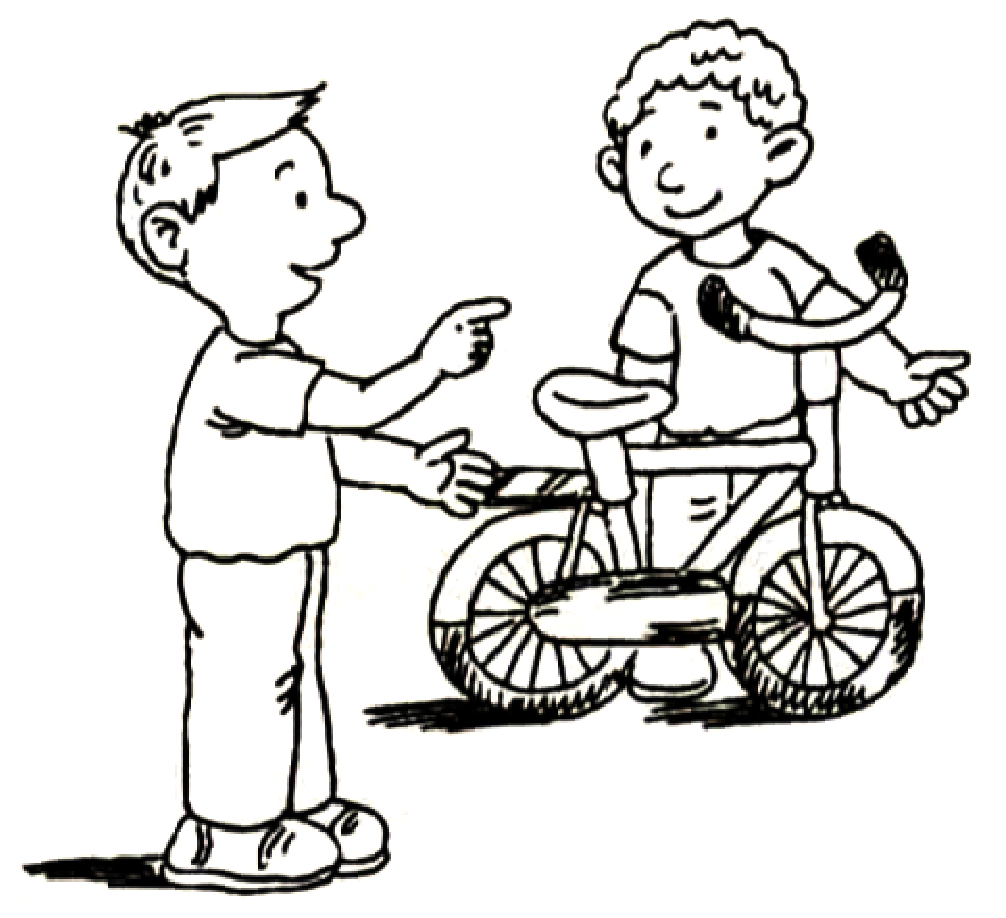
Look at the pictures. Choose the most appropriate request for each picture and write its letter in the brackets.
1
( )
2
( )
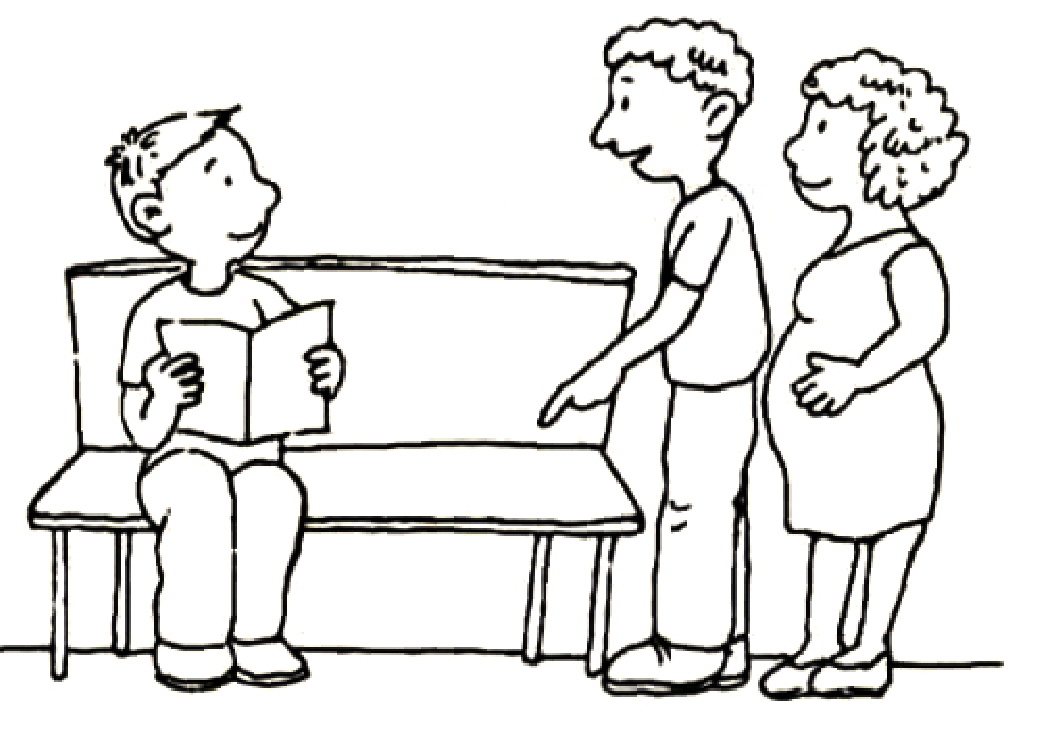
3
( )
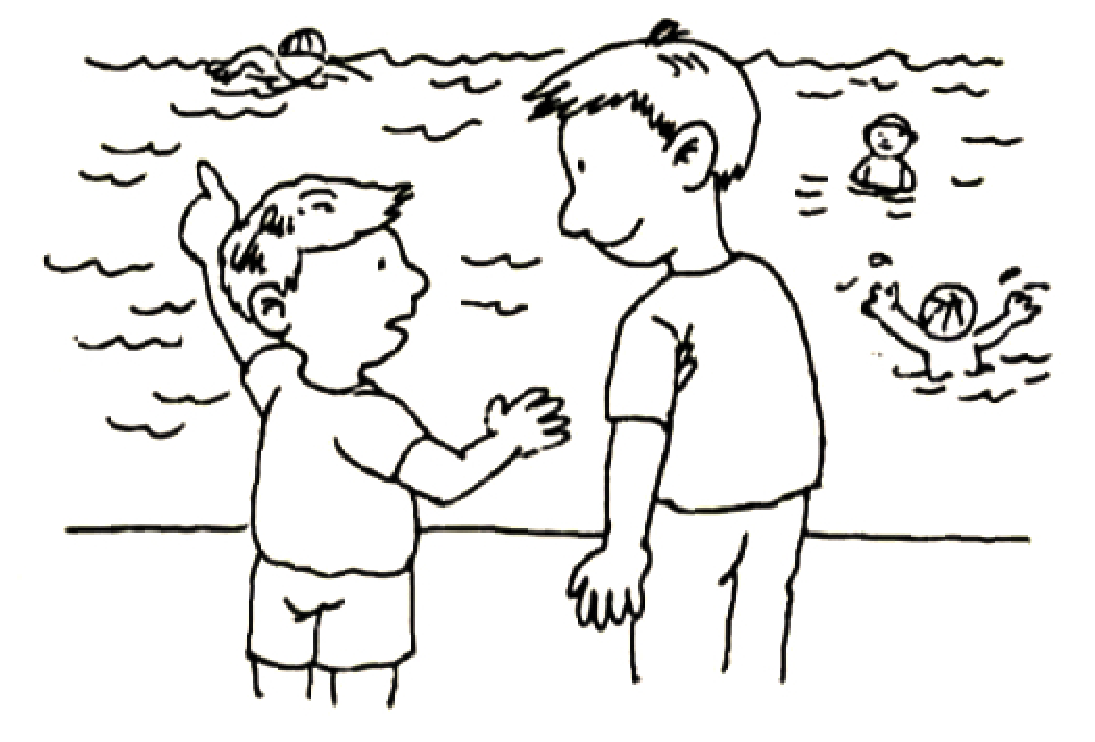
4
( )
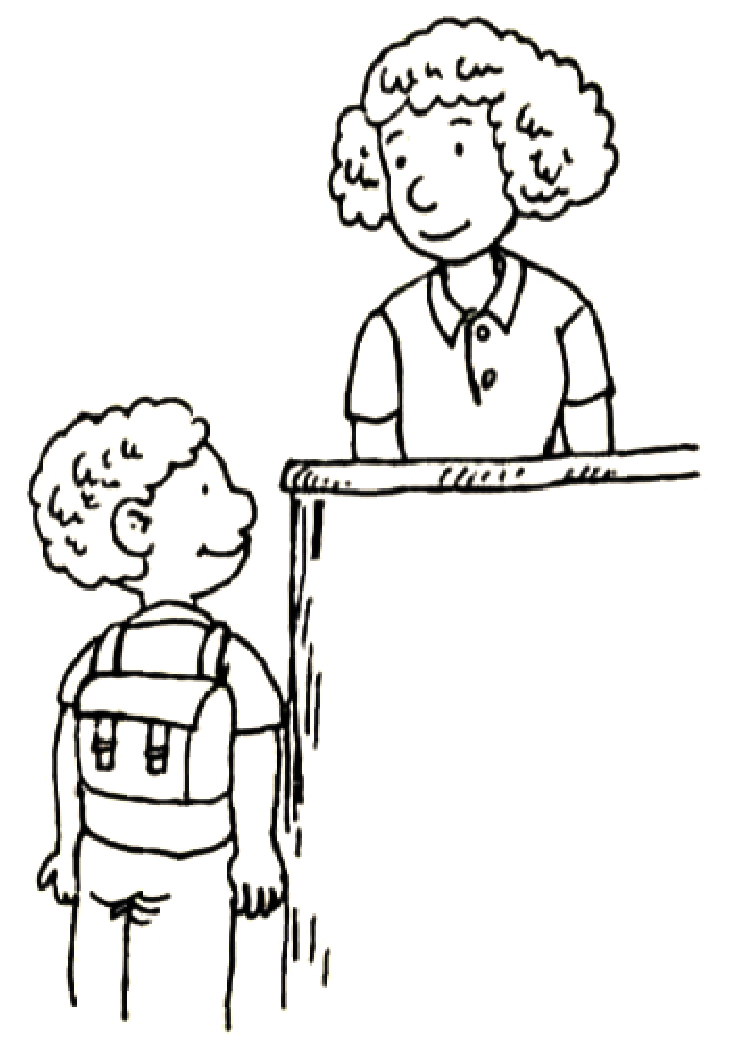
Page 7
5
( )
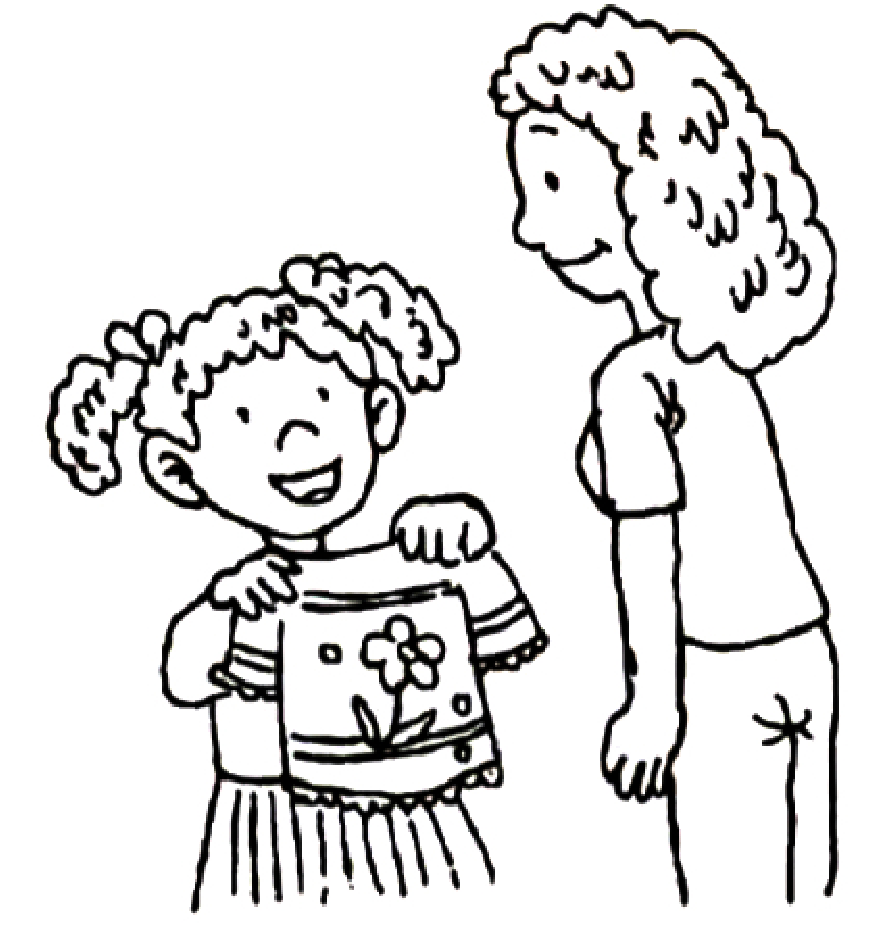
6
( )
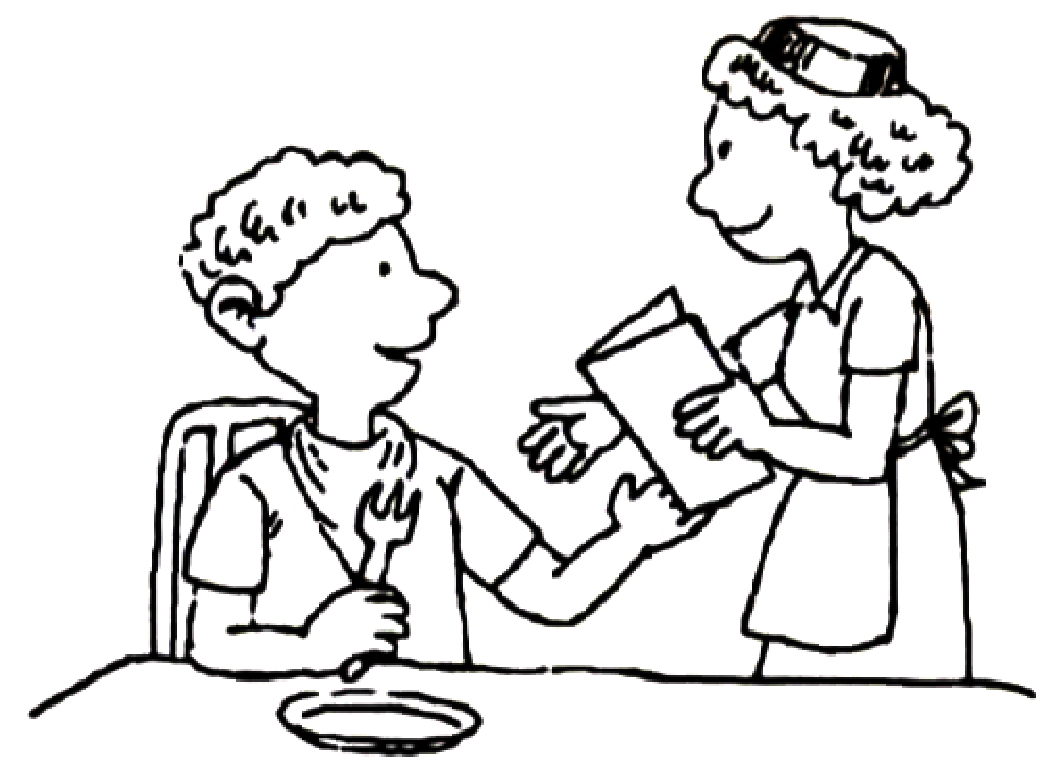
7
( )
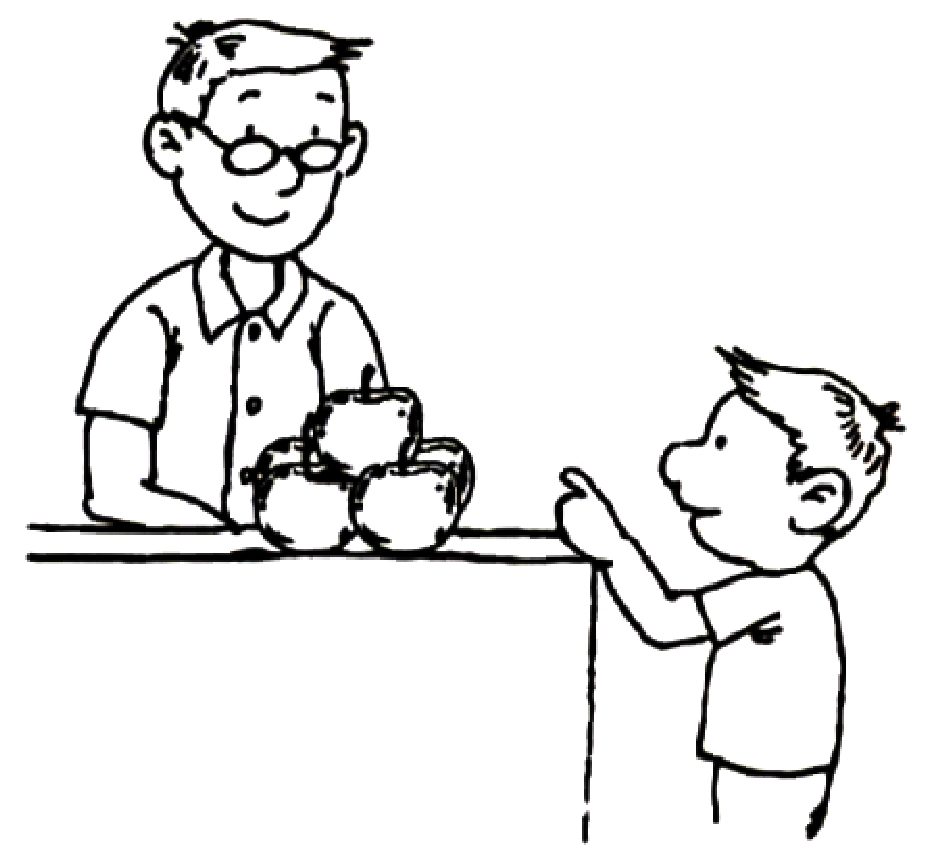
8
( )
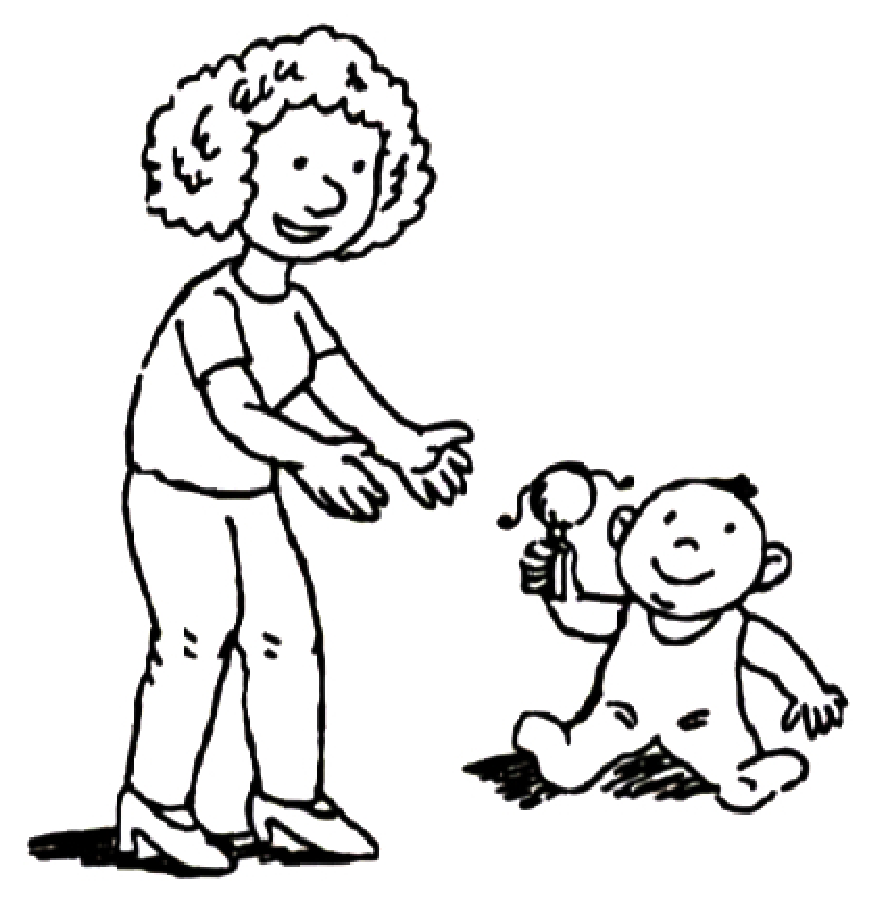
Page 9
1
There are unit words that can be used to speak of the quantity of certain things.
2
Examples
I bought a kilogram of mutton.
Sally gave me a piece of cake.
Mother bought me a bar of chocolate.
The jug can hold two litres of water.
Mrs Johnson used a packet of flour to bake the cake.
Jason drank a cup of milk this morning.
The cook added a pinch of salt to the stew.
Page 10
1
(a) 'May' is a modal verb.
2
(b) When we want to ask for something politely or when we ask for permission, we use 'may'.
3
Examples
May I leave the classroom?
May we go to the concert this weekend?
May we watch television after our dinner?
May I have some more ice cream?
May I borrow your computer?
Page 10
Look at each picture. Fill in each blank with the help of the words in the box. Use each word only once.
plate
packet
bouquet
glass
spoonful
loaf
sack
piece
1
I bought a of bread from the bakery.
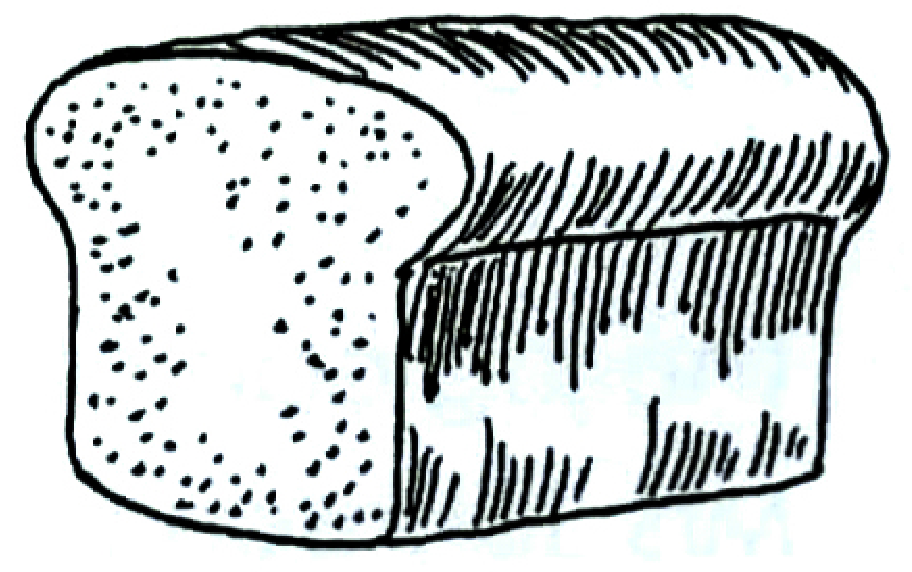
2
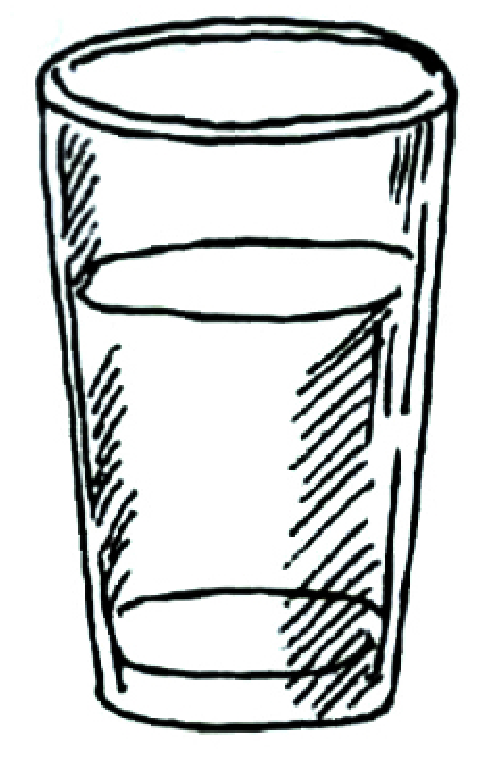
May I have a of milk, please?
3
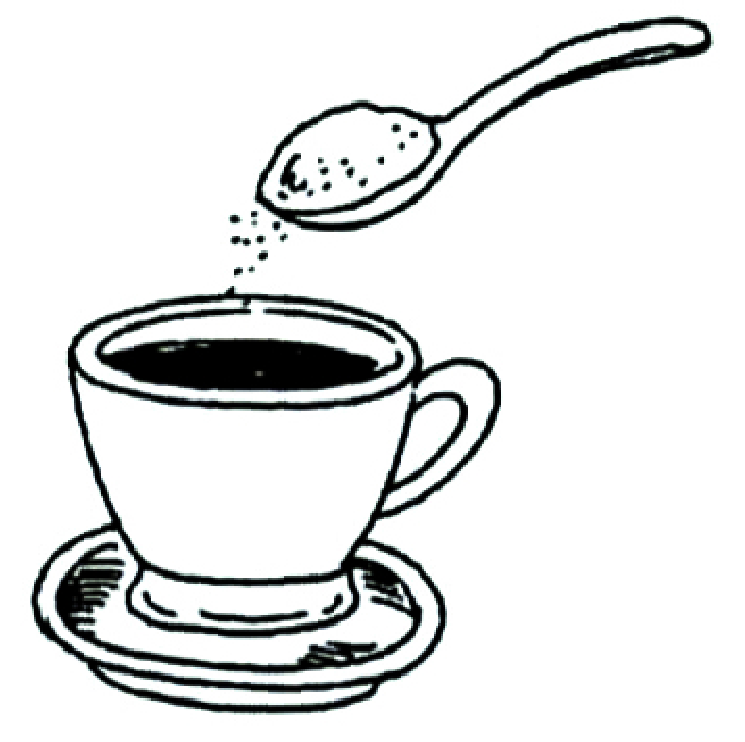
Please put a of sugar in my tea.
4
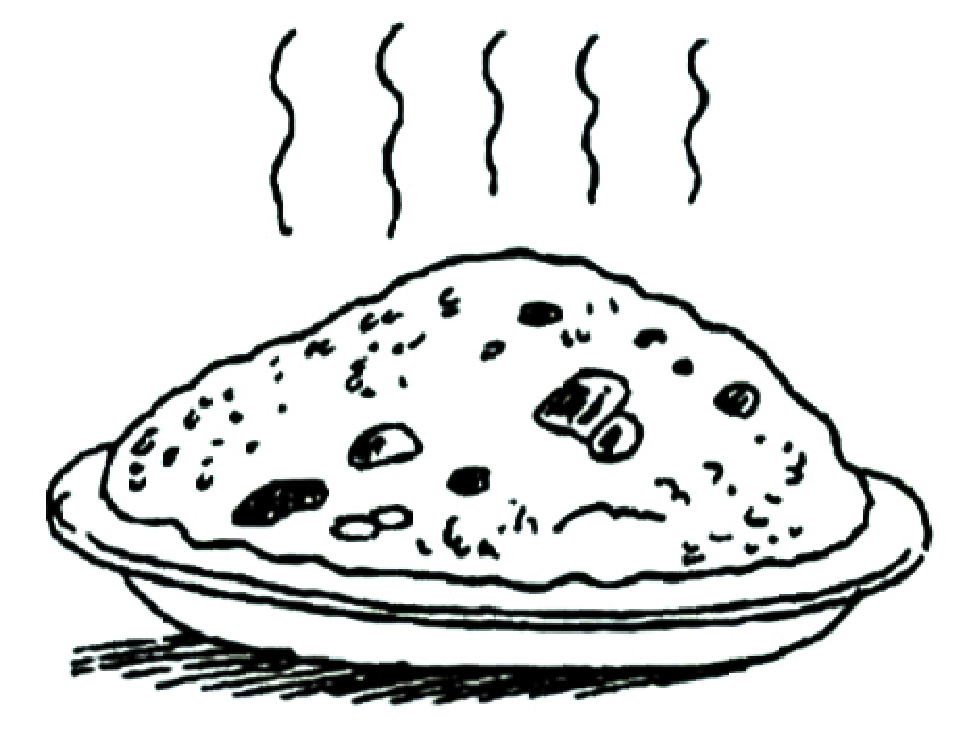
I had a of fried rice for lunch.
Page 12
Read each sentence carefully. Choose the correct answer and write its number in the brackets.
1
May I have a of bread with butter on it?
2
The chef added a of salt to the soup before serving it to the guests.
3
Mr Johnson found a of keys in the lift.
4
Please pass me the of chilli sauce.
5
I need a of string to tie this parcel.
6
David is eating a of noodles.
7
The fire destroyed a of houses.
8
I received a of chocolates for my birthday.
Page 13
Change the sentences into requests using 'may'.
EXAMPLE
I want to go for a swim.
May I go for a swim?
1
We want to have our dinner now.
2
I want to borrow your racket.
3
We want to go to the circus this evening.
4
I want to know what this button on the computer is for.
5
We want to watch television tonight.
6
I want to leave my bicycle here for a while.
7
I want to talk to your teacher.
Page 14
Write the question for each sentence. Begin each question with 'Whose'.
1
?
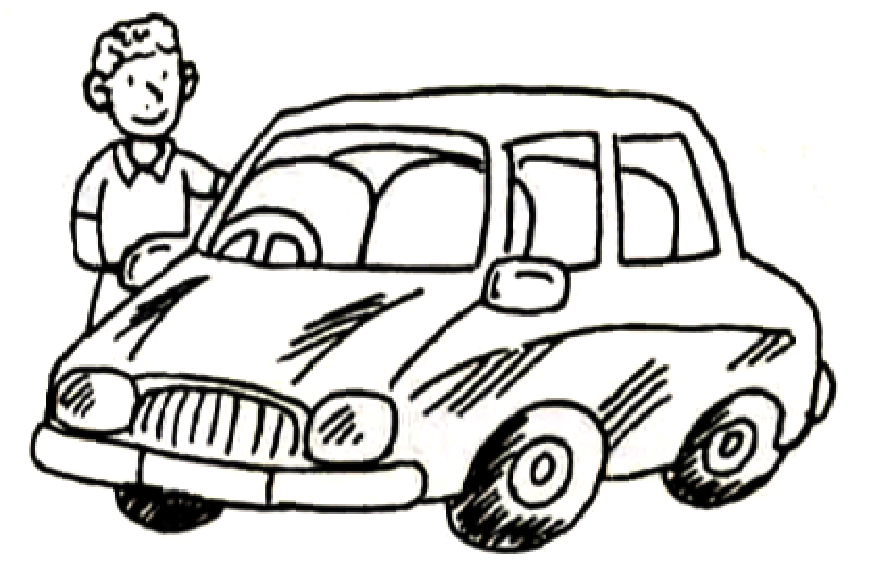
That is Mr Lawson's car.
2
?
This is Judy's kitten.
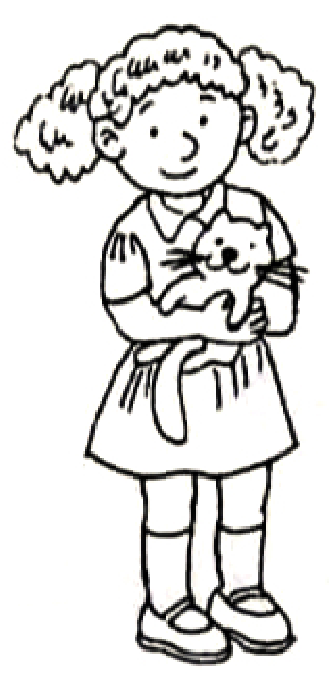
3
?
That is Peter's kite.
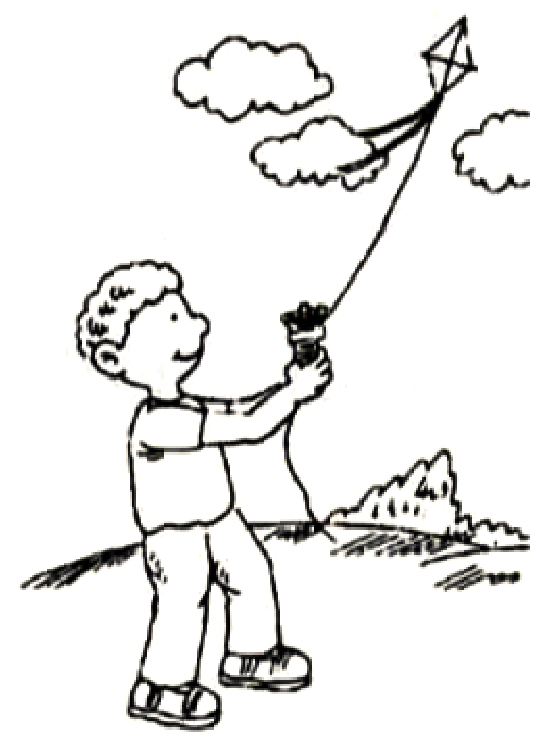
4
?
This is my tricycle.
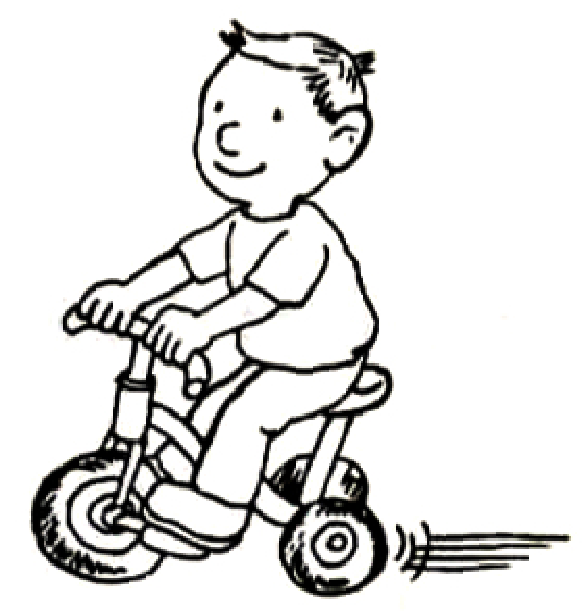
5
?
This is Mrs Kenton's house.
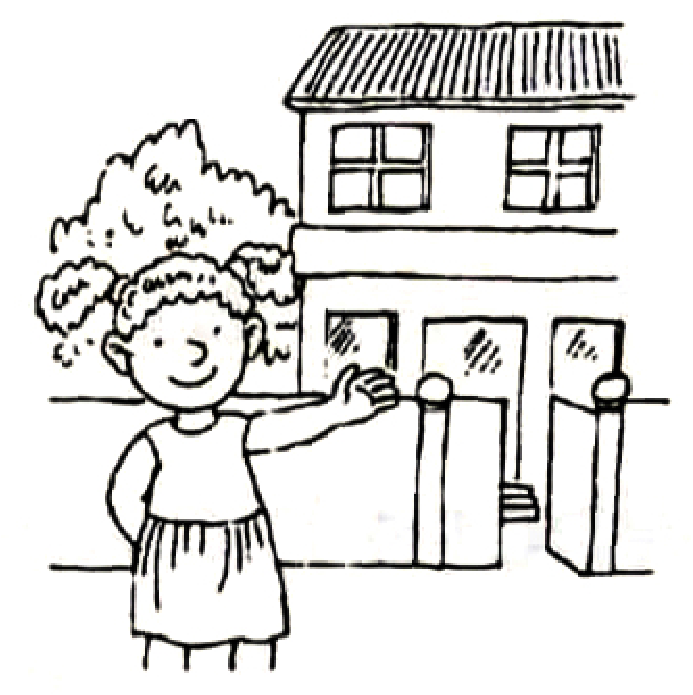
6
?
This is my sister's bag.
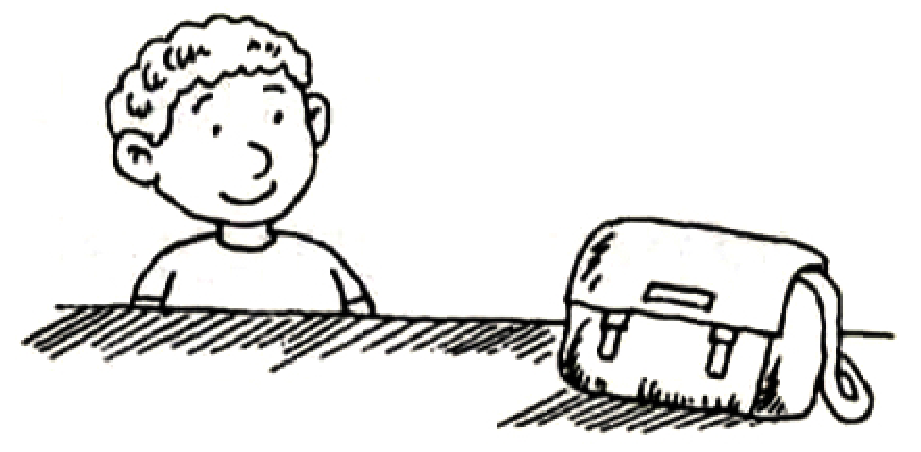
7
?
It is David's bird.
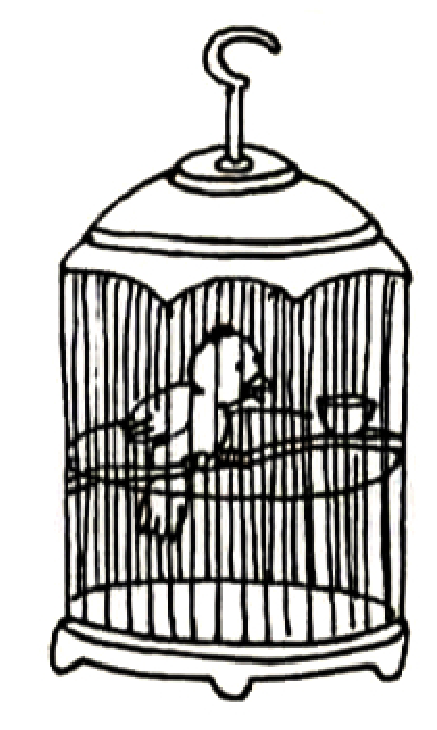
8
?
These are Mr Wilson's glasses.
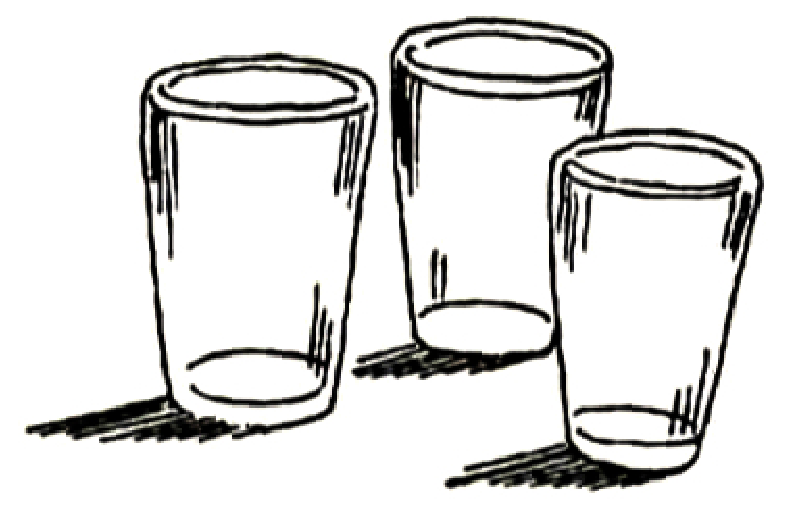
9
?
Those are Miss Ellen's books.

10
?
That is my brother's watch.
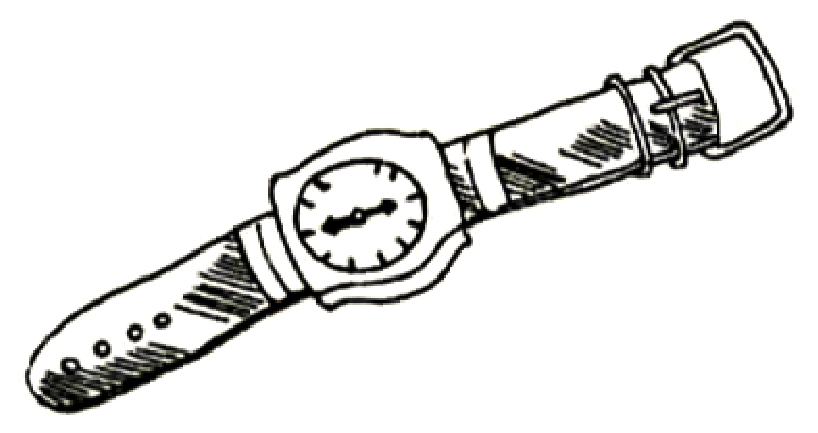
Page 15
Fill in each blank with 'who' or 'whose'.
who
whose
1
is that in the office?
2
May I know camera is this? I would like to borrow it.
3
bags are these? Should we put them on the bus too?
4
baked these cookies? They are delicious.
5
chair did you borrow? Please return it.
6
took my calculator?
7
are these children? Are they your cousins?
8
shoes did you borrow for the football game?
9
I wonder uninstalled the app on my tablet.
10
The principal wants to know books are those on the floor.
Page 16
5
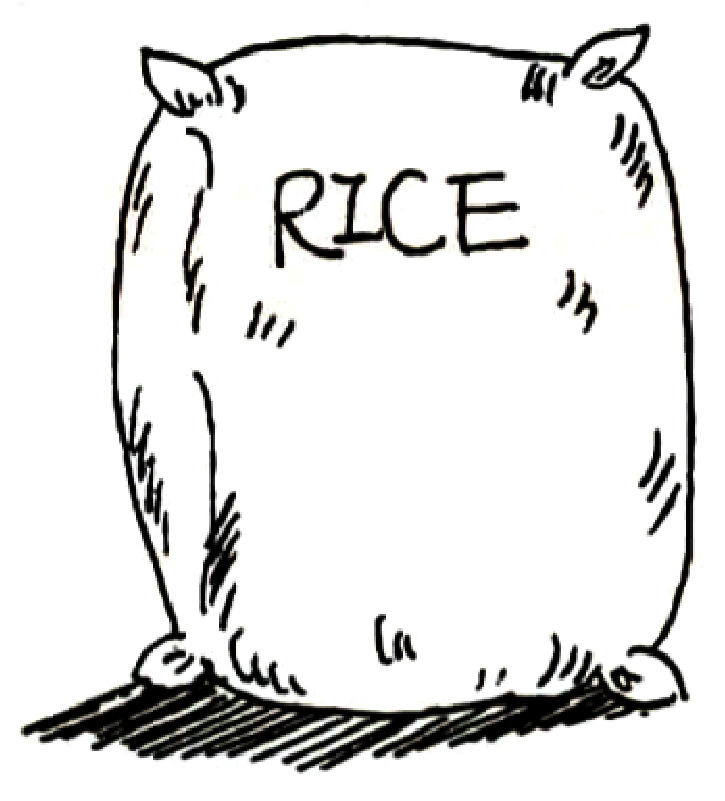
How heavy is this of rice?
6
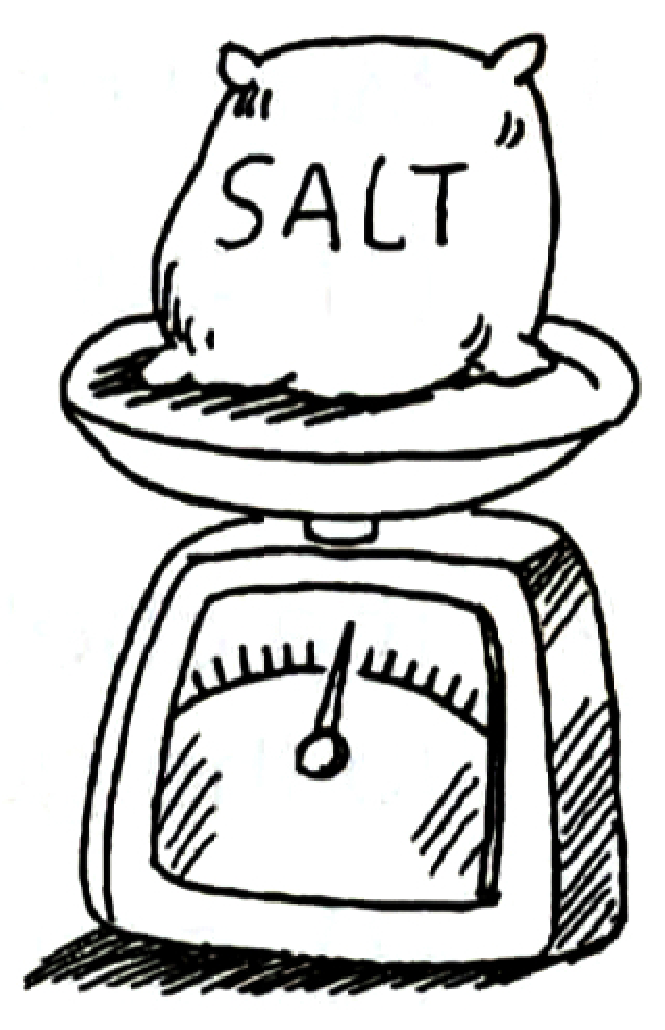
How much does this of salt cost?
7
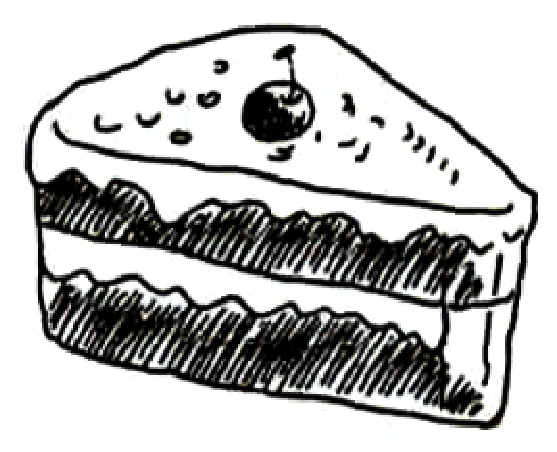
Each child at the party was given a of cake.
8
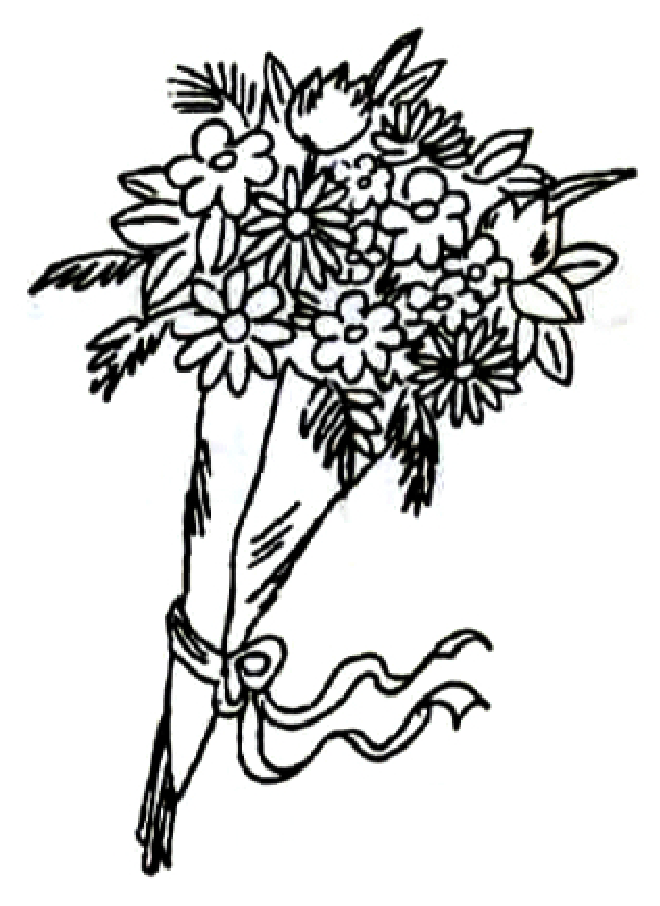
We gave our teacher a of flowers.
Page 17
(a) Possesive pronouns show ownership.
(b) When we speak of ONE person who owns something, we use the SINGULAR form of the possessive pronoun. Singular possessive pronouns are 'mine', 'yours', 'his' and 'hers'.
Examples
Those books belong to me. Those books are mine.
That tablet belongs to you. That tablet is yours.
The bicycle belongs to Peter. The bicycle is his.
The red bag belongs to Jane. The red bag is hers.
(c) When we speak of something that is owned by someone, and we do not want to repeat the information in the second sentence, we use a possessive pronoun.
Examples
I bought a calculator with my savings. It is mine.
You brought these files here. They are yours.
Jack has a computer in his room. It is his.
Judy has two pencils on her desk. They are hers.
Page 18
(a) We use ‘Who’ when we ask about a person.
Examples
Who is that man?
Who is your best friend?
Who was knocking on the door?
Who washed the dishes today?
(b) We use ‘Whose’ when we want to know who the owner of something is.
Examples
Whose bicycle is that over there?
Whose kite are you flying?
Whose house is that?
Whose umbrella is this?
(c) ‘Who’, ‘Whose’, ‘Which’, ‘Where’, ‘When’ and ‘Why’ are all question words.
Page 18
Underline the correct answers.
1
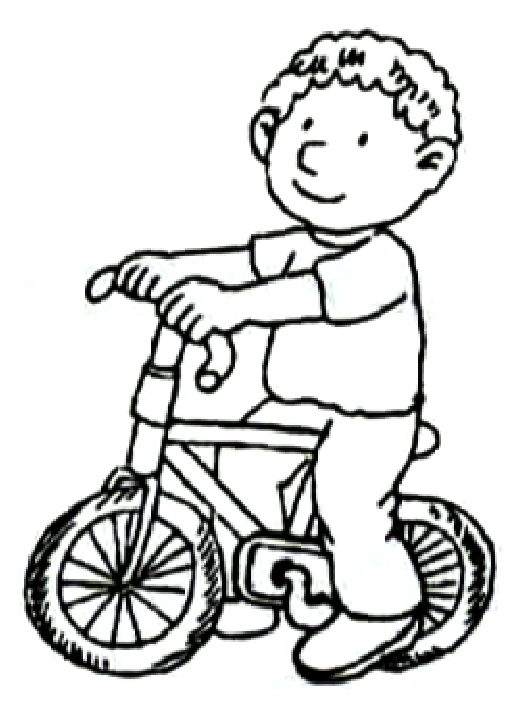
This bicycle is ( mine , yours ).
My parents gave it to me.
2
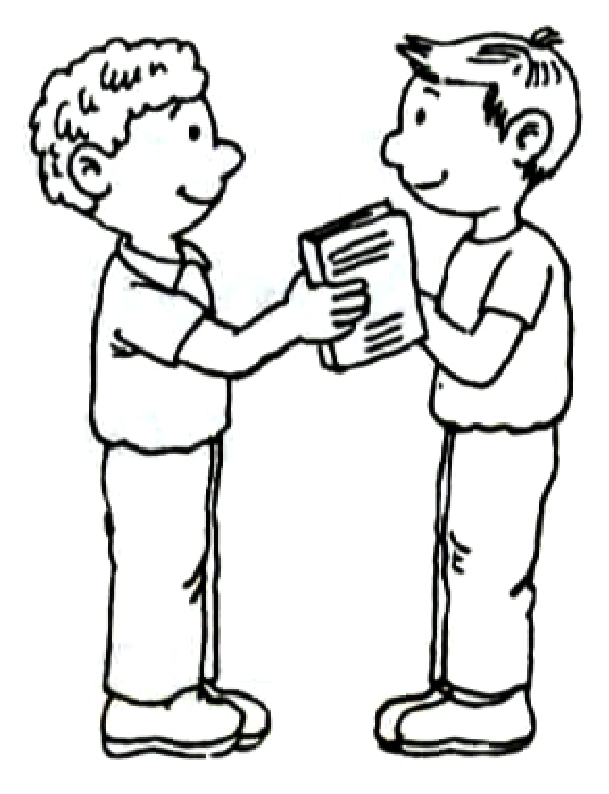
You can have your book back, John.
It is ( mine , yours ).
3
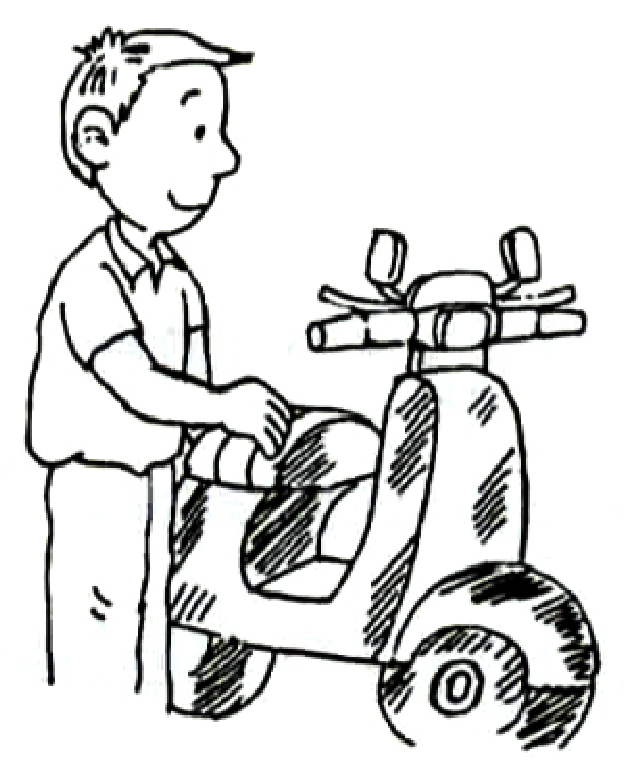
My father rides a scooter to work every day.
The scooter is ( his , hers ).
4
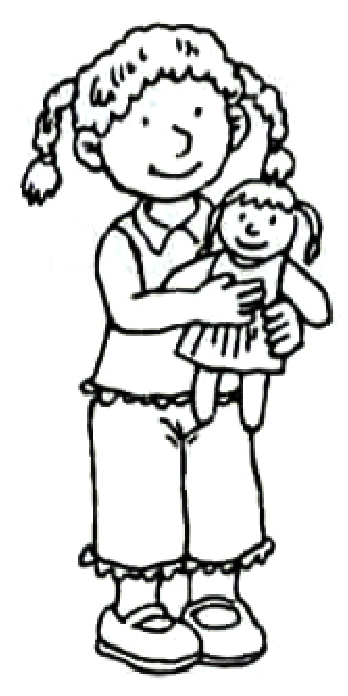
Lily is playing with her favourite doll.
It is ( his , hers ).
5
Please return these shoes to Peter.
They are ( mine , his ).
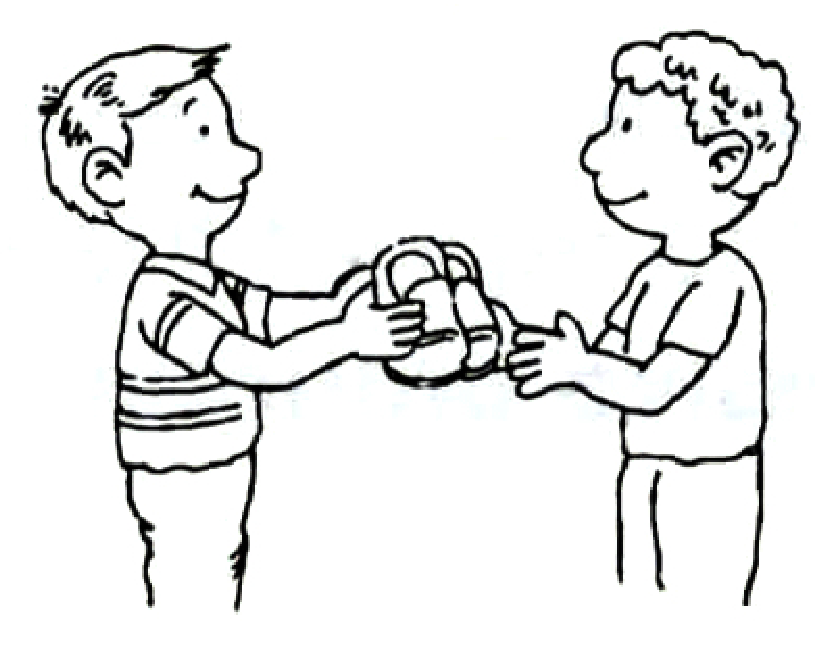
6
This pencil box is ( mine , hers ).
It is where I keep my pencils and erasers.
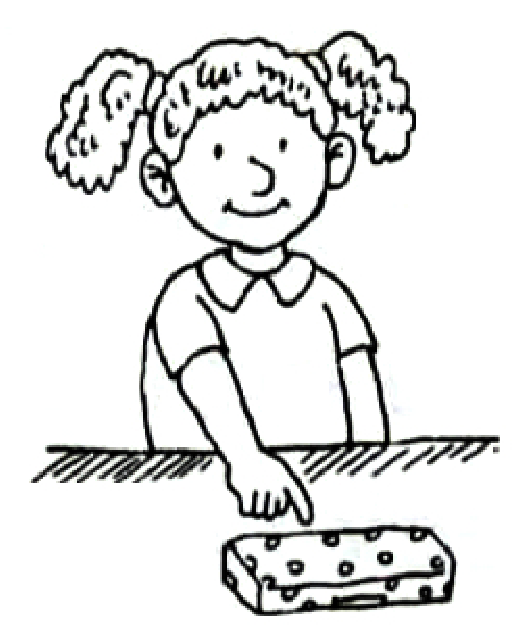
7
The fisherman has used the same boat for more than ten years.
The boat is ( his , hers ) and he takes good care of it.
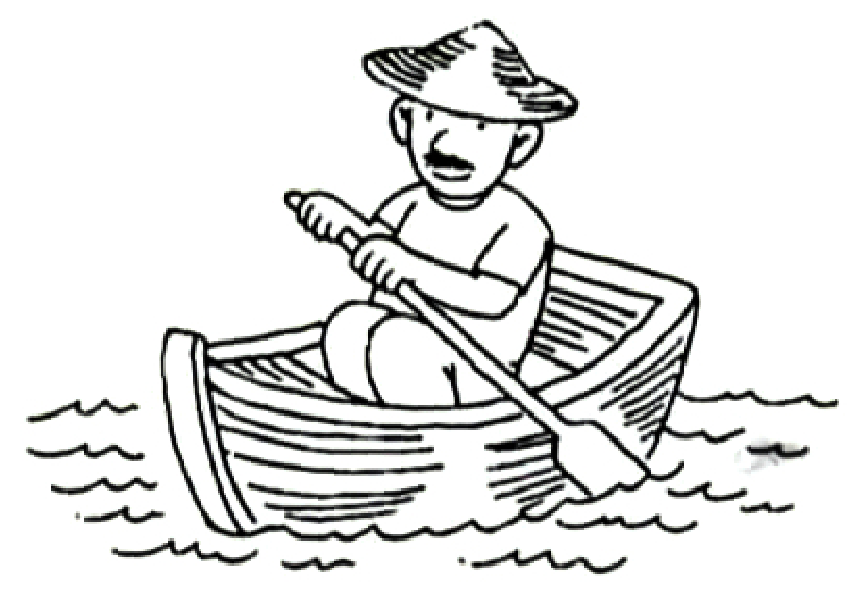
8
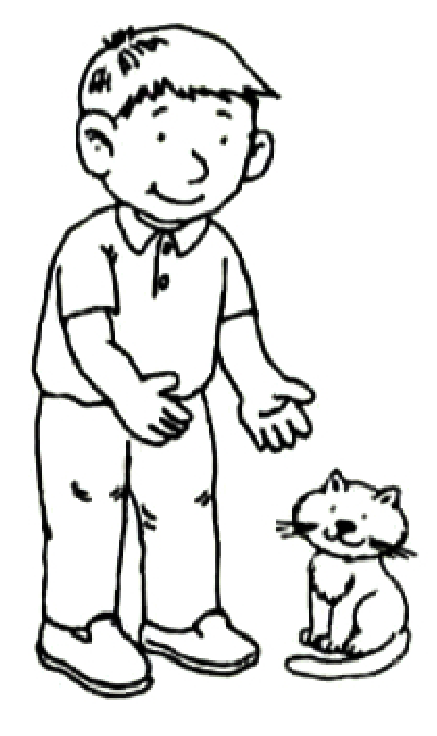
My aunt bought me a kitten.
It is ( mine , yours ).
Page 19
Fill in each blank with the correct possessive pronoun.
1
These foreign coins are gifts from my pen friends. They are .
2
Jane likes plants. The six pots of plants outside the house are all .
3
My sister has many watches. The antique watch in the box is also .
4
These dollar notes are . You must keep them in your wallet.
5
The yellow umbrella does not belong to my uncle, so the blue one must be .
6
Please take away these books on my desk. They are not .
7
These brand-new tools do not belong to you. They are Jason's and not .
8
Susan's doll is on the shelf. I don't think the one on the floor is .
Learn to use 'mine', 'yours', 'his' and 'hers' in these sentences.
Go to My SAPeducation App or http://sapgrp.com.sg/online-resources/english

Page 20
Complete the answer to each question using the possessive pronoun 'mine', 'yours', 'his' or 'hers'.
mine
yours
his
hers
EXAMPLE
Whose magazine is this?
I bought it this morning. It is mine.
1
Whose shoes are these?
Harry was washing them just now. They .
2
Whose car is that?
I saw Mr Adam driving it. It .
3
Whose shirts are these?
Janet is giving them away. They .
4
Whose pen is this?
My mother bought it for me. It .
5
Whose keys are those?
You left them here last night. They .
6
Whose bicycle is this?
Peter received it as a birthday present. It .
7
Whose marbles are these?
They . I am going to keep them now.
Page 21
Underline the correct answers.
1
( Whose , Who , Where ) are you going? Can I come along?
2
( Where , Whose , Why ) bicycle did you borrow for the race?
3
( What , Who , Whose ) is your name? Are you new in school?
4
( Why , Whose , Where ) are you late for school?
5
( When , Who , Whose ) book is that lying on the table?
6
( Which , When , Whose ) do we collect the free tickets for the movie?
7
( Whose , Why , Which ) boy is the tallest in class?
8
( What , Whose , Who ) is the name of this building?
9
( Whose , When , Why ) will the concert begin?
10
( Whose , Who , Where ) bags are those by the door?
Page 22
Underline the correct answers.
1
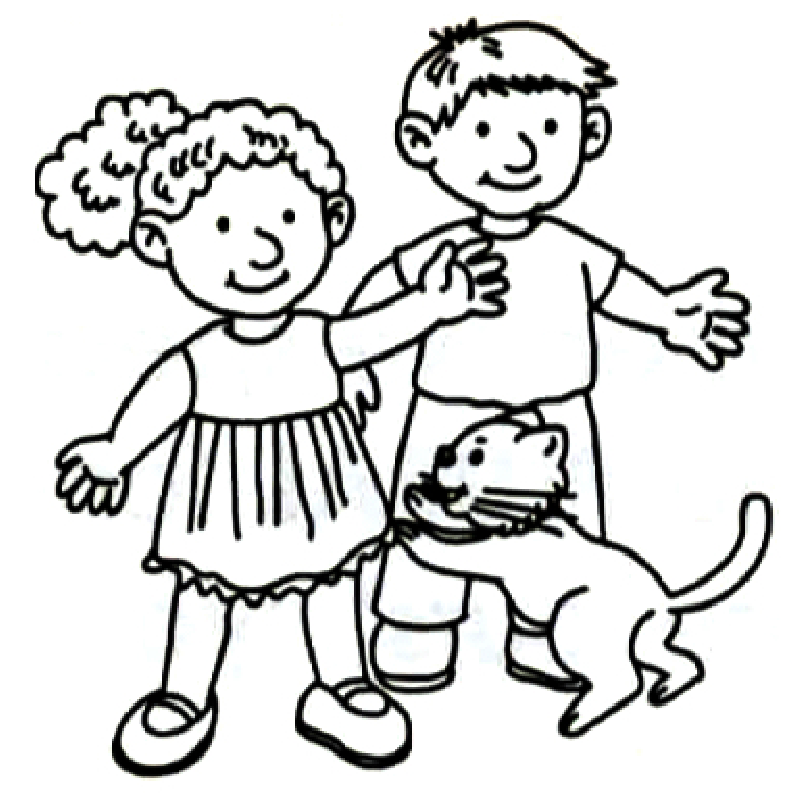
We have a pet cat.
The cat is ( ours , yours ).
2
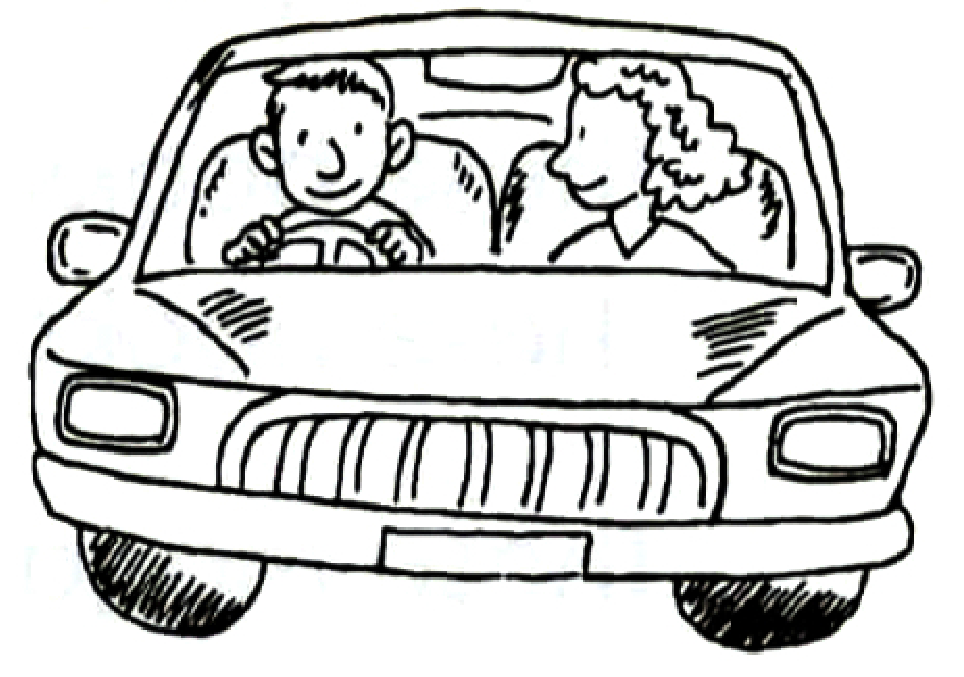
Mr and Mrs Albert own a car.
The car is ( yours , theirs ).
3
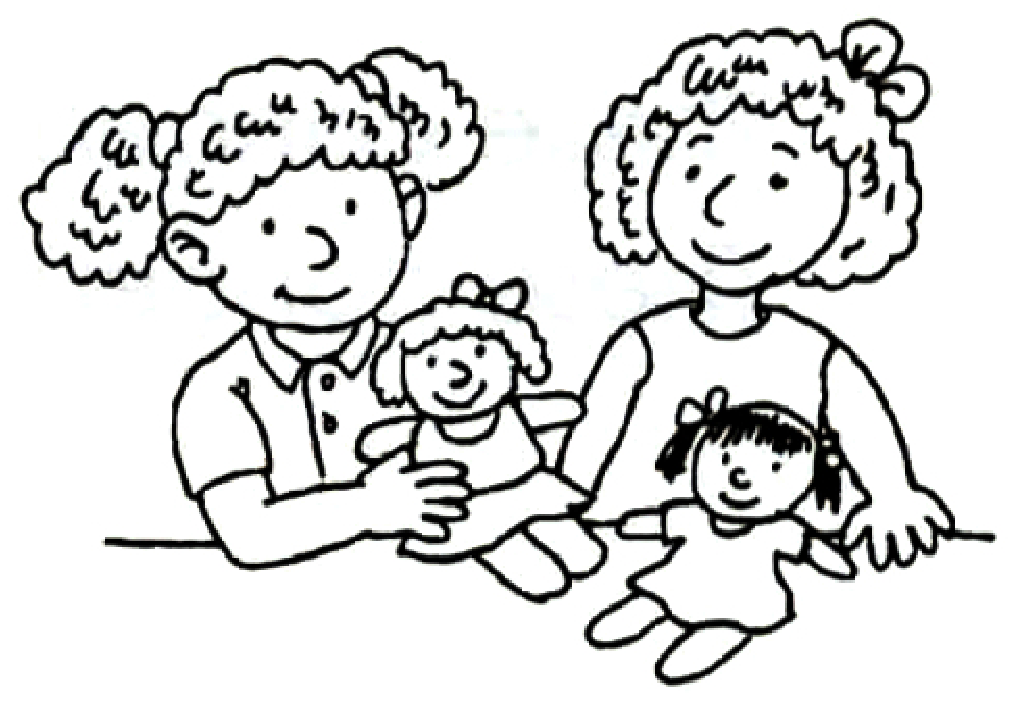
These dolls are for both of you.
They are ( ours , yours ).
4
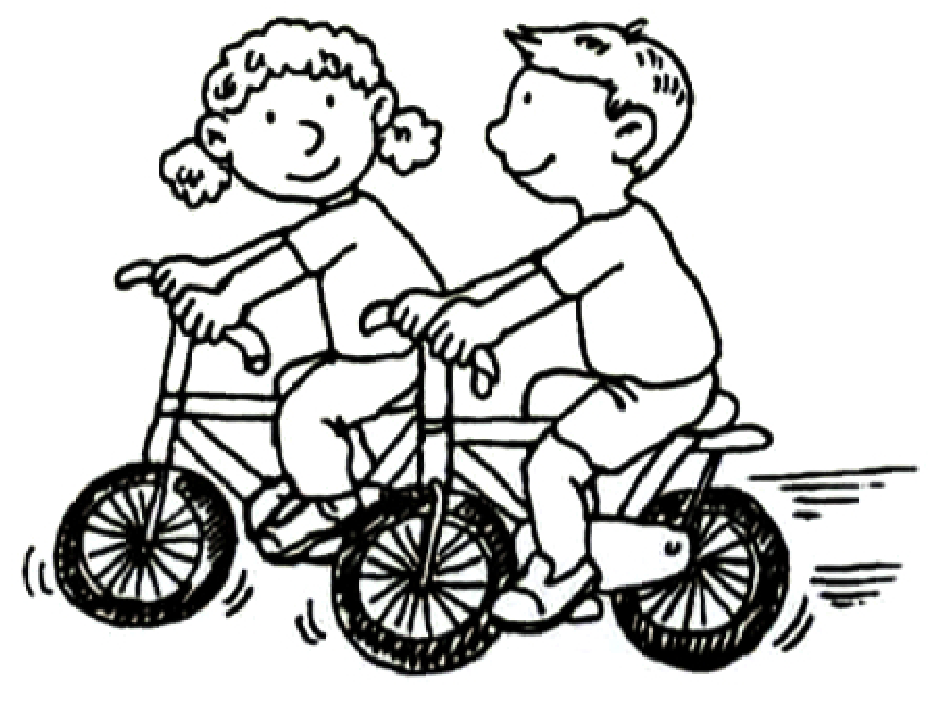
These are our bicycles.
They are ( ours , theirs ).
5
This room belongs to Wendy and Ken.
The room is ( yours , theirs ).
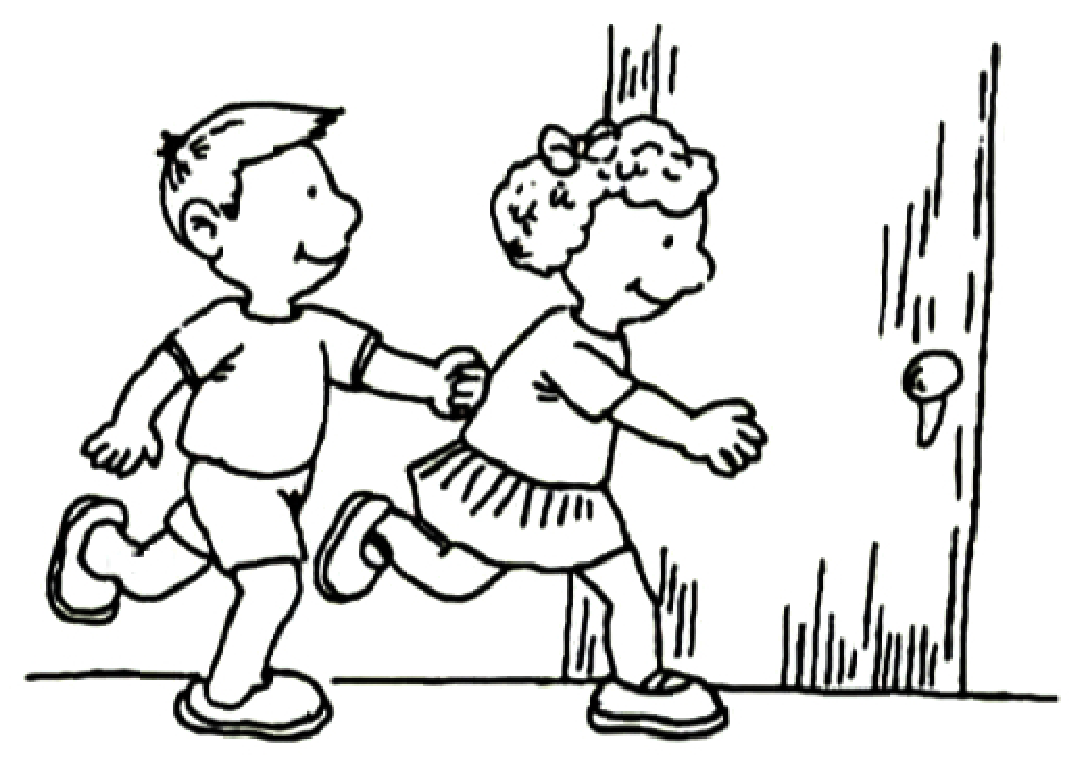
Page 23
Fill in each blank with the help of the words in the box.
ours
yours
theirs
1
I bought these presents for the children. These presents are .
2
These books belong to you and David. They are .
3
John and Harry have a new computer. It is .
4
My brother and I collected these stamps. They are .
5
The workers brought their own tools. The tools are .
6
This room is . Both of you must keep it clean.
7
These bags do not belong to us. They are not .
8
The children set up their own tents for the camp. The tents are .
9
Sarah and her sister drew these pictures. These pictures are .
10
We borrowed this ladder from our neighbour, Mr White. It is not .
Page 25
1
(a) 'Each' and 'every' are considered as SINGULAR, so the verb in the sentence must be in the SINGULAR form.
Examples
Each boy was given a bar of chocolate.
Each girl receives a cup on Children's Day.
Every student wants to do well in his studies.
Every child enjoys playing with toys.
2
(b) As 'each' and 'every' are SINGULAR, the noun that follows them must also be SINGULAR.
Examples
Each girl reads a paragraph of the story to the class.
Each boy needs to read a book to complete the project.
Every book on this shelf is new.
Every invitation card has our names printed on it.
Page 26
When we speak of TWO OR MORE people who own something, we use the PLURAL form of the possessive pronoun. Plural possessive pronouns are 'ours', 'yours' and 'theirs'.
Examples
These books belong to me and my sister.
These books are ours.
Those magazines belong to you and your brother.
Those magazines are yours.
These concert tickets belong to Peter and Jill.
These concert tickets are theirs.
Page 27
1
(a) 'Both' means TWO, so the noun that goes with it must be PLURAL.
Examples
Both boys are mischievous.
Both books are interesting.
2
(b) Sometimes, we use 'both' and 'and' to join two singular nouns.
Examples
Both Irene and Mabel are hard-working girls.
Both the cake and the pie are sweet.
3
(c) When we use 'all' with countable nouns, we must use the PLURAL verb.
Examples
All the apples are red.
All the students are present.
All the computers are turned on.
Page 29
For each of the following, combine the two sentences into one, using 'ours', 'yours' or 'theirs'.
ours
yours
theirs
EXAMPLE
This is our racket. That is our ball.
This racket and that ball are ours.
1
Those chickens belong to Mr and Mrs Allen. Those ducks belong to them too.
2
These are our posters. These are our magazines.
3
These are your shoes. Those are your socks.
4
This is their room. The furniture in the room belongs to them.
5
That is our ladder. Those are our tools.
6
Those are your bags. Your coats are there too.
7
Those are their running shoes. These shorts belong to them too.
Evaluate your progress through the Diagnostic Tests using the NUADU assessment and analytics tool. Try it now! (Access code and instructions on 1st page of this book.)
Page 30
Underline the correct answers.
1
Every ( egg , eggs ) in the basket ( is , are ) broken. Mother will have to buy some more.
2
Each ( painting , paintings ) in the gallery ( cost , costs ) more than a hundred dollars.
3
All the ( nurse , nurses ) in this hospital ( wear , wears ) white uniforms.
4
Both my ( eye , eyes ) ( was , were ) red and sore after the swim.
5
All living ( thing , things ) ( need , needs ) water to live.
6
Each ( question , questions ) in the test ( carry , carries ) two marks.
7
Both ( jug , jugs ) ( contain , contains ) milk.
8
Everyone ( like , likes ) Sheela as she is kind and helpful.
9
Every ( piece , pieces ) of furniture in this room ( is , are ) new.
10
Both my ( parent , parents ) ( was , were ) at the airport to meet my aunt from Hong Kong.
Page 31
Underline the correct answers.
1
Each child ( is , are ) given a piece of cake.
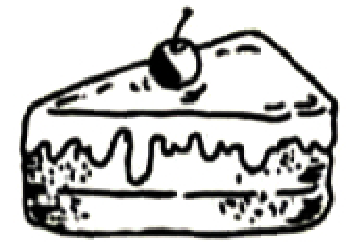
2
Every student in this school ( wear , wears ) a uniform.
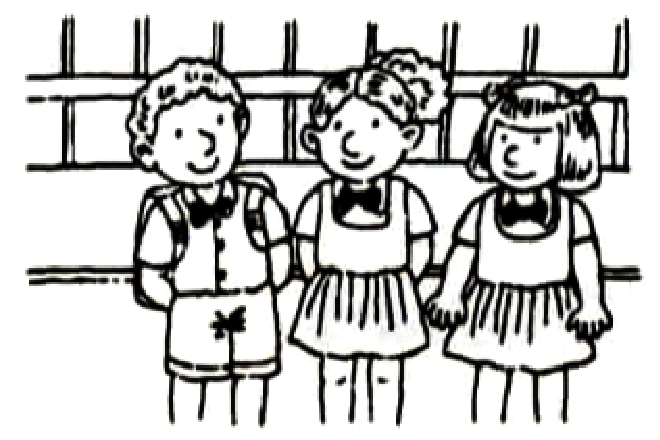
3
Each shirt ( costs , cost ) twenty dollars.
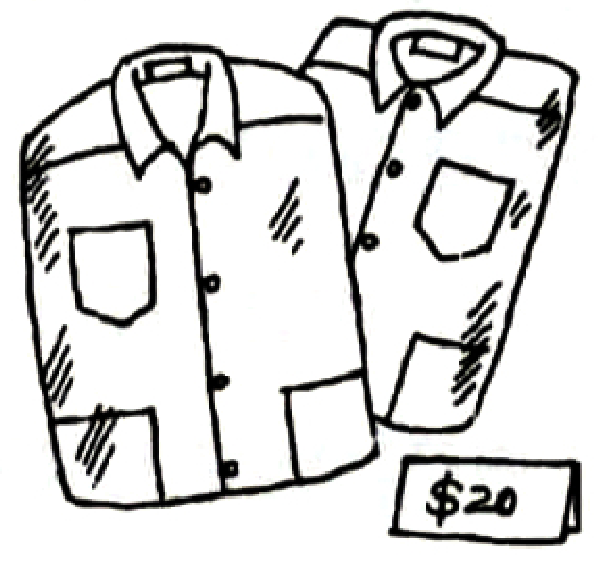
4
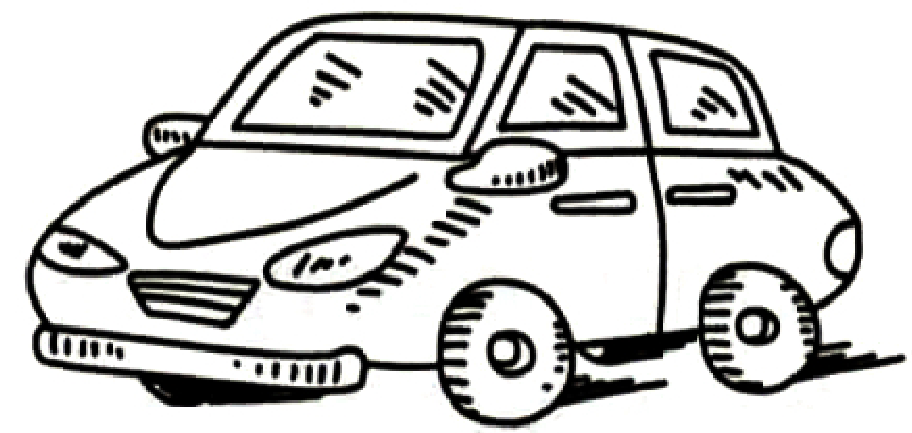
Every car ( has , have ) four wheels.
5
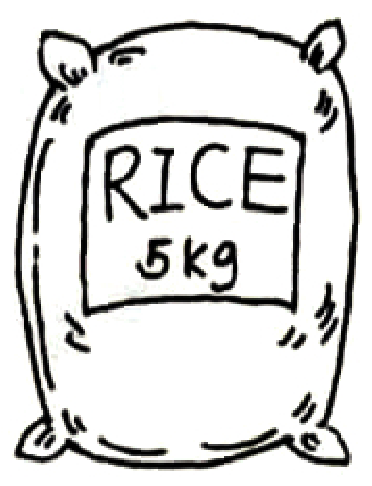
Each sack of rice ( weighs , weigh ) five kilograms.
6
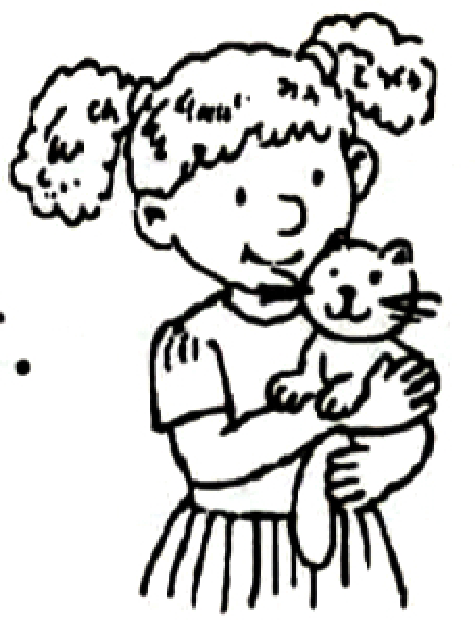
Every friend who has seen my cat ( like , likes ) it.
7
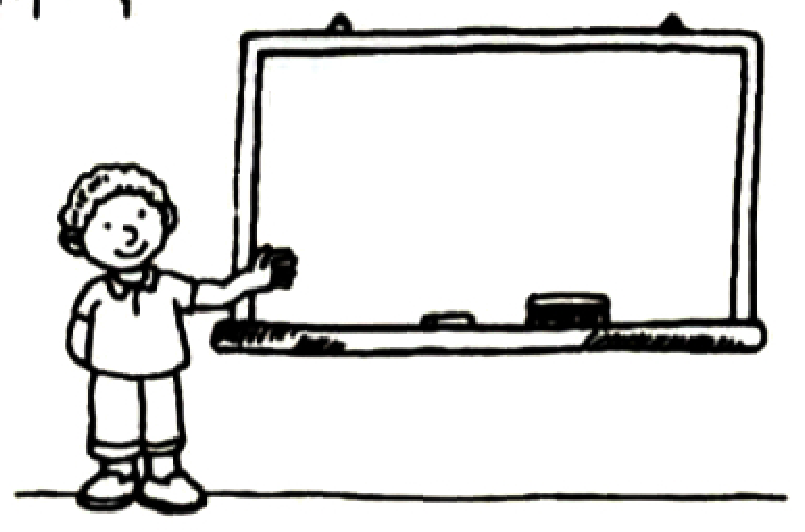
Each class ( has , have ) a whiteboard.
8
Every door in this house ( is , are ) locked.
9
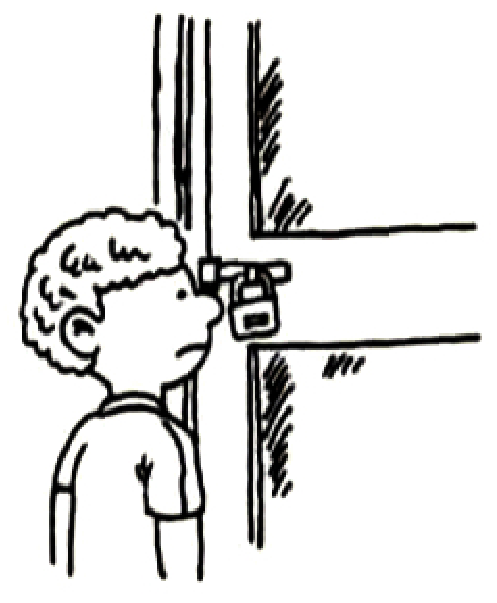
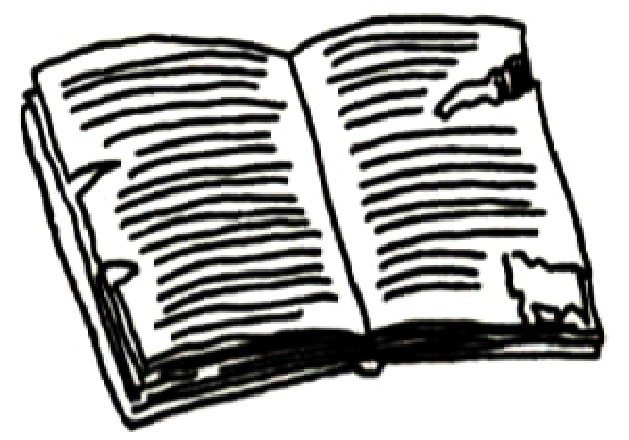
Every page in this book ( is , are ) torn.
10
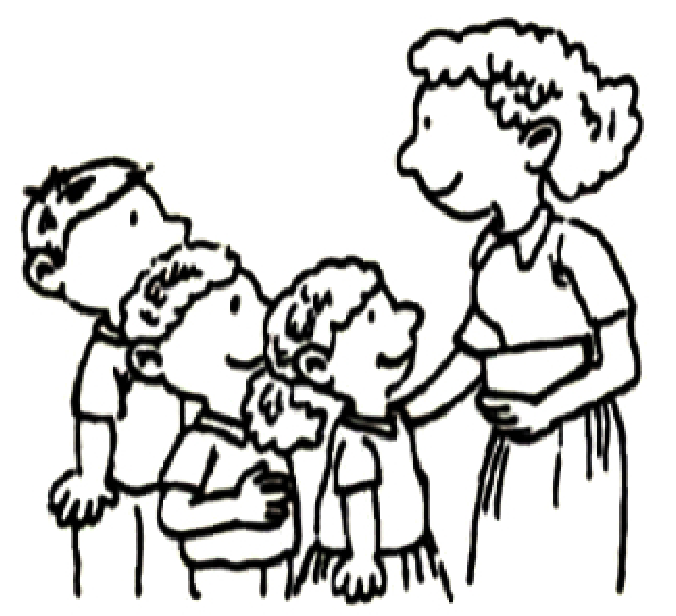
Every student ( know , knows ) Mrs Allson.
Page 31
Below is a table that shows the simple past tense of some irregular verbs. Try to remember some of them by heart.
1
(a) We add '-ed' to regular verbs in the past tense: walk/walked, jump/jumped and climb/climbed.
2
(b) Irregular verbs change their spelling when they are in the past tense: run/ran, swim/swam and give/gave.
Verb | Past Tense
*beat | beat
become | became
begin | began
bend | bent
bite | bit
blow | blew
break | broke
bring | brought
build | built
burn | burnt (burned)
*burst | burst
buy | bought
catch | caught
choose | chose
come | came
*cost | cost
*cut | cut
dig | dug
do | did
draw | drew
dream | dreamt (dreamed)
drink | drank
drive | drove
eat | ate
fall | fell
feed | fed
feel | felt
fight | fought
find | found
fly | flew
forget | forgot
get | got
give | gave
go | went
grow | grew
hang | hung (hanged)
have | had
hear | heard
hide | hid
*hit | hit
hold | held
*hurt | hurt
keep | kept
know | knew
lay | laid
learn | learnt (learned)
leave | left
lend | lent
*let | let
lie | lay
light | lit (lighted)
lose | lost
make | made
mean | meant
meet | met
oversleep | overslept
pay | paid
*put | put
read | read (pronounced as 'red')
rewrite | rewrote
ride | rode
ring | rang
rise | rose
run | ran
say | said
see | saw
sell | sold
send | sent
*set | set
shake | shook
shine | shone (shined)
shoot | shot
*shut | shut
sing | sang
sink | sank
sit | sat
sleep | slept
speak | spoke
spell | spelt
spend | spent
spoil | spoilt (spoiled)
*spread | spread
stand | stood
steal | stole
sweep | swept
swim | swam
swing | swung
take | took
teach | taught
tear | tore
tell | told
think | thought
throw | threw
understand | understood
wake | woke
wear | wore
weep | wept
win | won
write | wrote
*The spelling and pronunciation of this verb remain unchanged in the past tense.
Page 32
Fill in each blank with the simple past tense of the verb in the brackets.
1
I to the cinema with my friends. (go)
2
The team in blue jerseys the match. (lose)
3
The strong wind the leaves off their branches. (blow)
4
I a wallet under my chair in the classroom. (find)
5
Peter the picture we gave him in his bedroom. (hang)
6
His car down in the middle of the road. (break)
7
The little boy and injured his knee. (fall)
8
The couple their computer to a student at a low price. (sell)
9
The poacher was for setting traps in the forest to catch the animals. (catch)
10
The deer away when the hyena appeared. (run)
11
My boots gleamed after I them with wax polish. (shine)
12
The lioness birth to a litter of cubs. (give)
13
The hungry boy all the food on his plate. (eat)
14
He the whole bottle of water as he was thirsty. (drink)
15
The security guard a torch at us as we approached him. (shine)
Page 33
Underline the correct answers.
1
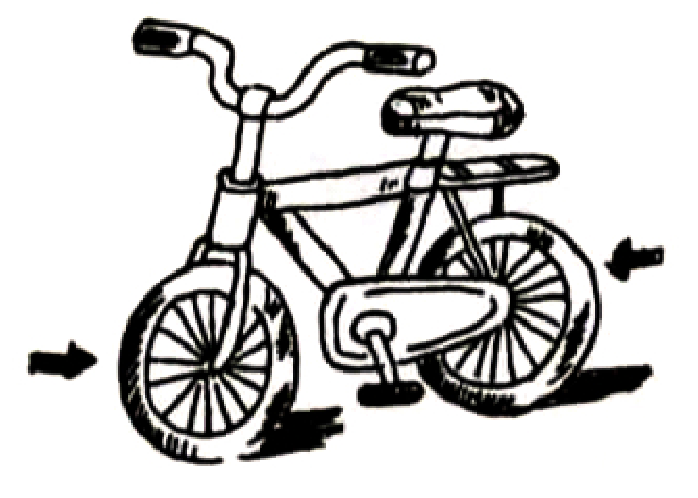
All bicycles ( has , have ) two wheels.
2
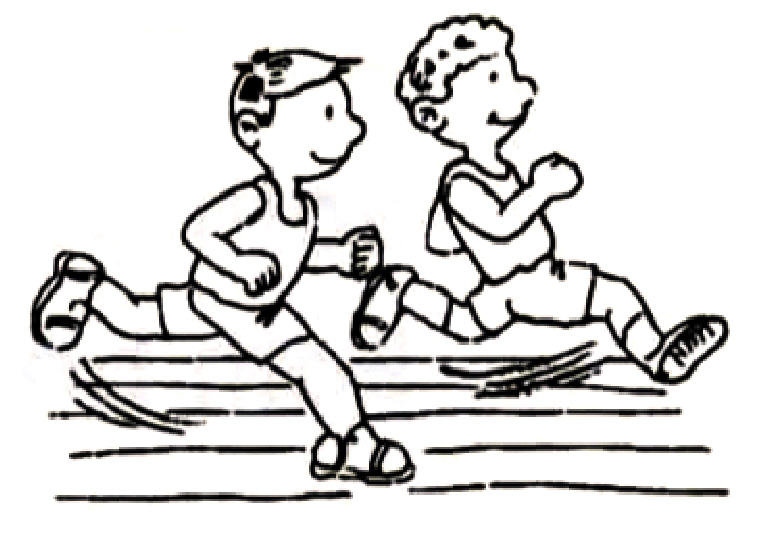
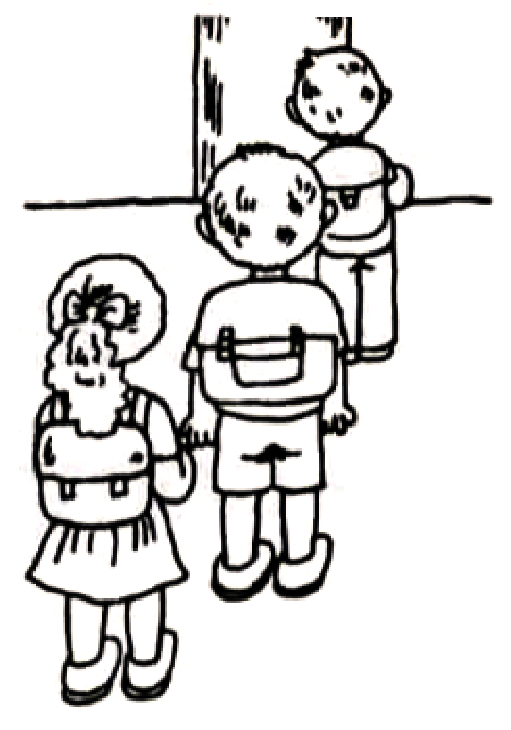
Both Peter and John ( is , are ) running in the race.
3
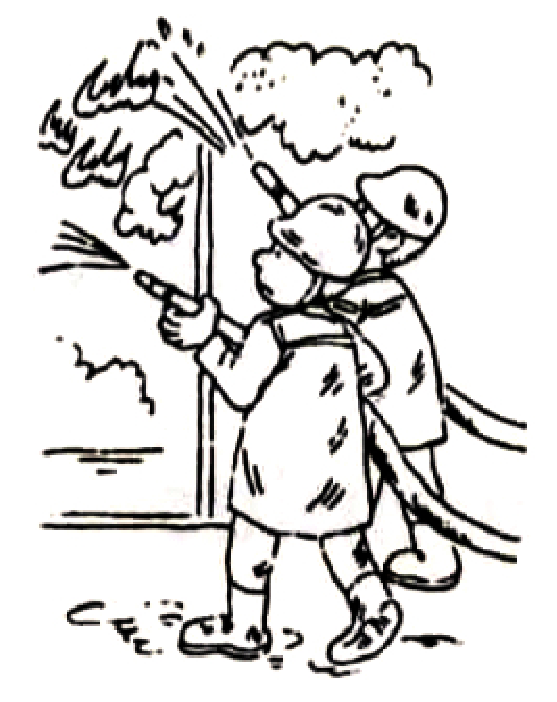
All the firefighters ( fight , fights ) the fire bravely.
4
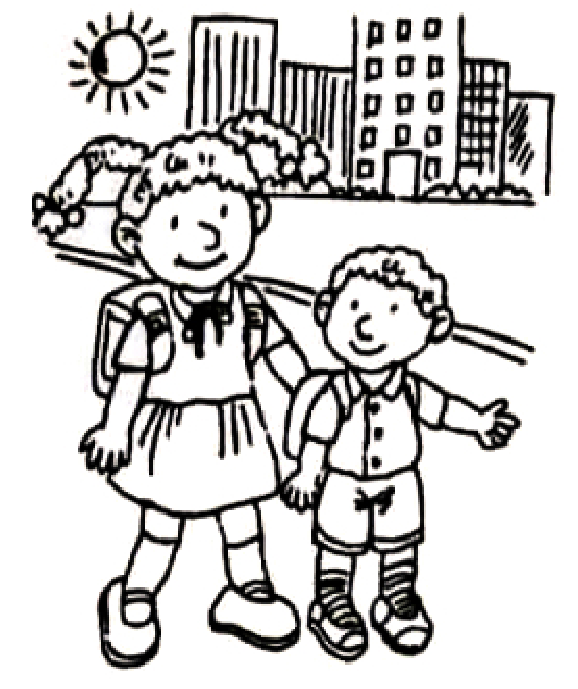
Both my sister and I ( walk , walks ) to school every day.
5
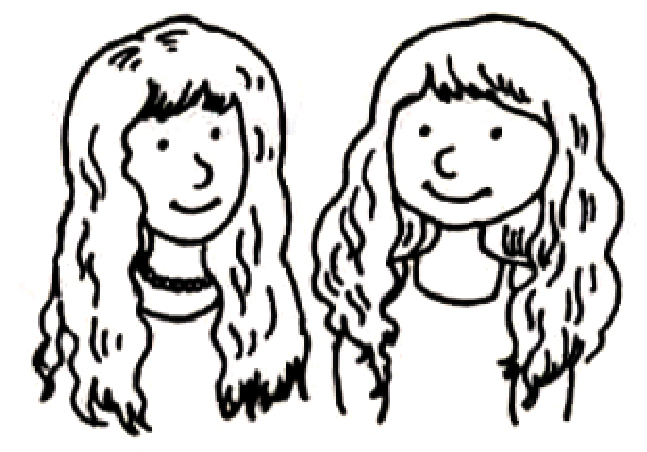
Both Judy and Sarah ( has , have ) long hair.
6
All the students ( wait , waits ) patiently to return to the classroom.
7
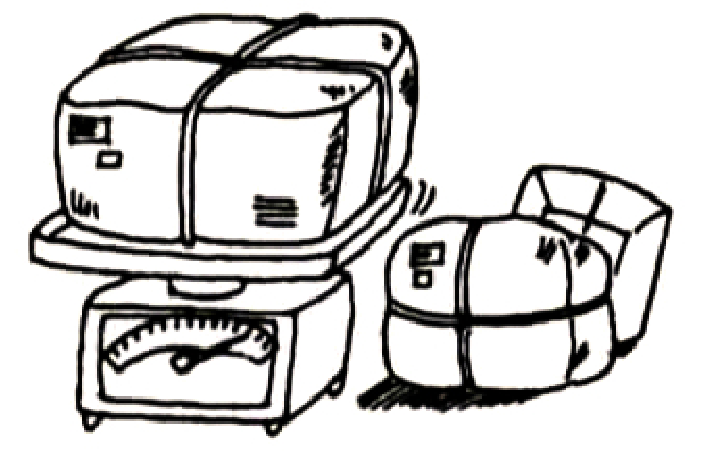
Both parcels ( weighs , weigh ) more than a kilogram.
8
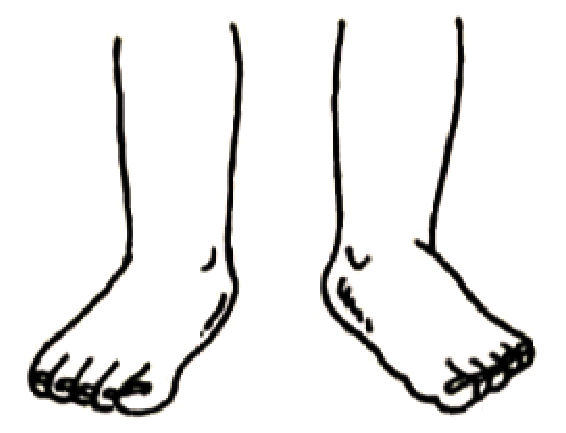
Both my feet ( is , are ) sore from the marathon.
Page 33
Complete the answer to each question with the help of the word(s) in the brackets.
EXAMPLE
When did you drive the car? (yesterday)
I drove the car yesterday.
1
When did you do your homework? (last night)
2
Who did you revise your work with? (Jim)
3
What time did you sleep last night? (at ten o'clock)
4
Where did you hide the present? (under the bed)
5
When did the guests leave? (in the evening)
6
When did Catherine sweep the floor? (this morning)
7
When did you speak to the principal? (last week)
Page 34
Fill in each blank with 'both' or 'all'.
both
all
1
my parents are working. My father is an engineer and my mother is a nurse.
2
birds have wings, but not all of them can fly.
3
Do you know the letters in the English alphabet?
4
the apple and the orange were in the basket.
5
Peter put his hands into his pockets as he waited nervously outside the Principal's office.
6
I have two cats. are male.
7
the animals in the zoo are fed and protected.
8
the students in my class are coming to my party.
9
teams played well in the final football game.
10
my fingernails are long. I have to cut them.
Page 37
(a) The past continuous tense is used to describe an action in the past that was happening at a certain time, or had been going on for a while.
(b) The SINGULAR is formed by was + 'ing' verb.
Examples
He was reading a book in the afternoon.
Mother was cooking in the kitchen just now.
Jim was playing an educational game on the computer.
(c) The PLURAL is formed by were + '-ing' verb.
Examples
They were dancing in the large hall for charity.
The soldiers were training in the mountains last month.
The basketball players were practising for the inter-school basketball competition.
Page 38
Underline the correct answers.
1
I ( was having , were having ) my lunch when the telephone rang.
2
Nancy ( was listening , were listening ) to the radio a while ago.
3
Jack and Tony ( was swimming , were swimming) in the pool this morning.
4
As it ( was getting , were getting ) late, Miss Jones took a taxi home.
5
While John and his friend ( was fishing , were fishing ) by the river, they spotted a python.
6
Mrs Nelson ( was typing , were typing ) a letter in the office late last night.
7
The students ( was talking , were talking ) when the teacher walked into the classroom.
8
The baby ( was sleeping , were sleeping ) in the cradle this morning.
9
John ( was singing , were singing ) in the shower.
10
The doctors ( was preparing , were preparing ) their presentations for the conference.
Page 39
Fill in the blanks with the simple past tense of the verbs.
1
say
2
tell
3
know
4
fly
5
feed
6
keep
7
wear
8
begin
9
bite
10
spring
11
throw
12
lay
13
get
14
forget
15
choose
16
draw
17
shoot
18
tear
19
think
20
swing
Page 39
Fill in each blank with the past continuous tense of the verb in the brackets.
1
We television when the lights went out. (watch)
2
The cat the birds in the garden this morning. (chase)
3
The burglar to open the window when I spotted him. (try)
4
My friends and I home after a game of football when we met Mr Lewis, our school principal. (walk)
5
He his homework when his mother called him. (do)
6
The boys football on the field when it rained. (play)
7
The twins down the lane when one of them fell. (cycle)
8
He his car yesterday evening when his brother asked if he could borrow it. (clean)
Practise using past continuous tense in sentences. Go to My SAPeducation App or http://sapgrp.com.sg/online-resources/english

Page 40
Fill in each blank with the correct form of the adjective given.
(a) Regular adjectives form their comparative and superlative forms by adding '-er' and '-est' respectively.
Examples:
Positive: bright | Comparative: brighter | Superlative: brightest
Positive: big | Comparative: bigger | Superlative: biggest
Positive: small | Comparative: smaller | Superlative: smallest
(b) Irregular adjectives change their spelling in the comparative and superlative forms.
Examples:
Positive: bad | Comparative: worse | Superlative: worst
Positive: good | Comparative: better | Superlative: best
Positive: little | Comparative: less | Superlative: least
Positive: many | Comparative: more | Superlative: most
1
good | better |
2
bad | | worst
3
many | more |
4
little | | least
5
far | farther |
6
well | | best
7
much | more |
8
far | | furthest
Page 40
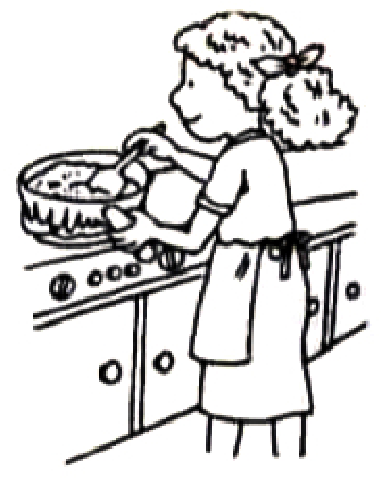
Look at the pictures. Answer the questions in the past continuous tense.
1
What was Mrs Amber doing in the kitchen?
She .
2
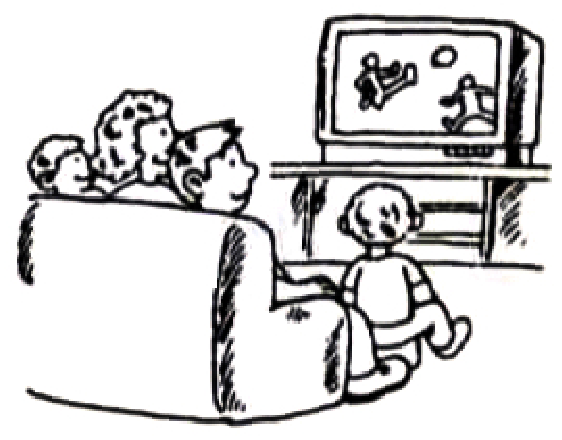
What were your family members doing last night?
They .
3
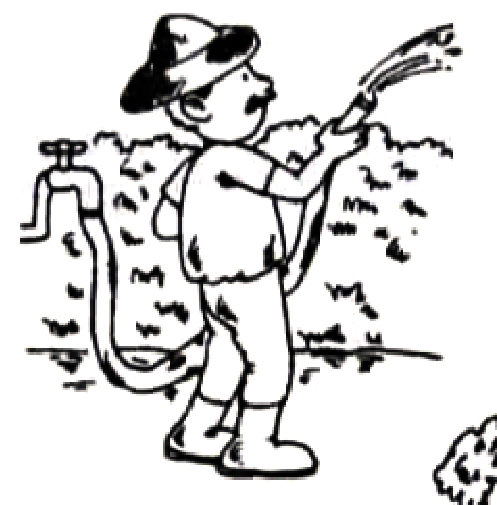
What was the gardener doing?
He .
4
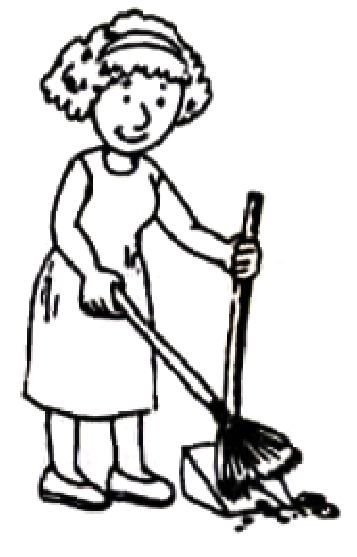
What was Susan doing this morning?
She .
5
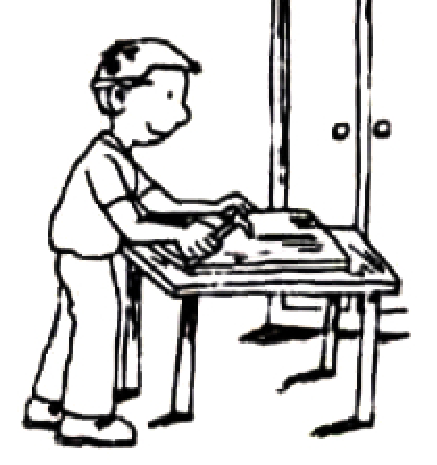
What was the carpenter making?
He .
6
What was Richard doing in the park?
He .
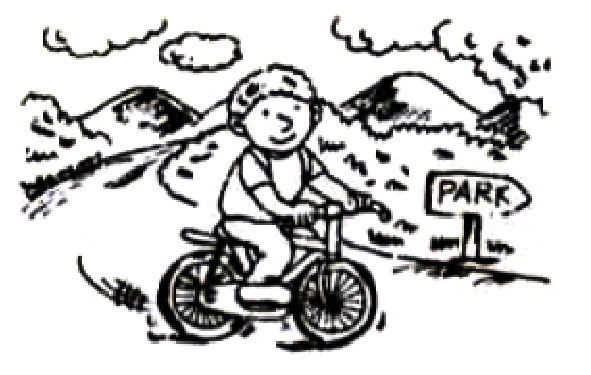
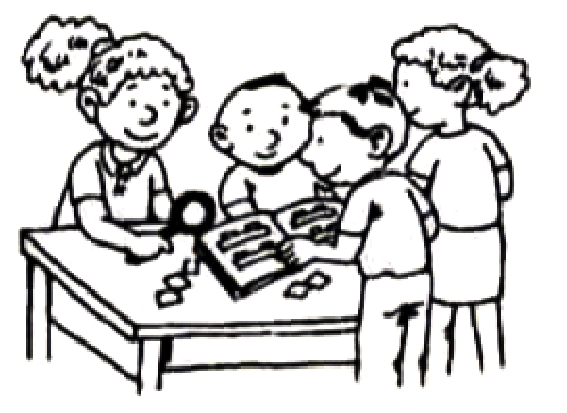
7
What were the children doing just now?
They .
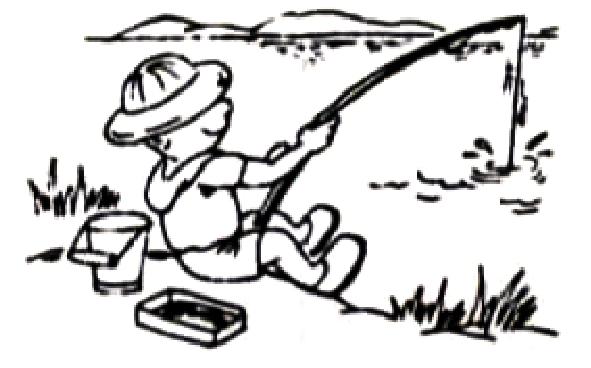
8
What was Joel doing by the river?
He .
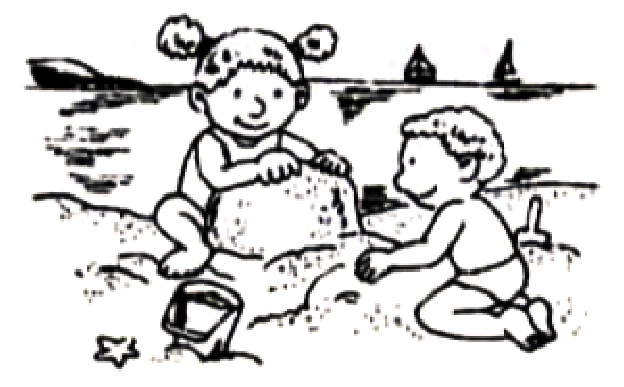
9
What were the children doing at the beach?
They .
10
Where was Mr Lee going when you met him?
He .
Page 41
Fill in each blank with the correct form of the adjective in the brackets.
1
His handwriting is than mine. (good)
2
A lake contains water than a pond. (much)
3
The greedy boy ate the food at the picnic. (much)
4
Judy's singing is than Mary's. (good)
5
The red team showed team spirit than the blue team. (little)
6
Ken is the runner in the school. (good)
7
There are buildings in the city than in the village. (many)
8
His examination results were than mine. (bad)
9
The coffee with the sugar is mine. (little)
10
This is the show I have ever seen. (good)
Page 41
The prepositions 'before' and 'after' are used to tell when something happens.
1
Mr Lewis reads the newspapers before he goes to work. (Mr Lewis reads the newspapers first, and then he goes to work.)
2
Mrs Richards turns on the light before walking into the room. (Mrs Richards turns on the light first, and then she walks into the room.)
3
Harry jogs after he does his homework. (Harry does his homework first, and then he goes jogging.)
4
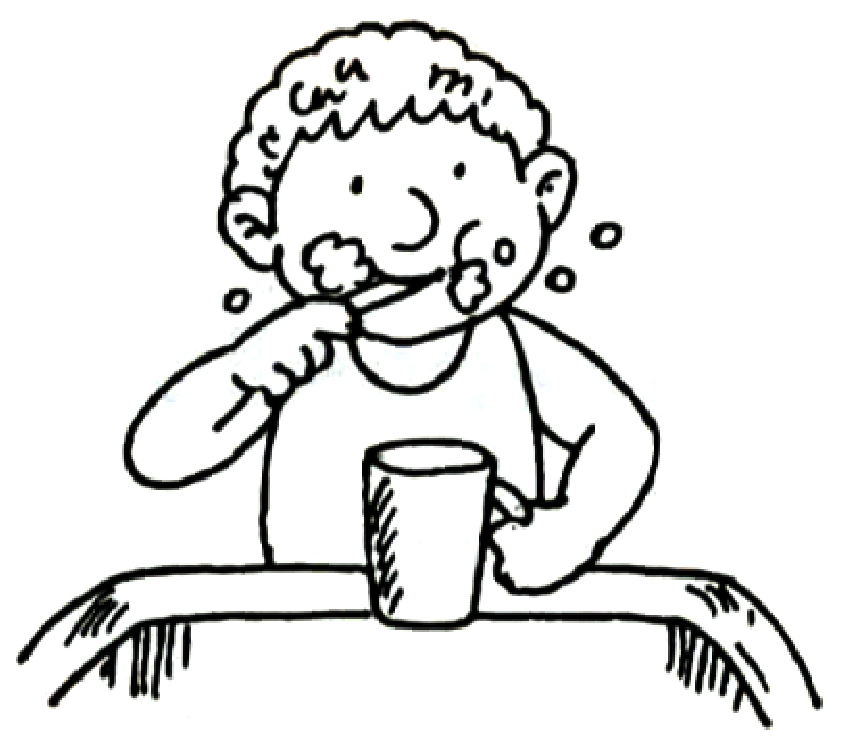
Winnie goes to bed after she brushes her teeth. (Winnie brushes her teeth first, and then she goes to bed.)
Page 42
Fill in each blank with ‘before’ or ‘after’.
before
after
1
I brush my teeth I go to bed.
2
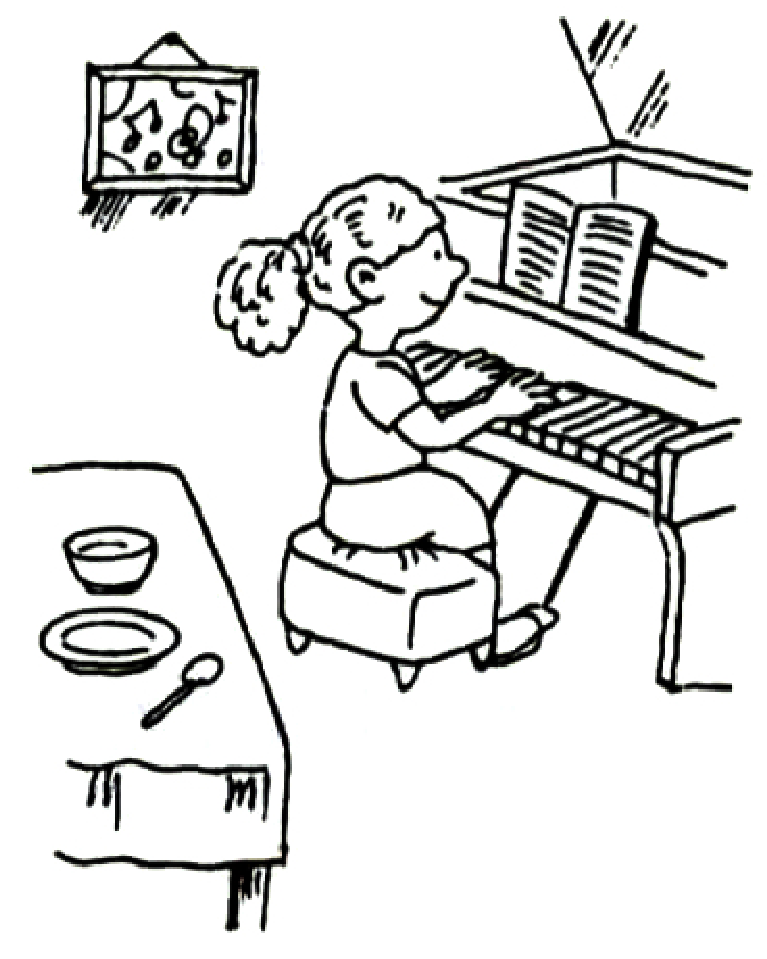
Lily starts her piano lesson immediately her breakfast.
3
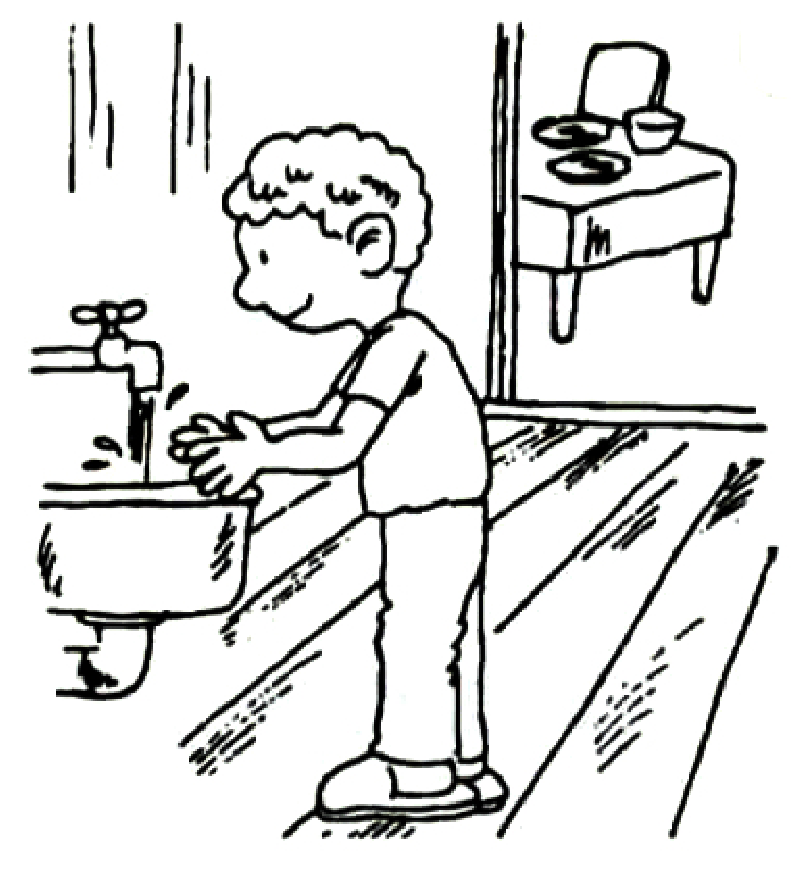
John washes his hands sitting down to have his dinner.
4
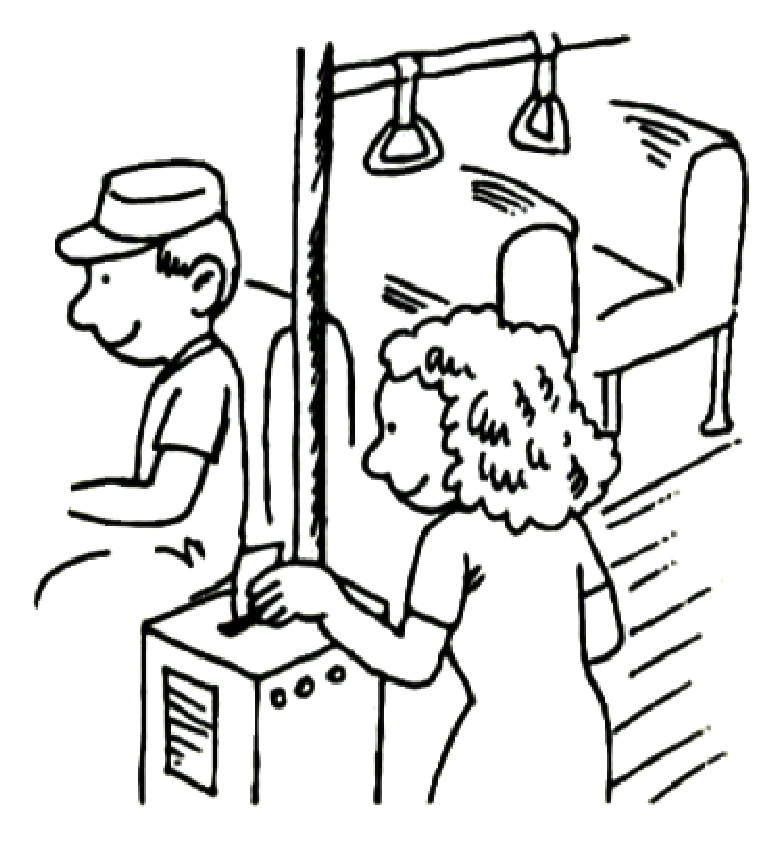
Miss Ambrose pays for her fare she looks for a seat on the bus.
5
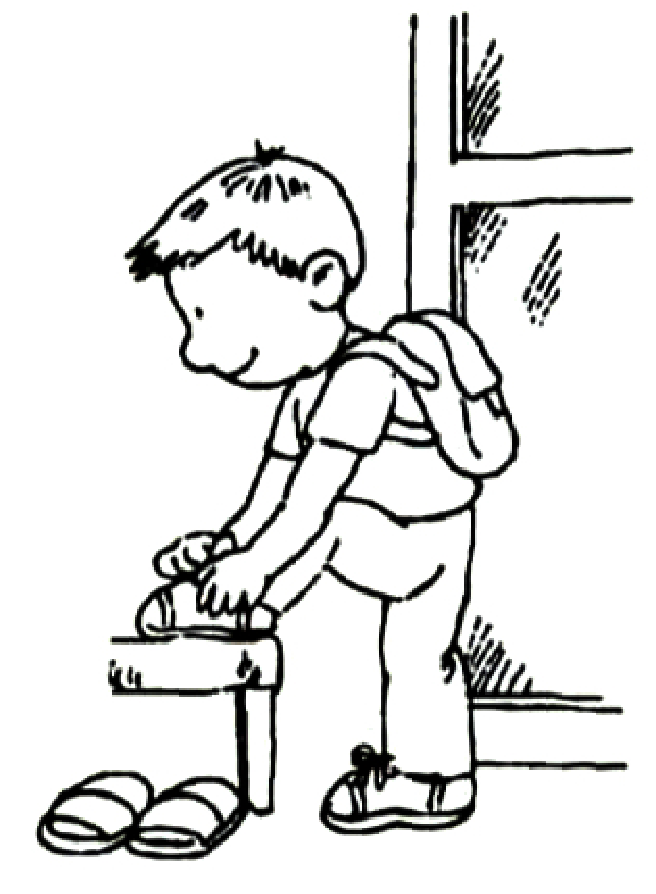
Paul puts on his shoes he leaves for school.
Page 43
6
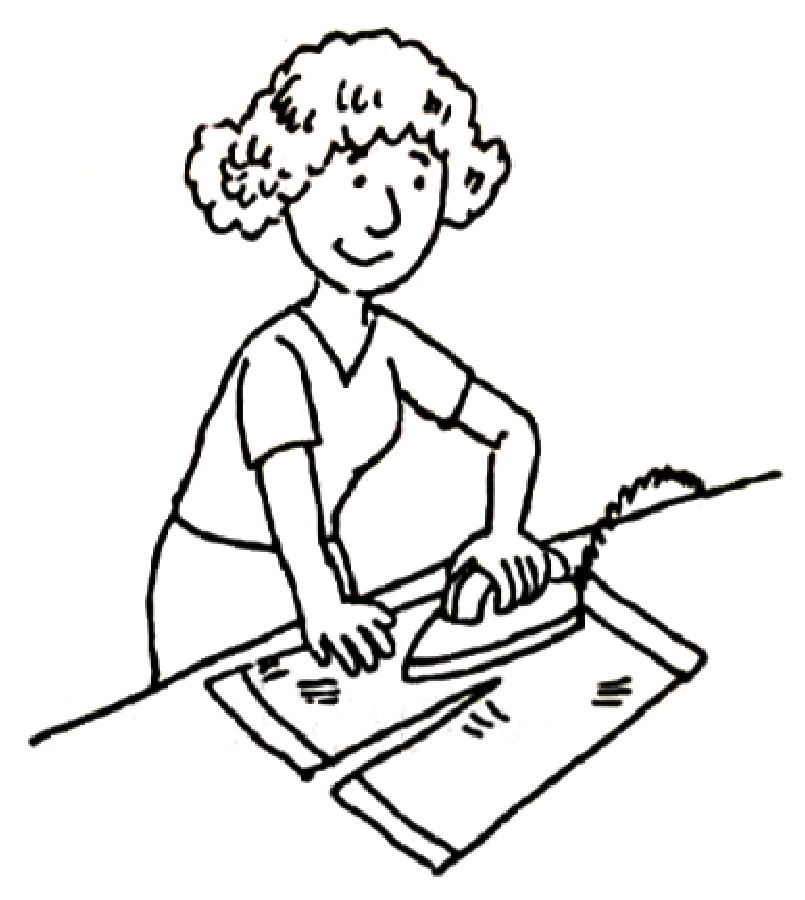
May irons the clothes they are washed and dried.
7
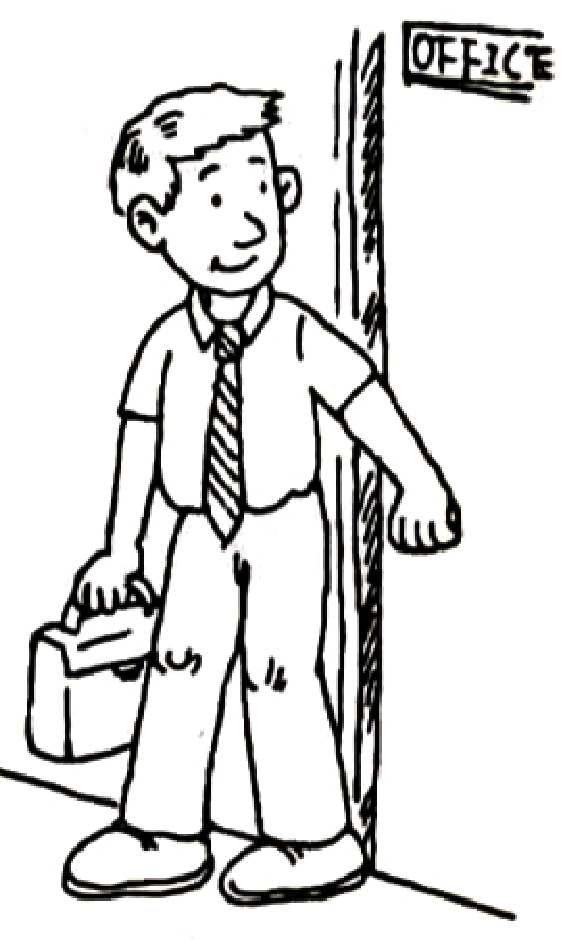
Mr James leaves his office he has finished his work for the day.
8
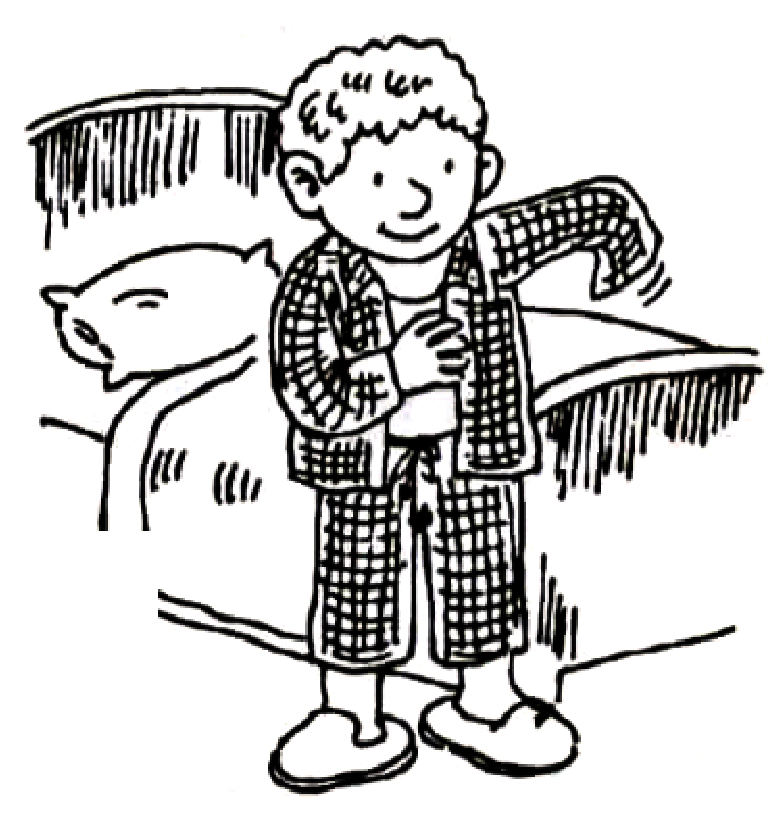
I change into my pyjamas going to bed.
Page 44
Underline the correct answers.
1
Monday comes ( before , after ) Tuesday.
2
December comes ( before , after ) November.
3
We wash the dishes ( before , after ) we have our dinner.
4
Jonathan borrowed some storybooks ( before , after ) he left the library.
5
Lunch comes ( before , after ) breakfast.
6
This road always floods ( before , after ) a heavy rain.
7
We put on our socks ( before , after ) we put on our shoes.
8
The children returned to their classrooms ( before, after ) recess.
9
She pasted a stamp on the envelope ( before , after ) posting it.
10
I was very tired ( before , after ) the long run.
Page 45
Rewrite the following sentences into indirect orders.
An 'indirect order' is used when we ask someone to tell others what they must or must not do.
Examples
Tell Alice not to shout. (We are asking someone to tell Alice not to shout.)
Tell John to speak louder.
Ask Peter to come tonight.
1
Answer the telephone, John.
Tell .
2
Clean the whiteboard, Susan.
Tell .
3
Wash your hands, children.
Tell .
4
Keep quiet, boys.
Tell .
5
Tidy up your room, Judy.
Tell .
6
Switch off the lights when you leave the room, Bill.
Tell .
7
Hand in your books, children.
Tell .
8
Peter, put your toys away.
Tell .
Page 46
Look at the pictures. Complete the sentences.
1
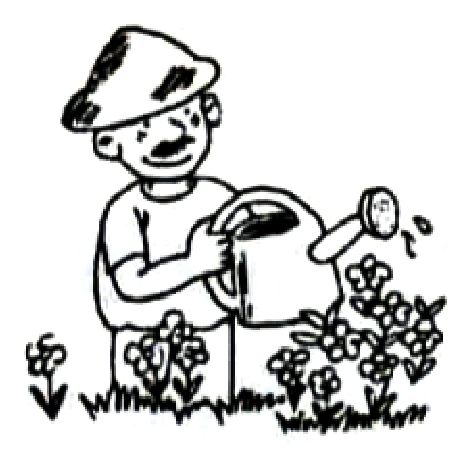
Tell the gardener .
2
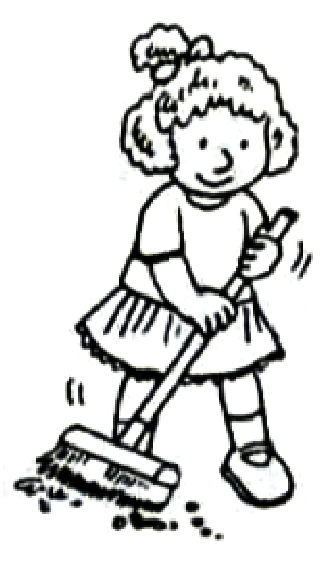
Tell Jenny .
3
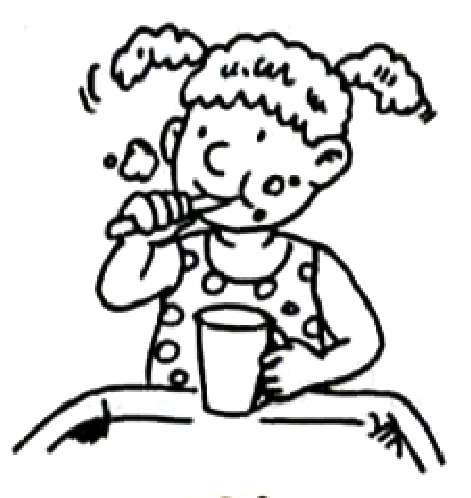
Tell the girl .
4
Tell Sharon .
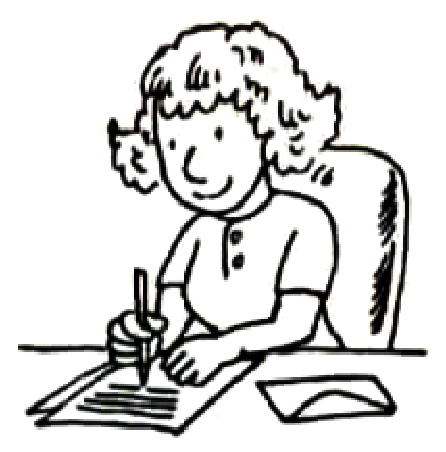
5
Tell May .
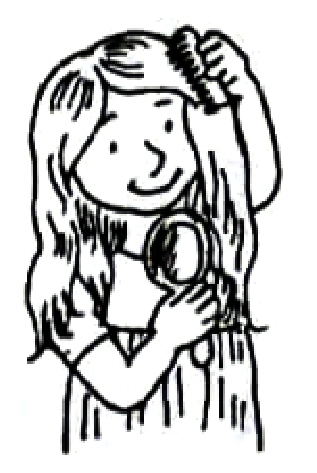
6
Tell the waiter .

7
Tell David .
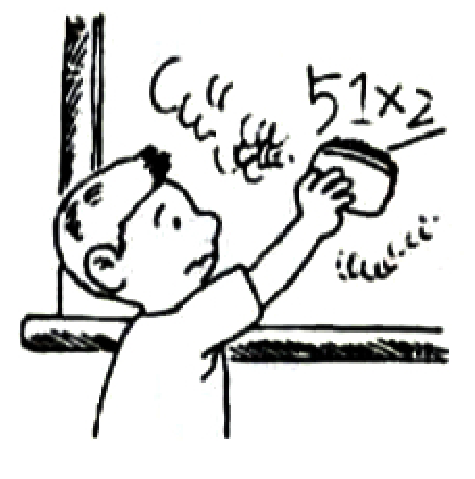
8
Tell the boys .
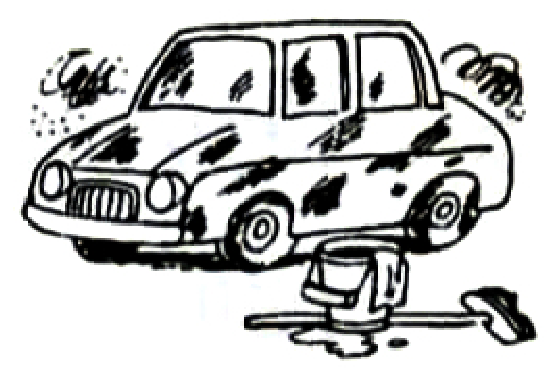
9
Tell the children .
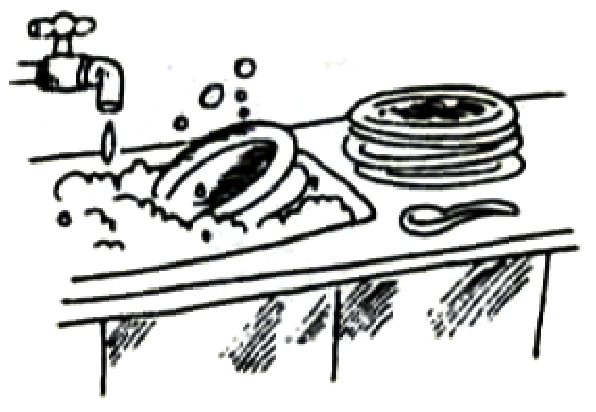
10
Tell Jack .
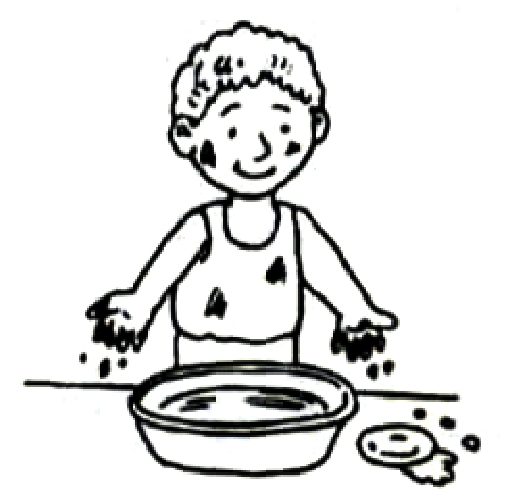
Page 47
1
(a) When a noun can be counted, we use 'many' with the plural noun.
Examples:
There are many apples in the basket.
Many students walk to school.
This library has many books.
2
(b) Nouns that cannot be counted have no plural forms.
Examples:
Rice is eaten by most people in Asia.
Too much sugar is bad for our teeth.
The oil is stored in a bottle.
3
(c) For nouns that cannot be counted, we use 'much' when we speak of their quantity.
Examples:
Much of the rice we eat is grown in Thailand.
There is too much sugar in this coffee.
Too much oil is used to cook the fish.
Page 48
Fill in each blank with 'many' or 'much'.
many
much
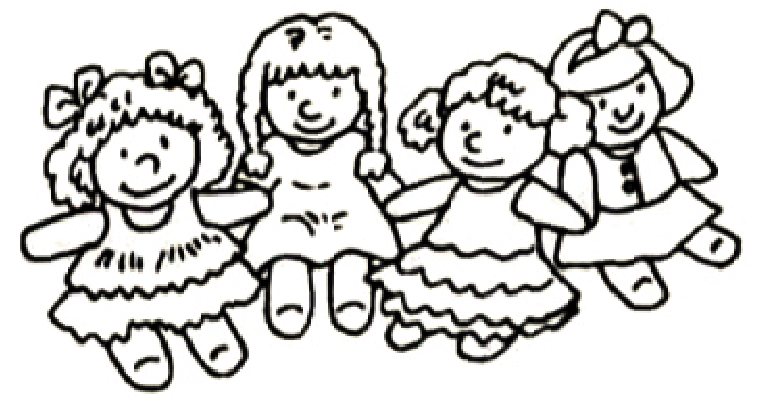
1
Mary collects dolls from different parts of the world.
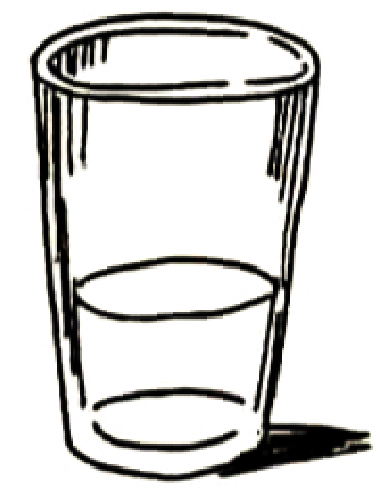
2
There isn't milk left in the glass.
3
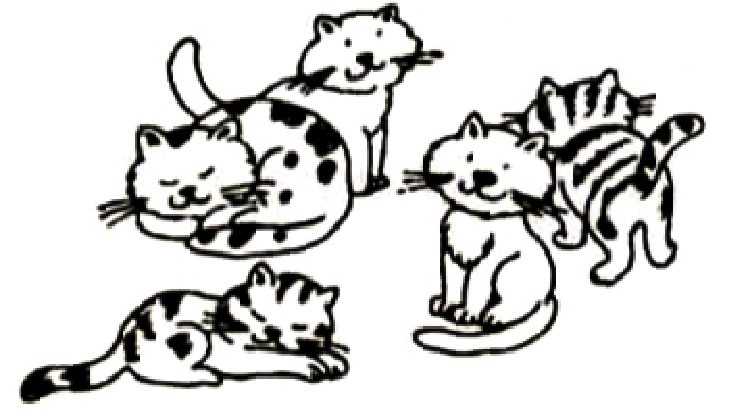
How kittens are there in the pet shop?
4
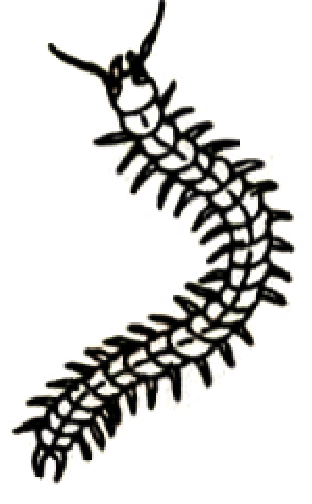
A centipede has legs.
5
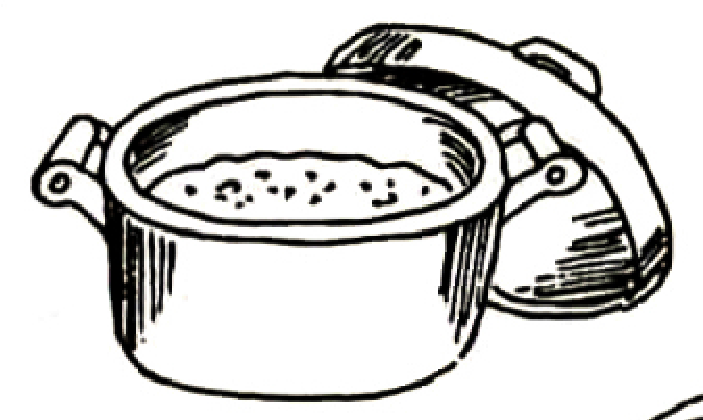
There isn't rice in the pot.
6
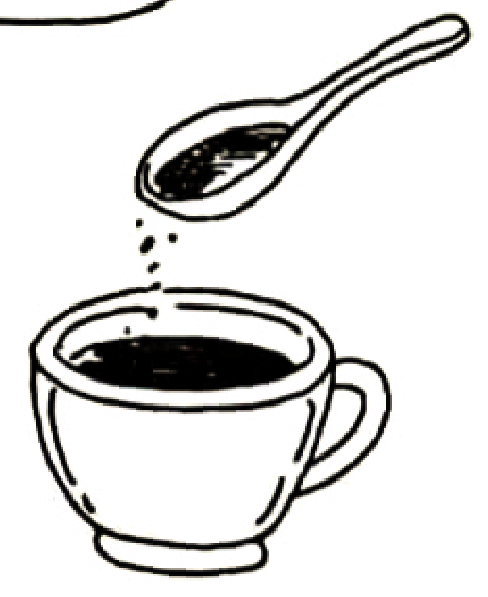
Please do not put too sugar in my tea.
7
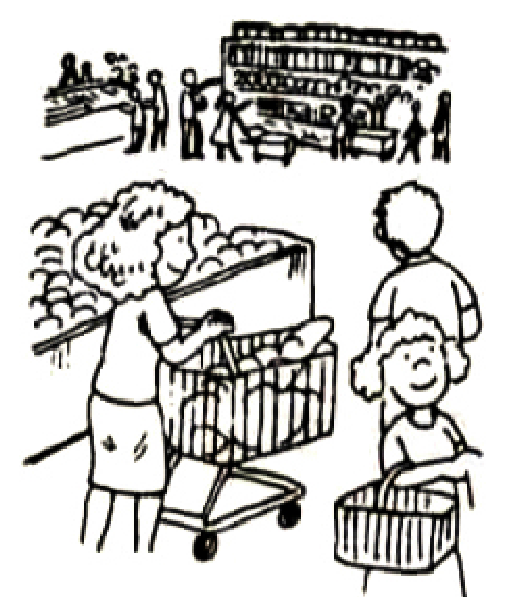
Today is Sunday. There are people at the supermarket.
8
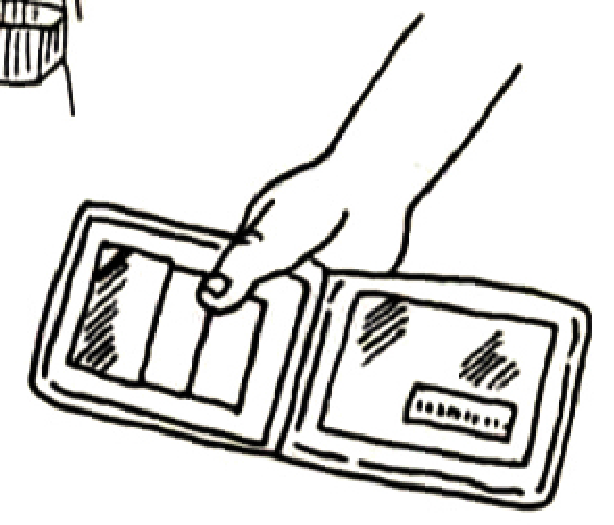
There isn't money in the wallet.
9
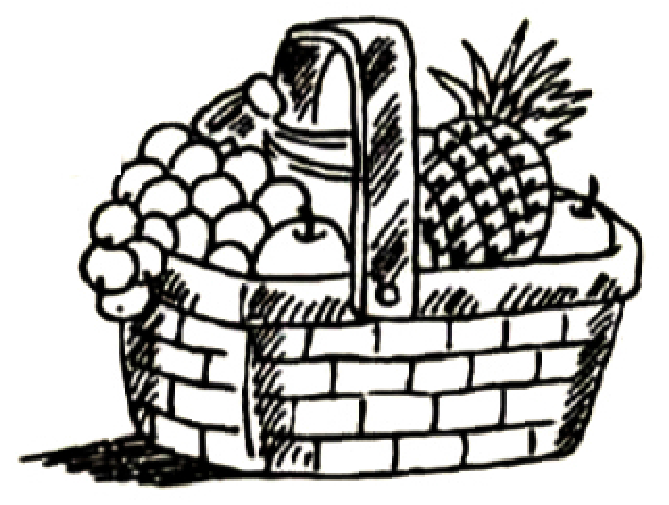
The basket contains different types of fruit.
10
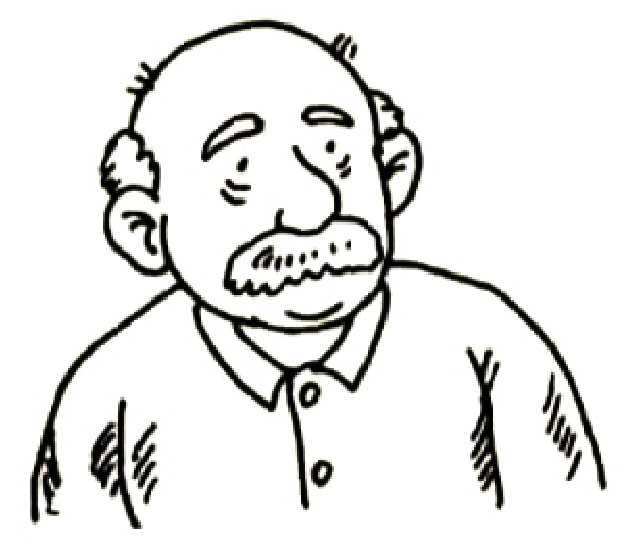
The old man does not have hair on his head.
Page 49
Underline the correct answers.
1
There isn't ( many , much ) water in a desert.
2
There are ( many , much ) books in the library.
3
( Many , Much ) students in my class enjoyed the trip to the orchid farm.
4
The librarian told the children not to make too ( many , much ) noise.
5
There isn't ( many , much ) furniture in this house.
6
How ( many , much ) meat did she buy at the market?
7
How ( many , much ) meals do you eat in a day?
8
Paul has ( many , much ) friends in school.
9
( Many , Much ) people jog in the park in the evening.
10
Do not put too ( many , much ) salt in the soup.
Page 50
Fill in each blank with 'many' or 'much'.
many
much
1
How money do you have?
2
There are animals in the zoo.
3
How sacks of rice are there in the storeroom?
4
The waiter was carrying a tray with glasses of lemonade.
5
Please hurry up! We do not have time left.
6
This book has short stories in it.
7
She had a stomachache after eating too food.
8
How water did you pour into the bottle?
9
This company employs programmers.
10
How oil should I pour into the pan?
Page 51
Look at each picture. Choose the correct answer and write its letter in the brackets.
(a) When we do something, we may do it for a purpose.
Examples:
I go to school to learn.
I save some money to buy Mother a gift.
I stayed in school to use the computer.
(b) When we use 'to' with a verb, the verb always remains in its base form.
Examples:
They go to the library to borrow some books.
Mother goes to the market to buy some fruit.
Jason bent down to pull up his socks.
Tim went to the stadium to watch the football match.
1
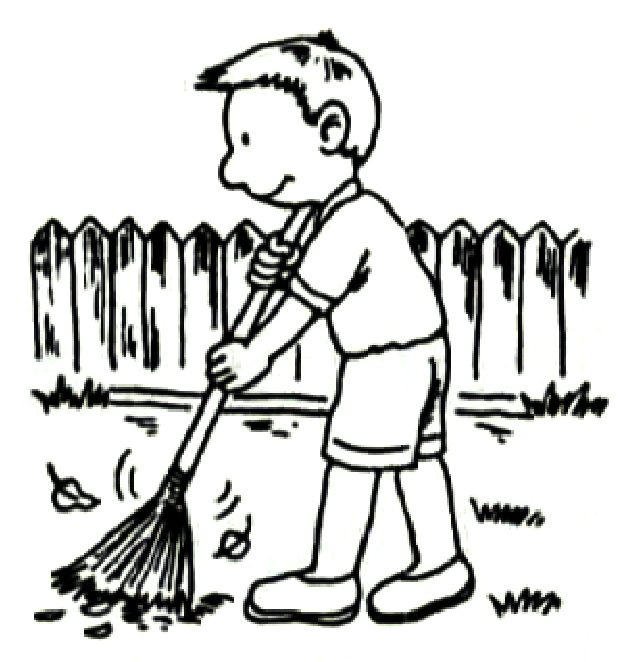
Peter uses a broom to the school's backyard.
Page 52
2
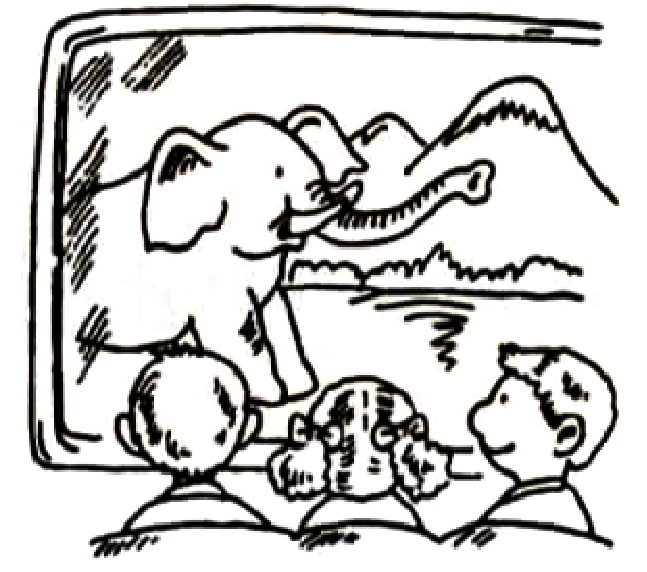
I went to the cinema to a movie.
3
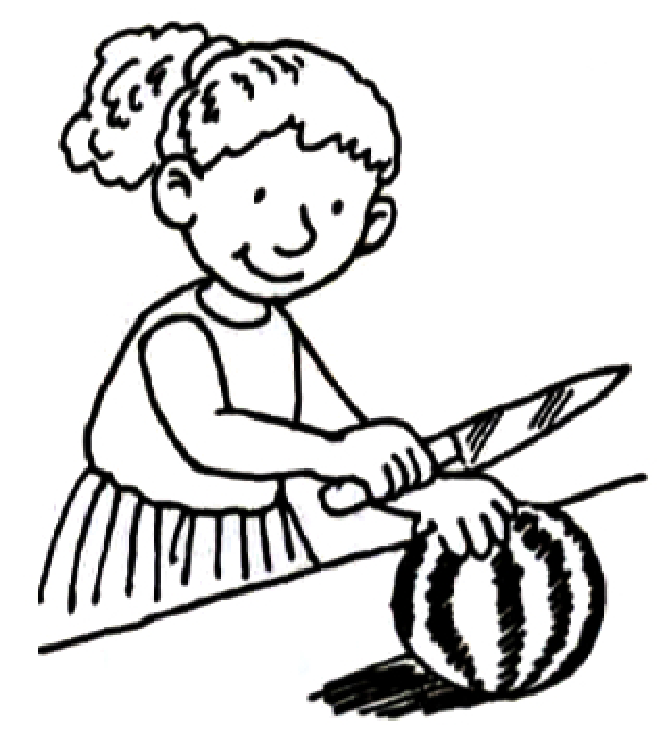
Sharon used a knife to the watermelon.
4
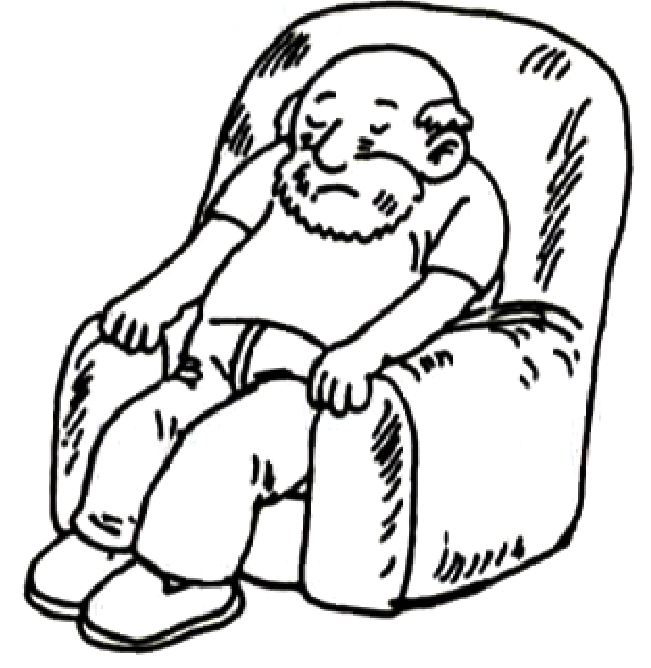
My grandfather sat in the armchair to a nap.
5
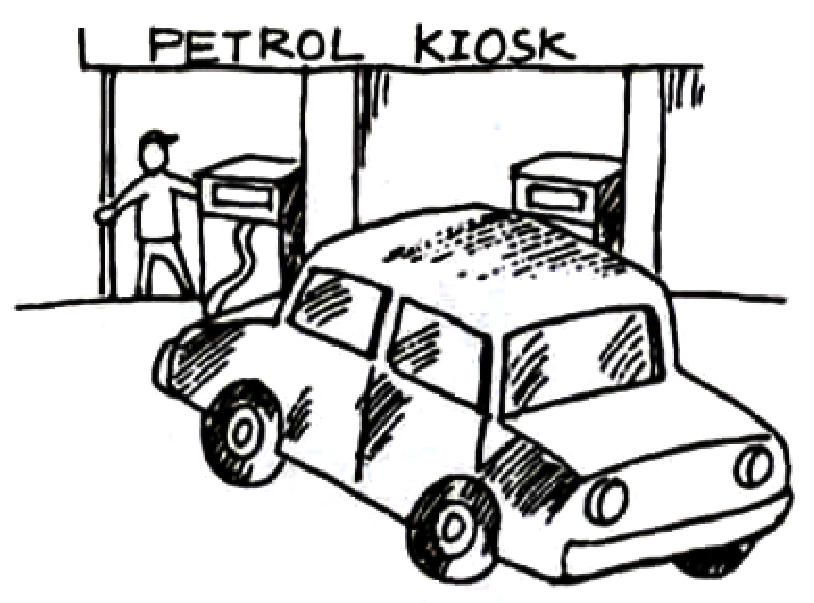
My father drove to the petrol kiosk to up his petrol tank.
6
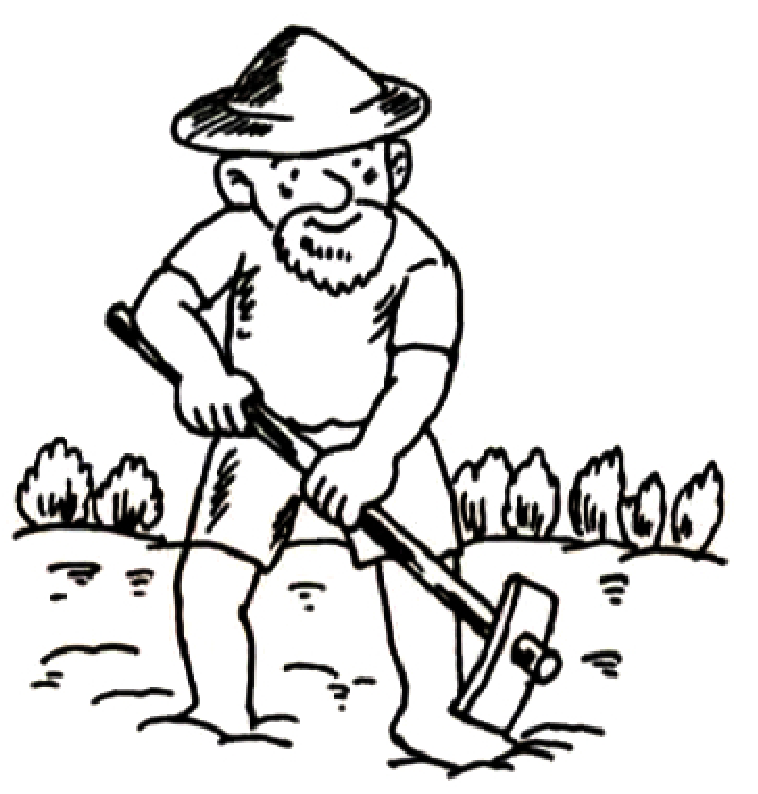
The farmer uses a hoe to the soil.
7
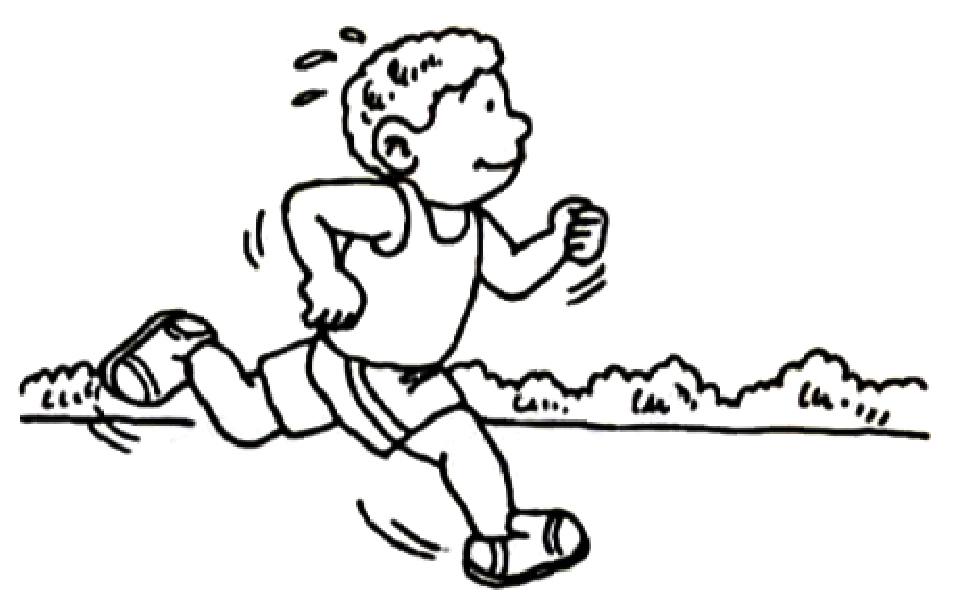
Melvin jogs every day to fit.
8
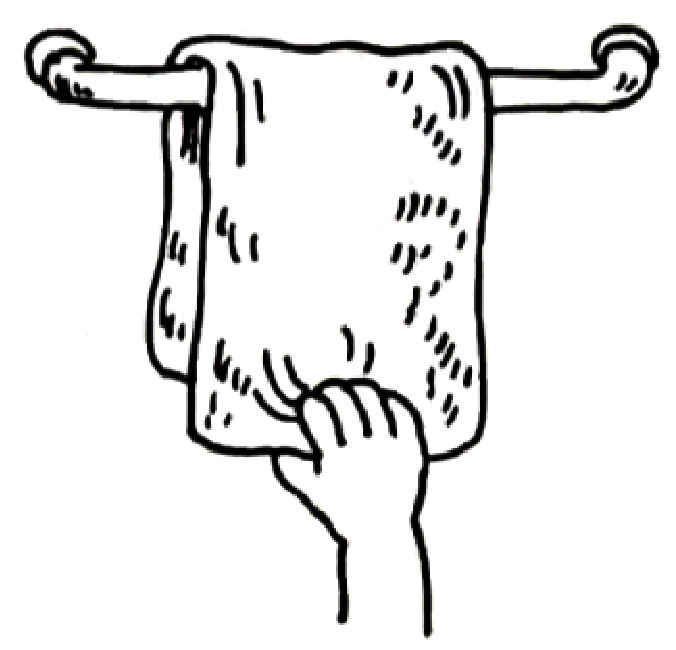
Thomas used a towel to his face.
Page 53
Underline the correct answers.
1
Peter switched on the television to ( watch , watches , watched ) the news.
2
Mrs Wilson went to the market to ( buys , buy , bought ) some meat.
3
The hunters set a trap to ( caught , catches , catch ) the tiger.
4
They went to a restaurant to ( have , had , having ) their dinner.
5
My friends came to the hospital to ( visited , visit , visits ) me.
6
We go to school to ( learn , learnt , learning ).
7
The teacher told the mischievous boy to ( behaves, behave, behaved ) himself.
8
The workers stopped their work to ( take , took , taken ) a rest.
9
My father took out some money to ( paid , pays , pay ) for the food.
10
We need more time to ( finishing , finished , finish ) the project.
Page 54
Complete each sentence with the help of the phrases in the box. Use each phrase only once.
to do some research for his project
to borrow some books
to wash her clothes
to make a fire
to withdraw some money
to chop up the old planks
to buy some provisions
to send a parcel
to keep them clean
to promote the National Recycling Program
1
Mr Baker went to the supermarket .
2
The campers are collecting wood .
3
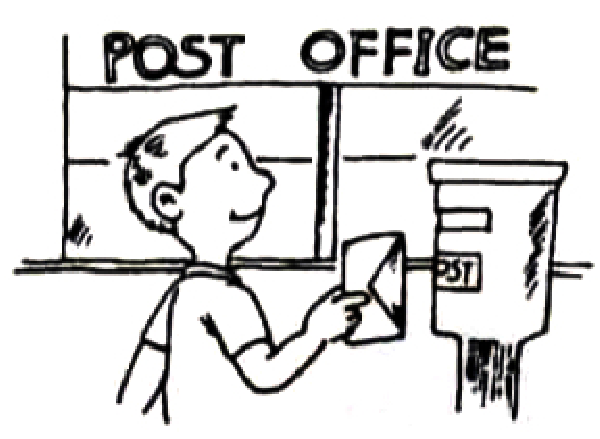
Lily is going to the post office .
4
Tom wrapped his books in plastic .
5
Miss Richards uses a washing machine .
6
We went to the library .
7
The carpenter used an axe .
8
My father went to the bank .
9
The children collected newspapers .
10
Mr Lee brought his laptop .
Page 55
Look at each picture. Choose the correct answer and write its letter in the brackets.
The conjunction 'so' is used when we speak of something that is the result of a state, an action or a situation.
Examples
John sprained his ankle, so he could not take part in the sports meet.
Jason came late, so he missed the first part of the lesson.
1
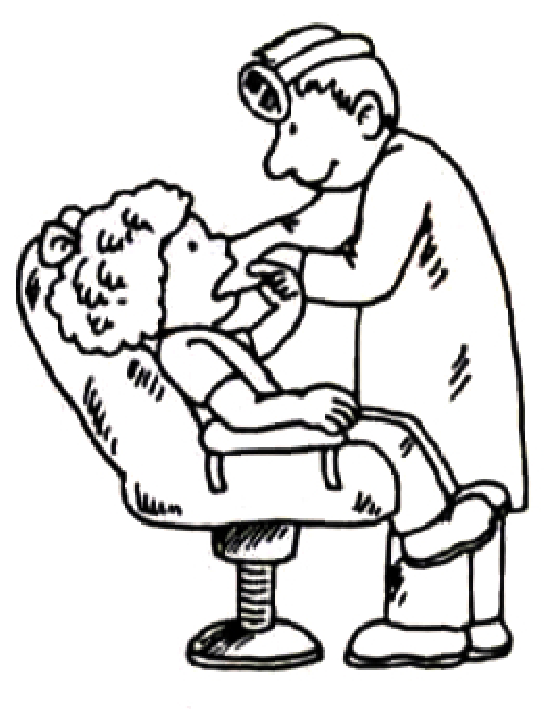
Susan has a toothache, .
2
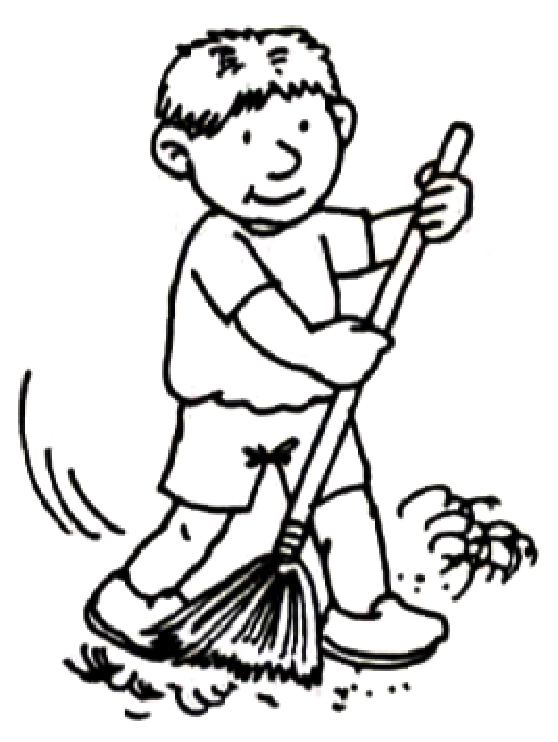
The floor was dirty, .
3
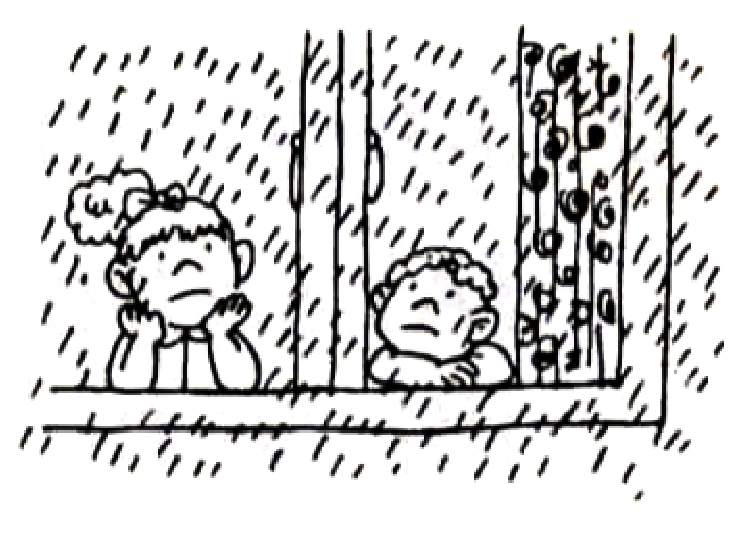
It was raining heavily, .
Page 56
4
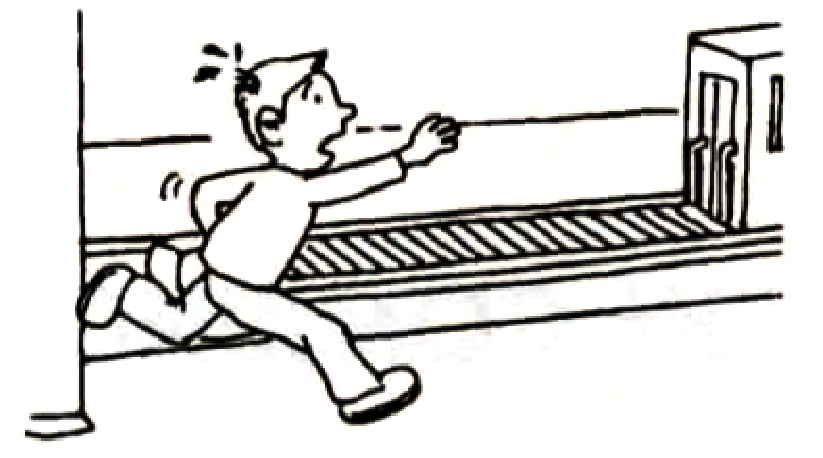
Mr Jackson arrived late at the station, .
5
It was getting dark, .
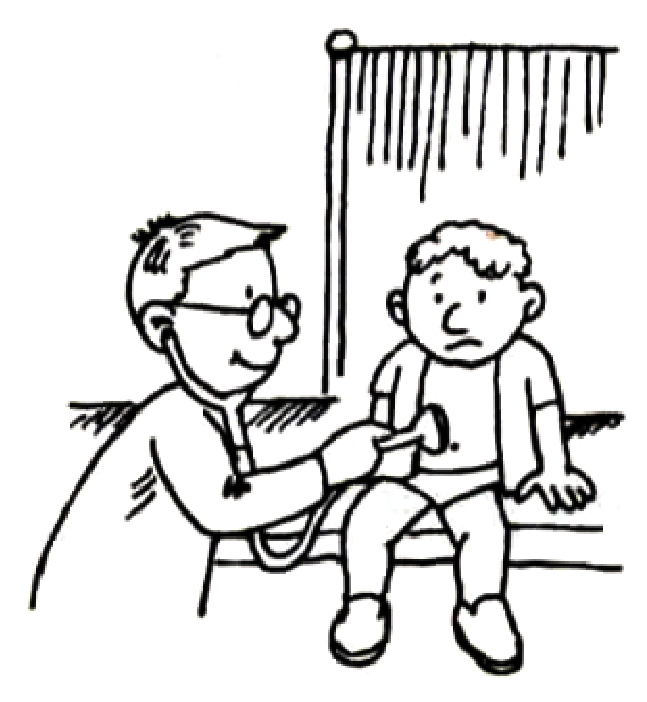
6
David was ill, .
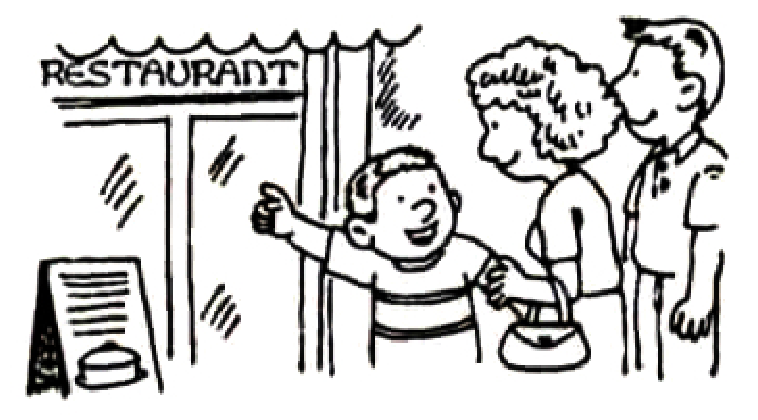
7
They were hungry, .
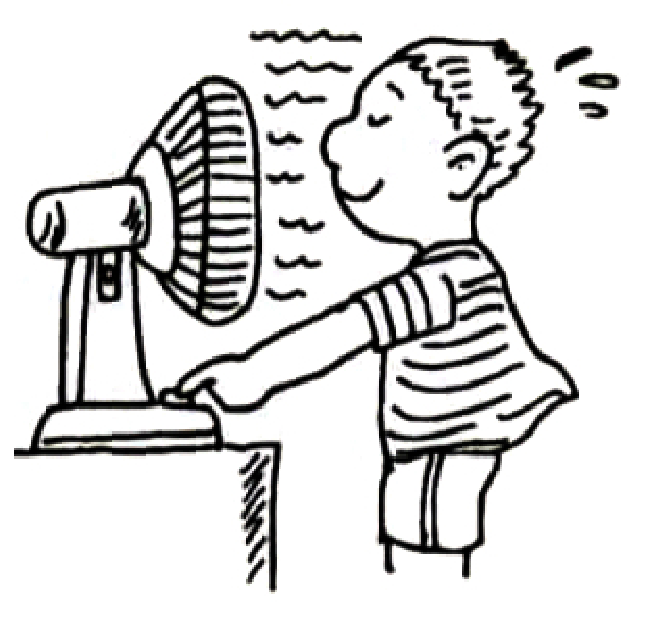
8
It was very hot, .
9
Her hands were dirty, .
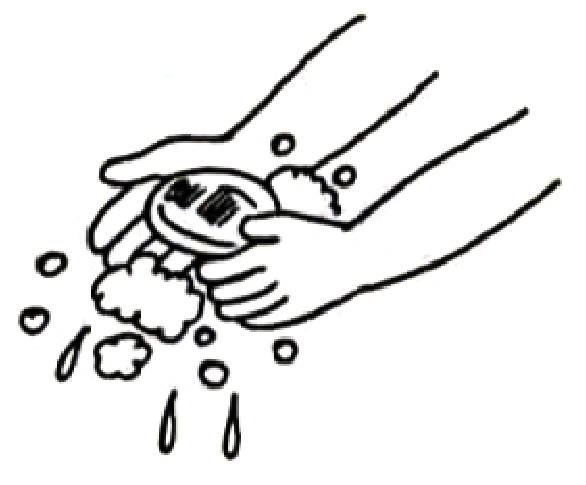
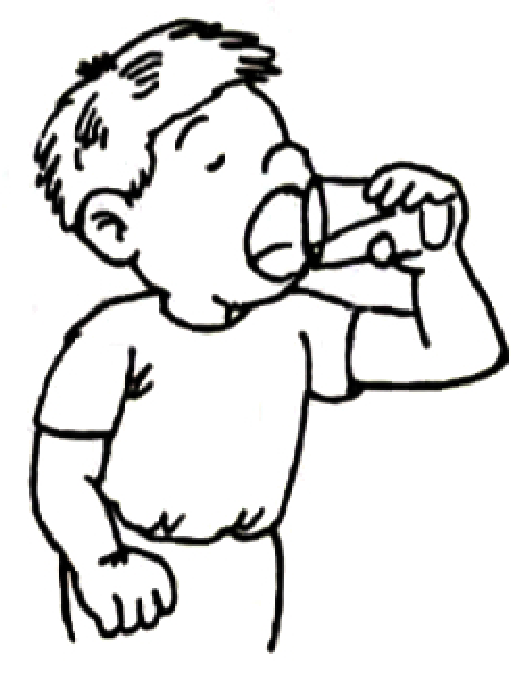
10
Jason was thirsty, .
Page 57
Complete each sentence with the help of the clauses in the box. Use each clause only once.
so I called the plumber
so I went to the post office
so he joined the army
so he bought another one
so she downloaded the app
so he went to bed early
so he took a taxi
so they took a rest
so she became a veterinary surgeon
so the lecturer raised his voice
1
The boys were tired after the long run, .
2
Mr Ambrose was late for work, .
3
Miss Lawson loved to take care of animals, .
4
The tap was leaking, .
5
Peter was very sleepy, .
6
His pen ran out of ink, .
7
John wanted to be a soldier, .
8
I wanted to send a parcel, .
9
Mrs Jacobs was told she could order her groceries online, .
10
The room was too noisy, .
Page 58
Underline the correct conjunction in the brackets.
1
Catherine wanted to see the show, ( so , but , or ) she went to the cinema to buy a ticket.
2
David had to hand in his project, ( so , but , or ) he fell sick and could not finish it on time.
3
Jason was rude to the teacher, ( so , but , or ) the teacher sent him to the principal's office.
4
You must hurry ( so , but , or ) you will miss your train.
5
It was raining heavily, ( so , but , or ) I did not have my raincoat or umbrella with me.
6
Joseph was still hungry, ( so , but , or ) he ordered another plate of rice.
7
I wanted to buy another drink, ( so , but , or ) I did not have enough money.
8
She overslept, ( so , but , or ) she was late for the excursion.
9
Would you like a cup of coffee ( so , but , or ) tea?
10
It was a major accident, ( so , but , or ) luckily, nobody was hurt.
Find suitable clauses to match the given sentences at the beginning. Go to My SAPeducation App or http://sapgrp.com.sg/online-resources/english

Page 59
Prepositions are special words we use to show the position, direction and time of nouns or pronouns.
'On' and 'in' used in the sentences below show the positions of the objects.
Examples:
I put my books on the table.
Sheela put the umbrella in the cupboard.
'Into', 'past', 'across', 'towards', 'through' and 'along' used below show directions.
Examples:
She went into the house.
They marched past the President.
The deer ran across the field.
The little boy ran towards his parents.
The stray cat came in through the kitchen window.
I was walking along the corridor when I heard my neighbour call me.
'In' and 'on' used below show time.
Examples:
Mother's Day is in the month of May.
I went to the library on Saturday.
Page 60
Look at the picture. Underline the correct answers.
1
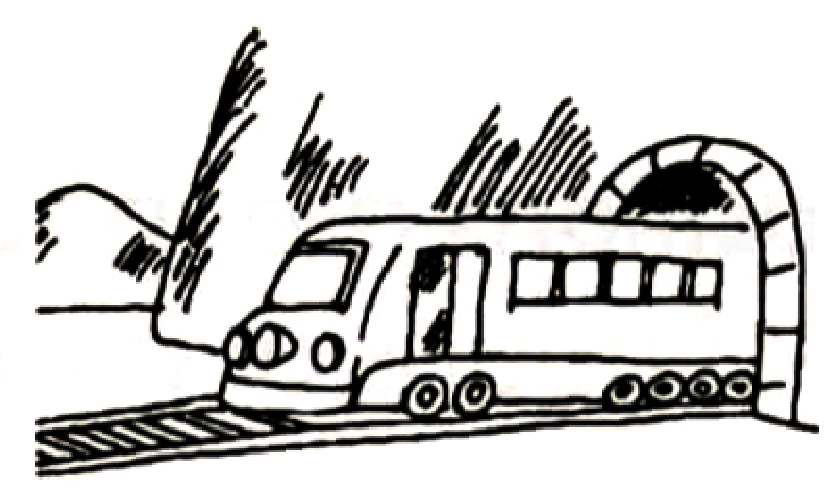
The train went ( through , along ) the dark tunnel at a slow speed.
2
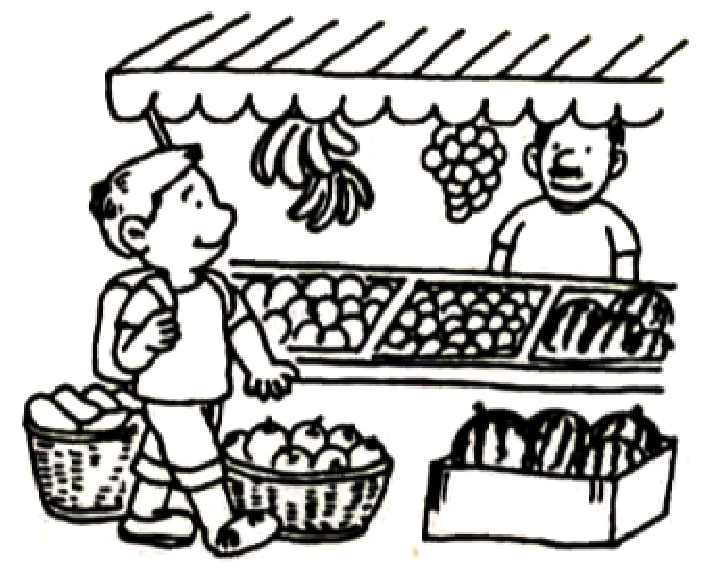
I walk ( into , past ) the fruit stall on my way to school every morning.
3
The tiger fell ( across , into ) the pit as it ran after a deer.
4
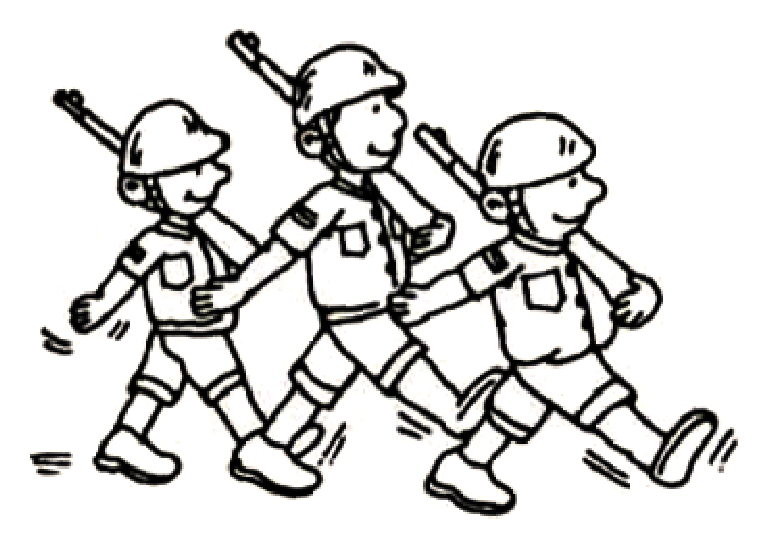
The soldiers marched ( into , on ) the road in a neat and orderly manner.
5
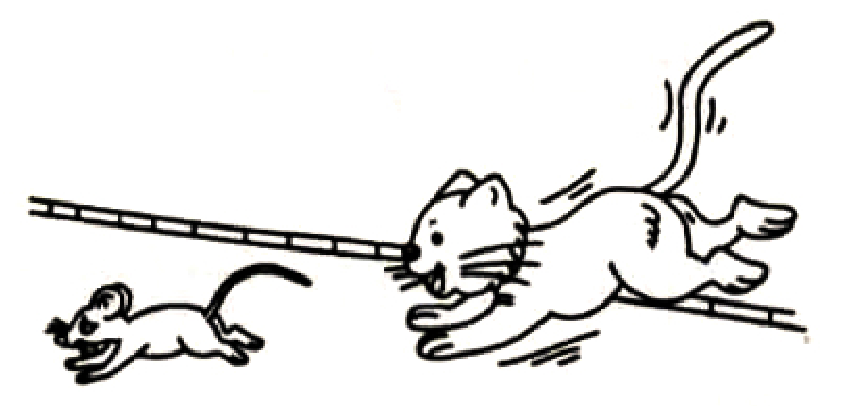
The cat ran ( across , into ) the road in excitement when it saw a rat.
6
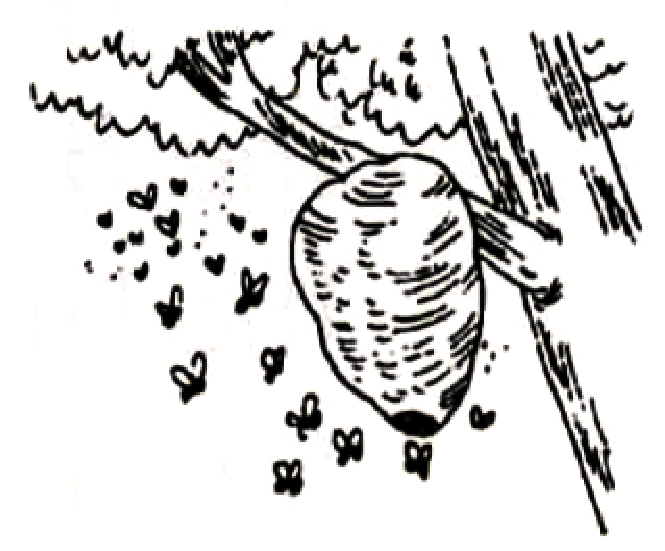
The bees are flying ( towards , along ) their hive.
7
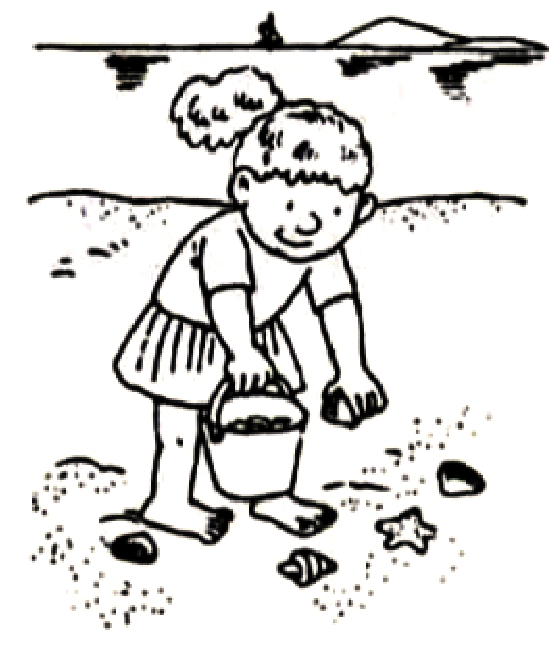
Mary is picking shells ( past , on ) the beach.
8
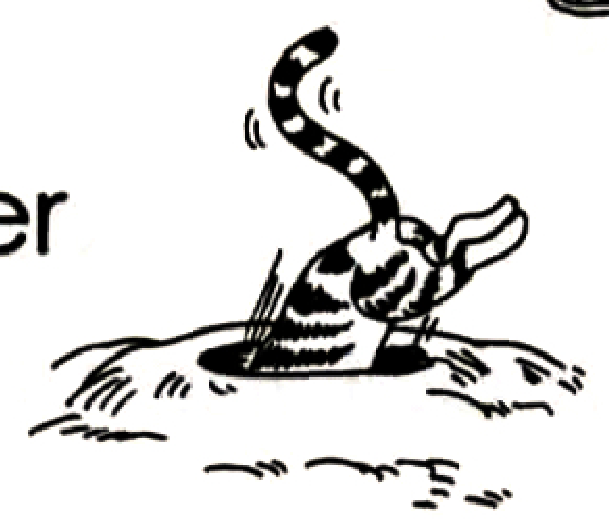
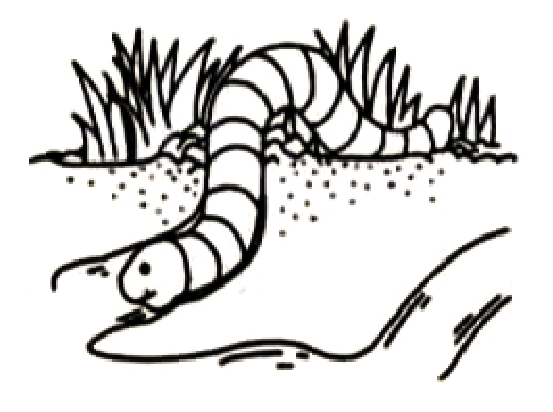
The worm crawled ( across , into ) its hole.
9
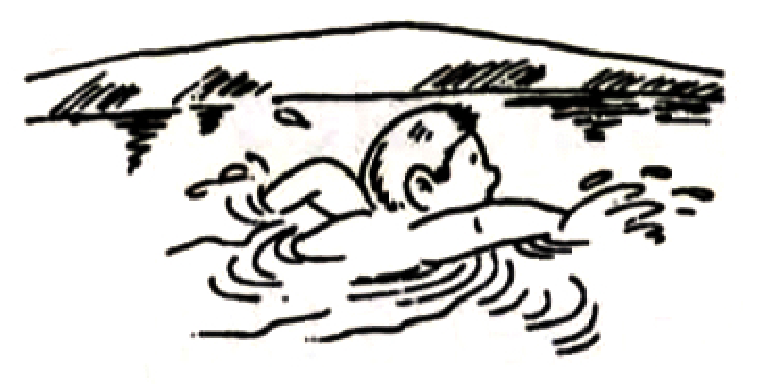
The strong man swam ( across , towards ) the river.
10
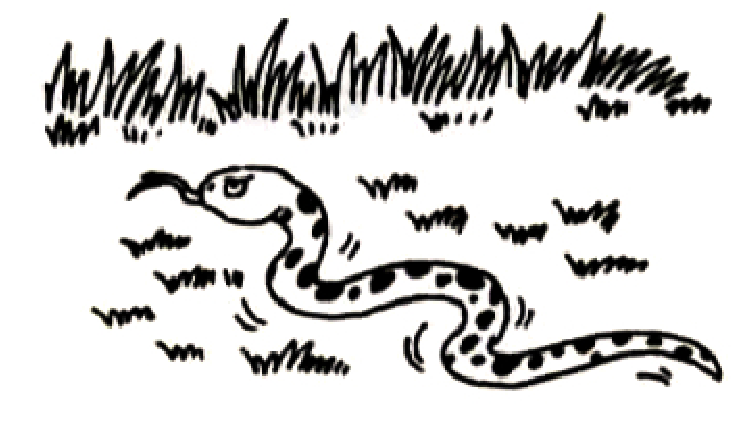
The snake is slithering ( towards , past ) the tall grass.
Page 61
Underline the correct answers.
1
The tourist walked ( towards , into , along ) us and asked for directions to the shopping centre.
2
John ran up to the elderly woman and helped her to walk ( through , in , across ) the road.
3
The driver got ( past , into , through ) his car and drove away quickly after he hung up the phone.
4
We were walking ( along , through , into ) the pavement when we heard a noise behind the bushes.
5
The workers put a barrier ( through , towards , across ) the doorway to prevent people from touching the wet paint.
6
The burglar was hiding behind the trees when the patrol car drove ( past , into , across ) the house.
7
We heard laughter when we cycled ( along , across , past ) our neighbour's house.
8
Sam has trained the dolphin to jump ( towards , through , along ) hoops.
Page 62
Fill in each blank with the help of the words in the box.
through
along
across
towards
into
past
1
Please wind up the window. The rain is getting the car.
2
The flock of birds flew the sky swiftly.
3
There are interesting shops this street.
4
The pigeons flew away when I ran them.
5
On our way to the countryside, we drove many rubber plantations.
6
The burglar climbed into the house the window.
7
He is putting the books back his bag.
8
Jenny ran her father when he appeared at the door.
9
The security guard looked the hall and saw an unfamiliar face in the crowd.
10
The lifeguard jumped the pool to save the drowning boy.
Page 63
Look at the pictures. Underline the correct answers.
When two items have the same quality, we compare them by using the connective 'as + ... + as', placing an adjective between them.
Examples
This ball is as big as that balloon.
She is as intelligent as her brother.
The boy in the blue shirt is as tall as the one in the yellow shirt.
Mrs Johnson is as patient as Mrs Varden.
Mr Jones is as strict as the principal.
1
Jack is almost as ( tall , long ) as his brother.
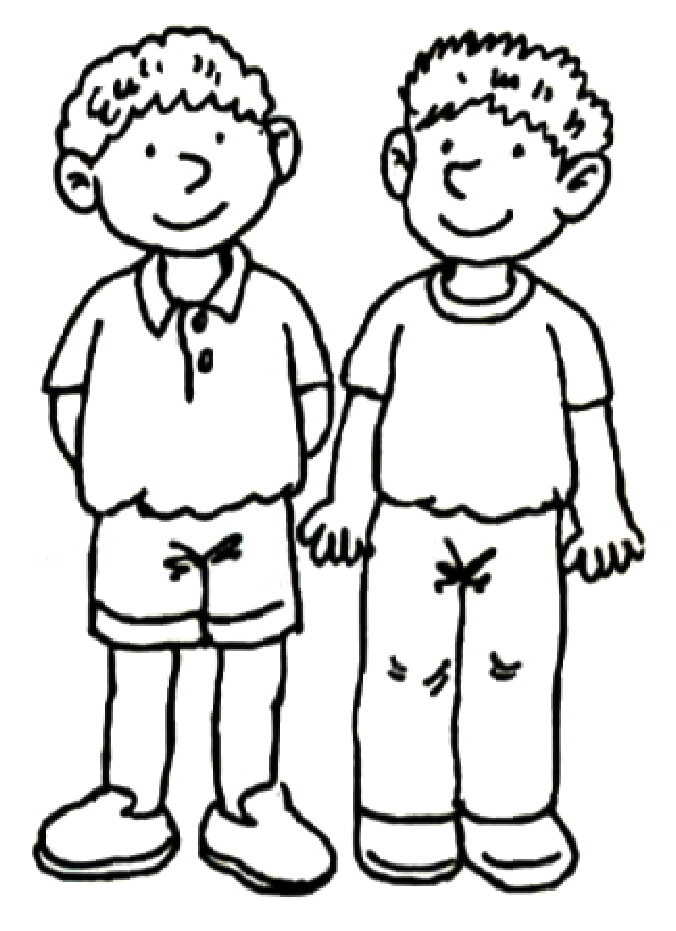
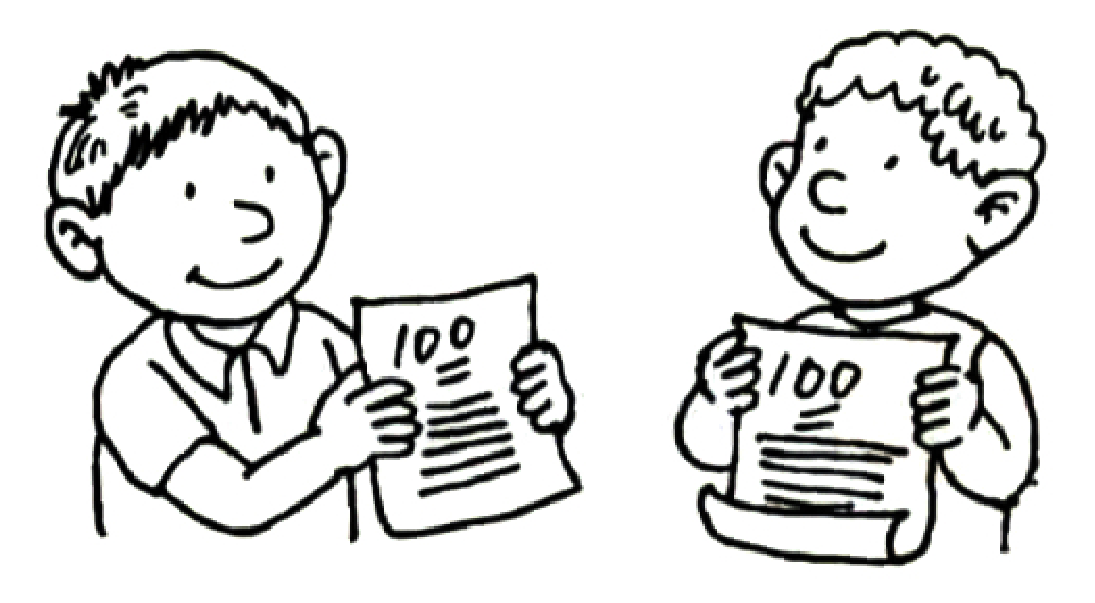
2
Peter is as ( lazy , diligent ) as Jason.
Page 63
Look at the pictures. Underline the correct answers.
When two items have the same quality, we compare them by using the connective 'as + ... + as', placing an adjective between them.
Examples:
This ball is as big as that balloon.
She is as intelligent as her brother.
The boy in the blue shirt is as tall as the one in the yellow shirt.
Mrs Johnson is as patient as Mrs Varden.
Mr Jones is as strict as the principal.
1
Jack is almost as ( tall , long ) as his brother.
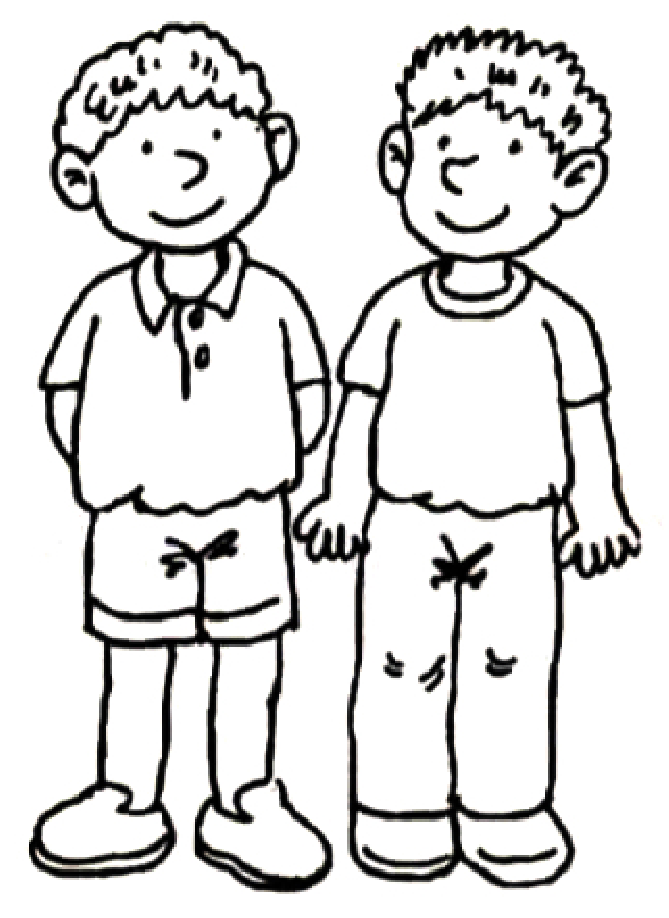
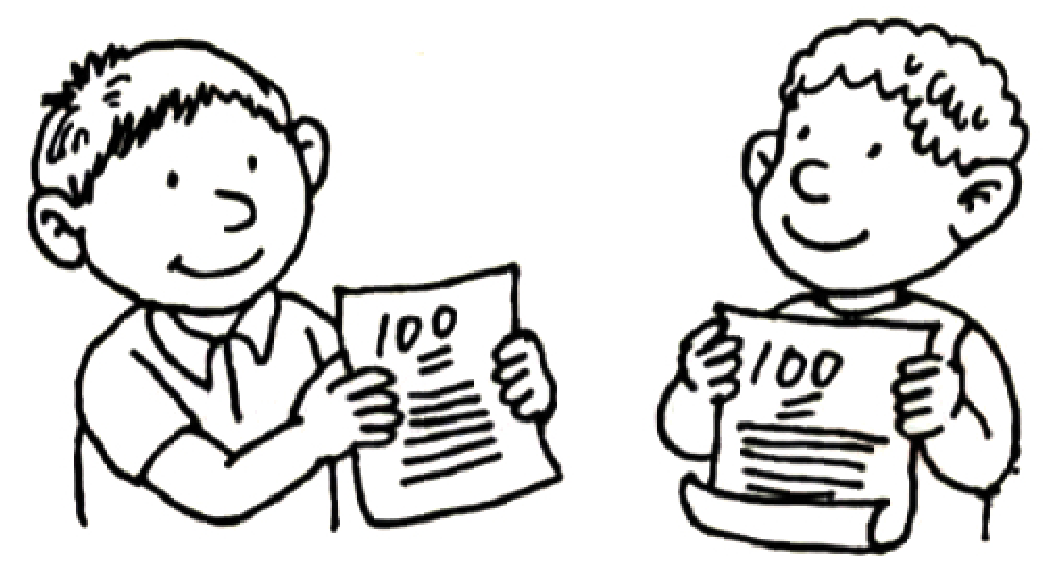
2
Peter is as ( lazy , diligent ) as Jason.
Page 64
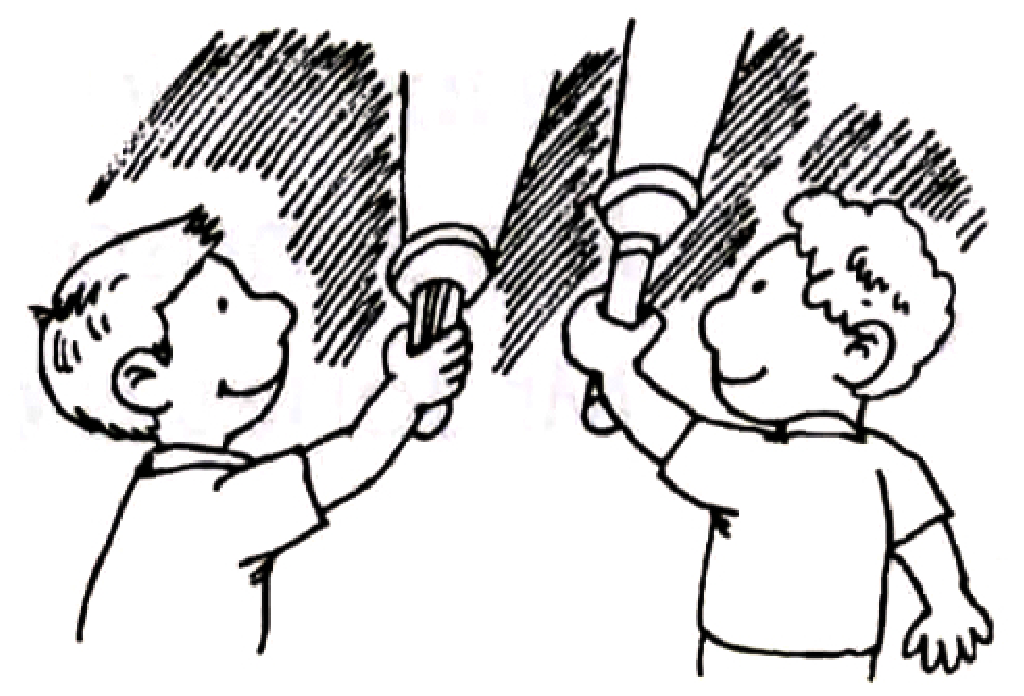
3
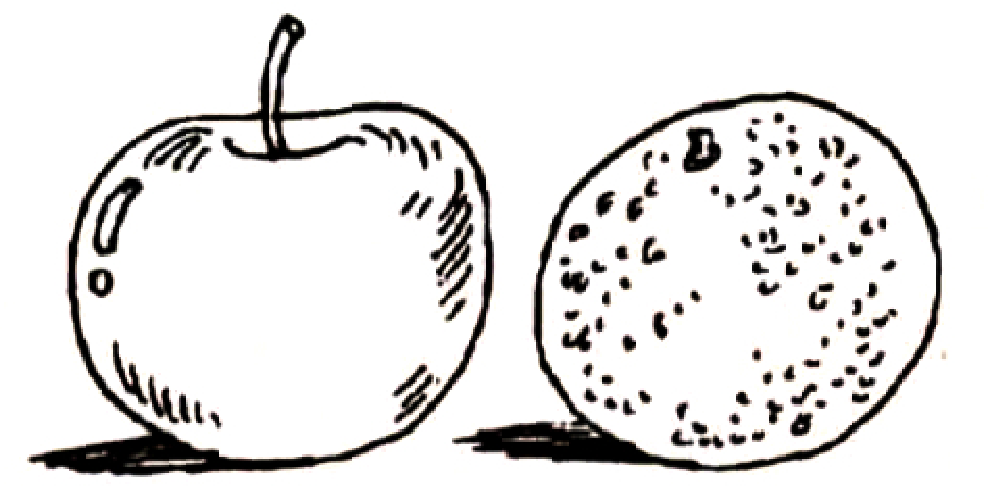
The apple is as ( long , big ) as the orange.
4
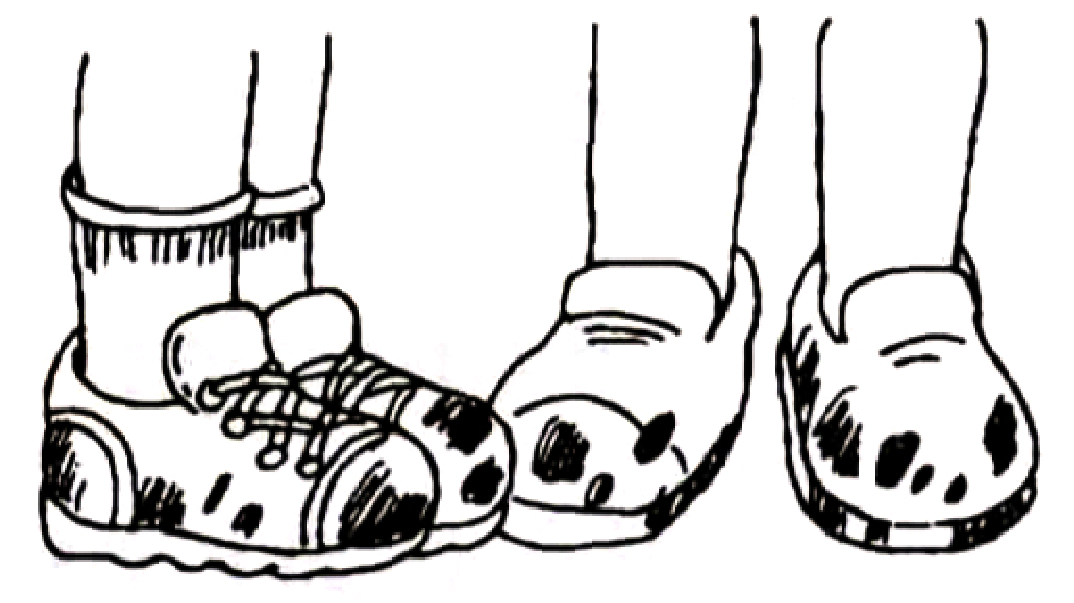
John's shoes are as ( dirty , clean ) as Mark's.
5
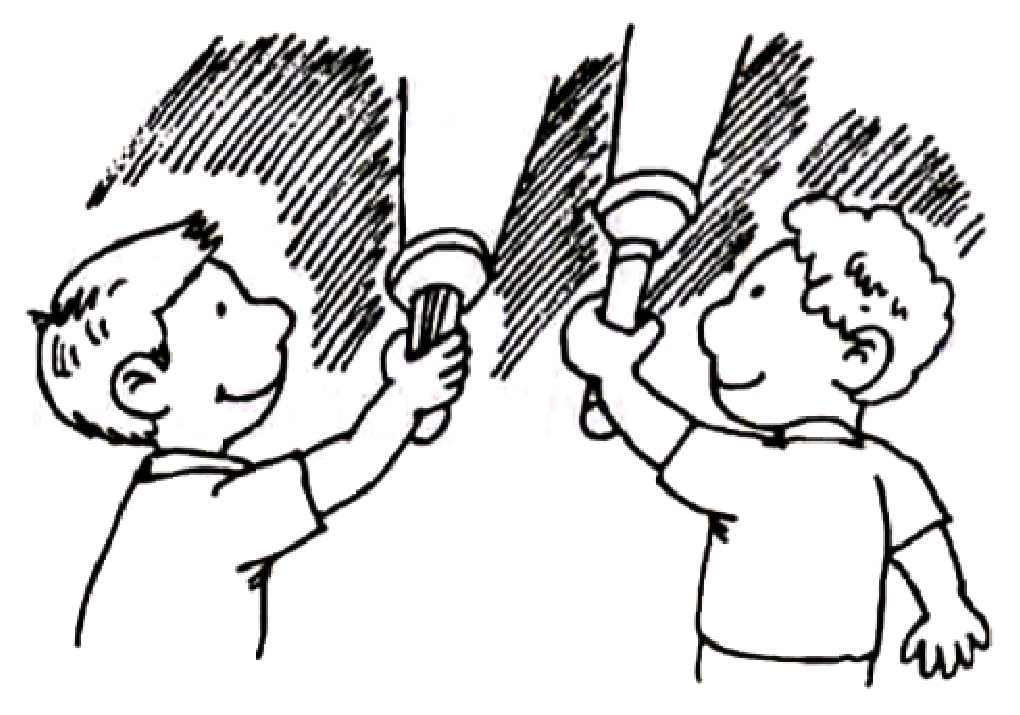
Your torch is as ( dark , bright ) as mine.
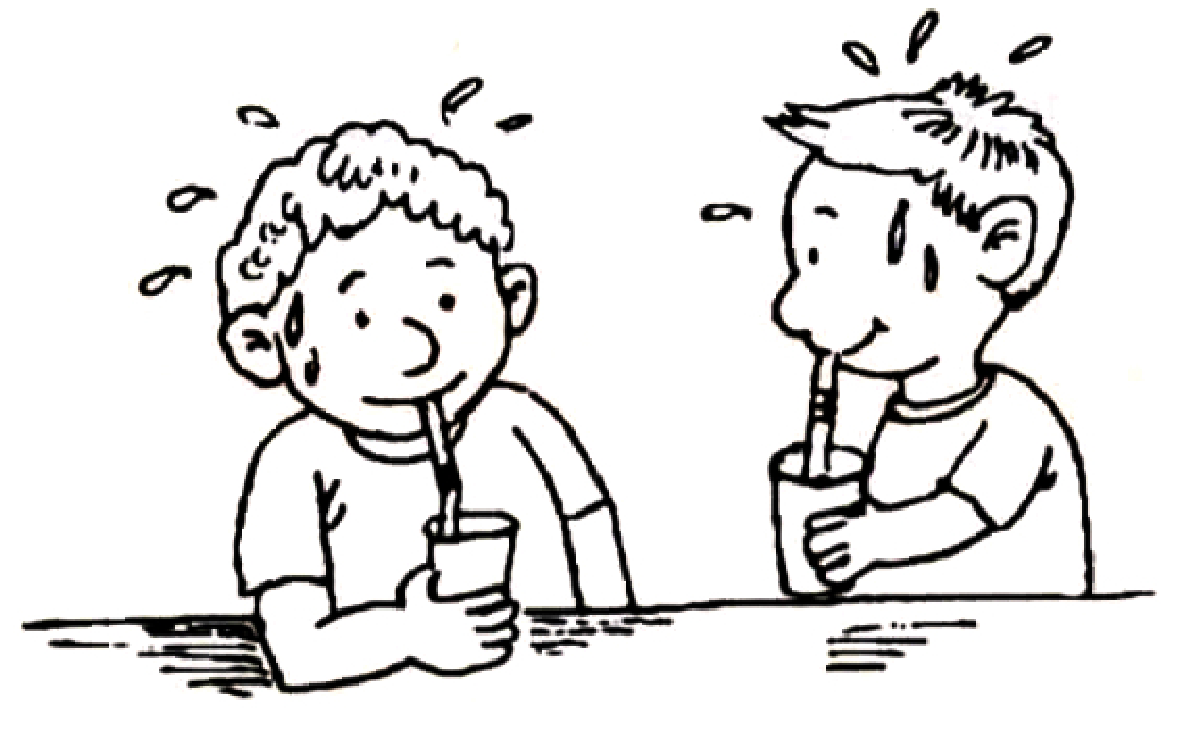
6
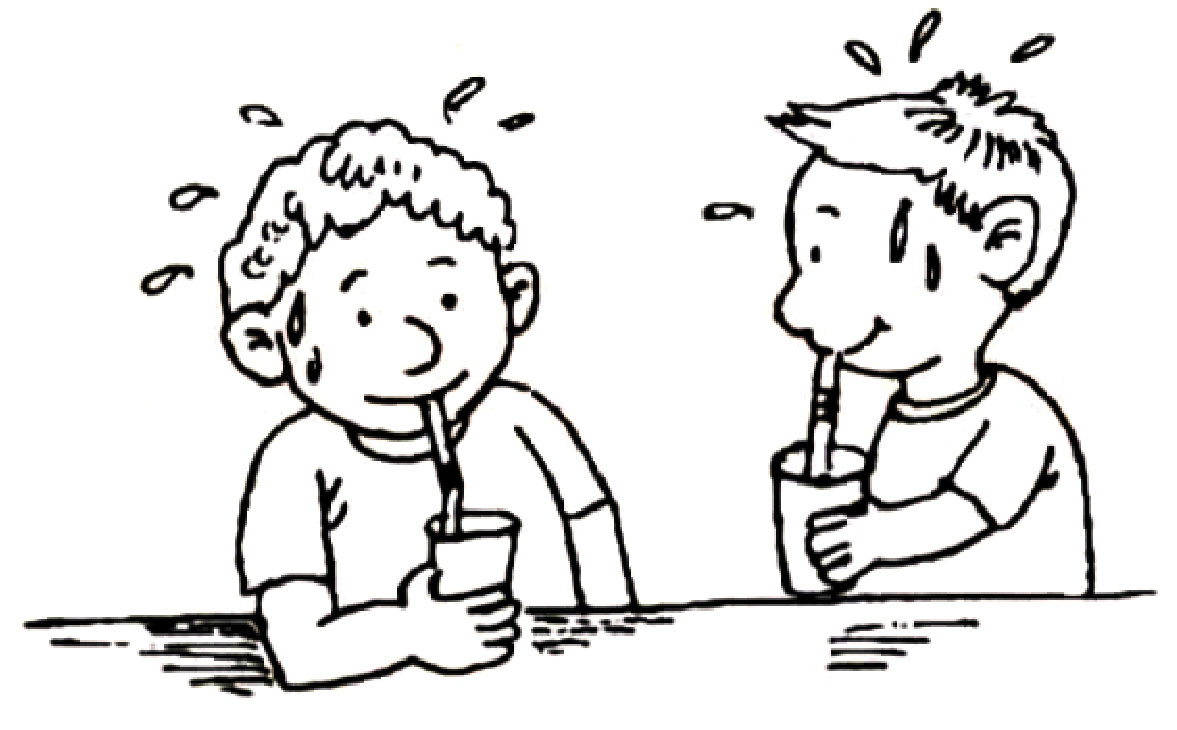
Tim is as ( thirsty , hungry ) as David.
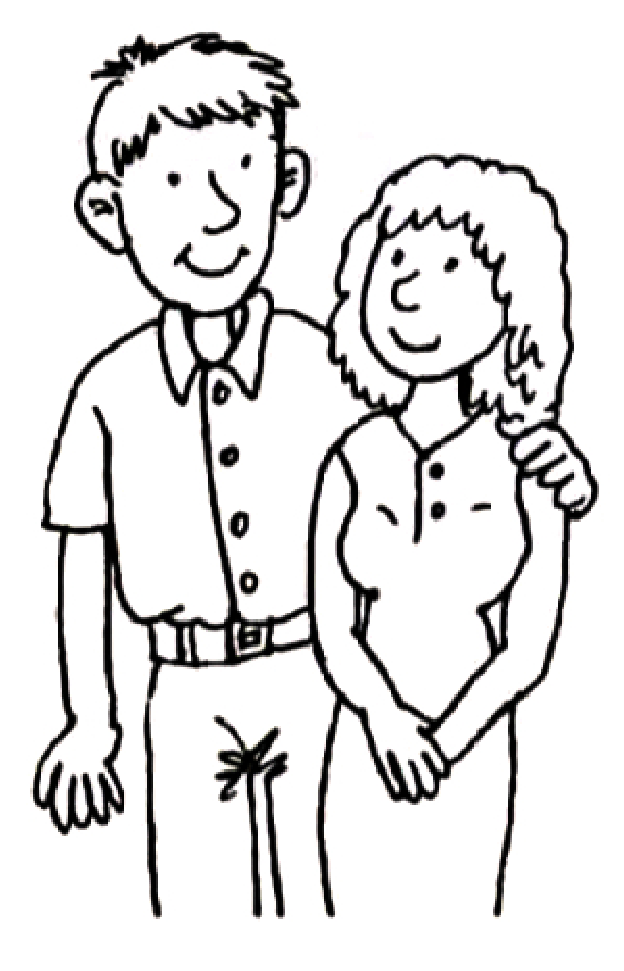
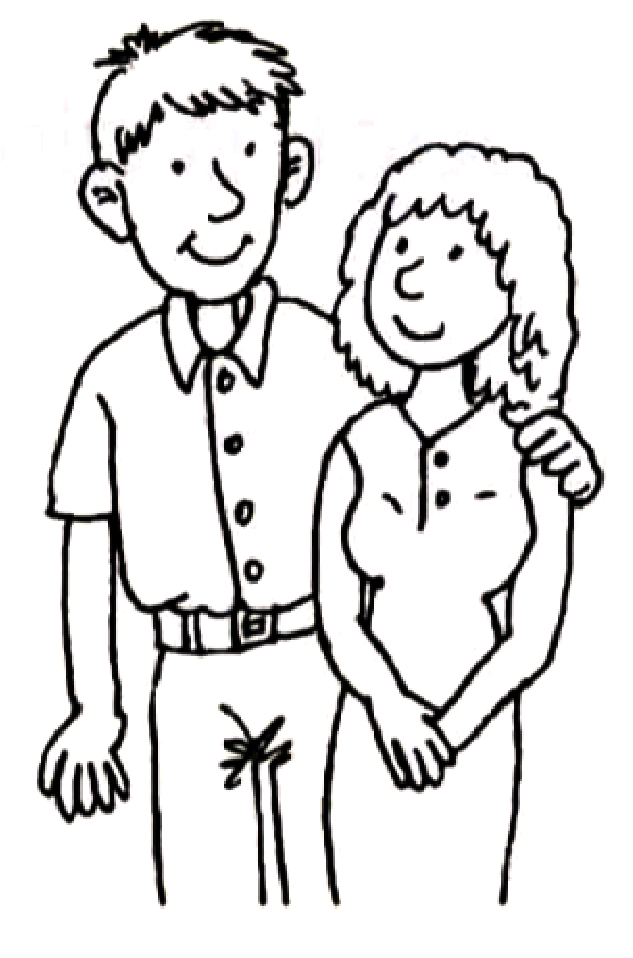
7
Mr Lewis is as ( narrow , slim ) as his wife.
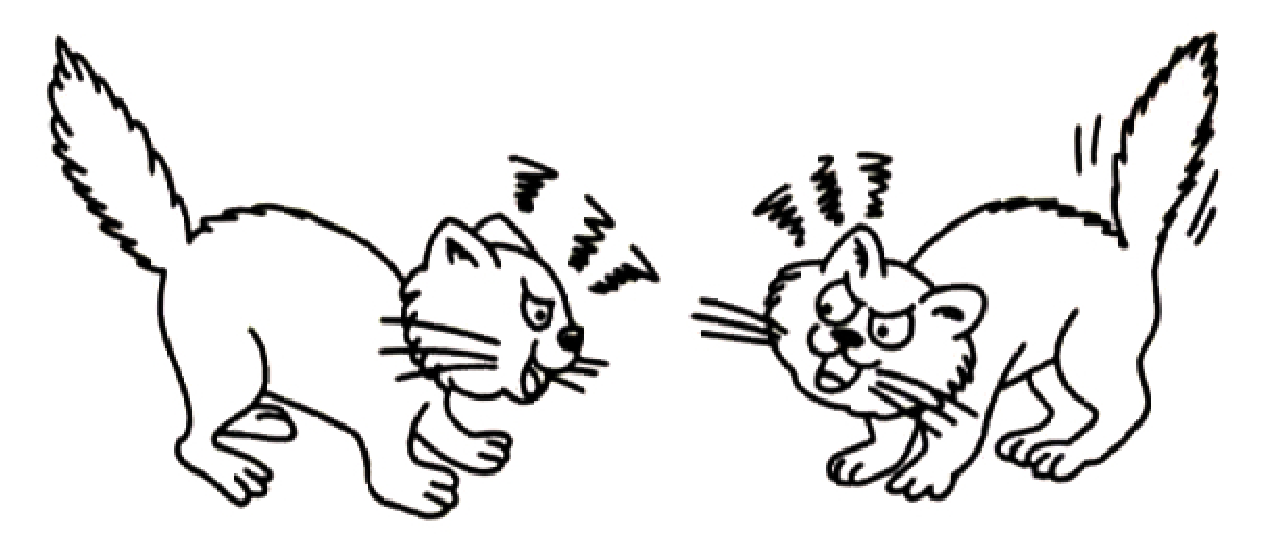
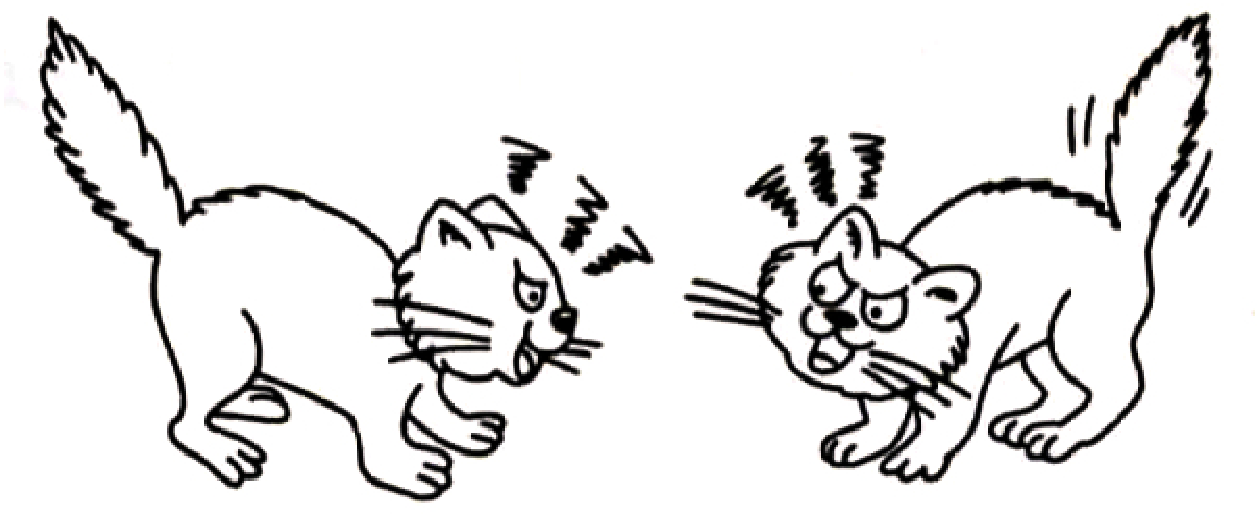
8
My cat is as ( fierce , friendly ) as your cat.
Page 64
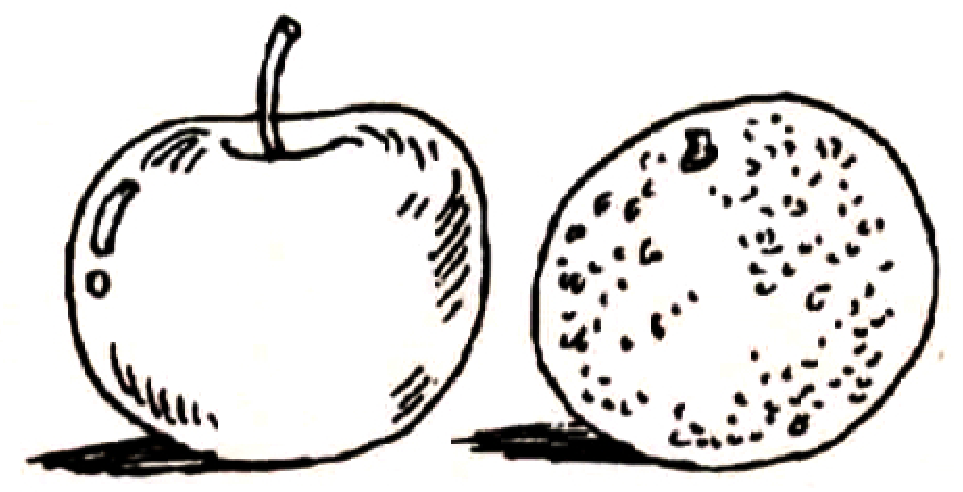
3
The apple is as ( long , big ) as the orange.
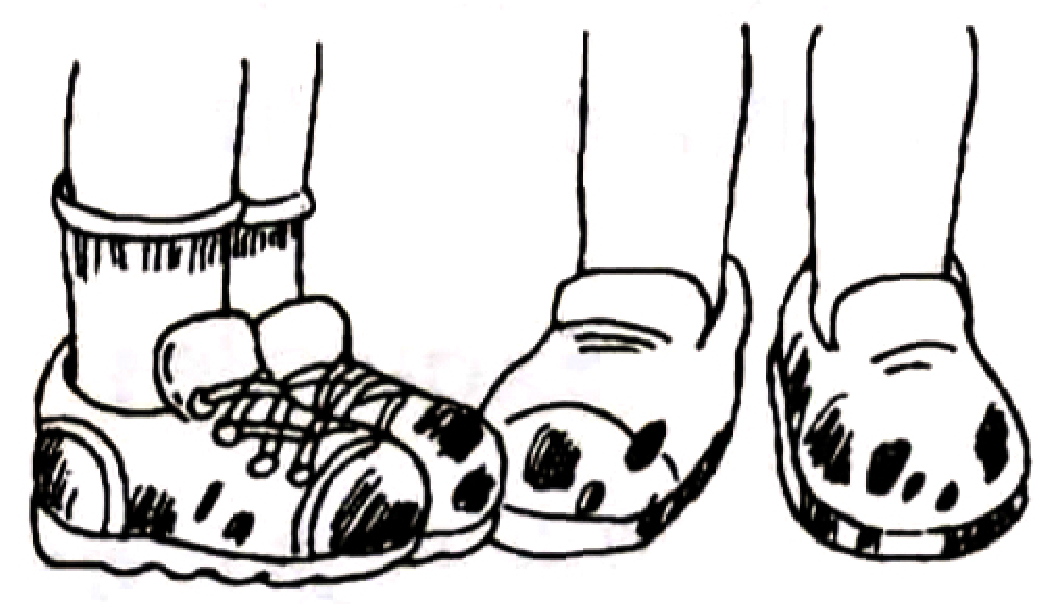
4
John's shoes are as ( dirty , clean ) as Mark's.
5
Your torch is as ( dark , bright ) as mine.
6
Tim is as ( thirsty , hungry ) as David.
7
Mr Lewis is as ( narrow , slim ) as his wife.
8
My cat is as ( fierce , friendly ) as your cat.
Page 65
Choose the most appropriate answer and write its number in the brackets provided.
1
Jane's voice is as as Dawn's. We can hear her from the back of the hall.
2
The knife is as as a sword. It cuts through bread easily.
3
Susan is as as her sister. Both of them have a nice smile.
4
Water is as as electricity. Use it wisely.
5
The red dress is as as the blue one. I am not buying it.
6
Miss Wilkins is as as Mr Baker. They have to attend several meetings a day.
7
Although Mr Thomas is as as Mr Andrews, he is not proud and does not boast about it.
8
His hands are as as mine. We should wash them before our dinner.
Page 66
Rewrite or combine the following sentences into one using ‘as ... as’.
EXAMPLE
The papaya is sweet. The mango is sweet too.
The papaya is as sweet as the mango.
1
My pet parrot is noisy. Your pet parrot is noisy too.
2
Both the white dress and the red dress are expensive.
3
Both Susan and her sister are artistic.
4
Peter is tall. His father is tall too.
5
Mark and Jane are both of the same age.
6
Andy is angry. Rey is angry too.
7
Mr and Mrs James are very cheerful.
Page 69
Fill in each blank with 'Shall' or 'Will'.
Shall
Will
1
I switch off the lights when I leave?
2
we go home now? I am tired.
3
you go to the library with me?
4
I buy her a present for her birthday?
5
we go to the zoo this Sunday?
6
I give you a call this evening?
7
you call the doctor for me, please?
8
you do me a favour? Please return this book to Peter.
9
I do my homework now before my baby brother wakes up?
10
you pass me my bag? I have to go now.
Page 71
1
(a) Uncountable nouns are things that cannot be counted. Here are some examples.
• Liquids (water, milk, oil)
• Substances (butter, meat)
• Metals (gold, tin, silver)
• Materials (cloth, silk)
• Gases (air, vapour)
• Things made up of small particles (flour, coffee, sugar, salt, sand, dust)
2
(b) When we speak of uncountable nouns, the verb that follows must be SINGULAR.
Examples
Water is important to all living things.
Butter is spread on bread.
Gold is expensive.
Silk is a soft, cool material.
The air is fresh and cool.
Coffee is a drink that many around the world enjoy.
3
(c) When we speak of uncountable nouns, we may also use 'some' in a POSITIVE sentence.
Examples
There is some water in the cup.
I put some sugar in that pot of tea.
I brought some food to the picnic.
4
(d) When we speak of uncountable nouns, we use 'any' in a question or a NEGATIVE sentence.
Examples
There isn't any water in the cup.
I didn't put any sugar in that pot of tea.
I didn't bring any food to the picnic.
Is there any rice in the bowl?
Page 72
Fill in each blank with 'some' or 'any'.
some
any
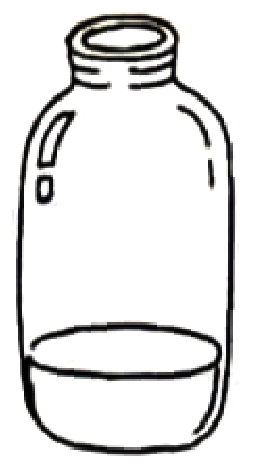
1
There is water in the bottle.
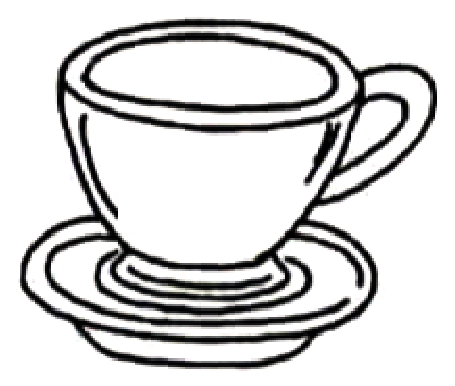
2
There isn't tea in the cup.
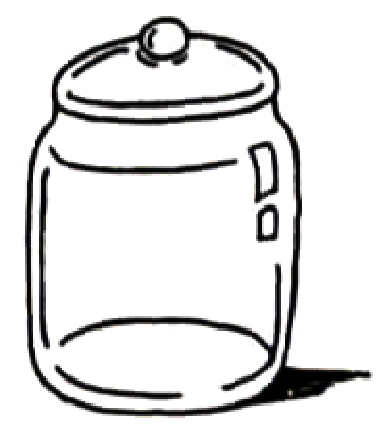
3
Is there sugar in the jar?
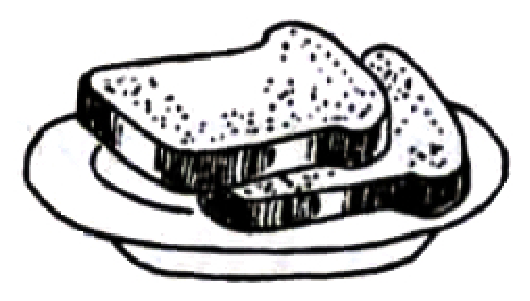
4
There is bread on the plate.
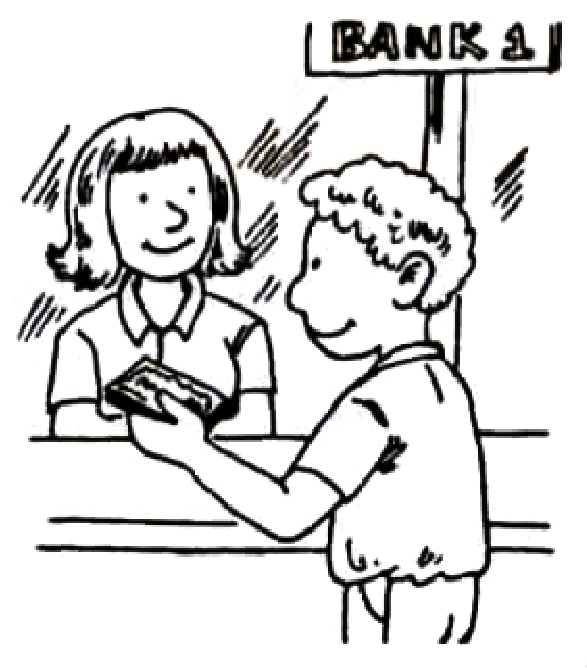
5
Mr Carlson is withdrawing money at the bank.
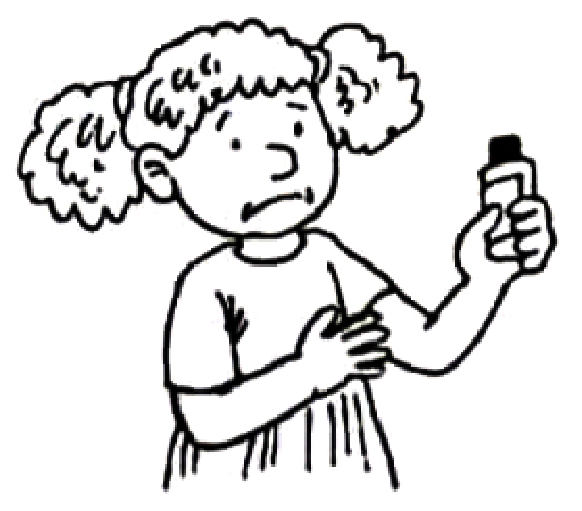
6
Sharon is taking medicine for her cough.
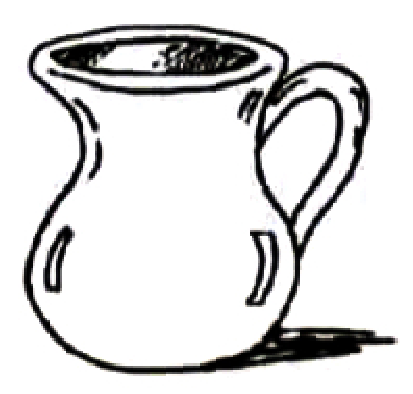
7
Is there milk left in the jug?
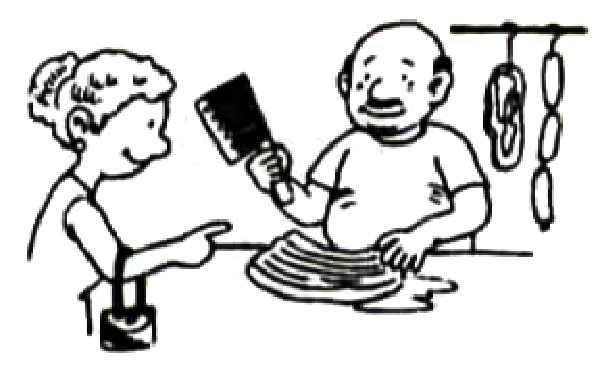
8
Mrs Jackson bought meat from the butcher.
9
I have cleaned the table. There isn't dust on it.
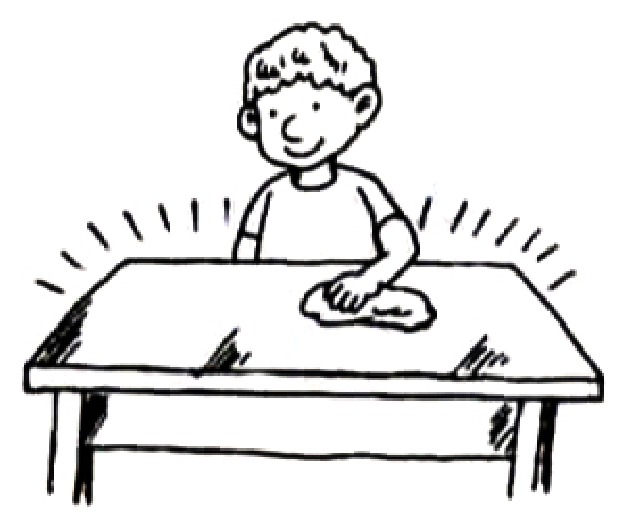
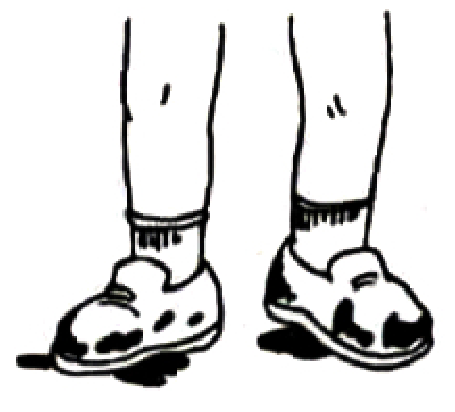
10
There is mud on these shoes.
Page 73
Underline the correct answers.
1
There isn't ( some , any ) water in the drain as it has not rained for a few days.
2
Michael drank ( some , any ) orange juice for breakfast.
3
Does she have ( some , any ) silk left? I would like to make a skirt.
4
We gave the little children ( some , any ) of our toys. They were very happy.
5
There isn't ( some , any ) ink in my pen. May I borrow yours, please?
6
There is ( some , any ) sand in my shoes. I am going to remove it.
7
There isn't ( some , any ) salt in the soup. Please add some for me.
8
Is there ( some , any ) flour in the tin? Mother wants to bake some cakes.
Page 74
1
(a) We use 'shall' for questions with pronouns 'I' or 'we'.
Examples
Shall I post the letter for you?
Shall we go to the library after school?
2
(b) 'Will' is used in questions with pronouns 'you', 'he', 'she', 'it' or 'they'.
Examples
Will you please keep quiet?
Will she come to the party?
That hamster is cute. Will it bite?
Will they help us put up the tent?
Will he want to go to the library with us?
Page 75
Underline the correct answers.
1
( Shall , Will ) I take the umbrella with me?
2
( Shall , Will ) you remember to return the book to the library?
3
( Shall , Will ) you give me a call after your dinner?
4
( Shall , Will ) we go for a show this Saturday?
5
( Shall , Will ) you stop making so much noise, please?
6
( Shall , Will ) I buy a new mouse for the computer?
7
( Shall , Will ) you help me clear the table, please?
8
( Shall , Will ) I send her an email?
9
( Shall , Will ) you watch my bag while I go to the toilet?
10
( Shall , Will ) we pay him a visit this afternoon?
Page 75
When we plan to do something with an immediate purpose in mind, it is usual for us to use 'going to' in the sentence.
Examples
I am going to paint my house.
Peter is going to take up a computer course.
She is going to visit her grandmother in Malaysia.
The children are going to visit the Bird Park this Friday.
Jason and Ken are going to watch the football match together.
They are going to sing us a medley of songs.
Page 76
Underline the correct answers.
1
My grandfather is going to ( take , took , taken ) a nap.
2
The maid is going to ( swept , sweeps , sweep ) the floor.
3
Jane is going to ( types , type , typed ) a letter.
4
The campers are going to ( pitch , pitches , pitched ) a tent.
5
The knight is going to ( saved , save , saves ) the princess.
6
I am going to ( spend , spends , spent ) the day at the beach.
7
We are going to ( visited , visits , visit ) our sick friend in hospital.
8
The hen is going to ( lay , lays , laid ) an egg.
9
My father is going to ( washes , wash , washed ) his car.
10
I am going to ( water , waters , watered ) the plants.
Page 77
Fill in the blanks with the correct requests or suggestions in the box.
Will you answer it, please?
Shall I switch on the fan?
Will you lend me a few dollars, please?
Shall we go to the beach?
Will you hurry up, please?
Shall I call the school nurse here?
Will you switch on the light, please?
Shall we go to her party together?
Will you bring me a glass of water, please?
Shall we join them in their game?
1
I did not bring my wallet.
2
Mary invited us to her birthday party.
3
I am very thirsty.
4
The telephone is ringing.
5
James hurt himself.
6
It is very hot in here.
7
Those boys are playing football.
8
It is a fine day.
9
It is dark in here.
10
We are late for school.
Page 77
Look at the pictures. Answer the questions using 'going to'.
1
What is David going to do?
He .
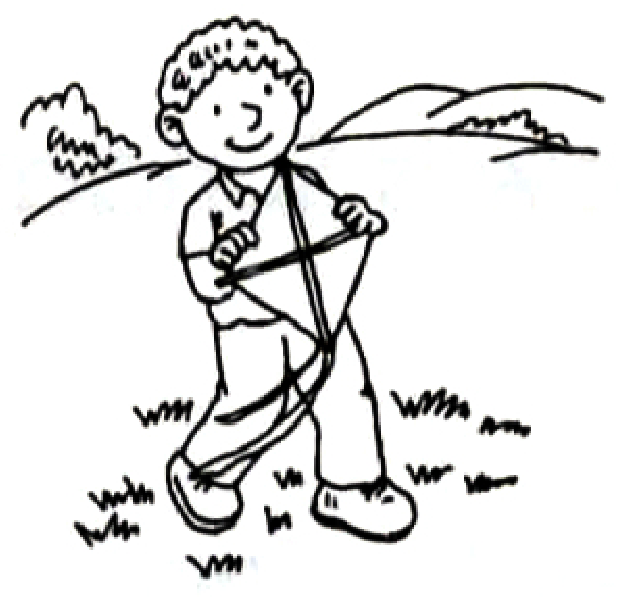
2
What is Mr Cornwall going to do?
He .
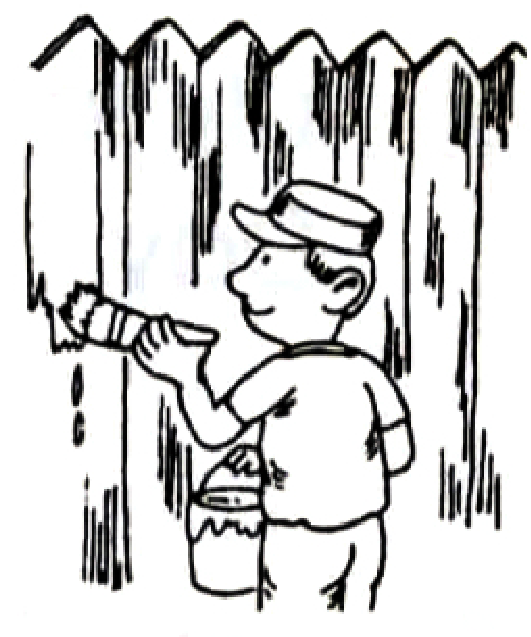
3
What is Mary going to do?
She .
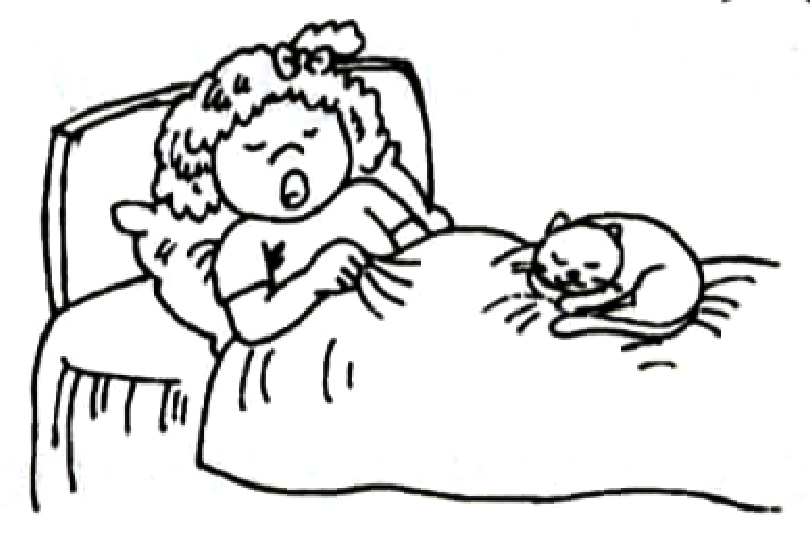
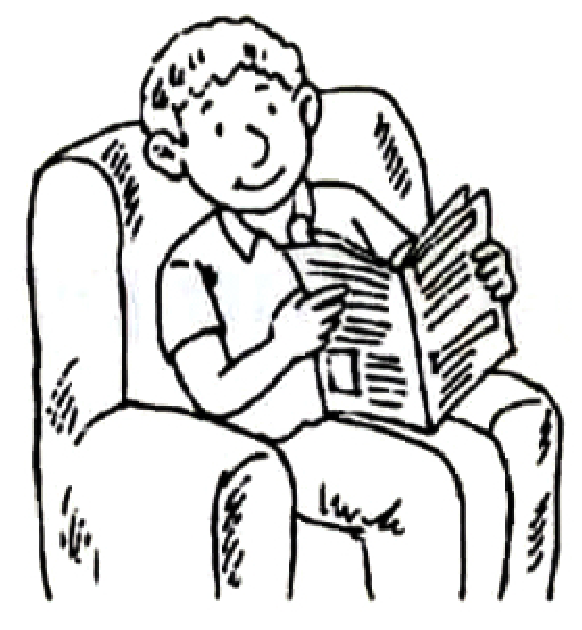
4
What is Mr Matthews going to do?
He .
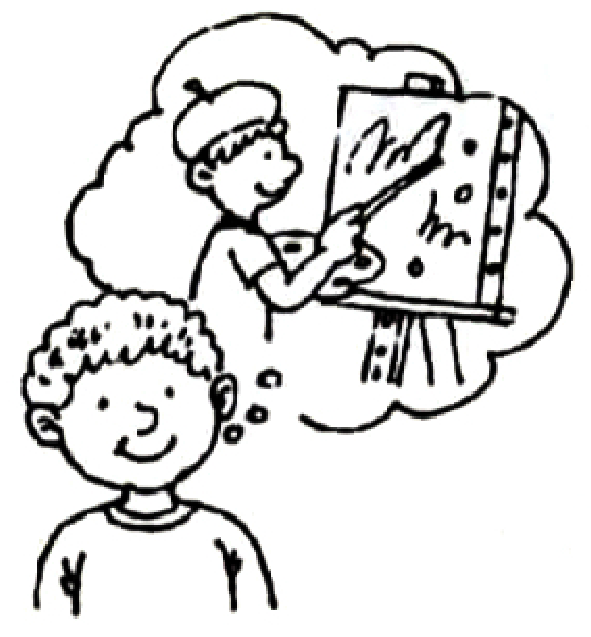
5
What is he going to be one day?
He .
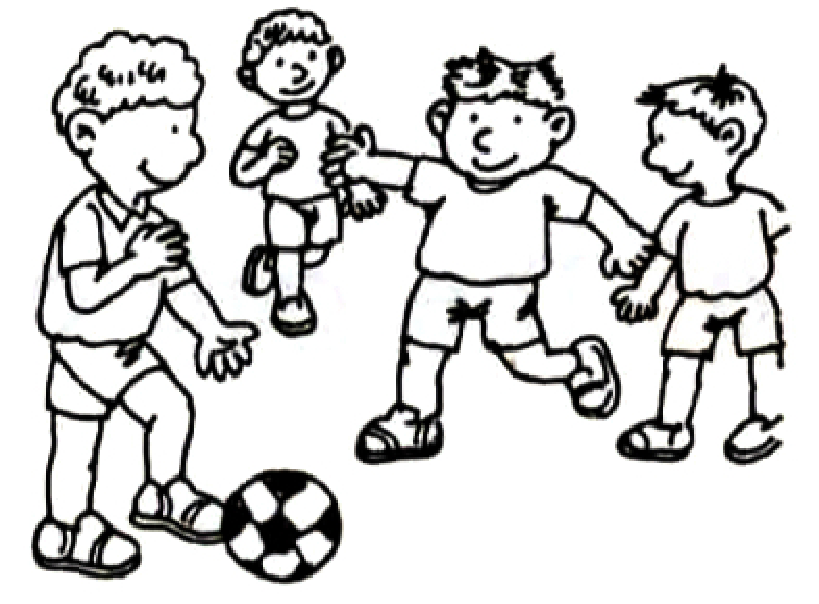
6
What are the boys going to play?
They .
7
What is Bob going to wear for the marathon?
He .
8
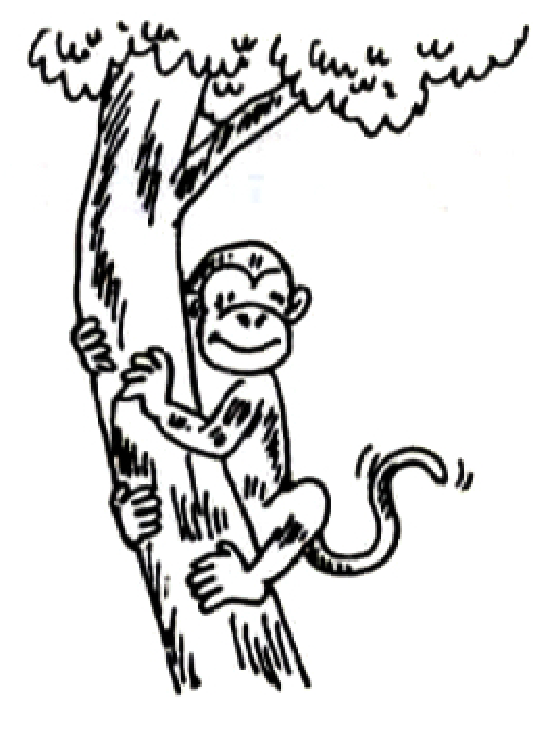
What is the monkey going to do?
It .
Page 78
Complete the sentences on your own using 'going to'.
1
Tomorrow is Sunday. I my grandparents.
2
Lily loves to sing. She a song on Teachers' Day.
3
Jane is hungry. She some food.
4
I have some money. I a new pair of shoes.
5
The pipe is still leaking. I the plumber.
6
Tom is ill. He the doctor.
7
The boys football in the field.
8
The girls are wearing their colourful swimming costumes. They in the pool.
9
We a movie at the cinema.
10
Give me a piece of paper. I a letter.
Page 80
Underline the correct answers.
1
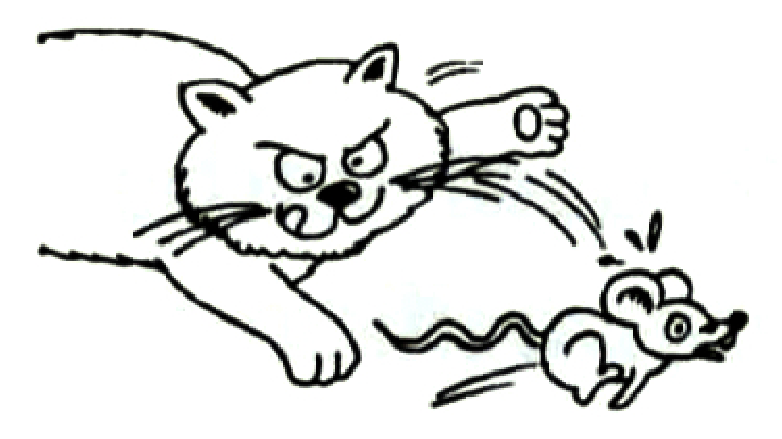
The mouse is running ( down , away , up ) from the cat.
2
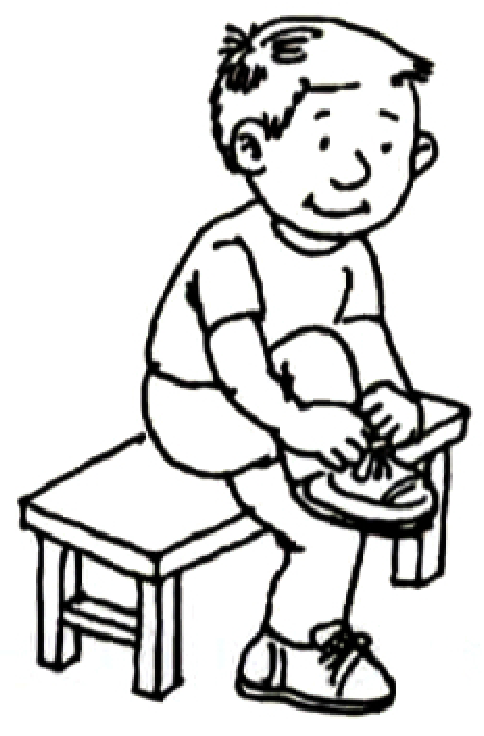
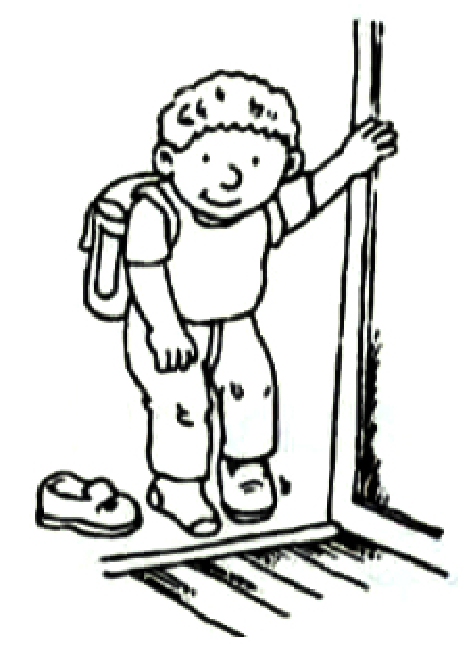
David is taking ( off , on , in ) his shoes.
3
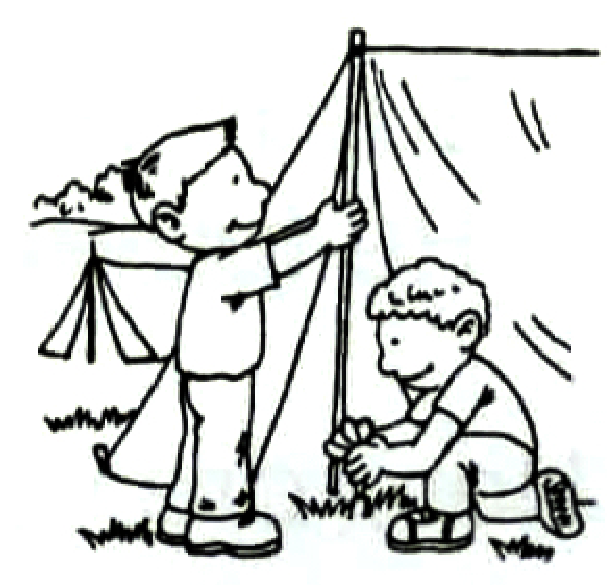
The boys have set ( out , up , aside ) a tent.
4
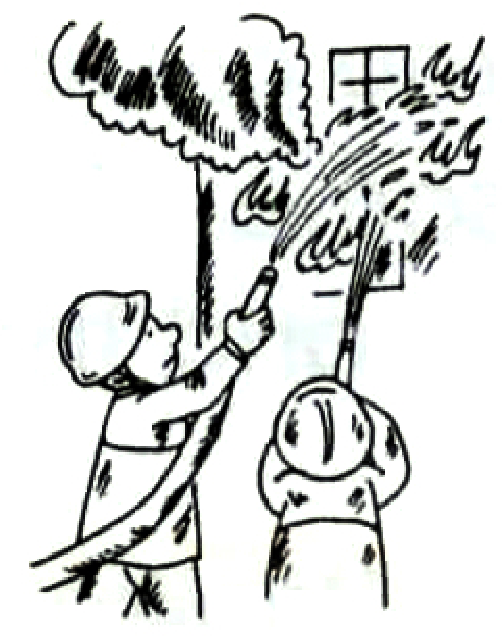
The firefighters are putting ( on , away , out ) the fire.
5
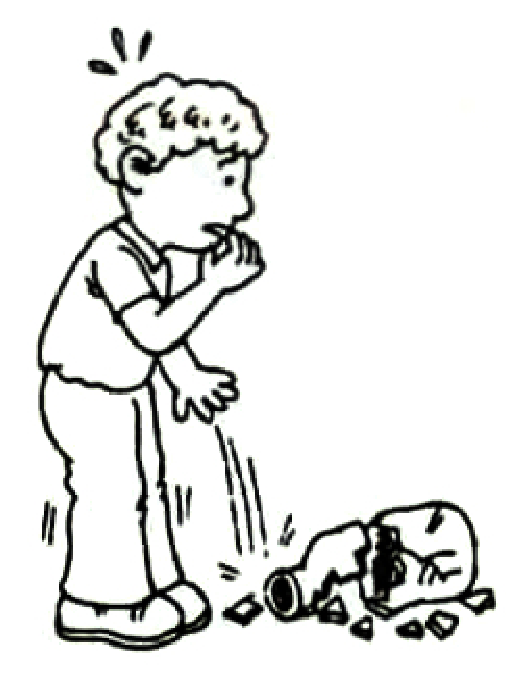
Jimmy knocked ( around , down , back ) the vase accidentally.
6
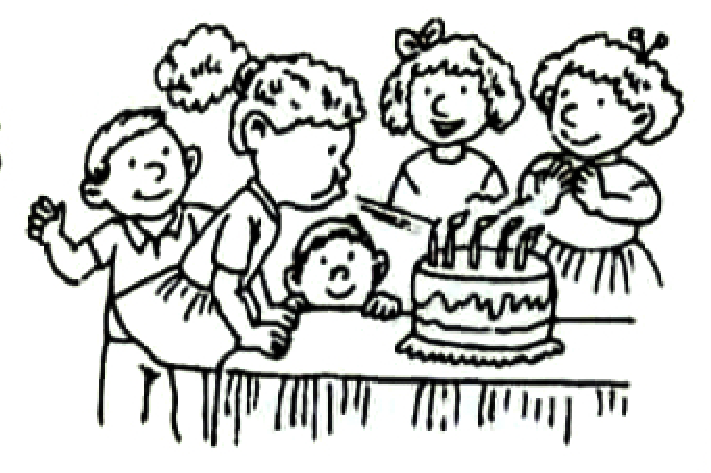
May is blowing ( out , up , away ) the candles on her birthday cake.
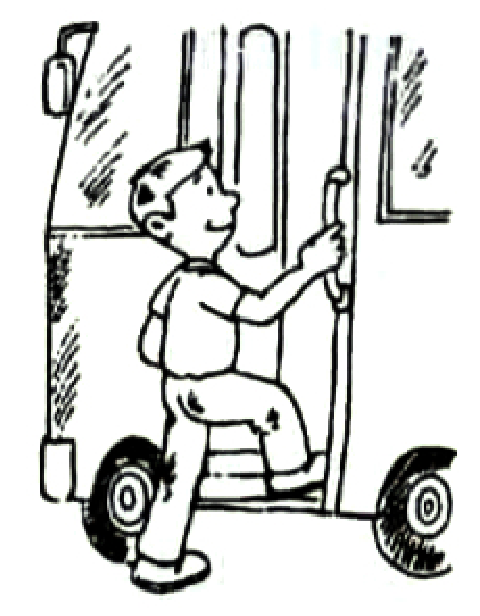
7
Mr Lawson is getting ( off , on , over ) the bus.
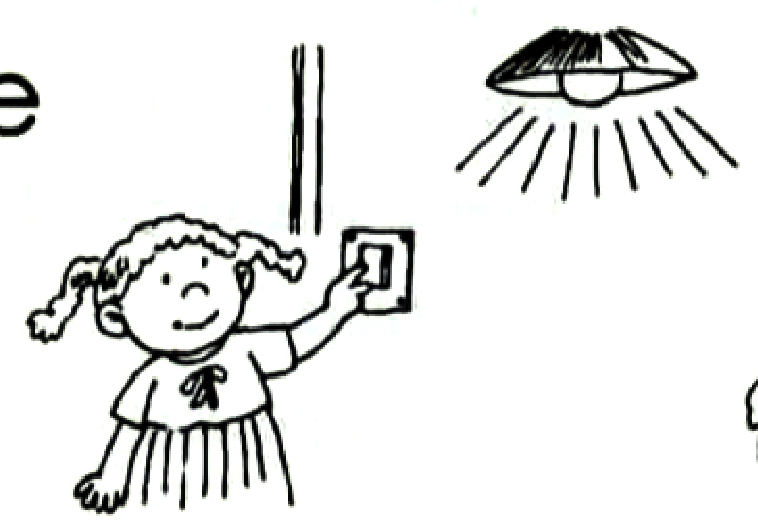
8
Lily switched ( over , off , on ) the light because it was dark.
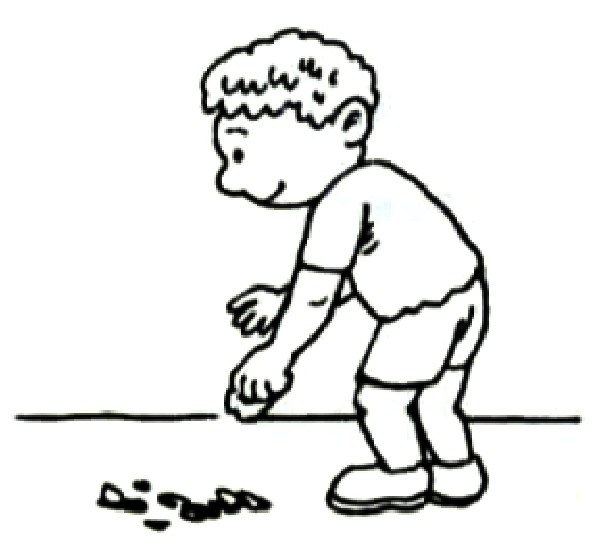
9
Sam is picking ( up , out , off ) the litter on the floor.
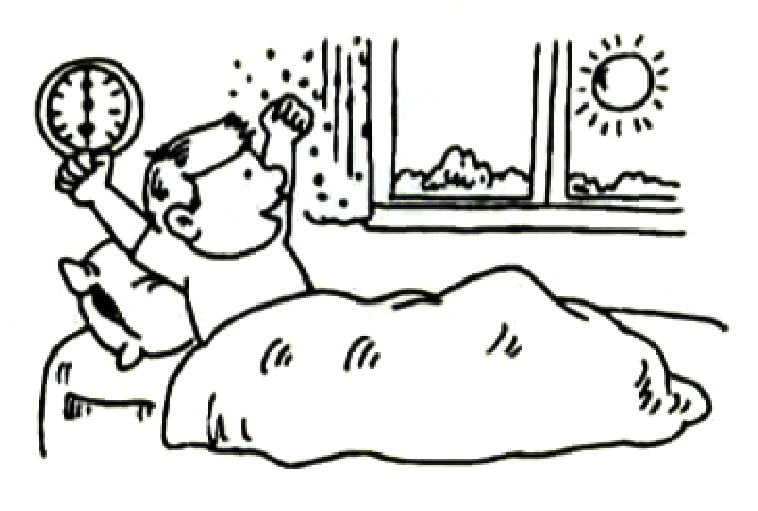
10
Albert gets ( back , up , by ) at six o'clock every morning.
Page 81
Answer each question using 'some' or 'any'.
some
any
1
Is there any water in the tank?
Yes,
2
Is there any coffee in the cup?
No,
3
Is there any bread on the table?
Yes,
4
Does Miss Andrews have any money in her purse?
Yes,
5
Is there any sugar in the tea?
No,
6
Is there any soup in the pot?
Yes,
7
Is there any chocolate in the box?
No,
8
Did your teacher give you any homework?
Yes,
Page 81
Choose the most appropriate answer and write its number in the brackets.
1
Please your shoes before you enter the house.
2
My car in the middle of the road.
3
Our teacher told us to our homework the next day.
4
The couple their minds to get married.
5
The little boy's mother told him to his toys before going to bed.
6
Please the lights when you leave the room.
7
Nurses patients in a hospital.
8
The burglar before the police could catch him.
9
I an old friend of mine at the supermarket.
10
Several items in this list have been . You will have to go back to the shop.
Page 82
Fill in each blank with the help of the phrasal verbs in the box. Use each phrasal verb only once.
broke into
took down
went off
set aside
looks after
made up
passed away
get on
got away
pick up
switch on
put out
1
Jane her little brother when her parents are at work.
2
The student an excuse for being late.
3
A burglar her flat and stole all her jewellery.
4
Sharon's mother told her to the magazines and newspapers and put them back on the shelf.
5
The robbers before the police arrived.
6
I woke up when my alarm clock .
7
The police officer Mr Young's name and address in his notebook as he had witnessed the fight.
8
It is very warm in here. Please the fan.
9
Please stop talking and with your work.
10
She became a widow when her husband two years ago.
11
Peter's parents have already some money for a new computer for him.
12
It took the firefighters more than three hours to the fire.
Page 83
Adverbs of manner tell us how something is done.
Examples
Sheila ran quickly to the bus.
The manager spoke loudly and firmly to his workers.
The children behaved badly, so their teacher punished them.
Mary worked quietly on the computer .
Jacob stood patiently in line to get an autographed photo of his favourite football player.
Kelly looked at her mother sadly when she refused to buy her any more sweets.
Page 84
Underline the correct answers.
1
Children must look ( carefully , helpfully ) before crossing the road.
2
The naughty students spoke ( heavily , rudely ) to the teacher and were punished.
3
We should treat animals ( kindly , brightly ).
4
Mary arranged the flowers ( safely , neatly ) in a vase and presented the gift to her mother.
5
Selena sang ( sweetly , softly ) at the concert and everyone clapped.
6
Jonathan was punished ( clearly , severely ) because he vandalised the school laboratory.
7
The impatient old man shouted at the children ( angrily , cheerfully ) and chased them out of the garden.
8
The waiter dropped the dishes when he tripped over the carpet ( gently , accidentally ).
9
The monkey climbed ( quickly , slowly ) up the tree before we could take a closer look at it.
10
The man walked ( gently , slowly ) towards the finishing line as he was too tired to run.
Page 85
Choose the most appropriate answer and write its number in the brackets.
1
The leaves are moving in the breeze.
2
Lily works as a clerk and has to answer the telephone .
3
Peter ate after a long day at the sports meet.
4
The wicked queen treated her people .
5
The panther crept up behind the deer.
6
The bad driver drove and almost caused an accident.
7
The student wrote his name on the whiteboard.
8
The strong man could lift this heavy box .
9
The baby is sleeping in the pram.
10
The soldiers fought for their country.
Page 86
Phrasal verbs are made up of two words, consisting of a verb and a preposition or adverbial particle.
Examples
The deer ran away when it saw the tiger coming towards it.
Susan wakes up at six o'clock every morning.
He turned down the invitation to the party because he was busy.
Here are some commonly used phrasal verbs and their meanings. Try to remember some of them. A good dictionary helps as you can look up phrasal verbs and their various meanings.
Phrasal Verb | Meaning
blow out | extinguish
blow up | explode
break in (into) | enter by force
come along | follow
come across | find; discover
get along | be friendly with
get away | escape
get in | enter
get on | continue; make progress
get out | escape; leave
go after | chase; try to catch
go away | leave
go back | return
go down | sink; become lower in amount
go on | continue
go out | leave a place
go over | check; think carefully
go through | search; experience
go up | increase; explode
hand in | give
hand out | distribute
knock down | hit (with or by a car)
look after | take care of
look around | search
look for | search; hunt
look on | watch
look out | search
look over | examine
look up | visit; try to find
make off | escape
make out | try to see or understand
make up | form (an excuse)
pass around | offer
pass away | die
pass by | walk past
pick on | bully
pick out | choose
pick up | collect; lift
put away | keep
put back | return to its original position or place
put on | wear
put off | postpone
put out | extinguish
run after | chase
run away | leave; escape
run down | hit; injure
run into | hit; meet
run out | use up
run over | hit
set aside | keep for use later
set off | begin (a trip)
set out | start to do
set up | start; build
switch over | change
take apart | separate
take off | leave; remove
take on | accept
take out | withdraw
tidy away | pack and keep neatly
turn back | move in opposite direction; walk back
turn down | not accept; reject
turn in | return
turn off | switch off
turn on | switch on
turn up | come; attend; increase (heat, volume)
write back | reply (letter)
Page 87
Lesson 1
stare : to look at something for a long time
Lesson 2
menu: a list of food and beverage items served in a restaurant
Lesson 3
pinch : a small amount
Lesson 5
antique : belonging to the past
Lesson 7
paragraph : a few sentences, usually related to one another in terms of ideas and theme
Lesson 8
marathon : a long-distance race
engineer : someone whose job is to design or build bridges, roads, engines and so on
Lesson 9
couple : two people who are married
gleam : to shine softly
spring : to leap
Lesson 10
team spirit : willingness to work as part of a team
Lesson 11
inter-school: a competition or cooperation between schools
python : a large tropical snake
cradle : a small bed for a baby
Lesson 12
pyjamas: a pair of loose trousers and a shirt worn in bed
Lesson 14
employ : to pay someone to work for you
Lesson 15
kiosk : a stall with one or more sides open, usually selling refreshments or newspapers
withdraw : to take money out of a bank account
provisions: grocery items
Lesson 16
sprain : to injure a body part such as ankle or finger without fracture or dislocation
Lesson 17
pit : a hole in the ground
slither : to slide down along a surface
Lesson 18
arrogant: proud
artistic : being talented in the arts
Lesson 21
medley: a piece of music that combines tunes from a few pieces
pitch : to set up
Lesson 22
witness : to see something happen
Lesson 23
autograph: to sign one's name onto something
recklessly : carelessly
sob : to cry noisily, taking in deep breaths
Page 88
Page 93
Join each pair of sentences by using an adverb of manner.
EXAMPLE
The children are singing. They are happy.
The children are singing happily.
1
It is raining. It is a heavy rain.
It .
2
The waiter served us food. He was polite.
The waiter .
3
The burglar climbed through the window. He was quiet.
The burglar .
4
Mr Miller rides a motorcycle. He is careful.
Mr Miller .
5
They waited for the doctor. They were impatient.
They .
6
The little girl is sobbing. She is sad.
The little girl .
7
The soldiers marched down the road. They were smart.
The soldiers .
Page 96
Page 97
1
Exercise 1
1. must
2. must
3. must
4. mustn't
5. must
6. must
7. must
8. must
9. mustn't
10. must
2
Exercise 2
1. must
2. mustn't
3. mustn't
4. must
5. mustn't
6. must
7. must
8. must
9. must
10. mustn't
3
Exercise 3
1. (B)
2. (A)
3. (C)
4. (A)
5. (B)
6. (C)
7. (A)
8. (B)
4
Exercise 4
1. May we have our dinner now?
2. May I borrow your racket?
3. May we go to the circus this evening?
4. May I know what this button on the computer is for?
5. May we watch television tonight?
6. May I leave my bicycle here for a while?
7. May I talk to your teacher?
5
Exercise 5
1. loaf
2. glass
3. spoonful
4. plate
5. sack
6. packet
7. piece
8. bouquet
6
Exercise 6
1. (2)
2. (3)
3. (4)
4. (1)
5. (3)
6. (1)
7. (4)
8. (2)
7
Exercise 7
1. Whose car is that
2. Whose kitten is this
3. Whose kite is that
4. Whose tricycle is this
5. Whose house is this
6. Whose bag is this
7. Whose bird is it
8. Whose glasses are these
9. Whose books are those
10. Whose watch is that
8
Exercise 8
1. Who
2. whose
3. Whose
4. Who
5. Whose
6. Who
7. Who
8. Whose
9. who
10. whose
9
Exercise 9
1. Where
2. Whose
3. What
4. Why
5. Whose
6. When
7. Which
8. What
9. When
10. Whose
10
Exercise 10
1. mine
2. yours
3. his
4. hers
5. his
6. mine
7. his
8. mine
11
Exercise 11
1. mine
2. hers
3. hers
4. yours
5. his
6. mine
7. yours
8. hers
12
Exercise 12
1. are his
2. is his
3. are hers
4. is mine
5. are yours
6. is his
7. are mine
13
Exercise 13
1. ours
2. theirs
3. yours
4. ours
5. theirs
14
Exercise 14
1. theirs
2. yours
3. theirs
4. ours
5. theirs
6. yours
7. ours
8. theirs
9. theirs
10. ours
15
Exercise 15
1. Those chickens and ducks are theirs.
2. These posters and magazines are ours.
3. These shoes and those socks are yours.
4. This room and the furniture are theirs.
5. That ladder and those tools are ours.
6. Those bags and coats are yours.
7. Those running shoes and these shorts are theirs.
16
Exercise 16
1. is
2. wears
3. costs
4. has
5. weighs
6. likes
7. has
8. is
9. is
10. knows
17
Exercise 17
1. have
2. are
3. fight
4. walk
5. have
6. wait
7. weigh
8. are
18
Exercise 18
1. Both
2. All
3. all
4. Both
5. both
6. Both
7. All
8. All
9. Both
10. All
19
Exercise 19
1. egg; is
2. painting; costs
3. nurses; wear
4. eyes; were
5. things; need
6. question; carries
7. jugs; contain
8. likes
9. piece; is
10. parents; were
20
Exercise 20
1. went
2. lost
3. blew
4. found
5. hung
6. broke
7. fell
8. sold
9. caught
10. ran
11. shined
12. gave
13. ate
14. drank
15. shone
21
Exercise 21
1. I did my homework last night.
2. I revised my work with Jim.
3. I slept at ten o'clock last night.
4. I hid the present under the bed.
5. The guests left in the evening.
6. Catherine swept the floor this morning.
7. I spoke to the principal last week.
22
Exercise 22
1. said
2. told
3. knew
4. flew
5. fed
6. kept
7. wore
8. began
9. bit
10. sprang
11. threw
12. laid
13. got
14. forgot
15. chose
16. drew
17. shot
18. tore
19. thought
20. swung
23
Exercise 23
1. best
2. worse
3. most
4. less
5. farthest
6. better
7. most
8. further
Page 98
24
Exercise 24
25
LESSON 11 - Exercise 25
26
Exercise 26
27
Exercise 27 (Suggested answers)
28
LESSON 12 - Exercise 28
29
Exercise 29
30
LESSON 13 - Exercise 30
31
Exercise 31 (Suggested answers)
32
LESSON 14 - Exercise 32
33
Exercise 33
34
Exercise 34
35
LESSON 15 - Exercise 35
36
Exercise 36
37
Exercise 37
38
LESSON 16 - Exercise 38
39
Exercise 39
40
Exercise 40
41
LESSON 17 - Exercise 41
42
Exercise 42
43
Exercise 43
44
LESSON 18 - Exercise 44
Page 99
1
Exercise 45: 1. (2), 2. (1), 3. (4), 4. (1), 5. (2), 6. (3), 7. (2), 8. (4)
2
Exercise 46: 1. My pet parrot is as noisy as yours./My pet parrot is as noisy as your pet parrot. 2. The white dress is as expensive as the red one./The white dress is as expensive as the red dress. 3. Susan is as artistic as her sister. 4. Peter is as tall as his father. 5. Mark is as old as Jane./Mark is as young as Jane. 6. Andy is as angry as Rey. 7. Mr James is as cheerful as Mrs James.
3
LESSON 19 - Exercise 47: 1. Shall, 2. Will, 3. Will, 4. Shall, 5. Will, 6. Shall, 7. Will, 8. Shall, 9. Will, 10. Shall
4
LESSON 19 - Exercise 48: 1. Shall, 2. Shall, 3. Will, 4. Shall, 5. Shall, 6. Shall, 7. Will, 8. Will, 9. Shall, 10. Will
5
LESSON 19 - Exercise 49: 1. Will you lend me a few dollars, please? 2. Shall we go to her party together? 3. Will you bring me a glass of water, please? 4. Will you answer it, please? 5. Shall I call the school nurse here? 6. Shall I switch on the fan? 7. Shall we join them in their game? 8. Shall we go to the beach? 9. Will you switch on the light, please? 10. Will you hurry up, please?
6
LESSON 20 - Exercise 50: 1. some, 2. any, 3. any, 4. some, 5. some, 6. some, 7. any, 8. some, 9. any, 10. some
7
LESSON 20 - Exercise 51: 1. any, 2. some, 3. any, 4. some, 5. any, 6. some, 7. any, 8. any
8
Exercise 52: 1. Yes, there is some water in the tank. 2. No, there isn't any coffee in the cup. 3. Yes, there is some bread on the table. 4. Yes, she has some money in her purse. 5. No, there isn't any sugar in the tea. 6. Yes, there is some soup in the pot. 7. No, there isn't any chocolate in the box. 8. Yes, my teacher gave me some homework.
9
LESSON 21 - Exercise 53: 1. take, 2. sweep, 3. type, 4. pitch, 5. save, 6. spend, 7. visit, 8. lay, 9. wash, 10. water
10
LESSON 21 - Exercise 54 (Suggested answers): 1. He is going to fly a kite. 2. He is going to paint the fence. 3. She is going to take a nap. 4. He is going to read the newspapers. 5. He is going to be an artist one day. 6. They are going to play football. 7. He is going to wear his running shoes. 8. It is going to climb up the tree.
11
LESSON 21 - Exercise 55 (Suggested answers): 1. am going to visit, 2. is going to sing, 3. is going to eat, 4. am going to buy, 5. am going to call, 6. is going to see, 7. are going to play, 8. are going to swim, 9. are going to watch, 10. am going to write
12
LESSON 22 - Exercise 56: 1. away, 2. off, 3. up, 4. out, 5. down, 6. out, 7. on, 8. on, 9. up, 10. up
13
Exercise 57: 1. (2), 2. (3), 3. (2), 4. (1), 5. (1), 6. (3), 7. (2), 8. (4), 9. (1), 10. (2)
14
Exercise 58: 1. looks after, 2. made up, 3. broke into, 4. pick up, 5. got away, 6. went off, 7. took down, 8. switch on, 9. get on, 10. passed away, 11. set aside, 12. put out
15
LESSON 23 - Exercise 59: 1. carefully, 2. rudely, 3. kindly, 4. neatly, 5. sweetly, 6. severely, 7. angrily, 8. accidentally, 9. quickly, 10. slowly
16
Exercise 60: 1. (1), 2. (3), 3. (3), 4. (2), 5. (1), 6. (1), 7. (2), 8. (4), 9. (2), 10. (3)
17
Exercise 61: 1. It is raining heavily. 2. The waiter served us food politely. 3. The burglar climbed through the window quietly. 4. Mr Miller rides a motorcycle carefully. 5. They waited for the doctor impatiently. 6. The little girl is sobbing sadly. 7. The soldiers marched down the road smartly.