Page 1
Page 1
1
The conjunction 'and' in English is like the (+) sign in mathematics. It adds. It joins words and sentences. The conjunction 'and' is usually used when
(a) two actions happen at a certain time;
Example: The teachers sing and dance for the children on Children's Day.
(b) actions are done by two or more people;
Example: John and Tommy go to school by bus.
(c) two or more people have the same interest;
Example: Jane and Lucy like to collect stickers.
(d) two things are found in the same place.
Example: There are many different shops and restaurants in the shopping mall.
2
So when two singular nouns are joined by 'and', the verb following the nouns must be in the plural form.
Example
Susan and Shawn are twins.
Andy and Wayne play tennis every Sunday.
Mr Jackson and his wife watch a movie together every week.
3
Practise joining two sentences using 'and'. Go to My SAPeducation App or www.sapgrp.com

Page 2
Page 2
Underline the correct answers.
1
Pam and John ( go , goes ) to school by bus.
2
The pickpocket and his accomplice ( steal , steals ) the lady's purse on the bus.
3
Mr and Mrs Levin ( own , owns ) the biggest restaurant in town.
4
Jason and Tommy ( is , are ) brothers.
5
The textbook and the dictionary ( costs , cost ) ten dollars altogether.
6
Mason and his father ( was , were ) painting the fence yesterday.
7
After an accident, Orchard Road and Scotts Road ( was , were ) closed to traffic.
8
Miss Browning and her sister ( work , works ) as nurses at the General Hospital.
9
The computer shop and the stationery shop ( belongs , belong ) to his father.
10
Rachel and Gerard ( play , plays ) tennis every week.
Page 3
Page 3
Fill in each blank with the simple present tense of the verb in the brackets.
1
Susan and Betty usually to school. (cycle)
2
Mary and Melissa the boxes to the corner of the room before sweeping the floor. (move)
3
Mr and Mrs Wilson in a big house next to the Botanic Gardens. (live)
4
Sandy and her parents going to the beach. (enjoy)
5
Both Richard and David to play badminton. (like)
6
Jenny and I the library every Saturday. (visit)
7
My brother and I to the river to fish every Sunday. (go)
8
Both my sister and I once a week. (swim)
9
My friend and I round the park every evening. (jog)
10
John and May English well. (speak)
Page 4
1
LEARNING GRAMMAR WORKBOOK 4 is specially designed to teach students the correct use of grammar in the English language. Lessons and exercises can be easily removed and presented as homework, class work or quizzes. The glossary and answer pages can be removed and filed away for future reference.
2
Table of Contents
This shows clearly the objectives of each lesson, making it easy to identify and pick specific grammar topics for learning.
3
Grammar Lessons
Each lesson has a specific learning focus and begins with concise explanatory notes and examples.
4
Practice Exercises
The exercises are designed to supplement learning and provide relevant practice on the grammar topics taught.
5
Glossary
Selected words from each lesson and their meanings are found here to help build vocabulary and improve comprehension.
6
Answers
Designed as an independent booklet, the answer key contains answers to all questions, including suggested answers for open-ended questions.
7
Enhanced Learning
FREE resources available
Download My SAPeducation App Now!
or go to www.sapgrp.com
Additional Reproducible Activities
Reproducible worksheets on selected topics are available here. These are useful as quick assessments of a child's understanding of the work taught.
Lesson Plans for Parents and Teachers
Ideas and suggestions on how to present each lesson to enhance learning are provided here. These are useful resources for both classroom and home learning.

8
www.nuadu.com
Use NUADU with this book! Improve your results with unlimited practice and instant, real-time feedback. Track your progress and complete assignments on your computer, tablet or smartphone. Get started now!
The Editorial Team

Page 4
Join each pair of sentences by using 'and'. Remember to use the correct form of the verb.
EXAMPLE
My father is at work. My mother is at work too.
My father and my mother are at work.
1
Sharon is my friend. Sally is my friend too.
2
My brother knows how to swim. I know how to swim too.
3
I do not like to drink coffee. Jonathan does not like to drink coffee.
4
The pen is on the desk. The ruler is on the desk too.
5
Nancy was absent yesterday. Judy was absent yesterday too.
6
Lilian is going to the zoo. I am going to the zoo too.
7
The car was badly damaged. The van was badly damaged too.
8
Lily has passed the examination. David has passed the examination too.
9
The education app is free. The game app is free too.
10
Mark has a smartphone. He has two smart tablets.
Page 5
1
Lesson 1: CONCORD — TWO SINGULAR NOUNS CONNECTED BY 'AND' USING THE PLURAL FORM OF THE VERB (Page 1)
- EXERCISE 1 (Page 2)
- EXERCISE 2 (Page 3)
- EXERCISE 3 (Page 4)
Lesson 2: CONCORD — 'EVERYBODY', 'SOMEBODY' AND 'NOBODY' USING THE SINGULAR VERB FORM (Page 5)
- EXERCISE 4 (Page 5)
- EXERCISE 5 (Page 6)
- EXERCISE 6 (Page 7)
- EXERCISE 7 (Page 8)
Lesson 3: CONCORD — 'SOME', 'MOST' AND 'ALL' USING THE PLURAL VERB FORM (Page 9)
- EXERCISE 8 (Page 9)
- EXERCISE 9 (Page 10)
- EXERCISE 10 (Page 11)
- EXERCISE 11 (Page 12)
Lesson 4: EMPHATIC PRONOUNS — 'MYSELF', 'YOURSELF', 'HIMSELF', 'HERSELF', 'YOURSELVES', 'OURSELVES' AND 'THEMSELVES' (Page 13)
- EXERCISE 12 (Page 15)
- EXERCISE 13 (Page 16)
- EXERCISE 14 (Page 17)
- EXERCISE 15 (Page 18)
Lesson 5: REFLEXIVE PRONOUNS — 'MYSELF', 'YOURSELF', 'HIMSELF', 'HERSELF', 'YOURSELVES', 'OURSELVES' AND 'THEMSELVES' (Page 19)
- EXERCISE 16 (Page 20)
- EXERCISE 17 (Page 21)
Lesson 6: ADVERBIAL CLAUSES OF TIME USING 'WHEN' (Page 23)
- EXERCISE 18 (Page 23)
- EXERCISE 19 (Page 24)
- EXERCISE 20 (Page 26)
ADAPTIVE LEARNING: Diagnostic Test 1 (NUADU Lessons 1 – 6)
Lesson 7: PASSIVE VOICE USING 'MADE OF' (Page 27)
- EXERCISE 21 (Page 27)
- EXERCISE 22 (Page 28)
- EXERCISE 23 (Page 28)
Lesson 8: FUTURE TIME USING 'SHALL' AND 'WILL' (Page 29)
- EXERCISE 24 (Page 29)
- EXERCISE 25 (Page 30)
- EXERCISE 26 (Page 30)
Lesson 9: COMPARISON OF ADJECTIVES AND ADVERBS USING '-ER THAN' AND 'MORE ... THAN' (Page 31)
- EXERCISE 27 (Page 32)
- EXERCISE 28 (Page 33)
- EXERCISE 29 (Page 34)
Lesson 10: HABITUAL ACTION IN THE PAST WITH 'USED TO' (Page 35)
- EXERCISE 30 (Page 35)
- EXERCISE 31 (Page 36)
Lesson 11: DIRECT AND INDIRECT OBJECTS (Page 37)
- EXERCISE 32 (Page 37)
- EXERCISE 33 (Page 38)
- EXERCISE 34 (Page 39)
- EXERCISE 35 (Page 40)
Lesson 12: THE PRESENT PERFECT TENSE — FOR COMPLETED ACTIONS (Page 41)
- EXERCISE 36 (Page 41)
- EXERCISE 37 (Page 42)
- EXERCISE 38 (Page 43)
- EXERCISE 39 (Page 44)
ADAPTIVE LEARNING: Diagnostic Test 2 (NUADU Lessons 7 – 12)
2
Lesson 13: THE PRESENT PERFECT TENSE — QUESTION FORM WITH 'EVER' (Page 45)
- EXERCISE 40 (Page 45)
- EXERCISE 41 (Page 46)
Lesson 14: PASSIVE VOICE USING THE SIMPLE PRESENT TENSE (Page 47)
- EXERCISE 42 (Page 48)
- EXERCISE 43 (Page 49)
- EXERCISE 44 (Page 50)
Lesson 15: PASSIVE VOICE USING THE SIMPLE PAST TENSE (Page 51)
- EXERCISE 45 (Page 51)
- EXERCISE 46 (Page 52)
- EXERCISE 47 (Page 53)
Lesson 16: SEQUENCE OF TENSES — THE PAST CONTINUOUS FOLLOWED BY THE SIMPLE PAST TENSE (Page 55)
- EXERCISE 48 (Page 56)
- EXERCISE 49 (Page 57)
- EXERCISE 50 (Page 58)
Lesson 17: CONJUNCTIONS (Page 59)
- EXERCISE 51 (Page 60)
- EXERCISE 52 (Page 61)
- EXERCISE 53 (Page 62)
Lesson 18: CONJUNCTIONS — 'EITHER ... OR' AND 'NEITHER ... NOR' (Page 63)
- EXERCISE 54 (Page 64)
- EXERCISE 55 (Page 65)
- EXERCISE 56 (Page 66)
ADAPTIVE LEARNING: Diagnostic Test 3 (NUADU Lessons 13 – 18)
Lesson 19: 'A LITTLE' AND 'A LOT OF' WITH UNCOUNTABLE NOUNS (Page 67)
- EXERCISE 57 (Page 67)
- EXERCISE 58 (Page 68)
Lesson 20: ADJECTIVAL PHRASES USING 'ON', 'IN', 'UNDER', 'BEHIND' AND 'NEAR' (Page 69)
- EXERCISE 59 (Page 70)
- EXERCISE 60 (Page 71)
- EXERCISE 61 (Page 72)
Lesson 21: USING 'SO' TO INDICATE SIMILAR FACTS OR EXPERIENCES (Page 73)
- EXERCISE 62 (Page 73)
- EXERCISE 63 (Page 74)
- EXERCISE 64 (Page 74)
Lesson 22: CONDITIONAL CLAUSES WITH 'IF' (Page 75)
- EXERCISE 65 (Page 75)
- EXERCISE 66 (Page 77)
- EXERCISE 67 (Page 78)
Lesson 23: PHRASAL VERBS (Page 79)
- EXERCISE 68 (Page 81)
- EXERCISE 69 (Page 82)
- EXERCISE 70 (Page 84)
Lesson 24: REPORTED COMMANDS AND REQUESTS USING 'TOLD' AND 'ASKED' (Page 85)
- EXERCISE 71 (Page 85)
- EXERCISE 72 (Page 86)
- EXERCISE 73 (Page 86)
ADAPTIVE LEARNING: Diagnostic Test 4 (NUADU Lessons 19 – 24)
Glossary (page 87)
Answers (A1 ~ A3)
Page 5
Fill in each blank with the simple present tense of the verb in the brackets.
The pronouns 'everybody', 'somebody' and 'nobody' are singular. The verb following these pronouns is, therefore, singular.
Examples
Everybody has to attend the school play.
Somebody is using the computer.
Nobody knows how to operate this machine.
1
Everybody in my class hard. (study)
2
Somebody in the kitchen. (be)
3
Nobody a person who lies and cheats. (trust)
4
Somebody to see you. (want)
5
Everybody a good laugh. (enjoy)
6
Somebody to clean the whiteboard. (have)
7
Nobody in that big house on the hilltop. (live)
8
Everybody present in class today. (be)
9
Somebody broken the vase. (have)
10
Nobody to be scolded. (like)
Page 9
Underline the correct answers.
'Some', 'most' and 'all', when used with countable nouns, must take the plural verb. When we refer to people, places, living creatures and things, 'some' means a few, 'most' means many and 'all' includes every person, place or thing.
Examples:
Some of the girls in the class have joined the school choir.
Some thumb drives in the box are damaged.
All the books in the library are arranged in alphabetical order.
Most of the storybooks belong to his sister.
1
Some boys ( prefer , prefers ) football to badminton.
2
Most of my friends ( take , takes ) the public bus to school.
3
Mr Lawson takes good care of his plants. All the trees in his garden ( bear , bears ) fruit.
4
All the computers in the class ( is , are ) new. Please handle them with care.
5
Most people ( enjoys , enjoy ) taking a stroll at the beach. It is cool and relaxing.
6
Some of the students ( do , does ) not have co-curricular activities. They prefer to go for remedial classes.
7
Most of my friends ( own , owns ) a pet. It is usually a hamster.
8
All of us ( want , wants ) to go on a picnic and not to the cinema.
9
Some animals, such as the tiger and the lion, ( eat , eats ) only meat.
10
All motorcyclists ( has , have ) to wear a helmet for safety.
Page 11
Underline the correct answers.
1
Everybody ( like , likes ) Mervin because he is courteous and considerate.
2
Somebody ( is knocking , are knocking ) at the door. Can you please see who it is?
3
Nobody ( know , knows ) the answer to the riddle. Do you have any idea what it is?
4
We went to his house yesterday, but nobody ( was , were ) home.
5
Somebody ( has taken , have taken ) my bag by mistake. I have to look for it.
6
It was Susan's birthday and everybody from her class ( was , were ) invited to the picnic party.
7
Somebody ( was , were ) in the office a moment ago. Where has he gone?
8
Nobody ( work , works ) as hard as Mr Anderson. He is always the first to arrive at the office and the last to leave.
9
Everybody ( want , wants ) to know who she is after she has won the storytelling competition.
10
Nobody ( know , knows ) where Jason is. We are still looking for him.
Page 11
Look at the pictures. Fill in each blank with the help of the words in the box.
Some
Most
All
1
of the girls are tall.
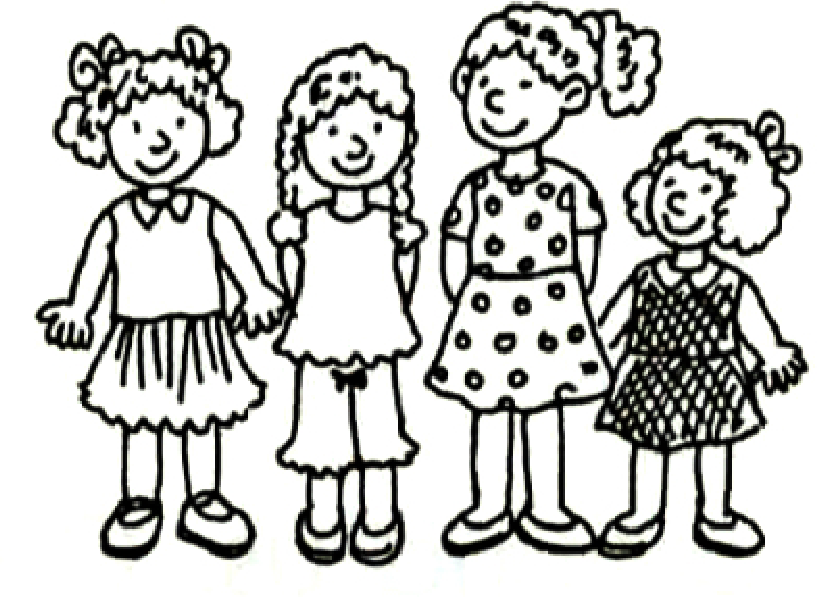
2
of them are vegetables.
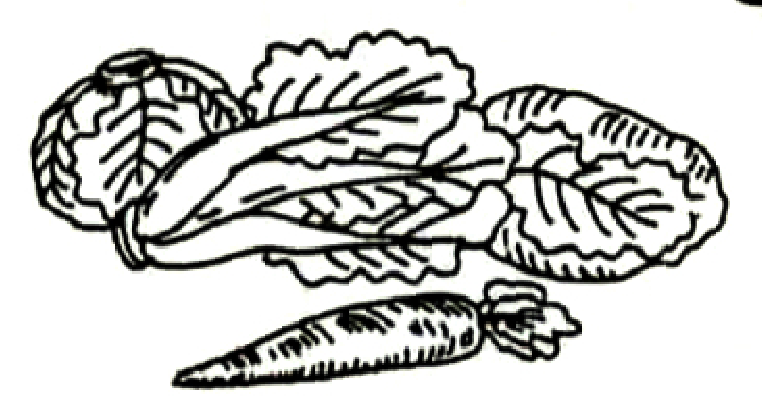
3
of these rulers are long.
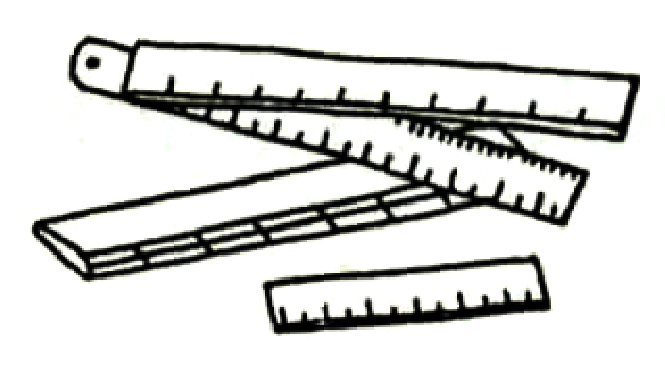
4
the boys are running.
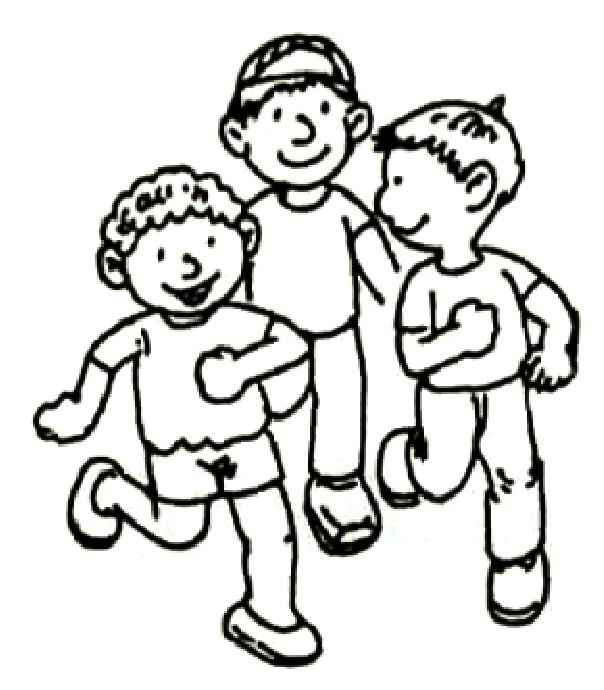
5
of the girls have long hair.
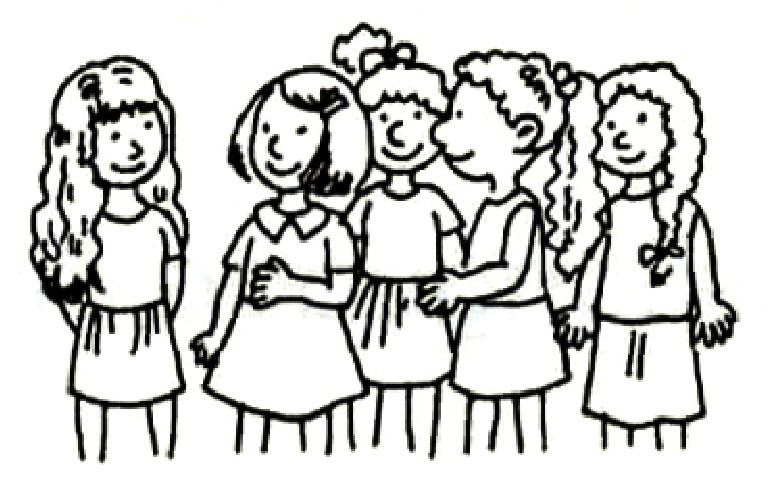
6
of the cups are cracked.
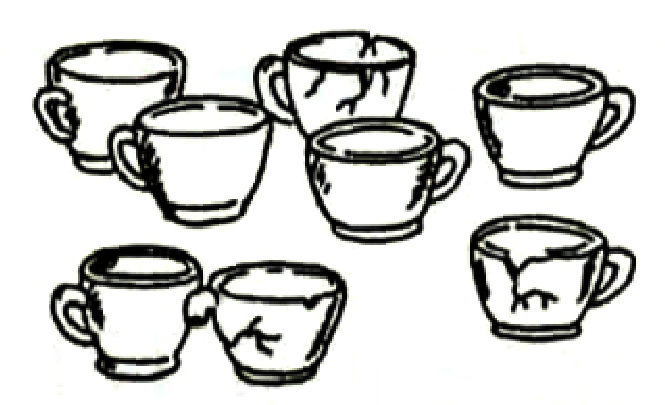
7
the police officers are in uniform.
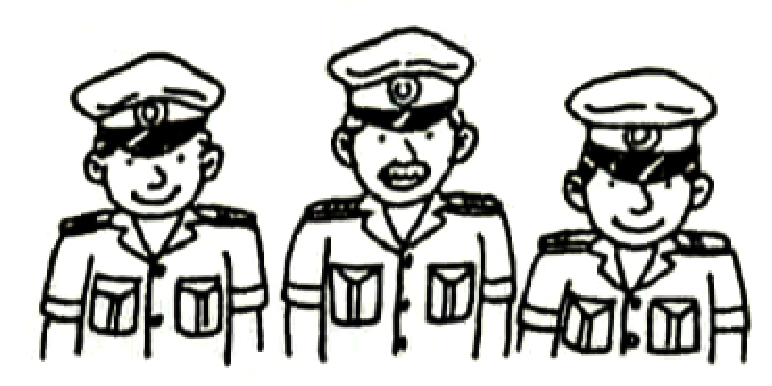
8
of these are made of wood.
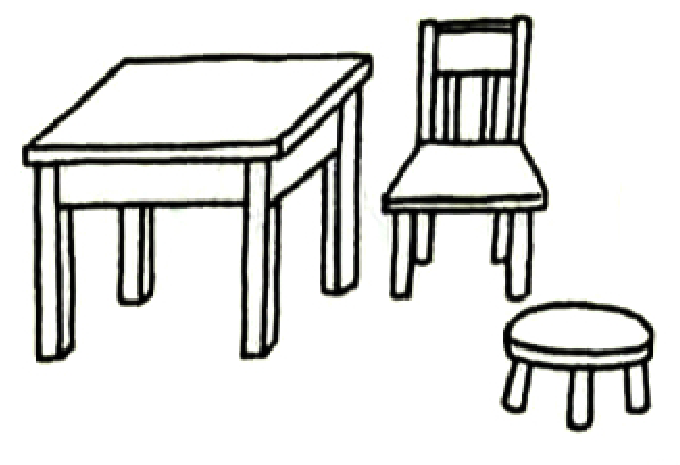
9
of the students are running.
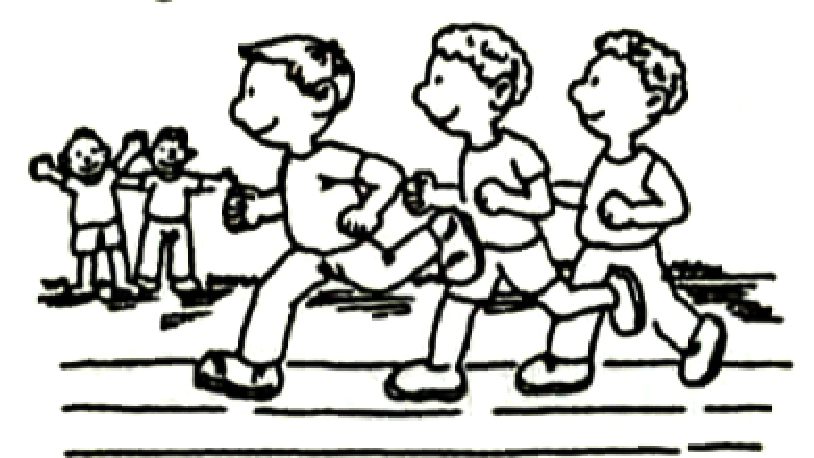
10
the students are exercising.
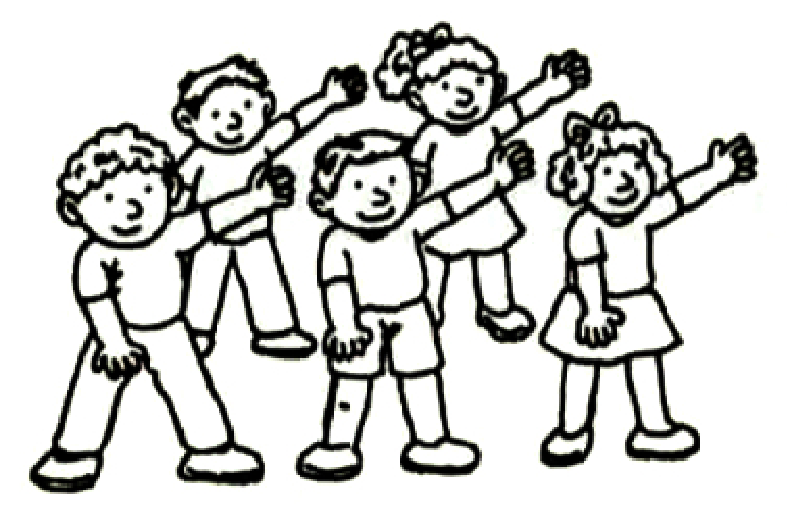
Page 12
Fill in each blank with the help of the words in the box.
Everybody
Somebody
Nobody
1
My watch is missing. has taken it.
2
He is a very famous actor. knows him.
3
That house is empty. lives there.
4
The question is too difficult. in the class knows the answer.
5
likes to talk to Johnny because he is very rude.
6
is at the door. Please see who it is.
7
enjoys the meal. It is very delicious.
8
We are studying very hard. in my class wants to pass the examination.
9
The light is on. must be in the room.
10
seems to know her. She must be a new member of the debate team.
Page 12
Fill in each blank with the correct form of the verb in the brackets.
1
Some books (1) (provide) us with a better understanding of the world around us.
2
Others (2) (increase) our knowledge and (3) (educate) us.
3
Others (2) (increase) our knowledge and (3) (educate) us.
4
Many books have been written to make us think and ponder while some simply (4) (give) us a good laugh.
5
Most people usually (5) (improve) their command of the language through reading.
6
Most students (6) (agree) that reading helps them to write better.
7
Some people just (7) (enjoy) reading newspapers and magazines.
8
Others (8) (read) whatever books they can lay their hands on.
9
Most of the books we want (9) (be) available in our public libraries.
10
All these libraries (10) (try) their best to cater to the needs of the general public.
Page 13
Fill in each blank with 'everybody', 'somebody' or 'nobody'.
everybody
somebody
nobody
1
(1) in the office looks up to him.
2
They know that he is a good manager, and (2) will be unfairly treated.
3
He once told his staff that (3) should look down on others.
4
On one occasion, (4) in the office became seriously ill.
5
(5) from the office was able to pay him a visit as (6) was very busy.
6
(5) from the office was able to pay him a visit as (6) was very busy.
7
He is inviting (7) to a birthday lunch.
8
(8) suggests buying him a nice present and (9) thinks it is a good idea.
9
(8) suggests buying him a nice present and (9) thinks it is a good idea.
10
They are all happy to work under him and they feel that (10) can replace him as their manager.
Page 13
We can use reflexive pronouns for emphasis. We refer to them as emphatic or intensive pronouns. The emphatic pronouns are:
Personal Pronoun | Singular | Plural
I | Myself | –
You | Yourself | Yourselves
He | Himself | –
She | Herself | –
It | Itself | –
We | – | Ourselves
They | – | Themselves
1
In a sentence where
(a) 'I' is used, the emphatic pronoun is 'myself'.
2
(b) 'you' is used when a speaker is speaking to a person, the emphatic pronoun is 'yourself'.
3
(c) 'you' is used when a speaker is speaking to two or more people, the emphatic pronoun is 'yourselves'.
4
(d) a single masculine (male) name is used, for example, John, the emphatic pronoun is 'himself'.
5
(e) a single feminine (female) name is used, for example, Jane, the emphatic pronoun is 'herself'.
6
(f) 'it' or a name of a non-living thing is used, for example, door, the emphatic pronoun is 'itself'.
Page 15
Fill in each blank with the simple present tense of the verb in the brackets.
1
Most vehicles on the road four wheels. (have)
2
All the soldiers to report to the commander. (be)
3
Some of the children chocolate more than ice cream. (like)
4
All the libraries closed today because it is a public holiday. (be)
5
Some birds beautiful, colourful feathers. (has)
6
Most of the students to pay their school fees on time. (remember)
7
Some of the stories in this book interesting. (be)
8
Most of my friends to join the school's football team. (want)
9
All birds feathers and wings. (has)
10
Some of the questions in the test very difficult. (be)
Page 15
Underline the correct emphatic pronoun in the brackets.
1
I ( myself , yourself ) have bought a new pair of socks.
2
We painted the fence ( themselves , ourselves ) over the weekend.
3
"You must learn to correct these mistakes ( yourself , yourselves )," the teacher told Peter and William.
4
Albert washed the dishes ( himself , herself ) after dinner.
5
Jane and Julie decided to speak to the principal ( ourselves , themselves ) after the argument.
6
She did the housework ( herself , myself ). Nobody helped her.
7
Mr Kent does the cooking ( himself , myself ). He enjoys it.
8
The teacher ( herself , themselves ) is not sure why Christine is not in school today.
9
Michael designed and created the computer game ( itself , himself ).
10
The queen ( myself , herself ) requested the presence of the prince.
Page 16
Fill in each blank with the help of the emphatic pronouns in the box.
itself
myself
yourself
himself
herself
ourselves
themselves
yourselves
1
Stacy and Lily made these sandwiches .
2
"You must do the homework , May," Mother said.
3
Susie cleans her room every Saturday.
4
I collected the parcel from the post office .
5
"You must tidy your desks , children," the teacher told the students.
6
The lion fell into the trap .
7
"We took the dog to the veterinary surgeon ," Jill and John told their mother.
8
The little boy made the kite .
Page 17
Rewrite the following sentences by adding an emphatic pronoun from the box below.
myself
yourself
himself
herself
ourselves
themselves
1
I carried the table into the room for the presentation.
2
We set up the tents for the camp.
3
The children bought the kites from that shop.
4
He must rewrite the letter as nobody can read his untidy writing.
5
You ought to try to do your homework and not always ask for your brother's help.
Page 18
Choose the correct answer and write its number in the brackets.
1
My mother told to wash the dishes.
2
The soldier polished his boots .
3
The teacher told the students that must hand in their homework on time.
4
The little girl knows how to tie her shoelaces .
5
The cat caught the mouse .
6
Richard felt that he was responsible for the safety of the little children.
7
have to collect the registered article from the post office myself.
8
Ray and I ran for our lives when the dog started to chase .
Page 19
(g) 'we' is used or 'I' and other name(s) are used, for example, Jane and I, the emphatic pronoun is 'ourselves'.
(h) two or more names are used, for example, John and Jane, the emphatic pronoun is 'themselves'.
Examples
I made this card on the computer myself.
You must learn to sew the buttons yourself.
"You must complete the project yourselves," the teacher told the class.
John brought the visitor round the office himself.
The lady fought off the robber herself.
The door will lock itself after one hour.
Peter and I designed the posters ourselves.
The teachers made the toys for the children themselves.
Page 19
Reflexive pronouns are used when the subject and the object of a sentence are the same, that is, the action in a sentence affects the person or thing that does the action. The reflexive pronouns are as follows:
Personal Pronoun | Singular | Plural
I | Myself | —
You | Yourself | Yourselves
He | Himself | —
She | Herself | —
It | Itself | —
We | — | Ourselves
They | — | Themselves
In a sentence where
(a) a singular noun is used, for example, child, the reflexive pronoun is 'himself', 'herself' or 'itself'.
Examples
The child fell and hurt himself. (If we know that the child is a boy)
The child enjoyed herself at the party. (If we know that the child is a girl)
The child laughed at itself. (If we do not know whether the child is a boy or a girl.)
(b) a plural noun, for example, guests, is used or two or more nouns are used, the reflexive pronoun is 'themselves'.
Examples
The boys cooled themselves down by taking a swim in the river.
John and Tommy take very good care of themselves.
(c) the first person pronoun or the second person pronoun is used, the reflexive pronoun is 'myself', 'ourselves', 'yourself' or 'yourselves'.
Examples
I enjoyed myself at the concert last night.
Please find yourself a magazine to read while waiting.
Page 20
Underline the correct reflexive pronoun in the brackets.
1
We helped ( themselves , ourselves ) to the food at the birthday party.
2
My father accidentally cut ( herself , himself ) while shaving.
3
Children should not play with matches as they may burn ( themselves , yourself ).
4
You must behave ( yourself , myself ) in school or you will be punished.
5
I made ( ourselves , myself ) a cheeseburger. What would you like?
6
The little puppy found ( itself , myself ) in unfamiliar surroundings after running away from the house.
7
Please buy ( yourself , myself ) a nice present with the gift voucher.
8
The parents enjoyed ( ourselves , themselves ) at the social gathering held in school.
Page 21
Fill in each blank with the help of the words in the box.
myself
yourself
himself
herself
ourselves
themselves
1
The boy made a kite and joined his friends at the field.
2
Peter and Kelvin are preparing for the swimming meet.
3
Sharon looks at in the mirror to practise her speech.
4
You should not blame for the mistake. It was just an accident.
5
We should always learn to take care of .
6
David fell and hurt during the football match.
7
Miss Dawson keeps fit by jogging every day.
8
I am angry with for failing the examination.
Page 22
Page 23
Underline the adverbial clause of time in each sentence.
A clause is part of a sentence which gives us extra information. A clause which tells us the time when something happens often begins with 'when'.
Examples
When she came to my house, I was at school.
I will telephone you when I have finished my homework.
When the teacher entered the classroom, the students were still talking.
Peter was using the computer when the lights went out.
1
We see a doctor when we are sick.
2
When it rains heavily, the roads become flooded.
3
I learnt to swim when I was five years old.
4
The students kept quiet when the teacher walked in.
5
When the train arrived at the station, many passengers queued to board it.
6
The burglar quickly hid behind the bushes when he saw the police officers walking into the garden.
7
The doorbell rang when I was having my dinner.
8
The deer ran away when it saw the cheetah.
Page 24
Choose the most appropriate adverbial clause of time and write its number in the brackets.
1
He wakes up .
2
We eat .
3
We switch on the light .
4
Mr Grant bought some fruit .
5
The hunter raised his rifle .
Page 25
6
The thief ran away .
7
Mr Jones withdrew some money .
8
The cat purrs contentedly .
9
She locked the door .
10
Sharon was sad .
Page 27
Underline the correct answers.
The phrase 'made of' tells us the materials used in producing or creating an item. The sentence using this phrase has to be in the passive voice.
Examples:
This shirt is made of cotton.
My watch is made of steel.
The stolen statue was made of gold.
This chest, which I bought from Mr Manson, is made of rosewood.
1
That cabinet ( is made of , are made of ) wood.
2
This heavy box must ( be made of , is made of ) lead.
3
The houses, which ( was made of , were made of ) wood, were all burnt down.
4
All these shoes ( is made of , are made of ) leather.
5
The statue he bought ( was made of , were made of ) copper.
6
The vase she broke ( was made of , were made of ) clay.
7
The candles ( is made of , are made of ) wax.
8
My pair of slippers ( was made of , were made of ) rubber.
9
His white shirt ( is made of , are made of ) silk.
10
These flowers are not real. They ( is made of , are made of ) plastic.
Page 28
Fill in each blank with the correct verb followed by 'made of'. / Rearrange each set of words to form a proper sentence.
1
The tyres of a car rubber.
2
The furniture in the house cane.
3
The earrings she lost gold.
4
Most of these garments cotton.
5
The handle of the pot plastic.
6
The sweater which I am wearing wool.
7
The man is selling wallets which leather.
8
These forks and spoons are expensive. They silver.
9
Those old coins copper.
10
The fence wood.
1
cotton. of blouse made Sharon's is
2
straw. hat made of is This
3
bags of are Those canvas. made
4
made of Most are glass. windows
5
The must made clay. pot be of
6
cardboard. of made are boxes Those
Page 30
Fill in each blank with the simple future tense of the verb in the brackets. / Fill in each blank with 'shall' or 'will'.
shall
will
1
Sabrina happy to hear the good news. (be)
2
I am afraid some of the students to bring their school fees tomorrow. (forget)
3
I hard for the examination. (study)
4
The plane at the airport shortly. (arrive)
5
We the party tonight. (attend)
6
This sad story you cry. (make)
7
My twin brother and I performing a song tomorrow. (be)
8
Dr Mason a speech at the conference next week. (give)
1
Mr Olivier parked his car in front of a shop. He and his wife were about to get out when a police officer appeared. "You cannot park your car here. It (1) obstruct traffic.
2
You (2) have to park somewhere else," said the police officer.
3
"I (3) only take a few minutes.
4
My wife and I need to buy something, then we (4) be on our way," replied Mr Olivier.
5
"I am sorry, but if you park here, then I (5) have to issue a summons," said the police officer. After warning them, the police officer left on his motorcycle.
Page 31
Join each pair of sentences by using 'when'.
1
The students went to their classrooms. The school bell rang.
2
The man hurt himself. He fell off the ladder.
3
The dog saw the postal worker. It barked.
4
I saw the smoke. I called the fire brigade.
5
You must drive carefully. The roads are wet.
6
She visits the dentist. She has a toothache.
Page 31
When we compare two things, we use the comparative forms of adjectives or adverbs.
We add '-er' to form the comparative for most adjectives and adverbs.
Examples
small, smaller
fast, faster
long, longer
short, shorter
We add 'more' to form the comparative adjectives and adverbs that end with '-ful' and '-ly'.
Examples
beautiful, more beautiful
useful, more useful
quickly, more quickly
angrily, more angrily
carefully, more carefully
Although 'early' is an adverb, it is an exception. We say 'earlier' rather than 'more early'.
Examples
Mary's voice is louder than Jenny's.
Jane runs faster than Lily.
John cycles more carefully than his brother when going down the slope.
Bob is more eager than his younger sister to watch the movie.
Page 33
Fill in each blank with the correct form of the word in the brackets. Add the word 'more' where necessary.
1
My sister sings than my cousin. (beautiful)
2
Peter came than the rest. (late)
3
It rained today than it did yesterday. (heavily)
4
An aeroplane can fly than a bird. (fast)
5
My torch shines than yours. (brightly)
6
Mr Abbott gave to the Community Chest than Mr Janson. (generously)
7
William behaves than his brother. (politely)
8
John studied than I did for the test, so his results are better than mine. (hard)
9
Jasmine speaks than Tania. (softly)
10
The speaker spoke than his opponent. (clearly)
Page 34
Underline the correct answers.
There are two verbs which are used when we speak of the future. These verbs are 'shall' and 'will'. 'Shall' is used with the pronouns 'I' and 'we' in statements and questions. 'Will' is always used in statements and questions with 'you' and 'they'.
Examples:
Shall we go to the beach now?
We shall go for the concert tomorrow evening.
Shall I ask John to join us for dinner?
I shall return the books to the library tomorrow.
Will you get me a towel, please?
You will take the same bus as Peter.
Mary and Linda will pick up the books this afternoon.
Will they be sending the computers to the new school?
1
I ( shall , will ) go to the beach tomorrow.
2
My parents ( shall , will ) visit my uncle in Australia next month.
3
The workers ( shall , will ) finish the renovation next week.
4
We ( shall , will ) see a movie tonight.
5
The new restaurant ( shall , will ) be opened next year.
6
My mother ( shall , will ) bake a birthday cake for me.
7
Mr Stevens ( shall , will ) buy a new van soon.
8
My family and I ( shall , will ) leave for Europe tonight.
9
Mandy and Alicia ( shall , will ) go to the library tomorrow.
10
Susan ( shall , will ) write a letter to her pen friend.
Page 34
Fill in each blank with the comparative forms of the words. Add the word 'more' where necessary.
1
fast
2
patiently
3
hard
4
near
5
slowly
6
soundly
7
late
8
far
Page 35
Rewrite the following sentences by adding 'used to'.
People may have had habits in the past. They may also have done certain things regularly in the past. When we speak of habits which people had or the things they did regularly in the past, we use 'used to'.
Examples:
My cousin used to eat a lot of unhealthy food when he was younger.
My grandfather used to exercise in the morning at the park.
Jason used to cycle to school every morning.
Wendy used to sew her own blouses.
1
My sister was afraid of spiders.
2
Mr Beins worked in that factory as a manager.
3
This island was a small fishing village.
4
I jogged five kilometres daily.
5
My neighbours made a lot of noise.
6
Rodney was rude and lazy.
Page 36
Choose the correct answer and write its number in the brackets.
1
My family and I used to to the beach regularly.
2
We used to to school.
3
Mr Harrison used to football in school.
4
I used to with my friends and relatives.
5
These pants used to me, but now they are too tight.
6
David used to all day.
7
My uncle used to in a small village.
8
My husband used to me to work.
9
Mr Richard used to fruit for a living.
10
My father used to me funny stories.
Page 37
Underline the correct answers.
1
David runs ( fast , faster ) than Gary.
2
My brother drives ( carefully , more carefully ) than my sister.
3
Aaron kicked the ball ( high , higher ) up into the air.
4
Jason works as ( hard , harder ) as everyone else.
5
The cat ran ( quickly , more quickly ) down the road.
6
The parcel arrived ( soon , sooner ) than I expected.
7
Mary writes ( neatly , more neatly ) than Sarah.
8
The rain is coming down ( strongly , more strongly ) than it did just now.
9
Those who come ( early , earlier ) will get good seats at the stadium.
10
Can this battery last ( long , longer ) than the others?
Page 37
Underline the correct answers.
In some sentences, we may find two objects. One of the objects is the direct object and the other is the indirect object. If the indirect object is a person or an animal, we often write the indirect object first.
Examples:
I gave John a book.
Sara passed me a book just now.
1
My mother will bake ( I , me , mine ) a birthday cake.
2
Lucy lent ( he , his , him ) some money.
3
The sales assistant showed ( them , their , they ) the product.
4
Mr Abel gave ( hers , she , her ) a bouquet of roses.
5
Our teacher told ( us , we , our ) a story.
6
My aunt bought ( we , they , me ) a present.
7
The employer paid ( my , our , them ) their salaries.
8
The seamstress sewed ( her , his , their ) a new dress.
9
Nicholas sold ( I , me , hers ) his new bicycle.
10
James wrote ( they , we , her ) a letter.
Page 38
Complete each sentence in your own words.
1
The teacher asked the students .
2
My friend showed me .
3
The principal asked the boy .
4
My pen friend wrote me .
5
The generous man gave his son .
6
Pamela lent her friend .
7
I offered the old lady .
8
We gave the children .
9
My father will buy me .
10
Andy showed his parents .
Page 39
Answer each question with the help of the words in the brackets.
1
What did Mr Jones buy his daughter? (a dress)
2
What did Mr Lyson give the honest boy? (a reward)
3
What did Randy show his parents? (his report book)
4
What did Peter lend George? (his bicycle)
5
What will Jane give her best friend? (a handmade card)
6
What did your father build you? (a treehouse)
Page 41
Underline the correct answers.
The present perfect tense is made up of 'has' or 'have' + the past participle. When we use the present perfect tense, we do not mention any definite time frame like yesterday or last year. Instead, we use words like 'yet', 'just' and 'already'.
Examples:
Calvin has just eaten his dinner.
Mandy has already informed us about her birthday party.
The teacher has not gone home yet.
You have done a good job.
1
The children have ( take , took , taken ) their dinner.
2
Judy has ( posted , posts , post ) the letter.
3
Mother has ( sweep , swept , sweeps ) the floor.
4
The concert has just ( begin , began , begun ).
5
We have ( see , seen , saw ) this movie.
6
Somebody has ( stolen , stole , steal ) my new bicycle.
7
She has ( take , taken , took ) the dog for a walk.
8
I have ( write , wrote , written ) a letter to my parents.
9
The cyclist has ( injure , injures , injured ) himself badly.
10
The students have ( finish , finishes , finished ) their examinations.
Page 42
Fill in each blank with the present perfect tense of the verb in the brackets.
1
Mr Mendoza in this school for many years. (teach)
2
Mrs Wilkins the birthday cake. (bake)
3
The students already their homework. (do)
4
The lion the deer. (catch)
5
Miss Reeves the first prize in the essay writing competition. (win)
6
The waiter some of the dishes. (keep)
7
The birds to their nests. (fly)
8
The baby the whole bottle of milk. (drink)
Page 43
Rearrange each set of words to form a proper sentence.
1
painted the house. have men The
2
film. has this seen David
3
I composition. just written the have
4
cooked My has mother dinner. already
5
destroyed has the houses. The fire
6
visited the Jane orphanage has twice.
Recap the use of present perfect tense here. Go to My SAPeducation App or www.sapgrp.com
Page 44
Fill in each blank with the present perfect tense of the verb in the brackets.
1
David (1) (write) several emails to me.
2
I (2) (send) him some parcels and postcards.
3
In this email, David tells me that he (3) just (take) up stamp collecting as his hobby.
4
He (4) already (collect) many stamps from different countries
5
and (5) (arrange) them in an album.
6
I, too, (6) (ask) him to send me some stamps from his country.
7
So far, he (7) already (give) me ten beautiful stamps from New Zealand.
8
I (8) (decide) to send him some Singapore stamps in my next parcel to him.
Page 45
Rearrange each set of words to form a proper sentence.
1
showed The sales assistant a white dress. Carol
2
a picture. painted The artist them
3
some lemonade. Sharon me poured
4
us Our test. gave teacher a
5
kite. brother made a My me
6
the cat You milk. some must give
Page 45
Underline the correct answers.
The present perfect tense is used when we use the adverb 'ever' in a question. When we use the adverb 'ever' in a question, it is usual to write the verb phrase according to the following pattern:
Have/Has + noun/pronoun + ever + past participle
Examples
Have + you (pronoun) + ever + seen (past participle) an ostrich?
Have you ever seen an ostrich?
Has + David (noun) + ever + eaten (past participle) durians before?
Has David ever eaten durians before?
1
Has Mary ever ( be , been , being ) to a circus?
2
Have Peter and John ever ( see , saw , seen ) a camel?
3
Has Alfred ever ( take , taken , took ) part in a contest?
4
Have you ever ( eaten , eat , ate ) a grapefruit?
5
Has your father ever ( lost , lose , loses ) his temper?
6
Has George ever ( do , does , done ) this before?
7
Have the children ever ( drink , drunk , drank ) green tea?
8
Has Mr Parker ever ( drive , drove , driven ) a lorry?
9
Has Samantha ever ( ridden , rode , ride ) a bicycle?
10
Have Susie and Fred ever ( touch , touched , touches ) an elephant?
Page 46
Fill in each blank with the present perfect tense of the verb in the brackets.
1
you ever a koala? (see)
2
Eddy and Edward ever a mountain? (climb)
3
Miss Brown ever to China? (be)
4
the children ever a horror movie? (watch)
5
Jill ever in an aeroplane? (fly)
6
Fanny ever in this pool? (swim)
7
the girls ever in a concert? (sing)
8
Mr Jones ever a coconut? (taste)
9
you ever your own kite? (make)
10
your cat ever from a tree? (jump)
Page 47
In a sentence, we usually find two nouns — one before the verb, and one after the verb. The noun before the verb is the subject, and the noun after the verb is the object. To change a sentence into the passive voice, we take the object and put it in the front of the sentence.
Examples
Mother (subject) cooks dinner (object) for us.
Dinner (object) is cooked for us (by mother).
The passive verb in the simple present tense is formed like this:
be (am/is/are) + past participle
Examples
The police arrest the men for vandalism.
The men are arrested for vandalism.
He paints the main door every two years.
The main door is painted every two years.
Page 48
Underline the correct answers.
1
At the circus, the animals are ( keep , keeps , kept ) in cages.
2
These souvenirs are usually ( sold , sell , sells ) to tourists.
3
English is ( speak , spoke , spoken ) by almost everyone.
4
That book is ( write , written , wrote ) by Enid Blyton.
5
The flock of sheep is ( driven , drove , drive ) to the field every morning.
6
Pendants are ( wear , worn , wore ) around the neck.
7
Rice is ( grow , grows , grown ) in Thailand.
8
Children programmes are ( shown , show , showed ) on television every morning.
Page 49
Fill in each blank with the passive voice of the simple present tense of the verb in the brackets.
1
The animals by the zoo-keepers. (feed)
2
Fish and meat in the market. (sell)
3
The houses here mostly of bricks and cement. (build)
4
Several important people to the party. (invite)
5
The floor of the classroom daily. (sweep)
6
The knife of steel. (make)
7
Aprons in this factory. (sew)
8
The grass in our school field once a month. (cut)
Page 50
Rewrite the following sentences in the passive voice, leaving out the underlined words.
EXAMPLE
The school holds two examinations every year.
Two examinations are held every year.
1
The soldiers raise the flag every morning.
2
We cook food in the kitchen.
3
The manager keeps the money in the safe.
4
My father paints the fence every year.
5
The workers pack the fruit in crates.
Page 51
Underline the correct answers.
The passive verb in the simple past tense is formed like this:
be (was/were) + past participle
Examples
The librarian told the boy to return his library books.
The boy was told to return his library books.
Peter's father treated us to a delicious dinner last night.
We were treated to a delicious dinner last night.
1
My car ( was repaired , were repaired ) yesterday.
2
The famous paintings ( was exhibited , were exhibited ) in the gallery.
3
The river ( was flooded , were flooded ) after the heavy rain.
4
The soldiers ( was rewarded , were rewarded ) after the five-day training in the jungle.
5
The short story which won the first prize ( was written , were written ) by Daniel Lawson.
6
The patient ( was examined , were examined ) by two different doctors.
7
The thief ( was caught , were caught ) by the police.
8
A lot of money ( was spent , were spent ) on the building of the new school.
9
One of the pages ( was torn , were torn ) from the book.
10
Some of the eggs I bought ( was broken , were broken ).
Page 52
Fill in each blank with the passive voice of the simple past tense of the verb in the brackets.
1
The television set I bought from Germany. (import)
2
Mr Gerald in an accident last week. (injure)
3
The dress I wore by my mother. (sew)
4
This programme on television a few months ago. (show)
5
The bangles she lost of gold. (make)
6
The naughty students by the principal this morning. (scold)
7
The drowning boy by the lifeguard on duty. (save)
8
The students to do their homework. (remind)
9
The food by the polite waitress. (serve)
10
A strange noise coming from the kitchen. (hear)
Page 53
Rewrite the following sentences in the passive voice, leaving out the underlined words.
1
My uncle played the song on the piano.
2
The workers built a bridge across the river.
3
I found your watch under the bed.
4
The gardener cut down the tree behind my house.
5
Mr Elton rang the school bell for recess.
Page 55
Sometimes, we write about two events that happened in the past. The first of these events took a longer time to complete than the second. The second event then happened during the first event (before completion).
The past continuous tense is used for the first event (which took a longer time to complete) and the simple past tense is used for the second event (that happened during the first event).
The two tenses follow the usual pattern of the sequence of tenses, whereby the past continuous tense is followed by the simple past tense.
Examples
I was eating when the postal worker knocked on the door.
They were hiding behind the door when Mrs Tucker entered the room.
John was sending an email when the computer stopped working.
Page 56
Fill in each blank with the simple past tense of the verb in the brackets.
1
We were having our dinner when the doorbell .
(ring)
2
The children were walking along the road when they the accident. (see)
3
I was fishing by the river when I a snake. (spot)
4
She was watching television when she asleep. (fall)
5
We were having a picnic at the beach when it to rain. (start)
6
The boys were swimming in the pool when they someone shout for help. (hear)
7
Mary was cleaning her room when her friend .
(call)
8
Vincent was playing a game on the computer when his tutor . (come)
9
The children were playing football when the stray dog across the field. (run)
10
The clerk was typing a letter when the manager in. (walk)
Page 57
Fill in each blank with the past continuous tense of the verb in the brackets.
1
The children television when the lights went out. (watch)
2
I on the stool when it broke. (sit)
3
Mrs Peares in town when a thief snatched her purse. (shop)
4
As we in the park, we found a puppy. (jog)
5
As I the house, the postal worker came. (leave)
6
While John a letter, his sister walked into the room. (write)
7
Marie dropped a plate while she the table. (clear)
8
The boy up the tree when a bee stung him. (climb)
9
The dog at the stranger when the police officers arrived. (bark)
10
Mr and Mrs Miller in the park when a boy on Rollerblades ran into them. (walk)
Page 59
6
Jason read the story from the book aloud.
7
My mother threw the stale bread into the dustbin.
8
The villagers caught several large snakes in the forest.
9
The thugs kidnapped the rich man a few nights ago.
10
The housekeeper cleaned the windows yesterday.
Page 59
There are two kinds of conjunctions. The first joins two words or sentences together, for example, 'and', 'but' and 'or'. The second attaches or fixes one sentence to another, for example, 'because', 'after', 'before', 'so' and 'if'.
'And' simply joins two sentences.
Example:
The children are very young and active.
'But' is used to give an opposite idea.
Example:
Fanny is thin but healthy.
'Or' is used when we speak of choices.
Example:
George can come with me or he can stay at home.
'Because' is used to give a reason.
Example:
Vanessa came late because she missed the bus.
'After' and 'before' tell us about time.
Example:
After my baby sister had her bath, she went to sleep.
Sheila arrived at the party before I did.
'So' mentions a result.
Example:
John's computer could not be repaired, so his parents bought him a new one.
'If' is used to state a condition.
Example:
If it rains, we will not go to the zoo.
Page 60
Fill in each blank with the help of the words in the box.
and
or
because
after
but
so
before
if
1
Susan brushes her teeth she goes to bed.
2
Henry fell from the stool, he was not hurt.
3
It was very warm in the room, my father switched on the fan.
4
My friends I went to the zoo last Sunday.
5
Miss Davidson was not feeling well, she went to the clinic.
6
Some of the students were sad they could not go on the class trip to Australia.
7
Ken and Larry wiped themselves dry with a towel they had swum in the pool.
8
I would have passed the examination with flying colours I had studied a little harder.
9
Is your mother at home has she gone out?
10
The roads were flooded there was a heavy rain.
Page 61
Join each pair of sentences by using a suitable conjunction.
1
Mother sprayed insecticide at the cockroach. It was still alive.
2
The little girl cannot read. She cannot write.
3
Susan went to the beach. Her friends went to the beach.
4
It was very cold. I wore my coat.
5
Mason fell. The floor was wet and slippery.
6
Nathan was late for school. He missed the bus.
7
You will succeed. You work hard.
8
The food looks delicious. It tastes horrible.
Learn to use these conjunctions correctly. Go to My SAPeducation App or www.sapgrp.com

Page 62
Fill in each blank with the help of the words in the box.
and
or
because
after
but
so
before
if
1
Mr Lansbury was a good (1) hard-working man,
2
(2) he liked to gamble.
3
One day, he felt he had good luck, (3) he bought twenty lottery tickets.
4
He thought to himself, “I shall be very rich (4) one of the tickets strikes the first prize.”
5
(5) buying the tickets, he rushed home to tell his wife.
6
His wife became angry (6) he had wasted so much money.
7
She told him to sell the tickets to his friends (7) to anyone who would buy them.
8
Mr Lansbury reluctantly sold all his tickets to his cousin one day (8) the draw.
9
The following day, both Mr Lansbury (9) his wife were surprised to learn that his cousin had become a millionaire
10
(10) one of his tickets had the winning combination!
Page 63
Fill in each blank with the past continuous tense or the simple past tense of the verb in the brackets.
1
Jane (sweep) the floor when a big black cat (scurry) across the room.
2
While I (fly) my kite, the string (snap).
3
My brother (play) in the park when the rain (come).
4
We (wait) for the bus when we (meet) our neighbour.
5
As I (go) to school, I (see) a car crash into a lamp-post.
6
The boys (run) down the hill when one of them (sprain) his ankle.
7
The farmer (sow) some seeds when a snake (bite) him.
8
The men (row) the boat back to shore when it (spring) a leak.
9
As Rey (get) off the bus, he (trip) and fell.
10
Charles (cycle) in the park near his house when a dog (dash) across the path.
Page 63
Some conjunctions are often seen in pairs. Two such conjunctions are 'either ... or' and 'neither ... nor'. When we mean 'no' or 'not', it is usual to use 'neither ... nor'. When we speak of a choice, we may use 'either ... or'.
Examples
Neither Jacelyn nor her sister speaks Mandarin.
The young boy can neither read nor write.
Either the green or blue blanket will be given to the guest.
Jenny can either stay at home or go shopping with me.
Page 64
Underline the correct answers.
1
Ben wants to be either a doctor ( nor , or ) a lawyer when he grows up.
2
( Neither , Either ) Eugene nor his brother was present at Jason's birthday party.
3
The farmer could neither read ( nor , or ) write.
4
( Neither , Either ) Mr Finch or Mr Lincoln will have to attend the meeting.
5
Sharon likes neither the blue ( nor , or ) the red dress. She prefers the pink shirt.
6
We can go to ( neither , either ) the beach or the cinema.
7
Neither Mr Grant ( nor , or ) Mr Benson owns a car. Each of them owns a motorcycle.
8
My cousin can ( neither , either ) sing nor dance, but he draws very well.
9
You can have ( neither , either ) tea or coffee to go with your cake.
10
Mr Brown neither smokes ( nor , or ) drinks.
Page 65
Fill in each blank with 'either ... or' or 'neither ... nor'.
either ... or
neither ... nor
1
Paul is very weak. He can walk speak.
2
You can have the chocolate the ice cream. You cannot have both.
3
It is a lovely day. We can go for a swim take a stroll in the park.
4
I like Mr Carter his wife. They are very quarrelsome.
5
My grandmother is not feeling well. my brother I will accompany her to see a doctor.
6
The painters may come today tomorrow to paint the house.
7
Mr Priestley leads a healthy lifestyle. He jogs goes to the gym to stay fit.
8
There are two ways to get to the resort. We can take the coach the train.
9
Mr Dawson his wife knows how to cook. They always have their meals at the food centre.
10
My dog is very tame. It bites barks at people.
Page 67
Fill in each blank with 'a little' or 'a lot of'.
a little
a lot of
We use 'a little' and 'a lot of' when we speak of the quantity of uncountable nouns.
Examples
There is still a little apple juice left in the jug.
There is a lot of stewed beef in the pot.
You need a little butter and a lot of sugar if you wish to bake the cake.
1
The cook added salt to the soup. It is too salty.
2
There is only flour left. We need more to bake the wedding cake.
3
There is only food left. I do not think it is enough for all of you.
4
Mr Elton bought a huge car. It must have cost him money.
5
Thailand exports rice to other countries.
6
The guests enjoyed the feast thoroughly and very soon, there was only food left.
7
You need sugar in order to make the chocolate cake sweet.
8
Please refill my water bottle for me. There is only water left.
Page 68
Look at the pictures. Fill in each blank with 'a little' or 'a lot of'.
a little
a lot of
1
There is water in the glass.
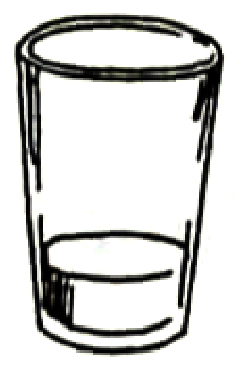
2
There is rice in the pot.
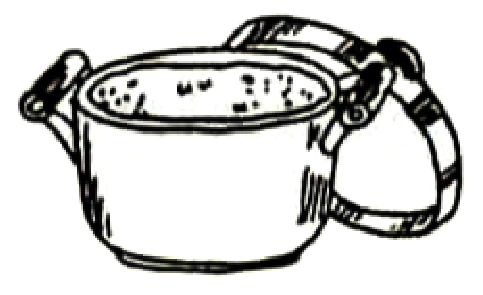
3
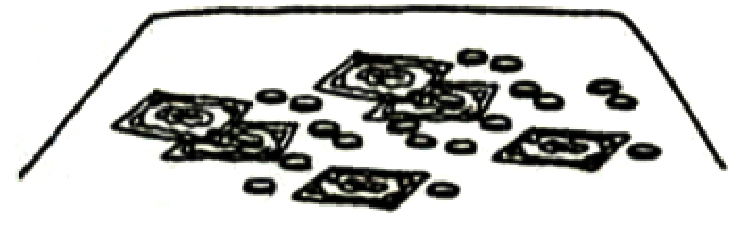
There is money on the table.
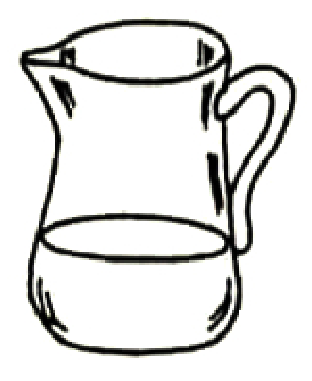
4
There is milk left in the jug.
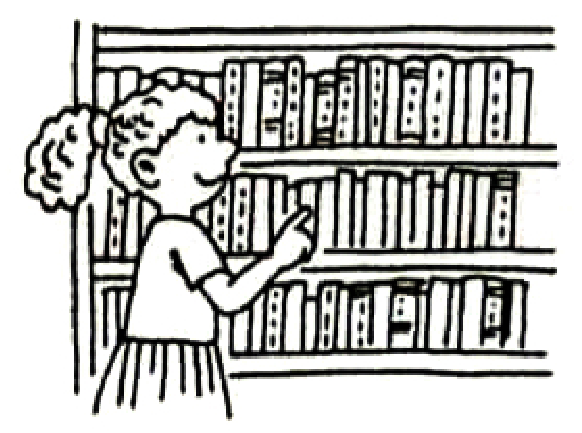
5
We gain knowledge from reading.
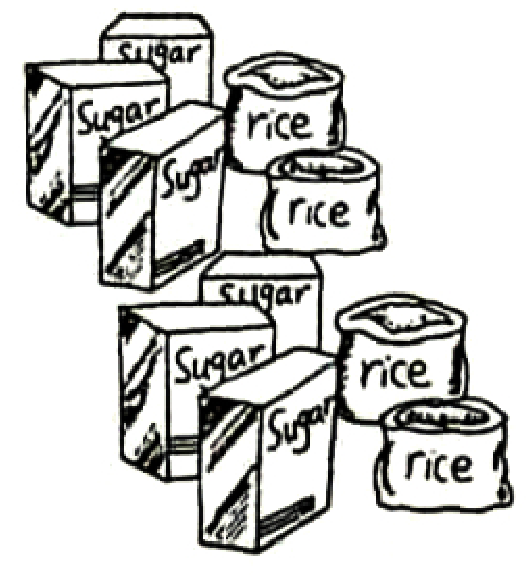
6
Mrs Jones buys rice and sugar from the market.
7
There is only oil in the frying pan.
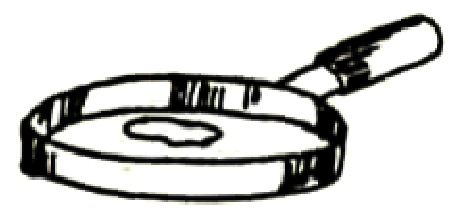
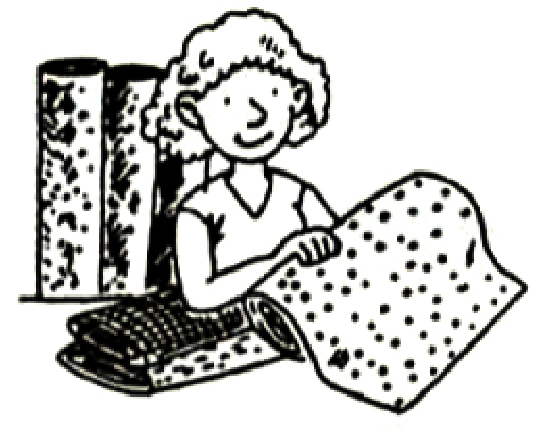
8
Mrs Taylor bought silk to make a beautiful wedding gown for her daughter.
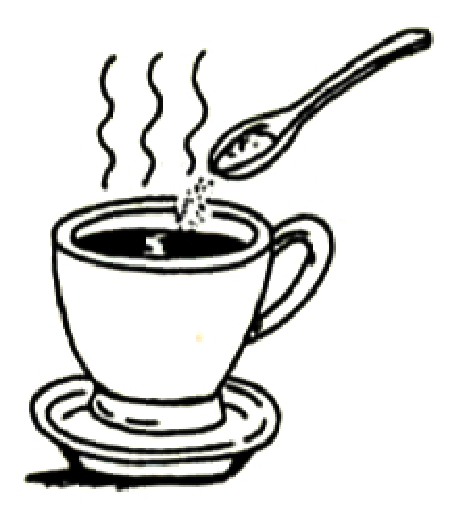
9
I do not like my coffee to be too sweet. Just put sugar in it.
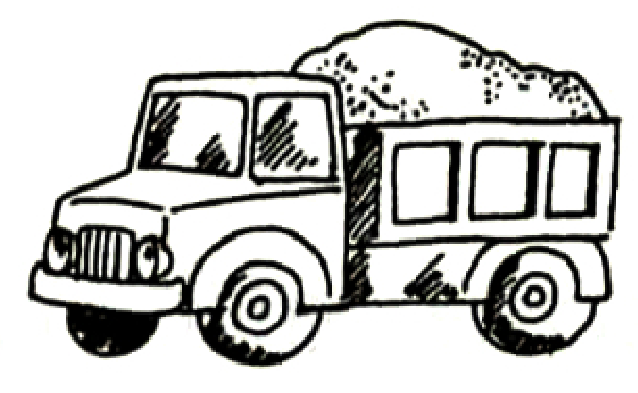
10
The lorry is carrying sand.
Page 69
Adjectival phrases tell us more about the nouns they come after.
Example
The eggs in the basket are fresh from the farm.
We can then ask 'Which eggs?'. The answer will be 'Those in the basket.'
These phrases usually start with a preposition.
Examples
The man in the red jacket is my uncle.
The kitten sleeping under the table belongs to my grandmother.
The computers in this room are brand-new.
Page 70
Underline the adjectival phrase in each sentence.
1
The man in the grey suit is my father.
2
The pen on the desk belongs to Megan.
3
The cat under the table has a long black tail.
4
The bicycle behind the tree is mine.
5
The house near the lake is vacant.
6
The books on the shelf are old.
7
The apples in the basket are rotten.
8
Mr Jackson from the police headquarters is here to see you.
9
The tree behind my house has been chopped down.
10
The shop near my home has been robbed.
Page 71
Join each pair of sentences by using 'either ... or' or 'neither ... nor'.
1
You can have cakes. You can have biscuits.
2
Jack wants to be a pilot. He also wants to be a musician.
3
Mr Spears cannot drive a car. He cannot ride a motorcycle.
4
Mr Finch does not know Mary. Mrs Finch does not know Mary.
5
We can take a bus to school. We can walk to school.
6
You can cut the piece of paper with a razor. You can also cut it with a pair of scissors.
7
I can watch television. I can listen to the radio.
8
I may have left my bag in the bedroom. I may have left it in the kitchen.
9
My father does not smoke. He does not drink.
10
Lucy can come to the party. Lucy can go home.
Page 71
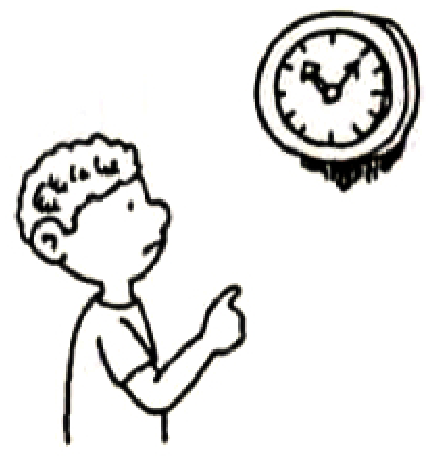
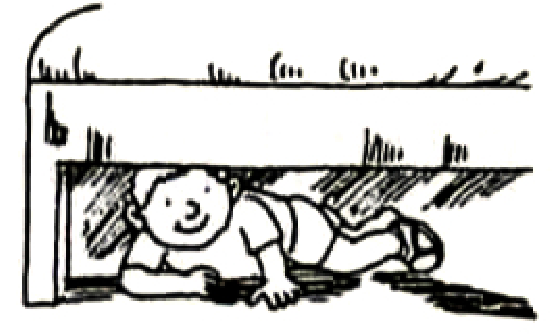
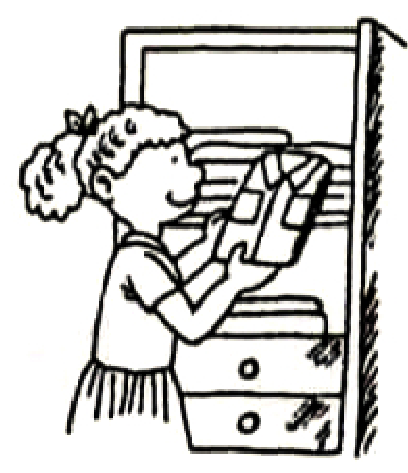
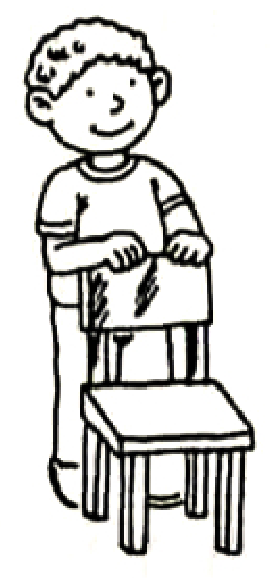
Complete each sentence with an adjectival phrase beginning with 'on', 'in', 'under', 'behind' or 'near'. Use the word(s) in the brackets to help you.
on
in
under
behind
near
1
The clock has stopped. (wall)
2
The boy is my cousin. (bed)
3
The clothes are clean. (cupboard)
4
The boy is my brother. (chair)
5
The handbag belongs to Mrs Andrews. (table)
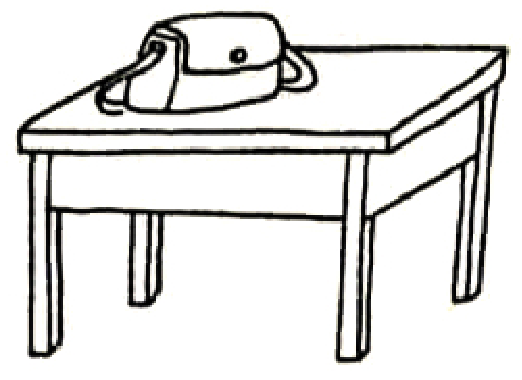
6
The insects are the bee and the butterfly. (dragonfly)
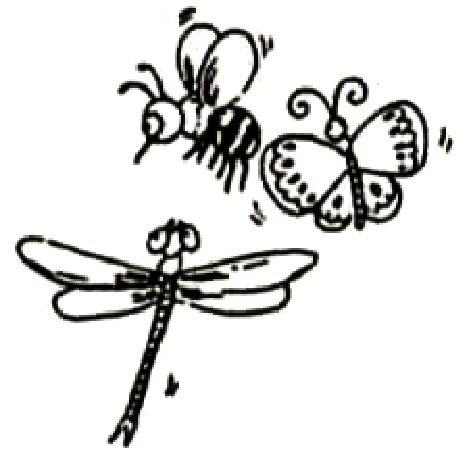
7
The bird is a parrot. (cage)
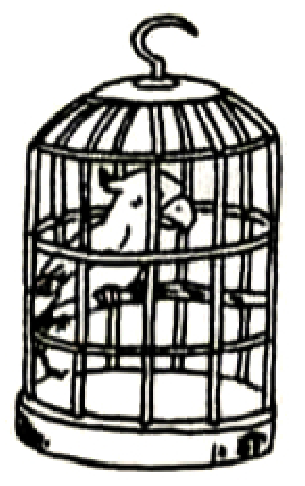
8
The fruit are oranges. (plate)
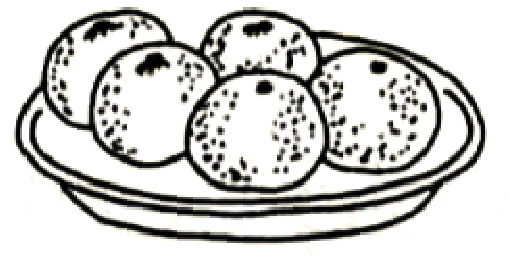
9
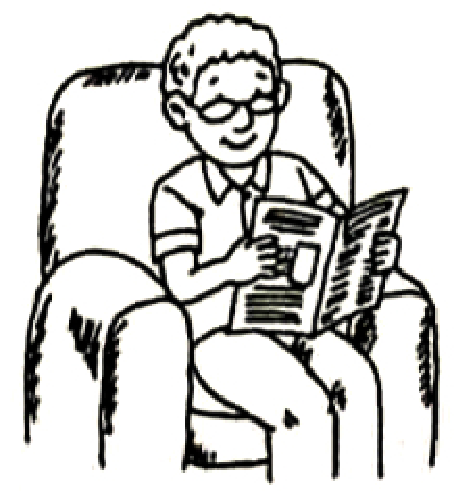
The man is my father. (living room)
10
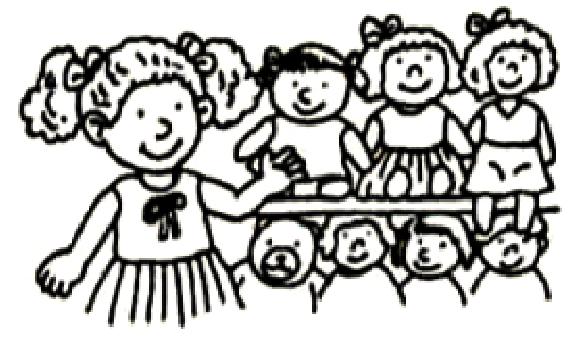
The dolls belong to my little sister. (shelves)
Page 72
Combine the two sentences by changing one of the sentences into an adjectival phrase.
1
The vase is on the counter. It is made of glass.
2
The paint is in the tin. It has dried up.
3
The boat is under the bridge. It belongs to that fisherman.
4
The man is behind the tree. He is a thief.
5
The tent is near the pond. It is set up by the boys.
6
The cat is under the bed. It is sleeping.
7
The big book is on the desk. It is a dictionary.
8
The stories are found in this book. They are interesting.
Page 73
Underline the correct answers.
We may use the adverb 'so' to show sameness when
(a) two facts are similar;
(b) two events are similar;
(c) two people or animals do similar actions;
(d) two living things or objects have the same quality.
Examples
David is a football player. Nelson is a football player.
David is a football player, so is Nelson.
Christmas is celebrated in many countries. New Year is celebrated in many countries.
Christmas is celebrated in many countries, so is New Year.
1
Dave is a good swimmer, so ( am , is , are ) I.
2
Lynette and Helen were at the party, so ( was , were , had ) we.
3
The doors are closed, so ( is , are , were ) the windows.
4
Mrs Hill's children are polite, so ( is , was , are ) Mrs Watson's children.
5
Leopards have spots on their body, so ( does , has , do ) cheetahs.
6
Mary likes to sing, so ( do , does , has ) Sharon.
7
My brother goes to St James School, so ( do , does , did ) my sister.
8
Peggy finished her homework, so ( do , does , did ) her sister.
Page 74
Fill in the blanks with the correct answers. / Write a sentence using 'so' with the help of the word(s) in the brackets.
1
An owl hunts at night, so a bat.
2
Helen has a bicycle, so I.
3
Susie likes chocolate, so her friends.
4
Mr Michel donates blood regularly, so Mr Stevens.
5
I was going to the library, so they.
6
My mother is a doctor, so my father.
7
They have passed the test, so we.
8
Melvin can run very fast, so Nathan.
1
The tour guide was very courteous. (the driver)
2
A police officer carries a weapon. (a soldier)
3
Melissa is hungry. (I)
4
Mr Wilson attended the meeting. (Miss Carter)
5
The boys enjoyed themselves at the party. (the girls)
6
Tammy will take part in the contest. (my sister)
Page 76
2
If there is no water, .
3
If I do not study hard, .
4
If you are naughty, .
5
If the children play with matches, .
6
If you ask her, .
7
If the weather is hot, .
8
If you disturb the dog, .
Page 79
A phrasal verb is made up of two words, mainly a verb and a preposition or adverbial particle.
Examples
The dog ran away with a piece of meat in its mouth.
Susan wakes up at six o'clock every morning.
He turned down the invitation to the party.
Here are some commonly used phrasal verbs and their meanings. Try to remember some of them. A good dictionary helps as you can look up phrasal verbs and their various meanings.
Phrasal Verb | Meaning
add in | include
add up | calculate the sum
blow out | extinguish
blow up | explode
break down | cry; stop working
break in (into) | enter by force
break out | begin to happen; escape
come across | find; discover
come along | follow
close down | stop operating
close up | move closer; not open for a while
fall back | move back or backwards
fall down | fall onto the ground
fall out | quarrel
find out | discover
get along | be friendly with
get away | escape
get in | enter
get on | continue; make progress
get out | escape; leave
get over | finish; feel better
get up | wake up; stand up
give back | return
give in | agree or accept unwillingly
give out | give (information)
give up | stop doing or trying
go after | chase; try to catch
go away | leave
go back | return
go down | sink; become lower in amount
go off | explode; leave
go on | continue
go out | leave a place
go over | check; think carefully
go through | search; experience
go up | increase; explode
grow on | like more and more
grow out (of) | become too big for one's clothes; stop doing (a habit, action)
grow up | develop
hand in | give
hand out | distribute
Page 80
Choose the most appropriate answer and write its number in the brackets.
A simple conditional clause begins with the conjunction 'if'. The verb in the conditional clause is in the simple present tense.
Examples
If you pass your examinations, ...
If there is no sunlight, ...
The verb in the main clause is in the simple future tense — 'shall', 'will'.
Examples
If you pass your examinations, I shall buy you a present.
If there is no sunlight, the plants will die.
We can also use 'can' or 'may' instead of 'shall' or 'will'.
Examples
If John practises hard enough, he can make it to the school football team.
If I have the time, I may go to the library.
1
If you do not hurry, .
Page 80
Phrasal Verb | Meaning
hand over | give power or responsibility to someone
keep off | stay away
keep out | stay away
knock about | hit a few times
knock down | hit (with or by a car)
leave out | exclude
look after | take care of
look around | search
look at | see
look for | search; hunt
look on | watch
look out | search
look over | examine
look round | search
look up | visit; try to find
make off | escape
make out | try to see or understand
make up | form (an excuse)
open up | become bigger (hole, crack); start to talk
pass around | offer
pass away | die
pass by | walk past
pick on | bully
pick out | choose
pick up | collect; lift
pull out | leave; move; get something out
push over | cause something or someone to fall
put away | keep
put back | return to its original position or place
put on | wear
put off | postpone
put out | extinguish
put up | build; stay
ring up | phone
run after | chase
run away | leave; escape
run down | hit; injure
run into | hit; meet
run out | use up
run over | hit
set aside | keep for use later
set off | begin (a trip)
set out | start to do
set up | start; build
switch off | turn off
switch on | turn on
switch over | change
take apart | separate
take in | allow someone to stay
take off | leave; remove
take on | accept
take out | withdraw
take up | be interested to spend time doing something
throw away | dispose
tidy away | pack and keep neatly
turn back | move in opposite direction; walk back
turn down | not accept; reject
turn in | return
turn off | switch off
turn on | switch on
turn out | turn off; happen in a way
turn up | come; attend; increase (heat, volume)
warm up | become warm; do exercise
write back | reply (letter)
write down | write on a piece of paper
write out | write something on paper in a neat way
Page 82
Fill in each blank with the future tense ('shall' or 'will') of the verb in the brackets.
1
We at home if it rains. (stay)
2
If you are not careful, you the vase. (break)
3
I her if I have the time. (visit)
4
If you stop smoking, you much healthier. (feel)
5
If they do not do their homework, their form teacher them. (punish)
6
If the children play in the rain, they a cold. (catch)
7
If it is too dark, I on the table lamp for you. (switch)
8
The driver with an accident if he drives so recklessly. (meet)
Page 82
Choose the correct answer and write its number in the brackets provided.
1
Please the tap after use.
2
The firefighters managed to the fire before it spread to the nearby houses.
3
Lily some money to buy her mother a birthday present.
4
My father smoking a few years ago.
5
My friend my address in her notebook.
6
The gardener told the children to the grass.
Page 83
Join each pair of sentences by using the conjunction 'if'.
1
I am too tired. I shall take a rest.
2
The baby will cry. It is hungry.
3
You do not have enough money. I shall lend you some.
4
You are naughty. Your father will scold you.
5
Henry fails his examination. His parents will be sad.
6
You drop the vase. It will break.
7
Ice will melt. It is left under the sun.
8
You park your car here. You will be fined.
Page 83
7
I my jacket when the weather is cold.
8
She the fan as it was very hot.
9
She became an orphan when her parents two years ago.
10
Sharon used a calculator to the numbers.
Page 84
Fill in each blank with the correct phrasal verb from the box. Use each phrasal verb only once.
got out
found out
went out
fallen off
broke out
rang up
put out
putting on
gave up
took up
1
A few months ago, a fire (1) in my home, causing a blackout at the same time.
2
I was (2) my pyjamas when it happened.
3
The light in my room flickered before it (3) .
4
Someone shouted, “Fire! Fire!” My family and I (4) of the house to safety.
5
My father (5) the fire brigade immediately.
6
Luckily, the firefighters arrived in time to (6) the fire before it spread to the other houses.
7
Later, we (7) that the cause of the fire was a lighted cigarette which had (8) the ashtray and onto the carpet.
8
Later, we (7) that the cause of the fire was a lighted cigarette which had (8) the ashtray and onto the carpet.
9
From that day on, my father (9) smoking and (10) eating sweets instead.
10
From that day on, my father (9) smoking and (10) eating sweets instead.
Page 85
Underline the correct answers.
We often tell people to do things. This means that we order them in a simple way. However, we may want to be more polite by asking. Asking is requesting. In reported commands and requests, the sentence is usually in the passive voice and the verb will be in the simple past tense.
We usually use 'told' for commands by people of some authority.
Examples:
Mrs Stevenson told the monitor to look after the class while she was out.
The chief inspector told his men to get ready for the ambush.
We usually use 'asked' if we are making a request.
Examples:
Mrs Abbott asked her neighbour to show her his new plants.
Gary asked John to join him for a game of football.
1
The inspector ( told , asked ) his men to surround the house.
2
David ( told , asked ) his tutor to help him with his homework.
3
Mrs Walker ( told , asked ) the children not to play along the canal.
4
The teacher ( told , asked ) the naughty student to keep quiet.
5
The prefect ( told , asked ) the boys not to litter.
6
Lilian ( told , asked ) me to accompany her to the picnic.
7
His mother ( told , asked ) him to behave himself.
8
The police ( told , asked ) the gunman to surrender himself.
Page 86
Underline the correct answers.
1
The students handed ( out , over , in ) their homework to the teacher.
2
The children were told to pick ( on , out , up ) the litter.
3
I usually get ( over , away , up ) at six o'clock in the morning.
4
Raymond fell ( down , away , out ) and injured his knee.
5
The thief broke ( down , into , out ) the house and stole the antique vase.
6
Please switch ( off , over , in ) the light when you leave the room.
7
Peter took ( in , up , off ) his muddy shoes before he entered the house.
8
Mary looked ( up , out , at ) the meaning of the word in the dictionary.
9
Wayne wants to be a pilot when he grows ( on , up , out ).
10
His mother told him to put ( out , off , away ) his toys.
Page 86
Rewrite the following sentences into reported commands and requests. / Rearrange each set of words to form a proper sentence.
1
"Open your mouth, please," the dentist asked Sharon.
2
"Leave the office," the manager told him.
3
"Don't play in the rain," Mr Carlson told the children.
4
"Please help me," the stranger asked me.
5
"Fall in!" the corporal told his men.
1
her hair. Melissa's teacher to tie up told her
2
to go told him John's mother to sleep.
3
asked her guests Mrs Taylor to take a seat.
4
my room. My father told me to tidy up
5
The general told to retreat. the soldiers
6
follow her. The nurse asked me to
Page 87
1
accomplice: someone who is a partner in crime
2
employee: someone who is paid for providing services
3
manager : someone who is in charge of a group of office workers
4
commander: a chief officer in the army, navy or air force
5
ponder : to go into deep thoughts about something
6
presentation : a show-and-tell session about something, usually to a group of people who are interested to know more about the item or product
7
registered article: an item which is to be delivered to the addressee through a special service so that it will not be lost
8
social gathering: an informal get-together session of a group of people
9
canvas: a type of cloth, usually used for making bags or tents
10
renovation: a state of repair to make something look new or work better
11
obstruct : to block from being seen or to be in the way
12
Community Chest : a charity organization
13
opponent : someone who goes against another persons, usually in a game or contest
14
employer: someone who pays one to provide services
15
arrest : to take someone away legally, usually for a crime committed
16
vandalism: the crime of destroying something, usually public property, by writing or drawing
17
souvenir : a thing which is bought from a place visited
18
thug: a cruel violent man
19
scurry: to hurry
20
snap : to break suddenly
21
lottery ticket : a ticket containing one or more numbers of a certain number of digits which can win prizes, usually in cash
22
lifestyle : a way of life
23
stewed: being cooked over slow fire
24
headquarters: the main office of a company
25
courteous: polite
26
recklessly : carelessly
27
flicker : to burn in an unsteady manner
28
corporal: air force; rank is lower than that of a sergeant
29
retreat : to move away from the enemy
30
Improve your results with unlimited practice and receive instant, real-time feedback on the Diagnostic Tests. (Access code and instructions on 1st page of this book.)

Page 88
Page 94
Page 95
1
LESSON 1 - Exercise 1: 1. go, 2. steal, 3. own, 4. are, 5. cost, 6. were, 7. were, 8. work, 9. belong, 10. play
2
LESSON 1 - Exercise 2: 1. cycle, 2. move, 3. live, 4. enjoy, 5. like, 6. visit, 7. go, 8. swim, 9. jog, 10. speak
3
LESSON 1 - Exercise 3: 1. Sharon and Sally are my friends. 2. My brother and I know how to swim. 3. Jonathan and I do not like to drink coffee. 4. The pen and the ruler are on the desk. 5. Nancy and Judy were absent yesterday. 6. Lilian and I are going to the zoo. 7. The car and the van were badly damaged. 8. Lily and David have passed the examination. 9. The education app and the game app are free. 10. Mark has a smartphone and two smart tablets.
4
LESSON 2 - Exercise 4: 1. studies, 2. is, 3. trusts, 4. wants, 5. enjoys, 6. has, 7. lives, 8. is, 9. has, 10. likes
5
LESSON 2 - Exercise 5: 1. likes, 2. is knocking, 3. knows, 4. was, 5. has taken, 6. was, 7. was, 8. works, 9. wants, 10. knows
6
LESSON 2 - Exercise 6: 1. Somebody, 2. Everybody, 3. Nobody, 4. Nobody, 5. Nobody, 6. Somebody, 7. Everybody, 8. Everybody, 9. Somebody, 10. Nobody
7
LESSON 2 - Exercise 7: 1. Everybody, 2. nobody, 3. nobody, 4. somebody, 5. Nobody, 6. everybody, 7. everybody, 8. Somebody, 9. everybody, 10. nobody
8
LESSON 3 - Exercise 8: 1. prefer, 2. take, 3. bear, 4. are, 5. enjoy, 6. do, 7. own, 8. want, 9. eat, 10. have
9
LESSON 3 - Exercise 9: 1. have, 2. are, 3. like, 4. are, 5. have, 6. remember, 7. are, 8. want, 9. have, 10. are
10
LESSON 3 - Exercise 10: 1. Most, 2. All, 3. Most, 4. All, 5. Most, 6. Some, 7. All, 8. All, 9. Most, 10. All
11
LESSON 3 - Exercise 11: 1. provide, 2. increase, 3. educate, 4. give, 5. improve, 6. agree, 7. enjoy, 8. read, 9. are, 10. try
12
LESSON 4 - Exercise 12: 1. myself, 2. ourselves, 3. yourselves, 4. himself, 5. themselves, 6. herself, 7. himself, 8. herself, 9. himself, 10. herself
13
LESSON 4 - Exercise 13: 1. themselves, 2. yourself, 3. herself, 4. myself, 5. yourselves, 6. itself, 7. ourselves, 8. himself
14
LESSON 4 - Exercise 14: 1. I carried the table into the room for the presentation myself. 2. We set up the tents for the camp ourselves. 3. The children bought the kites from that shop themselves. 4. He must rewrite the letter himself as nobody can read his untidy writing. 5. You ought to try to do your homework yourself and not always ask for your brother's help.
15
LESSON 4 - Exercise 15: 1. (3), 2. (1), 3. (4), 4. (1), 5. (4), 6. (1), 7. (1), 8. (2)
16
LESSON 5 - Exercise 16: 1. ourselves, 2. himself, 3. themselves, 4. yourself, 5. myself, 6. itself, 7. yourself, 8. themselves
17
LESSON 5 - Exercise 17: 1. himself, 2. themselves, 3. herself, 4. yourself, 5. ourselves, 6. himself, 7. herself, 8. myself
18
LESSON 6 - Exercise 18: 1. when we are sick, 2. When it rains heavily, 3. when I was five years old, 4. when the teacher walked in, 5. when the train arrived at the station, 6. when he saw the police officers walking into the garden, 7. when I was having my dinner, 8. when it saw the cheetah
19
LESSON 6 - Exercise 19: 1. (2), 2. (1), 3. (3), 4. (2), 5. (1), 6. (2), 7. (1), 8. (2), 9. (1), 10. (1)
20
Exercise 20: 1. The students went to their classrooms when the school bell rang. 2. The man hurt himself when he fell off the ladder. 3. When the dog saw the postal worker, it barked. 4. When I saw the smoke, I called the fire brigade. 5. You must drive carefully when the roads are wet. 6. She visits the dentist when she has a toothache.
21
LESSON 7 - Exercise 21: 1. is made of, 2. be made of, 3. were made of, 4. are made of, 5. was made of, 6. was made of, 7. are made of, 8. was made of, 9. is made of, 10. are made of
22
LESSON 7 - Exercise 22: 1. are made of, 2. is made of, 3. were made of, 4. are made of, 5. is made of, 6. is made of, 7. are made of, 8. are made of, 9. are made of, 10. is made of
23
LESSON 7 - Exercise 23: 1. Sharon's blouse is made of cotton. 2. This hat is made of straw. 3. Those bags are made of canvas. 4. Most windows are made of glass. 5. The pot must be made of clay. 6. Those boxes are made of cardboard.
24
LESSON 8 - Exercise 24: 1. shall, 2. will, 3. will, 4. shall, 5. will, 6. will, 7. will, 8. shall, 9. will, 10. will
25
LESSON 8 - Exercise 25: 1. will be, 2. will forget, 3. shall study, 4. will arrive, 5. shall attend, 6. will make, 7. shall be, 8. will give
26
LESSON 8 - Exercise 26: 1. will, 2. will, 3. shall, 4. shall, 5. shall
27
LESSON 9 - Exercise 27: 1. faster, 2. more carefully, 3. high, 4. hard, 5. quickly, 6. sooner, 7. more neatly, 8. more strongly, 9. early, 10. longer
28
LESSON 9 - Exercise 28: 1. more beautifully, 2. later, 3. more heavily, 4. faster, 5. more brightly, 6. more generously, 7. more politely, 8. harder, 9. more softly, 10. more clearly
Page 96
29
Exercise 29
30
Exercise 30
31
Exercise 31
32
Exercise 32
33
Exercise 33 (Suggested answers)
34
Exercise 34
35
Exercise 35
36
Exercise 36
37
Exercise 37
38
Exercise 38
39
Exercise 39
40
Exercise 40
41
Exercise 41
42
Exercise 42
43
Exercise 43
44
Exercise 44
45
Exercise 45
46
Exercise 46
47
Exercise 47
48
Exercise 48
49
Exercise 49
50
Exercise 50
51
Exercise 51
52
Exercise 52
Page 97
53
Exercise 53
54
LESSON 18 - Exercise 54
55
LESSON 18 - Exercise 55
56
LESSON 18 - Exercise 56
57
LESSON 19 - Exercise 57
58
LESSON 19 - Exercise 58
59
LESSON 20 - Exercise 59
60
LESSON 20 - Exercise 60
61
LESSON 20 - Exercise 61
62
LESSON 21 - Exercise 62
63
LESSON 21 - Exercise 63
64
LESSON 21 - Exercise 64
65
LESSON 22 - Exercise 65
66
LESSON 22 - Exercise 66
67
LESSON 22 - Exercise 67
68
LESSON 23 - Exercise 68
69
LESSON 23 - Exercise 69
70
LESSON 23 - Exercise 70
71
LESSON 24 - Exercise 71
72
LESSON 24 - Exercise 72
73
LESSON 24 - Exercise 73